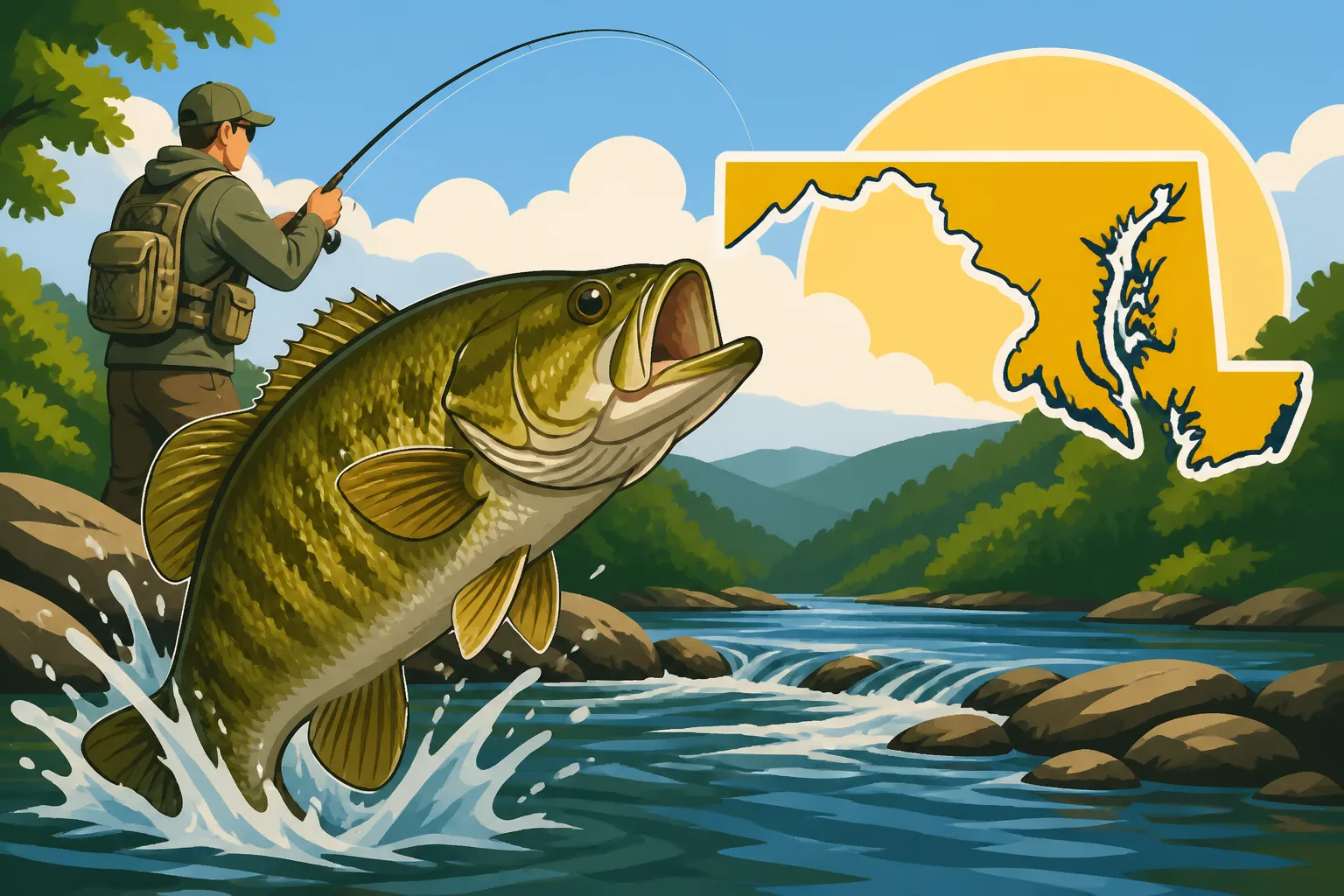
Fishing the Nontidal Upper Potomac for Smallmouth Bass
Finding productive smallmouth bass fishing on a river as vast and varied as the Potomac can feel like a daunting task, especially when you're trying to navigate the currents and regulations of the nontidal upper sections. Many anglers get overwhelmed by where to start, what gear to use, or how to read the river effectively. This comprehensive guide is here to unravel those complexities, providing you with the knowledge, tips, and confidence you need to successfully target smallmouth bass in the beautiful, challenging waters of Maryland's nontidal Upper Potomac.
The Unique Character of the Nontidal Upper Potomac for Smallmouth
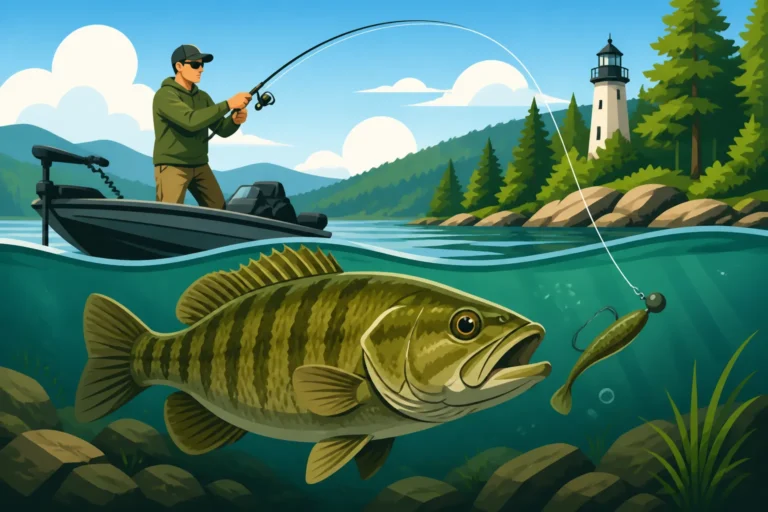
The Nontidal Upper Potomac River, especially the stretch flowing through Western Maryland, is a jewel for smallmouth bass anglers. It's a different beast entirely from its tidal, brackish counterparts further downstream. Understanding its specific characteristics is key to unlocking its smallmouth secrets.
Geography and River Character
When we talk about the Nontidal Upper Potomac, we're generally referring to the river upstream of Great Falls, near Washington D.C., where the influences of the ocean tides cease. This stretch transforms into a classic freestone river, characterized by a series of riffles, runs, pools, and rocky rapids. The riverbed itself is a mosaic of boulders, gravel bars, and ledges, carved out over millennia. It’s a dynamic environment, constantly shifting with water levels and currents. Unlike the wide, slow-moving lower Potomac, the upper river is narrower, with clearer water and a more pronounced current, making it ideal habitat for smallmouth bass. The surrounding landscape, often framed by rolling hills and dense forests, adds to the immersive angling experience, a true escape from the urban sprawl.
Prime Smallmouth Bass Habitat and Structure
Smallmouth bass are structure-oriented fish, and the Upper Potomac provides an abundance of their preferred hideouts. They thrive in areas with current, using structure to ambush prey and conserve energy. Look for them holding behind large boulders, which break the main current, creating calmer pockets where bass can rest. Submerged rock ledges, often visible during lower water periods, are also prime real estate. These ledges create current breaks and eddies, and offer plenty of crevices for crayfish and baitfish – primary food sources for smallmouth. Gravel bars at the tail ends of pools or at the heads of riffles are also excellent feeding zones, as baitfish are often swept over them. Deep pools, especially those with rocky bottoms or submerged timber, provide crucial refuge during harsh weather or intense sunlight. Don't overlook undercut banks, particularly those lined with tree roots, as these offer shade and protection. Understanding these micro-habitats within the larger river system is crucial to pinpointing where smallmouth are likely to be lurking.
Seasonal Changes and Their Impact on Smallmouth
The Potomac's smallmouth bass respond dramatically to the changing seasons, dictating where they'll be and how actively they'll feed.
- Spring (Pre-Spawn & Spawn): As water temperatures begin to rise in late March and April, smallmouth move out of their deeper wintering holes and into shallower, rocky areas to feed aggressively in preparation for spawning. This pre-spawn period is often one of the best times for trophy fish. Once water temperatures hit the mid-60s Fahrenheit, typically late April through May, they'll be on their spawning beds, often in gravelly flats or protected coves. During the spawn, they can be territorial and aggressive, but also easily spooked. After spawning, males guard the nests. It's a delicate time, and practicing Maryland Smallmouth Bass Catch and Release Rules is paramount to ensure future generations.
- Summer (Post-Spawn & Feeding Frenzy): Summer sees smallmouth spread throughout the river. Early summer, post-spawn, they are often recovering and still a bit lethargic. By mid-summer, when the water is warm and metabolism is high, they are actively feeding, often congregating in current breaks, oxygenated riffles, and shaded areas during the heat of the day. Early mornings and late evenings can be particularly productive.
- Fall (Feeding Up): As water temperatures drop in September and October, smallmouth begin their "fall feed," gorging themselves in preparation for winter. They can be incredibly aggressive, often chasing baitfish in schools. This is another excellent time for larger fish, as they are actively trying to put on weight. They'll gravitate towards deeper pools but will still make forays into shallower feeding flats.
- Winter (Deep Water): During winter, smallmouth retreat to the deepest, slowest pools in the river where water temperatures are most stable. Their metabolism slows down significantly, and they become much less active. While challenging, they can still be caught on very slow presentations in these deep pockets.
Knowing these seasonal patterns is like having a roadmap; it helps you anticipate where the fish will be and what they'll be willing to bite. It’s a similar concept to how Best Time of Year to Fish in Maryland applies across different species and waters.
Essential Gear and Tackle for Potomac Smallmouth Success
Having the right tools for the job can make all the difference, especially when you're wading rocky rivers or casting to picky smallmouth. The Nontidal Upper Potomac presents specific challenges and opportunities that influence your gear choices.
Rods, Reels, and Line Selection
For the varied conditions of the Upper Potomac, versatility is key.
- Rods: Most anglers find a medium-light to medium-power spinning rod, typically 6'6" to 7' in length, to be the sweet spot. This allows for accurate casting of lighter lures, sensitivity to detect subtle bites, and enough backbone to handle a feisty smallmouth in current. For those who prefer baitcasting, a similar power rod in the 6'8" to 7'2" range works well for slightly heavier presentations like spinnerbaits or jigs with larger plastics. A fast action tip is usually preferred for quick hook sets.
- Reels: A reliable spinning reel in the 2000 or 2500 series, or a baitcasting reel with a smooth drag system, is ideal. Look for reels that balance well with your rod, ensuring comfortable casting throughout the day. Smooth operation and a good drag are essential for fighting fish without breaking lines.
- Line: For spinning setups, 6-10 lb test fluorocarbon or monofilament line is a common choice. Fluorocarbon offers low visibility and good abrasion resistance, which is important around rocks. Monofilament has a bit more stretch, which can be forgiving with aggressive head shakes. Many anglers opt for braided line (10-15 lb) as a main line for its sensitivity and casting distance, then tie on a 6-8 lb fluorocarbon leader of about 3-5 feet. This gives you the best of both worlds: sensitivity and strength with a nearly invisible presentation. For baitcasting, 10-12 lb fluorocarbon is a solid all-around choice.
Lure and Bait Recommendations
Smallmouth in the Upper Potomac are opportunistic feeders, but certain lures and baits consistently produce results.
- Soft Plastics: These are arguably the most versatile and effective. Grubs (e.g., Kalin's Triple Threat Grubs), tubes (e.g., Strike King Coffee Tube), and senko-style worms are staples. Rig them on jig heads (1/8 to 3/8 oz, depending on current) or weedless for navigating rocky bottoms. Small swimbaits also shine when bass are keying in on baitfish. Natural colors like green pumpkin, watermelon, and smoke with flake are often excellent choices, mimicking crayfish and various minnows.
- Crankbaits and Jerkbaits: Small, shallow-diving crankbaits (like the Rapala Shad Rap or Berkley Flicker Shad) in crayfish or baitfish patterns are deadly, especially when fished around rocky areas. Jerkbaits (such as the Rebel Wee-R or Smithwick Rattlin' Rogue) can entice strikes when retrieved with an erratic stop-and-go action, mimicking a struggling baitfish.
- Spinnerbaits and Buzzbaits: When the water has a bit of stain or you're fishing in low light, a 1/4 to 3/8 oz spinnerbait with willow or Colorado blades can be very effective. Buzzbaits are fantastic topwater options, especially in the early morning or late evening, or over shallow flats, provoking aggressive reaction strikes.
- Topwater Lures: Besides buzzbaits, small poppers (like a Heddon Pop-R) and walking baits (e.g., a Zara Spook Jr.) are exhilarating to fish. Nothing beats the explosive strike of a smallmouth on the surface. These are typically best fished during periods of low light or when the water is calmer.
- Live Bait: If you're struggling with artificials, or just prefer a more natural approach, live bait can be incredibly effective. Crayfish (where legal and readily available) are a top choice. Small shiners or minnows, and even nightcrawlers, can also tempt smallmouth. Rig them on a simple hook-and-sinker setup, letting them drift naturally with the current.
Here’s a quick overview of suggested lures by season:
| Season | Primary Lure/Bait Types | Retrieve/Presentation | Target Area |
|---|---|---|---|
| Spring | Soft plastics (tubes, grubs), small crankbaits | Slow retrieve, jigging, bouncing off bottom | Shallow rocky flats, transition zones |
| Summer | Topwater (poppers, buzzbaits), small crankbaits, jigs | Erratic retrieve (topwater), steady retrieve, jigging | Current breaks, riffles, shaded banks, deep pools |
| Fall | Spinnerbaits, jerkbaits, soft plastics, crankbaits | Faster retrieves, aggressive jerks, covering water | Deeper pools, current seams, baitfish schools |
| Winter | Jigs with small plastics, live bait (minnows) | Very slow, subtle presentations, dead-sticking | Deepest, slowest pools and holes |
Wading Gear and Safety Considerations
Fishing the Nontidal Upper Potomac often means getting in the water, so appropriate wading gear and safety are non-negotiable.
- Waders and Boots: Neoprene or breathable chest waders are essential for staying dry and comfortable. Pair them with sturdy wading boots that have felt or rubber soles for grip on slippery rocks. Studded soles can provide extra traction, but be mindful of their impact on sensitive stream bottoms. Make sure your boots fit well over your wader booties to prevent blisters and maintain ankle support.
- Wading Staff: This is a lifesaver, especially in swift currents or on uneven, rocky bottoms. A collapsible wading staff provides stability, helps you gauge water depth, and can prevent falls. Always test the bottom ahead of you before taking a step.
- PFD (Personal Flotation Device): Even if you're a strong swimmer, wearing a PFD is a wise precaution, especially when wading in strong currents or fishing from a kayak. Inflatable PFDs are lightweight and unobtrusive. The Potomac can be powerful, and currents can quickly sweep you off your feet.
- Sun Protection: Spend hours on the water, and the sun will take its toll. Wear a wide-brimmed hat, polarized sunglasses (crucial for spotting fish and structure), and apply sunscreen liberally.
- Hydration and Snacks: Always carry water, especially during warmer months. Dehydration can creep up quickly. A few high-energy snacks will keep you fueled for a full day of fishing.
- First Aid Kit: A small, waterproof first aid kit is a good idea for any outdoor adventure. Minor cuts, scrapes, or hook pokes are always a possibility.
- Buddy System: Whenever possible, fish with a buddy. If an accident occurs, having someone else there can make all the difference. Always let someone know where you're going and when you expect to return. Remember the lessons learned when Wading the Susquehanna River Safely apply directly to the Potomac's similar conditions.
Prime Locations and Access Points on the Upper Potomac
The sheer length of the Nontidal Upper Potomac can be overwhelming when trying to pinpoint where to drop a line. Thankfully, many areas offer excellent smallmouth opportunities and public access.
Public Access Points and Parks
Maryland offers numerous public access points along the Upper Potomac, allowing anglers to get to the water. Some popular spots offer designated parking and boat launches, while others might be more primitive.
- C&O Canal National Historical Park: This park runs parallel to the Potomac for many miles, providing extensive access. You can often park at various historical locks or access points and walk down to the river. Popular sections for smallmouth fishing include those near Harpers Ferry, Brunswick, and Williamsport. Just remember that while the C&O Canal itself holds fish (like carp and catfish), you're looking to access the main stem of the Potomac from the towpath.
- Smallwood State Park (further downriver but relevant for general Potomac fishing): While a bit south and closer to the tidal influence, this park is a hub for Potomac fishing and worth mentioning for broader context when considering Fishing the Potomac River in Maryland. However, for nontidal smallmouth specifically, you'll want to focus further upstream.
- Local Public Ramps and Landings: Many smaller public ramps and access points exist, maintained by counties or the Maryland Department of Natural Resources (DNR). Examples include access points near Point of Rocks, Whites Ferry, Edwards Ferry, and Monocacy River confluence. It's always a good idea to consult the Maryland DNR website for the most current list of public access points, or use mapping apps that highlight these areas. When planning a trip, resources like FishingBooker can help you scout potential guide services that operate out of these various access points, giving you local insights.
Best Sections for Wading and Kayak Fishing
The Nontidal Upper Potomac truly shines for wading and kayak fishing, offering an intimate experience with the river.
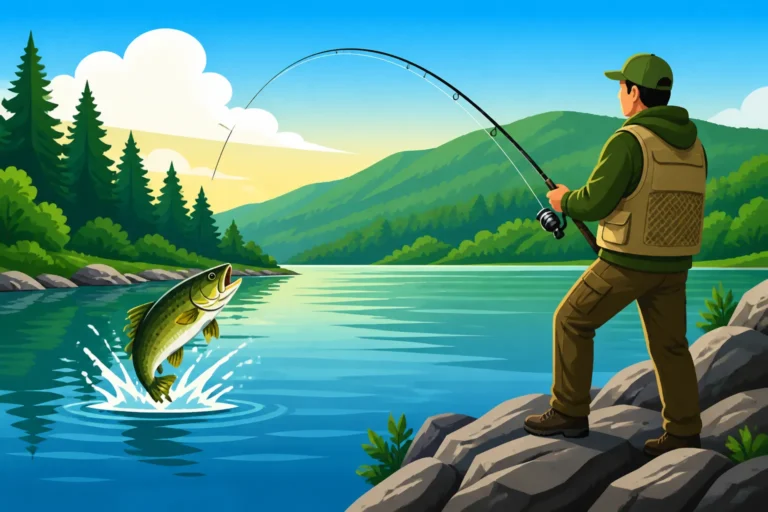
- Wading Hotspots: Sections with a good mix of riffles, runs, and medium-depth pools are perfect for wading. The areas around Dam #4, Shepherdstown, and Brunswick are particularly renowned. Look for stretches where the river isn't too wide or too deep, allowing you to cover water effectively. Always use caution when wading; currents can be deceptively strong, and the bottom can be very slippery. Focus on areas where you can comfortably cast to structure from a stable position.
- Kayak Fishing Advantages: Kayaks, canoes, and small jon boats are ideal for covering more water than wading alone, especially on longer floats. They allow you to access mid-river islands, navigate around deeper sections, and explore areas less pressured by shore anglers. Popular float trips include embarking from Dam #4 down to Shepherdstown, or from Shepherdstown to Brunswick. These sections offer excellent smallmouth habitat with manageable rapids (Class I-II, generally, depending on water levels) that are exciting but not overly dangerous for experienced paddlers. Remember to check water levels before embarking on a float trip; too low and you’ll be dragging, too high and it can become dangerous. Utilizing resources that detail Best Access Points on the Upper Potomac for Smallmouth can provide specific launch and takeout spots for float trips.
Navigating Access Challenges and Private Property
While there's ample public access, understanding land ownership along the river is crucial to avoid trespassing.
- Respect Private Property: Not all land along the Potomac is public. Many stretches are privately owned, and trespassing is illegal. Always look for clear signage, and if in doubt, assume it's private. Stick to clearly marked public access points, bridges, and areas known for public easements. Using satellite maps on your phone or GPS can help you identify public parklands and rights-of-way.
- C&O Canal Towpath Rules: The C&O Canal towpath offers excellent linear access, but be aware of park rules. Don't block the path, and understand that motor vehicles are generally not allowed directly on the towpath. Park in designated lots.
- Riverbed vs. Shoreline Ownership: In many states, the public has the right to navigate and fish navigable waters, even if the adjacent land is private. However, setting foot on the private land without permission is usually prohibited. This means you can often wade the river or fish from a boat, but you cannot walk up onto the bank where it's privately owned. Always clarify local regulations, as they can sometimes vary. The best policy is always to err on the side of caution and seek explicit permission if you're unsure.
Mastering Techniques for Potomac Smallmouth Bass
Smallmouth bass are feisty, intelligent fish, and a range of techniques will unlock their potential in the Nontidal Upper Potomac. It's not just about what you throw, but how you present it.
Reading the Water and Targeting Structure
The Potomac's currents and diverse bottom structure offer clues to where smallmouth will be holding. Learning to "read the water" is perhaps the most important skill you can develop.
- Current Seams and Eddies: Smallmouth love current, but they don't want to fight it constantly. Look for "current seams" where fast water meets slow water. This is often behind large boulders, points of land, or drop-offs. The bass will sit in the slower water, waiting for baitfish to be swept by in the faster current. Eddies (swirling pockets of slower water) are also prime ambush points.
- Riffles and Runs: Riffles, the shallower, faster-moving sections, oxygenate the water and concentrate baitfish. Smallmouth will often be found at the heads of riffles, where the water spills over into a deeper run, or at the tails of pools just before the next riffle. Runs, the smoother, flowing sections between riffles and pools, are often productive, especially along the edges where current is slightly slower or where structure is present.
- Deep Pools: These are critical refuge areas, especially during bright midday sun or cold winter months. Bass will suspend in these deeper sections or hold tight to submerged rocks and timber. Fishing these requires slower, vertical presentations.
- Shoreline and Overhangs: Don't neglect the banks! Undercut banks, fallen trees, and overhanging vegetation provide shade and cover, attracting both bass and their prey. Casting tight to these structures can be very rewarding.
- Submerged Ledges and Boulders: These are classic smallmouth magnets. Look for disruptions in the current or changes in water color that indicate underwater structure. A good pair of polarized sunglasses will help you spot these features.
Presenting Lures and Baits
Once you've identified potential smallmouth haunts, the way you present your lure is critical.
- Jigging Soft Plastics: This is a go-to technique for river smallmouth. Cast your jig-and-plastic upstream or across current, let it sink, and then work it back with short hops, twitches, and pauses, allowing the current to impart natural action. Mimic a crayfish crawling on the bottom or a baitfish struggling against the flow. Vary your retrieve speed until you find what the fish prefer.
- Crankbait and Jerkbait Retrieves: For crankbaits, a steady retrieve that allows the lure to bounce off rocks and deflect can trigger reaction strikes. For jerkbaits, a "twitch, twitch, pause" retrieve is standard. The pause is often when the strike occurs, so be ready!
- Topwater Action: When fishing poppers, make a "pop" and then let the ripples dissipate before popping again. For walking baits, a steady rod tip twitch will make the lure "walk the dog" side to side. Be patient; sometimes a long pause after a retrieve segment is what it takes for a bass to commit.
- Spinnerbait and Buzzbait Speed: Spinnerbaits can be slow-rolled or burned depending on the fish's mood. Buzzbaits are best retrieved just fast enough to keep the blades gurgling on the surface. These are excellent for covering water quickly and drawing aggressive strikes.
- Live Bait Drifting: When using live bait, rig it simply with enough weight to get it to the bottom, but not so much that it snags constantly. Cast upstream and let the bait drift naturally with the current through likely holding spots. Keep a tight line to feel subtle bites.
Remember that Fishing Techniques for Smallmouth Bass in the Potomac often involve adapting to the specific flow and structure of each individual spot you encounter.
Fly Fishing for Smallmouth in the Potomac
Fly fishing for smallmouth on the Nontidal Upper Potomac is an incredibly rewarding experience, offering a different level of challenge and finesse.
- Gear for River Smallmouth: A 6 or 7-weight fly rod, typically 9 feet long, is a versatile choice. It has enough backbone to cast larger flies and handle strong fish in current, while still offering sensitivity for smaller presentations. Pair it with a matching large-arbor reel and a weight-forward floating line. A 7.5 to 9-foot leader tapering to 8-12 lb test fluorocarbon or monofilament is usually sufficient.
- Effective Fly Patterns:
- Poppers and Divers: For topwater action, small poppers (like the Boogle Bug or Gurgler) and deer hair divers (e.g., Dahlberg Diver) are irresistible to smallmouth, especially during low light or warmer months. The explosive strikes are addicting.
- Streamers: Clouser Minnows, Woolly Buggers, and other baitfish imitations (in olive, black, white, or brown) are incredibly effective sub-surface. Vary your retrieve from short strips to long pulls, mimicking a darting baitfish.
- Crayfish Patterns: Smallmouth absolutely love crayfish. Patterns like the NearNuff Crayfish or Whitlock's NearNuff Sculpin can be deadly when bounced along the bottom.
- Heavy Nymphs: During slower feeding periods or when fish are in deeper pockets, heavy nymphs or even small clouser minnows fished on a sinking leader can entice strikes.
- Presentation and Strategy: When fly fishing, focus on casting upstream or quarter-upstream and allowing your fly to drift naturally through current seams, behind boulders, and along drop-offs. Mend your line to achieve a drag-free drift. For streamers, casting across current and stripping the line back with varying speeds can imitate a fleeing baitfish. Understanding how water flows around structure will greatly improve your success. This skill is critical for all Fly Fishing in Maryland, not just for smallmouth.
Navigating Regulations and Practicing Responsible Angling
Being a responsible angler means more than just catching fish; it means understanding and adhering to regulations, and ensuring the health of the fishery for future generations.
Maryland Smallmouth Bass Regulations and Limits
Fishing in Maryland comes with specific rules, and smallmouth bass are no exception. These regulations are in place to manage fish populations and ensure sustainable fishing.
- State-Wide Regulations: Maryland generally has a minimum size limit and a creel (daily possession) limit for smallmouth bass. These can and do change, so it's absolutely crucial to consult the current Maryland DNR Fishing Guide or their website before you head out. For instance, Maryland Fishing License Guide for 2026 details where to find the most up-to-date information on all species.
- Potomac River Specific Rules: The Potomac River, particularly sections that border other states like West Virginia, often has its own set of regulations. The Potomac River Fisheries Commission (PRFC) typically manages these specific rules for the main stem of the river. These rules might differ slightly from Maryland's state-wide regulations, so always check the PRFC guidelines in addition to the Maryland DNR rules. Pay close attention to season dates, minimum sizes, and daily creel limits.
- Licenses: Don't forget your Maryland Fishing License Guide for 2026! Whether you're a resident or non-resident, you'll need the appropriate license for fishing in the state's waters. Fishing without one can lead to significant Maryland Fishing License Penalties for Violations.
Catch and Release Best Practices
Smallmouth bass are a prized sport fish, and many anglers practice catch and release to preserve the population, especially for larger breeding fish.
- Minimize Handling: The less you handle the fish, the better its chances of survival. Try to keep the fish in the water as much as possible.
- Wet Hands: Always wet your hands before touching the fish. Dry hands can remove the protective slime layer, making the fish susceptible to disease.
- Support the Fish: If you must remove the fish from the water for a quick photo, support its body horizontally with two hands. Avoid holding it vertically by the jaw alone, as this can damage its internal organs and spine.
- Use Barbless Hooks: Crushing the barb on your hooks or using barbless hooks makes removal much easier and less damaging to the fish's mouth.
- Proper Hook Removal: Use needle-nose pliers or a dehooking tool to quickly and carefully remove the hook. If the fish is deeply hooked, especially in the gills, it's often best to cut the line as close to the hook as possible, as attempting to remove it might cause more harm.
- Revive the Fish: If the fish seems sluggish, hold it gently in the water, facing into the current, until it regains its strength and can swim away on its own. Don't simply toss it back; ensure it's healthy enough to recover.
- Focus on Maryland Smallmouth Bass Catch and Release Rules: These guidelines are designed to promote healthy fish populations. By following them, you're contributing to a thriving smallmouth fishery.
Dealing with Invasive Species in the Potomac
The Potomac River ecosystem is dynamic, and like many waterways, it faces challenges from invasive species. Two notable invasives are the blue catfish and the northern snakehead.
- Blue Catfish: While popular to catch, blue catfish are highly invasive and can outcompete native species for food. There are no size or creel limits on blue catfish in Maryland. If you catch one, it's encouraged to keep it (if you plan to eat it) rather than releasing it back into the river. They are excellent table fare!
- Northern Snakehead: These fish are highly predatory and can impact native fish populations significantly. Maryland regulations require anglers to kill northern snakeheads upon capture and not release them back into the water. It's illegal to transport a live snakehead. Be sure you can correctly identify a snakehead; they are elongated, have a long dorsal fin, and distinctive blotchy patterns. If you're unsure, consult the Maryland DNR guide. They are also delicious to eat!
- Reporting Sightings: While not usually required for these specific species unless in unusual locations, reporting sightings of new or unusual invasive species to the Maryland DNR can help biologists track their spread.
Being aware of these species and playing your part in their management is another facet of responsible angling.
Optimizing Your Upper Potomac Smallmouth Fishing Trip
A successful fishing trip often comes down to preparation and understanding the factors that influence fish behavior.
Best Times of Year and Day to Fish
Timing is everything when it comes to smallmouth on the Upper Potomac.
- Spring (April-May): As discussed, this is prime time for pre-spawn aggression and spawning fish. Water temperatures are rising, and bass are active.
- Summer (June-August): Early mornings and late evenings are generally best to avoid the midday heat. Smallmouth will seek cooler, oxygenated water in riffles and deeper pools during the hottest parts of the day. Overcast days can extend the bite.
- Fall (September-October): Another fantastic window, as smallmouth are in their "feed-up" mode. They'll be aggressive and chasing baitfish. The cooler temperatures make for comfortable fishing.
- Winter (November-March): Challenging, but rewarding for dedicated anglers. Focus on the warmest parts of the day, targeting the deepest, slowest pools.
- Best Time of Day: Generally, dawn and dusk are the most productive periods, regardless of the season, as light levels are low and baitfish are active. However, don't rule out cloudy days or periods when the river is stained, which can extend the bite throughout the day. High sun often pushes bass into deeper, shaded cover. This aligns with general advice for Best Time of Year to Fish the Potomac for Smallmouth.
Hiring a Local Guide or Charter
For those new to the Upper Potomac or looking to maximize their chances, a local guide can be an invaluable resource.
- Local Knowledge: A good guide spends countless hours on the river and knows its nuances—where the fish are holding, what they're biting on, and how to navigate the currents safely. They can shorten your learning curve dramatically.
- Equipment and Expertise: Guides typically provide all the necessary fishing gear, bait, and often a boat (like a drift boat or fishing kayak) specifically suited for the river. They can teach you techniques and help you refine your presentation.
- Safety: Navigating a river like the Potomac, especially in a boat or kayak, requires expertise. A guide ensures your safety, especially through rapids or unfamiliar stretches.
- Finding a Guide: You can often find reputable guides through local fly shops, tackle stores in towns like Shepherdstown or Williamsport, or online platforms. Websites like FishingBooker can connect you with experienced Potomac River guides who specialize in smallmouth bass, allowing you to compare options and book a trip easily. Many guides offer float trips (full or half-day) that cover excellent stretches of the river. A well-reviewed guide service can provide an incredible advantage for a productive trip.
Weather and River Conditions to Watch For
The Potomac is a natural river system, and its conditions are constantly changing. Being aware of these changes is crucial for safety and fishing success.
- Water Levels: This is perhaps the most critical factor. The Upper Potomac can fluctuate rapidly after heavy rains. High water often means fast, muddy, and dangerous conditions, making fishing difficult. Conversely, extremely low water can concentrate fish but also make navigation (especially in a kayak) challenging, requiring more dragging. Always check USGS river gauges for the Potomac before you go. Look for "streamflow" or "gage height" data.
- Water Temperature: As discussed in seasonal patterns, water temperature dictates fish activity. You can often find this information online or by calling local tackle shops.
- Water Clarity: Clear water is typical for the Upper Potomac and generally ideal for smallmouth, as they are sight feeders. However, after heavy rains, the river can become muddy (stained). In stained water, use brighter lures or those that create more vibration and sound.
- Weather Fronts: How Weather Fronts Affect Maryland Bass Fishing is a significant consideration. Approaching cold fronts can often shut down a bite, while stable weather or a warming trend can activate fish. Pay attention to the forecast, not just for precipitation but also for temperature changes and barometric pressure.
By combining an understanding of the river's character, proper gear, strategic locations, effective techniques, and a mindful approach to conservation, your pursuit of smallmouth bass on the Nontidal Upper Potomac will be much more successful and enjoyable. Take your time, learn the river, and savor the fight of one of Maryland's most exciting freshwater gamefish. For specific guides or to plan your outing, remember to check resources like FishingBooker for local expertise and booking convenience.
Disclaimer
This article is for general informational purposes only and does not constitute professional advice. Laws, prices and regulations vary by location and change over time. Consult a qualified professional for guidance on your specific situation.