Best Spots to Fish the Susquehanna Flats
Fishing the vast and dynamic Susquehanna Flats can be an incredible experience, but it’s also easy to feel overwhelmed by its sheer size and diverse ecosystems. Many anglers struggle to pinpoint exactly where to go for their target species, especially with the ever-changing conditions and varying regulations. This guide is designed to cut through that confusion, helping you identify the absolute best spots on the Flats for a successful and enjoyable fishing trip.
Why the Susquehanna Flats are a Fishing Powerhouse
The Susquehanna Flats, located at the very head of the Chesapeake Bay, represent a truly unique and incredibly productive fishing ground. It’s where the mighty Susquehanna River pours its freshwater into the salty embrace of the Bay, creating a brackish environment unlike anywhere else in Maryland. This isn't just a big stretch of water; it's a dynamic, ever-changing ecosystem that serves as a crucial nursery and feeding ground for a wide array of fish species.
Ecological Riches and Unique Habitat
What truly sets the Susquehanna Flats apart is its ecological makeup. We're talking about extensive shallow water, often less than six feet deep, stretching for miles. This shallowness, combined with the nutrient-rich outflow from the Susquehanna River, creates an incredibly fertile environment where life thrives. Unlike deeper, more open sections of the Bay, the Flats offer a complex underwater landscape.
Vast beds of submerged aquatic vegetation (SAV), commonly known as eelgrass or hydrilla, carpet the bottom in many areas. These grass beds are not just pretty scenery; they are the backbone of the Flats' ecosystem, providing critical habitat, shelter, and food for countless baitfish species like juvenile herring, anchovies, and silversides. Without these grass beds, the entire food chain would collapse. These nurseries are essential for the health of the entire Chesapeake Bay.
Furthermore, the constant flow of freshwater from the river, particularly after heavy rains, stirs up nutrients and sediment, further enriching the water. This influx creates distinct current lines, eddies, and subtle depth changes that act as natural highways and ambush points for predatory fish. The combination of shallow, nutrient-rich water and abundant vegetation makes the Flats an irresistible buffet for many species, drawing them in from both freshwater and saltwater realms.
The Seasonal Draw for Premier Game Fish
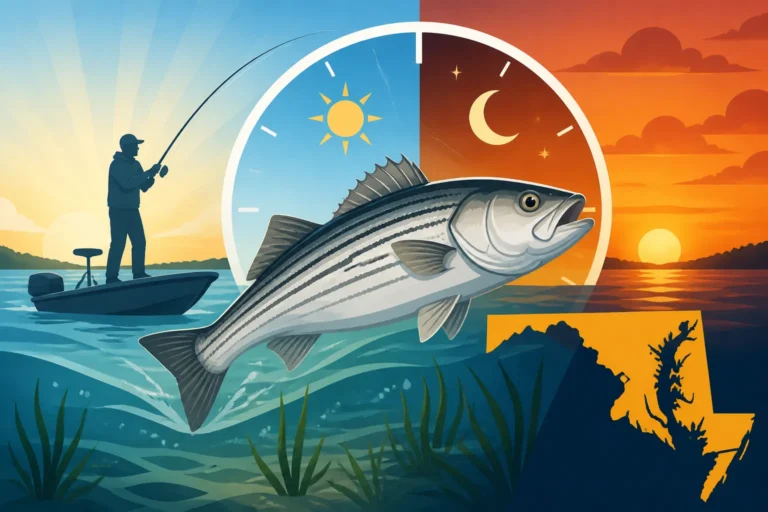
The unique habitat of the Susquehanna Flats makes it a seasonal magnet for some of Maryland's most sought-after game fish. While some species are residents year-round, many make incredible migrations to and from this area, creating distinct fishing seasons that anglers eagerly anticipate. The most famous of these migrations is undoubtedly that of the striped bass, often affectionately called rockfish in Maryland.
In spring, the Flats become a bustling highway for enormous schools of striped bass as they make their way upstream to spawn in the freshwater reaches of the Susquehanna River. This period offers some of the best opportunities to catch truly trophy-sized fish. Conversely, in the fall, these same fish, along with their younger counterparts, return to the Flats, gorging themselves on baitfish before heading south or deeper into the Bay for winter. Anglers must always be aware of the specific Maryland Striped Bass Season and Rockfish Rules as they can vary greatly by time of year and location within the Bay.
But it’s not just about rockfish. The Flats also host incredible runs of yellow perch in early spring, offering fantastic light-tackle action. As the waters warm, largemouth bass and the elusive, hard-fighting northern snakehead take center stage in the dense grass beds. And for those who love steady action, the deeper channels and holes of the Flats are teeming with blue catfish and channel catfish, providing a year-round fishery. This incredible diversity means there’s almost always something biting, no matter the season.
Navigating the Flats: Prime Access and Launch Points
Given the vastness and often shallow nature of the Susquehanna Flats, having appropriate access is paramount to a successful fishing trip. Most serious anglers opt for boat access, as it allows them to reach the prime fishing grounds, navigate the intricate channels, and safely anchor in productive spots. However, there are also limited opportunities for shore-based angling for those without a boat.
Key Public Boat Ramps for Anglers
For anglers looking to launch their boats onto the Flats, a couple of key public boat ramps stand out as popular and reliable options. The most well-known is often the Millard Tydings Memorial Park Boat Ramp in Havre de Grace. This facility offers multiple launching lanes, ample parking for trailers, and convenient access to the central and lower portions of the Susquehanna Flats. It's a fantastic spot to put in if you're planning to target striped bass along the channel edges or explore the vast grass beds nearby.
Another excellent option, particularly for those wanting to fish closer to the river mouth or explore the deeper sections immediately below the Conowingo Dam, is the Port Deposit Boat Ramp. This ramp provides direct access to the Susquehanna River itself, allowing you to easily motor downstream onto the Flats. Both of these ramps are well-maintained and popular, so if you're planning a trip during peak seasons (like the spring rockfish run), be prepared for crowds and arrive early. It's always a good idea to check local municipal websites or the Maryland DNR for any ramp fees or temporary closures before you head out. Understanding the various Fishing Access Points Along the Susquehanna Flats is crucial for planning your outing.
When choosing which ramp to use, consider your target area and the current conditions. If strong currents are running from the dam, launching closer to Havre de Grace might be more comfortable. Conversely, if you're trying to fish the immediate tailrace effects, Port Deposit is your best bet. Always factor in potential travel time across the Flats, as even a short distance can take a while if you're navigating shallow areas or strong currents.
Shoreline and Wading Opportunities
While boat access reigns supreme on the Susquehanna Flats due to its expansive nature, not everyone has a boat, and that's perfectly okay! There are still a few, albeit limited, opportunities for anglers to fish from shore. The most accessible option for shore-based anglers is often the Millard Tydings Memorial Park Pier in Havre de Grace. This pier extends into the Upper Bay, offering a chance to cast into deeper water and intercept various species, including striped bass, white perch, and catfish, especially during spring and fall migrations. It's a family-friendly spot that can be a great place to introduce kids to fishing without the need for a boat.
Wading the Flats is another possibility, but it comes with significant caveats and safety concerns. The bottom can be extremely soft, muddy, and riddled with submerged debris, making it treacherous in places. Strong currents, especially when the Conowingo Dam is generating power, can also be a serious hazard. Therefore, wading should only be attempted by experienced anglers who know the specific area well, always with a partner, and never during periods of high current or dam releases. You must be intimately familiar with the bottom structure and always wear appropriate wading boots and a life jacket.
For those considering shore fishing, remember that your range is limited. You'll be targeting fish that come close to the banks or the pier. Light tackle with bloodworms or grass shrimp can be effective for white perch, while casting heavier lures or bait can sometimes connect you with striped bass or catfish. It's a different game than boat fishing, but it can still be rewarding. Always consult local signage for restrictions, and be mindful of other users in these public areas.
Top Fishing Grounds for Striped Bass
When most people think of fishing the Susquehanna Flats, they immediately think of striped bass, or rockfish. This area is legendary for its striper action, particularly during the spring and fall runs. Understanding where these fish congregate and how to target them effectively is key to a successful trip.
The Notorious Channel Edges and Drop-Offs
The extensive channels and subtle drop-offs that crisscross the Susquehanna Flats are absolute magnets for striped bass. These underwater features provide everything a striper needs: deeper, cooler water, a defined travel lane, and prime ambush points where they can lie in wait for baitfish to drift by. Fish, especially larger ones, will often congregate along these edges, using the change in depth and current breaks to their advantage.
One of the most effective ways to target these areas is through trolling. Anglers often deploy large bucktails, deep-diving crankbaits, or umbrella rigs, mimicking schools of baitfish. The key is to match your lure depth to the channel edge you're fishing. During periods of strong current, striped bass will often hug the bottom or the deeper side of these edges, making presentation crucial. You'll want to aim for a depth where your lures are just ticking the bottom or running slightly above it.
Another highly productive method is jigging. When you mark fish congregating on your sonar along a channel edge, dropping heavy soft plastics like a BKD (Bass Kandy Delight) on a 1-ounce jig head can be incredibly effective. The erratic darting motion of a jig often triggers an aggressive strike. A real-life scenario: during a strong ebb tide, stripers will often position themselves at the very lip of the main channel north of Havre de Grace. Vertically jigging with a chartreuse BKD can lead to furious strikes as they ambush unsuspecting bait pushed by the current. Remember, your electronics are your best friend here, helping you pinpoint these subtle changes in depth and locate schools of fish. Knowing how to adjust your approach based on the fish's location relative to these structures is paramount. This technique is a variation of Trolling vs Jigging for Maryland Striped Bass, adapted for the unique shallow channel system of the Flats.
Lush Grass Beds and Shallow Water Ambush Points
Beyond the deeper channels, the vast, shallow grass beds of the Susquehanna Flats offer a completely different, yet equally exciting, way to target striped bass. These extensive beds of submerged aquatic vegetation (SAV) are teeming with baitfish, crabs, and other invertebrates, making them an irresistible buffet for rockfish, especially during low-light conditions or cooler temperatures. The fish use the dense cover of the grass to ambush prey, darting out from concealment to strike.
Fishing these shallow grass beds requires a stealthy approach and specific techniques. Topwater lures, such as walk-the-dog style baits (like a Heddon Super Spook Jr.) or poppers, are incredibly effective, especially at dawn, dusk, or on overcast days. The explosive strikes from rockfish breaking the surface are truly exhilarating. Imagine casting a popper over the sparse grass near Spesutie Island at first light, letting it sit for a moment, and then giving it a gentle twitch, only to have a 25-inch striper absolutely annihilate it – that’s the thrill of topwater on the Flats.
During brighter conditions or when fish are holding deeper in the grass, weedless soft plastics rigged on weighted swimbait hooks or even spinnerbaits can be highly productive. Fan-casting across the grass beds and working your lure slowly, bumping it off the vegetation, can draw out lurking stripers. These shallow water spots are particularly productive in the cooler months of spring and fall, and during the early mornings and late evenings in summer before the water gets too warm. Remember that the grass can be very dense, so presentation and weedless rigging are crucial to avoid snagging up. Always be aware of your boat's draft and propeller safety when venturing into these very shallow areas.
Beyond the Rockfish: Diverse Species and Their Haunts
While striped bass often steal the show, the Susquehanna Flats are far from a one-fish wonder. The diverse habitat supports a vibrant population of other exciting game and panfish, offering fantastic opportunities for anglers looking for variety or a different challenge. From tasty yellow perch to hard-fighting catfish and even the notorious northern snakehead, there's always something to target.
Chasing Yellow Perch in Early Spring
One of the true highlights of fishing the Susquehanna Flats is the incredible yellow perch run that kicks off the fishing season in early spring. As water temperatures begin to rise, large schools of these beautiful panfish migrate from the deeper parts of the Bay and river into the shallower sections of the Flats and its feeder creeks to spawn. This is a highly anticipated event, bringing out anglers eager for some fast-paced action and delicious table fare.
The key to finding yellow perch on the Flats is to focus on the shallower areas, particularly the mouths of small creeks and protected coves where the water warms up quickly. Spots like the mouth of Spesutie Narrows or the protected areas around the Gunpowder River entrance can be incredibly productive. When targeting them, simplicity is often the best approach. Light spinning tackle, ultralight rods, and small jigs tipped with minnows or grass shrimp are highly effective. You can fish these baits under a bobber or simply tight-line them on the bottom.
A typical scenario might see you anchored in a shallow cove in early March, casting a tiny chartreuse jig tipped with a minnow. The bite can be subtle at first, just a gentle tap, but once you find a school, it can be non-stop action. These fish are not only fun to catch but also make for excellent eating. Just be sure to double-check the current Maryland Fishing Size and Catch Limits by Species for yellow perch, as these regulations are in place to ensure a healthy population for years to come.
Largemouth Bass and Elusive Northern Snakehead
For those who love freshwater-style fishing in a brackish environment, the shallow, heavily vegetated areas of the Susquehanna Flats are prime territory for both largemouth bass and the increasingly common northern snakehead. These two species thrive in the dense cover, lily pads, and matted vegetation that characterize the quieter, less current-affected sections of the Flats.
Largemouth bass, with their explosive strikes and powerful fights, are abundant in these backwater areas. They utilize the thick vegetation for ambush points, waiting for unsuspecting baitfish or frogs to swim by. Similarly, the northern snakehead, an invasive species known for its aggressive nature and snake-like appearance, has found a perfect home in these same habitats. Maryland actively encourages anglers to harvest snakeheads due to their invasive status, making them a unique and exciting target. This aligns with the overall directive of Maryland Invasive Fish Rules: Blue Catfish and Snakehead.
Effective techniques for both species involve presenting lures in and around heavy cover. Topwater frog lures, like a Snag Proof Frog or a SPRO Bronzeye Frog, are incredibly exciting, drawing violent strikes from fish hiding beneath the pads. Punching jigs through matted vegetation with heavy gear can also reach fish holding tight to the bottom. For a more active approach, chatterbaits or weedless swimbaits worked along the edges of grass lines can provoke strikes. If you're looking for a specialized trip targeting these fascinating predators, using resources like FishingBooker to find a local guide with expertise in snakehead or bass fishing on the Flats can significantly increase your chances of success.
Abundant Channel and Blue Catfish in the Deeper Sloughs
Beyond the glamour of rockfish and the excitement of bass and snakehead, the Susquehanna Flats offer a truly outstanding fishery for catfish. The deeper sections of the Flats, particularly the main river channel and the various depressions and sloughs, are home to a tremendous population of channel catfish and, more notably, the rapidly expanding blue catfish.
Blue catfish, another highly invasive species in the Chesapeake Bay system, have no daily creel or size limit in Maryland, making them an excellent target for anglers looking for steady action and delicious fillets. Their voracious appetites mean they grow large and are relatively easy to catch once you locate a concentration. For more information on why there’s no limit, check out Maryland Blue Catfish Limit, or Lack of One.
The key to targeting these bottom dwellers is, unsurprisingly, bottom fishing. Heavy tackle, typically a medium-heavy rod with a baitcaster or large spinning reel, spooled with 30-50lb test line, is ideal for handling these powerful fish. Preferred baits include fresh cut bait (such as chunks of menhaden, yellow perch, or bluegill), chicken liver, and commercial stink baits. Rigging a two-hook bottom rig with a heavy pyramid or bank sinker to hold bottom in the current is standard practice. For detailed bait advice, refer to Best Bait for Blue Catfish in Maryland Rivers. A common scenario involves anchoring upstream of a channel drop-off, casting your baits down-current, and letting them settle into the deeper pockets. Often, multiple rods can be deployed simultaneously, leading to non-stop action, especially during warm summer evenings or periods of consistent dam generation.
Mastering the Seasons on the Susquehanna Flats
The Susquehanna Flats are a year-round fishery, but the types of fish available and the most effective techniques change dramatically with the seasons. Understanding these seasonal shifts is crucial for maximizing your success and planning your trips.
Spring: The Rockfish Run and Perch Frenzy
Spring is arguably the most anticipated and celebrated fishing season on the Susquehanna Flats. As winter loosens its grip and water temperatures slowly climb, the Flats become alive with activity. This is the period when massive schools of striped bass, some of them true trophy-sized fish, migrate into the Upper Bay and up the Susquehanna River to spawn. The Flats serve as their crucial staging ground and final push before reaching their spawning grounds.
Early spring, often beginning in March, kicks off with the prolific yellow perch run. These feisty panfish move into the shallower, warmer creeks and coves to spawn, offering incredible light-tackle action. Small jigs tipped with minnows or grass shrimp are the go-to baits, providing fast and consistent catches. It's a fantastic way to shake off the winter rust and enjoy some early-season success.
As the spring progresses and water temperatures continue to rise, the striped bass become the main event. Anglers will employ a variety of tactics, from trolling large plugs and umbrella rigs along the channel edges to jigging soft plastics when fish are suspended. While chumming can be effective in some parts of the Bay, anglers should carefully check specific regulations for the Flats as rules can differ, and chumming might be restricted in certain areas or seasons. Even if chumming isn't allowed, techniques like live-lining spot or eels (where permitted) or casting large soft plastics can be deadly. However, it's vital to stay informed about Maryland's 2026 Striped Bass Season Dates and any spawning river closures, as regulations are strictly enforced to protect these crucial fish populations. The spring season often sees some of the largest striped bass of the entire year caught, making it a bucket-list destination for many.
Summer: Adapting to Warm Water Challenges
Summer on the Susquehanna Flats brings both opportunities and challenges. As air and water temperatures soar, the fishing dynamics shift considerably. The intense heat can make striped bass less active during the day, pushing them into deeper, cooler pockets or making them primarily nocturnal feeders. Moreover, anglers must contend with the annual August striped bass closure in the Chesapeake Bay, meaning no rockfish can be harvested during this period.
These warm-water conditions necessitate an adjustment in strategy. Instead of focusing heavily on striped bass, summer is an excellent time to target other species that thrive in the heat. Blue catfish and channel catfish become incredibly active, offering consistent action in the deeper channels and holes. Setting up bottom rigs with cut bait or chicken liver can lead to non-stop battles with these powerful fish. The northern snakehead, another species that loves warm, shallow water, can be targeted in the dense grass beds using topwater frogs or weedless soft plastics.
For any lingering striped bass, fishing during the cooler parts of the day – early mornings, late evenings, or even after dark – becomes paramount. Targeting deeper channel edges or areas with good current flow can still yield results. However, always remember the August closure for rockfish, even if you are catch-and-release fishing. During this period, focusing on the abundant catfish, snakehead, and panfish like white perch in cooler, brackish creeks can provide plenty of action. It's a season of adaptation, where flexibility and targeting the right species for the conditions are key.
Fall: The Energetic Feeding Blitz
As summer fades and autumn arrives, the Susquehanna Flats undergo a dramatic transformation, ushering in another prime fishing season, particularly for striped bass. The cooling water temperatures signal to fish that winter is approaching, triggering a massive feeding frenzy as they try to pack on weight for their migrations or the leaner months ahead. This period is characterized by intense baitfish activity, often culminating in spectacular "blitzes" that every angler dreams of witnessing.
The fall run sees striped bass of all sizes returning to the Flats, from eager schoolies to larger migratory fish. They actively chase schools of baitfish, pushing them to the surface, creating chaotic scenes marked by diving birds (gulls, terns, ospreys) and splashing fish. This is the time for dynamic, run-and-gun fishing. Anglers should be constantly on the lookout for bird activity or surface commotion, indicating a striper blitz.
Effective tactics for fall include casting metal jigs, soft plastics, or topwater plugs into schools of feeding fish. Trolling also remains a highly effective method, particularly with umbrella rigs or large plugs, to cover ground and locate actively feeding schools. The Flats in the fall offer some of the most consistent and exciting striped bass fishing of the entire year, often yielding both quantity and quality. It's a fantastic time to be on the water, with the added bonus of beautiful autumn scenery. For more insights on peak times, consult resources like Best Time to Fish the Susquehanna Flats for Striped Bass or the broader Best Time of Year to Fish in Maryland.
Essential Gear, Safety, and Regulations for the Flats
Fishing the Susquehanna Flats, with its diverse species and challenging environment, requires thoughtful preparation in terms of gear, a keen awareness of safety, and strict adherence to regulations. Neglecting any of these aspects can quickly turn a great day into a problematic one.
Recommended Tackle and Lures
Given the variety of species and fishing scenarios on the Susquehanna Flats, a versatile tackle setup is your best friend. For striped bass, especially the larger ones, a medium-heavy to heavy action spinning or casting rod, typically 7 to 7.5 feet long, paired with a robust 4000-5000 size reel spooled with 30-50 lb braided line is highly recommended. This setup provides the power needed to cast heavy lures and handle strong fish in current. For lighter species like white perch or even smaller striped bass, a medium action rod (6.5-7 feet) with a 2500-3000 size reel spooled with 10-20 lb braid will offer more sport.
When it comes to lures, variety is key. For striped bass, have a good selection of jig heads (from 1/2 oz to 2 oz) paired with soft plastics like Bass Kandy Delights (BKDs), sassy shads, or Z-Man DieZel MinnowZ in chartreuse, white, and pearl colors. Topwater plugs (e.g., Heddon Super Spook, Whopper Plopper) are essential for shallow grass bed action. For largemouth bass and snakehead in heavy cover, weedless frog lures (Snag Proof, SPRO) and punching jigs are critical. For catfish, simple circle hooks (2/0 to 6/0) with a range of sinkers (1-3 oz pyramid or bank sinkers) are needed, along with various cut baits or chicken liver. Don't forget small jigs or classic bottom rigs for yellow perch, often tipped with minnows or bloodworms.
It's also wise to carry a selection of terminal tackle, including sturdy swivels, leader material (20-50 lb fluorocarbon for abrasion resistance), and an assortment of hooks. A good pair of pliers, a net suitable for larger fish, and a cooler for your catch are also indispensable.
Navigational Safety and Regulations
The Susquehanna Flats, while incredibly productive, present unique navigational challenges. Its vast expanses of shallow water, often interspersed with submerged stumps, rocks, and constantly shifting sandbars, can be treacherous for boaters. Rapid current changes, especially during Conowingo Dam generation schedules, can quickly turn calm water into a turbulent flow. Furthermore, weather can change quickly on the open Flats, with sudden thunderstorms or strong winds whipping up chop.
Safety Tips:
- Know Your Charts: Always use a reliable GPS/chartplotter with up-to-date detailed bathymetric charts. Do not rely solely on visual cues.
- Go Slow in Unfamiliar Waters: If you’re unsure of the depth, ease off the throttle. Striking a submerged object can cause serious damage to your boat and injury to passengers.
- Stay in Marked Channels: Pay close attention to navigation markers and only venture outside them if you are absolutely certain of the depth and hazards.
- Life Jackets: Ensure everyone on board has a properly fitted life jacket and wears it, especially during transit or when navigating challenging areas.
- Float Plan: Always tell someone where you're going and when you expect to return.
- Weather Watch: Keep an eye on the weather forecast and be prepared to cut your trip short if conditions deteriorate.
- Emergency Gear: Carry all required safety equipment, including a horn/whistle, fire extinguisher, anchor with sufficient rode, a bail bucket, and a charged cell phone or marine radio.
Regulations:
Adhering to Maryland fishing regulations is not just about avoiding fines; it’s about protecting the fishery for future generations. Before every trip, it is non-negotiable to check the latest rules and regulations published by the Maryland Department of Natural Resources (DNR). These regulations, which can be found in the annual Maryland's DNR Fishing and Boating Guide, Explained, cover everything from license requirements to size and catch limits.
- Fishing License: A valid Maryland Chesapeake Bay Sport Fishing License Explained is generally required for anyone 16 years or older fishing the tidal waters of the Flats. Make sure yours is current.
- Size and Creel Limits: Every species has specific size and catch limits. These can change seasonally or in response to stock assessments. For example, striped bass (rockfish) often have slot limits or specific open/closed seasons. Be intimately familiar with Maryland Fishing Size and Catch Limits by Species for every fish you might encounter.
- Invasive Species: Understand the rules regarding invasive species like blue catfish and northern snakehead. These fish often have different, sometimes unlimited, possession rules, and anglers are typically encouraged to harvest them.
Being prepared with the right gear, prioritizing safety, and staying informed about current regulations will ensure you have a responsible, enjoyable, and successful fishing adventure on the incredible Susquehanna Flats.
| Species Targeted | Best Time of Year | Primary Locations | Recommended Techniques |
|---|---|---|---|
| Striped Bass | Spring, Fall | Channel edges, grass flats, main river mouth | Trolling, jigging, topwater, casting |
| Yellow Perch | Early Spring | Shallow coves, creek mouths, protected flats | Small jigs, minnows, grass shrimp |
| Largemouth Bass | Spring, Summer | Dense grass beds, lily pads, shallow backwaters | Topwater frogs, punching jigs, spinnerbaits |
| Northern Snakehead | Spring, Summer | Dense grass beds, lily pads, shallow backwaters | Topwater frogs, punching jigs, chatterbaits |
| Blue/Channel Catfish | Year-round | Deeper channels, holes, river main stem | Bottom fishing with cut bait, chicken liver |
Disclaimer
Please remember that fishing conditions, regulations, and fish behavior are subject to constant change. Always consult the latest Maryland Department of Natural Resources (DNR) regulations before heading out. This guide provides general information and recommendations, but responsible anglers will always verify current rules and exercise caution on the water.