Fishing the Susquehanna Flats in Maryland
The Susquehanna Flats in Maryland can feel like a world unto themselves – a vast, shallow expanse where the mighty Susquehanna River finally meets the Chesapeake Bay. For many anglers, it’s a legendary destination, but it can also be incredibly intimidating, with its tricky navigation, unique regulations, and the sheer scale of water. If you’ve ever felt overwhelmed trying to plan a trip here, or wondered if you’re even allowed to fish for certain species at certain times, you're not alone. This comprehensive guide is designed to cut through the confusion, helping you understand this incredible fishery and giving you the confidence to tackle the Flats effectively, whether you're chasing trophy rockfish or battling feisty largemouth bass.
Understanding the Susquehanna Flats Ecosystem
The Susquehanna Flats aren't just any fishing spot; they're a truly unique and dynamic ecosystem, a sprawling estuary that acts as a vital nursery and feeding ground for a myriad of fish species. If you want to fish them successfully, you first need to get a feel for what makes this place tick, from its geography to its underwater landscape.
Geographical Overview and Boundaries
Picture this: the Susquehanna River, the largest tributary to the Chesapeake Bay, flows south, bringing freshwater and nutrients from four states. Then, just north of Havre de Grace, Maryland, it suddenly spreads out, creating a massive, shallow delta before emptying into the deeper bay. This is the Susquehanna Flats. Geographically, it encompasses the wide, shallow area from the mouth of the Susquehanna River down to roughly the line extending from Havre de Grace on the western shore to Turkey Point on the eastern side.
What defines them are primarily their depth and structure. Unlike much of the main stem of the Chesapeake Bay, the Flats are incredibly shallow, often just a few feet deep, even in the main channels. This unique characteristic is precisely what makes them so fertile and appealing to fish and fishermen alike. Knowing these boundaries is crucial, not just for navigation but also because specific regulations often apply to this distinct zone, which can sometimes differ slightly from other parts of the Upper Chesapeake Bay. It's a prime example of why understanding the nuances of Maryland's fishing zones is so important.
Unique Habitat Features
The shallow nature of the Susquehanna Flats isn't just a fun fact; it dictates everything about the fishery. Imagine vast expanses of lush submerged aquatic vegetation (SAV), commonly known as grass beds. These aren't just patches; they can be acres and acres of eelgrass and other aquatic plants, creating an underwater jungle. These grass beds are the lifeblood of the Flats, providing crucial cover for baitfish, crabs, and juvenile gamefish, as well as an ambush point for predators.
Beyond the grass, you'll find numerous shallow channels and depressions, often carved out by the river's flow or deeper boat traffic. These subtle changes in depth, even just a foot or two, can concentrate fish, especially during periods of changing water temperature or current. The confluence of the freshwater river and the brackish bay also creates a unique mix, influencing water clarity, salinity, and the types of bait and fish species present. This dynamic environment means the Flats are constantly changing, making every trip a new adventure, but also demanding careful observation and adaptability from the angler.
Key Fish Species
While the Susquehanna Flats are renowned for certain species, you might be surprised by the diversity of fish that call this area home, or at least pass through it. Understanding who's living where, and when, is key to a successful outing.
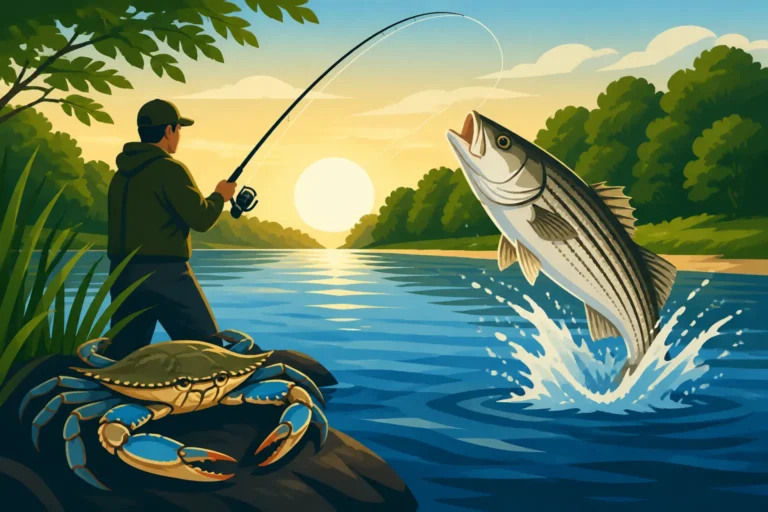
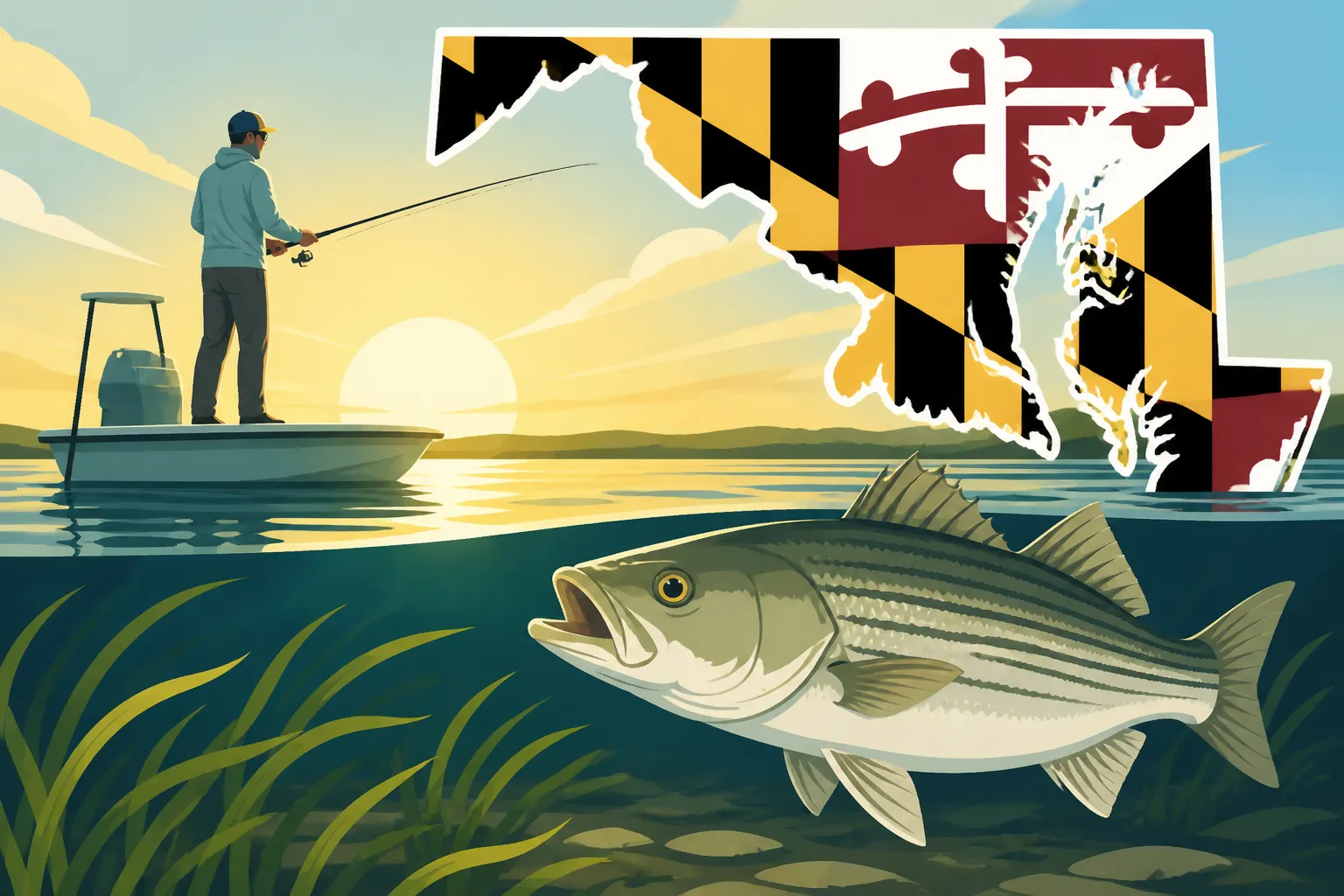
- Striped Bass (Rockfish): Without a doubt, the Striped Bass is the reigning king of the Flats, especially during the spring and fall migrations. These shallow, grassy waters are a prime feeding ground for migrating "rockfish" as they move in and out of the Susquehanna River to spawn or chase bait. The spring trophy season sees some truly massive fish moving through, though strict regulations and closures often apply to protect these spawners. In the fall, smaller "schoolie" rockfish become abundant, offering fantastic light tackle action.
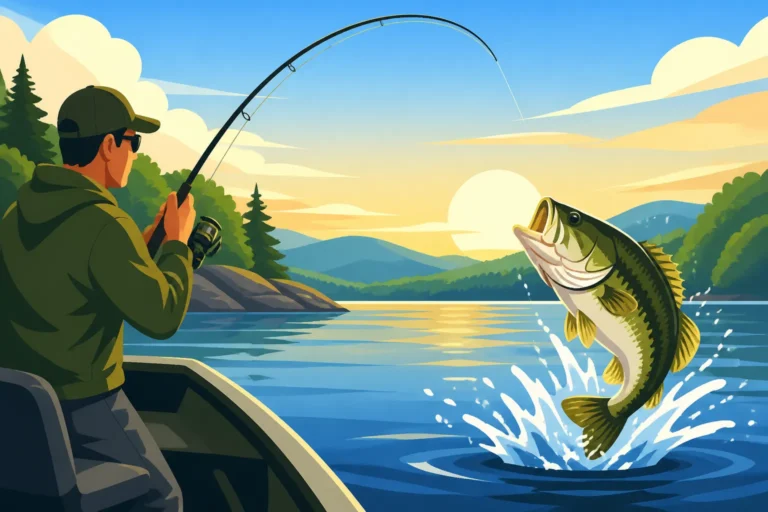
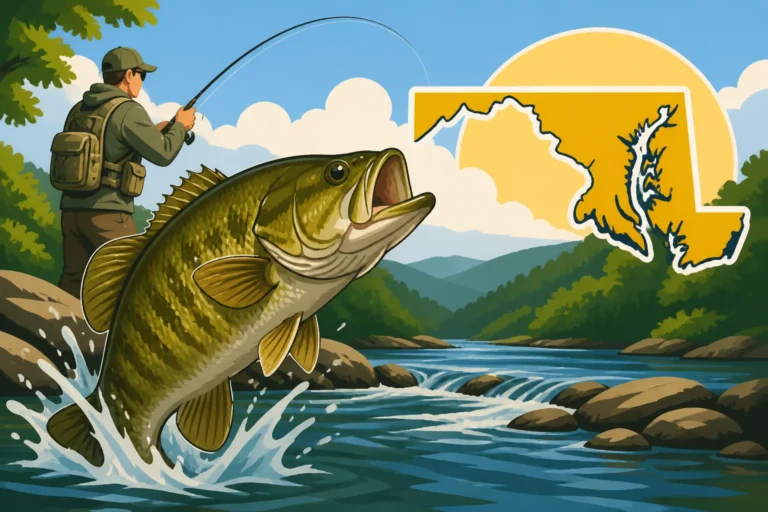
- Largemouth Bass: What many don't realize is that the Flats also boast an exceptional largemouth bass fishery. The extensive grass beds, fallen timber, and shallow structure create ideal habitat for these freshwater predators. If you're tired of chasing rockfish, or want a change of pace, targeting largemouth on the Flats can be incredibly rewarding, with fish often pushing respectable sizes.
- Smallmouth Bass: While less common than largemouth on the immediate Flats, smallmouth bass can be found in the more riverine sections upstream and occasionally venture into the upper reaches of the Flats, particularly where rocky structure and current are more prevalent. It’s a different kind of fight than their largemouth cousins, and a prized catch for those who seek them out.
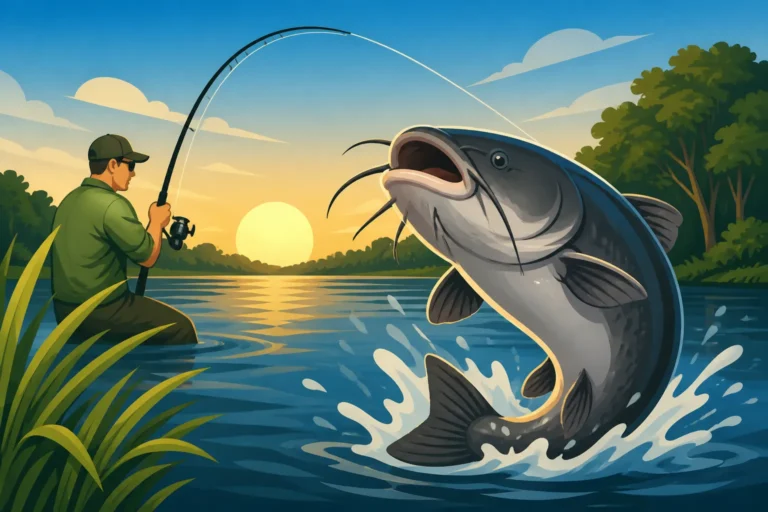
- Catfish (Blue and Channel): The Susquehanna River system is home to an abundance of catfish, particularly the invasive Blue Catfish. These powerful bottom dwellers thrive in the Flats' nutrient-rich waters and can be caught year-round. They offer a great fight and are excellent table fare, plus, catching them helps the ecosystem by removing an invasive species. Channel catfish are also present, often alongside their blue catfish counterparts.
- Perch (White and Yellow): Both white and yellow perch are abundant on the Flats, especially during their spring spawning runs and again in the cooler months of fall. They provide fantastic light tackle action and are a favorite for families and beginners. White perch are especially plentiful and can be found in large schools, making for fast and furious fishing.
Knowing which species are active and where to find them will significantly improve your chances of success on the Susquehanna Flats.
Navigating Regulations and Seasons on the Flats
Fishing the Susquehanna Flats means you're operating in a very specific, and often heavily regulated, area. It’s not just about what fish you want to catch, but also when and how you can catch them, especially with iconic species like striped bass. Getting this wrong can lead to serious fines or even license revocation, so it's absolutely crucial to stay informed.
Specific Striped Bass Rules
Striped bass, or rockfish as we call them in Maryland, are the most sought-after species on the Flats, and as such, they come with the most detailed and frequently updated regulations. The Flats are often treated as a special management area, particularly during the critical spring spawning season. It’s not uncommon for the Susquehanna Flats, and even the river immediately upstream, to have completely different rules than the rest of the Chesapeake Bay.
For example, the Flats often experience a total closure to all striped bass fishing, including catch and release, for a period in the spring. This closure is specifically designed to protect the large spawning aggregations of fish that migrate up the Susquehanna. It’s incredibly important to check the official Maryland Department of Natural Resources (DNR) regulations before you go, as these dates can shift year to year based on fish populations and scientific assessments. Ignoring these closures can have severe consequences, as enforcement is vigilant. You'll often find resources like the annual Maryland Striped Bass Season and Rockfish Rules to be indispensable for keeping up with the latest information.
When the season is open, be mindful of the Maryland Rockfish Slot Limit Explained. A slot limit means you can only keep fish within a certain size range, designed to protect both juvenile fish and the large, reproductively valuable breeding females. This is a common strategy to help rebuild fish stocks, and it requires careful measurement of your catch. Always carry a reliable measuring device and know how to use it accurately. The rules can also specify daily creel limits (how many fish you can keep) and even specific times of day when fishing is permitted or prohibited. The key takeaway here is: always consult the current Maryland DNR fishing guide or website. There's no substitute for verified, up-to-date information when it comes to striped bass on the Flats. It's a dynamic fishery, and the rules reflect efforts to sustain it for generations to come.
Nontidal vs Tidal Considerations
The Susquehanna Flats sit right on the cusp of freshwater (nontidal) and brackish water (tidal), which can sometimes create confusion around fishing licenses. Most of the Flats are considered tidal waters of the Chesapeake Bay, meaning you'll need a Chesapeake Bay Sport Fishing License or a Consolidated Sport and Non-Tidal Fishing License. If you're primarily fishing the Flats, a Maryland Chesapeake Bay Sport Fishing License Explained will typically cover your needs.
However, if you venture further up the Susquehanna River, past the clearly marked boundary (often around the I-95 bridge or farther north), you'll officially be in nontidal waters. While the consolidated license covers both, if you only have a tidal license, you’d be out of compliance. It’s also important to note that specific regulations for species like bass can sometimes differ between strictly nontidal rivers and tidal sections of the Bay. The distinction between a Maryland Nontidal vs Tidal Fishing License, Explained is critical to avoid any legal headaches. Always know your license type and where its coverage begins and ends. When in doubt, it’s always better to opt for the more comprehensive consolidated license if you plan on exploring different waters.
Other Species Regulations
While striped bass often grab the headlines, it's vital not to forget the regulations governing other popular species on the Flats. Largemouth and Smallmouth bass, for instance, have their own size and creel limits, which can vary depending on the specific water body or section of the river/Flats. Many anglers come to the Flats specifically for the fantastic bass fishing in the grass beds, so knowing these limits is just as important.
Catfish, particularly the invasive Blue Catfish, often have more liberal regulations, with anglers encouraged to harvest them due to their detrimental impact on native species. In many cases, there are no size or creel limits for blue catfish, and anglers are even encouraged not to release them alive. Yellow and white perch also have daily creel limits, but typically no size restrictions, making them excellent targets for family-friendly outings where catching a lot of fish is the goal.
It’s a lot to keep track of, but the good news is that all of this information is readily available from the Maryland DNR. A quick check of their online guide or calling their regional offices before your trip can save a lot of grief. Remember, responsible angling means knowing and following all the rules, not just the ones for your target species.
Essential Gear for Fishing the Susquehanna Flats
Fishing the Susquehanna Flats isn't like fishing a deep reservoir or the ocean. The unique environment demands specific gear choices to maximize your success and, frankly, to keep you from getting stuck! From your boat to your hooks, every piece of equipment plays a role in conquering this shallow, grassy, and often challenging fishery.
Boat and Motor Considerations
If you plan to truly explore the Flats, a boat is almost a necessity, but not just any boat will do. The sheer shallowness of the Flats means that a traditional deep-V hull bay boat can be very limiting, even risky.
- Shallow Draft: Boats with a very shallow draft are paramount. Jon boats, flat-bottomed skiffs, or dedicated bass boats are ideal. Many anglers who frequent the Flats often customize their boats with jack plates to raise their outboard motors, allowing them to navigate skinny water without grinding their props into the mud. You’ll frequently see boats with large, powerful trolling motors, designed to push through the thick vegetation.
- Trolling Motors: A robust electric trolling motor with good battery life is indispensable. This isn’t just for subtle maneuvering; it’s for stealthily fishing the grass beds, holding your position against current or wind, and slowly working areas without spooking fish with your main engine. Many serious Flats anglers opt for powerful 24V or 36V systems with GPS anchoring features, which essentially act as a virtual anchor, holding your boat in place with incredible precision. This allows you to focus on fishing, not constantly adjusting your position.
- Navigation: While not strictly "gear," reliable navigation is critical. The Flats can look uniform, but there are subtle channels, submerged stumps, and very shallow mud flats that can easily strand you or damage your prop. A good GPS chart plotter with detailed mapping is a must. Many seasoned Flats anglers will tell you that local knowledge is just as important as technology here, so paying attention to tide charts and water levels is also key.
Without the right boat setup, you might find yourself limited to the main channels, missing out on the vast, productive grass beds where many of the trophy fish hide.
Rod, Reel, and Line Selection
The type of fishing you’ll be doing on the Flats dictates your rod, reel, and line choices. You're likely to encounter strong fish, often in heavy cover, so durability and power are important.
- For Striped Bass: When targeting striped bass, especially during the spring and fall runs, a medium-heavy to heavy power spinning or casting rod, typically 7 to 7.5 feet long, is a good all-around choice. Pair this with a robust reel in the 3000-5000 size range (spinning) or a high-capacity baitcaster. Spool up with 30-50 lb braided line, which offers superior casting distance and sensitivity, and a 20-30 lb fluorocarbon or monofilament leader for abrasion resistance and stealth. The braid is especially helpful for cutting through grass if you hook a fish that buries itself.
- For Largemouth Bass: If you're focusing on largemouth in the thick grass, heavier gear is a must. A heavy power, fast action casting rod (7 to 7.5 feet) paired with a high-gear ratio baitcasting reel is perfect for flipping jigs, pitching soft plastics, or working topwater frogs. Use 50-65 lb braided line directly to your lure for maximum strength and control, allowing you to pull big bass out of the thickest cover.
- For Perch and Catfish: For lighter tackle species like perch, a medium-light to medium power spinning rod (6.5 to 7 feet) with a 2000-2500 size reel is ideal. Spool with 10-15 lb braided line and a 6-10 lb fluorocarbon leader. For catfish, especially the larger blue cats, you’ll want a medium-heavy rod with a durable spinning or conventional reel spooled with 20-30 lb mono or braid. Catfish don’t have sharp teeth, so a long leader isn’t as critical, but sturdy tackle is.
Having a selection of setups allows you to adapt to whatever the Flats throw at you, ensuring you're always prepared for the fight.
Lures and Baits
This is where the fun really begins! The Susquehanna Flats can be fished with a wide array of lures and baits, but some stand out as consistent producers.
- Topwater Lures: When the conditions are right, there’s nothing more exciting than a topwater bite on the Flats. For striped bass and largemouth bass, large poppers, walk-the-dog baits (like Heddon Super Spooks), and prop baits can be deadly, especially during low light conditions or when fish are actively chasing bait. For snakehead, which are also present, frog imitations are extremely effective. You might want to check out "How to Fish a Frog Lure for Snakehead" for specific tactics.
- Jigs: Soft plastic jigs are incredibly versatile and effective. Paddle tail swimbaits (3-6 inches) on jig heads (1/4 to 3/4 oz, depending on depth and current) are excellent for striped bass, mimicking baitfish. Bass anglers will find success with flipping jigs or Texas-rigged soft plastics (worms, creature baits) worked slowly in the grass. For perch, smaller jigs (1/8 to 1/4 oz) tipped with small plastics or bait are great. For specific striped bass techniques, consider exploring Jigging Techniques for Maryland's Chesapeake Bay Striped Bass.
- Crankbaits and Spinnerbaits: Shallow-diving crankbaits are great for covering water and targeting both bass and aggressive striped bass around submerged structure or the edges of grass beds. Spinnerbaits, particularly those with weedless designs, can be worked through sparse grass where other lures would snag.
- Live and Cut Bait: For catfish, fresh cut bait (like pieces of gizzard shad, menhaden, or even chicken liver) fished on the bottom is hard to beat. Live bait, such as spot or eels, can also be very effective for larger striped bass when circumstances allow. However, be aware of live bait regulations, especially regarding the use of certain species as bait.
- Flies: Fly fishing on the Flats can be incredibly productive for striped bass, largemouth, and perch. Large streamers mimicking baitfish (clousers, deceivers) are popular for rockfish, while poppers and gurglers work wonders for bass in the grass.
The key to lure selection on the Flats is often versatility and adaptability. Have a variety of options ready, and don't be afraid to experiment to see what the fish are keying in on that day.
Prime Fishing Techniques for the Susquehanna Flats
Fishing the Susquehanna Flats requires a blend of finesse and power, adapting your approach to the diverse species and the unique, shallow, grassy environment. It's not just about casting and reeling; it's about understanding fish behavior in this specific ecosystem.
Targeting Striped Bass
Striped bass are, for many, the main draw on the Flats. Their aggressive nature and the potential for true trophy fish make them an exciting target, but you need to know their habits and the best ways to present your offerings.
- Topwater Action: There's nothing quite like a big rockfish blowing up on a topwater lure. This technique is most effective during low-light conditions – dawn, dusk, or overcast days – and when the water is relatively calm. Look for areas where baitfish are schooling or near the edges of prominent grass beds. Large walk-the-dog lures, poppers, or even large prop baits can entice explosive strikes. The key is to work these lures with a varied retrieve, sometimes fast and erratic, other times slow and steady, to trigger a reaction strike. Watching baitfish scatter or hearing the tell-tale "pop" of a striped bass can be your cue.
- Jigging and Soft Plastics: When fish aren't hitting topwater, or are holding deeper (even "deeper" on the Flats means only a few feet!), soft plastic swimbaits rigged on jig heads are incredibly effective. A 4-6 inch paddle tail or grub tail bait in chartreuse, white, or pearl, on a 1/4 to 3/4 oz jig head, is a go-to. Cast to the edges of grass beds, over humps, or into open pockets within the vegetation. Allow the jig to sink, then retrieve it with a steady retrieve, a stop-and-go action, or a series of sharp jigs. The retrieve speed should be adjusted based on the fish's activity level and the current. This technique allows you to cover different depths and mimic injured baitfish, which striped bass can't resist.
- Trolling and Casting Channels: While many focus on the grass, don't overlook the deeper channels and cuts, especially during outgoing tides or when fish are staging. Trolling shallow-running crankbaits or bucktails dressed with plastic trailers can be productive in these areas, particularly when searching for schools of fish. Alternatively, casting large spoons or heavy swimbaits into these channels and allowing them to sink before retrieving can also draw strikes from fish holding closer to the bottom.
The spring and fall migrations are prime times for striped bass, with the fall offering a more consistent bite for schoolie-sized fish. However, always double-check the Maryland Striped Bass Season and Rockfish Rules and Maryland Spawning River Closures for Striped Bass as the Flats have unique regulations.
Largemouth and Smallmouth Bass Strategies
The Flats aren’t just for rockfish; they are also a premier destination for bass anglers. The extensive grass beds offer fantastic cover, and understanding how to fish them effectively is key.
- Flipping and Pitching the Grass: For largemouth bass, the name of the game is often targeting the dense grass beds. Flipping and pitching jigs, Texas-rigged soft plastic worms, creature baits, or senkos into the pockets, holes, and edges of the vegetation is highly effective. Use heavy braided line (50-65 lb) and a powerful rod to pull these fish out of the thick cover. The presentation is typically slow and methodical, allowing your bait to sink into the cover and enticing a bass to strike. Look for subtle disturbances in the grass – a ripple, a slight discoloration, or a small open patch – as these can indicate a bass is lurking.
- Topwater in the Weeds: Similar to striped bass, topwater lures shine for largemouth in the grass. Hollow-bodied frog lures, fished directly over matted vegetation, are incredibly exciting. The frog can walk over the thickest cover without snagging, and when a bass explodes on it, it’s an unforgettable experience. Buzzbaits and poppers also work well along the edges of grass lines or over sparse vegetation.
- Crankbaits and Spinnerbaits for Transition Zones: For bass holding in slightly more open water or along the transition areas between grass and open bottom, shallow-diving crankbaits and weedless spinnerbaits can be excellent search baits. These lures allow you to cover water quickly and locate active fish. Experiment with different colors and retrieve speeds until you find what the bass prefer that day.
- Smallmouth in Rocky Areas: While largemouth dominate the grassy Flats, if you venture slightly upstream into more riverine sections of the Susquehanna, you'll find smallmouth bass. Look for areas with rocky bottom, current breaks, and submerged ledges. Crankbaits, tubes, swimbaits, and even topwater poppers can be effective for smallmouth, which tend to prefer rockier, clearer water than their largemouth cousins.
Fishing the Flats for bass requires patience and precision, but the rewards are well worth the effort.
Fishing for Other Species
Don't forget the Flats offer excellent opportunities for other species, providing a fun alternative, especially when conditions aren't ideal for your primary target.
- Perch (White and Yellow): Both white and yellow perch are abundant and provide consistent action. For white perch, look for them in creeks and shallower areas of the Flats, especially during their spring spawning runs. Small jigs (1/8 to 1/4 oz) tipped with a small plastic grub, bloodworms, or grass shrimp are deadly. You can also catch them on small spinnerbaits or sabiki rigs. Yellow perch, while often targeted in deeper, cooler waters, will also show up in the Flats, especially in the early spring, and respond well to similar tactics. They are fantastic eating and great for getting kids hooked on fishing.
- Catfish (Blue and Channel): The Flats are brimming with blue catfish. These powerful fish are often found on the bottom in the main river channels, deeper holes, or anywhere there’s a good food source. The best bait is usually fresh cut bait (shad, menhaden), chicken liver, or clam snouts, fished on a simple bottom rig with a 1-3 oz sinker. Cast it out, let it sit, and wait for that distinctive catfish tug. Not only do they provide a strong fight, but harvesting blue catfish helps control their invasive population. The Potomac River, a different part of the Chesapeake system, is also famous for its blue catfish, so tactics for them could be similar.
- Snakehead: While not the primary target for most on the Flats, Northern Snakehead are present, especially in the shallower, vegetated tributaries and backwaters connected to the Flats. These invasive fish are aggressive and fun to catch. Topwater frog lures are a top choice, as are weedless soft plastics. Remember, if you catch a snakehead, it is illegal to release it alive in Maryland; you must dispatch it immediately.
- Crappie and Sunfish: In some of the quieter backwaters and less tidal areas of the Flats, you can also find crappie and various sunfish species. Small jigs, spinnerbaits, or live minnows under a bobber are effective for these panfish, offering a relaxing and productive fishing experience.
Being open to targeting these different species can really broaden your fishing horizons on the Susquehanna Flats, ensuring there's always something biting.
Best Times and Conditions to Fish the Flats
The Susquehanna Flats are a year-round fishery in some capacity, but certain seasons and conditions truly make it shine for specific species. Understanding these patterns is critical for planning a successful trip. It’s not just about showing up; it’s about timing your visit when the fish are most active and accessible.
Seasonal Breakdowns
The Flats undergo significant transformations throughout the year, driven by water temperature and fish migrations.
- Spring (March – May): This is arguably the most famous season on the Flats, especially for striped bass. As water temperatures rise, herring and shad move into the Susquehanna River to spawn, drawing in massive striped bass that stage and feed on the Flats before their own spawning run. This is the time for trophy striped bass fishing. However, this period also coincides with the sensitive spawning season, so strict regulations are in place. The Flats often see a complete closure to striped bass fishing during the peak spawning period (typically mid-May to early June), including catch and release. This is why resources like "Why Are the Susquehanna Flats Closed to Striped Bass Fishing?" are essential reading. Before and after this closure, the fishing can be phenomenal. Spring also sees excellent yellow and white perch runs, with fish pushing into shallower creeks and grassy areas to spawn. Largemouth bass also become very active as the water warms, providing great action in the grass.
- Summer (June – August): As the water heats up, many of the larger striped bass move out to deeper, cooler waters of the main Bay or the ocean. However, schoolie striped bass can still be found, often in the deeper channels or around current breaks, especially during low light. Summer is prime time for largemouth bass on the Flats, as they thrive in the warm, vegetated waters. Topwater fishing for bass can be incredible early and late in the day. Blue catfish are abundant year-round but are especially active in the warm summer months, offering a powerful fight on the bottom. White perch continue to be a consistent target, often moving into slightly deeper grass or around structure.
- Fall (September – November): The fall migration brings a resurgence of striped bass to the Flats. As baitfish move out of the rivers and into the Bay, striped bass follow, staging on the Flats to feed. This period offers fantastic light tackle action for schoolie-sized rockfish, with topwater, jigging, and casting swimbaits all being highly effective. It's often more about numbers than trophy size, but big fish are still possible. Largemouth bass remain active until the water gets very cold, and white perch fishing can be excellent as they gorge themselves before winter. This is often considered by many to be the Best Time to Fish the Susquehanna Flats for Striped Bass due to the consistent action.
- Winter (December – February): Fishing on the Flats slows considerably in winter, but it's not entirely shut down. Hardier anglers can find opportunities for blue catfish in the deeper channels. Certain species like yellow perch might stage in deeper holes within the Flats as well, though ice fishing is generally not a common or recommended practice due to inconsistent ice conditions and currents. Most recreational fishing gives way to commercial crabbing during the colder months, but there are still opportunities for those willing to bundle up and brave the cold.
Tidal and Weather Influences
Unlike many tidal fisheries where strong tides are critical, the Susquehanna Flats are less dominated by oceanic tides due to their proximity to the river mouth. However, subtle tidal flows and wind-driven currents can still play a significant role.
- Tidal Flow: The tides on the Flats are greatly diminished compared to the lower Bay, but you’ll still observe slight changes. Often, an outgoing tide, especially after heavy rains, can concentrate bait and fish at the mouths of creeks or along channel edges. Ingoing tides can push clearer, saltier water into the Flats, which can sometimes invigorate the bite, especially for striped bass. The best approach is to observe the current and look for current breaks and eddies, which are natural ambush points for predatory fish.
- Wind: Wind can be a huge factor on the Flats. Its shallow nature means it can get very choppy very quickly, making navigation and boat control challenging. Strong winds can also push baitfish, creating feeding opportunities along wind-blown shorelines or points. However, extreme wind can make fishing nearly impossible or unsafe, especially in smaller boats. Always check the wind forecast before heading out.
- Water Temperature: This is perhaps the most critical factor. Fish activity levels are directly tied to water temperature. Learning the optimal temperature ranges for your target species will greatly increase your success. For example, striped bass become very active as water temperatures rise into the 50s and 60s in spring, while largemouth bass prefer water in the 60s and 70s.
- Water Clarity: The Susquehanna River can carry a lot of sediment, especially after heavy rains, leading to very turbid water on the Flats. While some fish, like catfish, don't mind murky water, others, like striped bass and bass, generally prefer cleaner conditions. After heavy rain, it might take a few days for the water to clear up enough for a good bite.
Understanding these dynamic conditions and how they impact fish behavior is a skill honed over many trips, but paying attention to the forecasts and learning from each outing will accelerate your learning curve.
Best Time of Day
While conditions vary, certain times of day consistently offer better fishing opportunities on the Flats. Just like other parts of the Chesapeake Bay, early morning and late evening are often prime.
- Dawn and Dusk: These low-light periods are universally considered the best times to fish for predatory species like striped bass and largemouth bass. Baitfish are often more active and less wary, and predators use the reduced visibility to their advantage. Topwater action is particularly explosive during these times. If you want to experience a truly magical bite, plan to be on the water before the sun rises or as it begins to set. This applies across many Maryland waters; learning the Best Time of Day to Fish Maryland's Chesapeake Bay will often apply to the Flats as well.
- Overcast Days: Overcast or rainy days can extend the low-light bite throughout the day, making midday fishing more productive than on bright, sunny days. The reduced light penetration makes fish less wary and more willing to feed in shallower water.
- Midday: On bright, sunny days, the bite often slows significantly, especially in the shallow waters of the Flats. Fish tend to retreat to deeper channels, dense cover (like the thickest grass beds), or shady areas. If you must fish midday, focus on working jigs or soft plastics slowly and thoroughly in these prime hiding spots. Catfish, being less light-sensitive, can still be caught consistently throughout the day, even in bright conditions.
Ultimately, being flexible with your timing and techniques based on the conditions will make all the difference in your success on the Susquehanna Flats.
Access Points and Launch Ramps
Getting to the Susquehanna Flats is fairly straightforward, but knowing the best launch points and understanding the local navigation challenges are crucial, especially given the shallow nature of the water. You don't want to spend your fishing time trying to float a boat that's stuck in the mud!
Public Ramps
There are several excellent public boat ramps in the vicinity of the Susquehanna Flats that provide direct access. These are generally well-maintained and offer ample parking, though they can get busy during peak seasons.
- Havre de Grace City Yacht Basin and Tydings Park: Located directly on the western edge of the Flats, Havre de Grace offers superb access. The City Yacht Basin provides multiple ramps, slips, and amenities, while Millard Tydings Memorial Park also offers public boat launch facilities. These spots are fantastic because they put you right in the heart of the action with minimal travel time across open water. They also offer a chance to explore the historic town of Havre de Grace. If you're looking for Havre de Grace Fishing Access Points, these are your primary options.
- North East Community Park (North East, MD): On the eastern side of the Flats, in the North East River, this ramp provides good access to the upper reaches of the North East River and subsequently, the main Flats. It's a bit of a run down the river to get to the main Susquehanna, but it's a viable option, especially if you're staying in Cecil County.
- Perryville Community Park (Perryville, MD): Located on the eastern shore of the Susquehanna River, just north of the I-95 bridge, this ramp also offers good access to the upper Flats and the river itself. It's a convenient spot for those coming from Delaware or further north.
- Elk Neck State Park (North East, MD): While a bit further from the immediate Flats, launching from Elk Neck State Park in the Elk River gives you access to the northeast portion of the Chesapeake Bay, from which you can run to the Flats. This is a good option if you plan to fish a variety of areas.
When using any public ramp, especially during busy times, remember boat ramp etiquette: prepare your boat before backing down, launch efficiently, and move quickly to the courtesy dock to allow others to launch.
Shoreline Access
For anglers without a boat, shoreline access on the Susquehanna Flats is more limited but not impossible.
- Millard Tydings Memorial Park (Havre de Grace): While primarily a boat launch, the park also offers some shore fishing opportunities, particularly along the promenade and jetties. You can cast into the river and Flats, especially for white perch and catfish, and even schoolie striped bass at times. This is probably the most accessible shore fishing spot directly on the Flats.
- Conowingo Dam Tailrace: While technically upstream from the main Flats, the fishing below the Conowingo Dam can be phenomenal for striped bass, smallmouth bass, and catfish, especially during power generation. There are specific access points and viewing areas, and regulations regarding fishing distance from the dam are strictly enforced. This isn't the "Flats" per se, but it's part of the broader Susquehanna fishery and often considered in conjunction with it. However, it's a very different environment, with strong currents and deep water.
- Small Public Piers and Parks: Scattered along the various tributaries feeding the Flats (like the North East River or Bush River), you might find small, local parks or piers that offer limited shore fishing access. These are often great for panfish and catfish.
Shore anglers on the Flats should focus on periods of higher water or fish the deeper channels accessible from shore, as much of the actual Flats are too shallow to reach effectively with casting from land.
Navigating the Shallowness
This is where local knowledge and caution really pay off. The Susquehanna Flats are shallow. What looks like open water can quickly turn into a mud flat that will trap your prop and leave you stranded.
- Charts and GPS: Invest in detailed electronic charts (e.g., on a good GPS unit or a fishing app like Navionics or C-MAP). These charts will show you channels, depths, and potential hazards. Always pay attention to your depth finder, and be prepared to raise your motor if you see the depth quickly dropping. Many anglers pre-plan their routes and stick to them.
- Local Knowledge: There’s no substitute for talking to local anglers or fishing guides. They know the subtle nuances of the channels, the safe routes, and where the hidden stumps lie. Consider hiring a guide for your first few trips, or join a local fishing forum to glean insights. Platforms like FishingBooker often list guides who specialize in the Flats, providing that invaluable local expertise.
- Tide and Wind Awareness: As mentioned earlier, while tides are subtle, they do influence water levels. Wind can also significantly change water depths in certain areas by pushing water around. Always check the tide chart and wind forecast.
- Patience and Observation: Don't rush. Take your time, especially in unfamiliar areas. Look for visual cues in the water – darker areas might indicate deeper water or dense grass, while lighter, sandy bottoms might be shallower. Watch how other boats are navigating.
Navigating the Susquehanna Flats requires respect for its unique characteristics. Proper preparation and a cautious approach will ensure your trip is enjoyable and free of unexpected grounding incidents.
Safety and Conservation on the Flats
Fishing the Susquehanna Flats offers incredible opportunities, but it also comes with responsibilities. Ensuring your safety on the water and practicing sound conservation habits are paramount, not only for your well-being but for the long-term health of this irreplaceable ecosystem. We all want to make sure the Flats remain a vibrant fishery for years to come.
Shallow Water Navigation Hazards
The shallow nature of the Susquehanna Flats is its defining characteristic, but it's also its biggest hazard for boaters. What looks like a clear path can quickly become a prop-eating mud flat.
- Hidden Obstacles: Below the surface, especially in areas influenced by the river, there can be submerged stumps, rocks, and debris that are just waiting to damage your lower unit or prop. These are often impossible to see, even in clear water. Stick to marked channels where possible, and when venturing into uncharted territory, go slow.
- Grounding: Running aground on a shallow flat is not only embarrassing but can be dangerous. If you hit hard, you could be thrown from the boat. If you get stuck, it can be a long, hot wait for the tide to come in or for help to arrive, especially if you're in a remote area. Always carry a shallow water anchor (like a Power-Pole or similar), a push pole, and a fully charged cell phone. It's also a good idea to let someone know your float plan – where you're going and when you expect to return.
- Boat Traffic: The Flats can get very busy, especially during peak seasons. Other boaters, many of whom may not be familiar with the area, can create dangerous situations. Always maintain a proper lookout, know the rules of the road, and be courteous. Wakes from larger boats can also pose a risk to smaller vessels in shallow water.
Being constantly aware of your surroundings, your depth sounder, and your vessel's capabilities is the best defense against these hazards.
Respecting Wildlife and Habitat
The Susquehanna Flats are a critical habitat for fish, birds, and other wildlife. As anglers, we have a responsibility to be stewards of this environment.
- Grass Beds are Gold: The submerged aquatic vegetation (SAV), or grass beds, are the engine of the Flats' ecosystem. They provide food, shelter, and spawning grounds for countless species. Avoid running your prop through dense grass whenever possible. Not only can it damage your motor, but it rips up the vital habitat. Use your trolling motor to move slowly through these areas, or if the grass is too thick, find another approach.
- Birdlife: The Flats are home to numerous bird species, including eagles, ospreys, and various waterfowl. Maintain a respectful distance from nesting areas or large congregations of birds. Avoid disturbing them, especially during sensitive breeding periods.
- Catch and Release Best Practices: For species like striped bass, especially during non-harvest seasons or for fish outside the slot limit, practicing proper catch and release is vital. This means:
- Minimize handling: Keep the fish in the water as much as possible.
- Wet hands: Always wet your hands before touching a fish to protect its slime coat.
- Barbless hooks: Consider using barbless hooks, especially when targeting fish for catch and release, as they make hook removal much easier and less damaging. You'll find many specific regulations regarding barbless hooks for certain species or areas in Maryland.
- Proper tools: Carry needle-nose pliers or a de-hooking tool to remove hooks quickly and cleanly.
- Support the fish: If you must bring a fish aboard for a photo, support its weight horizontally, never vertically by the jaw alone. Release it gently, ensuring it swims away strongly. This is particularly important for larger, heavier fish like trophy striped bass. You can learn more about Maryland Catch and Release Rules During Closed Seasons to ensure you're compliant.
- Litter: Pack it in, pack it out. Never leave trash, fishing line, or discarded baits on the Flats. Monofilament and braided line can be deadly to wildlife. Dispose of it properly in designated receptacles or take it home.
Every angler can contribute to the health of the Flats by being mindful of their impact on the environment and its inhabitants.
Conservation and Regulations Enforcement
Maryland DNR is actively involved in managing and protecting the Susquehanna Flats fishery. Their regulations are designed to ensure sustainable populations for the future, and their enforcement efforts are robust.
- Know the Rules: As discussed throughout this guide, the regulations for the Flats can be complex and change frequently. It's your responsibility to know the current size limits, creel limits, seasons, and any special area restrictions before you go. The Maryland DNR website or their official guide is your primary source.
- Report Violations: If you witness a fishing or boating violation, report it to the Maryland DNR Natural Resources Police. Reporting poaching or other illegal activities helps protect the resource for everyone.
- Support Conservation: Consider purchasing a Maryland fishing license even if you're exempt (e.g., during Free Fishing Days) or supporting organizations dedicated to Chesapeake Bay conservation. Your contributions help fund research, habitat restoration, and enforcement efforts.
By prioritizing safety and embracing a strong conservation ethic, we can all enjoy the incredible fishing that the Susquehanna Flats have to offer while ensuring its future for generations of anglers to come.
Fishing Charter and Guide Options for the Susquehanna Flats
For many, especially those new to the area or without a shallow-draft boat, navigating and effectively fishing the vast and often tricky Susquehanna Flats can be a daunting task. That’s where a professional fishing charter or guide truly shines. They offer not just a boat, but invaluable local knowledge and expertise, significantly increasing your chances of a successful and safe outing.
Why Hire a Guide for the Flats?
The benefits of hiring a local guide for the Susquehanna Flats extend far beyond simply getting on the water. They are seasoned experts who spend countless hours on these waters.
- Local Knowledge is Paramount: A good guide knows the Flats like the back of their hand. They understand the subtle shifts in channels, where the shallowest mud flats are, and how the fish react to changes in tide, wind, and water temperature. They can put you on fish quickly and safely, avoiding the frustrating hours of searching and getting stuck that often plague newcomers. They'll know the Best Spots to Fish the Susquehanna Flats at any given time.
- Specialized Gear and Techniques: Flats guides typically run specialized shallow-draft boats equipped with powerful trolling motors, jack plates, and all the necessary electronics to navigate and fish these waters effectively. They'll also have a full arsenal of rods, reels, and lures specifically chosen for the current conditions and target species. This means you don't need to invest in expensive, specialized equipment yourself.
- Understanding Regulations: Regulations on the Flats, especially for striped bass, can be complex and change frequently. A professional guide stays up-to-date on all the latest rules, ensuring your trip is fully compliant. They’ll know precisely what the Maryland Rockfish Slot Limit Explained means for your day on the water and how to apply it.
- Safety First: Beyond fishing expertise, a licensed guide prioritizes safety. They are trained in first aid, navigation, and emergency procedures, giving you peace of mind on the water, especially in an area with unique hazards like the Flats.
- Education and Skill Development: For many, a charter is also an opportunity to learn. Guides are often happy to share their knowledge, teach casting techniques, bait presentation, and how to "read" the water. This can be an invaluable learning experience that improves your own fishing skills for future trips.
Finding a Reputable Guide
So, how do you go about finding a guide who specializes in the Susquehanna Flats?
- Online Platforms: Websites like FishingBooker are excellent resources. You can search specifically for charters operating out of Havre de Grace or nearby ports like North East, and filter by target species (e.g., striped bass, largemouth bass) or fishing style (e.g., light tackle, fly fishing). These platforms often include detailed descriptions, photos, and customer reviews, giving you a good sense of a captain's expertise and personality. Many Flats guides are highly rated on such platforms.
- Local Marinas and Tackle Shops: If you're in the Havre de Grace area, swing by a local marina or tackle shop. The staff there often have direct knowledge of who the best local guides are and can provide recommendations based on your preferences.
- Fishing Forums and Social Media: Online fishing communities focused on the Chesapeake Bay or Maryland fishing can be great places to ask for recommendations and hear firsthand experiences from other anglers.
- Word of Mouth: Often, the best recommendations come from friends or fellow anglers who have had positive experiences with a particular guide.
When you contact a guide, be specific about what you're hoping to catch, your group size, and your experience level. This helps them tailor the trip to your expectations.
What to Expect and Bring
A typical guided trip on the Susquehanna Flats usually includes:
- All Fishing Gear: Rods, reels, tackle, and bait are almost always provided. If you have a favorite rod or lure, check with the captain beforehand if you can bring it.
- Safety Equipment: Life jackets (including child sizes), first aid kits, and communication devices.
- Fish Cleaning: Many guides will clean and fillet your catch at the end of the trip, ready for you to take home.
- License Coverage: On a licensed charter boat, passengers typically do not need to purchase their own individual Maryland Fishing License Guide for 2026 as the boat's commercial license covers everyone aboard. However, it's always wise to confirm this with your captain.
What you should bring:
- Appropriate Clothing: Dress in layers, as conditions on the water can change quickly. Sun protection (hat, sunglasses, long-sleeved shirt) is essential, even on cloudy days.
- Food and Drinks: Pack a small cooler with snacks, lunch, and beverages. Alcohol is often permitted but check with your captain first.
- Cooler for Your Catch: If you plan on keeping fish, bring a separate cooler to transport your fillets home.
- Rain Gear: Even if the forecast looks clear, a lightweight rain jacket is always a good idea.
- Camera: To capture those memorable catches!
- Gratuity: It is customary to tip your captain and mate (if applicable) at the end of a successful trip, typically 15-20% of the trip cost.
Hiring a charter or guide for the Susquehanna Flats is an investment in a rewarding and educational fishing experience. It's often the quickest and most effective way to truly unlock the potential of this incredible fishery.
Disclaimer
Please remember that fishing regulations, seasons, and licensing requirements in Maryland are subject to change by the Maryland Department of Natural Resources (DNR). While we strive to provide the most accurate and up-to-date information, it is always your responsibility to consult the official Maryland DNR website or their latest fishing guide before heading out on the water. This guide is for informational purposes only and should not be considered a substitute for official legal guidance or professional advice.