What Happens If You Fish in Maryland Without a License?
It's an honest mistake that many new anglers, or even seasoned folks visiting Maryland, worry about: heading out for a relaxing day on the water, only to realize you’ve forgotten your fishing license, or perhaps you weren't even aware you needed one. The thought of getting caught can instantly sour a perfect day. This guide is here to walk you through exactly what happens if you find yourself fishing in Maryland without the proper authorization, detailing the fines, potential legal ramifications, and why these rules are so vital to our beloved waterways.
The Immediate Consequences of Fishing Without a License
Picture this: you're casting lines on the Choptank River, enjoying the peace and quiet, and suddenly a Maryland Natural Resources Police (NRP) boat pulls alongside. Your heart might sink a little, especially if you know your license isn't in your wallet. It's a scenario that plays out more often than you'd think, and it's important to understand the direct, immediate repercussions.
The Initial Encounter and Violation Notice
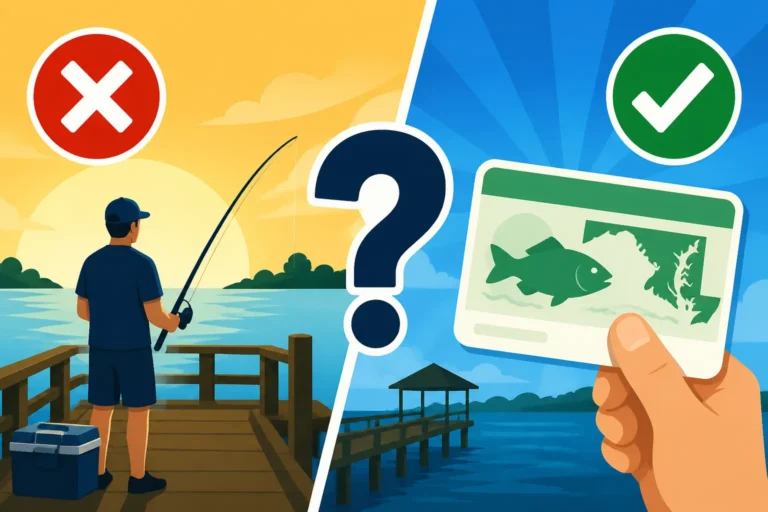
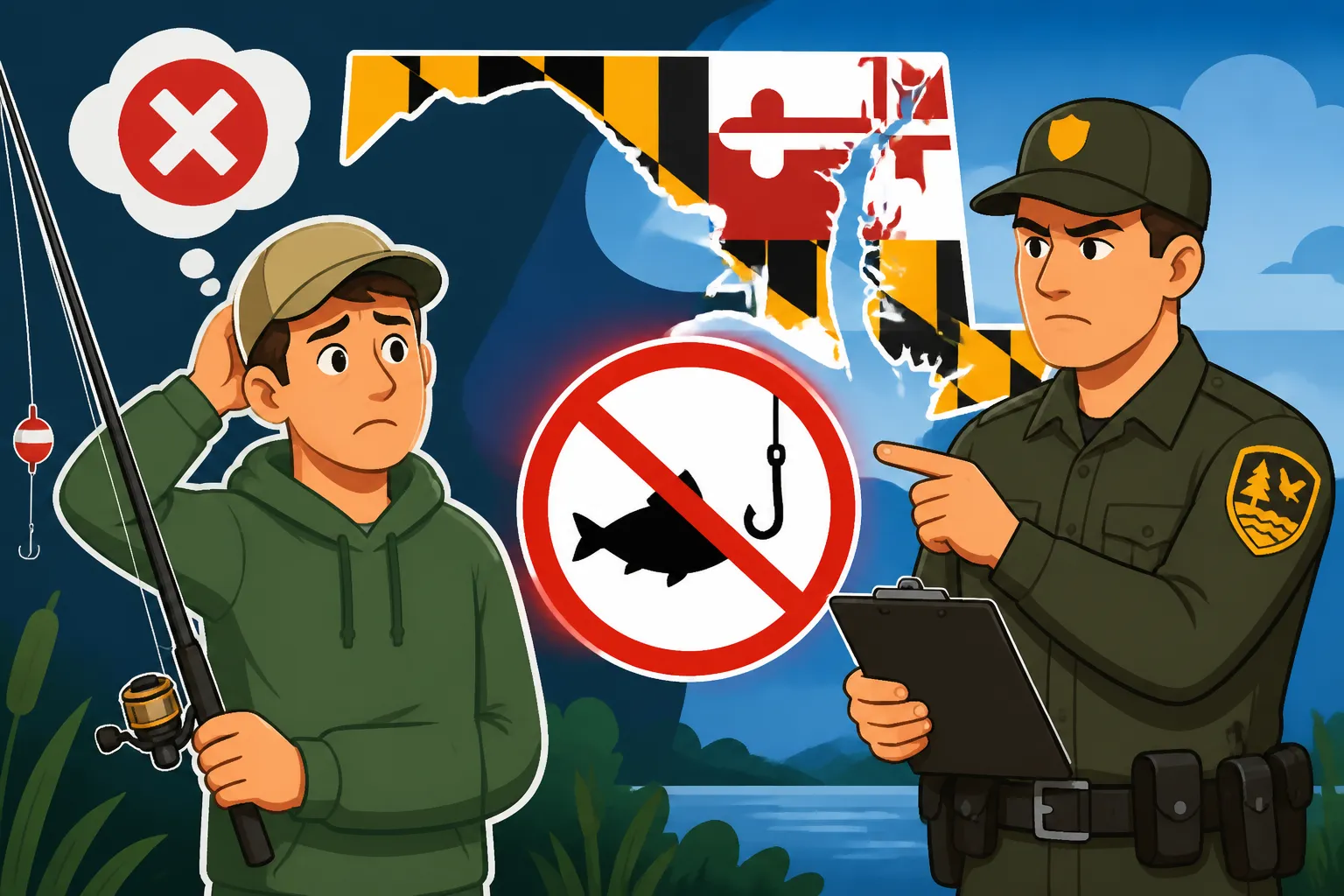
When an NRP officer approaches, their primary goal is to ensure compliance with Maryland's fishing regulations. They'll typically ask to see your fishing license and may also check your catch and equipment for compliance with size and creel limits. If you can't produce a valid license, they'll verify your identity and check their system. Many people mistakenly believe they can simply claim ignorance or that they'll just be given a warning. While an officer can issue a warning, especially for very minor or unclear infractions, fishing without a license is generally a straightforward violation. You'll likely be issued a citation, which is essentially a ticket, much like a traffic ticket. This notice will detail the offense, the associated fine, and instructions on how to pay or contest it. It's a pretty clear-cut process, and unfortunately, "I didn't know" isn't usually an acceptable defense in the eyes of the law.
Fines and Penalties
So, what kind of financial hit are we talking about? For a first offense of fishing without a license in Maryland, you're generally looking at a civil citation. The base fine for fishing without a required license is typically around $100 to $125. However, this is often just the starting point. Depending on the specific circumstances, such as if you were also found to be fishing out of season, using illegal gear, or exceeding catch limits, additional fines can be stacked on top. For instance, if you were targeting species during a closed season or possessed fish that were undersized or oversized, those separate violations would incur their own penalties. These fines are designed not just to punish, but also to deter future violations and recoup some of the lost revenue that would have gone towards conservation. It's a stark reminder that the cost of a license, which can be as low as the Maryland Resident Annual Fishing License Cost, is significantly less than the fine for not having one.
Beyond the Fine: Other Potential Repercussions
While the immediate fine is usually the first thing people think about, the consequences of fishing without a license can extend further, causing more hassle and financial burden than just a simple ticket. It’s not just about paying a fee and moving on; there can be lasting impacts.
Confiscation of Gear and Catch
This is one of the more frustrating and costly aspects of getting caught without a license. NRP officers have the authority to confiscate any fish you've caught, regardless of whether they're legal size or within bag limits. After all, if you weren't licensed to fish, you weren't licensed to possess those fish either. More significantly, officers can also seize your fishing equipment. This might include your rod, reel, tackle box, and even your boat or kayak in more severe cases or repeat offenses. Imagine losing a brand-new rod and reel combo that you just picked up, maybe even with some great deals on Amazon, simply because you forgot to buy a license. The financial loss from confiscated gear can easily dwarf the cost of the initial fine, turning a simple oversight into a truly expensive lesson.
Court Appearances and Criminal Records
For a first-time offense of merely fishing without a license, it’s highly unlikely you’ll end up with a criminal record. Maryland typically treats these as civil infractions. You pay the fine, and that's usually the end of it. However, if you choose to contest the citation, you will have to appear in district court. This means taking time off work, preparing your case, and dealing with the legal system. If you have multiple previous offenses for fishing without a license, or if the violation is combined with more serious infractions like poaching endangered species, gross over-the-limit catches, or fishing in restricted spawning areas, the situation can escalate quickly. In such cases, the charges could move from civil to criminal, potentially leading to misdemeanor charges, much heftier fines, and even jail time in extreme, repeat scenarios. It’s a very serious escalation that most recreational anglers want to avoid at all costs.
Impact on Future Licensing and Fishing Privileges
A violation on your record, even a civil one, can have implications for your future ability to acquire a fishing license. While a single offense might not prevent you from buying a license next year, repeat offenses or more serious violations could lead to a suspension of your fishing privileges in Maryland. This means you could be legally barred from obtaining a fishing license for a specified period. Imagine being an avid angler and suddenly being told you can't fish for a year or more. It’s a bitter pill to swallow. Furthermore, Maryland is part of an interstate compact for wildlife violations, meaning a severe violation here could potentially affect your ability to get a fishing license in other states that share data, such as Virginia. If you're considering Combining a Virginia and Maryland Fishing License, a past violation could complicate matters.
Why Maryland DNR Takes Licensing Seriously
It's easy to see these regulations as simply bureaucratic hurdles, but there's a profound reason why the Maryland Department of Natural Resources (DNR) enforces licensing so diligently. It’s all about maintaining the health and sustainability of Maryland’s precious aquatic ecosystems for everyone, now and in the future.
Funding Conservation Efforts
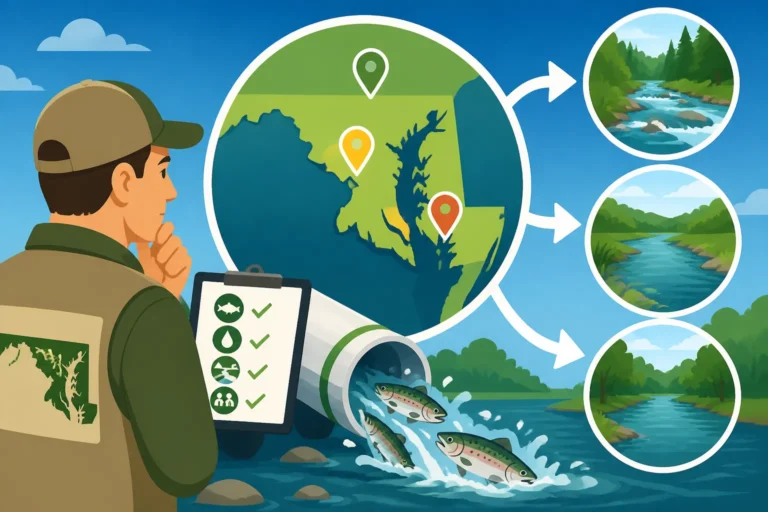
The revenue generated from the sale of fishing licenses is not just some arbitrary tax; it directly fuels critical conservation programs across the state. Think about it: when you purchase a Maryland Fishing License Guide for 2026, your money goes into a dedicated fund. This fund supports vital activities such as stocking fish in rivers and lakes, including trout in designated streams, helping to ensure healthy populations for anglers to enjoy. It also funds habitat restoration projects, improving water quality, and creating better environments for fish to thrive. A portion also goes towards scientific research, allowing DNR biologists to study fish populations, understand their migratory patterns, and assess the overall health of different species, like our iconic striped bass. Without these funds, the very fisheries we all love to enjoy would suffer, diminishing the angling experience for everyone.
Managing Fish Populations and Regulations
Beyond funding, licensing plays a crucial role in the scientific management of fish populations. Each license sold helps the DNR track the number of anglers participating in recreational fishing. This data, combined with creel surveys and biological studies, provides a clearer picture of fishing pressure on different species. This information is indispensable for setting sustainable regulations, such as Maryland Fishing Size and Catch Limits by Species and specific Maryland Striped Bass Season and Rockfish Rules. If a significant number of people are fishing unlicensed, the data becomes inaccurate, making it harder for DNR to make informed decisions about bag limits, seasons, and other protective measures. This could lead to overfishing, negatively impacting populations of species like striped bass, flounder, or white perch, and ultimately harming the ecosystem and the sport itself.
Understanding Maryland's Licensing Requirements to Avoid Issues
The best way to avoid the penalties and frustrations discussed above is simply to understand and comply with Maryland's fishing license requirements. It’s often simpler than people imagine, and the peace of mind is well worth the small effort.
Who Needs a License and Who Doesn't
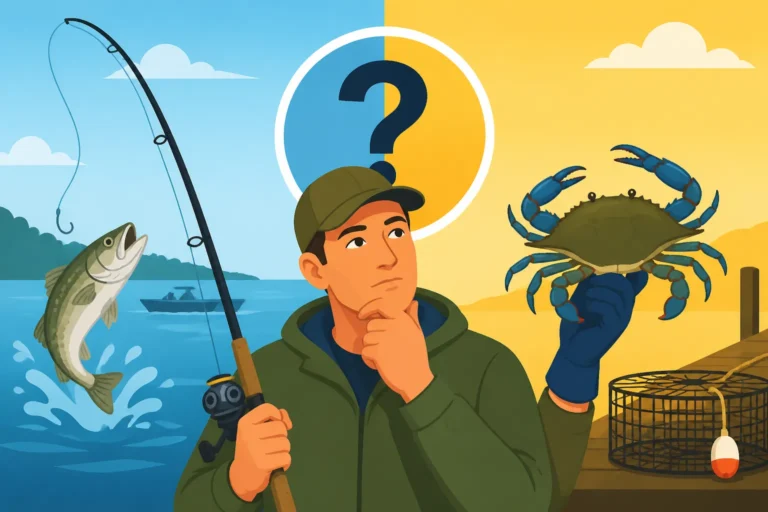
Generally speaking, if you are 16 years of age or older and plan to fish in Maryland's public waters, you need a license. This applies whether you're fishing in freshwater lakes and rivers (nontidal) or in the Chesapeake Bay and its tidal tributaries (tidal). However, there are some important exceptions. Children under 16 do not need a license to fish in Maryland, which is a fantastic way to introduce them to the sport. You can learn more about this in our guide, Do Kids Need a Fishing License in Maryland?. Maryland also offers specific Maryland Free Fishing Days each year, during which residents and non-residents alike can fish without a license. These days are a great opportunity to try fishing or take a friend who's curious about the sport. Certain specialized licenses exist, like the Maryland Trout Stamp Requirements if you plan to fish for trout in designated areas, or specific requirements for charter boat passengers (though often covered by the charter's license). It's crucial to understand the distinction between a Maryland Nontidal vs Tidal Fishing License, Explained, as you might need different permissions depending on where you cast your line.
How to Legally Obtain a Fishing License
Getting your Maryland fishing license is incredibly straightforward these days. You have a few convenient options:
- Online: The easiest and quickest way is through the Maryland DNR's Compass system. Their website allows you to purchase and print your license from the comfort of your home. This digital option means you can even buy it right before heading out to fish, ensuring you're always compliant. Check out our detailed guide on How to Buy a Maryland Fishing License for step-by-step instructions.
- In Person: Many local tackle shops, sporting goods stores, and even some county clerk's offices are licensed vendors for Maryland DNR. This is a great option if you prefer a physical license card, want to chat with local experts, or need to pick up some last-minute bait or gear. When you're browsing for fishing essentials, maybe even looking for good deals on Amazon for a new fishing vest or tackle bag, remember to check if your local shop can also issue licenses.
- By Mail: While less common now due to the ease of online purchasing, you can still print a license application from the DNR website and mail it in. Just be aware that this option takes longer to process, so it's not suitable for last-minute needs.
Always make sure to carry your license with you when you're fishing. A digital copy on your phone is usually acceptable, but a printed copy or a physical card is often preferred and easier to present, especially if you're in an area with spotty cell service.
Here's a quick look at common violations and their potential costs:
| Violation Type | Typical First Offense Fine | Potential Additional Penalties |
|---|---|---|
| Fishing without a required license | $100 – $125 | Confiscation of catch and gear, court costs, suspension of privileges |
| Failure to display license | $25 – $50 | Minor |
| Exceeding daily creel limit | $50 – $250+ (per fish) | Confiscation of illegal catch, higher fines for protected species |
| Possessing undersized/oversized fish | $50 – $250+ (per fish) | Confiscation of illegal catch, higher fines for protected species |
| Fishing during a closed season | $250 – $1,000+ | Confiscation of catch and gear, suspension of privileges, criminal charges in severe cases |
| Illegal gear usage | $150 – $500+ | Confiscation of illegal gear, suspension of privileges |
Note: Fines are subject to change by Maryland DNR and state law. These are general estimates for illustrative purposes.
Ultimately, the small cost and minimal effort required to obtain a Maryland fishing license are well worth it. Not only does it keep you on the right side of the law, avoiding unnecessary fines and complications, but it also directly supports the vital conservation work that keeps Maryland's waters healthy and teeming with fish for generations of anglers to come. So, before you head out, double-check your license, and enjoy your time on the water knowing you're contributing to a sustainable future for fishing in Maryland.
Disclaimer
Please note that fishing regulations, fines, and penalties in Maryland are subject to change. While this guide aims to provide accurate and up-to-date information, it is always best to consult the official Maryland Department of Natural Resources (DNR) website or their current regulations guide for the most precise and legally binding information before engaging in any fishing activities.