Do Maryland Fishing Piers Require a State License?
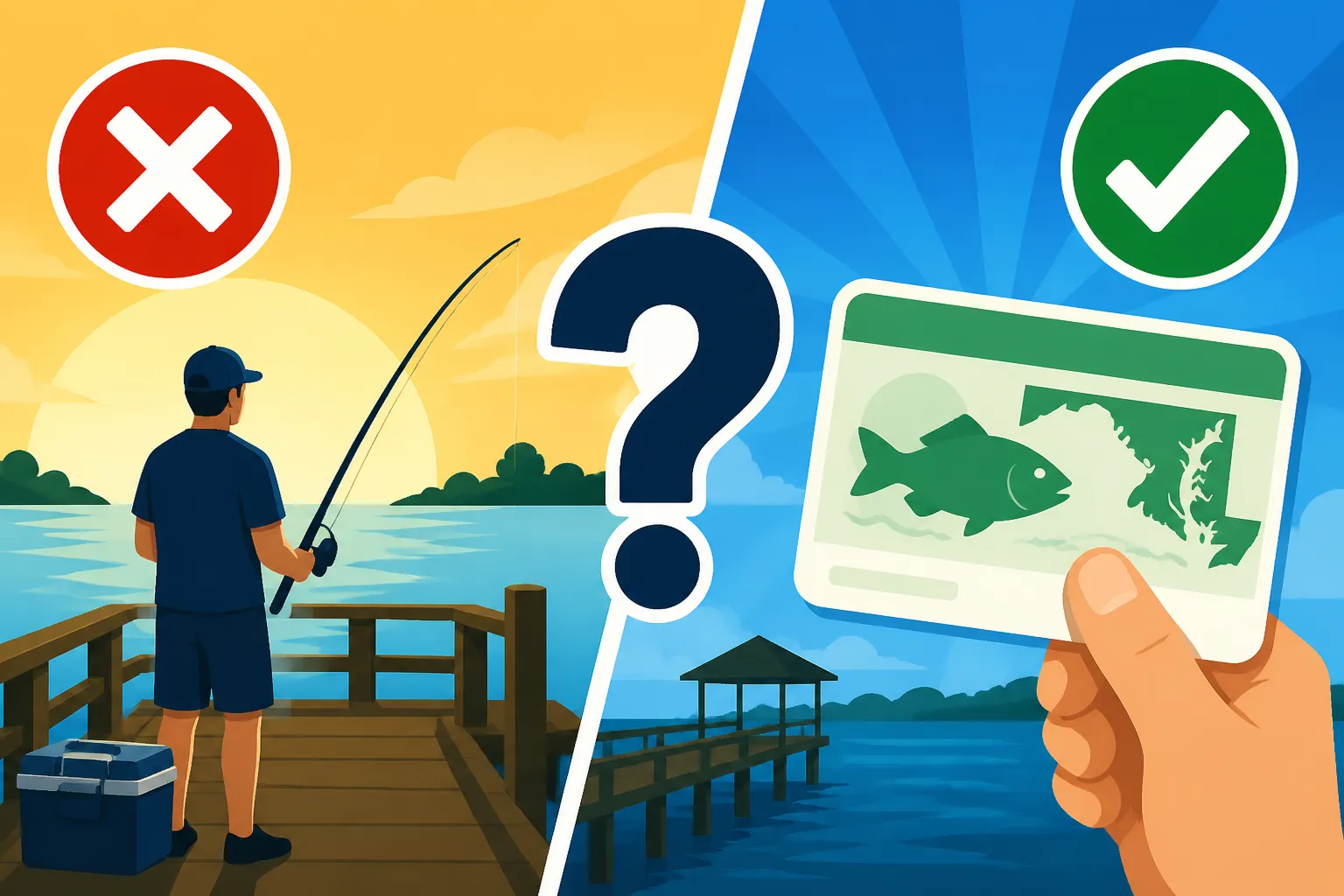
It's a common dilemma, isn't it? You arrive at a beautiful fishing pier in Maryland, rod in hand, ready for a relaxing day by the water, only to wonder, "Do I actually need a state fishing license for this?" The rules can feel like a tangled fishing line at times, creating unnecessary stress when all you want to do is cast a line. This guide is here to untangle that confusion, explaining exactly when a state license is required for pier fishing in Maryland and when you might be exempt.
The General Rule for Maryland Piers: Yes, You Usually Need One
Let's get right to it: for the vast majority of fishing piers in Maryland, if you are an angler of legal age, you will need a valid state fishing license. This isn't just some arbitrary fee; it's how Maryland funds its critical conservation efforts, fish stocking programs, and the maintenance of public fishing access points, including many of those wonderful piers we all love.
Standard State License Requirements for Tidal and Nontidal Waters
Maryland's fishing regulations broadly categorize waters into tidal and nontidal. The type of water your chosen pier extends into will dictate the specific license you need, but the overarching principle remains: if you're fishing, you generally need to be licensed.
Imagine you're casting from a pier that juts out into the Chesapeake Bay, perhaps at Sandy Point State Park or North Beach. These are tidal waters, meaning they're influenced by the ebb and flow of the ocean. For these locations, you'll typically need a Maryland Bay & Coastal Sport Fishing License, sometimes just called a tidal license. This covers a huge array of species like striped bass (rockfish), bluefish, croaker, and flounder, all of which are common targets from Bay piers. If you’re not sure about the costs, you can always check out the article on Maryland Resident Chesapeake Bay Sport Fishing License Cost.
Now, picture a pier on a reservoir like Loch Raven or a larger lake like Deep Creek Lake. These are nontidal waters. Here, you'd be targeting freshwater species like largemouth bass, crappie, bluegill, or even trout in some areas. For these spots, a Maryland Nontidal Fishing License is what you need. It’s crucial to understand the distinction, as trying to fish tidal waters with a nontidal license, or vice versa, could land you in hot water with the Maryland Department of Natural Resources (DNR). Our comprehensive guide, Maryland Nontidal vs Tidal Fishing License, Explained, delves deeper into these differences.
The bottom line is that these licenses ensure that recreational fishing is managed sustainably, protecting the fish populations for future generations of anglers. So, before you even think about baiting your hook, assume you'll need a license and plan accordingly.
The Cost of Overlooking License Rules
It might seem like a minor detail, but fishing without the proper license in Maryland isn't just a slap on the wrist. It can lead to some pretty significant headaches, not to mention a dent in your wallet. The Maryland DNR takes its regulations seriously, and for good reason—they're trying to protect the state's valuable natural resources.
If a Natural Resources Police officer finds you fishing on a pier without a valid license, you could be facing fines that far exceed the cost of an annual license. These fines can vary depending on the specific violation and whether it's your first offense, but they can easily run into hundreds of dollars. On top of the fine, your fishing equipment might even be seized. Imagine showing up for a peaceful day of fishing, only to leave with a citation and without your favorite rod and reel! It’s a harsh reality, but it’s designed to deter unlicensed fishing and encourage compliance.
Beyond the legal and financial repercussions, there's the ethical consideration. Maryland's fisheries depend on the revenue generated from license sales. When anglers skip buying a license, it directly impacts the funds available for fish stocking, habitat restoration, and enforcement that benefits all anglers. So, thinking of it as a small investment in the future of Maryland fishing can help make that purchase feel a bit more meaningful. Don't risk a ruined day; always be sure you're properly licensed. If you're wondering, What Happens If You Fish in Maryland Without a License?, we have an article that covers this in detail.
Key Exemptions: When You Can Fish a Pier Without a Personal License
While the general rule is to have a license, Maryland does offer some specific exemptions for pier fishing that are incredibly helpful. Knowing these can save you time, money, and hassle, allowing you to enjoy your time on the water worry-free.
The Role of the Recreational Fishing Pier License
This is perhaps the most significant and often misunderstood exemption when it comes to pier fishing in Maryland. Some fishing piers in the state hold what's called a Recreational Fishing Pier License issued by the Maryland DNR. If a pier holds this specific type of license, then anyone fishing from that pier does not need to purchase an individual state fishing license.
This institutional license covers all anglers using that facility. It's a fantastic program, especially for families or groups where not everyone fishes regularly, or for tourists who only plan to cast a line for an hour or two. However, it's crucial to understand that not all piers have this license. You cannot assume that just because a pier is public or charges an entry fee, it automatically covers your fishing license.
How to tell if a pier has this license? Look for signage! Piers that hold a Recreational Fishing Pier License are usually very proud of it and will prominently display notices indicating that a state fishing license is not required for anglers using their facility. If you don't see clear signage, it's always best to assume a personal license is required or to check with the pier management directly. A good example might be some piers at Ocean City or certain county-run facilities that have invested in this specific license.
Age Exemptions for Maryland's Youngest Anglers
Maryland, like many states, has provisions to encourage youth participation in fishing. One of the most common exemptions for needing a fishing license is based on age. Generally speaking, children under the age of 16 do not need a state fishing license to fish in Maryland. This applies whether they are fishing from a pier, a boat, or the shore.
This exemption is wonderful for introducing kids to the joys of fishing without the added expense or bureaucratic step of acquiring a license for them. It allows parents, grandparents, or mentors to focus on teaching proper techniques, identifying fish, and fostering a love for the outdoors. So, if you're taking your son, daughter, niece, or nephew out to a pier, and they're under 16, they're typically good to go without a license, as long as you (the adult) are properly licensed if you're also fishing. If you want to dive deeper into this, our article, Do Kids Need a Fishing License in Maryland?, provides a full breakdown.
Enjoying Maryland's Free Fishing Days
Another fantastic opportunity to fish Maryland piers without a personal state license comes on the designated "Free Fishing Days." The Maryland DNR typically offers a few days each year where residents and non-residents alike can fish in designated nontidal waters and the Chesapeake Bay and its tidal tributaries without needing to purchase a state fishing license.
These days are designed to encourage new anglers to try the sport and for seasoned anglers to introduce friends and family. They're usually scheduled during popular fishing seasons, often in early June and sometimes later in July. This makes them perfect for a spur-of-the-moment pier fishing trip.
Important points about Free Fishing Days:
- Check the Dates: The exact dates vary year to year, so always check the official Maryland DNR website or their annual fishing guide before heading out.
- Rules Still Apply: While the license requirement is waived, all other fishing regulations—such as size limits, catch limits, and gear restrictions—remain in effect. You still need to abide by the rules for the specific species you're targeting.
- Popularity: Expect piers and popular fishing spots to be busier on these days, as many people take advantage of the opportunity.
Utilizing Free Fishing Days is an excellent way to test the waters of pier fishing or to simply enjoy a day out without the added cost of a license. Our guide, Maryland's Free Fishing Days in June and July, can give you the most current information.
Choosing the Right License for Your Pier Adventures
So, you've decided a license is indeed necessary for your upcoming pier fishing trip. Great! Now, which one do you actually need? Maryland offers a few different options, and selecting the right one depends on where you plan to fish and how often.
Navigating Tidal vs. Nontidal Waters from a Pier
As we touched on earlier, the primary distinction in Maryland fishing licenses is between tidal and nontidal waters. This is perhaps the most critical factor when choosing your license for pier fishing.
- Tidal Water Piers: If your pier is on the Chesapeake Bay, its tidal tributaries (like the Patuxent, Choptank, or Severn Rivers), or along the Atlantic coast (like Ocean City), you'll need a Maryland Bay & Coastal Sport Fishing License. This single license covers all recreational finfish fishing in these expansive tidal areas. It’s perfect for chasing striped bass, bluefish, croaker, flounder, and many other popular saltwater species you'll find from coastal and Bay piers.
- Nontidal Water Piers: For piers located on freshwater lakes, reservoirs (like Loch Raven, Liberty, Piney Run), or inland rivers and streams that are not influenced by the tide, you'll need a Maryland Nontidal Fishing License. This license is your ticket to catching largemouth bass, smallmouth bass, crappie, bluegill, trout, and various catfish species. Keep in mind that some specific nontidal trout waters might also require an additional Maryland Trout Stamp Requirements if you plan to keep trout.
It's important to remember that these licenses are generally mutually exclusive. You can't fish the Bay with just a nontidal license, and you can't fish a reservoir with just a tidal license. If you plan to fish both types of waters from piers (or boats/shore), you'll need both licenses, or you can opt for a consolidated license if available. For residents, the Maryland Resident Nontidal Fishing License Cost is quite reasonable for a full year of freshwater fun.
Short-Term and Consolidated Options for Convenience
Maryland understands that not everyone is a year-round, avid angler. Many people visit the state for a vacation, or only get out to a pier a few times a year. For these folks, several convenient options exist:
- Short-Term Licenses: For visitors or those planning a quick trip, Maryland offers short-term licenses. These might include a 3-day or 7-day nontidal license, or similar short-term options for the Bay. These are perfect if you're just planning a weekend getaway to Ocean City and want to fish the pier, or if you're visiting Deep Creek Lake for a week. They allow you to enjoy the fishing without committing to an annual license. For non-residents, understanding the Maryland Nonresident Fishing License Cost for these shorter terms is quite beneficial.
- Consolidated Sport Fishing License: For the truly dedicated angler who enjoys both freshwater and saltwater fishing, Maryland offers a Consolidated Sport Fishing License. This is often the most cost-effective and convenient option if you plan to fish both tidal and nontidal waters throughout the year. It combines the privileges of both licenses into one purchase, simplifying your annual licensing needs. It’s also often available as a Maryland Senior Consolidated Sport Fishing License for eligible older anglers, providing even more value.
Here’s a quick comparison of common license scenarios for pier fishing:
| Scenario | Water Type | Recommended License Option(s) | Notes |
|---|---|---|---|
| Weekend trip, only Bay pier | Tidal | 7-Day Bay & Coastal Sport Fishing License | All other regulations (size, catch limits) still apply. |
| Annual angler, all state waters | Both Tidal & Nontidal | Consolidated Sport Fishing License | Most comprehensive and convenient for frequent multi-water anglers. |
| Annual angler, only freshwater pier | Nontidal | Annual Nontidal Fishing License (+ Trout Stamp if applicable) | Essential for reservoirs, lakes, and non-tidal rivers. |
| Child under 16 | Both Tidal & Nontidal | No personal license required | Must abide by all other fishing regulations. |
| Fishing on a designated "Recreational Fishing Pier License" pier | Both Tidal & Nontidal | No personal license required | Look for prominent signage at the pier. |
| Free Fishing Day | Both Tidal & Nontidal | No personal license required | Check official DNR dates; all other rules apply. |
Ultimately, choosing the right license is about matching your fishing plans to the available options. Don't be afraid to ask questions at a local bait and tackle shop or consult the Maryland DNR website.
Practical Tips for a Smooth Pier Fishing Experience
Pier fishing is a fantastic way to enjoy the outdoors, often providing easy access to great fishing spots without the need for a boat. To make your experience as enjoyable and hassle-free as possible, a little preparation goes a long way, especially when it comes to licenses and gear.
How to Verify License Requirements for Your Chosen Pier
This is perhaps the most crucial tip: always confirm the specific license requirements for the pier you intend to fish before you go. As we've discussed, while the general rule is to have a license, there are those special cases like piers with a Recreational Fishing Pier License or Free Fishing Days. Making assumptions can lead to disappointment or fines.
Here’s how you can verify:
- Check the Maryland DNR Website: The official DNR website is your absolute best source for up-to-date regulations, including information on specific public piers and any special exemptions. Look for their interactive maps or fishing guides.
- Contact the Pier Directly: If the pier is part of a state park, a county park, or a privately managed facility, a quick phone call to their office or information desk can clarify everything. They'll know if they hold a Recreational Fishing Pier License or if a personal license is required.
- Look for Signage: When you arrive at the pier, scan for any official signage from the DNR or the pier management regarding license requirements. Piers that are exempt will usually make it very clear.
- Local Bait and Tackle Shops: These local businesses are often a goldmine of information. The folks working there live and breathe local fishing and can usually tell you exactly what’s needed for specific nearby piers. They can also tell you Where to Buy a Maryland Fishing License in Person.
Don't rely solely on word-of-mouth or outdated information. A few minutes of research can save you a lot of trouble and ensure you’re fishing legally and responsibly.
Essential Gear and Supplies for Pier Fishing
Once you've got your license sorted, it's time to think about your gear! Pier fishing is generally less gear-intensive than boat fishing, making it accessible for beginners, but having the right essentials can dramatically improve your comfort and success.
- Rod and Reel: A medium-action spinning rod (6-8 feet) paired with a reel spooled with 10-20 lb test line is a versatile choice for most pier fishing in Maryland, whether you're targeting perch, croaker, or even smaller striped bass.
- Tackle Box Basics: Fill your tackle box with an assortment of hooks (sizes 1 to 4/0), sinkers (pyramid or egg sinkers, 1-4 oz), swivels, and perhaps a few popular lures like jig heads with soft plastic bodies (grubs, paddle tails) or metal casting spoons. Pre-tied bottom rigs are also a pier angler's best friend. You can find excellent starter kits and individual components on Amazon.
- Bait: This is crucial! Depending on what you're targeting, popular baits include bloodworms, squid, cut bait (like pieces of bunker or spot), peeler crabs, or even artificial scent-infused baits. Live bait like grass shrimp or minnows can also be very effective. Check with the local bait shop for what's biting.
- Cooler with Ice: Essential for keeping your bait fresh and your catch safe for consumption. Don't forget drinks and snacks for yourself!
- Comfort Items: A comfortable, portable chair (many options on Amazon are lightweight and easy to carry), sunscreen, sunglasses, a hat, and appropriate clothing for the weather are all must-haves. Piers can be exposed, so protection from sun and wind is important.
- Tools: Pliers for hook removal, a knife, a tape measure (to check fish size against Maryland Fishing Size and Catch Limits by Species), and a rag or towel for messy bait and hands. A small landing net can also be incredibly useful, especially for larger fish.
- Trash Bag: Always, always pack out what you pack in. Keep our piers clean!
Having a well-stocked but manageable tackle bag and comfortable setup will make your pier fishing experience much more enjoyable. Think about what you'll need for a few hours or a full day, and pack accordingly.
Staying Up-to-Date with Maryland's Ever-Changing Rules
Fishing regulations in Maryland are dynamic. They can change throughout the year, sometimes even mid-season, in response to fish stock assessments, environmental factors, or conservation needs. What was legal last year, or even last month, might have changed.
- Maryland DNR Website and App: Make it a habit to regularly check the official Maryland Department of Natural Resources (DNR) website. They post all current regulations, emergency closures, and news updates. They also often have a mobile app that provides quick access to rules and license purchasing.
- Annual Fishing Guide: Pick up a physical copy of the Maryland Fishing and Boating Guide. It's usually available at bait and tackle shops, DNR offices, and often online. While annual, always cross-reference it with the online updates for any in-season changes.
- Sign Up for Alerts: Many state agencies offer email or text alerts for regulation changes. This is a great way to stay informed without constantly checking the website.
Being proactive about staying informed is part of being a responsible angler. It not only keeps you compliant with the law but also helps support the conservation efforts that ensure healthy fisheries for everyone.
Disclaimer
Please remember that fishing regulations, including license requirements, can change. While this guide provides comprehensive and up-to-date information, it is always your responsibility to consult the official Maryland Department of Natural Resources (DNR) website or the current Maryland Fishing Guide for the most accurate and recent regulations before you fish.