Maryland’s Free Fishing Days in June and July
Feeling a bit overwhelmed trying to understand all the rules and regulations just to enjoy a simple day of fishing in Maryland? You're not alone! It can certainly feel like you need a law degree to decipher what license you need, where you can go, and what you can keep. That's why Maryland's free fishing days are such a fantastic opportunity, designed to cut through some of that confusion and simply get more people out on the water. This guide is all about simplifying those special dates in June and July when you can cast a line without worrying about a state fishing license.
What Are Maryland's Free Fishing Days?
Maryland's Free Fishing Days are essentially a gift to both seasoned anglers and curious newcomers, offering specific dates when the state waives its usual fishing license requirements. It's an invitation to experience the joy of fishing without the initial hurdle of purchasing a license. These aren't just random days; they're strategically placed during prime fishing seasons to maximize the chances of a fun and successful outing for everyone.
Understanding the Dates: June and July Specifics
Every year, the Maryland Department of Natural Resources (DNR) designates a handful of days as "Free Fishing Days." While the exact dates can shift slightly from year to year, there are consistently two opportunities, one in June and one in July, that most anglers look forward to. For 2026, these dates are typically the first Saturday in June and the first Saturday in July. This means you get a chance to fish both early summer, often a fantastic time for species like white perch and bass, and mid-summer when the Chesapeake Bay is buzzing with activity. It’s always a good idea to double-check the official Maryland DNR website for the precise dates each year, but you can generally count on these two prime weekend days. These days are a perfect entry point for those who've never held a rod or for families looking for an affordable outdoor activity.
The Core Exemption: No License Required
The biggest perk of Free Fishing Days, as the name implies, is the exemption from needing a state fishing license. This applies to both the Maryland Nontidal vs Tidal Fishing License, Explained – meaning you can fish in freshwater lakes and rivers, as well as the brackish and saltwater areas of the Chesapeake Bay and its tributaries, and even the Atlantic Ocean. For many, especially those who only fish occasionally or are just visiting the state, the cost and hassle of getting a license can be a deterrent. These free days remove that barrier completely, making fishing accessible to everyone from a seasoned non-resident angler to a local parent introducing their child to the sport. It's a fantastic way to test the waters, so to speak, before committing to purchasing a full Maryland Fishing License Guide for 2026.
Beyond the License: What's Not Included
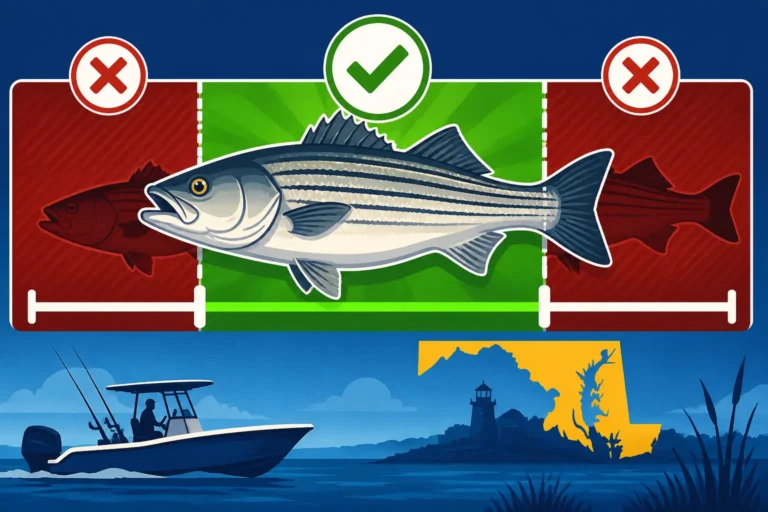
While the license requirement is lifted, it's crucial to understand that "free fishing" doesn't mean "no rules fishing." All other fishing regulations remain firmly in place. This includes species-specific rules such as size limits, daily creel (catch) limits, and season closures. For instance, if you're targeting striped bass on a Free Fishing Day, you still need to adhere to the Maryland Striped Bass Season and Rockfish Rules, including their slot limits and daily bag limits. The same goes for any other species, whether it's flounder, bluefish, or largemouth bass. These rules are in place to ensure sustainable fishing practices and protect Maryland's precious aquatic resources, so abiding by them is non-negotiable, even on these special days. You'll also still need any special endorsements for certain species, like a Maryland Trout Stamp Requirements if you plan on fishing in designated trout management waters (though typically most people aren't targeting trout on free fishing days in June/July due to warmer water).
Why Does Maryland Offer Free Fishing Days?
The concept of Free Fishing Days isn't unique to Maryland, but it serves several vital purposes for the state's natural resources department and its angling community. It's a smart initiative designed to foster a love for the outdoors, encourage participation in a healthy recreational activity, and ultimately, build future stewards of Maryland's diverse waterways.
Encouraging New Anglers
One of the primary goals of Free Fishing Days is to introduce new people to fishing. For someone who's never cast a line, the idea of buying a license, understanding regulations, and investing in gear can feel like a big commitment. These free days significantly lower the entry barrier, allowing individuals or families to try fishing with minimal upfront investment. It's an opportunity for curious minds to experience the tranquility of being by the water, the thrill of a bite, and the satisfaction of reeling in a fish. Many long-time anglers can trace their passion back to a single positive experience, and these days are designed to create those foundational memories. By making it easy to try, Maryland hopes to spark a lifelong interest in fishing, which in turn helps support conservation efforts down the line.
Promoting Family Outdoor Activities
In today's fast-paced world, finding activities that bring families together outdoors can be a challenge. Free Fishing Days are perfectly positioned to encourage families to disconnect from screens and reconnect with nature. Imagine a parent and child sitting side-by-side on a pier, sharing stories while waiting for a bite, or celebrating together as they land their first catch. These experiences build bonds and create lasting memories, all while enjoying the fresh air and beautiful scenery Maryland has to offer. The simplicity of not needing a license makes it less stressful for parents to plan an outing, focusing instead on teaching their kids about casting, baiting, and responsible angling. It's a fantastic way to introduce children to the wonders of aquatic life and the importance of respecting our natural environment. As a reminder, Do Kids Need a Fishing License in Maryland? covers that children under 16 generally don't need a license anyway, but these days extend the courtesy to adults, too!
Showcasing Maryland's Diverse Fisheries
Maryland boasts an incredibly rich and diverse array of fishing opportunities, from the cold, clear trout streams of Western Maryland to the vast expanse of the Chesapeake Bay, and the vibrant coastal waters of the Atlantic. Free Fishing Days provide a platform to showcase this variety. Anglers can choose to explore different types of waters, perhaps trying their hand at freshwater bass fishing in a local reservoir, or heading to the Bay for some white perch action. It’s an opportunity to experience firsthand why Maryland is often considered an angler's paradise. By offering these license-free days, the state subtly encourages exploration, hoping that participants will discover a new favorite spot or a new species to target, further cementing their connection to Maryland's unique aquatic ecosystems.
Who Can Participate in Free Fishing Days?
The beauty of Maryland's Free Fishing Days lies in their broad accessibility. These days are truly for everyone, eliminating distinctions that typically apply to fishing licenses, making it a truly inclusive event for the entire community.
Residents and Nonresidents Alike
This is a significant aspect of Free Fishing Days: the exemption applies universally, whether you are a long-time Maryland resident or just visiting from out of state. Normally, nonresidents face different fees and license options, such as the Maryland Nonresident Fishing License Cost or shorter-term Maryland 7-Day Fishing License Options. On Free Fishing Days, these distinctions are temporarily set aside. A family visiting Ocean City from Pennsylvania can try surf fishing without needing to buy a Maryland saltwater license, or a relative from Virginia can join a local on the Chesapeake Bay without a separate permit. This encourages tourism and allows visitors to experience Maryland's renowned fishing without an additional financial hurdle. It genuinely levels the playing field, ensuring that everyone has an equal opportunity to enjoy the state's fishing resources.
Age Considerations: Kids Always Fish Free
While Free Fishing Days offer a universal license exemption, it's worth remembering that certain age groups already enjoy this privilege year-round. Specifically, in Maryland, children under the age of 16 are generally exempt from needing a fishing license for most types of recreational fishing. This means that if you're taking a youngster out, they don't need a license even on regular days. The Free Fishing Days, however, extend this benefit to the adults accompanying them or any adult fishing on their own, allowing parents, grandparents, or guardians to fish alongside their young ones without needing their own license. This makes it an even more family-friendly event, ensuring that adults aren't excluded due to licensing requirements when teaching the next generation about fishing. You can learn more about specific rules for young anglers by checking out Fishing Without a License Under Age 16 in Maryland.
Special Exemptions Beyond These Days
It's also important to note that while Free Fishing Days are specific, there are other ongoing exemptions that some individuals might qualify for. For example, certain disabled veterans, active-duty military personnel on leave, or individuals with specific developmental disabilities may be eligible for special licensing accommodations or even exemptions year-round. Additionally, fishing on licensed charter boats often means that the captain's license covers all passengers, so individual licenses aren't needed. While these are separate from the Free Fishing Days, it's good to be aware that Maryland strives to make fishing accessible through various avenues. However, for the average recreational angler who doesn't fall into these special categories, the Free Fishing Days are the primary opportunity to fish without purchasing a How to Buy a Maryland Fishing License.
Where Can You Fish on Free Fishing Days?
One of the great things about Maryland's Free Fishing Days is the sheer breadth of waters open to anglers. You're not restricted to a small pond or specific lake; the entire state's public fishing waters are generally fair game, offering a fantastic opportunity to explore.
Tidal and Nontidal Waters
On Free Fishing Days, you can fish in virtually any public tidal or nontidal water body across Maryland. This includes:
- Nontidal Waters: Think freshwater lakes, ponds, rivers, and streams such as Deep Creek Lake, Loch Raven Reservoir, the Upper Potomac River, and countless smaller ponds stocked across the state. These waters are home to species like largemouth and smallmouth bass, crappie, bluegill, catfish, and various trout species.
- Tidal Waters: This encompasses the vast Chesapeake Bay, its numerous tidal tributaries (like the Patuxent, Choptank, Chester, and Potomac Rivers), and the Atlantic Ocean coastal bays and nearshore waters around Ocean City and Assateague Island. Here, you can target iconic species like striped bass (rockfish), white perch, flounder, bluefish, and more.
This wide-open access means you can truly pick your adventure. Want to try fly fishing for trout in a scenic mountain stream (though remember trout stamp rules still apply in designated areas) or cast for blue crabs and white perch from a pier on the Bay? Both are options! This is particularly beneficial for those who might typically only fish one type of water due to license restrictions, offering a chance to try something new. For ideas on where to go, consider looking at guides like Best Places to Fish in Maryland.
Exceptions: Private Ponds and Special Areas
While the scope is broad, there are a few important exceptions to keep in mind. Free Fishing Days typically apply to public waters. Private ponds, lakes, or stretches of water that are privately owned and managed still require the owner's permission to access, and their own rules may supersede state regulations. For example, if you fish a small pond on private farmland, you'd still need permission from the landowner, regardless of the free fishing day status.
Additionally, certain federally managed lands or specific park regulations might have their own unique requirements, although state fishing license exemptions usually apply. A good rule of thumb is always to check with the specific park or property management if you're unsure. However, for the overwhelming majority of Maryland's public access points – from state parks to county boat ramps and popular fishing piers – you're good to go without a license on these designated days.
Accessibility: Piers, Shores, and Public Access
One of the biggest advantages for beginners or those introducing others to fishing on Free Fishing Days is the ease of access. You don't need a boat to participate! Maryland offers a plethora of public fishing piers, shoreline access points, and designated fishing areas that are perfect for a license-free outing.
- Piers: Locations like Sandy Point State Park, North Point State Park, or various municipal piers along the Bay and its tributaries offer excellent opportunities for pier fishing. These spots are often well-maintained, provide restrooms, and sometimes even have bait shops nearby.
- Shore Access: Many state parks, wildlife management areas, and public access points provide ample shoreline from which to cast. This can be great for targeting species that hug the banks or exploring lesser-known spots.
- Coastal Beaches: For those interested in surf fishing, the beaches of Assateague Island or Ocean City also fall under the free fishing day umbrella. Just be mindful of swimming areas and any local ordinances.
These accessible locations are ideal for families, individuals without boats, or anyone who just wants to enjoy a relaxing day by the water without the hassle of launching a vessel. For more ideas on easy-to-access spots, check out Best Piers and Shore Fishing Spots in Maryland.
What Regulations Still Apply on Free Fishing Days?
This is perhaps the most critical section for anyone planning to take advantage of Maryland's Free Fishing Days. While the need for a license is waived, it's absolutely essential to remember that you are still bound by all other Maryland fishing regulations. Ignoring these rules can lead to fines, confiscation of gear, and even loss of future fishing privileges. These regulations are in place to ensure the sustainability of fish populations and the health of the ecosystem, so they are not optional.
Size and Creel Limits Are Still in Effect
Every fish species in Maryland has specific regulations regarding its size and how many you can keep in a single day (known as the creel limit or daily bag limit). These limits vary widely depending on the species, the body of water, and even the time of year. For example, Maryland Flounder Size Limit can change, as can the rules for striped bass or bluefish. On a Free Fishing Day, if you catch a striped bass that is below the legal minimum size or over the daily limit, you are still in violation.
It's your responsibility as an angler to know these rules before you start fishing. The best way to stay informed is to consult the latest Maryland Fishing Guide, available online through the DNR website or at local tackle shops. Ignorance of the law is not an excuse. DNR enforcement officers are actively patrolling on Free Fishing Days, just as they would on any other day, ensuring compliance. Their goal isn't to discourage fishing, but to protect the resource for everyone. You can find detailed information about these rules in the Maryland Fishing Size and Catch Limits by Species guide.
Trout Stamp Requirements and Invasive Species Rules
Beyond standard size and creel limits, there are other specific regulations that remain in force:
- Trout Stamp: If you plan on fishing in a designated "put-and-take" or "delayed harvest" trout management area, you generally still need a Maryland Trout Stamp, even on Free Fishing Days. This stamp helps fund the state's trout stocking program. While Free Fishing Days in June and July aren't typically peak trout season for many, it's a detail to be aware of if you venture into those specific waters. Maryland Trout Stamp Requirements covers this in more detail.
- Invasive Species: Maryland has strict rules regarding invasive species, most notably the Northern Snakehead and the Blue Catfish. For species like the snakehead, it is illegal to release a live one back into the water if caught, and anglers are strongly encouraged to harvest them. Similarly, blue catfish have no size or creel limits, encouraging anglers to keep as many as they can to help control their population. These rules are particularly important for protecting native ecosystems. Make sure you're familiar with Maryland Invasive Fish Rules: Blue Catfish and Snakehead before heading out. The effort to control these species is ongoing, and every angler plays a part.
It's vital to respect these rules, as they play a critical role in preserving the delicate balance of Maryland's aquatic environments.
Gear Restrictions and Ethical Angling
Lastly, while Free Fishing Days waive the license fee, they do not grant you carte blanche to use any type of gear or engage in unethical angling practices.
- Gear Restrictions: Certain types of gear might be prohibited or restricted in specific areas. For instance, some trout streams may have "fly fishing only" sections or require the use of barbless hooks. The number of rods you can actively fish might also be limited. Always check the regulations for the specific body of water you intend to fish. Most recreational anglers using a single rod and reel will be fine, but it’s always better to be informed.
- Ethical Angling: Beyond the letter of the law, ethical angling practices are crucial. This includes respecting private property (even if fishing public water, access might be through private land), not leaving trash or discarded fishing line (which can harm wildlife), and practicing proper catch-and-release techniques for fish you don't intend to keep. This means handling fish gently, minimizing their time out of water, and using appropriate tools for hook removal. Being a responsible angler ensures that everyone can continue to enjoy Maryland's fishing opportunities for years to come. The Maryland's DNR Fishing and Boating Guide, Explained is an excellent resource for all these details.
Making the Most of Your Free Fishing Day Experience
Maryland's Free Fishing Days are more than just an opportunity to save a few dollars on a license; they're an invitation to create memories, explore new waters, and connect with nature. To truly maximize these special days, a little planning and preparation can go a long way.
Planning Your Trip: Researching Spots and Species
Don't just show up to any random body of water hoping for the best! A successful and enjoyable Free Fishing Day often starts with a bit of homework. First, decide what kind of fishing experience you're looking for. Are you hoping to catch dinner (like white perch or blue catfish), or is it more about the thrill of the fight with a feisty largemouth bass? Knowing your target species will help narrow down your location.
Next, research suitable fishing spots. The Maryland DNR website is a treasure trove of information, providing maps of public access points, information on popular species in different areas, and current stocking reports for freshwater lakes. Online forums and local tackle shops are also fantastic resources for up-to-date information on what's biting where. Consider ease of access – if you're bringing young children or don't have a boat, a pier or a quiet shoreline park might be ideal. Websites like the DNR's fishing and boating guide often list family-friendly locations. Planning ensures you spend more time fishing and less time driving around looking for a place to cast.
Essential Gear for a Successful Outing
You don't need to break the bank to get started, especially on a Free Fishing Day! The most crucial piece of gear is a basic rod and reel combo. For beginners, a simple spinning combo, often available for under $50 at most sporting goods stores or even on Amazon, is more than adequate.
Here's a quick checklist of other essentials:
| Item | Purpose | Notes |
|---|---|---|
| Rod and Reel Combo | Catching fish | Light to medium action, 6-7 feet, spinning reel for versatility |
| Fishing Line | Connects rod to hook | 8-12 lb monofilament or braid, already spooled on most combos |
| Hooks | Attaching bait | Various sizes (e.g., #4 to 2/0) for different bait and fish sizes |
| Sinkers/Weights | Getting bait to depth | Split shot or egg sinkers, assorted sizes |
| Bobbers/Floats | Indicating bites, keeping bait at depth | Useful for still fishing, especially with kids |
| Bait | Attracting fish | Worms, minnows (live or artificial), Berkley Gulp, cut bait, lures |
| Pliers/Forceps | Removing hooks safely | Essential for both fish and angler safety |
| Small Cooler with Ice | Keeping drinks, snacks, and any keepers fresh | Even a small lunchbox-sized cooler works for a few fish |
| Measuring Tape | Checking fish size for regulations | Crucial for adhering to Maryland Fishing Size and Catch Limits by Species |
| Sunscreen & Hat | Protection from the elements | Don't underestimate the sun's power, even on cloudy days |
| Water/Beverages | Staying hydrated | Essential for any outdoor activity |
| Trash Bag | Pack it in, pack it out | Keep Maryland waters clean! |
You can find pre-packaged beginner fishing kits on Amazon that include many of these basic items, making it super easy to grab and go. Don't forget a small tackle box or bag to keep everything organized.
Teaching the Next Generation: A Family Affair
Free Fishing Days are tailor-made for introducing children to the joys of angling. Make it an educational and fun experience! Start by explaining the basic equipment – what each part of the rod does, why you use a bobber, and how the reel works. Let them help with baiting (if they're up for it!) and teach them how to cast safely.
Emphasize patience and observation. Fishing isn't just about catching fish; it's about enjoying the outdoors, watching wildlife, and appreciating nature. Talk about the different fish you might catch, explain why certain rules (like size limits) are important, and teach them about handling fish gently if you plan to release them. Celebrate every bite, even if the fish gets away, and definitely celebrate every catch, no matter how small. Pack plenty of snacks, tell stories, and focus on the experience rather than just the harvest. Creating positive early memories is key to fostering a lifelong love for fishing and conservation. Remember, these free days are the perfect gateway to future adventures and perhaps even investing in that first Maryland Fishing License Renewal down the road.
Disclaimer
The information provided in this guide is for general informational purposes only and is subject to change. While we strive to provide accurate and up-to-date content, fishing regulations, dates, and requirements are determined by the Maryland Department of Natural Resources (DNR) and can be modified at any time. It is always the angler's responsibility to consult the official Maryland DNR website or their latest fishing guide for the most current and authoritative regulations before engaging in any fishing activity. Fishing involves inherent risks; please exercise caution and prioritize safety on the water.