Maryland Catch and Release Rules During Closed Seasons
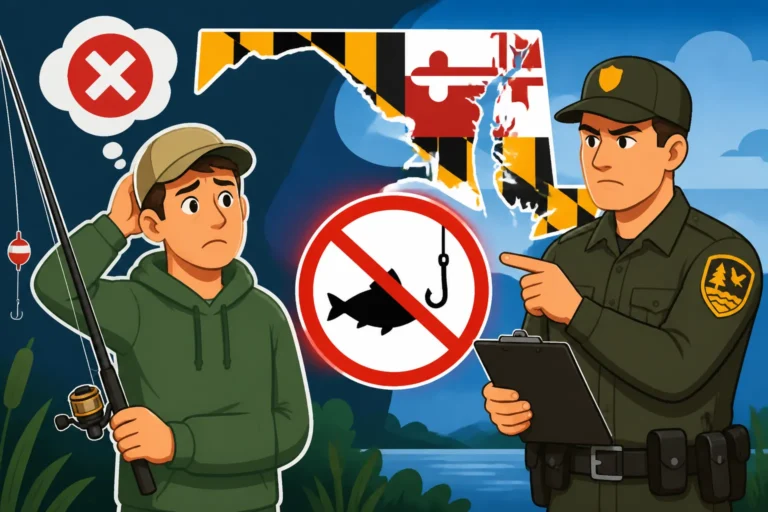
It's incredibly frustrating when you're out on the water, eager to cast a line, but you're not quite sure if you're allowed to target a certain species, let alone keep it. Maryland's fishing regulations can feel like a labyrinth, especially when it comes to those "closed seasons" that sometimes permit catch and release. This often leads to confusion, anxiety about accidentally breaking the law, and even missed fishing opportunities. This comprehensive guide is designed to clear up all that uncertainty, offering a detailed look into Maryland's catch and release rules during closed seasons so you can fish confidently and responsibly.
Understanding Why Seasons Close
Closed seasons aren't just arbitrary dates plucked from a calendar; they are crucial components of Maryland's fishery management strategy. These regulations are meticulously crafted by the Maryland Department of Natural Resources (DNR) to ensure the long-term health and sustainability of our diverse fish populations. It's all about finding that delicate balance between providing recreational opportunities for anglers and protecting the very resources that make fishing in Maryland so special.
Protecting Spawning Fish and Future Generations
One of the primary reasons for implementing closed seasons, or catch and release only periods, is to safeguard fish during their most vulnerable time: spawning. When fish gather to reproduce, they are often less cautious, more concentrated in certain areas, and particularly susceptible to fishing pressure. Targeting them aggressively during this time can disrupt their breeding cycle, reduce the number of eggs laid, and ultimately diminish the success of future generations.
For example, think about the spring spawning runs for our beloved striped bass, or "rockfish" as we locals call them. During this critical period, adult striped bass migrate from the Chesapeake Bay and its tributaries to spawn. The DNR often implements specific closures in these spawning rivers and their adjacent waters to prevent undue stress on these breeding fish. Even in areas where catch and release is permitted, the intent is to allow these fish to complete their reproductive cycle with minimal disturbance, ensuring a healthy population for years to come. This focus on protecting spawners is vital for the sustainability of the fishery.
Allowing Fish Populations to Recover and Grow
Beyond spawning protection, closed seasons also serve as recovery periods for fish populations that might be experiencing stress or decline. Sometimes, a specific stock needs a break from harvest pressure to rebound, allowing younger fish to mature and contribute to the breeding population. These closures give smaller, growing fish a chance to reach a larger, more reproductively viable size before they become legal to harvest.
Consider how specific size and catch limits work in conjunction with closed seasons. While this guide focuses on catch and release during closed seasons, it’s worth noting that strict size and bag limits (like the ones detailed in Maryland Fishing Size and Catch Limits by Species) are also designed to protect younger fish and ensure that enough adults remain to spawn. A closed season, even one that allows catch and release, acts as an additional layer of protection, particularly for species that are migratory or have specific seasonal behaviors that make them more vulnerable at certain times of the year. This holistic approach helps prevent overfishing and promotes a robust ecosystem.
Managing Ecosystem Health and Biodiversity
Finally, closed seasons contribute to the overall health and biodiversity of Maryland's aquatic ecosystems. By managing specific fish species, the DNR indirectly helps maintain the balance of the entire food web. For instance, if a key forage species is struggling, a closed season might be implemented to help it recover, which in turn benefits the predators that rely on it. Similarly, if a predator species is facing challenges, protecting it during its vulnerable periods helps stabilize its numbers, which can prevent overpopulation of its prey species.
This complex interplay means that every regulation, including those pertaining to catch and release during closed seasons, has a ripple effect throughout the environment. It’s not just about one fish; it’s about the intricate network of life beneath the surface. Adhering to these rules helps preserve the natural beauty and ecological integrity of places like the Chesapeake Bay and our freshwater lakes and rivers, ensuring that future generations of anglers can enjoy the same rich fishing experiences we do.
The Nuance of "Closed Season" Versus "Catch and Release Only"
This is where much of the confusion lies for many anglers in Maryland. The terms "closed season" and "catch and release only" are often used interchangeably, but they can signify very different sets of rules and expectations. Understanding the distinction is paramount to avoiding unintentional violations and ensuring you're fishing within legal bounds. It’s not uncommon to hear stories of anglers being cited because they misunderstood these subtle, yet critical, differences.
What a True Closed Season Means No Targeting Allowed
A true "closed season" for a particular species generally means just that: no fishing for that species whatsoever. You cannot target it, attempt to catch it, or possess it. If you accidentally catch a fish during a true closed season, you are typically required to release it immediately, without undue harm, and often, without even taking it out of the water. The emphasis here is on no targeting. This means you shouldn't be using baits or techniques specifically designed to catch that species during its closed season.
For instance, if a specific section of a trout stream is under a "closed season" before the official stocking and opening day, you cannot go there with trout tackle and try to catch any trout, even if you intend to release them. This is often implemented in areas that are about to be stocked, giving the newly introduced fish time to acclimate. The penalties for violating a true closed season can be quite severe because it directly undermines the conservation efforts for that specific species. It’s a hard stop, no exceptions, to allow the fish to do what they need to do without any human interference.
Navigating Catch and Release Only Periods
This is where things get more interesting and, admittedly, a bit more complex. A "catch and release only" period, while still a form of closed season in terms of harvest, explicitly allows you to target and catch the designated species, provided you release it immediately and unharmed. This is a common management tool, especially for popular game fish like striped bass, where anglers enjoy the thrill of the catch but harvest needs to be restricted to protect the population.
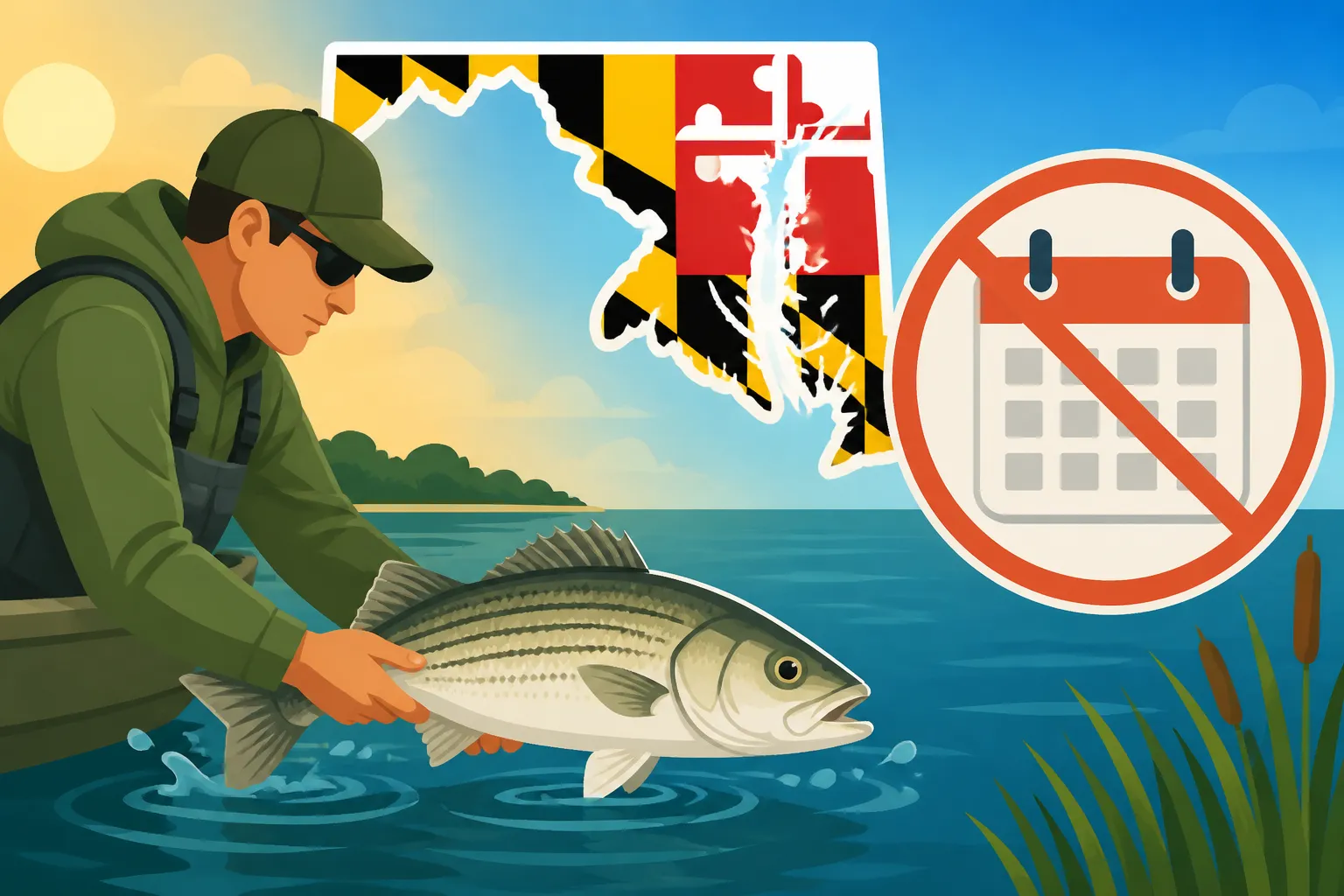
A prime example is Maryland's Maryland's Winter Catch and Release Striped Bass Season in the Chesapeake Bay. During this period, you can absolutely go out and fish for rockfish, but every single one you catch must be promptly and carefully released. There’s no keeping them, regardless of size. This allows anglers to still enjoy the sport while giving the fish a break from harvest. Another good example is in certain "Delayed Harvest" trout waters, like those detailed in Maryland Delayed Harvest Trout Waters Explained, where specific periods allow only catch and release to protect the trout until later in the season. These periods are a fantastic opportunity to hone your angling skills without impacting fish stocks. It's about the experience, not the dinner plate.
Accidental Catch and Release: What to Do
Despite your best intentions and adherence to regulations, sometimes you just can't help what bites your line. You might be targeting white perch or catfish, and suddenly, you've got a striped bass on your hook during a period when striped bass fishing is entirely closed (not even catch and release). This is known as an "incidental" or "accidental" catch. When this happens, the rule is crystal clear: you must release the fish immediately and without unnecessary harm. Do not take photos, do not bring it into the boat if you can avoid it, and certainly do not attempt to measure it.
The key here is intent. If you were legitimately targeting a legal species with appropriate gear and tackle for that species, and you accidentally hooked a fish that is currently under a full closure, you are generally in the clear as long as you release it immediately. However, if a Maryland Natural Resources Police officer observes you repeatedly catching a "closed" species while using gear typically associated with that species, they might question your intent. For instance, if striped bass are fully closed and you're jigging a large soft plastic lure on a heavy rod in a known striped bass haunt, your claim of "accidentally" catching one might be viewed with skepticism. Always err on the side of caution and prioritize the fish's well-being during release.
Key Species with Specific Catch and Release Rules
Maryland is home to an incredible variety of fish, and the rules surrounding catch and release during closed seasons often vary significantly from one species to another. It's not a one-size-fits-all scenario, which is why drilling down into specific examples is so important. Knowing the nuances for popular species like striped bass and trout will cover a significant portion of what most anglers encounter.
Striped Bass Rockfish Seasonal Considerations
Ah, the striped bass – Maryland's state fish and arguably the most sought-after game fish in the Chesapeake Bay. The regulations for rockfish are perhaps the most complex and frequently updated, reflecting the ongoing management efforts to protect this iconic species. It's absolutely vital to be current on the Maryland Striped Bass Season and Rockfish Rules before heading out.
One of the most prominent examples of a catch and release only period for striped bass is during the spring spawning closures. The DNR designates specific rivers and portions of the Bay as Maryland Spawning River Closures for Striped Bass. During these times, you cannot harvest striped bass, but in some areas outside the absolute "no fishing" zones (like certain upper Bay tributaries during specific windows), you might find catch and release fishing is permitted. The goal here is to let those big, mature females lay their eggs unimpeded. Another significant period is the summer closure, typically in August, where striped bass fishing is generally prohibited in the Bay, often with a strict "no targeting" rule to protect fish from high water temperatures and post-spawn stress. However, as noted before, Maryland often implements a specific Maryland's Winter Catch and Release Striped Bass Season in the main stem of the Chesapeake Bay, allowing anglers to continue enjoying the sport when harvest is closed. Always check the official DNR guide; a quick check on the FishBoatMD app or the DNR website is a must before every trip, especially for rockfish.
Maryland's Trout Program Delayed Harvest and Put-and-Take Rules
Maryland's trout program offers a fantastic example of diverse catch and release regulations. The DNR stocks thousands of trout each year, creating different types of angling experiences. Understanding these categories is key to fishing for trout legally. Many anglers enjoy the challenge of fishing these waters, and it’s a great way to use specialized gear, perhaps even a new fly rod purchased from a reliable online retailer like Amazon.
- Delayed Harvest Streams: These are specific sections of streams that operate under strict catch and release rules for a significant portion of the year, usually from October 1st through June 15th. During this "delayed harvest" period, only artificial lures and flies are permitted, and all trout must be immediately released unharmed. No bait is allowed. This setup allows anglers to enjoy quality catch and release fishing for several months while the trout grow and acclimate. After June 15th, these waters often transition to standard creel and size limits. You'll find excellent information on these areas in the Maryland Delayed Harvest Trout Waters Explained guide.
- Put-and-Take Stocked Waters: These are the streams and lakes where trout are stocked primarily for anglers to harvest. While you can catch and release in these areas, the rules for possession (size and creel limits, which can be found in Maryland Trout Daily Creel Limit) apply once the season officially opens. Before the opening day of the spring trout season, many of these waters are under a complete closure to allow the DNR to stock them. Violating these pre-season closures is a serious offense, as it disrupts the stocking efforts and fairness for all anglers.
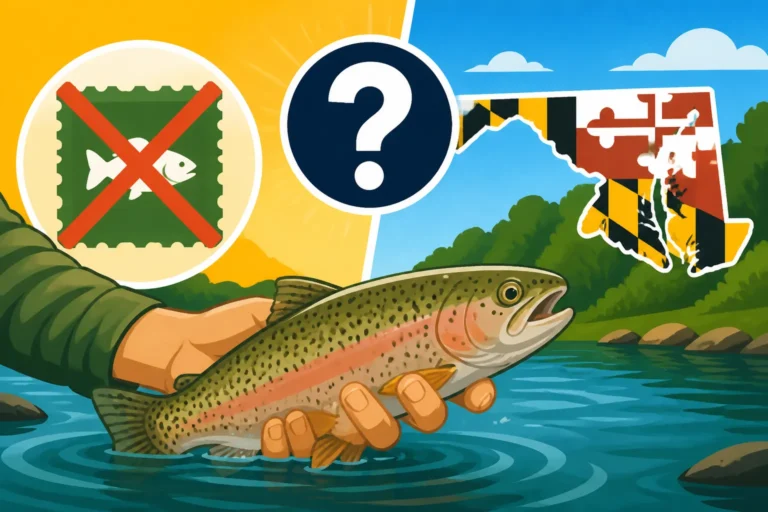
- Trophy Trout and Catch-and-Release Only Areas: Maryland also has specific "Trophy Trout" and dedicated "Catch and Release Only" areas, often requiring specific gear, like single-point barbless hooks, as detailed in Barbless Hook Rules on Maryland Trout Streams. These zones are designed for the dedicated angler looking for a challenge and emphasizing the conservation of larger, wilder trout populations. Always remember that a Maryland Trout Stamp Requirements is needed to fish for trout in designated trout waters, regardless of whether you plan to keep them or not.
Other Species: Flounder, Black Sea Bass, and Perch
While striped bass and trout often dominate discussions about catch and release, other species in Maryland also have specific regulations that can include catch and release only periods or specific rules for accidental catches during closed seasons. It's not just the big-name fish that warrant our attention.
- Flounder and Black Sea Bass: These popular saltwater species, particularly around Ocean City and the coastal bays, often have seasons with minimum size limits and bag limits. If you catch a flounder or black sea bass that is under the legal minimum size, it must be released immediately and unharmed. While there might not be "catch and release only" seasons in the same way as striped bass, understanding the specific size limits is a de facto catch and release rule for undersized fish. Check the most recent Maryland fishing regulations for precise limits on these and other coastal species.
- Perch (White and Yellow): White and yellow perch are abundant in Maryland's fresh and brackish waters. Generally, these species have very generous creel limits and often no minimum size, making them popular targets for harvest. However, during their spawning runs in early spring, specific areas or temporary regulations might be put in place to protect concentrated aggregations, potentially allowing for catch and release only in very limited circumstances, though this is less common than with striped bass. Always refer to the official Maryland's DNR Fishing and Boating Guide, Explained or the DNR website for the latest details.
| Species | Typical Closed Season / C&R Period | Key Rule for C&R | Common Gear Restrictions |
|---|---|---|---|
| Striped Bass | Spring spawning river closures, Summer closure (Aug), Winter C&R season (main Bay) | Release immediately, no harvest during C&R periods; no targeting during full closures | Varies by specific zone/time |
| Trout (DH Areas) | Oct 1 – June 15 (Delayed Harvest streams) | Release all trout caught | Artificial lures/flies only |
| Trout (Pre-stock) | Before Spring Opening Day (Put-and-Take waters) | No targeting, immediate release of accidental catch | None (no fishing) |
| Flounder | When caught under minimum size limit | Immediate release if undersized | None |
| Black Sea Bass | When caught under minimum size limit | Immediate release if undersized | None |
| Red Drum | When caught outside legal slot limit | Immediate release if outside slot | None |
Essential Practices for Responsible Catch and Release
Catch and release isn't just about throwing a fish back; it's about giving that fish the best possible chance of survival. Simply tossing a fish back without care can be just as detrimental as keeping it, especially when regulations are designed for its protection. Being a responsible angler means understanding and implementing best practices, whether you're targeting a specific species or accidentally hooking one during a closed season.
Minimizing Harm: Gear, Handling, and Speed
The goal of catch and release is to minimize stress and physical injury to the fish. This starts even before you cast your line. The type of gear you use plays a significant role. Lighter tackle, while sometimes more sporting, can prolong the fight, exhausting the fish and reducing its chance of survival, especially in warm water or during spawning periods. Match your tackle to the fish you expect to encounter.
When a fish is hooked, try to land it as quickly as possible without overstressing your gear. Excessive fight time builds up lactic acid in the fish's muscles, making it harder for it to recover. Once landed, quick and careful handling is paramount. Avoid dragging the fish onto rough surfaces or leaving it exposed to air for extended periods. Even a few seconds out of water can cause significant physiological stress, particularly for sensitive species. Every second counts when it comes to the fish's survival post-release.
Choosing the Right Tackle for Effective Release
Selecting the appropriate tackle is a proactive step in ensuring successful catch and release. This isn't just about having the right rod and reel; it's about the small details that make a big difference.
- Barbless Hooks: If you're specifically fishing catch and release areas, or if the regulations mandate it (as is often the case in Barbless Hook Rules on Maryland Trout Streams), using barbless hooks is essential. These hooks cause less tissue damage and can be removed much more easily and quickly. You can often pinch down the barb on standard hooks with a pair of pliers if you can't find commercially available barbless options. Brands like Mustad and Gamakatsu offer excellent barbless hooks, and you can find a wide selection on Amazon.
- Circle Hooks: For bait fishing, especially for species like striped bass or catfish, circle hooks are highly recommended. These hooks are designed to catch in the corner of the fish's mouth, minimizing gut hooking, which is almost always fatal. When using circle hooks, resist the urge to "set" the hook with a strong upward jerk; instead, let the fish take the bait and then slowly reel in until the line comes tight.
- Pliers/Forceps and Dehookers: Always carry a pair of long-nosed pliers, hemostats, or a specialized dehooker. These tools allow you to remove hooks quickly and safely, often without even touching the fish. Getting the hook out efficiently reduces trauma and handling time, greatly increasing the fish's chances of survival. Having a good, sturdy pair readily accessible on your vest or in your tackle box is non-negotiable for serious catch and release anglers.
Proper Handling and Revival Techniques to Ensure Survival
How you physically handle a fish after it's caught is perhaps the most critical factor in its post-release survival. Even if you've done everything else right, poor handling can negate all those efforts.
- Wet Hands, Gentle Grip: If you must handle the fish, always wet your hands first. Dry hands can remove the protective slime coat, making the fish susceptible to fungal and bacterial infections. Hold the fish horizontally, supporting its belly, especially for larger fish. Avoid squeezing internal organs or holding it vertically by the jaw or gills unless it's a species specifically designed for it (like a largemouth bass by the lower jaw). Never put your fingers in the gills of a striped bass or trout; this is a highly sensitive area that can easily be damaged.
- Minimize Air Exposure: Try to keep the fish in the water as much as possible. If you want a quick photo, get everything ready beforehand, snap the picture quickly, and get the fish back in the water. For a fish caught in deeper water, bringing it up too fast can cause barotrauma (swim bladder expansion). If you see its stomach protruding from its mouth or eyes bulging, it's a sign of serious pressure changes, and the fish's chances of survival are significantly reduced.
- Revival: For an exhausted fish, especially one that fought hard or was out of water for a moment, revival is essential. Gently hold the fish upright in the water, facing into the current (if there is one). Move it slowly back and forth to help oxygenated water flow over its gills. Don't release the fish until it can swim strongly away on its own. It might take a few minutes, but it's worth the effort. Watching a fish swim away powerfully is one of the most rewarding parts of responsible angling. This commitment to revival truly embodies the spirit of catch and release.
Consequences of Non-Compliance
It might seem like a small oversight or an honest mistake to misinterpret a regulation, but fishing without fully understanding the rules, especially during closed seasons or catch and release periods, can lead to significant and unpleasant consequences. Maryland's Natural Resources Police (NRP) are highly vigilant, and they take these regulations very seriously, as they are crucial for conservation. Ignorance of the law is not an acceptable defense.
Fines and Penalties for Violating Catch and Release Rules
The most immediate consequence of violating Maryland's fishing regulations during closed seasons or catch and release periods is the imposition of fines. These monetary penalties can range from hundreds to thousands of dollars, depending on the severity of the offense, the species involved, and whether it's a first-time or repeat offense. For instance, keeping a striped bass during a strict "no harvest" period or using bait in a "flies and artificials only" trout stream can result in hefty fines.
Beyond the initial fine, you may also face additional costs, such as court fees. NRP officers have the authority to issue citations on the spot, and you will be required to appear in court. These legal proceedings can be time-consuming and stressful, further adding to the unpleasant experience. It's not just about the money; it's the hassle and the black mark on your angling record. The DNR regularly updates its policies, and you can find comprehensive information about potential repercussions in the Maryland Fishing License Penalties for Violations guide.
Impact on Your Fishing License and Privileges
Even more impactful than a fine can be the repercussions on your fishing license. Maryland DNR has the authority to suspend or even revoke your fishing privileges for a period of time, especially for repeat offenders or serious violations. Imagine being an avid angler and suddenly being unable to fish for a year or more. This loss of privilege can be devastating and serves as a strong deterrent.
Furthermore, some violations can result in the forfeiture of your fishing gear. If you are caught using illegal gear or gear used to commit a serious offense, the NRP can confiscate it. This means losing your expensive rod, reel, or tackle box, which can be a significant financial hit on top of any fines. Maryland maintains a robust system for tracking violations, and any infraction can follow you. The best approach is always to err on the side of caution, double-check regulations, and fish ethically and legally. These rules are in place to protect the resource for everyone, and those who disregard them risk losing their ability to enjoy the sport they love.
Staying Informed: Where to Find the Latest Regulations
With fishing regulations often changing based on stock assessments, environmental factors, and management decisions, staying current is perhaps the most important "technique" an angler can master. Relying on outdated information or hearsay is a surefire way to run into trouble. Luckily, Maryland provides several reliable resources to keep you informed.
The Maryland DNR's Official Resources
The Maryland Department of Natural Resources (DNR) is your official and most reliable source for all fishing regulations. They publish comprehensive guides and maintain an up-to-date online presence.
- DNR Website: The Maryland DNR's official website is a treasure trove of information. Here you'll find the complete set of tidal and nontidal fishing regulations, often broken down by species, season, and specific bodies of water. They regularly post news releases about emergency closures, season changes, or special announcements. Make it a habit to check the "Fishing & Boating" section before planning any trip. It’s important to note that How Often Maryland Updates Its Fishing Regulations varies, but it's usually at least annually, with in-season adjustments possible.
- FishBoatMD App: For convenience, the Maryland DNR offers the FishBoatMD mobile app. This app is incredibly useful, providing real-time access to regulations, maps of public access points, fishing reports, and even the ability to report your catch for specific species. Having this app on your phone means you have the most current information right in your pocket, making it easy to confirm rules while you're actually out on the water. It’s designed to be user-friendly, giving you peace of mind.
- Printed Fishing Guide: Each year, the DNR publishes an official printed guide that includes all the regulations, license information (like the Maryland Fishing License Guide for 2026), and other helpful details. These guides are usually available at bait and tackle shops, DNR offices, and often online as a downloadable PDF. While the online resources are most current for sudden changes, the printed guide is an excellent reference to familiarize yourself with the general framework of the rules.
Leveraging Local Knowledge and Community Updates
While official DNR sources are paramount, local knowledge and community updates can complement this information, offering practical insights and timely alerts.
- Local Bait and Tackle Shops: Your local bait and tackle shop owners and staff are often incredibly knowledgeable about current conditions and regulations. They live and breathe fishing in their area and are usually the first to know about any subtle changes, recent stocking efforts, or localized quirks in the rules. They can offer advice on specific gear, bait, and spots that align with current catch and release regulations. Don't hesitate to ask them questions; they're a valuable resource for anglers of all skill levels. Many even sell items that aid in ethical catch and release, such as specialized pliers or dehookers, often found at competitive prices compared to larger online retailers like Amazon.
- Fishing Forums and Social Media Groups: Online fishing communities, forums, and social media groups dedicated to Maryland fishing can be great places to hear about real-time conditions and informal updates. However, always exercise caution. While these platforms can be excellent for sharing tips and experiences, never treat them as official sources for regulations. Always cross-reference any information you hear in these groups with the official DNR channels. They can, however, alert you to potential changes or discussions that might prompt you to check the official sources, acting as an early warning system. Many anglers in these groups are also excellent resources for proper catch and release techniques, often sharing their experiences with different tools and methods.
Disclaimer
Please remember that fishing regulations can change. The information provided in this guide is intended for general informational purposes only and may not reflect the absolute most current regulations. Always consult the official Maryland Department of Natural Resources (DNR) website, their FishBoatMD app, or the latest printed Maryland Fishing Guide before embarking on any fishing trip. Your adherence to official regulations is your sole responsibility.