Maryland’s 2026 Striped Bass Season Dates
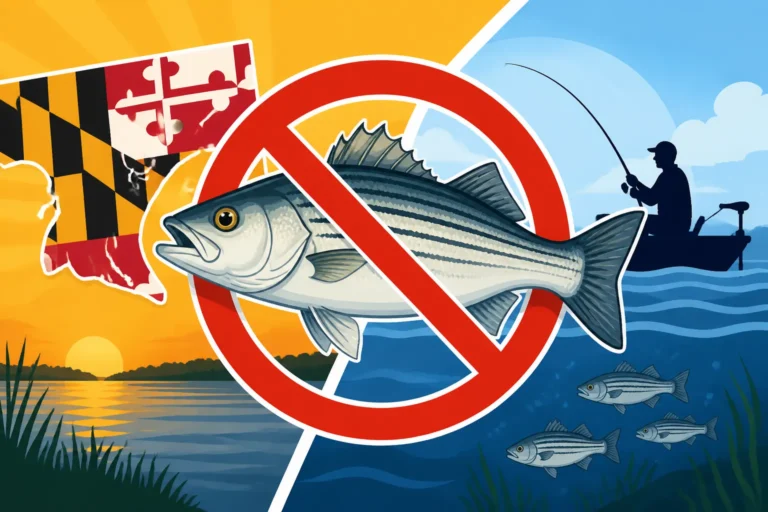
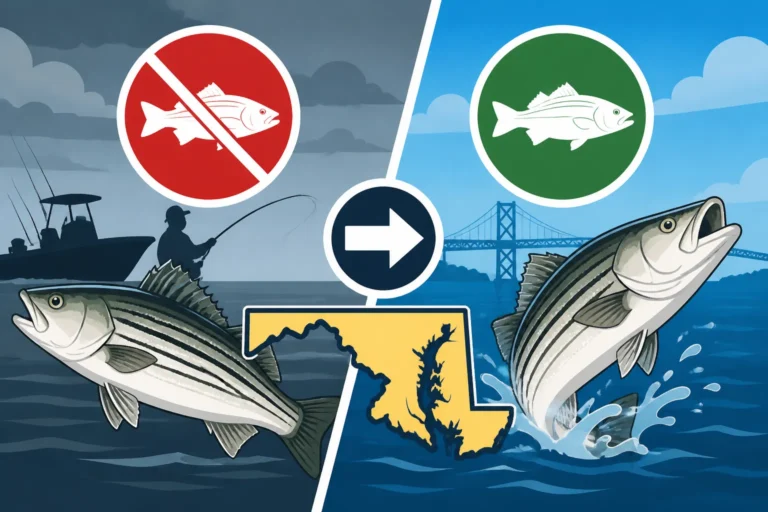
The ever-changing nature of fishing regulations, especially for a prized species like the striped bass (often called rockfish here in Maryland), can feel like a constantly shifting puzzle. One year you're dialed in, the next you're scrambling to understand new dates, limits, and restrictions. This guide is here to untangle the anticipated 2026 Maryland striped bass season dates, helping you prepare for a successful and legal fishing year on both the Chesapeake Bay and our coastal waters.
Understanding Maryland's Striped Bass Management
Before we dive into the specific dates and limits, it's really helpful to understand why these regulations are always in motion. It's not just to keep us anglers on our toes; it's a critical part of a larger effort to ensure the health and sustainability of the striped bass population for generations to come.
Why Regulations Change
The truth is, fishing regulations for species like striped bass are dynamic because the fish populations themselves are dynamic. They are influenced by a myriad of factors: spawning success, juvenile survival rates, environmental conditions like water temperature and oxygen levels, and, of course, fishing pressure. When the population is robust, regulations might be a bit more liberal. When stock assessments show a decline, as they have in recent years for Atlantic striped bass, stricter measures are often put into place.
Think of it like managing a retirement fund for fish. We want to take out enough to enjoy today, but we absolutely must leave enough in there to grow and provide for tomorrow. That means sometimes making tough decisions, like reducing harvest or implementing closures, to allow the stock to rebound. It's a complex balancing act, and it requires constant monitoring and adjustment by fisheries managers. So, while it can be frustrating to learn new rules, it's all part of the bigger conservation picture.
The Role of the Atlantic States Marine Fisheries Commission (ASMFC)
Maryland doesn't just make up these rules in a vacuum. The striped bass is an migratory species, traveling up and down the Atlantic coast from Maine to North Carolina. To manage such a wide-ranging population effectively, an interstate body called the Atlantic States Marine Fisheries Commission (ASMFC) plays a crucial role. The ASMFC is responsible for coordinating the conservation and management of shared marine fishery resources along the Atlantic seaboard.
Essentially, the ASMFC develops fishery management plans based on scientific stock assessments. These plans set overall harvest targets and guidelines that each state then implements through its own specific regulations. For example, if the ASMFC determines that the coastwide striped bass population needs a 15% reduction in harvest, Maryland (along with all other states) must create regulations that achieve that reduction within its waters. This collaborative approach is vital because if one state overfishes, it impacts the entire stock, affecting everyone else down the line. It ensures a consistent, coastwide effort to manage this iconic fish. You can often find details about how Maryland implements these broader mandates by checking the annual Maryland Striped Bass Season and Rockfish Rules.
Maryland's 2026 Striped Bass Season Overview
While specific dates for 2026 are always subject to the Maryland Department of Natural Resources (DNR) official announcements closer to the year, based on current management strategies and recent seasons, we can anticipate a similar structure to previous years. The goal remains balancing angler opportunity with conservation needs, particularly given ongoing concerns about the Chesapeake Bay striped bass stock.
Chesapeake Bay Main Stem Seasons
The Chesapeake Bay, being the primary spawning and nursery grounds for striped bass, has the most intricate regulations. Anglers can generally expect multiple open periods throughout the year, interspersed with closures designed to protect spawning fish and reduce overall harvest pressure.
Historically, the Bay's main stem (which means the open waters of the Bay, excluding the spawning tributaries) opens with a limited "trophy" season in the spring, often around mid-May. This is typically a very short window, perhaps a week or two, targeting larger fish as they move out of the spawning rivers. Following this, there's usually a longer summer season, running from around mid-May or early June through July, often with a tighter slot limit and potentially a one-fish-per-person daily bag limit. This period usually closes for the entire month of August, a critical measure to protect fish during warmer water temperatures when post-release mortality can be higher. Finally, a fall season typically opens around September or October and runs through December, providing another opportunity for anglers to target striped bass.
Each segment of the season is carefully considered. For instance, the summer season often sees a slot limit like 19 to 24 inches. This means you can only keep fish within that specific size range, protecting both the smaller, juvenile fish and the larger, more prolific spawners. These slot limits are crucial for maintaining a healthy population age structure, ensuring there are enough younger fish to grow into breeders and enough larger fish to continue reproducing. For a deep dive into these rules, you might want to look at Maryland Rockfish Slot Limit Explained.
Coastal and Ocean Waters Season Dates
Fishing for striped bass in Maryland's coastal and ocean waters, including the Atlantic Ocean, its coastal bays, and their tributaries (like Sinepuxent Bay and Isle of Wight Bay), usually follows a slightly different set of rules compared to the Chesapeake Bay. This is primarily because these fish are often part of the broader Atlantic migratory stock rather than the Bay's resident population.
Generally, the coastal season offers a more consistent open period, often running from mid-May through December, with some potential short closures or adjustments. The daily bag limits and size restrictions can also differ. For example, in some years, the coastal slot limit might be slightly different than the Bay's, or there might be different daily bag limits to account for the unique dynamics of the ocean fishery. It's not uncommon to see a one-fish-per-person daily limit, with a minimum size that is a bit larger than the Bay's slot limit minimum, but without an upper slot limit. This difference in regulations reflects the distinct management goals for the coastal migratory stock. Anglers fishing the ocean or coastal bays should always check the specific regulations for those areas, as they can sometimes change independently of the Chesapeake Bay rules, though they are still coordinated under the larger ASMFC framework.
Potomac River Specifics
The Potomac River, particularly the tidal portion that forms the border between Maryland and Virginia, has its own unique set of fishing regulations for striped bass. This is because the Potomac River is managed by the Potomac River Fisheries Commission (PRFC), an interstate compact that oversees fisheries in the tidal Potomac. This means that anglers fishing the main stem of the tidal Potomac River need to adhere to PRFC regulations, which can sometimes differ from those set by the Maryland DNR for the Chesapeake Bay.
For example, the PRFC often sets its own distinct season dates, bag limits, and size restrictions for striped bass that might not perfectly align with either Maryland's or Virginia's state-specific rules. It's a bit of a bureaucratic hurdle for anglers, but it's essential to respect these boundaries. If you're planning a trip to fish the Potomac, make sure to consult the PRFC website directly for the most accurate and current information. A Maryland fishing license generally covers you to fish in the Maryland portions of the Chesapeake Bay, but you'll need to understand the PRFC rules when on the Potomac itself. While Maryland and Virginia work closely with the PRFC, always verify the specific rules for that particular body of water to avoid any misunderstandings or violations.
Specific Seasonal Closures and Restrictions
Understanding when you can't fish for striped bass is just as important as knowing when you can. These closures are specifically designed to protect vulnerable populations during critical life stages or environmental conditions. Ignoring them can lead to significant penalties and, more importantly, can harm the very fish we love to pursue.
Spring Spawning River Closures
One of the most critical conservation measures in Maryland is the annual closure of certain spawning rivers and their tributaries to striped bass fishing during the spring. This closure, typically in effect from early spring (often March or April) through mid-May, is put in place to protect striped bass during their most vulnerable period: spawning.
During this time, mature striped bass migrate from the Bay's main stem into freshwater rivers like the Choptank, Nanticoke, Patuxent, Susquehanna Flats, and the Northeast River. They gather in these less saline waters to lay and fertilize their eggs. Disturbing them during this delicate process can negatively impact spawning success, potentially reducing the number of future generations of striped bass. Even catch-and-release fishing can cause stress and mortality during this sensitive period, especially for large, egg-laden females. So, while it's tempting to target those big fish, the closures are a vital sacrifice for the long-term health of the stock. For a detailed list of these protected areas, check out Maryland Spawning River Closures for Striped Bass. Knowing which rivers are closed and when is absolutely non-negotiable for any angler in Maryland.
Summer Closure Period
Another crucial period for striped bass conservation in Maryland is the summer closure, specifically in the Chesapeake Bay main stem and its tidal tributaries. This closure, which has been in effect for several years and is anticipated to continue into 2026, typically encompasses the entire month of August.
The primary reason for this summer moratorium is to reduce "discard mortality" – the mortality of fish that are caught and released. During the hot summer months, water temperatures in the shallow and often oxygen-depleted waters of the Chesapeake Bay can become dangerously high for striped bass. Even a quick catch and release, especially for a stressed fish, can lead to delayed mortality due to thermal shock, exhaustion, or low oxygen. By closing the season entirely during this period, fisheries managers aim to significantly reduce this unintended kill, giving the striped bass a much-needed break from angling pressure during their most vulnerable physiological state. While it's disappointing to miss out on summer fishing, this closure is a testament to Maryland's commitment to conservation. It's important to remember that during this period, even targeting striped bass for catch and release is generally prohibited in the Bay, though you can still fish for other species. If you're wondering Can You Target Striped Bass in Maryland in August? the answer is usually a resounding no for the Bay.
Winter Catch and Release Seasons
While many anglers pack away their gear as the temperatures drop, Maryland has, in some years, offered a specific "winter catch and release" striped bass season in certain areas of the Chesapeake Bay. This season typically occurs during colder months, often extending from December into March, and is strictly for catch-and-release fishing only.
The colder water temperatures during this period generally mean that striped bass are less stressed by being caught, handled, and released, leading to a much lower discard mortality rate. Fish are more lethargic and recover more quickly. This provides an excellent opportunity for dedicated anglers to still get out on the water and enjoy the thrill of hooking a striped bass, without adding to the harvest. It's a great way to hone your skills, test new lures, or simply enjoy the solitude of the Bay in the off-season. However, every fish caught must be immediately returned to the water, unharmed, with minimal handling. This often means using barbless hooks and minimizing air exposure. You can often find specific dates for these types of seasons by looking up Maryland's 2026 Striped Bass Catch and Release Dates.
Catch Limits and Size Restrictions for Striped Bass
Beyond the season dates, understanding the daily catch limits and size restrictions is paramount. These rules are put in place to control the number and size of fish removed from the population, directly impacting the stock's ability to reproduce and maintain healthy numbers.
Daily Bag Limits
The daily bag limit for striped bass in Maryland is a critical regulation that dictates how many fish an individual angler can keep in a single day. Over recent years, due to conservation concerns, this limit has often been reduced to one fish per person per day in the Chesapeake Bay and its tributaries. In coastal and ocean waters, the limit has also frequently been one fish per person per day, though it's important to check the specific regulations for each zone.
This "one fish" rule might seem stringent, especially if you're used to more liberal limits from years past. However, it's a direct response to scientific assessments indicating that the striped bass stock needs protection. It means that if you're out fishing with a friend, each of you can keep one legal fish, assuming you both have the appropriate Maryland Fishing License Guide for 2026. The intent is to spread the harvest pressure across more anglers while significantly reducing the total number of fish removed from the ecosystem. It encourages anglers to be more selective, prioritize healthy fish, and embrace catch-and-release for any additional fish they might catch. Details can be found by searching for Maryland Striped Bass Daily Limit Per Angler.
Slot Limits Explained
One of the most common and effective management tools used for striped bass in Maryland is the slot limit. Unlike a simple minimum size limit, a slot limit specifies both a minimum and a maximum length, meaning you can only keep fish that fall within that designated size range. For example, a popular slot limit in the Chesapeake Bay has been 19 to 24 inches.
The philosophy behind a slot limit is multifaceted. The lower end (e.g., 19 inches) protects juvenile fish, allowing them to grow larger and reach sexual maturity. This ensures they have at least one opportunity to spawn before being harvested. The upper end (e.g., 24 inches) protects the larger, more prolific breeding females. These larger females produce significantly more eggs than smaller females, making them incredibly valuable for the future of the stock. By protecting both the young and the "trophy breeders," slot limits help maintain a healthy and robust age structure within the population. It encourages anglers to release those really big, impressive fish, knowing they are vital for future generations.
It can be a little tricky to measure accurately, especially on a rocking boat, so always keep a reliable measuring device handy. You can find many options on Amazon, including adhesive measuring tapes for your boat or easily readable fish rulers. Make sure to lay the fish flat, jaw closed, tail pinched for the most accurate measurement. A thorough explanation of the limits can be found in Maryland Rockfish Slot Limit Explained.
Gear Restrictions and Barbless Hooks
Beyond seasons and sizes, Maryland often implements specific gear restrictions, particularly concerning hooks, to minimize harm to striped bass, especially during catch-and-release periods. The most notable of these is the requirement for barbless hooks when targeting striped bass.
Barbless hooks are designed to make unhooking a fish much easier and quicker, reducing tissue damage and stress. A barbed hook can tear a larger hole or become deeply embedded, making removal difficult and potentially leading to higher mortality rates for released fish. While some anglers might feel a barbless hook increases the chance of a fish getting off, with proper technique and consistent pressure, they are incredibly effective. You can buy hooks that are already barbless, or you can easily convert barbed hooks by simply crimping down the barb with a pair of pliers. This small act of angling responsibility makes a significant difference in the survival rate of released fish. This rule applies to both live bait and artificial lures, so make sure all your rigs are compliant before heading out. Sometimes, during certain seasons, a Maryland's Two-Pole Endorsement might also be a consideration for freshwater species, but for striped bass, the focus is typically on single-rod, barbless hook use.
Important Considerations for Anglers
Being a responsible angler goes beyond just knowing the rules; it involves understanding how your actions impact the fishery and taking steps to contribute positively to conservation.
Tackle and Techniques During Open Seasons
During open seasons, anglers employ a wide variety of tackle and techniques to target striped bass in Maryland. For those casting from shore or a small boat, jigging with soft plastics or metal jigs is incredibly popular, especially around structure like bridge pilings, jetties, or submerged oyster reefs. Trolling with various lures, including umbrella rigs, bucktails, and crankbaits, is a common method for covering larger areas of the Chesapeake Bay. Live-lining baitfish like spot or menhaden is also a highly effective technique, particularly for larger fish.
When selecting tackle, ensure your rod and reel are appropriately matched to the size of fish you expect to encounter. For Bay fishing, a medium-heavy spinning or baitcasting outfit capable of handling 15-30 lb test line is generally a good all-around choice. Remember to use high-quality, corrosion-resistant hooks and swivels, as saltwater can be brutal on gear. Furthermore, many anglers now opt for circle hooks when using natural baits, as they significantly reduce gut hooking, promoting healthier releases. These hooks can be readily found on Amazon and are highly recommended. Regardless of your chosen method, always respect the current regulations, especially regarding bag and slot limits, and practice good catch-and-release techniques for any fish you don't intend to keep.
Ethical Angling Practices and Conservation
True conservation-minded anglers understand that ethical practices are just as important as the regulations themselves. This includes everything from proper fish handling to respecting fellow anglers and the environment. When practicing catch and release, which is common with slot limits, minimize the fish's time out of water. Use wet hands or a wet towel to handle fish, support their body horizontally, and use a dehooking tool if the hook is deep. Avoid dragging fish on dry surfaces like boat decks or sandy beaches, as this can remove their protective slime layer.
Beyond fish handling, it's crucial to leave no trace. Pack out everything you pack in, including discarded fishing line, bait containers, and any other trash. Monofilament line, in particular, can be deadly to wildlife. Respect private property, avoid trespassing, and be courteous to other boaters and shore anglers. Participating in citizen science programs, like reporting your catches or tagging efforts, is another great way to contribute to conservation. You can find more information on these broader regulations by reviewing Maryland Fishing Size and Catch Limits by Species.
Reporting Your Catch and Violations
Maryland's fisheries management relies on accurate data, and anglers play a vital role in providing it. While recreational anglers typically aren't required to report every individual catch, some programs or specific regulations might necessitate reporting (e.g., if you catch a tagged fish). More broadly, accurate catch data from charter boats and surveys helps the DNR understand population trends and inform future regulations.
If you observe a fishing violation, such as someone keeping undersized fish, exceeding bag limits, or fishing in a closed area, it's important to report it. The Maryland Natural Resources Police (NRP) are the primary enforcement agency, and reporting suspicious activity helps protect the resource. You can usually find a hotline number on the Maryland DNR website or in their annual fishing guide. When reporting, try to provide as much detail as possible: date, time, location, boat description (if applicable), and the nature of the violation. Your vigilance helps ensure that everyone plays by the rules and that the striped bass population remains healthy.
Staying Informed About Rule Changes
The biggest challenge with fishing regulations is their tendency to change. What's legal today might not be tomorrow, and certainly not next year. Staying informed is the angler's responsibility to avoid costly fines and contribute to conservation.
Maryland DNR Resources
The absolute best and most authoritative source for Maryland's fishing regulations is the Maryland Department of Natural Resources (DNR). Their website is constantly updated with the latest rules, season dates, size limits, and any emergency closures. They typically publish a comprehensive fishing guide annually, which is an invaluable resource. This guide is usually available online as a PDF and often in print at bait and tackle shops.
Make it a habit to check the DNR website frequently, especially before heading out for a trip. Many anglers even sign up for email alerts or follow DNR's social media channels for real-time updates. The DNR website also provides information on how to purchase your Maryland Chesapeake Bay Sport Fishing License Explained or any other required permits. Don't rely solely on word-of-mouth or outdated printouts; always confirm with the official source to ensure you are fishing legally.
Local Bait Shops and Fishing Communities
While the DNR website is the official word, local bait and tackle shops are often incredible community hubs for up-to-the-minute, practical information. The folks working behind the counter are usually avid anglers themselves, and they hear about rule changes, hot bite reports, and local nuances almost immediately. They often have the latest printed regulation guides, can clarify confusing rules, and can advise on what tackle (perhaps even specific items available on Amazon or in their store) is working best under the current conditions.
Beyond tackle shops, engaging with local fishing communities online through forums, social media groups, or clubs can be very beneficial. These communities are often quick to share updates, interpret rules, and discuss local impacts. Just be mindful that while these sources offer great camaraderie and timely tips, they are not official and should always be cross-referenced with the Maryland DNR for legal certainty. They can, however, provide invaluable context and help you stay abreast of the dynamic world of Maryland fishing.
Maryland Striped Bass Season Dates for 2026: An Anticipated Overview
Here's a generalized table summarizing the anticipated 2026 striped bass season dates and regulations for Maryland. Please remember, these are based on current patterns and management strategies and are subject to change. Always verify with the official Maryland DNR website for the legally binding 2026 regulations once they are formally released.
| Season Segment | Anticipated Dates (Bay Main Stem & Tidal Tribs) | Anticipated Dates (Coastal & Ocean Waters) | Daily Bag Limit (per angler) | Slot Limit (inches) | Key Considerations |
|---|---|---|---|---|---|
| Spring Trophy Season | Mid-May (approx. 1-2 weeks) | Not Applicable | 1 fish | 19-24 inches | Specific dates vary annually, often targets large fish. |
| Spring Spawning Closure | March 31 – May 15 (approx.) | Not Applicable | 0 fish (No Targeting) | N/A | Protects spawning fish in specific rivers/tributaries. |
| Summer Open Season | Mid-May to July 31 (approx.) | Mid-May to December 31 (approx.) | 1 fish | 19-24 inches | Check for specific start/end dates. Often 19-24" slot. |
| Summer Closure | August 1 – August 31 (approx.) | Not Applicable | 0 fish (No Targeting) | N/A | Reduces discard mortality in warm Bay waters. |
| Fall Open Season | September 1 – December 10 (approx.) | Mid-May to December 31 (approx.) | 1 fish | 19-24 inches | Specific dates vary annually. |
| Winter Catch & Release Only | December 11 – March 31 (approx.) | Not Applicable | 0 fish (Catch & Release Only) | N/A | Barbless hooks required. Fish must be immediately released. |
Note on Potomac River: Regulations for the tidal Potomac River are set by the Potomac River Fisheries Commission (PRFC) and may differ. Always check PRFC's official publications.
Disclaimer
The information provided in this guide is for general informational purposes only and is based on anticipated regulations and historical patterns. Fishing regulations, particularly for striped bass in Maryland, are subject to change by the Maryland Department of Natural Resources (DNR) and the Atlantic States Marine Fisheries Commission (ASMFC). It is the angler's sole responsibility to consult the official Maryland DNR website and any other relevant regulatory bodies (such as the Potomac River Fisheries Commission for the tidal Potomac River) for the most current and legally binding regulations before engaging in any fishing activity. Failure to do so may result in fines or penalties.