The Most Commonly Caught Fish in Maryland Waters
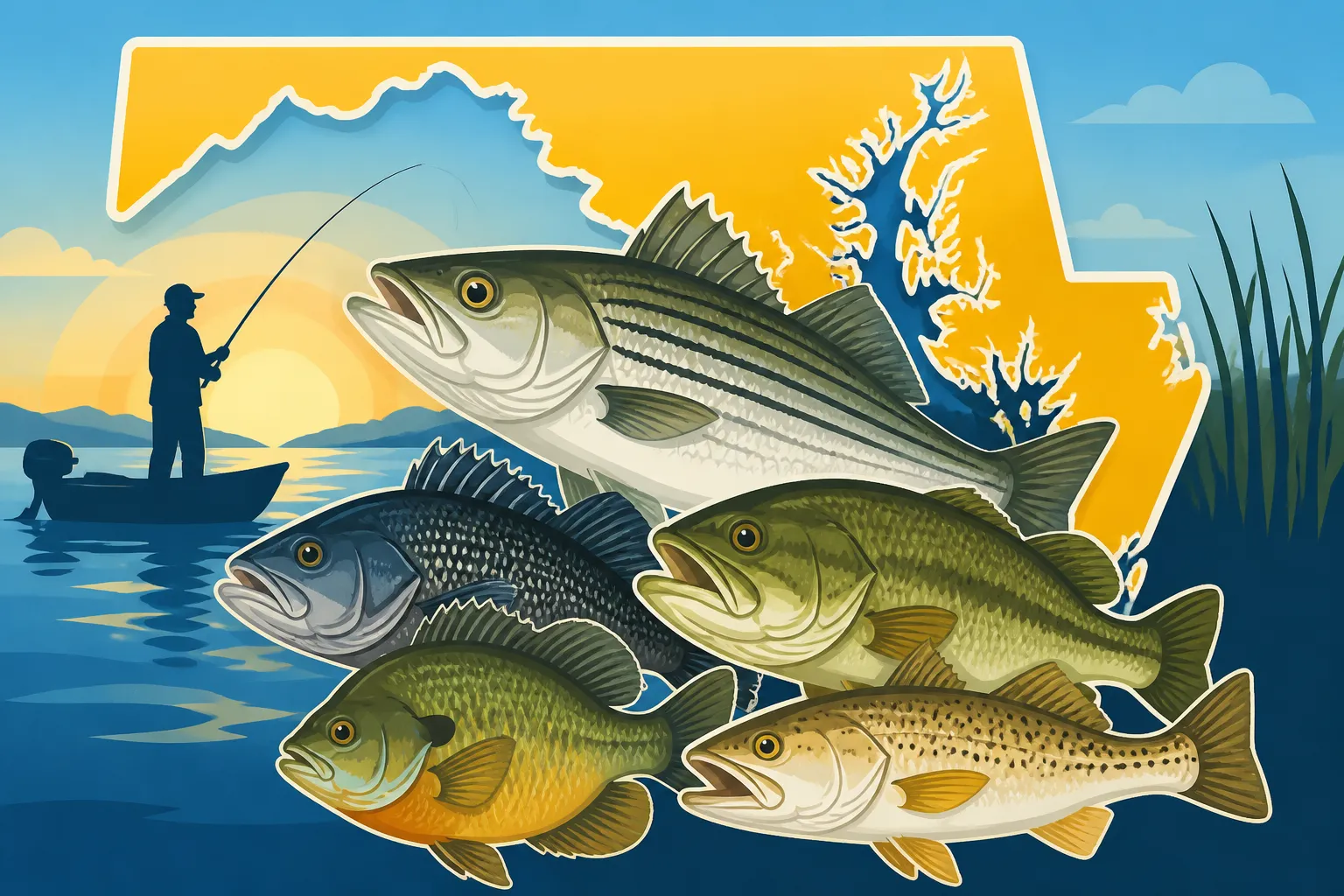
We've all been there: standing at the edge of the water, rod in hand, wondering what on earth is actually swimming beneath the surface and, more importantly, what's most likely to bite. Maryland's diverse waters, from the vast Chesapeake Bay to serene mountain streams and the crashing Atlantic coast, offer an incredible array of fish, but figuring out which ones are the true local celebrities can feel overwhelming. This guide is here to cut through the guesswork, spotlighting the most commonly caught fish across Maryland and giving you the inside scoop on why anglers just can't get enough of them.
The Undisputed King of the Bay: Striped Bass (Rockfish)
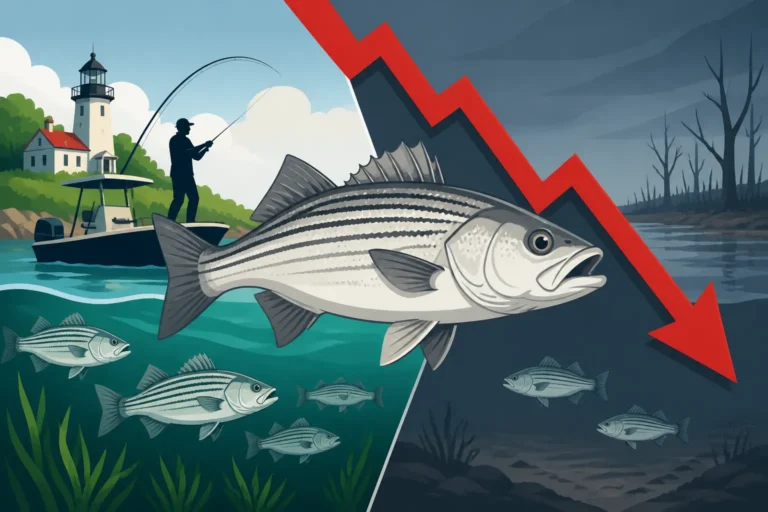
If there's one fish that truly embodies the spirit of Maryland fishing, it's the striped bass, affectionately known as "rockfish" to locals. This isn't just another fish in the sea; it's the state fish, deeply intertwined with our culture, economy, and fishing heritage. You simply cannot talk about fishing in Maryland without talking about rockfish. Every spring and fall, the Bay comes alive with anglers chasing these powerful, beautiful creatures, and for good reason.
Why Striped Bass Dominate Maryland's Waters
Striped bass are an anadromous species, meaning they spend most of their lives in saltwater but migrate to freshwater rivers to spawn. The Chesapeake Bay system is one of the most vital spawning grounds for striped bass on the entire East Coast. This unique life cycle means they are present in huge numbers throughout the Bay and its tributaries for much of the year, making them incredibly accessible to anglers from all walks of life. Whether you're fishing from a boat, off a pier, or even wading a shallow creek, you have a shot at a rockfish. Their strong fighting spirit is another huge draw; even a modest-sized striper can put up an impressive battle, pulling line and making your reel sing. They're also quite beautiful with their distinctive lateral stripes, and for many, they make for excellent table fare when legally harvested. It’s no wonder they’re covered so extensively in guides like Striped Bass: Maryland's State Fish.
Tips for Landing Maryland's Prized Rockfish
Catching striped bass often depends on the season and where in the Bay you're fishing. During the spring and fall migrations, trolling is a hugely popular method, with boats dragging a spread of lures like bucktails, parachutes, and umbrella rigs. Anglers often keep a close eye on their depth finders, looking for baitfish schools and the larger marks of hungry rockfish lurking below. Live-lining spot or eels is another incredibly effective technique, especially when you find schools of stripers feeding in deeper channels or around structure. You can find specialized live bait hooks and weights on Amazon to rig up perfectly. For those who prefer casting, jigging with soft plastics like paddletails or metal jigs near structure like bridge pilings or oyster reefs can be extremely productive. Shore anglers can also have a blast casting swimbaits or chunking bait (like fresh bunker or clam) into deeper channels or along marshy edges. Remember to always check the current Maryland Striped Bass Season and Rockfish Rules before you head out, as regulations can change.
Bay and Tidal River Abundance: Perch, Catfish, and Bottom Dwellers
While striped bass might get all the glory, Maryland's tidal rivers and the broader Chesapeake Bay are teeming with other incredible fish that are caught in massive numbers. These species offer fantastic opportunities for anglers of all skill levels, often providing consistent action and delicious meals.
White Perch: A Panfish Powerhouse
If you ask any seasoned Maryland angler about a reliable, fun-to-catch fish, white perch will almost certainly be at the top of their list. These feisty panfish are ubiquitous throughout the Chesapeake Bay and its tidal tributaries, from the Patapsco to the Nanticoke. They might not grow to massive sizes, but what they lack in heft, they make up for in sheer numbers and willingness to bite. They're particularly famous for their spring spawning runs up into shallower creeks and rivers, which is covered in detail in White Perch in Maryland's Chesapeake Bay. During these runs, it’s not uncommon to catch dozens, sometimes even hundreds, of them in a single outing. They are also incredibly delicious, with sweet, flaky white meat.
White perch are generally easy to catch, making them perfect for kids and beginners. Small jigs tipped with Gulp! or pieces of bloodworm are deadly. Simple bottom rigs with small hooks and bloodworms or grass shrimp are also highly effective, especially when fishing from piers, docks, or anchored boats. Light tackle is key to fully appreciate their fight – a light action spinning rod and reel spooled with 6-8 pound test line makes every perch feel like a trophy. You can easily stock up on small hooks and light line from Amazon before your trip.
Battling Invasive Giants: Blue Catfish
Here's a fish that's becoming incredibly common, and for a very different reason than the others: the blue catfish. These massive, non-native fish have rapidly expanded their populations in the Chesapeake Bay and its tributaries, particularly the Potomac, Patuxent, and Nanticoke rivers. While they can be a nuisance to native ecosystems, they offer an incredible fishing opportunity, growing to immense sizes and pulling like freight trains. They are often caught when targeting other species, but many anglers now specifically target these giants. Learn more about their impact in Maryland Blue Catfish, an Invasive Giant.
Fishing for blue catfish is often less about finesse and more about brute force and pungent bait. Cut bait, such as fresh gizzard shad, menhaden, or even chicken liver, is usually the most effective. You want sturdy tackle – medium-heavy to heavy action rods, stout reels, and 20-50 pound test monofilament or braid. You'll also need heavy sinkers to hold your bait on the bottom in strong currents. Areas with deep holes, channel edges, and structure like fallen trees or bridge pilings are prime blue cat territory. Many anglers are encouraged to keep all blue catfish they catch due to their invasive nature, and they are surprisingly good eating, especially the smaller ones.
Fun on the Bottom: Spot and Croaker
These two species, spot and croaker, are classic summertime bottom-fishing favorites in the Chesapeake Bay. While they might not be as glamorous as striped bass, they make up for it with sheer numbers and consistent action, especially from late spring through early fall. They're also an integral part of the Bay's ecosystem and a joy to catch.
Spot get their name from the prominent black spot behind their gills, and they are renowned for their delicious, mild flavor, making them a top choice for dinner. Croaker, on the other hand, get their name from the distinctive "croaking" sound they make when pulled from the water, and they can grow a bit larger than spot, offering a slightly harder fight. Both are schooling fish, so when you find them, you can often catch them one after another.
The beauty of fishing for spot and croaker is its simplicity. A basic bottom rig with two small hooks (sizes #4 to #8) baited with small pieces of bloodworm, fish bites, or peeler crab is usually all it takes. Cast it out from a pier, dock, or anchored boat into shallow to medium depths (5-20 feet) over sandy or muddy bottoms. Many anglers consider spot to be excellent live bait for striped bass, so sometimes catching them serves a dual purpose! These are fantastic fish for families and beginners, providing nonstop action and immediate gratification.
Freshwater Delights: Bass, Panfish, and Trout
Maryland isn't just about the Bay; our freshwater lakes, ponds, and rivers offer incredible fishing opportunities, home to species that are just as popular and prolific as their saltwater cousins. From the western mountains to suburban reservoirs, freshwater anglers have a bounty of choices.
Largemouth Bass: The Lake and Pond Champion
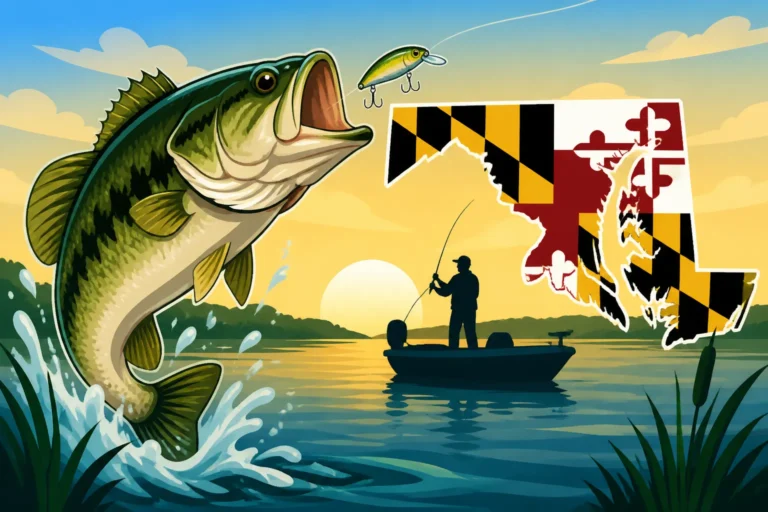
The largemouth bass is undeniably the reigning champion of Maryland's freshwater scene. You'll find these aggressive predators in nearly every lake, pond, and slow-moving river section across the state, including popular spots like Loch Raven Reservoir, Deep Creek Lake, and countless farm ponds. They are targeted by recreational anglers and competitive tournament fishermen alike for their explosive strikes and powerful fights. For a deeper dive, check out Largemouth Bass Fishing in Maryland.
Angling for largemouth bass involves a huge variety of techniques, which is part of their appeal. Many anglers love the thrill of topwater fishing, using poppers, frogs, or walking baits at dawn or dusk when bass are actively hunting near the surface. Spinnerbaits, crankbaits, and soft plastic worms (Texas-rigged or Carolina-rigged) are also incredibly effective for targeting bass hiding around submerged structure like brush piles, docks, lily pads, or rock formations. A good selection of lures and a versatile medium-heavy baitcasting or spinning rod will serve you well. You can find a vast array of bass lures on Amazon to experiment with different colors and styles.
Crappie and Sunfish: Panfish for Everyone
When it comes to sheer numbers and consistent bites, it's hard to beat crappie and various species of sunfish (like bluegill and pumpkinseed) in Maryland's freshwater bodies. These panfish are abundant in most lakes, ponds, and even some slower-moving river sections. They're ideal for anglers looking for steady action, especially if you're introducing someone new to fishing.
Crappie, both black and white, are schooling fish known for their papery mouths and delicious fillets. They tend to congregate around submerged brush, fallen trees, dock pilings, and bridge abutments. Small jigs (1/32 to 1/16 ounce) tipped with a tiny plastic grub or a live minnow are irresistible to them. A light action rod and sensitive line are crucial for detecting their subtle bites.
Sunfish, often just called "bream" or "pond perch" by many, are arguably the most accessible fish in Maryland. Drop a worm or a piece of corn under a bobber near any shoreline structure in a local pond, and you're almost guaranteed to catch a bluegill. They're scrappy fighters for their size and provide endless entertainment, especially for young anglers. You can even target them with tiny flies or micro jigs for a fun, ultralight challenge. These species are genuinely "panfish" because they fit perfectly in a frying pan!
Coldwater Gems: Maryland's Trout
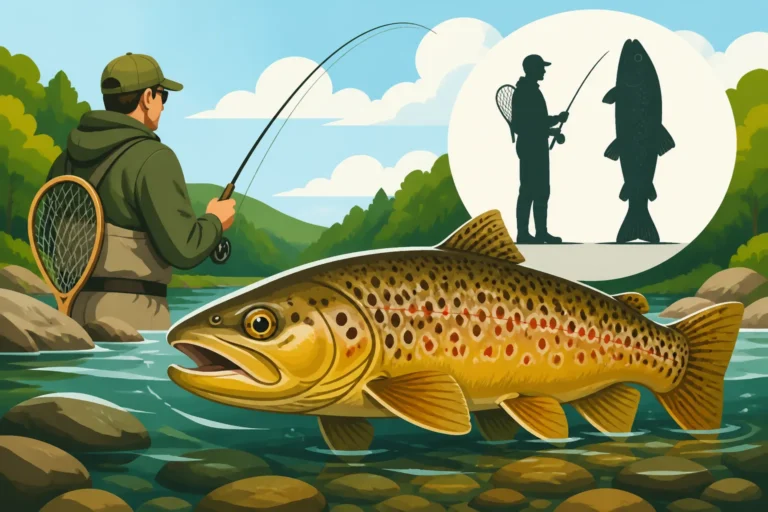
For those who love the tranquility of flowing rivers and the challenge of fishing for beautiful, hard-fighting fish, Maryland's trout streams are a true treasure. While not as widespread as bass or perch, trout are heavily stocked in many designated streams and rivers across the state, particularly in Western Maryland. Rainbow, brown, and brook trout are the main species you'll encounter, each offering a unique angling experience. Explore the nuances in Maryland Trout Species Guide.
Trout fishing often requires a bit more finesse. Fly fishing is a highly popular and effective method, mimicking the natural insects trout feed on. Spin fishermen can also find great success using small inline spinners, spoons, or live bait like worms and salmon eggs, especially in the state's popular "put-and-take" trout waters. Many of Maryland's trout waters have special regulations, including catch-and-release only sections or specific gear restrictions (like single barbless hooks), so it's always critical to consult the Maryland DNR regulations before fishing. These fish thrive in colder, oxygen-rich waters, often found in picturesque mountain settings, making the overall experience incredibly rewarding.
Ocean City and Coastal Inlets: Saltwater Adventures
Maryland's Atlantic coast, particularly around Ocean City and Assateague Island, offers a completely different world of fishing. Here, anglers can target a variety of powerful saltwater species, from those lurking in the back bays to the hard-fighting fish in the ocean surf and nearshore wrecks.
Flounder: The Delicious Flatfish
Flounder are arguably the most popular target for anglers in Ocean City's back bays and coastal inlets. These flatfish are masters of camouflage, burying themselves in the sandy or muddy bottom and ambushing unsuspecting baitfish. Their delicious white meat makes them a highly sought-after species, and many family vacations to the coast aren't complete without a flounder fishing trip. For specific techniques, check out Flounder Fishing in Maryland.
The primary method for catching flounder is drifting with bait. Anglers use specialized flounder rigs, often with a lead sinker at the bottom and one or two hooks suspended above, baited with live minnows (like shiners or killifish), strips of squid, or Gulp! artificial baits. Drifting these rigs along channel edges, around bridge pilings, or over submerged grass beds allows you to cover a lot of ground and present your bait naturally to hungry flounder. Light to medium-light spinning gear works perfectly, allowing you to feel those subtle "thumps" when a flounder inhales your bait.
Bluefish: Maryland's Toothiest Fighters
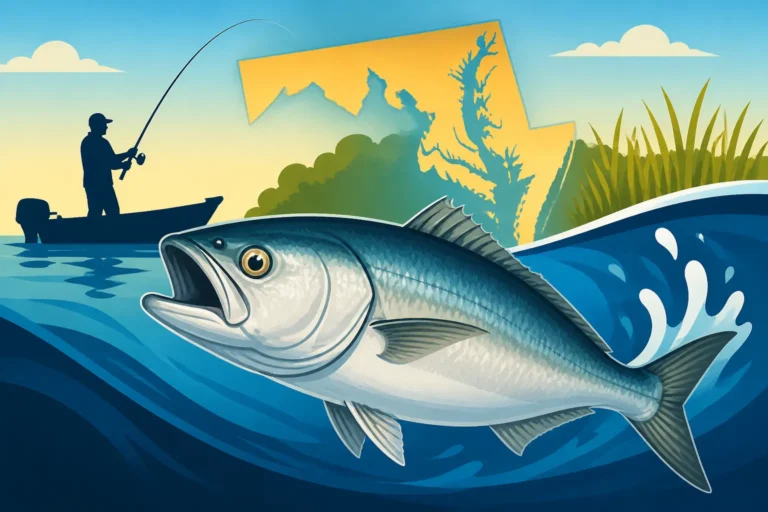
If you're looking for a fast-paced, aggressive fight, bluefish are your answer along Maryland's coast. These predatory fish are known for their voracious appetites, sharp teeth, and blistering runs. They often travel in large schools, creating exciting "bluefish blitzes" where they aggressively attack baitfish on the surface. You'll find them in the surf, around the Ocean City Inlet, and in the nearshore ocean waters during the warmer months.
Bluefish are not picky eaters, which makes them a blast to catch. Metal spoons, casting jigs, and surface poppers are incredibly effective when they are actively feeding. If they're not hitting artificials, chunking fresh cut bait (like mackerel or bunker) on a bottom rig can also be very productive. Because of their razor-sharp teeth, it's essential to use a heavy monofilament or wire leader to prevent them from biting through your line. A sturdy pair of pliers is also a must for unhooking these feisty fish. Landing a few bluefish can provide an exhilarating fishing experience that gets your adrenaline pumping!
Chart of Maryland's Most Commonly Caught Fish
| Fish Species | Primary Habitat | Common Size (Length) | Best Known For | Typical Baits / Lures |
|---|---|---|---|---|
| Striped Bass | Chesapeake Bay, tidal rivers | 18-36 inches | Powerful fight, migratory runs | Live bait, large jigs, trolling |
| White Perch | Chesapeake Bay, tidal creeks | 6-12 inches | Consistent action, good eating | Bloodworms, grass shrimp, small jigs |
| Blue Catfish | Potomac, Patuxent, Nanticoke Rivers | 15-50+ inches | Immense size, invasive | Cut bait, chicken liver |
| Largemouth Bass | Freshwater lakes, ponds, rivers | 12-20 inches | Explosive strikes, diverse techniques | Soft plastics, crankbaits, topwater |
| Crappie | Freshwater reservoirs, ponds | 8-12 inches | Schooling, delicate bite | Small jigs, live minnows |
| Flounder | Coastal bays, inlets, nearshore | 14-20 inches | Delicious fillets, camouflage | Live minnows, squid, Gulp! |
| Bluefish | Ocean surf, inlets, nearshore | 15-30 inches | Aggressive fights, sharp teeth | Metal spoons, poppers, cut bait |
| Trout | Coldwater streams, stocked rivers | 8-18 inches | Finesse fishing, beautiful settings | Flies, worms, small spinners |
This table provides a quick overview, but as you can see, each of these species offers a unique and rewarding experience. Whether you're casting a line in the Bay or a mountain stream, there's always something biting in Maryland! Always remember to consult the Maryland Fishing Size and Catch Limits by Species for specific regulations on what you can keep.
Disclaimer
This article is for general informational purposes only and does not constitute professional advice. Laws, prices and regulations vary by location and change over time. Consult a qualified professional for guidance on your specific situation.