Do River Herring Runs Still Happen in Maryland?
If you've spent any time on Maryland's rivers in the spring, you might have heard the old-timers talk about the incredible "herring runs" of yesteryear, and maybe you've wondered if those days are truly gone forever. It's a question that brings a mix of nostalgia and concern to many of us who cherish our waterways and the life within them. This comprehensive guide will dive deep into the history, current status, and future outlook for river herring in Maryland, addressing that poignant question and providing clarity on what anglers need to know.
The Echoes of Abundance: River Herring in Maryland's Past
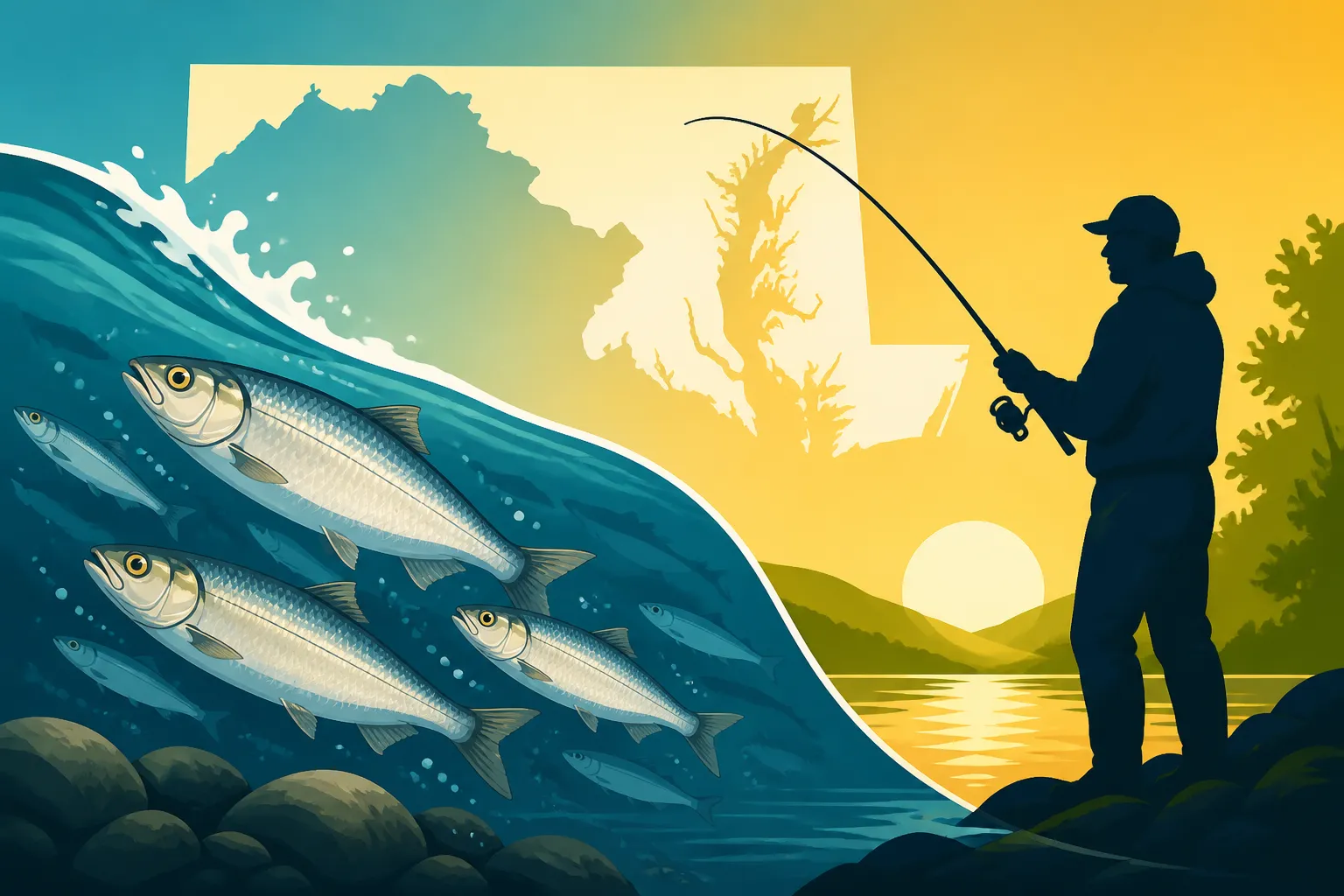
Once upon a time, the spring migration of river herring into Maryland's freshwater tributaries was a spectacle of nature that few today could truly imagine. These weren't just a few fish; we're talking about millions upon millions of shimmering silver bodies, pushing their way upstream from the Chesapeake Bay and ocean into the smaller creeks and rivers to spawn. It was a time of true abundance, a natural phenomenon that fueled an entire ecosystem and played a significant role in the lives of coastal communities.
Imagine the sounds and sights: the water literally boiling with fish, the splashing of ospreys and eagles diving, the excited chatter of local families lining the banks with dip nets and buckets. This wasn't just fishing; it was a seasonal harvest, a tradition passed down through generations. These river herring, primarily alewife and blueback herring, were more than just a food source; they were a foundational link in the food chain. They provided crucial nourishment for larger predatory fish like striped bass, What Do Striped Bass Eat in the Chesapeake Bay?, as well as countless birds, mammals, and even reptiles that flocked to the waterways during the spawning season. The sheer density of these migrating fish made them easy targets for human harvest, both for direct consumption and, perhaps even more importantly, as bait for commercial and recreational fishing for other species.
A Vital Part of the Ecosystem and Culture
The historical runs of river herring were absolutely essential to the health of the Chesapeake Bay and its tributary rivers. When these fish returned in spring, laden with eggs, they brought a massive influx of marine-derived nutrients into freshwater systems. This energy transfer helped kickstart the entire spring food web, nourishing everything from microscopic organisms to apex predators. Think about it: without this natural bounty, the entire balance of the ecosystem would shift dramatically, impacting countless other species.
Culturally, these runs were a significant event. Many small towns along rivers like the Nanticoke, Choptank, and Patuxent would see a surge of activity. People would gather, share stories, and participate in a timeless ritual. Fish shanties and small processing operations dotted the riverbanks, turning the freshly caught herring into salted provisions or rendering them for their oils. For anglers, catching a bucket of herring was often the precursor to a successful day of fishing for larger game fish, as live or cut bait from these abundant fish was highly prized. This connection between the herring, the larger fish, and the people formed a deep part of Maryland's identity, especially for those living close to the water.
What Caused Their Decline?
Sadly, the days of teeming herring runs are, for the most part, a distant memory. The decline of these once-prolific fish is a complex story with multiple overlapping causes. Overfishing, both targeted commercial fisheries and bycatch in other offshore trawl operations, certainly played a major role. For decades, the seemingly endless supply led to unsustainable harvest rates, especially as technologies improved and vessels could become more efficient.
However, overfishing wasn't the only villain. Habitat loss and degradation were equally devastating. Maryland's rivers, like many across the East Coast, were heavily dammed to power mills, provide water, and create reservoirs. These dams, some still standing today, blocked the herring's access to their ancestral spawning grounds upstream. Even if the fish made it into the rivers, pollution from agriculture, urban runoff, and industrial discharge further degraded water quality, making many spawning areas unsuitable. Sedimentation filled in crucial gravel beds, and altered water flows disrupted natural migration patterns. It was a perfect storm of environmental pressures that chipped away at the populations year after year, eventually leading to their drastic reduction. The loss was gradual enough that many people didn't fully grasp the scale of it until the "runs" were a mere fraction of what they once were, and eventually, barely noticeable at all.
The Current Status of River Herring in Maryland: A Glimmer of Hope?
So, do river herring runs still happen in Maryland? The honest answer is: not in the way they once did. The vast, congregating masses of fish that were a hallmark of spring are, unfortunately, a thing of the past across most of the state's waterways. What you might occasionally see now are much smaller, more isolated migrations, often in rivers where significant restoration efforts have been made, or where access to upstream spawning habitat has improved. It's a far cry from the historical abundance, and importantly, there are very strict rules in place regarding these species.
For many years now, Maryland has had a moratorium on the harvest and possession of river herring. This means you cannot intentionally catch them, keep them, or even possess them. This critical regulation is a direct response to the severe decline in their populations and is a vital step in trying to give these fish a chance to recover. It's a difficult pill to swallow for those who remember the days of abundance, but it's a necessary measure if we ever hope to see their numbers rebound. The state's Department of Natural Resources (DNR) monitors populations closely, and any changes to these regulations would only come after significant and sustained signs of recovery.
Strict Regulations and Conservation Efforts
Maryland's regulations concerning river herring (specifically alewife and blueback herring) are clear: there is a moratorium on their harvest and possession. This applies to both recreational and commercial fishing. If you accidentally catch a river herring while fishing for other species, you are legally required to release it immediately and unharmed. This is a crucial point for all anglers to understand, and ignorance of the law is not an excuse. DNR officers patrol waterways and take these violations very seriously, as fishing for or possessing protected species can lead to significant Maryland Fishing License Penalties for Violations.
These regulations are part of a broader, regional conservation strategy. The Atlantic States Marine Fisheries Commission (ASMFC), which manages migratory fish along the East Coast, has recognized the precarious state of river herring stocks and has implemented coast-wide management plans to promote their recovery. Maryland actively participates in these efforts, focusing on habitat restoration, water quality improvement, and strict enforcement of harvest prohibitions. You can often find the most up-to-date information on these regulations in the Maryland's DNR Fishing and Boating Guide, Explained, which is an essential resource for any angler.
Here's a quick look at the status of river herring species:
| Species | Historical Abundance (Maryland) | Current Status (Maryland) | Conservation Status (ASMFC) | Key Identification Notes |
|---|---|---|---|---|
| Alewife | Extremely high, major spring runs | Severely depleted; moratorium | Depleted | Large eye, distinct dark spot behind gill plate |
| Blueback Herring | Extremely high, major spring runs | Severely depleted; moratorium | Depleted | Smaller eye, usually no distinct spot, darker back |
| Hickory Shad | Common, but less abundant than river herring | Moderate recovery in some rivers | Stable/Recovering | Pointed snout, lower jaw protrudes |
| American Shad | Common, but less abundant than river herring | Moderate recovery in some rivers | Stable/Recovering | Deeper body, similar to large blueback, no teeth |
Note: While Hickory Shad and American Shad are also anadromous (migratory) fish that run up rivers to spawn, their populations have seen some better recovery in certain areas compared to alewife and blueback herring.
Glimmers of Hope in Specific Tributaries
Despite the dire overall picture, there are genuine glimmers of hope. In some specific Maryland tributaries, thanks to concerted conservation efforts, smaller populations of river herring are beginning to show signs of life. These aren't the historic "runs," but rather subtle, localized migrations that hint at the possibility of a comeback. Efforts to remove old, obsolete dams—like the removal of the Bloede Dam on the Patapsco River—have been instrumental in reopening miles of historical spawning habitat. Fish passage projects, such as fish ladders at remaining dams, also help these anadromous fish bypass obstacles and reach upstream areas previously inaccessible.
For example, on certain stretches of the Patuxent or Choptank Rivers, you might encounter small schools of river herring during the spring. These sightings are incredibly valuable to conservationists and hint that the fish are actively trying to return to their natural reproductive cycles. Anglers who are keen observers of nature and spend time on Fishing Maryland's Eastern Shore Rivers or other significant tributaries occasionally report these sightings, which helps the DNR monitor the slow but hopeful recovery. It’s a testament to the resilience of nature when given a fighting chance, and a reminder that our actions can, over time, make a difference. These small victories are crucial motivators for continued restoration work.
How Anglers Can Still Experience (or Contribute to) the Herring Story
While you can't actively target or keep river herring, that doesn't mean you can't appreciate their role in the ecosystem or contribute to their recovery. In fact, understanding the herring's plight and the efforts to help them is a key part of being a responsible and informed angler in Maryland. Many other species that we can legally fish for, like striped bass, perch, and catfish, historically relied on these forage fish. By learning about the natural cycles and protecting the environment, you're indirectly helping the herring and, by extension, the entire food web.
One of the best ways to connect with the "herring story" is by observing the waters respectfully. If you're out fishing in early spring, especially in the tidal fresh sections of rivers, keep an eye out for any signs of small, silvery fish congregating. If you happen to glimpse what you suspect are river herring, remember to give them space and definitely do not attempt to catch or harass them. Even accidentally snagging one means an immediate, gentle release.
Catch and Release for Other Species Using Herring-Like Lures
While directly targeting river herring is prohibited, many popular game fish in Maryland, especially striped bass, are keen predators of herring. This means that using lures designed to imitate river herring is a highly effective strategy for catching these other species. Walk into any tackle shop, or browse online retailers like Amazon, and you'll find a massive selection of soft plastics, swimbaits, and crankbaits specifically designed to mimic the size, profile, and shimmer of a herring.
For instance, when Maryland Striped Bass Fishing Techniques involve trolling or jigging, many anglers will opt for lures that replicate the appearance of baitfish like herring. Paddle tail swimbaits in silver, blueback, or chartreuse colors, ranging from 4 to 8 inches, are incredibly popular and effective. Often, these lures are labeled as "herring imitations" or "shad swimbaits" and can be found readily on Amazon or at your local bait and tackle shop. By using these artificials, you're tapping into the natural feeding instincts of game fish without ever touching a real river herring. This allows you to appreciate the ecological connection without violating any conservation laws. Think of it as a respectful nod to the natural history of the bay.
The Importance of Reporting Sightings and Protecting Spawning Areas
One of the most valuable contributions an angler can make to river herring conservation is simply by being an informed and observant citizen scientist. If you are fishing and happen to observe what you believe to be river herring, especially large concentrations or spawning activity, reporting these sightings to the Maryland DNR is incredibly helpful. This data assists biologists in monitoring population trends, identifying potential recovery areas, and understanding the effectiveness of their conservation strategies.
It’s crucial to know how to differentiate river herring from other similar-looking species like gizzard shad or even juvenile white perch. If you're unsure, it's always best to err on the side of caution and observe without disturbing. Protecting spawning habitat is also paramount. This means being mindful of your impact on riverbanks, avoiding disturbing shallow, clear gravel beds during spring, and always practicing responsible boating to minimize shoreline erosion and propeller wash in sensitive areas. Participating in local clean-up efforts or advocating for healthier waterways are also direct ways to contribute to a better future for all fish species, including the elusive river herring.
Looking to the Future: Restoration and Awareness
The future of river herring in Maryland, while still challenging, is not without hope. Decades of dedicated conservation work, including legislative changes, habitat restoration, and ongoing scientific research, are slowly, but surely, moving the needle. It's a long game, one that requires patience, continued commitment, and the cooperation of anglers, landowners, and government agencies alike.
One of the biggest hurdles for river herring has historically been blocked access to spawning grounds. These fish evolved to migrate far upstream into small, clear tributaries. When dams were built, often without any thought for fish passage, these critical habitats were simply cut off. The eggs they lay need specific conditions—clean, flowing water over gravel or rocky bottoms—to develop successfully. Without that access, their reproductive cycle is broken. So, while we may never see the biblical-scale runs of centuries past, every mile of river habitat reopened is a step in the right direction.
Dam Removal and Fish Passage Projects
Perhaps the most significant and visible efforts to restore river herring populations are dam removal and fish passage projects. Across Maryland, outdated and often derelict dams are being identified and, where feasible, removed. The benefits are multi-fold: not only do these removals restore free-flowing river conditions, improving water quality and natural sediment transport, but they also reconnect vast stretches of upstream habitat for migratory fish like river herring. The removal of the Bloede Dam on the Patapsco River, for instance, opened up many miles of crucial spawning habitat that had been inaccessible for over a century. This allows fish to follow their natural instincts, increasing the potential for successful reproduction and population growth.
Where dam removal isn't practical or desirable, such as at functioning reservoirs, fish ladders or other bypass structures are installed. These engineering marvels allow fish to navigate around obstacles, providing a pathway to upstream spawning areas. While not always as effective as full dam removal, they are a vital tool in habitat restoration. These projects are often supported by a combination of state funds, federal grants, and conservation organizations. For example, the Chesapeake Bay Foundation and the Maryland Department of Natural Resources often partner on such initiatives, demonstrating a shared commitment to restoring the Bay's ecological balance and helping species like the river herring reclaim their historical ranges.
Educating the Next Generation of Anglers
Ultimately, the long-term success of river herring recovery depends not just on policy and habitat work, but also on public awareness and the education of future generations. If young anglers don't understand the history of these fish, why they're important, and why certain regulations are in place, then the cycle of decline could easily repeat itself. Learning about the delicate balance of the Chesapeake Bay ecosystem and the role that species like river herring play is crucial.
There are many ways to engage with this learning. Books on the natural history of the Chesapeake Bay are a great starting point, many of which are easily found on platforms like Amazon. Local nature centers and state parks often offer educational programs on river ecology and migratory fish, providing hands-on learning experiences. Taking kids fishing and teaching them about catch-and-release, identifying different species, and the importance of clean water instills a vital appreciation for conservation. By fostering a sense of stewardship in new anglers, we can ensure that the story of the river herring—not just their past decline, but their hopeful future—continues to be told and acted upon for generations to come. Do Kids Need a Fishing License in Maryland? and learning the rules is a great first step for any budding conservationist.
Disclaimer
This article is for general informational purposes only and does not constitute professional advice. Laws, prices and regulations vary by location and change over time. Consult a qualified professional for guidance on your specific situation.