What Is Maryland’s State Record Rockfish?
Every Maryland angler dreams of the day they hook into that once-in-a-lifetime fish, a true titan of the Chesapeake Bay. For many, that dream centers around the mighty rockfish, also known as striped bass. There's a certain awe and a whole lot of curiosity surrounding the question: just how big do these fish get, and what is the absolute biggest one ever pulled from Maryland waters? This guide will dive into the legendary state record rockfish, what it takes to achieve such a feat, and why this particular fish holds such an esteemed place in our angling history.
The Legendary Maryland State Record Rockfish
When you talk about the Maryland state record rockfish, you're not just discussing a number on a scale; you're talking about a piece of local legend, a fish that embodies the incredible potential of our waters. For generations, anglers have cast lines hoping to encounter such a behemoth, a striped bass so large it makes every other catch seem small. This particular fish didn't just break a record; it set a new benchmark for what's possible in the Chesapeake.
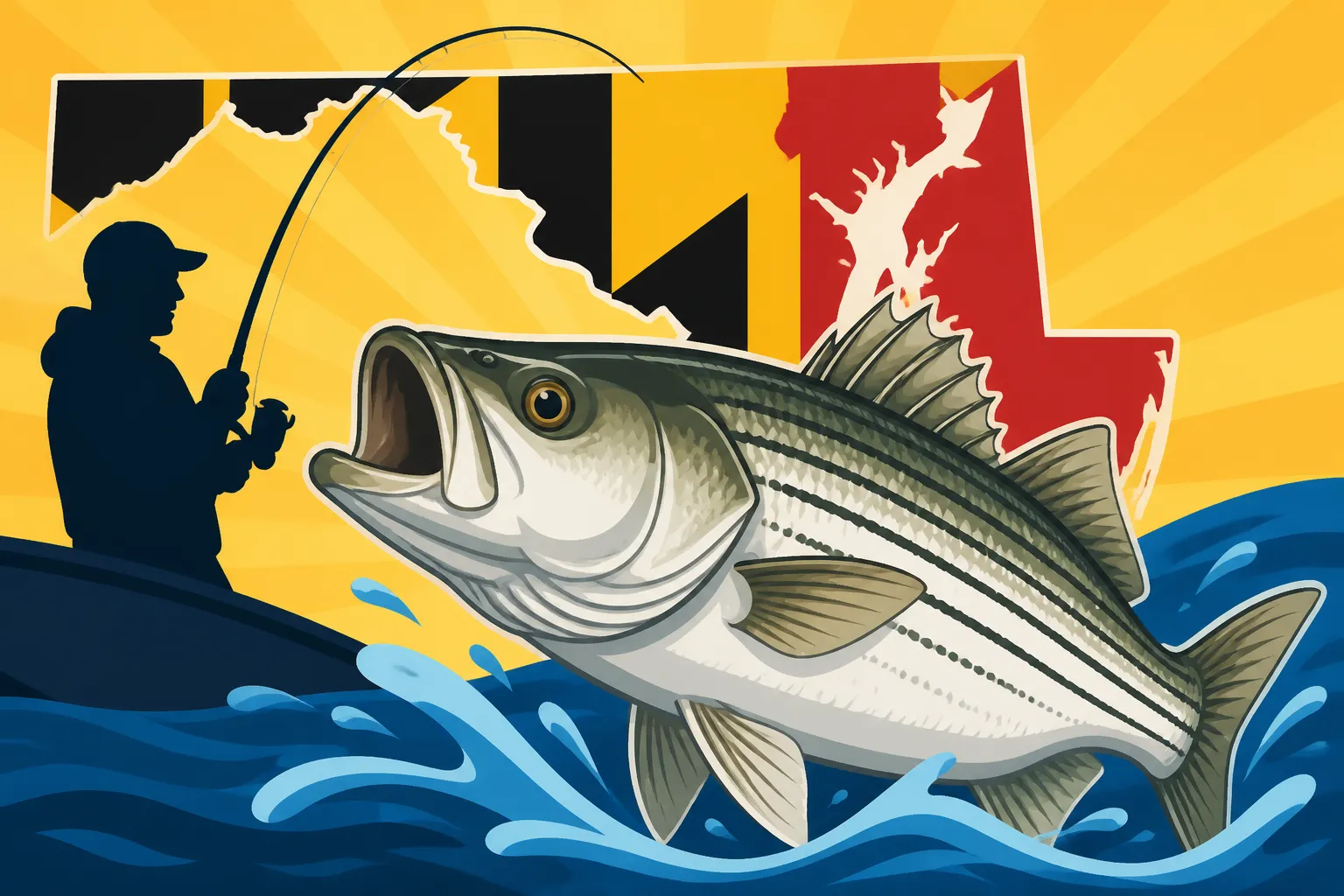
The official state record striped bass in Maryland stands at an incredible 67 pounds, 8 ounces. This monumental fish was caught by an angler named Peter Arundel back in 1993. It was landed in the waters of the Chesapeake Bay, an area renowned for its trophy-sized rockfish. Imagine the fight, the sheer power of a fish that size, pulling against your line in the open waters of the Bay! Peter's catch immediately captured the imagination of anglers across the state, solidifying the Chesapeake's reputation as a world-class striped bass fishery. It’s a weight that many of us can only dream of, making it the ultimate goal for those who pursue trophy fish.
This isn't just a casual catch; a fish of this magnitude requires immense skill, preparation, and a healthy dose of luck. Arundel's record stands as a testament to the vitality of the Bay in its prime and reminds us all of the incredible creatures that swim beneath the surface. It’s the kind of story that gets told around campfires and on docks, inspiring countless fishing trips and endless hope.
Understanding the State Record Process
Catching a potential state record fish is one thing, but getting it officially recognized by the Maryland Department of Natural Resources (DNR) is another challenge entirely. It's a rigorous process designed to ensure that every record is legitimate, verified, and beyond reproach. The DNR takes these claims very seriously, as state records are vital benchmarks for our fisheries.
The Strict Rules of Record Verification
To even be considered for a state record, your catch must adhere to a strict set of rules. First and foremost, the fish must be caught legally, following all Maryland Fishing Size and Catch Limits by Species and Maryland Striped Bass Season and Rockfish Rules. Any violation, accidental or otherwise, would disqualify the catch. The fish must be weighed on a certified scale, typically at a marina or tackle shop that has scales regularly inspected and sealed by the Department of Weights and Measures. It’s not just any old bathroom scale; accuracy is paramount. There usually needs to be at least one witness, often more, to attest to the catch and the weighing process. Sometimes, photo documentation and even specific measuring devices (like a certified measuring board, not just a tape measure) are required. These steps ensure integrity, so no one can dispute the achievement later.
Essential Gear for Record Contenders
Think about hooking into a 67-pound rockfish – your standard spinning rod and 10-pound test line wouldn't stand a chance! Catching a fish of this caliber demands serious tackle. You’re looking at heavy-duty conventional or spinning rods, paired with reels capable of holding hundreds of yards of strong, high-quality braided line. A good drag system is absolutely critical; without it, that monster will just strip all your line and break you off in seconds. Anglers often spend a lot of time researching and investing in their gear, knowing that when that big one bites, their equipment needs to perform flawlessly. For serious anglers looking to upgrade, platforms like Amazon offer a vast selection of heavy-duty rods, reels, and line options from trusted brands that can handle the stress of trophy fishing. Don't forget a sturdy landing net or a gaff, because once you get that fish to the boat, the battle isn't over!
Chasing the Dream: Techniques for Trophy Rockfish
For most of us, catching the next state record rockfish is a long shot, but landing a personal best or a trophy-sized striped bass is an entirely achievable goal with the right approach. Maryland's waters, especially the Chesapeake Bay, are famous for producing large rockfish, particularly during certain seasons.
Prime Times and Locations for Big Striper
If you're dreaming of a truly massive striped bass, timing and location are everything. The spring and fall migration periods are generally considered the best times to target trophy rockfish in Maryland. During the spring, after the spawning closures in certain rivers are lifted, big fish move out into the main stem of the Bay, often found along channel edges and ledges, feeding heavily after their arduous spawning journey. This is also when the Maryland Rockfish Slot Limit Explained is crucial to understand, as regulations often change to protect these spawning fish. The fall run sees large schools of baitfish, like bunker and spot, migrating south, and the big rockfish follow, creating explosive feeding frenzies. Places like the main stem of the Chesapeake Bay, particularly around prominent structures like the Bay Bridge or deeper channels, are well-known hotspots. Fishing Maryland's Chesapeake Bay, A Complete Guide offers a wealth of information on where and when to focus your efforts. Knowing Best Time of Year to Fish in Maryland can drastically improve your chances.
Effective Baits and Lures for Giants
Trophy rockfish aren't usually interested in small snacks; they want a substantial meal. Live lining is one of the most productive methods for targeting big stripers. Using a live spot, menhaden, or even a large eel can be incredibly effective. These baits, fished near structure or along channel edges, can entice even the most cautious lunker. Chunks of fresh bunker (menhaden) or mackerel are also excellent choices for bait fishing, especially when chumming. When it comes to artificials, large swimbaits, umbrella rigs, and big jigging spoons are popular. Trolling massive plugs or Mojos (often sold in specialized tackle shops or on Amazon) can also draw strikes from the biggest fish. Understanding What Do Striped Bass Eat in the Chesapeake Bay? is key to selecting the right offering. Remember, presentation is key – making your bait or lure look as natural and enticing as possible can make all the difference. Techniques like Jigging Techniques for Maryland's Chesapeake Bay Striped Bass are crucial to master.
The Role of Conservation in Maintaining Trophy Potential
While the thrill of chasing a state record is undeniable, it’s vital to remember that the health of the striped bass fishery depends on responsible angling and strong conservation efforts. The very existence of such a magnificent state record highlights the importance of protecting these incredible fish for future generations.
Why Big Fish Matter for the Fishery
Those massive, mature striped bass are often the most productive spawners. They contribute significantly more to the next generation of rockfish than smaller, younger fish. This is why regulations, like slot limits and specific season closures in spawning areas, are put in place – to allow these crucial breeders to do their job. For example, understanding Where Striped Bass Spawn in Maryland is vital to appreciating these closures. Without robust populations of large, healthy fish, the chances of someone catching another state record dwindle considerably. It’s a delicate balance between allowing anglers to enjoy the resource and ensuring its long-term sustainability. Maryland DNR works tirelessly to manage the fishery, often making tough decisions to protect these iconic fish.
Balancing Angling Dreams with Sustainable Practices
As anglers, we all have a role to play in conservation. This might mean practicing catch and release, especially for larger breeding-size fish, even if they're legal to keep. It means being educated about current regulations, whether you're fishing recreationally or on a Maryland Charter Boat License Coverage for Passengers. It's about respecting the fish and their habitat. The quest for a state record is a powerful motivator, but it should always be pursued within the bounds of ethical and sustainable fishing practices. The Maryland striped bass fishery faces ongoing challenges, and every angler's choices contribute to its future. By supporting conservation efforts and adhering to rules, we ensure that the dream of catching a trophy rockfish, perhaps even the next state record, remains alive and well for everyone who holds a Maryland Chesapeake Bay Sport Fishing License Explained.
Comparing Striped Bass Sizes in Maryland Waters
To truly appreciate the magnitude of the state record rockfish, it's helpful to compare it to the typical sizes of striped bass caught in Maryland. Most anglers are thrilled to catch a "keeper," which is often a fraction of the record's size.
| Category | Typical Size Range (Approx.) | Notes |
|---|---|---|
| Juvenile/Schoolie | 12-18 inches | Common in upper tributaries, often targeted by light tackle anglers. |
| Average Keeper | 19-30 inches | Varies by season and slot limit; a very respectable fish for the table. |
| Trophy Fish | 36-50+ inches | Sought after by dedicated anglers; powerful fighters, often released. |
| State Record | 67 pounds, 8 ounces | The ultimate achievement, a truly rare and exceptional fish. |
As you can see, the state record isn't just a big fish; it's an absolute giant, far surpassing what most anglers will ever encounter. It really puts into perspective the dedication and a little bit of magic that must have been involved in landing such a magnificent creature. The ambition of many anglers is to eventually reel in a fish that comes close to this impressive figure, proving just how much How Big Do Striped Bass Get in the Chesapeake Bay? truly is.
Disclaimer
This article is for general informational purposes only and does not constitute professional advice. Laws, prices and regulations vary by location and change over time. Consult a qualified professional for guidance on your specific situation.