How Big Do Flathead Catfish Get in Maryland?
One of the biggest questions I hear from fellow anglers exploring Maryland's diverse waterways, especially those new to the joys of battling a true river monster, is about the sheer size potential of flathead catfish. It’s a valid curiosity, because when you hook into something that feels like a submerged log suddenly coming to life, you want to know just how big that beast might truly be. This guide will dive deep into the world of Maryland's flathead catfish, revealing just how large these impressive fish can grow in our local waters and what makes them such a formidable catch.
Understanding Flathead Catfish in Maryland Waters
Flathead catfish, or Pylodictis olivaris, are truly distinct from their more commonly encountered cousins, the channel and blue catfish. While all three are part of Maryland's catfish family, flatheads possess a unique appearance and an even more unique predatory nature that sets them apart. They’re easily identified by their flattened heads (hence the name!), small eyes, and a lower jaw that protrudes past the upper. Unlike channel catfish, which have deeply forked tails, or blue catfish, which have moderately forked tails, flatheads have a more squared-off, slightly notched tail. Their coloration typically ranges from yellow-brown to dark brown or olive, often mottled with darker spots, allowing them to blend seamlessly with the rocky or woody cover they prefer.
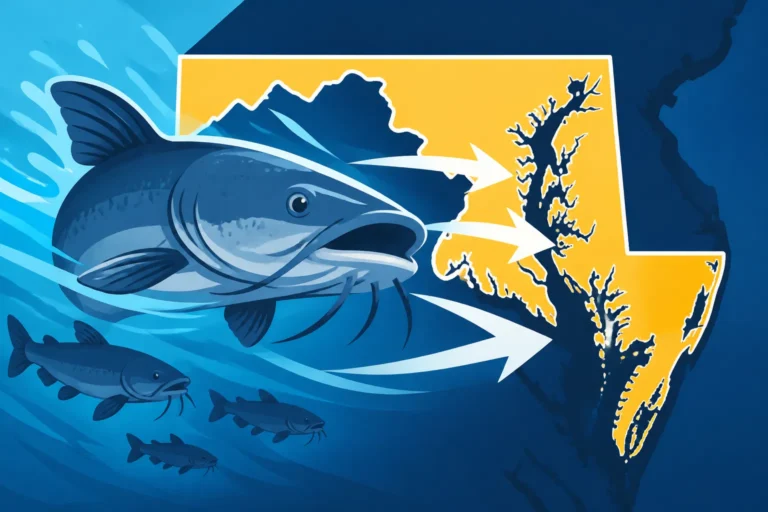
Now, a crucial point about flathead catfish in Maryland is their status. They are not native to our waters. Like the blue catfish, they are an introduced species, meaning they were brought here from other regions. Their original range is primarily the large rivers of the Mississippi, Missouri, and Ohio River basins. In Maryland, flatheads have established populations in several major river systems, notably the Susquehanna River and its tributaries, and have been expanding their range. This introduction means they're quite effective at finding new habitats and making themselves at home, sometimes to the detriment of native fish populations due to their highly predatory habits. They are ambush predators, preferring live bait, and their diet consists almost entirely of other fish. This characteristic, combined with their rapid growth and impressive size, makes them a significant presence in the ecosystems they inhabit.
Where Flathead Catfish Thrive in Maryland
Flathead catfish aren't just any old river fish; they have very specific preferences when it comes to habitat. They absolutely adore deep pools, slow currents, and, most importantly, heavy cover. Think snaggy areas with fallen trees, submerged logs, rock piles, and undercut banks. These structures provide them with perfect ambush points where they can hide, waiting for an unsuspecting meal to swim by. Unlike channel catfish, which are more opportunistic scavengers, flatheads are active hunters. This preference for heavy cover also makes them incredibly challenging to catch, as they often immediately dive back into the thickest part of the submerged structure once hooked, testing both angler skill and tackle.
You'll find them predominantly in the larger river systems of Maryland that connect to the Susquehanna watershed. Areas like the Susquehanna River itself, especially below the Conowingo Dam, offer prime flathead habitat. Their presence there is well-known among anglers targeting trophy catfish. While they are less widespread than blue catfish across the entire Chesapeake Bay watershed, their localized populations can be quite robust. Understanding their preferred hangout spots is the first step to even thinking about hooking into one of the truly massive specimens our state has to offer. Knowing the difference between them and other species is also helpful, especially for new anglers. It’s always good to be able to tell if you’ve got a Flathead Catfish vs Blue Catfish, How to Tell Them Apart.
Factors Influencing Flathead Catfish Size
The ultimate size a flathead catfish can achieve isn't just a random occurrence; it's a complex interplay of several environmental and biological factors. Think of it like a puzzle where each piece, from the available food to the quality of the water, contributes to the final picture of a truly gargantuan fish. For anglers dreaming of that state-record-worthy catch, understanding these factors can give you a significant edge in knowing where and when to target the biggest flatheads Maryland has to offer.
Habitat Richness and Food Availability
Perhaps the single most critical factor in a flathead's growth is the richness of its environment, specifically the abundance of food. Flatheads are voracious predators, and in rivers teeming with smaller fish, they have an endless buffet to fuel their growth. Rivers like the Susquehanna, with its diverse forage base of baitfish, panfish, and even smaller game fish, provide the ideal conditions for flatheads to pack on the pounds rapidly. If a flathead has a steady supply of high-protein meals, it can grow quickly and sustain that growth over many years.
Consider a deep pool in the Susquehanna River with a constant flow of nutrients, leading to a healthy population of various forage fish. A flathead residing in such a spot doesn't need to expend much energy to find food; it simply waits for prey to come to it. Compare this to a smaller, less productive tributary where food sources are scarcer. Flatheads in the latter environment will typically grow much slower and rarely reach the same trophy sizes as their well-fed counterparts in the richer main stem. This is a primary reason why certain stretches of our big rivers are known for producing monster catfish, while smaller creeks, even if they hold flatheads, generally yield smaller specimens.
Age, Growth Rates, and Water Conditions
While food availability is key, a flathead also needs time to grow. These fish are long-lived, and the truly massive ones have often been swimming our waters for decades. Their growth isn't always linear; it can be influenced by water temperature, oxygen levels, and overall water quality. Warmer waters within their preferred range can accelerate metabolism and growth, assuming food is plentiful. Conversely, harsh winters or periods of low oxygen can slow their growth or even impact their survival.
Maryland’s varied climate and diverse river systems offer a range of conditions. For instance, the lower Susquehanna experiences distinct seasons, with warmer summer months providing optimal growth periods for flatheads. As they age, their growth rate might slow, but their sheer size can still increase significantly year after year. A flathead that manages to avoid anglers and natural predators for 15-20 years or more in an ideal habitat can become an absolute behemoth. Maintaining good water quality in our rivers, which supports healthy forage fish populations and allows fish to thrive, is therefore indirectly crucial for the continued presence of trophy flathead catfish.
Documented Sizes and Maryland Records
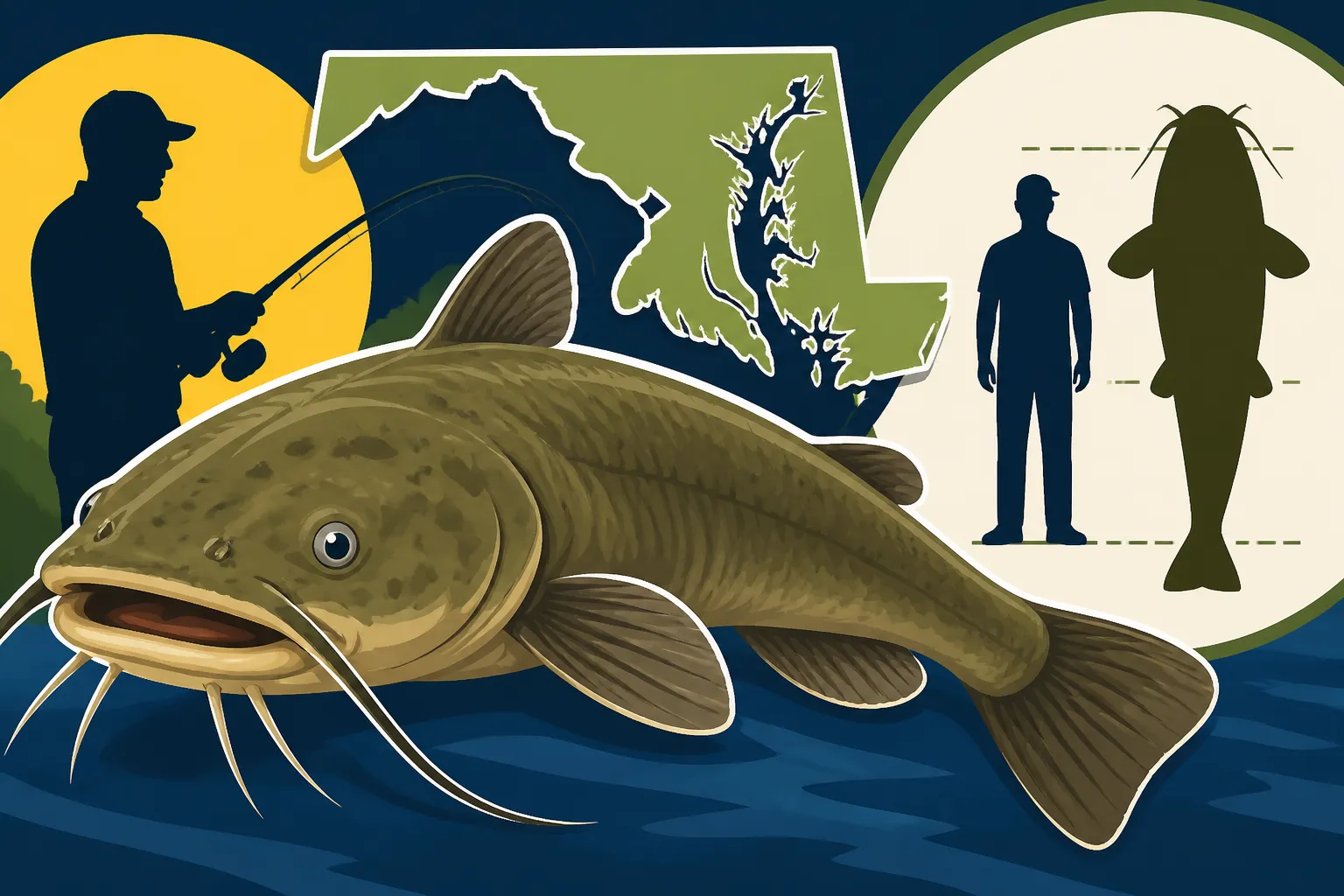
So, to answer the burning question: how big do flathead catfish get in Maryland? The answer is, impressively large! While they might not reach the absolute maximum sizes seen in their native range (where fish over 100 pounds have been recorded), Maryland flatheads certainly give anglers a run for their money and a chance at a true trophy.
On average, most flathead catfish caught in Maryland will fall into the 5 to 20-pound range. These are still solid, powerful fish that provide an excellent fight. However, the potential for much larger specimens is definitely there. It's not uncommon for dedicated flathead anglers to regularly land fish in the 30 to 40-pound bracket from prime locations. These are truly substantial fish that require strong tackle and a good deal of grit to bring to the boat or shore.
Maryland's State Record Flathead Catfish
Maryland is home to some truly colossal flathead catfish. While specific weight and year are constantly subject to updates by the Maryland Department of Natural Resources (DNR), the state record flathead catfish has pushed well into the upper 60-pound range. This is an absolutely immense fish, one that would dwarf most other freshwater species caught in the state. To put that into perspective, a 60-pound flathead is an incredibly powerful adversary, capable of stripping line, bending rods, and testing every knot in your setup. These record-breaking fish are a testament to the robust habitats and abundant food sources available in certain Maryland river systems. For context, these fish are often compared to the immense Blue Catfish Size Records in Maryland Rivers which are another introduced species known for their incredible size.
It's important to understand that catching a fish of this magnitude is a rare feat, the result of extensive effort, knowledge, and often, a fair bit of luck. But the fact that such giants exist in our waters makes every outing a potential record-breaker.
Comparing Flathead Size to Other Maryland Catfish
When we talk about size, it’s helpful to compare flathead catfish to other catfish species commonly found in Maryland. Here’s a quick overview:
| Catfish Species | Average Catch Size (Maryland) | Trophy Size (Maryland) | State Record (Maryland) | Primary Diet | Unique ID Feature |
|---|---|---|---|---|---|
| Flathead Catfish | 5-20 lbs | 30-50 lbs | 60+ lbs | Live fish | Flat head, protruding lower jaw, slightly notched tail |
| Blue Catfish | 10-40 lbs | 50-80 lbs | 90+ lbs | Opportunistic (fish, crabs, mussels) | Deeply forked tail, noticeable hump behind head |
| Channel Catfish | 2-10 lbs | 15-25 lbs | 30+ lbs | Omnivorous (insects, small fish, detritus) | Moderately forked tail, small dark spots |
As you can see, flatheads can grow to impressive sizes, often rivaling or even surpassing the trophy sizes of channel catfish. While blue catfish generally claim the absolute largest state records in Maryland, flatheads are right there with them in terms of potential for massive, memorable catches. The key difference in their habits and appearance, as outlined above, helps anglers distinguish between these powerful freshwater giants. If you're looking for information on How Big Do Blue Catfish Get in Maryland Rivers?, it's clear they are also a contender for sheer heft!
Targeting Larger Flathead Catfish in Maryland
Chasing trophy flathead catfish isn't for the faint of heart or the unprepared. These fish are powerful, cunning, and often live in unforgiving environments. If you're serious about landing a Maryland monster, you need to approach it with the right gear, the right bait, and a deep understanding of their behavior. It’s a challenge, but the reward of battling a true leviathan is absolutely worth it.
Essential Gear for Monster Flatheads
Forget your ultralight spinning gear when you're targeting flatheads. These fish demand heavy-duty equipment. Think about a medium-heavy to heavy action rod, typically 7 to 9 feet long, with a strong backbone capable of turning a big fish away from snags. Pair that with a robust baitcasting reel spooled with at least 50-80 pound braided line, or heavy monofilament for those who prefer it. A good quality reel with a smooth, powerful drag system is non-negotiable. When that flathead makes its initial run for the nearest logjam, your drag will be your best friend.
Terminal tackle needs to be equally stout. This means heavy-duty swivels, strong snelled hooks (often circle hooks in sizes from 5/0 to 10/0, depending on your bait), and leaders made of heavy mono or fluorocarbon to resist abrasion. Don't skimp on quality; a single weak link in your setup can lead to heartbreak when you hook the fish of a lifetime. You can find a lot of reliable, heavy-duty gear on platforms like Amazon, from specialized catfish rods to high-strength lines and robust hooks, making it easier to be prepared for these powerful fish.
Bait and Location Strategies
Flathead catfish are primarily piscivores, meaning they eat fish. And they prefer live bait. Live bluegill, sunfish, carp, or even small suckers are all excellent choices. The key is to present a lively baitfish that appeals to their predatory instincts. Rig your live bait securely through the back or lips, allowing it to swim naturally but stay attached to your line. Dead cut bait, while effective for blue and channel catfish, is generally less successful for flatheads, as they are less inclined to scavenge.
As for location, remember their love for cover. Target deep holes, current breaks, submerged timber, rock piles, and bridge pilings in larger river systems like the Susquehanna and its major tributaries. Flatheads will often position themselves at the edges of current, waiting for prey to be swept by. Fishing around dawn, dusk, or even at night can be particularly productive, as flatheads are more active hunters during low light conditions. Setting up multiple rods with different bait placements can increase your chances, but always ensure you can manage each rod effectively, especially when a big one hits. Don't forget to look up information on Bottom Fishing Techniques for Maryland Catfish which will be crucial for presenting your bait effectively in those deep, snaggy areas. You might even find specialized flathead specific baits and tackle on Amazon that are designed for these conditions.
Responsible Angling for Flatheads
While flathead catfish are an introduced species in Maryland, responsible angling practices are still paramount. Handle any fish you catch with care, especially if you intend to release it. Use proper landing techniques, avoid dragging fish on rough surfaces, and quickly release fish that aren't intended for the dinner table. If you are keeping fish, be sure to understand and adhere to all local regulations regarding catch limits and size restrictions, although often for invasive species like flatheads, limits are quite generous to encourage harvest. Maryland's DNR website is a great resource for the latest rules. Using strong, reliable gear, perhaps even picking up a quality fishing net from Amazon, can also aid in safely landing and releasing larger fish, protecting both the fish and your investment in tackle.
Disclaimer
This article is for general informational purposes only and does not constitute professional advice. Laws, prices and regulations vary by location and change over time. Consult a qualified professional for guidance on your specific situation.