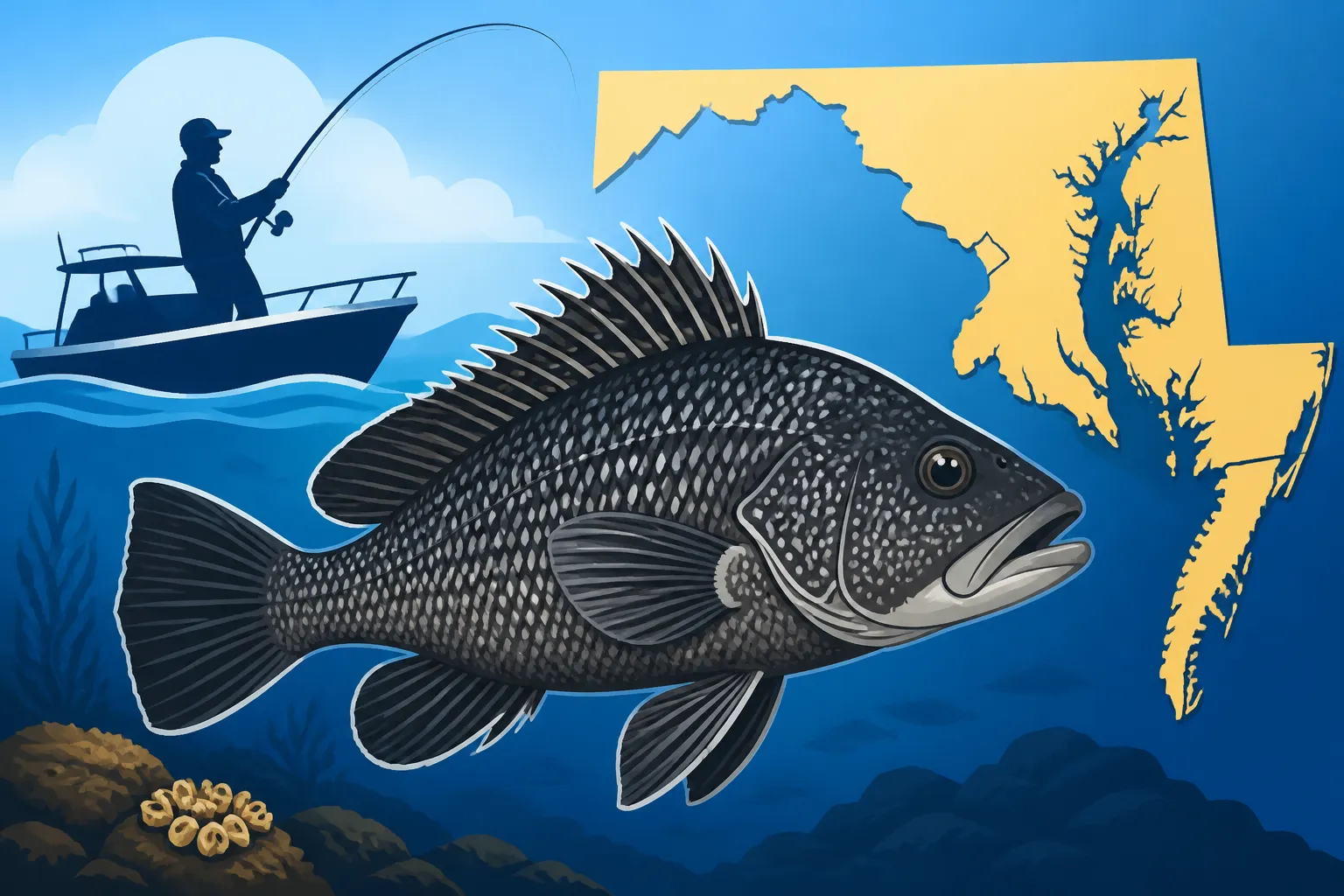
How Big Do Black Sea Bass Get Off Maryland’s Coast?
One of the most satisfying parts of fishing off Maryland’s coast is the thrill of dropping a line down and feeling that distinct, aggressive tug that tells you a black sea bass has found your bait. But for many anglers, the question always lingers: just how big do these feisty bottom dwellers really get? It's a valid concern, as expectations can vary widely, and knowing what's realistic helps shape your trip. This guide is dedicated to demystifying the size of black sea bass in our local waters, exploring everything from the average keepers you'll see to those truly impressive "hubcap" sized fish that make for fantastic pictures and even better meals.
The Typical Size Range of Maryland Black Sea Bass
When you’re out on the ocean, whether it’s a quick trip from Ocean City or a longer haul, you’re bound to encounter black sea bass. These aren't your monster tuna, but they pack a punch for their size and are incredibly fun to catch. Understanding their typical size range will help you appreciate every fish you bring over the rail.
What Anglers Usually Encounter
Most anglers fishing for black sea bass off Maryland's coast will find themselves catching fish within a pretty consistent size bracket. The majority of keeper-sized fish, those that meet the legal minimum length, usually fall into the 12 to 15-inch range. These are solid, healthy fish, often weighing a pound or two, sometimes a bit more. They’re perfect for a family dinner, offering up those delicious white, flaky fillets we all love.
Imagine you're out on a charter boat with friends, the rod tips are bouncing, and everyone's reeling in fish. You'll see a lot of these average-sized keepers, and that's fantastic! They're abundant, aggressive, and provide steady action. You'll also encounter plenty of smaller fish that need to be released. This is a crucial part of maintaining a healthy fishery, allowing those younger fish to grow up and contribute to future generations. Don't be discouraged if you catch a few "shorts"; it just means the population is thriving. These fish are strong fighters, regardless of their size, and even a 12-inch sea bass will give you a good tussle on appropriate tackle. They really know how to pull, head-shaking all the way up.
Maryland's Trophy Black Sea Bass
Ah, but then there are the "hubcaps." Every serious sea bass angler dreams of reeling in one of these magnificent specimens. Off Maryland's coast, a trophy black sea bass is generally considered anything over 3 pounds, and certainly anything pushing or exceeding 5 pounds. These are the fish that anglers call "door mats" or "dinner plates" because of their wide, thick bodies. While they aren't everyday occurrences, they are definitely out there.
The state record for black sea bass caught in Maryland waters is a testament to just how big these fish can get. While I won't give you the exact numbers to ensure accuracy with current regulations, suffice it to say that truly enormous black sea bass have been landed here, pushing the scales far beyond the average keeper. These are typically older fish, often males, that have had the time and good fortune to grow to impressive proportions. Catching one feels like hitting the jackpot – a truly memorable experience. These larger fish are often found in very specific habitats, which we'll dive into later, but just knowing they exist keeps the dream alive for many of us. When you feel that really heavy, thumping pull, and you're grinding to get it off the bottom, you know you might have something special on the end of your line.
Understanding Maryland's Black Sea Bass Regulations and Their Impact on Size
Regulations aren't just bureaucratic red tape; they're vital tools designed to protect our fisheries and ensure that species like black sea bass continue to thrive for future generations of anglers. For black sea bass in Maryland, these rules directly influence the sizes of fish you can legally keep and ultimately, the overall health and population structure of the species.
Minimum Size Limits and Catch Limits
Maryland, like other states along the Atlantic coast, implements specific minimum size limits for black sea bass. This means any fish you catch that doesn't measure up to this length must be immediately and carefully released. The exact measurement can fluctuate slightly from year to year or season to season, so it's absolutely crucial to Maryland Fishing Size and Catch Limits by Species before you head out. These limits are set based on scientific data regarding the species' growth rates and spawning cycles, ensuring that enough fish reach maturity and reproduce before being harvested.
For example, if the minimum size is 12.5 inches, you might catch a dozen 10-inch or 11-inch fish, and while it can be a little frustrating to release them, it's for the greater good. Every released "short" has a chance to grow into a future "hubcap." Along with size limits, there are also daily creel limits, which dictate how many fish you can keep per person per day. These limits prevent overfishing and distribute the catch more equitably among anglers. Always have a measuring tape or ruler handy on your boat or pier, and know how to accurately measure your catch from the tip of the nose to the end of the tail. If you're ever in doubt, it's always better to release the fish. You can also consult the latest version of the Maryland's DNR Fishing and Boating Guide, Explained for the most up-to-date information.
Seasonality and Conservation Efforts
Beyond size and creel limits, black sea bass fishing in Maryland is also managed through specific seasons. This means there are periods when fishing for black sea bass is open, and other times when it's entirely closed. These closed seasons are often timed to protect spawning fish or to allow the population to rebound from fishing pressure. These cycles are critical for conservation and for promoting the growth of larger fish within the population.
For instance, you might find that the Maryland Black Sea Bass Season and Limit is structured in distinct segments throughout the year. Sometimes there's a spring season, a summer season, and then perhaps a fall/winter season, with potential closures in between. These closures allow a segment of the fish population to go unpressured, giving them a chance to feed and grow larger, or complete their spawning cycle undisturbed. When the season reopens, anglers often find a more robust fishery with a higher average size of fish. These managed seasons, combined with size and catch limits, work in concert to ensure that black sea bass remain a sustainable and exciting target for anglers off our coast. It's a cooperative effort between anglers and resource managers, and when we all follow the rules, everyone benefits.
Factors Influencing Black Sea Bass Growth and Distribution
Ever wonder why some spots seem to produce bigger fish than others, or why your catch size might vary wildly from one trip to the next? It's not just luck! Several key environmental and biological factors play a huge role in how large black sea bass grow and where they tend to congregate off Maryland’s coast. Understanding these elements can significantly improve your chances of finding those larger, more impressive specimens.
Habitat and Food Availability
Black sea bass are not open-water cruisers; they are structure-oriented fish, through and through. They absolutely love hiding and feeding around hard structures on the seabed. Think of natural rock outcroppings, shipwrecks, artificial reef sites, bridge pilings, and even discarded debris like old tires or concrete rubble. These structures provide them with protection from predators and, crucially, act as magnets for baitfish and crustaceans, their primary food sources.
When you're fishing areas with abundant, diverse structure and a rich food web, you're more likely to find larger, healthier black sea bass. These fish have access to a consistent diet of small crabs, shrimp, squid, and various baitfish, allowing them to grow faster and reach impressive sizes. Conversely, areas with sparse structure or limited food sources will typically hold smaller, more scattered fish. This is why spots like the offshore wrecks and artificial reef sites off Ocean City are so famous for producing big sea bass – they’re underwater apartment complexes teeming with food. Knowing where these fish prefer to hang out is half the battle; the other half is understanding what they eat. Black Sea Bass in Maryland Coastal Waters thrive on a diet rich in protein, making these structural havens their ideal homes.
Water Temperature and Depth
Water temperature is another critical factor influencing black sea bass behavior, metabolism, and ultimately, their growth. Like most fish, black sea bass are cold-blooded, meaning their body temperature, and thus their metabolic rate, is regulated by the surrounding water. They prefer cooler, but not freezing, waters. Generally, black sea bass are most active and feed heavily when water temperatures are in the mid-50s to low 70s Fahrenheit.
During the warmer summer months, particularly in the shallower inshore areas, water temperatures can get quite high. While you'll still find sea bass, the larger, older fish often retreat to deeper, cooler waters offshore to escape the heat and find more stable temperatures. Conversely, as waters cool in the fall, the fish might move inshore again before moving back to deeper, warmer offshore haunts for the winter. This seasonal migration based on temperature helps explain why Best Time of Year for Black Sea Bass Near Ocean City can vary and why certain depths produce better fishing at different times of the year. Targeting deeper wrecks and reefs, especially during periods of extreme surface temperatures, can put you on larger fish that are seeking more stable, cooler conditions. These deeper waters often hold more consistent food sources too, allowing for continued growth throughout their lives.
Targeting Larger Black Sea Bass Off Maryland's Coast
So, you're ready to chase those "hubcaps"? Great! While there's no magic bullet, understanding where the bigger fish typically hang out and what techniques give you the best shot at them can dramatically increase your odds. It's about being strategic, not just lucky.
Prime Locations for Bigger Fish
When it comes to big black sea bass, think structure, and then think bigger, deeper structure. While you can catch keeper-sized fish closer to shore, the true giants are almost exclusively found further offshore. This means focusing your efforts on deeper wrecks, large artificial reef sites, and prominent natural rock formations that lie beyond the typical inshore fishing grounds.
Many of the most productive spots are 15 to 30 miles offshore from Ocean City, sometimes even further. These areas are characterized by significant underwater relief – a snag for your anchor, but a five-star hotel for sea bass. These structures attract vast amounts of baitfish and provide excellent ambush points for larger predators. Experienced anglers and charter captains spend years locating and mapping these prime honey holes. If you're planning a trip, booking a charter boat specializing in wreck and reef fishing is often the most efficient way to access these locations, as they have the local knowledge and the vessels to get you there safely. The Ocean City Maryland Fishing Guide often points towards these offshore opportunities. Locations like the Baltimore Canyon or specific numbers for known wrecks are where these larger fish reside, offering a consistent environment for them to grow large and old.
Gear and Techniques for Trophy Sea Bass
To consistently land larger black sea bass, you'll need to step up your tackle and refine your techniques a bit. While lighter gear is fun for smaller fish, it can be a liability when a true monster latches on. For trophy sea bass, think medium-heavy rods around 6 to 7 feet, paired with a conventional reel capable of holding 30 to 50 lb braided line. Braided line is key here because it has no stretch, allowing you to feel every subtle bite and maintain better contact with your sinker and bait on the bottom, especially in deeper water. A fluorocarbon leader of 30-40 lb test is also a good idea for abrasion resistance against the rough structure and improved stealth. If you're looking to upgrade your setup, popular online retailers like Amazon offer a wide range of suitable rods, reels, and lines that can handle the job.
When it comes to bait and presentation, simplicity often wins. Fresh bait is paramount. Squid, clam, and cut pieces of mackerel or herring are all excellent choices. For larger fish, don't be afraid to use a slightly bigger bait. A whole small squid or a substantial strip of clam can entice a more aggressive bite from a dominant fish. A two-hook bottom rig or a simple dropper loop rig with a substantial sinker (often 6-12 oz or more, depending on current and depth) is standard. Jigging can also be incredibly effective, especially with heavier metal jigs like butterfly jigs or bucktails tipped with a Gulp! or soft plastic trailer. The aggressive action of a jig can trigger reaction strikes from the bigger, more territorial fish.
Remember, patience is a virtue. Sometimes it takes dropping your bait or jig right into the strike zone multiple times to draw out those larger fish. Techniques for Catching Black Sea Bass Near Ocean City often involve precise boat positioning directly over structure, which is where a skilled captain comes in handy. If you're on a Ocean City Maryland Offshore Charter Fishing trip, your captain and mate will likely provide top-notch gear and advice, but having your own sturdy setup from a place like Amazon can give you an edge and familiarity. When you feel that solid thump and pull, hold on tight, because it just might be the hubcap you've been dreaming of!
Comparison of Black Sea Bass Sizes
To give you a clearer picture, here's a general comparison of black sea bass sizes you might encounter off Maryland's coast:
| Category | Typical Length Range (inches) | Typical Weight Range (pounds) | Habitat Preference | Fishing Pressure |
|---|---|---|---|---|
| Shorts | Under 12.5 | Under 1 | Varied, often shallower inshore reefs | High, frequently caught |
| Keepers | 12.5 – 15 | 1 – 2.5 | Inshore & nearshore reefs, wrecks | Moderate to High |
| Large Keepers | 16 – 19 | 3 – 4.5 | Nearshore to offshore wrecks/reefs | Moderate |
| Trophy ("Hubcap") | 20+ | 5+ | Deeper offshore wrecks, large structures | Lower, require specific targeting |
This table provides a general guideline; remember that actual weights can vary based on the fish's build and season. The legal minimum size is the critical factor for retention, which you must always verify before heading out.
Disclaimer
This article is for general informational purposes only and does not constitute professional advice. Laws, prices and regulations vary by location and change over time. Consult a qualified professional for guidance on your specific situation.