Are Snakehead Good to Eat?
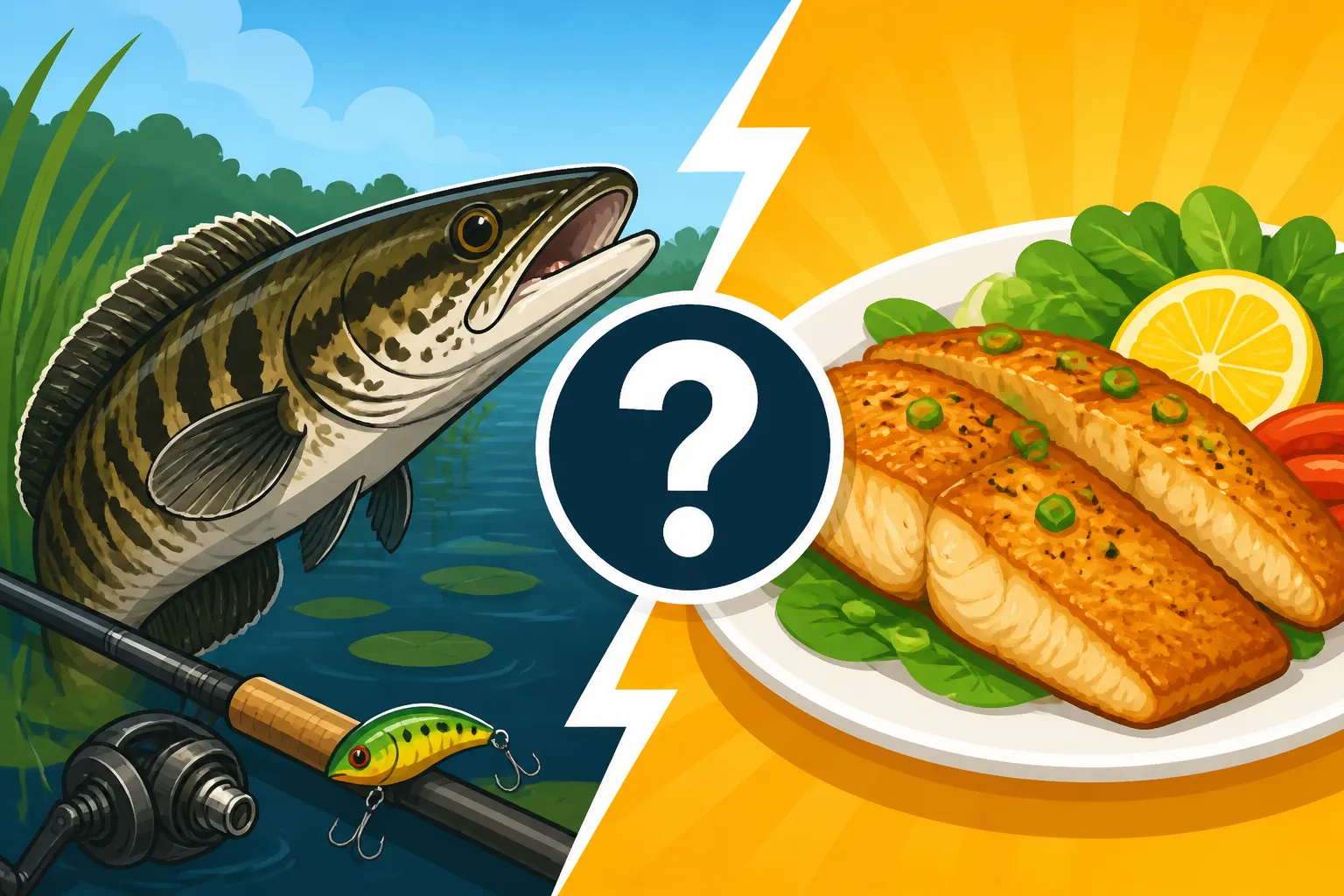
There's a common misunderstanding swirling around Northern snakehead, particularly here in Maryland: many anglers catch them, view them as an invasive menace, and then wonder if they're even worth keeping for the dinner table. The truth is, not only are Northern snakehead perfectly safe to eat, but they are surprisingly delicious, offering a lean, flaky white meat that many compare favorably to other popular game fish. This guide is here to shed light on their culinary qualities, explain how to prepare them, and reinforce why harvesting these fish is a win-win for both your palate and our local ecosystems.
The Culinary Appeal of Northern Snakehead: A Delicious Dilemma
When you mention catching a snakehead, you might get a few curious stares or even some apprehension from folks who aren't familiar with their table fare. There's a certain mystique around them, perhaps fueled by their somewhat intimidating appearance and their status as an invasive species. But let me tell you, once you get past the initial perception, you'll discover a truly underrated fish for your dinner plate.
Dispelling Myths: Taste and Texture Profile
Many anglers are surprised to learn that Northern snakehead are, in fact, incredibly tasty. Forget any preconceived notions you might have about invasive fish tasting muddy or undesirable. Their flesh is firm, bright white, and very flaky when cooked. The flavor is mild, often described as similar to cod, haddock, or even walleye – light, sweet, and not at all "fishy." This makes them a fantastic canvas for a wide variety of seasonings and cooking methods.
Think about it: these fish are voracious predators, constantly hunting and feeding on smaller baitfish and crustaceans. That active lifestyle contributes to their lean muscle mass and clean flavor. They aren't bottom-feeders in the same way some catfish species are, which can sometimes lead to a muddier taste depending on the water. Instead, they occupy a niche higher up the food chain, resulting in a cleaner-tasting fillet. Many anglers who have tried them are quickly converted, realizing they've been missing out on a delicious, sustainable protein source. It’s a great way to enjoy fresh, wild-caught fish right from our local waterways.
Nutritional Value and Health Considerations
Beyond their appealing taste, Northern snakehead also offer excellent nutritional benefits. Their meat is very lean, low in fat, and high in protein, making them a healthy choice for any diet. If you're looking to incorporate more healthy seafood into your meals, but prefer to harvest it yourself, snakehead are a fantastic option.
Like any wild-caught fish, there's always a natural concern about contaminants, such as mercury. However, for a freshwater predatory fish, the levels of mercury in Northern snakehead from Maryland waters are generally considered to be well within safe consumption limits, especially when compared to some larger, longer-lived ocean predators. Maryland DNR actively monitors fish populations and publishes consumption advisories for various species in different waterways, so it's always a good practice to check their latest recommendations for specific areas if you have concerns. For the most part, though, enjoying snakehead you've caught from the Potomac River or its tributaries is a healthy choice. They're a fantastic source of lean protein and essential nutrients, and because there's Maryland Blue Catfish Limit, or Lack of One on invasive species, you can keep as many as you'd like without worrying about a daily bag limit impacting your healthy meal plans.
Preparing Your Maryland Snakehead for the Plate
Successfully preparing a delicious snakehead starts long before you get it into the kitchen. Proper handling immediately after the catch is crucial to ensure the best possible flavor and texture. From the moment it leaves the water to when it hits the pan, every step contributes to a quality meal.
Catching and Handling Your Snakehead Responsibly
When you land a snakehead in Maryland, remember the goal: remove it from the ecosystem. This isn't just about fun fishing; it's about helping native species thrive. Maryland Rules for Keeping Snakehead Fish are quite clear: if you catch one, you should not release it. This means being prepared to handle it safely and humanely once it's on the boat or shore.
These fish have sharp teeth and can be incredibly feisty, even out of the water, capable of wiggling and thrashing with surprising strength. Always use a pair of long-nosed pliers to remove hooks and consider a fish gripper for secure handling. Some anglers even bring a designated cooler filled with ice for immediate placement. Bleeding the fish immediately after capture, by cutting the gills, can also significantly improve the flavor of the meat by draining blood from the tissues. Submerging it in an ice slurry right away cools the flesh quickly, preventing spoilage and firming up the meat, which makes for easier filleting later. Having the right tools, easily found on a site like Amazon, can make this process much smoother and safer.
Filleting and Cleaning: Step-by-Step
Filleting a snakehead is similar to filleting other freshwater fish, but there are a few considerations due to their thick, somewhat leathery skin and robust bone structure. Don't be intimidated; with a sharp knife and a bit of practice, you'll be a pro in no time.
Here’s a general approach:
- Lay it Flat: Place the snakehead on a clean, stable cutting board. A non-slip mat under the board is helpful.
- Initial Cut: Make a cut behind the gill plate, down to the backbone. Don't cut through the backbone yet.
- Along the Spine: Turn your knife and run it along the backbone, from head to tail. You'll feel the ribs as you go.
- Rib Cage: Once you get past the main body cavity, you can cut straight through the ribs or carefully work your knife over them to separate the fillet. Some anglers prefer to remove the ribs with a secondary cut later.
- Skinning: Place the fillet skin-side down. Starting from the tail end, make a small cut to separate a corner of the flesh from the skin. Hold the skin firmly and work your knife at a slight downward angle between the flesh and the skin, moving towards the head. Their skin is tougher than many fish, so a good, sharp fillet knife (you can find excellent options on Amazon) is key here.
- Check for Bones: Run your fingers over the fillet to check for any pin bones. These are usually in the middle of the fillet and can be removed with pliers or by cutting a small V-shape around them.
Once filleted, you'll have beautiful, boneless, white meat ready for cooking. The thick skin might seem like a challenge at first, but it actually provides a good grip for skinning.
Simple Cooking Methods to Bring Out the Best
The mild flavor and firm texture of snakehead make them incredibly versatile in the kitchen. They hold up well to various cooking methods and absorb seasonings beautifully. Here are a few straightforward ways to prepare them that are sure to please even the most skeptical eaters:
- Pan-Fried/Sautéed: This is arguably one of the most popular and easiest methods. Season your fillets with salt, pepper, garlic powder, and a touch of paprika. You can dredge them lightly in flour or a breadcrumb mixture for a crispy crust. Heat some oil (like olive oil or butter) in a skillet over medium-high heat. Cook for 3-5 minutes per side, depending on thickness, until golden brown and flaky. The firm flesh prevents them from falling apart, making them perfect for this method. Serve with a squeeze of lemon and some fresh parsley.
- Grilled: For a smoky flavor, grilling is fantastic. Marinate the fillets for 30 minutes in a simple mix of olive oil, lemon juice, dill, and a pinch of cayenne. You might want to use a fish grilling basket, available on Amazon, to prevent the fillets from sticking or breaking apart on the grates. Grill over medium-high heat for about 4-6 minutes per side. They develop a lovely char and retain their moistness. This is a great choice for a summer cookout right after a successful fishing trip on the Fishing the Potomac River in Maryland.
- Baked: If you prefer a hands-off approach, baking is excellent. Place fillets in a baking dish, drizzle with olive oil, season with your favorite herbs (thyme, rosemary, oregano work well), and add some thinly sliced lemon and cherry tomatoes. Bake at 375°F (190°C) for 15-20 minutes, or until the fish flakes easily with a fork. This method is particularly good for larger, thicker fillets, ensuring they cook evenly without drying out.
No matter how you prepare them, snakehead fillets are a fantastic choice for tacos, fish sandwiches, or even as the star of a hearty fish stew. Their clean taste truly shines, making them a delicious and sustainable option for your plate.
Why Eating Snakehead Helps Maryland's Ecosystems
While the deliciousness of snakehead is reason enough to give them a try, their status as an invasive species adds another layer of importance to their harvest. By actively targeting and consuming these fish, anglers are directly contributing to the health and balance of Maryland's aquatic environments.
The Ecological Impact of Northern Snakehead
Northern snakehead ( Channa argus) are not native to North America. They were introduced to Maryland waters, likely through accidental or intentional releases, and have since established thriving populations, particularly in the tidal freshwaters of the Chesapeake Bay watershed, such as the Potomac River and its tributaries, and increasingly on the Fishing the Eastern Shore Rivers. What makes them so problematic? They are apex predators with few natural enemies in our local waters. They grow quickly, reproduce rapidly, and can tolerate a wide range of environmental conditions, including low oxygen levels, which gives them an edge over native species.
Their diet consists primarily of other fish, amphibians, and invertebrates. This means they compete directly with native predators like largemouth bass and pickerel for food resources. More critically, they also prey on juvenile native fish, potentially impacting the recruitment of important sportfish populations. Their unchecked spread disrupts the delicate balance of our aquatic ecosystems, putting pressure on species that have evolved together over millennia. This is why you'll often hear state wildlife agencies encouraging anglers to remove them from the water immediately. Learning about Maryland Invasive Fish Rules: Blue Catfish and Snakehead is key to being a responsible angler.
Encouraging Anglers to Harvest and Consume
Because of their significant ecological impact, the Maryland Department of Natural Resources (DNR) strongly encourages anglers to harvest Northern snakehead whenever they are caught. Unlike native species that have strict size and catch limits designed to protect their populations, there are no such restrictions on snakehead. This means you can keep every single one you catch, regardless of size or number. This policy is a powerful tool in managing their spread and mitigating their impact.
Anglers are on the front lines of this conservation effort. Every snakehead removed from the water is one less predator competing with native fish and one less fish reproducing. This makes fishing for snakehead not just a recreational activity, but an act of environmental stewardship. Beyond individual efforts, you might notice local fishing clubs or tackle shops sometimes promoting snakehead fishing tournaments or derbies. These events often highlight the culinary appeal of the fish, encouraging participants to keep their catch, and sometimes offer prizes for the largest or most snakehead caught, turning conservation into a fun, competitive activity. So, the next time you hook into one of these aggressive fighters, remember you're not just reeling in a fish; you're helping protect Maryland's precious native fisheries, and bringing home a fantastic meal in the process.
Here's a quick comparison of Northern Snakehead to some other popular freshwater fish found in Maryland:
| Feature | Northern Snakehead | Largemouth Bass | Bluegill/Sunfish | Channel Catfish |
|---|---|---|---|---|
| Taste Profile | Mild, clean, slightly sweet | Mild, earthy, slightly gamey | Mild, sweet, delicate | Mild, sometimes earthy |
| Texture | Firm, white, flaky | Flaky, white, somewhat soft | Very flaky, delicate | Firm, white, slightly oily |
| Bones | Relatively easy to fillet, few pin bones | Easy to fillet, few bones | Bony, small fillets | Easy to fillet, few bones |
| Invasive Status | YES (Highly invasive) | Native | Native | Native, but often stocked |
| Catch Limit | No limit (Encouraged to keep) | Species-specific limits | No limit (Generous) | Species-specific limits |
| Ecological Impact | Disrupts native ecosystems | Healthy native predator | Part of healthy food web | Part of healthy food web |
So, the next time you're out fishing in Maryland and manage to land a Northern snakehead, don't hesitate! You've got a fantastic meal on your hands that's both delicious and ecologically responsible. Get those fillets ready, and enjoy a true taste of Maryland's wild side.
Disclaimer
This article is for general informational purposes only and does not constitute professional advice. Laws, prices and regulations vary by location and change over time. Consult a qualified professional for guidance on your specific situation.