How Long Do Striped Bass Live in the Chesapeake Bay?
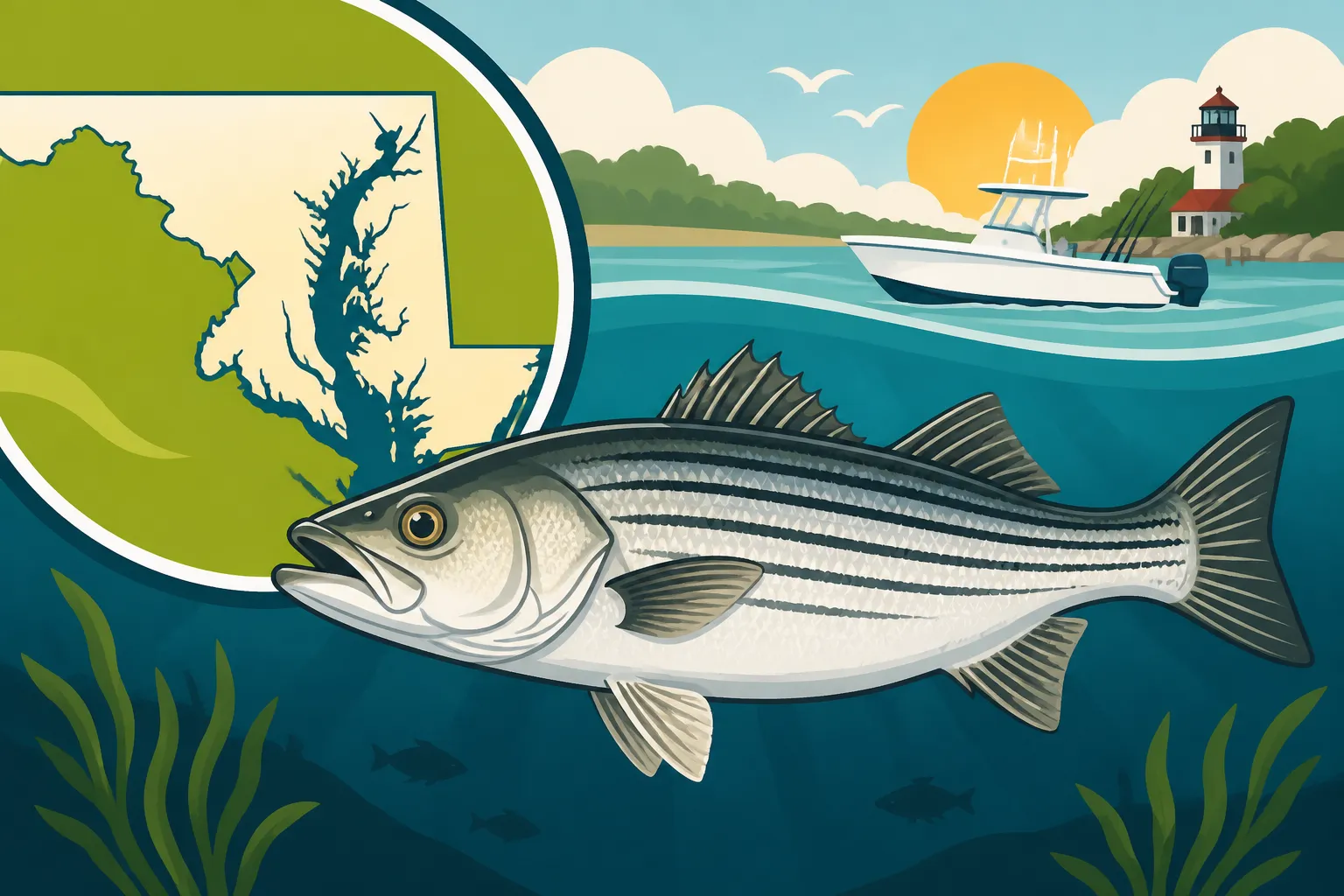
It’s a common question that swirls around Maryland docks and fishing boats: just how long do our magnificent striped bass, our beloved rockfish, actually stick around in the Chesapeake Bay? You see them in all sizes, from schoolies that put up a feisty fight to those massive, broad-shouldered old-timers that really test your tackle. Understanding their lifespan isn't just a matter of curiosity; it impacts everything from how we fish them to how we protect them for future generations. This guide is going to dive deep into the typical lifespan of these iconic fish, what factors can cut that short or help them thrive, and why it all matters for the health of our Bay.
The Typical Lifespan of a Chesapeake Bay Striped Bass
When we talk about striped bass, we're talking about a fish that embodies the spirit of the Chesapeake Bay. They're resilient, powerful, and absolutely central to our angling culture. But like all living creatures, they have a finite journey, and their lifespan can vary significantly based on a multitude of factors, both natural and man-made.
Average Lifespan and Maximum Age
Generally speaking, striped bass in the Chesapeake Bay can live a surprisingly long time. For the average fish, especially those in robust health and favorable conditions, you're looking at a lifespan somewhere between 10 to 20 years. However, this is just an average. It's not uncommon to hear tales, or see photos, of truly ancient stripers that push well beyond that, sometimes reaching into their late 20s or even 30s! These are the real matriarchs of the Bay, often the larger, trophy-sized females that have survived countless seasons.
There's a noticeable difference between male and female striped bass when it comes to longevity. Females, which tend to grow larger and mature later, also live longer than males. This extended lifespan is crucial for the species, as these older, larger females are the most prolific spawners, contributing significantly to the population's future. The males often mature earlier and may not reach the same impressive ages or sizes as their female counterparts.
Growth Rates and Age at Maturity
The growth rate of a striped bass isn't a straight line; it's influenced by food availability, water temperature, and genetic factors. In their early years, stripers grow relatively quickly, packing on inches and pounds, especially when forage fish like menhaden are abundant. They'll spend their first few years growing rapidly, learning the ropes of survival in the Bay's complex ecosystem.
Most male striped bass reach sexual maturity around 2 to 4 years of age, at which point they might be anywhere from 12 to 18 inches long. Females take a bit longer, typically maturing between 4 to 8 years of age, often when they're considerably larger, perhaps 24 inches or more. This delay in maturity for females is a critical biological strategy, ensuring that when they do start spawning, they are capable of producing a much larger quantity of eggs, which is vital for the health of the overall striped bass population. It's why protecting those larger, older females is so important for the future of Striped Bass: Maryland's State Fish.
Identifying Age in Striped Bass
While we anglers can often guess the age of a fish by its size, with an experienced eye, scientists have far more precise methods. The most common and accurate way to determine the age of a striped bass (or many other fish species) is by examining their otoliths, also known as ear bones. These small, calcium carbonate structures grow in layers, much like tree rings, adding a new growth ring each year. By carefully cutting and examining these rings under a microscope, scientists can accurately count the rings and determine the fish's exact age.
For the average angler, without specialized equipment, we rely on a combination of length and weight. While a 30-inch striped bass might be 7-8 years old on average, another 30-inch fish from a different year class or different part of the Bay might be a year or two younger or older due to varying growth conditions. It's not an exact science from the deck of a boat, but it gives us a general idea. We know a 40-pounder isn't a youngster, that's for sure!
Factors Influencing Striped Bass Longevity
It’s easy to think of a fish’s life as a simple timeline, but for striped bass in the Chesapeake Bay, every year is a challenge. Their longevity is a delicate balance, constantly being shaped by the environment they live in, the threats they face, and the management practices we put in place.
Environmental Pressures
The Chesapeake Bay, while rich in life, is also a dynamic and sometimes challenging environment. Water quality plays a huge role in how long a striped bass can thrive. Pollution, excess nutrient runoff leading to algal blooms and subsequent dead zones (areas of low oxygen), can severely stress fish and shorten their lives. A fish that constantly has to seek out oxygenated water expends more energy, grows slower, and is more susceptible to disease. Similarly, the availability of their primary food sources, like What Do Striped Bass Eat in the Chesapeake Bay?, directly impacts their health and ability to grow and survive. If the baitfish population struggles, the striped bass population will follow suit.
Climate change also introduces new pressures. Rising water temperatures can force stripers to alter their migration patterns or seek deeper, cooler waters, potentially leading to increased stress during warmer months. Extreme weather events, changes in salinity, and altered currents all contribute to an environment where only the fittest, or perhaps the luckiest, will reach those advanced ages. The Bay's delicate ecosystem is constantly shifting, and the striped bass must adapt or perish.
Predation and Disease
Even the mightiest striped bass isn't invulnerable. In their younger years, they face a gauntlet of predators, from larger fish to various birds. As they grow, their natural predators thin out, but they're still not entirely safe. Larger sharks, especially in the ocean migrations, and even seals can prey on adult striped bass. It’s a harsh world out there, and every year a striper survives is a testament to its instincts and strength.
Disease can also be a significant factor. Historically, diseases like mycobacteriosis have been a concern for striped bass populations in the Bay, weakening fish and making them more vulnerable to other stresses. While individual anglers might not directly see the impact of disease on lifespan, researchers and fisheries managers closely monitor these trends, as widespread disease can have a profound effect on the overall health and average age of the population. Just like any living creature, a healthy environment means healthier, longer-living fish.
Fishing Pressure and Management
Perhaps one of the most significant human-influenced factors affecting striped bass longevity is fishing pressure. Both recreational and commercial fishing, when unregulated, can drastically reduce the number of older, larger fish in the population. This is where careful fisheries management, implemented by the Maryland Department of Natural Resources, becomes absolutely critical. Regulations like Maryland Fishing Size and Catch Limits by Species and the specific Maryland Striped Bass Season and Rockfish Rules are designed to protect these fish, especially during vulnerable times like spawning season.
Catch-and-release practices are another huge piece of the puzzle. While many anglers embrace catch and release, the way a fish is released can make all the difference to its survival. A fish that is carefully handled, unhooked quickly, and revived properly has a much better chance of swimming away to spawn again and live another day. Using appropriate gear, like a good set of de-hooking pliers or a specialized lip gripper (which you can easily find on Amazon), can significantly reduce stress and injury to the fish, particularly when dealing with those larger, long-lived specimens.
Why Longevity Matters for the Chesapeake Bay Fishery
The age structure of the striped bass population isn't just a biological detail; it's the very backbone of a healthy, sustainable fishery. When we discuss how long these fish live, we're really talking about the future of fishing in Maryland and the overall vitality of the Chesapeake Bay ecosystem.
Reproductive Success and Population Health
The longer female striped bass live, the more opportunities they have to spawn, and critically, the more eggs they produce each time. Older, larger females are known to be exponential egg producers; a 30-pound female can produce significantly more eggs than two 15-pound females combined. These "super spawners" are vital for throwing off massive numbers of viable eggs, which are then fertilized by the smaller, more numerous males in the Bay's spawning rivers, as explored in Where Striped Bass Spawn in Maryland.
This means that a population with a good number of older, larger fish is much more resilient and able to bounce back from environmental challenges or fishing pressure. If too many of these long-lived breeders are removed from the population, it can severely hamper the species' ability to reproduce effectively, leading to fewer fish in future years and a less stable fishery overall. This is why measures like Maryland's Striped Bass Slot Limit and What Counts as Legal are so important; they are often designed to protect these critical spawning fish while allowing anglers to harvest some fish within a specific size range.
Trophy Fish Opportunities
Let’s be honest, part of the allure of fishing is the chance to catch that "fish of a lifetime." For striped bass, those truly massive, broad-shouldered specimens are almost always older fish that have survived many seasons. Their longevity directly translates into the opportunity for anglers to target and hopefully land these impressive, trophy-sized stripers. Imagine the thrill of battling a fish that’s been swimming in the Bay for 15, 20, or even 25 years!
These older, larger fish represent the pinnacle of the species’ growth potential and offer an incredible challenge. Without a healthy population of long-lived striped bass, those trophy fish opportunities would dwindle, taking some of the excitement and magic out of the fishery. Many anglers specifically travel to Maryland during certain seasons, like the spring trophy season, with the hope of encountering one of these magnificent, aged fish.
Conservation Efforts and Their Impact
Understanding the lifespan of striped bass is fundamental to effective conservation. When fisheries scientists know how long fish typically live, their age at maturity, and how many successful spawning cycles they need to complete, they can model populations more accurately. This data then informs the regulations that govern our fishing seasons, bag limits, and size restrictions. The goal is always to ensure that enough fish survive to reproduce and maintain a healthy population for the future.
Conservation efforts are a collaborative dance between science, management, and the angling community. Every time the Maryland DNR updates its fishing regulations, it's often based on new data about the population's age structure and reproductive health. Your cooperation with regulations, whether it’s understanding Maryland Nontidal vs Tidal Fishing License, Explained or being aware of specific species limits, directly contributes to the success of these long-term conservation goals, ensuring that striped bass can continue to live long and prosper in the Chesapeake Bay for generations to come.
Angler's Role in Protecting Long-Lived Striped Bass
As anglers, we're not just consumers of the resource; we're also its most passionate stewards. Our actions, particularly when we encounter those magnificent, long-lived striped bass, have a direct impact on their ability to survive, reproduce, and contribute to the Bay’s future. It's about respecting these incredible creatures and doing our part to ensure their longevity.
Best Practices for Catch and Release
Catch and release has become a cornerstone of conservation, especially for species like striped bass where slot limits and trophy seasons are common. However, simply letting a fish go isn't always enough. The method of release is paramount to a fish's survival. Always handle the fish gently and with wet hands to protect its slime coat, which is its primary defense against disease. Minimize its time out of the water – every second counts. If you're using conventional tackle, consider crushing barbs on your hooks to make removal easier, or use circle hooks which tend to hook fish in the mouth, reducing gut-hooking.
For those deep-hooked fish, a good pair of long-nose pliers or a de-hooking tool (many excellent, durable options are available on Amazon for different budgets) can be a lifesaver. Cut the line as close to the hook as possible if you can't easily remove it; the hook will often rust out. When releasing, hold the fish gently in the water, facing into a current, until it regains its strength and swims away on its own power. Don't just toss it back; a proper revival can dramatically increase its chances of survival, especially for those older, more susceptible fish.
Understanding Regulations
Ignorance of the law is never an excuse, especially when it comes to fisheries management. The regulations are put in place for a reason: to protect the striped bass population and ensure its sustainability. It’s crucial to know the current Maryland Fishing Size and Catch Limits by Species, understand any specific slot limits, and be aware of closed seasons or areas, such as Maryland Spawning River Closures for Striped Bass. These rules are often designed to protect the very fish we’ve been discussing – the mature, long-lived breeders that are so important to future generations.
Staying informed about Maryland’s fishing rules is easier than ever. The Maryland DNR website is constantly updated, and you can often pick up a printed guide at tackle shops. If you're unsure about a rule, it's always better to err on the side of caution. Remember, penalties for violations can be significant, and more importantly, illegal harvesting can undermine years of conservation work. Whether you're a resident or a visitor needing a Maryland Fishing License Guide for 2026, taking the time to understand the rules is a mark of a responsible angler.
Supporting Conservation Initiatives
Beyond individual actions, anglers can play a broader role in protecting striped bass and ensuring their long lives. Consider joining local or regional conservation organizations that advocate for clean water, healthy habitats, and sustainable fisheries. Many of these groups perform critical work, from lobbying for stronger environmental protections to organizing habitat restoration projects in the Bay. Your membership, your voice, and your volunteer time can make a tangible difference.
Furthermore, participating in angler surveys or reporting unusual catches (or even fishing violations via hotlines) provides valuable data to fisheries scientists. The more information they have, the better equipped they are to make informed decisions that benefit the striped bass and the entire Chesapeake Bay ecosystem. Our collective commitment to these fish is what truly safeguards their future, allowing generations of striped bass to live out their full, magnificent lifespans in Maryland's iconic waters.
| Factor | Impact on Striped Bass Longevity | Angler's Role/Consideration |
|---|---|---|
| Water Quality | Direct impact on health, growth, disease resistance | Advocate for clean water, report pollution |
| Food Availability | Influences growth rates and overall vigor | Be aware of baitfish populations, ecosystem health |
| Water Temperature | Stress during extremes, migration patterns | Fish smarter in hot weather, support climate initiatives |
| Predation | Natural population control, higher impact on young fish | Understand natural ecosystem dynamics |
| Disease | Can weaken fish, reduce survival | Practice good catch & release, report sick fish |
| Fishing Pressure | Removes fish from population, especially older/larger | Follow limits, practice careful catch & release |
| Habitat Loss/Degradation | Reduces spawning/feeding grounds | Support habitat restoration, responsible land use |
| Regulations & Enforcement | Protects breeding stock, ensures sustainability | Understand and follow all rules (e.g., Maryland Striped Bass Season and Rockfish Rules) |
| Catch & Release Practices | Directly impacts post-release survival | Use wet hands, proper tools (e.g., from Amazon), quick release |
Disclaimer
This article is for general informational purposes only and does not constitute professional advice. Laws, prices and regulations vary by location and change over time. Consult a qualified professional for guidance on your specific situation.