How Blue Catfish Threaten Native Species in Maryland’s Chesapeake Bay
The Chesapeake Bay is a national treasure, a vibrant ecosystem that supports countless species and provides endless recreational opportunities for anglers and boaters alike. But beneath its shimmering surface, a silent and formidable threat has been spreading, altering the delicate balance of life in our beloved waters: the blue catfish. If you've spent any time fishing in Maryland's tidal rivers recently, you've likely encountered these powerful, whiskered giants, and while they can be a blast to catch, their booming populations are putting immense pressure on our native fish. This guide will dive deep into how blue catfish specifically endanger the indigenous species that call the Chesapeake Bay home, giving you a clearer picture of the ecological challenge we face.
Understanding the Blue Catfish Invasion in Maryland
It's easy to look at a feisty blue catfish on the end of your line and just see a fun fight, but their presence in Maryland's waters is a story of unintended consequences. These aren't just another fish in the sea – they're an ecological force to be reckoned with, and their origins here are quite deliberate, though the outcome was unforeseen.
Where Did Blue Catfish Come From?
The blue catfish, Ictalurus furcatus, isn't originally from the Chesapeake Bay watershed. Their native range actually lies in the major rivers of the central and southern United States, places like the Mississippi, Missouri, and Ohio River basins. So, how did they end up thriving in our mid-Atlantic waters? The story begins decades ago when various state agencies introduced them to control nuisance species or to provide new recreational fishing opportunities in specific freshwater impoundments. In the 1970s and 1980s, they were stocked into several Virginia rivers that feed into the Chesapeake Bay, such as the James, York, and Rappahannock. The idea was to create a new, exciting fishery.
What wasn't fully anticipated was their incredible adaptability. Blue catfish are remarkably hardy and can tolerate a wide range of conditions, including the brackish (slightly salty) waters of the lower Chesapeake Bay. Once established in these major tributaries, it was only a matter of time before they ventured further downstream and into the main stem of the Bay itself, then spread to Maryland's tidal rivers. This expansion highlights a crucial lesson in ecosystem management: introducing a non-native species, even with the best intentions, can have far-reaching and unpredictable effects on the local environment.
The Rapid Spread of Blue Catfish in Maryland
Once they arrived in Maryland's waters, the blue catfish didn't just survive; they exploded. Their population growth has been nothing short of astonishing. Anglers from Havre de Grace down to Point Lookout have seen their numbers swell in places where they were once rare or unheard of. Rivers like the Potomac and the Nanticoke have become prime blue catfish strongholds, with individuals ranging from pan-sized eaters to true trophy specimens.
Several factors have contributed to this rapid expansion. Firstly, there's a lack of natural predators in the Chesapeake Bay ecosystem that can effectively control adult blue catfish populations. Native predators aren't accustomed to dealing with a fish of their size, armor, and sheer numbers. Secondly, their diet is incredibly diverse, meaning they can find food almost anywhere, from small fish to shellfish, competing with native species for sustenance. Finally, their reproductive strategy is highly successful; they lay a large number of eggs, and their young have a high survival rate. This combination of factors has allowed them to establish dominant populations in almost every major tidal tributary of Maryland. It's truly a testament to their resilience, but also a grave concern for the future of our native aquatic life. You can read more about how pervasive they've become in Maryland Blue Catfish Possession Rules.
The Ecological Impact of Blue Catfish on Native Species
The unchecked proliferation of blue catfish isn't just a curiosity; it's a profound ecological problem. Their presence creates a cascade of negative effects throughout the food web, directly threatening the survival and health of many species that have called the Chesapeake Bay home for millennia.
Predation on Native Fish
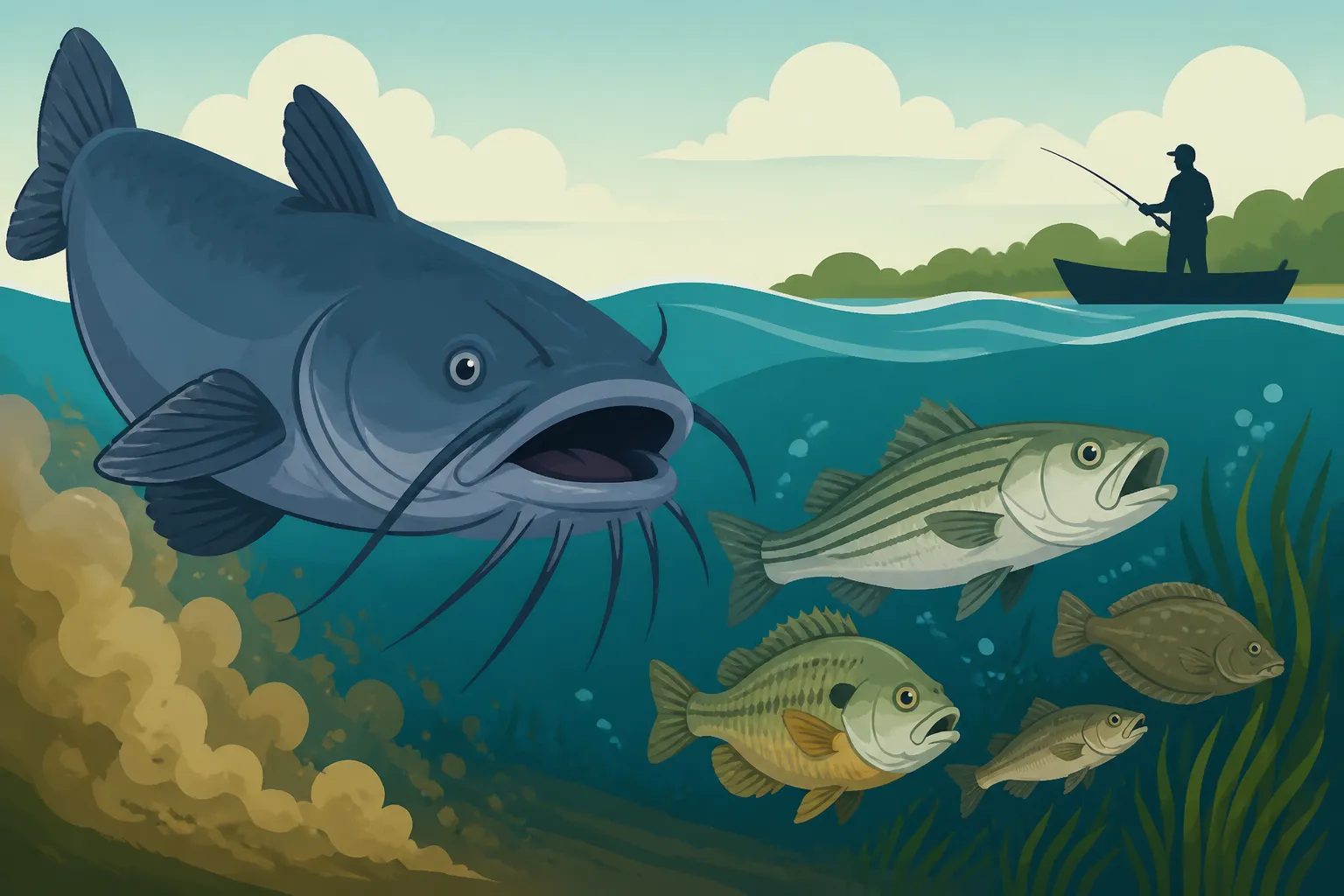
Perhaps the most direct and alarming threat posed by blue catfish is their insatiable appetite for other fish. These are apex predators in many parts of the Bay, capable of consuming vast quantities of smaller fish. Their diet is incredibly broad, but studies have shown that they readily prey on important native species, including juvenile striped bass, white perch, menhaden, river herring, and even various species of panfish. Imagine a nursery area for young striped bass, full of vulnerable fry and fingerlings, suddenly becoming a hunting ground for large, hungry blue catfish. This isn't a hypothetical scenario; it's happening in many of Maryland's tidal rivers.
When blue catfish consume juvenile native species, it directly impacts the recruitment of those populations, meaning fewer young fish survive to adulthood to reproduce. This can have long-term consequences, potentially leading to declines in populations of species that are already under pressure from other factors like habitat loss or fishing pressure. The sheer size that blue catfish can attain means they can eat a wide range of prey, from tiny minnows to substantial gamefish, making them a generalist predator that impacts nearly everything in their path. For instance, in areas like the lower Potomac, anglers frequently report catching blue catfish with the remains of valuable commercial and recreational fish in their stomachs.
Competition for Food Resources
Beyond direct predation, blue catfish also compete fiercely with native species for food. Their broad diet means they're not just eating fish; they're also consuming crabs, clams, mussels, and other invertebrates. Many of these food sources are critical to the survival of native bottom-feeding fish like white perch, spot, and croaker, as well as blue crabs, which are an iconic and economically vital species in the Bay. When blue catfish move into an area, they quickly become the dominant consumer, outcompeting native species that have evolved to utilize those resources more efficiently in a balanced ecosystem.
Think about it this way: if a native species like the white perch relies on small crabs and worms found on the bottom, and suddenly a massive population of blue catfish moves in, also eating those same crabs and worms, there's simply less to go around. This increased competition can stress native populations, leading to slower growth rates, reduced reproductive success, and ultimately, fewer fish. This ripple effect throughout the food web can be incredibly damaging and difficult to reverse once a species like the blue catfish becomes so entrenched. You might be interested in reading Maryland Blue Catfish Limit, or Lack of One to understand how severe the problem is perceived by authorities.
Habitat Disruption
While blue catfish aren't known to drastically alter physical habitats in the same way some invasive plants might, their sheer biomass and foraging habits can still have disruptive effects. Large concentrations of blue catfish can disturb benthic (bottom-dwelling) communities as they root around for food, impacting the delicate ecosystems where many invertebrates and juvenile fish reside. Their presence can also displace native species from preferred feeding or spawning areas.
Consider a shallow, muddy flat in a tidal river, a crucial nursery ground for many juvenile fish. If a dense population of large blue catfish moves in, their constant activity and voracious feeding can make that area less hospitable for sensitive native species, forcing them into less ideal habitats where they might be more vulnerable to other predators or environmental stressors. While subtle, these cumulative disruptions can weaken the overall resilience of the native ecosystem, making it more susceptible to further disturbances.
Specific Native Species at Risk
The threat posed by blue catfish isn't a vague, generalized concern; it directly impacts some of the most cherished and ecologically important species in the Chesapeake Bay. From the angler's prized catch to the vital forage fish, the ecosystem feels the pressure.
Iconic Chesapeake Bay Fish
When we talk about fishing in Maryland, two species immediately come to mind: striped bass and white perch. Both are deeply ingrained in the Bay's identity and culture, and both are directly threatened by blue catfish.
Striped Bass (Morone saxatilis): Also known as rockfish in Maryland, the striped bass is the state fish and a cornerstone of both recreational and commercial fisheries. Striped bass spawn in the brackish waters of the Chesapeake's tributaries, and their young spend their crucial early life stages in these same areas. These are precisely the habitats where blue catfish are now abundant. Juvenile striped bass, particularly when they are small, are easily preyed upon by larger blue catfish. This direct predation on young-of-the-year and yearling striped bass adds another layer of stress to a population that is already carefully managed and monitored. A reduction in the number of young striped bass surviving their nursery stage can have significant long-term impacts on the overall health and abundance of the adult population that anglers cherish. For more details on this iconic species, see Striped Bass: Maryland's State Fish.
White Perch (Morone americana): These ubiquitous and delicious panfish are a staple for many Bay anglers. White perch are found throughout the Bay and its tributaries, often in areas that overlap significantly with blue catfish habitat. They are a smaller species, making them vulnerable to predation by larger catfish. Furthermore, white perch rely on many of the same bottom-dwelling invertebrates and smaller fish for food, putting them in direct competition with the blue catfish. The impact here is a double-whammy: blue catfish eat white perch and eat their food, placing immense pressure on these native populations. White Perch in Maryland's Chesapeake Bay offers a deeper look at this important species.
Forage Fish and Shellfish
Beyond the direct game fish, the foundation of the Chesapeake Bay's food web—its forage species and shellfish—are also significantly impacted.
Menhaden (Brevoortia tyrannus) and River Herring (Alewife and Blueback Herring): These schooling fish are often called the "most important fish in the sea" for good reason. Menhaden are filter feeders that play a crucial role in cleaning the Bay's waters and are a primary food source for larger predators like striped bass, bluefish, and osprey. River herring also serve as vital forage and are anadromous, meaning they migrate from the ocean into freshwater rivers to spawn. Unfortunately, both menhaden and river herring, especially their juvenile stages, fall squarely within the blue catfish's opportunistic diet. The loss of these forage species to blue catfish predation weakens the entire food chain, making it harder for other native predators to find enough to eat. Imagine a tackle box full of lures from Amazon for targeting larger fish, but the primary baitfish they rely on are being depleted by blue catfish.
Blue Crabs (Callinectes sapidus) and Clams: Maryland's blue crabs are not just a delicacy; they are a keystone species in the Bay ecosystem. Blue catfish are known to consume crabs, particularly smaller, softer-shelled individuals, adding another predatory pressure to crab populations that are already facing challenges. Similarly, various species of native clams and mussels contribute to the Bay's health as filter feeders, and blue catfish will readily eat them, impacting the Bay's natural filtration system and competing with other clam-eating species like drum and rays. The removal of these shellfish by blue catfish can alter sediment composition and nutrient cycling, affecting the overall health of the Bay floor.
Other Freshwater and Anadromous Species
The pervasive nature of the blue catfish means they impact a wide array of other species across different aquatic environments.
American Shad (Alosa sapidissima) and Hickory Shad (Alosa mediocris): These beautiful and popular anadromous fish make spectacular spawning runs up Maryland's rivers each spring, providing exciting fishing opportunities. Like river herring, their juvenile stages and even adult fish can become prey for large blue catfish while they are in the tidal rivers. Any additional pressure on these populations, which are already managed due to historical declines, is a serious concern.
Native Catfish and Panfish: Maryland has native catfish species, such as channel catfish and white catfish, as well as various panfish like sunfish and crappie. Blue catfish can outcompete these native species for food and habitat. Their larger size and aggressive nature can dominate feeding grounds, potentially displacing native species and altering the structure of local fish communities. This competition is particularly acute in the upper tidal reaches of rivers where blue catfish are most concentrated.
Why Blue Catfish Are Such a Dominant Threat
It's one thing to have an invasive species present; it's another for it to become such a dominant and pervasive threat. The blue catfish possesses a unique combination of biological traits that make it exceptionally well-suited to thrive and spread in the Chesapeake Bay ecosystem, making it a formidable challenge for conservation efforts.
Unrivaled Growth and Longevity
One of the most striking characteristics of the blue catfish is its capacity for rapid growth and its impressive longevity. These fish can grow to enormous sizes, often exceeding 50 pounds, with the state record for Maryland being a truly monstrous specimen. How Big Do Blue Catfish Get in Maryland Rivers? offers some jaw-dropping figures. A large blue catfish becomes an apex predator in its environment, with few, if any, natural enemies that can effectively predate on it. This means that once they reach a certain size, they are virtually untouchable by native predators like ospreys or even larger fish, allowing them to continue growing and consuming without significant checks on their population by nature.
Furthermore, blue catfish can live for a long time, often well over a decade. A long lifespan combined with a large size means they have many years to feed, grow, and reproduce, continually contributing to the predatory pressure on native species. Imagine a river system with older, larger blue catfish that have been established for years; they become entrenched components of the ecosystem, constantly consuming resources and impacting the survival of other species. This extended period of dominance makes them particularly challenging to manage and control.
High Reproductive Rates and Adaptability
Blue catfish are incredibly prolific breeders. A single large female can lay tens of thousands, if not hundreds of thousands, of eggs in a spawning season. They typically spawn in late spring or early summer, and the male guards the nest, ensuring a high survival rate for the fry. This successful reproductive strategy means that populations can rebound quickly, even if there is some mortality from fishing or other factors.
Beyond their high reproductive output, their adaptability is truly astounding. Blue catfish are remarkably tolerant of varying water conditions, including temperature fluctuations, low oxygen levels, and even a significant degree of salinity. This last point is crucial for their success in the Chesapeake Bay. While they prefer fresh to slightly brackish water for spawning, adult blue catfish can venture into much saltier waters, allowing them to explore and colonize vast stretches of the Bay and its lower tributaries. This broad tolerance means they aren't confined to small pockets of habitat but can spread throughout the entire system, establishing populations in diverse environments where many native species might struggle. This adaptability is why we see them from the upper reaches of the Susquehanna down to the mouth of the Potomac.
Broad and Opportunistic Diet
If you've ever cleaned a blue catfish, you know their stomachs can hold a surprising variety of contents. Their diet is incredibly broad and opportunistic, a trait that makes them highly successful invaders. They are essentially omnivores with a strong preference for protein, and they will eat almost anything they can catch or scavenge. This includes:
- Small fish: From juvenile striped bass to white perch, menhaden, and even their own young, fish make up a significant portion of their diet.
- Crustaceans: Blue crabs, grass shrimp, and other small invertebrates are readily consumed.
- Mollusks: Clams, mussels, and snails are easy targets for these bottom-feeders.
- Insects and worms: Especially when they are younger, they will feed on insect larvae and worms.
- Carrion: They are excellent scavengers and will consume dead fish or other organic matter, acting as nature's clean-up crew but also thriving on readily available protein.
This flexible diet means that if one food source becomes scarce, blue catfish can simply switch to another, giving them a significant advantage over native species that often have more specialized diets. They are not limited by seasonal availability of a single prey item, which allows them to maintain high population numbers and continue their predatory and competitive pressure year-round. An angler looking for new gear on Amazon might find a variety of baits listed for blue catfish, underscoring just how varied their diet is.
| Native Species at Risk | Primary Threat from Blue Catfish | Impact on Ecosystem |
|---|---|---|
| Striped Bass (Rockfish) | Predation on juveniles | Reduced recruitment, potential population decline |
| White Perch | Predation, food competition | Population decline, reduced forage for other species |
| Menhaden | Predation on all life stages | Reduced forage for other predators, less water filtration |
| River Herring | Predation on juveniles/adults | Reduced forage, impact on anadromous fish runs |
| Blue Crabs | Predation on smaller crabs | Reduced populations, impact on Bay's keystone species |
| Native Clams/Mussels | Predation | Reduced natural water filtration, food competition |
| American & Hickory Shad | Predation on juveniles/adults | Impact on anadromous fish runs, reduced recreational fishing |
| Native Catfish/Panfish | Food/habitat competition | Displacement, reduced native fish diversity |
Maryland's Management Strategies and Angler Involvement
Given the significant ecological threat posed by blue catfish, Maryland's Department of Natural Resources (DNR) and various conservation groups aren't standing idly by. They've implemented a multi-pronged approach to manage the blue catfish population and mitigate its impact, recognizing that anglers have a crucial role to play in this ongoing effort.
Encouraging Harvest and Consumption
One of the most effective strategies against an invasive species that is good to eat is to encourage people to eat it! Maryland has actively promoted the harvest of blue catfish, both by recreational anglers and commercial fishermen. Unlike many native species with strict size and creel limits, there are generally no possession limits or size restrictions on blue catfish in Maryland. The message is clear: if you catch it, keep it and eat it. This strategy aims to reduce the population numbers through direct removal, while also providing a sustainable and delicious food source.
The taste of blue catfish is excellent—mild, white, and flaky, making it a versatile option for various culinary preparations. Efforts are underway to develop commercial markets for blue catfish, creating an economic incentive for their removal. Many local restaurants are beginning to feature blue catfish on their menus, and you can find various recipes and cooking tips online and in local fishing guides. It's a win-win: you get to enjoy a tasty meal and help the Bay's ecosystem at the same time. This is also Why Maryland Wants Anglers to Kill Invasive Fish is such an important read.
Angler's Role in Mitigation
Recreational anglers are on the front lines of the battle against invasive blue catfish. Every fish kept and removed from the ecosystem contributes to the mitigation effort. It's more than just a recommendation; it's a vital component of the management strategy. When you catch a blue catfish, especially a large one, consider keeping it. Even if you're primarily a catch-and-release angler for native species, making an exception for blue catfish is a responsible choice for the Bay.
Beyond keeping what you catch, responsible disposal of fish waste is also important. If you choose not to keep a blue catfish, ensure it is not returned to the water, and dispose of it properly on land. Transporting live blue catfish is generally prohibited to prevent further spread into new waterways. Anglers are also encouraged to report significant catches or observations of blue catfish in new areas to the DNR, helping scientists track their spread and population trends. Simple actions, like using a sturdy fillet knife from Amazon to prepare your catch, can turn an invasive species into a delicious meal and a contribution to conservation. You can find more specific guidelines in Maryland Invasive Fish Rules: Blue Catfish and Snakehead.
Research and Monitoring Efforts
The Maryland DNR, in conjunction with other state and federal agencies, is continually conducting research and monitoring efforts to better understand blue catfish populations and their impacts. This includes studies on their diet, growth rates, movements, and reproductive success. By gathering this data, scientists can gain a clearer picture of the threat and develop more targeted and effective management strategies.
Monitoring native fish populations is also critical to assess the impact of blue catfish. By tracking the numbers of juvenile striped bass, white perch, and other vulnerable species, researchers can better understand how blue catfish are affecting the ecosystem and whether current management efforts are making a difference. This ongoing scientific work forms the backbone of adaptive management, allowing the state to adjust its strategies as new information becomes available.
The Future of the Bay's Ecosystem with Blue Catfish
The presence of blue catfish represents a significant and long-term challenge for the Chesapeake Bay. While efforts are being made to manage their populations, it's realistic to acknowledge that they are here to stay. Understanding the potential long-term changes and the ongoing need for collective action is crucial for the future health of our beloved Bay.
Long-Term Ecological Changes
The sustained presence and dominance of blue catfish will likely lead to enduring ecological shifts in the Chesapeake Bay. We could see a permanent rebalancing of the food web, where native species that are less competitive or more vulnerable to predation by blue catfish may decline or be displaced. This might mean fewer white perch in certain areas, slower recovery rates for species like river herring, and increased pressure on juvenile striped bass stocks. These changes could alter the overall biodiversity and species composition of the Bay.
Over time, the ecosystem might adapt, but the question remains whether this adaptation will lead to a less resilient, less diverse, or less productive Bay from a human perspective. The sheer biomass of blue catfish means they consume a vast amount of energy and nutrients that would otherwise support native populations. This energy diversion can fundamentally alter the carrying capacity of certain habitats for native fish, impacting everything from recreational fishing opportunities to the overall ecological health of the Bay.
The Ongoing Battle: A Collective Effort
The fight against the invasive blue catfish is not a battle that can be won by any single agency or group; it requires a sustained, collective effort from everyone who cares about the Chesapeake Bay. This includes anglers, commercial fishermen, scientists, policy makers, and even consumers who choose to eat blue catfish. Continued public awareness and education are paramount. The more people understand the threat and their role in mitigation, the more effective our collective response will be.
It's about staying vigilant, adapting our fishing practices, supporting management initiatives, and making conscious choices that favor the health of our native species. The Chesapeake Bay is a dynamic system, and its future depends on how we respond to challenges like the blue catfish invasion. By working together, we can strive to maintain a healthy, productive, and diverse ecosystem for generations to come. After all, the Bay is not just a place to fish; it's a way of life for many Marylanders, and it's worth fighting for. For further information on navigating fishing rules in Maryland, consider checking out Maryland Chesapeake Bay Sport Fishing License Explained or even How to Buy a Maryland Fishing License to ensure you're compliant while doing your part.
Disclaimer
This article is for general informational purposes only and does not constitute professional advice. Laws, prices and regulations vary by location and change over time. Consult a qualified professional for guidance on your specific situation.