How Long Does a Maryland Fishing License Last From Purchase?
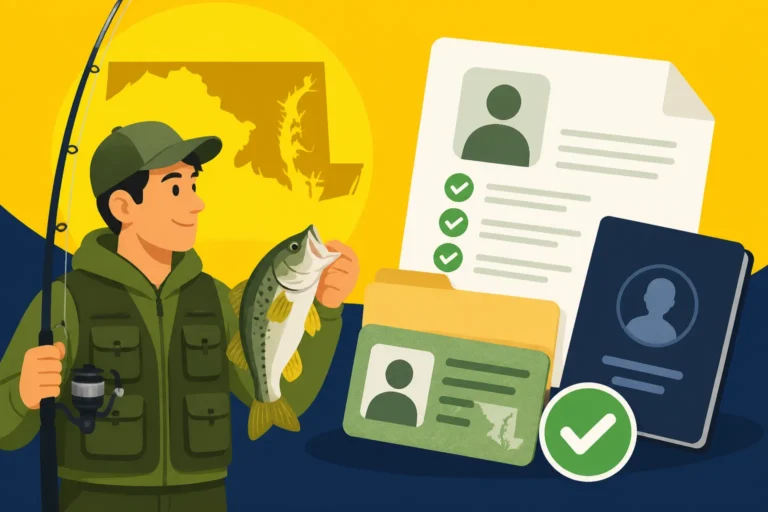
It’s a common scenario: you’re at the tackle shop, excited for a day on the water, and you buy your Maryland fishing license. But as you walk out, a nagging question pops into your head – "How long is this thing actually good for?" Many anglers, new and seasoned alike, get tripped up by the specific validity periods of Maryland's various fishing licenses, leading to confusion, potential violations, and the frustrating realization that their license might have expired sooner than they thought. This comprehensive guide is here to untangle all that, giving you a clear understanding of how long your Maryland fishing license lasts from the moment of purchase, so you can focus on the fish, not the paperwork.
Understanding the Standard Maryland Fishing License Term
When you purchase a fishing license in Maryland, it's not always a straightforward 365-day validity from the date you bought it. Maryland’s Department of Natural Resources (DNR) has a specific system in place, particularly for annual licenses, that can sometimes catch anglers off guard. Knowing these rules is key to avoiding an unexpected snag in your fishing plans.
Annual Versus Shorter-Term Licenses
First off, it’s important to distinguish between annual licenses and their shorter-term counterparts. An "annual" license, in most contexts, implies it's valid for a full year from purchase. However, in Maryland, that's not always the case, especially for the core annual fishing licenses. These licenses are typically structured around a calendar year, not a rolling 12-month period. This means if you buy an annual license in July, it doesn't mean it's good until next July. It will still expire at the end of the current calendar year.
Shorter-term licenses, such as the 3-day or 7-day options, operate differently. These are specifically designed for those who might only be visiting for a short trip or plan to fish for a limited period. Their validity starts on the date you specify or the date of purchase, and they remain active for the exact number of consecutive days indicated on the license. This clarity makes them a popular choice for tourists or weekend warriors who don't need a full year of coverage. You can learn more about these options, including specific costs, in our guide to Maryland 7-Day Fishing License Options.
The December 31st Expiration Rule
Here's the critical piece of information that often causes confusion: most annual Maryland fishing licenses, including your standard resident or nonresident freshwater, saltwater, or consolidated licenses, expire on December 31st of the year for which they are issued. This is true regardless of when you purchase them during that calendar year. If you buy your annual license on January 1st, you get a full year. If you purchase it on December 1st, you only get one month of validity.
This calendar-year expiration is a fundamental aspect of Maryland's licensing system. It’s designed to simplify administration and ensure everyone is on the same cycle for regulatory purposes. While it might seem inconvenient to buy a license late in the year only to have it expire quickly, the cost remains the same. This system means that many anglers will find themselves needing to renew their license at the turn of the new year, often right after the holiday season. Understanding this expiration date is crucial, as fishing with an expired license can lead to significant penalties. We cover these rules in detail in our article, Do Maryland Fishing Licenses Expire on December 31?.
Specific License Types and Their Durations
Maryland offers a variety of fishing licenses to cater to different angler needs, and each comes with its own specific duration rules. Navigating these options is essential to ensure you're always properly licensed for your chosen fishing adventure.
Resident and Nonresident Annual Licenses
The most common licenses purchased are the annual resident and nonresident options. These typically cover either nontidal (freshwater) fishing, tidal (Chesapeake Bay and coastal) fishing, or a combination of both. As discussed, these licenses are almost universally tied to the calendar year.
For instance, if you purchase a Maryland Resident Annual Fishing License Cost in April, it will be valid from that purchase date until December 31st of the same year. The same applies to those visiting from out of state; a Maryland Nonresident Annual Nontidal License Cost bought in October will also expire on December 31st. This uniform expiration date simplifies the renewal process for the state, but it places the onus on the angler to be aware of the remaining validity period, especially later in the year. It's a system that rewards early buyers with maximum usage time.
Short-Term Options: 3-Day, 7-Day, and Consolidated Licenses
For those who don't fish regularly or are planning a brief trip to Maryland, the state offers more flexible short-term options. These licenses truly operate on a consecutive-day basis from your specified start date.
- 3-Day Nontidal or Tidal Licenses: These are perfect for a long weekend trip. If you select a start date of Friday, they will be valid through Sunday, regardless of when you actually make the purchase. This provides precision for visitors planning a short stay.
- 7-Day Nontidal or Tidal Licenses: Similar to the 3-day, these licenses offer a full week of fishing access. They are a popular choice for vacations, allowing anglers to fish multiple times throughout their week-long stay without committing to an annual license. These are often considered by Maryland Fishing License for Out-of-State Visitors Staying a Week.
- Senior Consolidated Sport Fishing License: While this is an annual license, it's worth mentioning because of its specific audience. Designed for eligible Maryland senior residents, this license provides comprehensive fishing privileges (both tidal and nontidal) for a significantly reduced cost. Like other annual licenses, the Maryland Senior Consolidated Sport Fishing License also typically expires on December 31st, regardless of purchase date. It's a fantastic value for seniors who enjoy fishing year-round.
These short-term licenses are a great way to legally enjoy Maryland's diverse fisheries without the commitment of an annual license that might feel wasted if you only fish a few days out of the year.
Specialized Endorsements: Trout Stamps and Their Validity
Beyond the base fishing license, some specific activities require additional endorsements. The most common of these is the Maryland Trout Stamp. If you plan to fish for trout in designated trout management waters, particularly the "put-and-take" or delayed harvest streams, you'll need to purchase this stamp in addition to your regular fishing license.
The good news is that the validity of your Maryland Trout Stamp is tied directly to your underlying annual fishing license. So, if you purchase a trout stamp in May, it will be valid until December 31st of that year, just like your annual fishing license. You can even Can You Add a Trout Stamp After Buying a Maryland Fishing License? later in the year if your plans change. However, if your base license expires, so does your trout stamp. It's not a standalone item with its own independent validity period. For details on who needs one, check our Maryland Trout Stamp Requirements guide.
Here’s a quick overview of how various Maryland fishing licenses typically last from purchase:
| License Type | Typical Duration | Expiration Rule | Notes |
|---|---|---|---|
| Resident Annual | Varies (up to full year) | December 31st of the calendar year issued | Purchase early for maximum use. |
| Nonresident Annual | Varies (up to full year) | December 31st of the calendar year issued | Same as resident annual. |
| Resident 7-Day | 7 consecutive days | 7 days from the specified start date | Great for short trips. |
| Nonresident 7-Day | 7 consecutive days | 7 days from the specified start date | Ideal for vacationers. |
| Nonresident 3-Day | 3 consecutive days | 3 days from the specified start date | Perfect for weekend visits. |
| Senior Consolidated | Varies (up to full year) | December 31st of the calendar year issued | For eligible Maryland residents 65+. |
| Trout Stamp | Tied to base license | December 31st (same as base annual license) | Required in designated trout waters; not standalone. |
| Chesapeake Bay & Coastal | Varies (up to full year) | December 31st of the calendar year issued | Covers tidal waters. Learn more in Maryland Chesapeake Bay Sport Fishing License Explained. |
| Nontidal | Varies (up to full year) | December 31st of the calendar year issued | Covers freshwater. See Maryland Nontidal vs Tidal Fishing License, Explained. |
What Happens When Your License Expires
Knowing when your license expires is not just about convenience; it's about legality. Fishing without a valid license in Maryland can lead to uncomfortable encounters with law enforcement and costly consequences. It's a situation every angler wants to avoid.
Penalties for Fishing with an Expired License
Fishing without a current, valid license in Maryland is considered a violation of state law, and the penalties can be quite significant. It’s not just a slap on the wrist. Depending on the specific circumstances and the discretion of the issuing officer or court, you could face fines, court costs, and potentially even have your fishing gear confiscated. The exact fines can vary, but they often start in the hundreds of dollars.
Imagine you're having a fantastic day out on the water, reeling in some beautiful fish, only to be approached by a Maryland DNR officer during a routine check. If your license expired on December 31st and you're fishing on January 2nd, even if you just forgot to renew, you're technically fishing illegally. This is a common pitfall. The DNR website and license vendors typically offer reminders, but ultimately, the responsibility falls on the angler. To understand the full scope of potential repercussions, you should read our detailed article on Maryland Fishing License Penalties for Violations. It’s a sobering read but an important one for every angler.
The Grace Period Myth
One of the most persistent myths surrounding fishing licenses is the idea of a "grace period." Many people mistakenly believe that after their license expires, they have a short window – a few days or even a week – during which they can still legally fish or renew their license without penalty. Let's be unequivocally clear: there is no grace period for an expired Maryland fishing license.
The moment your license expires (typically at midnight on December 31st for annual licenses), it is no longer valid. Fishing even one minute after that expiration makes you subject to the same penalties as someone who never bought a license at all. This lack of a grace period is a strict enforcement standard designed to maintain compliance and ensure that the state's conservation efforts are properly funded through license sales. Never assume you have extra time; always check your expiration date and plan your renewal accordingly. Our article on Maryland Fishing License Grace Period After It Expires delves into this myth further.
How to Renew Your Maryland Fishing License
Renewing your Maryland fishing license is thankfully a much simpler process than dealing with a violation. The state makes it quite easy to stay compliant, with multiple convenient options available.
The most popular and often fastest way to renew is online through the Maryland DNR's COMPASS portal. You can access it from your computer, tablet, or even your smartphone. This online system allows you to purchase and print your new license immediately, meaning you can be back on the water with minimal downtime. The system usually retains your previous information, making the renewal process quick and straightforward.
Alternatively, you can renew your license in person at various authorized vendors across the state. These include many sporting goods stores, tackle shops, and some department stores. These locations can issue a physical license on the spot. Some larger Walmart stores might also offer this service, providing another convenient option depending on your location. For a comprehensive guide on this process, refer to our post Maryland Fishing License Renewal. The key is to do it before your current license expires to avoid any unpleasant surprises.
Planning Your Fishing Trips Around License Expiration
Being aware of your license's validity period allows you to plan your fishing adventures more effectively, ensuring you're always legally prepared and maximizing the value of your purchase.
Strategizing for Multiple Trips Throughout the Year
If you're an avid angler who fishes regularly throughout the year, purchasing your annual license early in January is almost always the most cost-effective and convenient option. By doing so, you ensure coverage for the entire calendar year and avoid the scramble of renewing mid-season or realizing your license has lapsed right before a planned outing. This approach maximizes the utility of your Maryland Fishing License Guide for 2026 and ensures you're set for all seasons, from spring white perch runs to fall rockfish blitzes.
However, if you only fish occasionally, or your fishing tends to concentrate in specific months, you might consider the various short-term licenses available. For example, if you only take one annual week-long fishing vacation to Maryland, a 7-day nonresident license makes more financial sense than an annual one that expires on December 31st. Similarly, if you primarily target a specific seasonal fishery, like the spring trout stocking, you could strategically time a short-term license purchase to cover just that period, though an annual license is often still best for broader flexibility.
Considering Free Fishing Days as an Alternative
Maryland offers several "Free Fishing Days" throughout the year, typically in June and July. These are fantastic opportunities for residents and nonresidents alike to fish in designated tidal and nontidal waters without needing a license. These days are particularly beneficial for introducing new anglers to the sport or for those who rarely fish and don't want to commit to purchasing a license.
While these days offer a license-free experience, it's crucial to remember that all other fishing regulations, such as size limits, creel limits, and gear restrictions, still apply. You're simply exempt from the license requirement. These days can be a fun way to get out on the water and are often celebrated with special events at state parks and other fishing access points. To find out when these days are scheduled, consult our article, What Free Fishing Days Are Available in Maryland This Year. It’s a good option to consider if you're between licenses or just want a casual outing.
Pro Tips for Staying Compliant and Prepared
Beyond simply knowing the rules, there are some practical steps you can take to ensure you're always squared away with your Maryland fishing license.
- Set Calendar Reminders: A simple reminder on your phone or computer calendar for late November or early December can be a lifesaver. This gives you ample time to renew your annual license before the December 31st deadline.
- Keep a Digital Copy: Once you purchase or renew your license online, save a digital copy (PDF or screenshot) on your phone. While a physical copy is often preferred, having a digital backup can be invaluable if you forget your printed license at home.
- Understand Tidal vs. Nontidal: Maryland's waters are split into tidal (salinity-affected, primarily the Chesapeake Bay and its tributaries, and coastal ocean) and nontidal (freshwater lakes, rivers, and ponds). Your license must match the type of water you're fishing. A consolidated license covers both, which is often the best choice for anglers who fish diverse locations. Our guide on Maryland Nontidal vs Tidal Fishing License, Explained can help clarify this for you.
- Check Regulations Annually: Beyond your license, fishing regulations themselves can change from year to year. Always check the current Maryland Fishing & Boating Guide, available online or at license vendors, for the most up-to-date rules on species, seasons, and limits.
By staying proactive and informed, you can avoid the headache of an expired license and spend more time enjoying the beautiful fishing opportunities Maryland has to offer.
Disclaimer
The information provided in this guide is intended for general informational purposes only and is subject to change. While we strive to offer accurate and up-to-date content, fishing regulations, license requirements, and fees in Maryland can be updated by the Department of Natural Resources (DNR) at any time. It is always the angler's responsibility to consult the official Maryland DNR website or their current Fishing & Boating Guide for the most current and authoritative information before engaging in any fishing activities.