Minimum Age for Kids on a Maryland Fishing Charter
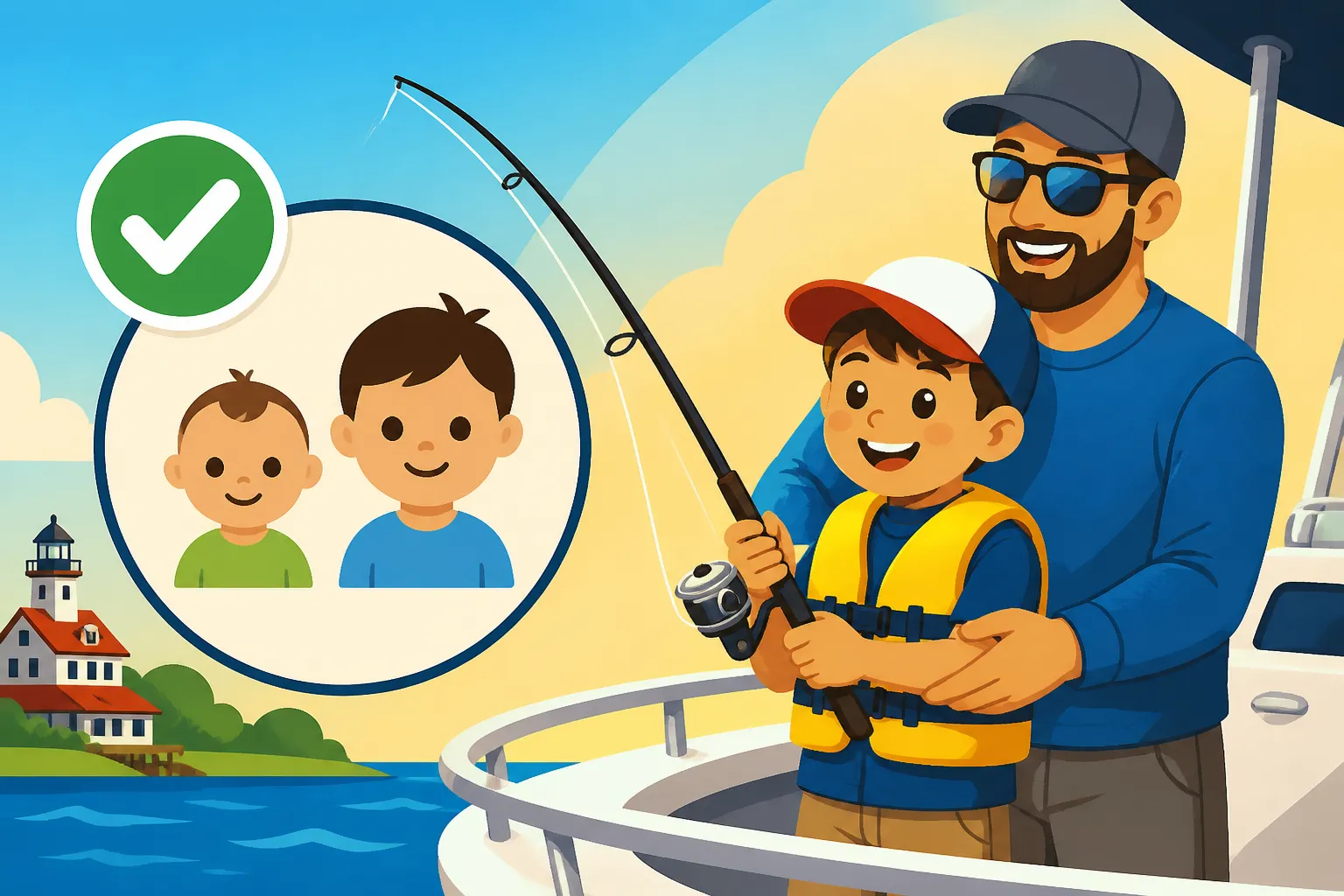
Many families dream of introducing their children to the joy of fishing, especially in a rich environment like Maryland's Chesapeake Bay or coastal waters. But if you've ever started looking into booking a fishing charter, you've probably stumbled upon a common question: "Is my child too young?" It's a genuine concern, and the answer isn't always a simple number etched in stone. This guide will walk you through what to consider when bringing children on a Maryland fishing charter, helping you understand the factors that determine if a trip is right for your little ones, and how to ensure everyone has a fantastic, safe experience.
Understanding the Nuances: Why "Minimum Age" Isn't Always a Hard Number
It's easy to assume there's a strict rule about how old a child must be to step foot on a fishing charter boat in Maryland, but often, it's more flexible than you might think. Unlike a bus ticket where a child needs to be a certain age to ride alone, fishing charters operate on a different set of considerations, primarily centered around safety, the nature of the specific trip, and the captain's comfort level. This flexibility means that while one captain might suggest an older minimum age, another might be perfectly happy to accommodate a well-prepared younger child.
The Captain's Discretion and Vessel Safety
The most significant factor often comes down to the individual charter captain. Each captain is responsible for the safety of everyone on board, and they know their vessel, their crew, and their typical fishing conditions best. Some captains have years of experience with children and have boats specifically set up to be kid-friendly. They might have extra life vests for toddlers, an enclosed cabin for naps, or even a crew member who loves engaging with young anglers. Others, perhaps specializing in fast-paced, offshore tuna trips, might have a higher unofficial age recommendation simply because their boat and trip style aren't ideal for very young children.
It's crucial to remember that a charter boat, even in calm Chesapeake Bay waters, is a dynamic environment. There are slippery decks, sharp hooks, moving lines, and sometimes unexpected rocking. A captain's "minimum age" isn't about discriminating against kids; it's about ensuring everyone, especially the most vulnerable passengers, can be safe and enjoy the experience without becoming a hazard to themselves or others. They're assessing whether a child can follow instructions, stay seated when asked, and understand basic safety rules. This is why a direct conversation with the captain or booking agent is always the best first step.
Comfort, Attention Spans, and Enjoyment
Beyond safety, a huge part of the "minimum age" consideration is a child's comfort and their ability to genuinely enjoy the experience. Let's be honest, fishing can involve periods of waiting, and the rocking of a boat, no matter how gentle, can be a lot for tiny systems. A two-hour trip might be perfect for a four-year-old, but an eight-hour deep-sea excursion could quickly turn into a misery for both the child and their parents, and by extension, the entire charter group.
Think about your child's typical attention span. Can they sit still for extended periods? Are they prone to seasickness, even in a car? Do they get bored easily? A child who is constantly asking "Are we there yet?" or "When can we go home?" isn't having a fun time, and neither are the adults trying to manage them. The goal is to create lasting positive memories of Maryland fishing and the outdoors, not a traumatic experience that puts them off fishing forever. Sometimes, waiting a year or two can make all the difference, transforming a potentially difficult trip into a truly magical one.
Factors Influencing Age Recommendations for Charters
While a captain's discretion is key, several objective factors often play into their age recommendations. Understanding these can help you narrow down your choices and pick the best kind of charter for your family. It's not just about finding any boat; it's about finding the right boat and right trip.
Type of Fishing Trip: Bay vs. Ocean
Maryland offers a huge variety of fishing experiences, from calm bay waters to the exhilarating open ocean. This distinction significantly impacts what kind of age is generally suitable.
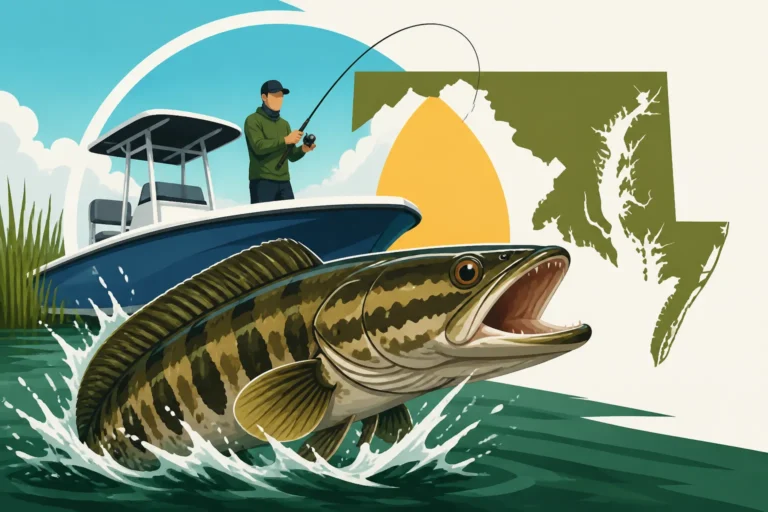
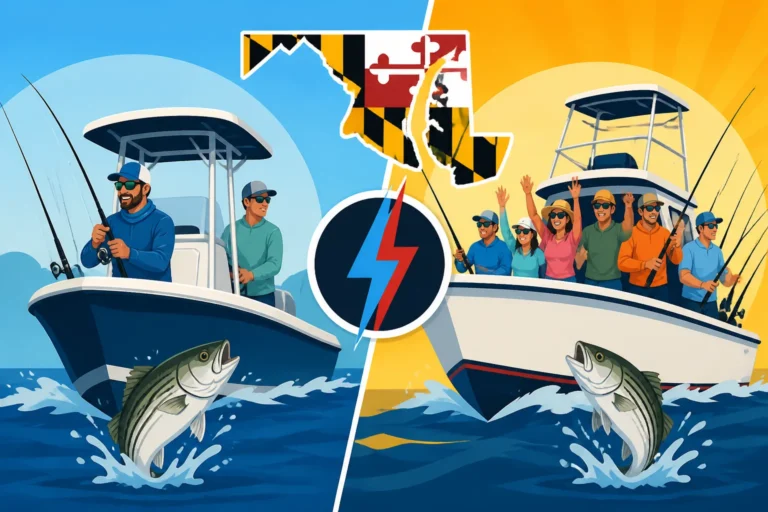
- Chesapeake Bay and Tidal Rivers: These trips are often much calmer, with less intense waves and typically shorter travel times to fishing grounds. Many Bay charters target species like striped bass (rockfish), white perch, or Maryland Blue Catfish, an Invasive Giant, which can offer more consistent action, keeping younger anglers engaged. For these trips, you might find captains comfortable with children as young as 3 or 4, especially on shorter excursions. The enclosed waters also tend to reduce the likelihood of severe seasickness. When looking at options on platforms like FishingBooker, you can often filter by location, helping you find those calmer, inshore experiences. You might want to check out Best Time of Year to Fish the Chesapeake Bay for seasonal info.
- Ocean City and Offshore: Heading out of Ocean City for offshore fishing is a completely different ballgame. These trips involve longer runs, often through rougher ocean swells, and target larger, more challenging species like tuna, marlin, or mahi-mahi. The boats are bigger, the pace is more intense, and the fishing can be physically demanding. For these excursions, a minimum age of 8, 10, or even 12 years old is much more common. Captains want to ensure kids can handle the rougher conditions, understand complex safety briefings, and possess the stamina for a full day on the high seas.
Boat Style and Amenities
The vessel itself makes a big difference. Some boats are purpose-built for serious anglers, with minimal amenities beyond the fishing deck. Others are designed with families in mind.
- Family-Friendly Features: Look for boats with enclosed cabins, a private restroom (head), and comfortable seating. A place for a child to get out of the sun, take a nap, or just have a quiet moment can be invaluable. Some larger party boats, for instance, might offer more space to move around, which is great for energetic kids, though they also tend to have more people, which might not suit every family. Many captains, particularly those specializing in family trips, will mention these amenities in their Maryland Chesapeake Bay Fishing Charters, What to Expect descriptions.
- Safety Equipment: While all licensed charters must meet Coast Guard safety requirements, some go above and beyond with extra child-sized life vests, first-aid kits geared towards minor cuts and scrapes, and even specialized childproof railings or netting. Don't hesitate to ask about these specifics when you call. This is part of what to bring on a What to Bring on a Maryland Fishing Charter.
Duration of the Trip
This is perhaps one of the most practical considerations. A two-hour "kids' fishing trip" is vastly different from a 10-hour offshore adventure.
- Shorter Trips (2-4 hours): These are often ideal for younger children, especially those under 6 or 7. They provide enough time to experience the excitement of catching fish without pushing attention spans or endurance too far. Many charter operations in places like Annapolis or Solomons Island offer these shorter, family-oriented options.
- Half-Day Trips (4-6 hours): A good middle ground, suitable for slightly older children (say, 6-10 years old) who have a bit more stamina and can handle longer periods of activity.
- Full-Day Trips (8+ hours): Generally best reserved for pre-teens and teenagers who have a genuine passion for fishing, can manage their own needs (like snacks, drinks, and bathroom breaks), and are less prone to boredom or seasickness. These trips, particularly those that are offshore or involve significant travel time to fishing grounds, are often not suitable for very young children. You can find out more about what to expect on Half-Day vs Full-Day Charter Costs in Maryland.
Practical Advice for Parents Booking with Kids
Once you've considered the general factors, it's time to get specific about how to make your family's fishing charter a success. A little preparation and clear communication go a long way.
Communicating with the Charter Captain Before Booking
This step cannot be stressed enough. Don't just book online and show up with a toddler. Call the captain or their booking agent directly. Be honest about your child's age, personality, and any concerns you might have.
- Specific Questions to Ask:
- "What is your recommended minimum age for children on this particular trip?"
- "Have you had children [my child's age] on board before? How did it go?"
- "What amenities do you have for children (restroom, shaded areas, child-sized life vests)?"
- "What's the typical duration of travel to the fishing grounds?"
- "What kind of fish will we be targeting, and how consistent is the action typically?" (Active fishing helps keep kids engaged!)
- "Is the crew generally good with kids?"
- Be Realistic: If a captain expresses hesitation or suggests a higher age, listen to them. They're not trying to ruin your fun; they're trying to ensure a safe and enjoyable trip for everyone, including your child. They might suggest a different time of year, a shorter trip, or even another charter that's better suited. Using a platform like FishingBooker often allows you to message captains directly with these questions before committing. This allows you to find out if the charter offers, for example, Family-Friendly Charter Trips in Maryland.
Preparing Your Child for the Adventure
Getting your child excited and informed before the trip can make a huge difference.
- Talk it Up: Explain what fishing on a boat is like. Show them pictures or videos of people fishing. Talk about the different kinds of fish they might catch in Maryland waters. Building anticipation helps them invest in the experience.
- Set Expectations: Explain that fishing involves patience. There might be times when no fish are biting, and that's okay. Emphasize safety rules: "Always hold onto the railing," "Don't run on the boat," "Listen to the captain." Role-playing these rules can be surprisingly effective.
- Manage Seasickness: If your child is prone to motion sickness, or even if they're not, consider preventative measures. Over-the-counter motion sickness medication (check with your pediatrician first for appropriate dosages), ginger chews, or even pressure point wristbands can help. It's always better to be prepared than to have a miserable child mid-trip. Make sure they eat a light, non-greasy meal before heading out.
Essential Gear and Comfort Items for Young Anglers
Having the right stuff on board can turn a potential meltdown into a minor hiccup.
- Sun Protection is Paramount: The sun reflecting off the water can be intense. Pack plenty of sunscreen, wide-brimmed hats, and lightweight, long-sleeved clothing. Sunglasses are also a good idea.
- Snacks and Drinks: Bring more than you think you'll need! Kids get hungry and thirsty. Pack easy-to-eat, non-messy snacks and plenty of water or juice. Avoid sugary drinks that can lead to a sugar crash.
- Entertainment (Non-Screen): While the hope is they'll be captivated by fishing, pack a small, quiet activity like a coloring book, a small toy, or a book for downtime. Avoid anything that can easily blow away or get lost overboard.
- Appropriate Clothing: Dress in layers. Even on a warm day, it can be cooler on the water, especially early in the morning or if a breeze picks up. Non-slip shoes are a must.
- A "Comfort" Item: For very young children, a favorite stuffed animal or blanket might provide a sense of security in a new environment.
- Motion Sickness Kit: Even if you've taken preventative measures, pack a small bag with plastic bags, wet wipes, and a change of clothes in case seasickness strikes.
- Camera: Don't forget to capture those priceless moments! The excitement of a child reeling in their first Striped Bass: Maryland's State Fish or a lively White Perch in Maryland's Chesapeake Bay is something you'll want to remember forever.
Here’s a quick overview of age-related considerations:
| Age Group | Typical Trip Suitability | Key Considerations |
|---|---|---|
| Under 4 Years | Very short, calm bay/river trips (1-3 hours) from stable platforms or dedicated "kids' trips." Often best on private charters where the focus can be entirely on them. | High Supervision Required: Constant vigilance for safety (falling, hooks). Short Attention Span: Needs frequent engagement or alternative activities. Seasickness Risk: Can be harder to predict or manage. Amenities Needed: Shade, easy access to restroom, space to move, possibly nap. Direct captain conversation is crucial. Many captains may discourage due to safety and enjoyment concerns for this age. |
| 4-7 Years | Short to half-day bay/river trips (2-5 hours). Party boats with family-friendly features can work if not too crowded. | Developing Attention Span: Still needs engagement, but can handle longer waits. Learning Safety: Can follow simple instructions, but still needs reminders. Seasickness: Still a risk, prep is key. Can actively participate in reeling in smaller fish like Maryland Panfish: Crappie, Perch and Sunfish or White Perch in Maryland's Chesapeake Bay. Communication with captain is vital. |
| 8-12 Years | Half-day to full-day bay/river trips. Shorter offshore trips may be suitable if they have boat experience and are not prone to seasickness. | Increased Stamina & Attention: Can handle longer trips and more complex fishing. Better Understanding of Safety: Can actively participate in boat safety and fishing techniques. Independence: Can manage personal needs (snacks, restroom) more easily. Can reel in larger fish with assistance. Good age for learning more about Maryland Striped Bass Fishing Techniques. |
| 13+ Years | Most trip types, including full-day offshore charters. Similar to adult considerations, though still requiring guidance. | Full Participation: Can handle all aspects of fishing, including larger gear and challenging conditions. Good Decision Making: Can assess risks and follow instructions well. Physical Capability: Can reel in larger, more powerful fish. Excellent age for targeting diverse species or learning advanced techniques. |
Ultimately, the best advice for determining the minimum age for kids on a Maryland fishing charter is not to rely on a generic number, but to engage in a thorough conversation with the specific charter captain you're considering. Every child is different, every boat is different, and every trip is different. By doing your homework and communicating openly, you'll be able to find a fantastic fishing adventure that leaves your whole family with smiles and incredible memories of Maryland's beautiful waters. And remember, sometimes the best memories are made when everyone, especially the little ones, feels safe, comfortable, and excited to be there.
Disclaimer
This article is for general informational purposes only and does not constitute professional advice. Laws, prices and regulations vary by location and change over time. Consult a qualified professional for guidance on your specific situation.