Do You Need Barbless Hooks on the Gunpowder River?
It can be incredibly confusing trying to keep up with all the specific fishing regulations in Maryland, especially when you're targeting a beautiful and popular spot like the Gunpowder River. Many anglers wonder if they need special gear, like barbless hooks, to fish these pristine waters. This guide is here to clear up that exact question, helping you understand the rules for the Gunpowder River and why these regulations are so important for the health of our fisheries.
Understanding Barbless Hook Regulations on the Gunpowder River
The Gunpowder River, particularly the Gunpowder Falls, is a gem in Maryland's fishing landscape, renowned for its trout fishing. Because of its designation as a premier trout fishery, it often has more stringent regulations than your average fishing hole. It's not uncommon for specific sections of rivers like this to have unique rules designed to protect the very fish that draw us there.
Current Maryland DNR Rules for the Gunpowder Falls
Let's get straight to it: Yes, specific sections of the Gunpowder River do require the use of barbless hooks. This is not a universal rule for the entire river, but it's critically important for the designated "Catch & Release Trophy Trout Stream" section of the Gunpowder Falls. This stretch runs from Prettyboy Dam downstream to Corbett Road. Within this highly managed area, you are legally required to use only artificial lures or flies, and they must have barbless hooks. This rule is in place to minimize harm to the trout population, ensuring that these magnificent fish have the best possible chance of survival after being caught and released. It's a key part of the conservation strategy for this special fishery.
If you're planning to fish other parts of the Gunpowder, such as the areas below Corbett Road or its tidal sections, the barbless hook rule generally does not apply. However, it's always wise to check the most current Maryland DNR Fishing and Boating Guide, Explained to confirm. Regulations can shift, and being caught unprepared isn't a fun experience. For instance, while the "Catch & Release Trophy Trout Stream" is strict, other sections might fall under "Delayed Harvest Trout Waters," which have their own seasonal rules regarding catch and release versus harvest, and sometimes different hook requirements.
Why the Confusion Exists: History and Conservation Efforts
The question of barbless hooks often sparks discussion among anglers, and the confusion on rivers like the Gunpowder is understandable. For decades, standard barbed hooks were the norm, and the concept of deliberately modifying them or seeking out barbless alternatives was less widespread. However, as conservation awareness grew and fisheries management became more sophisticated, the impact of hooks on fish mortality became a significant concern.
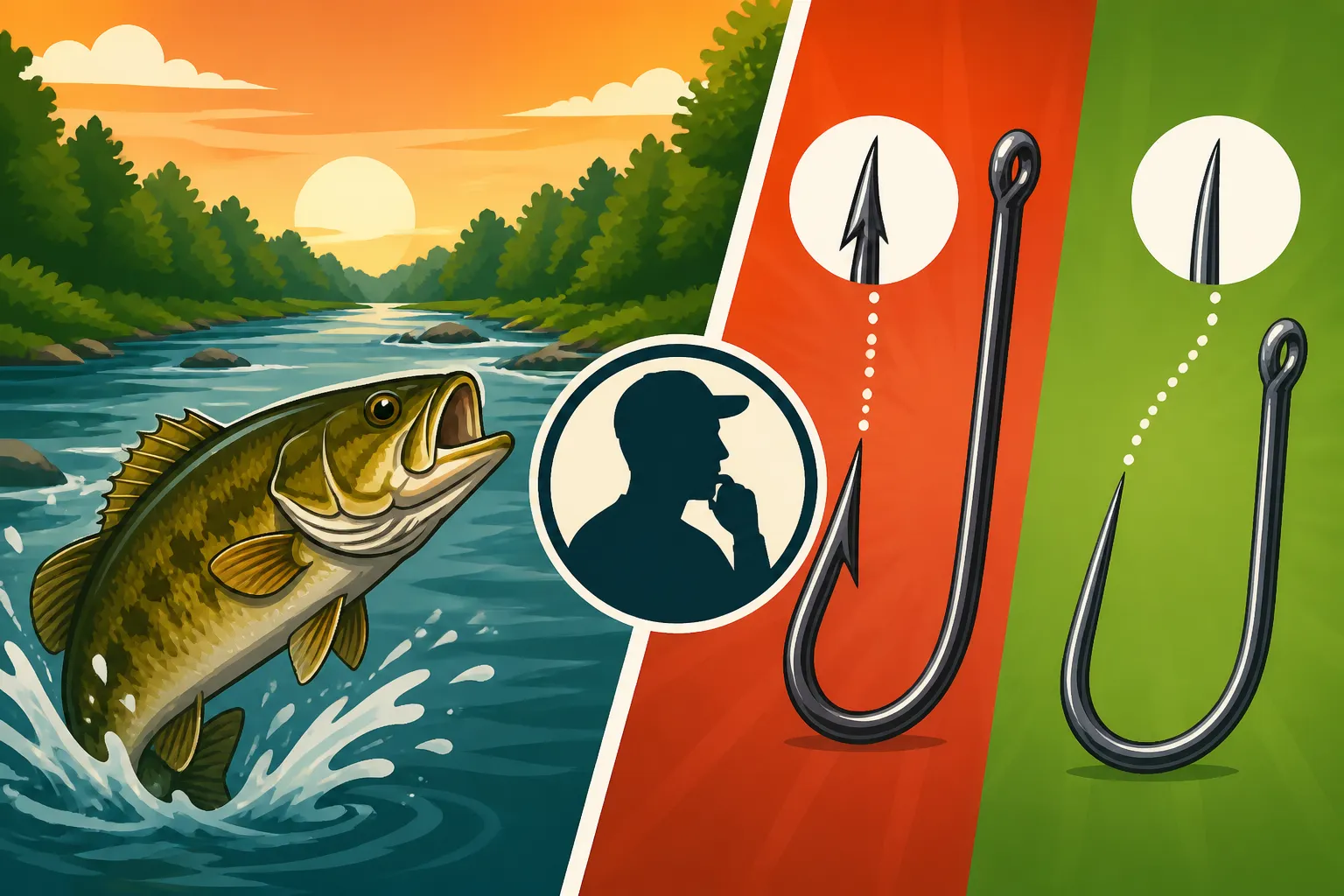
The Gunpowder Falls "Catch & Release Trophy Trout Stream" section is a prime example of proactive fisheries management. The goal here isn't just to provide a place to fish, but to cultivate a robust population of larger, wilder-acting trout that can be caught repeatedly throughout their lives. Barbless hooks play a crucial role in this by drastically reducing the physical trauma to a fish's mouth and gills. When a trout is hooked with a barbed hook, the barb often tears tissue as it's removed, leading to bleeding, infection, and increased stress, which can ultimately be fatal. A barbless hook, on the other hand, slides out much more cleanly, reducing injury and making the release process quicker and less stressful for the fish. This is especially vital for the often-delicate trout species that inhabit these colder, clearer waters.
The emphasis on catch-and-release, particularly for trophy fish or in areas with sensitive populations, is a cornerstone of modern trout management. Regulations like those for Maryland Delayed Harvest Trout Waters Explained and specific barbless hook rules are designed to ensure that anglers can enjoy the thrill of the catch while also being responsible stewards of the resource. This balance is what keeps places like the Gunpowder so vibrant for future generations.
The Benefits and Mechanics of Barbless Hooks for Fish Health
Understanding why barbless hooks are mandated in certain areas or simply chosen by ethical anglers makes a world of difference. It's not just about following a rule; it's about making a tangible positive impact on the fish and the ecosystem.
Minimizing Harm to Delicate Fish
Imagine being poked by something with a tiny spike that then resists coming out. That's essentially what a barbed hook does to a fish. Trout, in particular, have relatively soft mouthparts and delicate gill structures. A barb can tear these tissues, creating wounds that are susceptible to infection, making it difficult for the fish to feed, or even directly leading to fatal injuries, especially if the hook is deep. The process of removing a barbed hook, no matter how carefully you try, often causes more damage due to the barb catching on tissue.
Barbless hooks, by contrast, offer a much smoother exit. When a fish takes a barbless hook, it typically slides in cleanly and can be removed with minimal effort and without tearing. This significantly reduces the physical stress and injury to the fish, which is paramount in catch-and-release scenarios. The idea is to allow the fish to return to its environment as unharmed as possible, ready to fight another day and contribute to the population's health. This practice is crucial not just for trout, but for any species you intend to release, contributing to the overall health of Maryland's diverse fisheries, from the Gunpowder River's trout to the Maryland Striped Bass Season and Rockfish Rules in the Bay.
How to Convert or Choose Barbless Hooks
Converting your existing barbed hooks to barbless is incredibly easy, and you don't need any specialized tools. All you need is a pair of needle-nose pliers or hemostats. Simply take your hook, grasp the barb firmly with the pliers, and squeeze it flat against the hook shank. Give it a good, firm squeeze until the barb is completely flush. It’s a simple modification that takes mere seconds per hook. Many anglers choose to do this for all their hooks, regardless of where they're fishing, as a personal conservation practice.
If you prefer to buy them ready-made, many tackle manufacturers now produce hooks that are specifically labeled as "barbless." You can find a wide variety of these online through retailers like Amazon, from small fly hooks to larger bait hooks. Look for reputable brands such as Gamakatsu, Owner, or Daiichi, which offer a good selection of high-quality barbless options. When purchasing fly fishing gear for Maryland trout streams, you'll often find a great selection of barbless flies directly from the manufacturer or specialty shops.
Here's a quick comparison of hook types and considerations:
| Hook Type | Barbed | Barbless | Best Use Case |
|---|---|---|---|
| Jigs | Standard for most applications | Ideal for catch-and-release or sensitive areas | Trout, panfish, light tackle |
| Flies (Wet/Dry) | Common for general fly fishing | Mandated in C&R trout streams | Trout, smallmouth bass |
| Bait Hooks | Strong holding power for live bait | Reduces harm to baitfish and target fish | Catfish, bottom fishing, species for release |
| Treble Hooks | Extremely difficult to remove | Often banned or discouraged in C&R | Generally avoided in C&R areas |
For specific areas like the Gunpowder, even if you’re using lures that come with treble hooks, these must also be converted to barbless. Some anglers even replace treble hooks with single barbless hooks for ultimate fish safety.
Broader Maryland Regulations and Best Practices for Ethical Angling
While the Gunpowder River is a spotlight for barbless hook rules, it's part of a broader conservation ethic that Maryland DNR encourages across all its waters. Being an ethical angler goes beyond just knowing the rules for one specific spot; it's about adopting practices that benefit all fish populations.
Barbless Hooks in Other Maryland Waters
The requirement for barbless hooks is most common in Maryland's designated trout waters, particularly those classified as Catch & Release Trophy Trout Streams or similar special regulation areas. For example, in addition to portions of the Gunpowder, you might find similar rules on stretches of the Savage River, another premier trout fishery in Western Maryland. These regulations are meticulously detailed in the annual Maryland Freshwater Fishing Guide and the Maryland Guide to Fishing & Crabbing, both available through the DNR website. It's crucial to consult these resources before heading out, as they are updated annually.
For the vast majority of other fishing spots in Maryland, including the sprawling Chesapeake Bay and its tributaries, or many of the state's lakes and reservoirs, barbless hooks are generally not required by law. This includes popular species like striped bass (rockfish), white perch, or largemouth bass. However, many conscientious anglers choose to use barbless hooks voluntarily, especially when practicing catch and release. They understand that every little bit helps in preserving the health of our fish populations. Even for species that aren't as delicate as trout, the ease of hook removal with barbless hooks can make the release process much smoother for both the angler and the fish. If you're targeting invasive species like Maryland Blue Catfish Possession Rules or Maryland Snakehead Fishing Rules, where the recommendation is often to not release the fish, the hook type becomes less critical to fish survival but still makes removal easier.
Beyond the Regulations: Adopting a Conservation Mindset
Even if you're fishing in an area where barbless hooks aren't legally mandated, adopting them, especially for catch-and-release, is a fantastic way to show respect for the fish and the fishery. It's a choice that directly supports the long-term health of our aquatic ecosystems. Think of it as a commitment to sustainable angling.
Beyond barbless hooks, there are several other best practices that truly embody a conservation mindset:
- Handle Fish Gently and Quickly: Minimize the time a fish spends out of water, especially when ambient temperatures are high. Prolonged air exposure can cause severe stress and damage to their gills. Always use wet hands when handling fish to protect their protective slime coat.
- Support the Fish Properly: If you must take a photo, support the fish horizontally with both hands, especially larger fish, to avoid damaging their internal organs or spinal column. Avoid holding fish vertically by the jaw for extended periods.
- Use Proper Tools: A good pair of long-nose pliers or a de-hooking tool (you can find excellent options on Amazon) can make removing deeply set hooks much faster and safer for the fish. This is particularly useful when fishing for toothy species or those prone to swallowing hooks.
- Be Mindful of Water Temperature: In warmer months, trout and other cold-water species become highly stressed in elevated water temperatures. Consider refraining from targeting them when water temperatures are too high, as even careful catch and release can be fatal. This is often a factor in Maryland's Winter Catch and Release Striped Bass Season planning as well.
- Know Your Limits: Always adhere to Maryland Fishing Size and Catch Limits by Species and local regulations. Understand the difference between a conservation limit and a personal challenge. Just because you can keep a full limit doesn't always mean you should, especially if you don't intend to consume all of your catch responsibly.
By integrating barbless hooks and these ethical angling practices into your routine, you become a better steward of Maryland's incredible fishing resources. Whether you're chasing trout on the Gunpowder, striped bass in the Bay, or panfish in a local pond, every thoughtful action contributes to a healthier, more vibrant fishing future.
So, when you're headed to the Gunpowder Falls' Catch & Release Trophy Trout Stream, absolutely, you need barbless hooks. But even beyond that mandatory section, considering barbless hooks for all your catch-and-release efforts is a fantastic way to ensure our fish populations thrive for years to come.
Disclaimer
Please remember that fishing regulations are subject to change by the Maryland Department of Natural Resources (DNR). While this guide provides the most up-to-date information at the time of writing, it is always your responsibility to consult the current Maryland DNR Fishing and Boating Guide or visit their official website before heading out to fish. Compliance with all state and local regulations is essential for responsible angling.