Fishing Techniques for Delayed Harvest Trout Streams
For many anglers, the thought of fishing for stocked trout often conjures images of easy catches right after the hatchery truck leaves. But anyone who’s spent time on Maryland’s Delayed Harvest (DH) trout streams knows that picture couldn't be further from the truth. These waters present a unique and incredibly rewarding challenge, transforming recently stocked fish into cunning, wary adversaries in a matter of days. If you've ever felt frustrated by trout that suddenly refuse everything you throw at them, this guide is for you, offering a deep dive into the finesse and patience required to succeed in these special waters.
Understanding Maryland's Delayed Harvest Program
Maryland's Department of Natural Resources (DNR) manages several waterbodies under a "Delayed Harvest" designation, a program designed to extend the trout fishing season and provide a more challenging, year-round experience for anglers. Unlike traditional "put-and-take" fisheries where harvest is permitted almost immediately, DH streams maintain catch-and-release regulations for a significant portion of the year, allowing the stocked trout to acclimate and develop natural instincts.
What Makes Delayed Harvest Different?
Imagine a stream where trout, once fresh from the hatchery, have the chance to live and feed naturally for months before any harvest is allowed. That's the essence of Delayed Harvest. These streams are typically stocked in the fall and often again in the spring. From October 1 through about mid-June (the exact dates can vary slightly by stream and year, so always check the latest DNR guide), these waters operate under strict catch-and-release rules. During this time, anglers are also usually required to use only artificial lures or flies with a single, barbless hook.
This system has a profound effect on the fish. They quickly become much warier, more selective, and more challenging to catch than their newly stocked counterparts. They learn to avoid brightly colored baits and heavy lines, keying into natural food sources and becoming much more sensitive to pressure. It's this transformation that makes fishing in a DH stream so engaging – you're not just catching a fish; you're outwitting one that's learned a few tricks. Iconic Maryland DH waters include sections of the Gunpowder Falls, the Savage River, and Beaver Creek, offering diverse environments for this unique challenge. If you're curious about where these special zones are located, you'll find plenty of information on Maryland Delayed Harvest Trout Waters Explained.
Why the Rules Matter for Anglers
The regulations put in place for Delayed Harvest streams aren't just bureaucratic red tape; they are fundamental to creating the unique fishing experience these waters offer. The most critical rule for most of the season is the catch-and-release mandate, which ensures the trout population remains vibrant and healthy throughout the designated period. This means every fish caught is released unharmed, allowing it to grow and potentially be caught again, fostering a sustainable fishery. This is a stark contrast to the Maryland Put-and-Take Trout Waters, What That Means, where the focus is on harvesting.
Equally important is the requirement for artificial lures or flies with a single, barbless hook. This rule significantly reduces injury to the fish, making release much easier and increasing their survival rate. For anglers, this means adjusting your tackle and technique. Barbless hooks require constant tension to keep a fish on the line, teaching invaluable skills in playing fish gently but firmly. You can convert barbed hooks to barbless by simply crimping down the barb with a pair of pliers, a quick and easy modification that shows respect for the resource. Understanding the nuances of this rule is crucial, and you can delve deeper into Barbless Hook Rules on Maryland Trout Streams. It’s also important to remember that these rules shift when the harvest season opens, usually around mid-June, at which point bait fishing and keeping a limited number of trout become permissible. Always consult the Maryland DNR regulations for the precise dates, which often align with the broader Maryland Trout Season, Month by Month.
Essential Gear for Delayed Harvest Success
Successfully targeting trout in Delayed Harvest streams isn't just about technique; it's also about having the right tools for the job. Because these fish are often more educated and easily spooked, your gear choices become paramount in achieving the subtle presentations and delicate fights required.
Fly Fishing Setups for Wary Trout
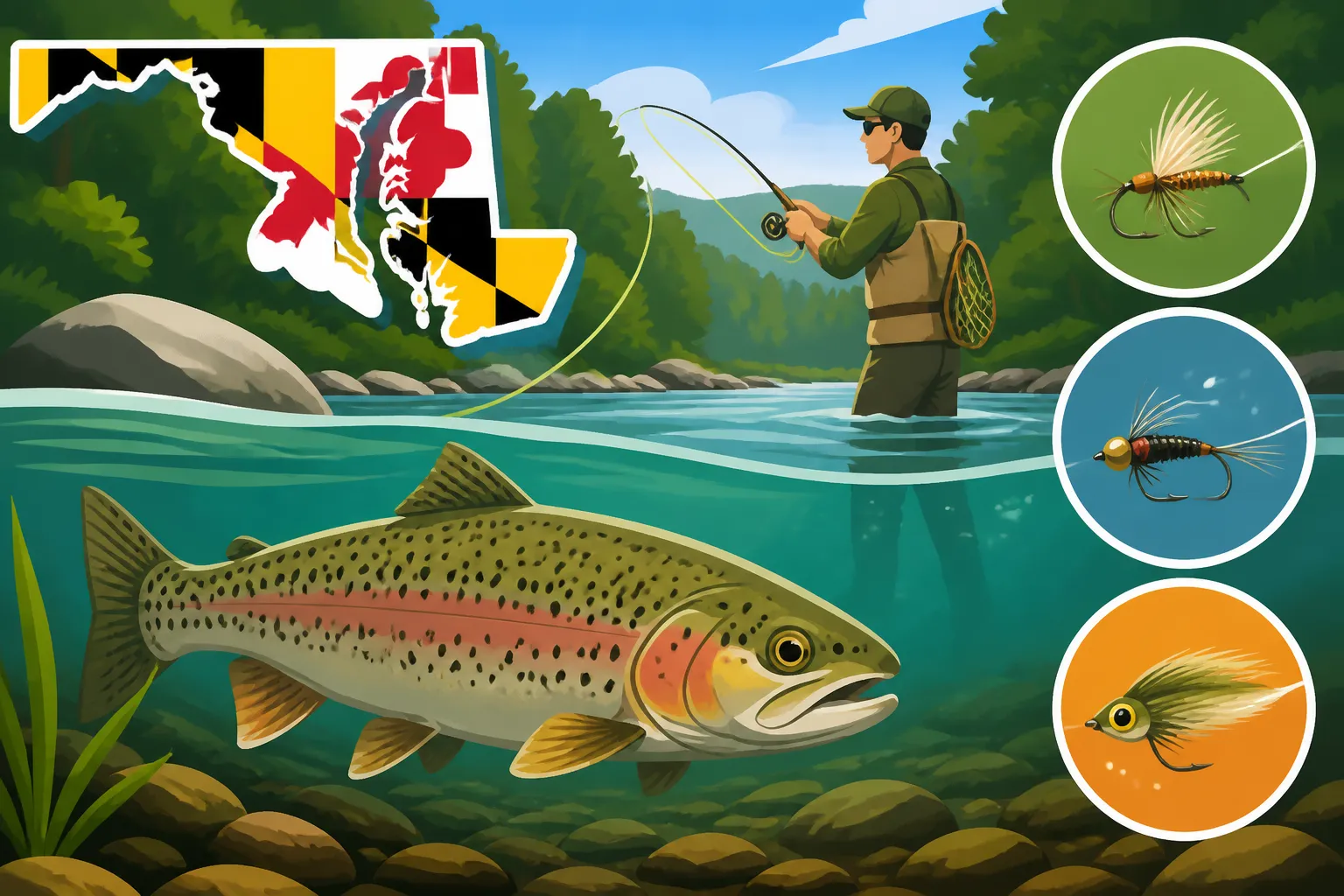
Fly fishing is arguably the most popular and effective method for Delayed Harvest streams, allowing for incredibly precise and natural presentations. The key here is finesse. You want equipment that will help you deliver small flies on light leaders without spooking the fish.
When it comes to rods, think light. A 2 to 4-weight fly rod, typically between 7'6" and 9 feet long, is ideal. These lighter rods protect delicate tippets and make fighting smaller trout a true pleasure, allowing for sensitivity that helps detect subtle takes. For reels, a simple click-and-pawl or a light disc drag reel that balances your rod is perfectly sufficient; you won't be fighting leviathans that demand heavy braking power. The most important thing is a smooth retrieve and enough backing for the occasional spirited run. A weight-forward floating fly line matching your rod weight will provide the casting performance you need.
Where you really need to pay attention is your leader and tippet setup. For DH trout, long, tapered leaders (9 to 12 feet) ending in a fine tippet (5x to 7x, or even 8x in ultra-clear, low-water conditions) are crucial for invisibility and natural drift. Fluorocarbon tippet is often preferred over monofilament for its lower visibility in water and its faster sinking rate, which helps get nymphs down quickly. You can find a fantastic selection of these specialized fly fishing items on Amazon, from high-quality leader material to specific fly patterns. For a deeper dive into the world of trout-specific fly gear, check out Fly Fishing Gear for Maryland Trout Streams.
Spin Fishing Gear for a Finesse Approach
While fly fishing often takes center stage in DH waters, spin fishing can be incredibly effective, provided you adapt your approach to mimic the finesse of fly anglers. The goal remains the same: present small, natural-looking offerings without scaring the fish.
For spin fishing, an ultra-light to light action spinning rod is your best friend. Look for rods in the 5 to 6.5-foot range, as their softer tips allow for precise casting of tiny lures and better feel for light bites. Pair this with a small spinning reel, typically a 1000 or 2000 series, spooled with light line. Two to four-pound test monofilament or fluorocarbon is generally all you need. Fluorocarbon offers the advantage of near invisibility underwater and excellent abrasion resistance, which can be critical when fishing around rocks and submerged logs.
The lures themselves should be small and subtle. Tiny inline spinners (like a #0 or #1 Mepps Aglia or a Panther Martin), micro jigs (1/32 to 1/16 oz), or small spoons are highly effective. Soft plastic grubs or worms rigged on tiny jig heads can also entice finicky trout. The key is to select lures that imitate natural forage like aquatic insects or small baitfish. Avoid anything overly flashy or large that might alarm these educated fish. Many anglers swear by the effectiveness of brands like Rapala or Berkley for their small, realistic imitations, which are readily available through retailers like Amazon. Remember, presentation is key – a slow, deliberate retrieve that keeps your lure in the strike zone without generating excessive noise or vibration is usually best.
Masterful Techniques for Tricky Trout
Once you have the right gear, it's time to talk tactics. Delayed Harvest trout are not just going to jump on your hook. They demand a thoughtful approach, careful observation, and often, a willingness to adapt your technique to the specific conditions of the day.
Nymphing Strategies for Subsurface Success
A vast majority of a trout's diet comes from subsurface insects, making nymphing one of the most consistently productive techniques in Delayed Harvest streams. There are two primary approaches to consider, each with its own advantages.
Tightline Nymphing (Euro Nymphing): This technique has gained immense popularity for a reason – it provides incredible sensitivity and direct contact with your flies. Instead of a strike indicator, you rely on a colored sighter section of line or the subtle feel of the rod tip to detect strikes. This method excels in varied currents and situations where you need to get your flies deep quickly and maintain a drag-free drift. You'll typically use a long, light rod, a specialized fly line, and a long leader with two or three weighted nymphs. The goal is to keep your line tight and just off the water, following the current with your rod tip. When the line hesitates, twitches, or you feel a bump, set the hook! This style is particularly effective in faster riffles and pocket water where fish lie in current breaks, waiting for food to drift by. Mastering the angle of your cast and the speed of your drift is paramount.
Indicator Nymphing: This more traditional approach uses a buoyant indicator (like a small bobber) on your leader to suspend your nymphs at a desired depth and signal strikes. Indicator nymphing is often easier for beginners and can be highly effective in slower, deeper runs or when you need to cover a broader area. The key is to achieve a completely drag-free drift, allowing your indicator to float naturally with the current, mimicking a free-floating insect. Adjusting your indicator depth, adding split shot above your flies, and making upstream mend casts to control your line's drift are critical skills. For either method, popular nymph patterns like Pheasant Tail Nymphs, Hare's Ear Nymphs, Prince Nymphs, and various caddis larval imitations are staples. You can find an excellent selection of these on Amazon, allowing you to stock up for any situation.
Dry Fly and Emerger Tactics
While subsurface techniques often account for more fish, there's a special thrill that comes with catching a trout on a dry fly. In Delayed Harvest streams, this requires patience, observation, and precise presentation.
Matching the Hatch: The most important aspect of dry fly fishing is observing what insects are hatching or falling onto the water's surface. Look for rising fish, and if you see them, try to identify the size, shape, and color of the natural insect they're feeding on. Then, select a fly pattern that closely imitates it. Common hatches in Maryland's trout streams include various species of mayflies (like Blue-Winged Olives and Sulphurs), caddisflies, and midges. Even terrestrial insects like ants and beetles can be effective, especially during warmer months when they might fall from streamside vegetation.
Delicate Presentation: Once you've chosen your fly, the challenge is presenting it naturally. This means making delicate casts that land softly, minimizing splash, and ensuring a drag-free float. "Drag" occurs when your fly line pulls on the fly, causing it to skate unnaturally across the surface, immediately alerting wary trout. Using a long leader and making strategic mends (adjusting your line on the water to match the current speed) are crucial for achieving a perfect drift.
Emergers: Sometimes, trout feed on insects that are "emerging" from the water to become adults. These flies are often caught in the surface film. Fishing emerger patterns, which imitate these transitional insects, can be incredibly effective when fish are "sipping" rather than aggressively rising. These flies are typically fished just in or below the surface film and require the same delicate presentation as dry flies. Knowing Best Flies for Gunpowder Falls Trout will give you a great starting point for local patterns.
Spin Fishing Retrieves for Wary Trout
Spin fishing in DH streams is all about slowing down, being stealthy, and understanding how trout react to lures. Forget aggressive jerks and fast retrieves; finesse is your watchword.
Slow, Steady Retrieves: When using small inline spinners or spoons, a slow, consistent retrieve is often most effective. You want just enough speed to get the blade spinning or the spoon wobbling, mimicking a struggling baitfish or insect. Cast upstream or quarter-upstream and retrieve just fast enough to keep your lure ticking along the bottom or through the mid-column, allowing it to tumble naturally with the current for short stretches. This presents the lure for a longer period in the trout's strike zone.
Twitching and Pausing: For micro jigs or soft plastics, a subtle twitch-and-pause retrieve can be deadly. Cast to likely holding spots – behind rocks, in current seams, or near submerged structure – and let the lure sink. Then, impart tiny twitches with your rod tip, allowing the lure to dart and then fall again. Many strikes occur on the pause as the lure descends naturally. The key is to feel for any unnatural weight or tap on your line and set the hook immediately.
Stealth and Approach: Regardless of your lure choice, stealth is paramount. Trout in DH streams are highly sensitive to movement and vibration on the bank. Approach the stream cautiously, keeping a low profile, and avoid stomping along the bank. Wear muted colors, and try to cast from a position where you're not directly silhouetted against the sky. Making accurate casts to likely holding spots on your first attempt is crucial, as repeated casts to the same spot can quickly put fish down. If you're struggling, consider the insights on Techniques for Catching Crappie in Maryland Reservoirs for general finesse spinning tips, even though the species differs, the principle of subtle presentation carries over.
Navigating the Seasonal Changes and Rules
Delayed Harvest streams aren't static; their rules and optimal techniques shift with the seasons. Understanding these transitions is crucial for year-round success and ensuring you're always fishing legally.
When Delayed Harvest Rules Shift
The beauty and challenge of Delayed Harvest streams largely stem from the extended catch-and-release period. Typically, this begins around October 1st and continues through about June 15th of the following year. During this time, the rules are strict: artificial lures and flies only, single barbless hooks, and no harvest. This allows the fish to acclimate, grow, and become more natural in their behavior. It’s a dedicated period for anglers to hone their skills against truly wild-acting trout, even if they started as stocked fish.
However, around mid-June (the exact date is always published in the Maryland DNR's annual guide), these waters transition. The catch-and-release rule is lifted, and anglers can legally harvest a limited number of trout per day. The tackle restrictions also ease, allowing the use of natural baits. This shift offers a different kind of fishing experience, often more focused on harvesting a meal. It's a key date to mark on your calendar, as ignoring it can lead to penalties. Many anglers wonder Can You Keep Trout in a Maryland Delayed Harvest Stream in June? – and the answer changes dramatically based on that mid-June date. Similarly, understanding What Happens to Delayed Harvest Rules on November 1? is important for the start of the C&R season.
Seasonal Tactics for DH Trout
The behavior of trout, and thus the most effective techniques, changes significantly throughout the year in DH streams.
Fall and Early Winter: After the initial stocking in the fall, trout can be aggressive, but they quickly become wary. In the colder water, fish are less active and tend to hold in deeper, slower pools or behind significant structure. Nymphing with heavier patterns (e.g., stoneflies, larger caddis larvae) becomes highly effective, as fish are looking for substantial meals without expending too much energy. Subtle retrieves with micro jigs can also produce. Don't overlook slower currents and the bottom of deep runs.
Late Winter and Early Spring: As water temperatures gradually begin to rise in late winter and early spring, trout become more active. Midges can hatch even on cold days, sometimes prompting brief dry fly opportunities. Aquatic insect activity increases, and nymphs continue to be a go-to. Fish might start to move into slightly shallower water to feed. This is often a period of high anticipation as the fish shake off their winter sluggishness.
Spring and Early Summer (Before Harvest): This is often a peak time for fly fishing, as prolific hatches of mayflies and caddisflies can occur. When trout are actively rising, dry fly fishing can be spectacular. If no surface activity is evident, nymphing remains highly effective, especially with smaller, more delicate patterns that imitate emerging insects. The fish by this time are usually quite educated, making precise presentations and long, fine leaders essential. This is also when the water levels might be higher and murkier due to spring rains, which can make fish less spooky and sometimes more aggressive, offering unique challenges and opportunities. Just remember the core Maryland Catch and Release Rules During Closed Seasons apply here.
| Technique/Gear | Best Use Case | Key Considerations | When Effective |
|---|---|---|---|
| Tightline Nymphing | Fast, broken water; deep runs; direct contact needed | Sensitivity, minimal drag, accurate depth control | Year-round, especially cold water & low activity |
| Indicator Nymphing | Slower, deeper pools; learning contact; broader coverage | Drag-free drift, depth adjustment, lighter indicators | Year-round, good for varied water types |
| Dry Fly Fishing | Active surface feeding; specific insect hatches | Precise casting, matching the hatch, light tippet | Spring/Summer (during hatches), warmer fall days |
| Emerger Fishing | Trout "sipping" just below surface; subtle rises | Imitate transitional insects, delicate presentation | When fish are rising subtly, especially in spring |
| Ultra-Light Spin (Jigs/Plastics) | Finesse presentation; mimicking small forage; tough bites | Slow retrieves, subtle twitches, light line | Year-round, especially when fish are lethargic |
| Ultra-Light Spin (Spinners/Spoons) | Covering water; eliciting reaction strikes; slightly aggressive fish | Consistent retrieve, proper lure size, cast upstream | Fall, early spring, when fish are more active |
Ethical Angling and Conservation in DH Streams
Fishing in Delayed Harvest streams isn't just about catching fish; it's about being a responsible steward of the resource. These special regulations are put in place to create a unique, sustainable fishery, and every angler plays a role in its success.
Practicing Proper Catch and Release
The core principle of Delayed Harvest is the preservation of the fishery through catch and release. This isn't just about adhering to the rules; it's about minimizing harm to the fish so they can thrive and be caught another day.
Minimize Handling: The less you touch a trout, the better. When you do need to handle a fish, always wet your hands thoroughly first. Dry hands can remove the fish's protective slime coat, leaving it vulnerable to disease. Try to keep the fish in the water as much as possible, especially during unhooking and photography.
Barbless Hooks are Your Friend: The requirement for barbless hooks isn't just for regulation; it's for fish welfare. Barbless hooks come out much more easily and quickly, reducing stress and injury to the fish. If your hooks have barbs, simply crimp them down with a pair of pliers. This simple act drastically improves the chances of a successful release.
Nets and Revival: A soft, rubberized landing net is an invaluable tool. It cradles the fish, prevents it from thrashing on the bank, and allows you to unhook it quickly and safely while it remains submerged. Once unhooked, hold the fish gently facing into the current (if there is one) until it regains its strength and swims away on its own. Never vigorously push it back and forth; this can actually force water over its gills in the wrong direction. Watch for strong tail kicks before letting it go. Proper handling not only benefits the fish but also helps perpetuate the quality of fishing in these unique Maryland waters. If you ever witness someone not following proper catch and release or other regulations, reporting it to the Maryland Fisheries Complaint and Poaching Hotline helps protect this valuable resource for everyone.
Respecting the Resource and Fellow Anglers
Beyond catch and release, ethical angling in Delayed Harvest streams encompasses a broader respect for the environment and the community of anglers who share it.
Leave No Trace: This golden rule of outdoor ethics is especially critical in popular trout streams. Pack out everything you pack in, and if possible, pick up any litter you find. We want these streams to remain pristine for future generations. That includes discarded fishing line, which can be incredibly harmful to wildlife.
Courtesy on the Water: Delayed Harvest streams can attract many anglers, especially during peak seasons. Be mindful of others' space and avoid "fishing over" someone else. If you arrive at a spot where someone is already fishing, either move further upstream or downstream or politely ask if you can fish nearby. A simple "hello" and mutual respect go a long way in ensuring everyone has an enjoyable experience.
Understanding the Importance: These DH areas are a testament to conservation efforts, providing a unique opportunity to fish for challenging trout in a beautiful setting. By following the rules, practicing ethical catch and release, and showing respect for both the environment and other anglers, you contribute to the longevity and quality of this fantastic fishery. Your actions directly influence how well these fish survive and how enjoyable the experience remains for everyone who ventures to these special waters in Maryland. For those looking to explore more, places like Fishing the Gunpowder Falls Delayed Harvest Section offer prime examples of these cherished areas.
Disclaimer
The information provided in this guide is for general informational purposes only and is subject to change. Fishing regulations, including seasons, catch limits, and tackle restrictions, are set by the Maryland Department of Natural Resources (DNR) and can be modified at any time. It is the angler's responsibility to consult the most current Maryland DNR fishing regulations prior to engaging in any fishing activity. Failure to comply with regulations can result in fines or penalties.