Where Snakehead Feed in Shallow Maryland Water
Finding those elusive Northern Snakehead in Maryland can feel like a quest, especially when you're wading through vast waterways. Anglers often struggle to pinpoint their preferred feeding grounds, leading to frustration and wasted time. This comprehensive guide will peel back the mystery, helping you understand precisely where these invasive, ambush predators lurk and feed in the shallow waters across Maryland, improving your chances of a successful and rewarding hunt.
Understanding Why Snakehead Prefer Shallow Waters
Northern Snakehead are truly unique fish, and their behaviors are perfectly adapted to the shallow, often vegetated, waters found throughout Maryland. Unlike some native species that might prefer deeper, open water, snakehead thrive in the kind of environment that most other fish avoid. This preference isn't arbitrary; it's a strategic choice for survival and incredibly efficient hunting.
Ambush Predators and Cover
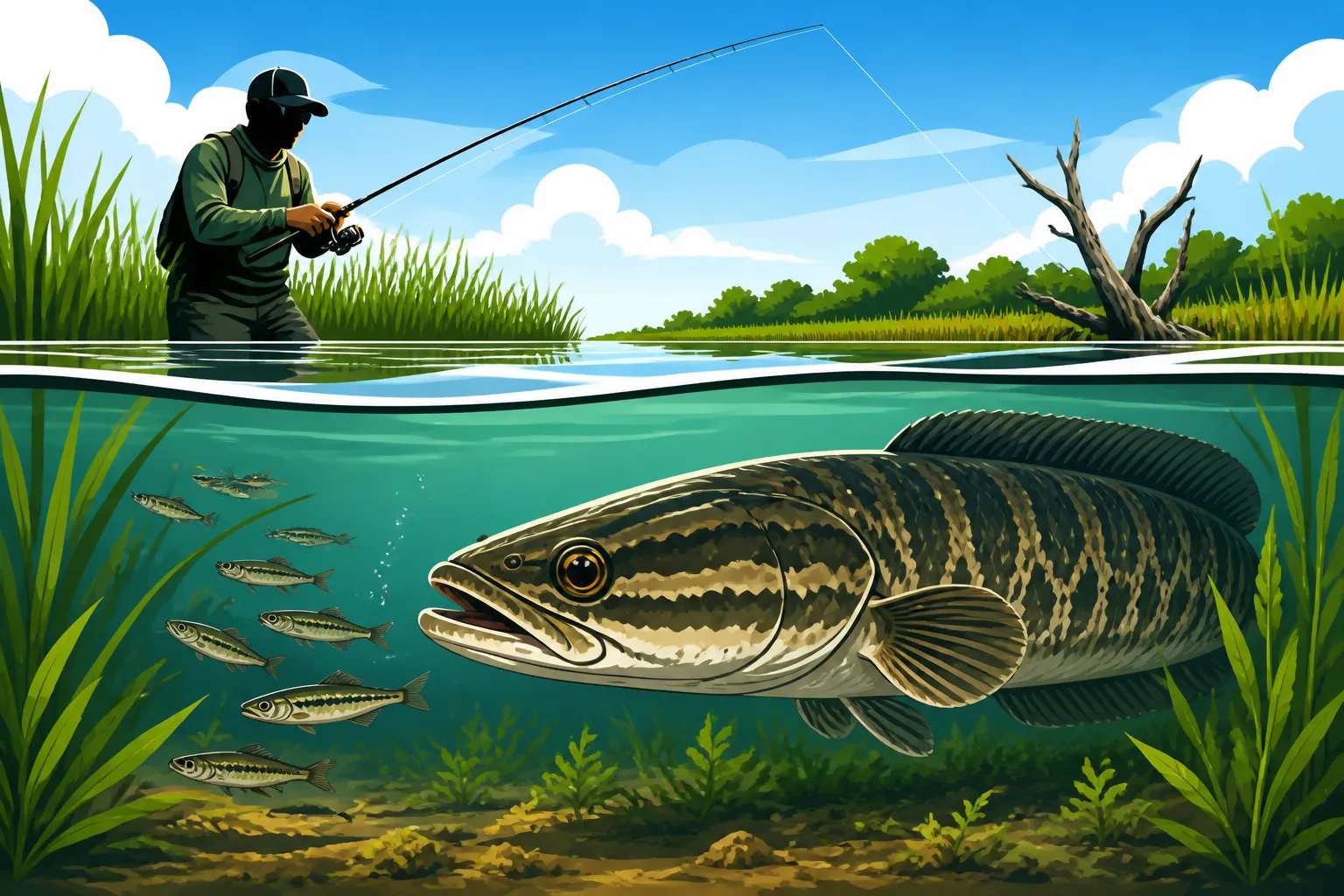
Think of a snakehead as a silent, camouflaged hunter. They don't chase their prey across open expanses; instead, they lie in wait, concealed by dense vegetation, submerged wood, or shallow contours. These fish are masters of ambush, and shallow water provides the perfect stage for their predatory strategy. It offers abundant cover – lily pads, spatterdock, submerged grass beds, fallen trees, and even shallow muddy banks where baitfish and frogs congregate.
When you're out on the water, whether it's the Potomac River or one of the Eastern Shore's numerous creeks, keep an eye out for these visual cues of dense cover. A thick mat of hydrilla or a large fallen tree creating a shady pocket near the bank is a prime candidate for a lurking snakehead. They use these spots not only for concealment but also as a way to quickly dart out and surprise unsuspecting prey. The more broken up and complex the cover, the better the ambush opportunity, which is why these fish are so hard to spot until they strike.
Thermal Regulation and Oxygen Levels
Shallow waters, especially during the warmer months, can warm up quickly. While many fish struggle in these conditions, snakehead are quite tolerant and can even gulp air directly from the surface thanks to their unique respiratory system. This gives them a significant advantage over native species that might be stressed by low oxygen or high temperatures. In fact, you'll often find them actively feeding and thriving in water temperatures that would send other fish seeking cooler, deeper refuge.
During the scorching Maryland summers, when the Bay's tributaries and freshwater impoundments can feel like bathwater, those shallow, oxygen-deprived areas become prime real estate for snakehead. They're comfortable, and more importantly, their prey might be stressed and easier to catch. Don't be afraid to target water that feels almost too warm or too shallow for traditional fishing; it might just be the sweet spot for these adaptable invaders. Their ability to handle such diverse and often extreme conditions is one reason they've been so successful in spreading across our waterways, as detailed in our guide on Northern Snakehead in Maryland Waters.
Prime Shallow Water Habitats to Target
Now that we know why snakehead love the skinny water, let's talk about the specific places you should be targeting. Maryland offers a diverse range of environments, and snakehead have found a way to thrive in many of them. From vast tidal rivers to small, winding creeks, understanding these hotspots is key to a successful outing.
Vegetated Flats and Creek Mouths
Perhaps the most iconic snakehead habitat in Maryland are the vast, shallow, vegetated flats, particularly those found in the tidal sections of rivers like the Potomac and its tributaries, or the diverse river systems of the Eastern Shore. These areas are often characterized by extensive beds of submerged aquatic vegetation (SAV) like hydrilla, milfoil, and wild celery, interspersed with floating vegetation like lily pads and spatterdock. Creek mouths, where smaller tributaries feed into larger rivers or the Chesapeake Bay, are also phenomenal areas because they often concentrate baitfish, provide nutrient-rich waters, and offer transition zones with varying depths and cover.
When you're approaching these spots, think about how a snakehead would use the terrain. They won't typically be in the middle of a wide-open flat. Instead, they'll be hugging the edges of vegetation lines, nestled into pockets within the pads, or lying just outside the current of a creek mouth, waiting for an unsuspecting meal to drift by. Using a kayak or a shallow-draft boat can give you unparalleled access to these areas, allowing you to quietly penetrate deep into their domain. It's often where the thickest cover meets a slightly deeper channel or a current seam that you'll find the most aggressive fish. For those looking to explore these areas, our guide on Fishing Maryland's Eastern Shore Rivers offers great starting points.
Backwater Ponds, Ditches, and Canals
Beyond the major rivers, don't overlook the myriad of smaller, often overlooked, shallow water systems. These include secluded backwater ponds, drainage ditches, and old canals that are connected, even intermittently, to larger bodies of water. These spots might seem insignificant, but they are often perfect nurseries and feeding grounds for snakehead, especially in regions like Dorchester County or areas off the lower Potomac. These areas tend to be shallower, warmer, and teeming with small baitfish, frogs, and insects – all prime food sources for snakehead.
These hidden gems can be accessed by foot, kayak, or sometimes even by drone scouting before you head out. Look for ditches with good amounts of bank cover, like overgrown brush, reeds, or fallen branches. Ponds that are choked with surface vegetation, even if they're only a few feet deep, can hold surprisingly large fish. The less pressured these areas are, the more likely you are to encounter an aggressive snakehead ready to strike. Just remember the rules: Maryland Invasive Fish Rules: Blue Catfish and Snakehead and be prepared to dispatch your catch.
| Habitat Type | Typical Depth (Feet) | Key Features for Snakehead | Best Access Method | Notes |
|---|---|---|---|---|
| Vegetated River Flats | 1-5 | Hydrilla, lily pads, spatterdock, current | Kayak, shallow-draft boat | Focus on vegetation edges and pockets. |
| Creek Mouths | 2-8 | Transition zones, baitfish congregation | Kayak, boat | Target current breaks and points where creeks meet main river. |
| Backwater Ponds/Sloughs | 1-4 | Dense surface cover, calm, warm water | Foot, kayak | Often less pressured, can hold surprisingly large fish. |
| Drainage Ditches/Canals | 1-3 | Overgrown banks, submerged logs, reeds | Foot, kayak | Excellent for wading, but watch footing. |
| Shallow Shorelines/Banks | 1-6 | Fallen trees, undercut banks, shade | Foot, boat, kayak | Target shaded areas and structure close to the bank. |
Flooded Timber and Undercut Banks
Another classic shallow water hideout for snakehead is flooded timber, particularly areas with submerged logs, stumps, and fallen trees. These structures provide complex cover, ambush points, and shade, which is crucial on bright days. Similarly, undercut banks, where the water has eroded the soil beneath the bank, creating a natural overhang, are fantastic spots. Snakehead love to tuck themselves into these dark, protected pockets, waiting for prey or seeking refuge from the sun and boat traffic.
You'll find these conditions in many of Maryland's tidal rivers and even some larger nontidal impoundments that have fluctuating water levels. When scouting, pay close attention to shorelines that have old growth trees, especially those that have fallen into the water. Cast your lure right into the thickest part of the brush or as far back under an undercut bank as you can manage. These spots require precise casting and often a weedless setup. Gear purchased from a reliable vendor like Amazon can be key here, as you'll want durable, heavy-duty tackle that can withstand the abuse of fishing in snag-filled areas and handle a powerful fish that often tries to bury itself in the thickest cover once hooked.
Seasonal Movements and Shallow Water Feeding
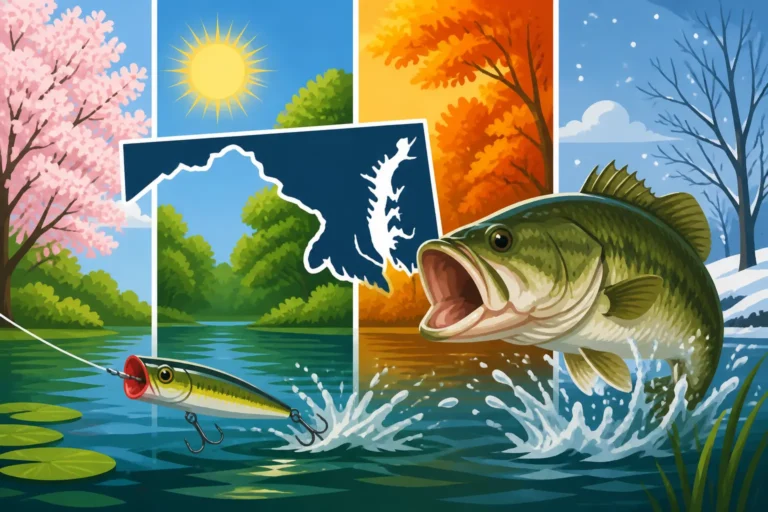
Just like any other fish, snakehead behavior isn't static; it changes with the seasons. Understanding these seasonal shifts is crucial for knowing when and where to find them feeding in shallow water. While they generally prefer shallows, the type of shallow water and their activity levels will vary.
Spring and Early Summer Explosion
Spring is arguably the best time to target snakehead in shallow water. As water temperatures begin to rise after winter, snakehead become incredibly active. This is when they move into shallower areas for spawning, and after the spawn, they're fiercely protective of their young, known as "fry balls." During this period, you'll find them in very shallow, often extremely dense vegetation, aggressively defending their nest or fry.
In late spring and early summer, as the waters continue to warm, their metabolism kicks into high gear. They'll be found patrolling the edges of lily pads, grass lines, and flooded timber, actively hunting. This is when topwater action can be absolutely explosive. Focus on water temperatures above 60 degrees Fahrenheit, as this generally marks the beginning of their most active shallow water feeding period. Our guide on Best Time of Day to Catch Snakehead in Maryland can offer more insights into daily patterns during these active seasons.
Summer's Heat and Shade Seeking
As Maryland summers really heat up, snakehead continue to use shallow water, but their precise locations might shift slightly. During the hottest parts of the day, especially when the sun is high and bright, they might retreat deeper into the densest cover or seek out shady spots. This means targeting areas with overhead cover like thick lily pad fields, heavy spatterdock, or large fallen trees that create shadows. They'll still be in shallow water, but they might be less exposed.
Early morning, late evening, and overcast days become particularly effective during the summer months for targeting snakehead in more open shallow areas. On bright, sunny days, concentrate your efforts on flipping or pitching lures into the absolute thickest stuff you can find, or targeting the deep shadows under bridges or dense shoreline vegetation. While they can tolerate warm water, direct, intense sunlight can make them less willing to chase. Sometimes, the only way to get a bite is to drop your lure right on their head within their shaded sanctuary.
Fall's Last Hurrah Before Winter Retreat
As fall approaches and water temperatures start to cool, snakehead continue to feed heavily in shallow water, often trying to bulk up for the winter ahead. They might become more mobile and less strictly tied to the densest cover, as baitfish also start to move more freely. Look for them along defined grass lines, submerged humps, and any remaining shallow vegetation. This can be a fantastic time for both topwater and subsurface presentations.
As the water continues to cool into late fall, their activity will gradually slow down, and they will eventually move into slightly deeper, but still often structured, areas to overwinter. However, in early and mid-fall, those shallow flats and creek mouths that were so productive in spring and summer can still offer incredible action. Don't be surprised to find large, aggressive fish feeding actively until water temperatures drop below the 50s. Remember, these fish are incredibly resilient, but their behavior will reflect the ambient conditions, so pay attention to the thermometer.
Best Practices for Fishing Shallow Snakehead
So, you've pinpointed the shallow water sweet spots. Now, how do you actually catch them? Fishing for snakehead in shallow, heavily vegetated areas requires specific gear and techniques to be successful. It’s not your typical open-water casting.
Gear Selection for Heavy Cover
When you're dealing with dense cover and a fish known for its powerful, often violent, strike and tendency to bury itself, your gear needs to be up to the task. Forget finesse fishing. You'll want a heavy-action baitcasting rod, typically 7 to 8 feet long, paired with a stout baitcasting reel that has a strong drag system. Line choice is paramount: 50-80 lb braided line is essential. It cuts through vegetation, has no stretch for solid hooksets, and is incredibly abrasion resistant. Leader material isn't always necessary, but a heavy fluorocarbon or monofilament leader (around 30-50 lb) can be added if you're concerned about line visibility, though snakehead aren't typically line-shy in heavy cover.
You'll also need a good quality net, preferably one with a rubberized mesh to prevent hooks from tangling. Pliers for hook removal and a pair of bolt cutters (a heavy-duty pair you can find on Amazon is excellent) are critical for dispatching the fish, as it is illegal to release them back into the water once caught. This might sound extreme, but it's part of the responsible angling required for this invasive species, as outlined in What to Do If You Catch a Snakehead in Maryland.
Lure Choices for Shallow Ambush
Your lure selection should revolve around presentations that are weedless or can be worked effectively through heavy cover. Topwater lures are incredibly effective, especially during warmer months. Frog lures, like the SPRO Bronzeye Frog or LiveTarget Frogs, are classics for a reason; they can be skipped over lily pads and popped through mats. Buzzbaits with robust weed guards are also excellent for covering water and eliciting aggressive strikes.
For subsurface presentations, weedless soft plastics rigged with heavy-duty hooks are essential. Flukes, swimbaits, or Texas-rigged creature baits can be punched through heavy mats or worked along vegetation edges. Spinnerbaits and chatterbaits with strong hooks and skirts can also be effective in slightly more open, but still shallow, areas. The key is to get your lure into the strike zone without fouling on every piece of vegetation. Our article on Fishing Topwater Lures for Maryland Snakehead provides even more detailed recommendations.
Approach and Presentation
Patience and stealth are your best friends when targeting shallow water snakehead. These fish are incredibly aware of their surroundings, and loud noises or sudden movements can spook them. Use a kayak, canoe, or quiet trolling motor to approach potential areas. Keep your casts accurate, placing your lure right into the heart of the cover or along the edges where you suspect a fish is lurking. Don't be afraid to make multiple casts to the same spot; sometimes it takes a few tries to irritate them into striking.
When a snakehead strikes, it's often violent and explosive. Resist the urge to set the hook immediately. Wait until you feel the weight of the fish and then set the hook hard, multiple times, to ensure it penetrates their bony mouth. Once hooked, keep steady pressure and try to pull the fish out of the cover quickly before it can wrap you up. It's a fight, and a rewarding one at that, especially when you know you're doing your part to manage this invasive species. Remember, Maryland Snakehead Fishing Rules mandate that you cannot release them back into the wild.
Disclaimer
Please note that fishing regulations and species management policies, particularly concerning invasive species like the Northern Snakehead, can change. Always consult the latest Maryland Department of Natural Resources (DNR) guidelines before heading out on the water to ensure you are compliant with all current laws and regulations. This guide is for informational purposes only and does not constitute official legal advice.