What Water Temperature Triggers the White Perch Spawn?
There’s nothing quite as frustrating as showing up at your favorite creek mouth, rods rigged and ready, only to find the white perch haven’t quite made their annual pilgrimage upriver yet. Or worse, you arrive just as they’re leaving! Getting the timing right for the white perch spawn in Maryland can feel like a secret handshake sometimes, but it’s actually rooted in one crucial factor: water temperature. This guide will dive deep into that "magic number" and help you understand when these feisty fish are ready to reproduce, so you can plan your next fishing trip with confidence.
The Crucial Water Temperature Range for White Perch Spawning
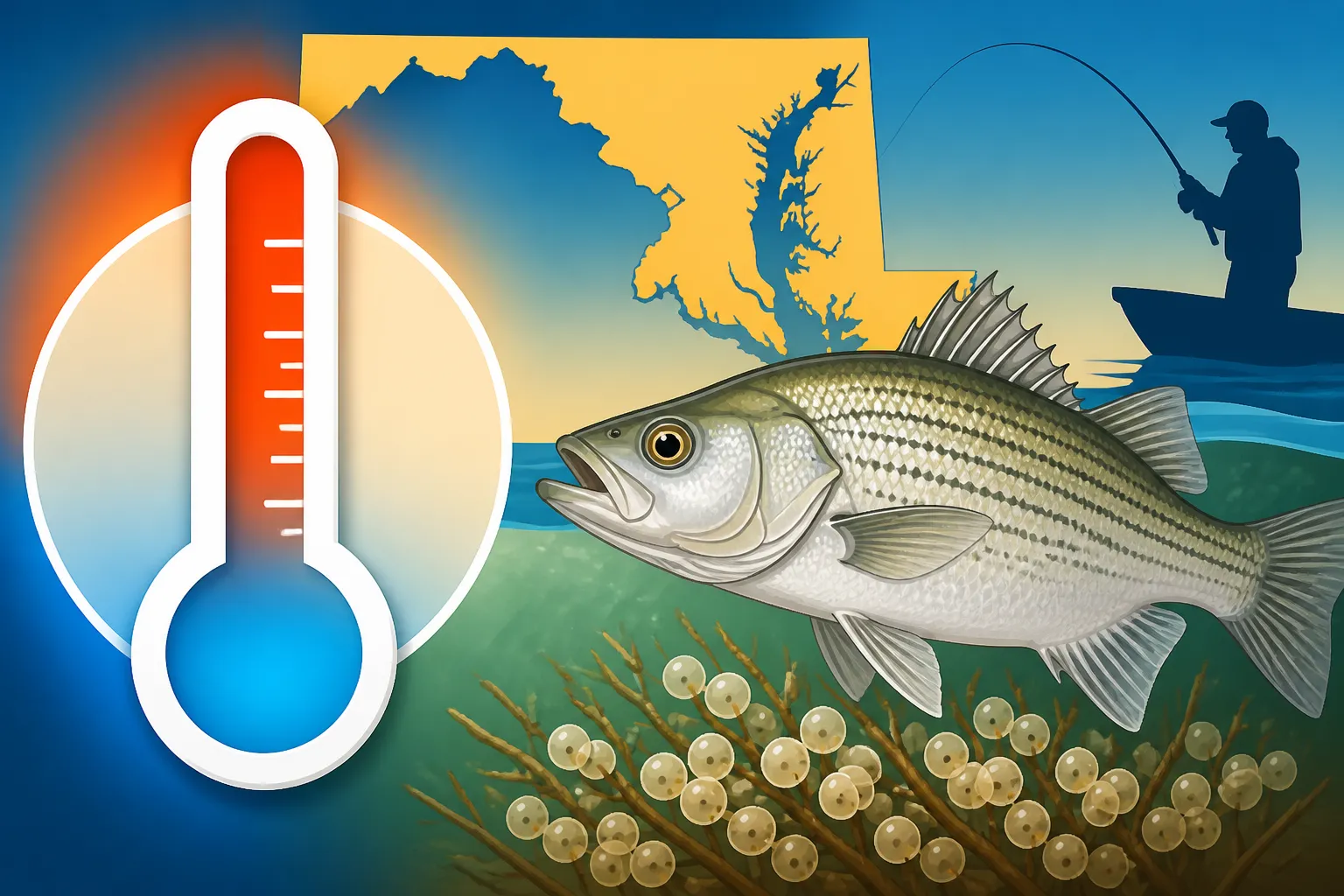
When it comes to white perch, temperature isn't just a comfort factor; it's the biological trigger that tells them it's time to start their annual spawning run. These eager fish are much like us after a long winter – just waiting for the warmth to kick in. Once those water temperatures start climbing steadily, you can bet the white perch are getting restless.
The Ideal Temperature Window
The sweet spot that truly kicks off the white perch spawn in Maryland is generally when the water temperature consistently reaches the 50 to 55-degree Fahrenheit (10-13°C) range. This isn't a hard and fast rule set in stone, as Mother Nature likes to keep us on our toes, but it's the widely accepted temperature window where you'll see the most significant movement and activity. Think of it as their green light. As the water inches up towards that lower 50-degree mark, you'll start seeing scouts, but when it holds steady in the mid-50s, that's when the party really begins.
This temperature isn't arbitrary; it's biologically significant. The rising warmth signals to the perch that conditions are favorable for their eggs and fry to survive. Colder temperatures can delay egg development or even harm the vulnerable young, so they instinctively wait for this thermal cue. For anglers, this means your thermometer becomes one of your most valuable pieces of gear in early spring.
How Spring Fluctuations Affect the Spawn
Maryland's spring weather can be notoriously fickle, offering up warm sunny days followed by sudden cold snaps. These fluctuations directly impact the white perch spawn. If the water temperature hits the low 50s and then a cold front moves in, dropping it back into the 40s, the perch will often pause their migration or even retreat to deeper, more stable waters. It’s like they hit the brakes. This can be incredibly frustrating, especially if you've already started seeing fish.
What we're looking for is a sustained warming trend. A day or two of warm weather might tempt some perch, but a week of steadily increasing temperatures is what really gets the full run going. This often means the spawn can be a prolonged event, with waves of fish moving upriver as conditions stabilize. Understanding this can help you adjust your fishing schedule, perhaps aiming for the days after a cold snap, once the water has had a chance to rebound. For a deeper dive into their seasonal behavior, check out our guide on White Perch Spawning Runs in Maryland Rivers.
Monitoring Water Temperatures Like a Pro
Knowing the target temperature range is one thing; actually measuring and understanding it in the context of your local fishing spot is another. You don’t need a fancy scientific laboratory to do this, just a few practical tools and a keen eye for conditions.
Essential Tools for Temperature Tracking
The good news is that monitoring water temperature is relatively simple and affordable. Here are a few reliable methods:
- Handheld Water Thermometer: This is the simplest and often most accurate tool. Many sporting goods stores and online retailers like Amazon offer robust, waterproof thermometers designed for fishing. You simply dip it into the water at your desired depth, wait a minute or two, and read the display. They're indispensable for shore anglers or those wading into creeks.
- Fish Finder with Temperature Sensor: If you're fishing from a boat, most modern fish finders come equipped with a temperature sensor built into the transducer. This gives you a continuous, real-time reading of the surface water temperature, which is incredibly helpful for covering larger areas. Brands like Humminbird, Lowrance, and Garmin are popular choices, and you can find a wide range of models on Amazon.
- Online Resources and Apps: The Maryland Department of Natural Resources (DNR) often provides public data, and various weather and marine forecast sites offer water temperature readings for different regions of the Chesapeake Bay and its tributaries. While these are usually surface readings for larger bodies of water, they can give you a general idea of the trend. However, always remember that conditions in a small, shallow creek can differ significantly from the open Bay.
Where and When to Measure
Just dipping your thermometer anywhere might not give you the most useful information. White perch will seek out specific conditions, so understanding where to measure is key:
- Upriver vs. Downriver: Water temperatures in the upper reaches of creeks and rivers, especially those with darker bottoms or shallower depths, will often warm faster than the main stem of the river or the Bay itself. This is why white perch move up into these tributaries to spawn. Focus your temperature readings in these shallower, narrower areas where you expect the fish to be.
- Shallow vs. Deep: Shallow water heats up more quickly during sunny days and cools down faster at night. White perch often stage in slightly deeper holes or channels adjacent to these warming flats. Measuring both in the shallows and in nearby deeper pockets can give you a clearer picture of where the fish might be holding.
- Time of Day: Water temperatures will fluctuate throughout the day. Early morning readings will be cooler, while late afternoon readings will typically be the warmest. During the spawn, aiming to fish when temperatures are at their peak can often lead to better success, as the fish become more active. Try to track the trend over several days, looking for consistent increases.
Remember, a sudden jump in temperature after a long cold spell is a big indicator. Keep an eye on the forecast, too. A string of warm, sunny days is your best friend when it comes to predicting the white perch run.
Beyond the Thermometer: Other Factors Influencing the Spawn
While water temperature is the undeniable maestro of the white perch spawn, it’s not the only player in the orchestra. Other environmental factors work in concert with temperature to create the perfect conditions for these fish to do their thing. Ignoring these can mean missing out, even if the thermometer looks right.
The Influence of Current and Tides
Just like many other fish species in the Chesapeake Bay, white perch are significantly influenced by current and tides, particularly during their spawning migration. As they move up into the tributaries, they're often looking for areas where the current is present but not overwhelmingly strong.
- Current for Navigation: Mild currents help them navigate upriver and into smaller creeks. They'll use eddies and current breaks to rest, but the flow helps push them upstream.
- Tidal Flow for Spawning: In tidal rivers, the incoming (flood) tide can often bring a surge of slightly warmer, more saline water further upriver, which can encourage fish movement. The outgoing (ebb) tide, especially after a period of rain, can carry freshwater and eggs downstream, which is also a part of their natural cycle. Many anglers find the bite to be strongest on either side of the tide change, as the current movement stirs up bait and concentrates fish. You might find more detailed information on this in our article about How Tides Affect Fishing in Maryland's Chesapeake Bay.
Spawning Locations: Where the Action Happens
White perch are anadromous, meaning they spend most of their lives in brackish or saltwater but migrate to freshwater or less saline tributaries to spawn. This is why you'll find them running far up into rivers and creeks that feed into the Chesapeake Bay.
- Key Maryland Rivers: Iconic spots like the Choptank River, Nanticoke River, Patuxent River, Chester River, Magothy River, and Severn River are prime white perch spawning grounds. They seek out the shallower, often muddy or gravelly bottoms of these rivers and their smaller feeder creeks. For a more comprehensive list, check out Fishing Maryland's Eastern Shore Rivers.
- Specific Spots: Look for areas with a slower current, often around submerged structure like fallen trees, bridge pilings, or sharp bends in the river. These spots offer cover and an ideal place for eggs to attach. Creek mouths, sudden depth changes (drop-offs), and marsh edges can also be hot zones. They're often closer to the bottom, especially when the water is still cool.
The Impact of Weather Patterns
Beyond temperature, general weather patterns can heavily influence fishing success during the spawn.
- Warm Fronts and Sunny Days: A series of warm, sunny days will not only raise water temperatures but also typically make fish more active. They'll be more willing to chase baits and congregate in larger numbers. These are the ideal conditions you're hoping for.
- Cold Fronts and Rain: As mentioned, cold fronts can halt or reverse the spawn. Heavy rains, while sometimes beneficial by increasing flow and bringing new nutrients, can also muddy the water, making it harder for fish to locate bait and for anglers to spot fish. Overcast days, however, can sometimes be excellent, as low light conditions can make perch bolder and feed throughout the day rather than just at dawn and dusk.
- Moon Phases: While perhaps less critical than temperature or current, some anglers swear by moon phases, noting increased activity around new and full moons, which often correlate with stronger tides. It’s certainly something to keep in the back of your mind as you plan your trip!
Fishing Strategies for the White Perch Spawn
Now that you know when and why they're spawning, let’s talk about how to catch them. The white perch spawn is a fantastic time for anglers of all skill levels, offering plenty of action and often a good meal to take home.
Top Baits and Lures
White perch aren’t typically picky eaters, but during the spawn, some baits and lures definitely outperform others due to their natural behavior and the food sources available in the creeks.
- Natural Baits:
- Bloodworms: These are often considered the gold standard for white perch. Their scent trail is irresistible, and they work incredibly well on a bottom rig or a simple jig head. You can often find them at local tackle shops, or sometimes even through online bait suppliers you might find with a quick search on Amazon for "fishing bait."
- Grass Shrimp: Another natural favorite, these tiny crustaceans are abundant in brackish creeks. They're excellent on small hooks under a bobber or on a tiny jig.
- Small Minnows: Live or cut pieces of small minnows can also be very effective, especially if the perch are feeding aggressively.
- Artificial Lures:
- Small Jigs: Think 1/16 to 1/8 ounce jigs, often tipped with a piece of Gulp! (chartreuse, white, or pink are popular colors) or a small soft plastic grub. This is a deadly combination, especially when bounced along the bottom.
- Spinners: Small inline spinners or Beetle Spins can also entice aggressive perch, particularly in slightly stained water where flash can attract attention. Brands like Mepps and Panther Martin are classics.
- Tiny Spoons: Spoon lures in silver or gold can imitate small baitfish, and their fluttering action can trigger strikes.
A light to medium-light action rod with 4-8 pound test line is usually perfect for feeling those subtle bites and enjoying the fight of these energetic fish.
Targeting Spawning Perch in the Tributaries
Once you’ve confirmed the temperature is right and you’re in a known spawning tributary, where exactly should you cast your line?
- Channel Edges and Drop-offs: As white perch move upriver, they tend to follow the deeper channels, especially in the main stem of a river. Once they get into shallower creeks, they’ll often congregate along the edges of these channels or where there are sudden drops in depth.
- Bends and Holes: Look for bends in the river or creek where the current naturally slows and creates deeper holes. These are prime holding areas where perch will stage before moving further upstream or when resting.
- Structure: Submerged logs, brush piles, bridge pilings, or even rocky bottoms provide cover and ambush points. Cast your bait or lure close to these features.
- Anchoring and Still Fishing: Often, during the spawn, simply anchoring in a productive spot and fishing a bottom rig with bloodworms or grass shrimp will yield excellent results. Let the scent work its magic!
- Casting and Retrieving: If you're using jigs or spinners, fan cast around your chosen area, slowly working your lure back, paying close attention to any bumps or taps. Sometimes a slow, steady retrieve is all it takes, other times a jigging motion is more effective.
For more specifics on the spring run, you might want to read Fishing for Spring-Run White Perch in Maryland.
| Factor | Ideal Range/Condition | Why It Matters | Best Fishing Strategy |
|---|---|---|---|
| Water Temp | 50-55°F (10-13°C) | Triggers biological urge to spawn | Use thermometer; fish active in this range. |
| Location | Upper tidal rivers, feeder creeks, shallow coves | Seek less saline water for egg viability | Focus on river bends, channel edges, submerged cover. |
| Current/Tide | Mild to moderate current, incoming/outgoing tide changes | Aids migration, egg dispersal, concentrates bait | Fish around tide changes; target eddies and current breaks. |
| Weather | Stable warm days, overcast conditions | Sustained warmth encourages activity; low light = bold fish | Plan trips after cold fronts, target sunny stable periods. |
| Bait/Lure | Bloodworms, grass shrimp, small jigs, spinners | Natural food sources; visual triggers | Bottom rigs with bait; jigging soft plastics. |
Post-Spawn Behavior and Where They Go
Once the spawning ritual is complete, the white perch don't just vanish. They'll typically hang around the general spawning areas for a little while, recovering from their exertions. You might find them in slightly deeper pockets within the creeks, feeding aggressively to regain energy.
Eventually, as the water continues to warm, they'll begin their migration back out to the main stem of the Chesapeake Bay or their larger home rivers. They'll spread out more, often schooling up in deeper channels, around oyster reefs, or near structures like bridge pilings. The frantic, concentrated fishing of the spring run will subside, transitioning into summer patterns where they might be caught by bottom fishing or even live-lining in the Bay. Knowing What Water Temperature Triggers the White Perch Spawn? is just the first step in understanding these amazing fish throughout their seasonal cycle!
Disclaimer
Fishing regulations, including size and creel limits, can change. Always consult the latest Maryland Department of Natural Resources (DNR) fishing guide or website before heading out. This information is for general guidance only and not a substitute for official regulations. Ensure you have the proper Maryland Fishing License Guide for 2026 before you cast your line.