Fly Fishing for White Perch in Maryland
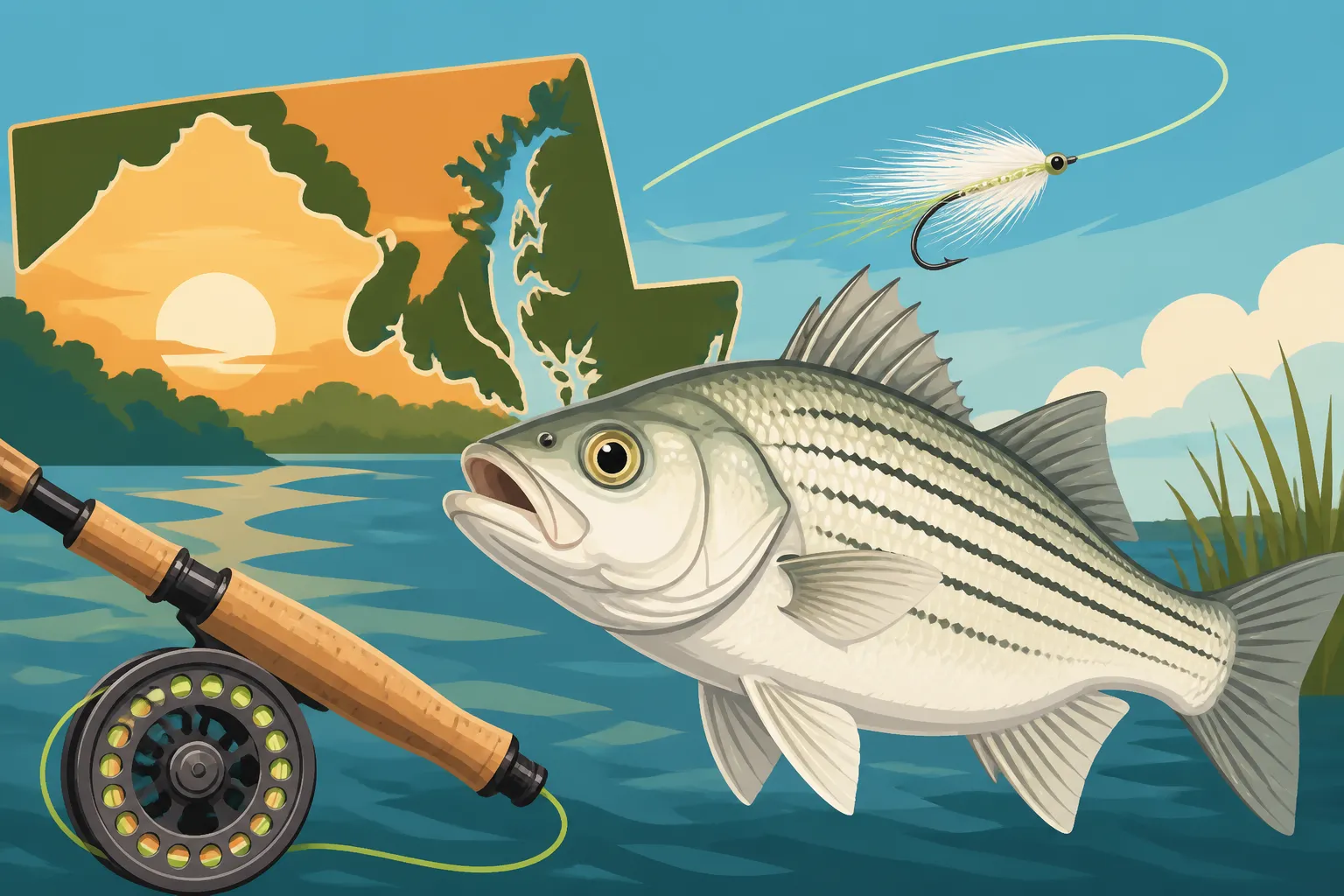
There's nothing quite like the subtle tug on a fly line, the quiet ripple of a cast, and the thrill of a hard-fighting fish, especially when you're looking for an accessible and exciting target. For many anglers in Maryland, the frustration often lies in the perception that fly fishing is exclusively for trout in mountain streams or large, elusive gamefish. However, if you've ever yearned to feel that bend in your fly rod without needing a specialized expedition or a hefty budget, this guide is for you. We're diving deep into the often-overlooked world of fly fishing for white perch in Maryland, revealing how these ubiquitous, feisty fish offer an incredible, year-round opportunity for fly anglers of all skill levels.
Why White Perch are the Perfect Fly Rod Target in Maryland
White perch often get overshadowed by their larger, more glamorous cousins like striped bass, but for fly anglers, they are truly unsung heroes. They offer a unique blend of accessibility, abundance, and aggressive behavior that makes them an absolute blast on a fly rod. Forget the notion that fly fishing is always about delicate presentations to wary fish; white perch are here to change your mind.
Accessibility and Abundance
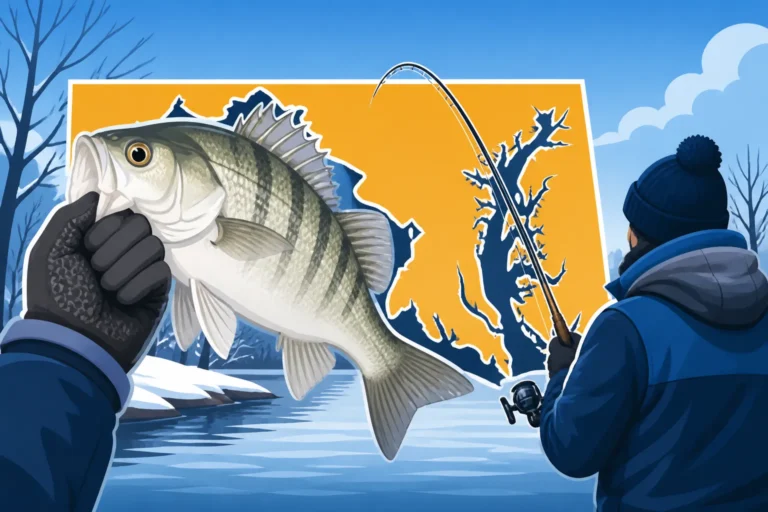
One of the greatest joys of fly fishing for white perch in Maryland is just how easy they are to find. These guys are practically everywhere! From the brackish waters of the Chesapeake Bay and its tidal tributaries to numerous freshwater ponds and reservoirs, white perch have adapted to a vast array of environments. You don't need a fancy boat or remote access to find them. Many public piers, shorelines, and easily accessible creeks teem with white perch. This means less time traveling and more time casting. They're also incredibly numerous, often schooling in large groups. This abundance translates into consistent action, which is perfect for new fly anglers building confidence or seasoned veterans looking for a fun day on the water. They are truly one of Maryland's Most Popular Saltwater Gamefish, and for good reason – they're everywhere and they bite!
Year-Round Opportunity and Aggressive Nature
Unlike some species with strict seasonal windows, white perch offer exciting fly fishing opportunities almost all year long in Maryland. While their habits shift with the seasons, they remain a viable target. They are also notoriously aggressive eaters. If a fly crosses their path and looks remotely edible, chances are they'll slam it. This aggressive nature is what makes them such a fantastic fly rod target. You'll feel every head shake and run, even from smaller fish, making for an exhilarating fight on lighter tackle. This consistent willingness to bite means fewer frustrating hours of casting into empty water and more memorable hook-ups. White Perch in Maryland's Chesapeake Bay are particularly known for this aggressive behavior, especially during feeding frenzies.
Essential Gear for White Perch Fly Fishing
While white perch don't demand highly specialized equipment, having the right setup can significantly enhance your experience. You want a balance of power to cast effectively and sensitivity to feel those subtle takes, all while being able to handle a surprisingly strong fight.
Rod, Reel, and Line Selection
For white perch, you'll generally want a lighter to medium-weight fly rod. A 5-weight or 6-weight rod is often considered the sweet spot. It's light enough to make even smaller perch feel like a trophy, but has enough backbone to cast flies into the wind and handle larger specimens that might come along. If you anticipate fishing in areas with larger perch or stronger currents, a 7-weight can also be a good choice.
When it comes to the reel, a simple, single-action large arbor reel with a smooth drag system is perfectly adequate. While white perch aren't typically known for screaming runs that strip all your backing, a reliable drag is still important to prevent break-offs from an unexpected larger fish. Ensure your reel is spooled with at least 50-100 yards of backing.
Your fly line choice will depend on the depth of water you're fishing. A weight-forward floating line is excellent for surface presentations like poppers and for fishing shallow flats or during the spring spawning runs. For deeper water, channel edges, or when fishing heavier flies, an intermediate sink-tip line (Type I or Type II) or even a full sinking line (Type III or higher) will help you get your fly down to where the fish are holding. Many anglers start with a floating line and an intermediate sink-tip as their primary setup. For comparison, while Fly Fishing Gear for Maryland Trout Streams might lean towards lighter rods and delicate lines, white perch often allow for a bit more versatility.
Leader, Tippet, and Fly Box Staples
A good leader setup is crucial for presenting your fly naturally. A 9-foot tapered leader in the 8-10 lb test range is a great starting point for most situations. For your tippet, a section of 6-8 lb fluorocarbon tippet is ideal. Fluorocarbon is less visible in water and offers good abrasion resistance, which is handy when fishing around structure like oyster shells or submerged logs. You can extend the life of your tapered leaders by tying on a tippet ring and attaching fresh tippet as needed.
Now, for the fun part: the flies! White perch aren't overly picky, but certain patterns consistently produce. Here's a breakdown of some staples:
- Clouser Minnows: These are probably the most versatile and effective flies for white perch. Tied in various colors (chartreuse/white, olive/white, grey/white) and sizes (hooks #6-#2), they imitate baitfish and quickly get down to the strike zone.
- Deceivers: Similar to Clousers but with more movement, Deceivers in natural baitfish colors are also very effective, especially when perch are feeding on larger bait.
- Poppers and Gurglers: When white perch are aggressively feeding on the surface, especially during low light conditions or when baitfish are schooling near the top, a small topwater popper or gurgler can create explosive strikes. Chartreuse, white, or black are good colors.
- Small Crab or Shrimp Patterns: White perch will readily feed on crustaceans, so small Gotchas, Merkin crabs, or shrimp patterns can be deadly, particularly around marsh edges or docks.
- Worm or Grub Imitations: Simple San Juan Worms or small chenille worms can work surprisingly well, especially in freshwater environments or when perch are keying in on invertebrate forage.
- Small Streamer Patterns: Any small, flashy streamer that imitates a minnow will likely get eaten. Consider patterns like Woolly Buggers or small Krystal Flash Minnows.
You can often find good beginner fly assortments that cover these basics on Amazon, which is a great way to start building your fly box without breaking the bank.
Here's a quick reference table for your essential white perch fly fishing gear:
| Gear Type | Recommendation | Notes |
|---|---|---|
| Rod | 5-6 weight, fast to medium-fast action | Versatile for most conditions and fish sizes. |
| Reel | Large arbor, smooth drag | Holds ample backing; protects lighter tippet. |
| Fly Line | WF Floating Line | Ideal for surface flies and shallow water. |
| Intermediate Sink-Tip Line | Essential for deeper water and weighted flies. | |
| Leader | 9-foot, tapered, 8-10 lb test | Provides good turnover for various fly sizes. |
| Tippet | 6-8 lb Fluorocarbon | Low visibility, abrasion-resistant. |
| Flies | Clouser Minnows, Deceivers | Baitfish imitations; chartreuse/white, olive/white, grey/white. |
| Poppers, Gurglers | Topwater action; white, chartreuse, black. | |
| Small Crab/Shrimp Patterns | Effective for bottom feeders; tan, olive. | |
| Small Streamers, Woolly Buggers | General baitfish and invertebrate imitations. |
Key Techniques for Targeting White Perch with a Fly Rod
Successfully targeting white perch with a fly rod involves more than just casting; it's about understanding their behavior, knowing where to find them, and presenting your fly in a way that triggers their aggressive instincts.
Reading the Water and Locating Perch
Finding white perch is half the battle, and luckily, they often give themselves away. Look for obvious signs of life:
- Structure: Perch love structure. Think docks, bridge pilings, submerged logs, rock piles, oyster reefs, channel markers, and even anchored boats. These structures provide cover and ambush points for feeding.
- Current Seams: In tidal rivers and the Bay, perch will often sit just out of the main current flow, waiting for food to drift by. Cast into the faster water and let your fly swing into the slower seam.
- Bait Balls: Keep an eye out for nervous water, splashes, or diving birds. This often indicates baitfish being herded by predators, and white perch are usually right in the thick of it, feeding alongside striped bass or other gamefish.
- Deeper Channels and Drop-Offs: During warmer months, perch will often congregate in deeper, cooler waters, especially along the edges of channels or significant drop-offs. Using a depth finder can be invaluable here. Understanding how to fish Maryland's Channel Edges and Drop-Offs for Striped Bass can give you an edge, as perch often occupy similar areas.
Sometimes, the best approach is simply to cover water. Cast around potential holding areas, vary your retrieve, and if you don't get a bite, move a short distance and try again. White perch tend to school, so where you find one, you'll often find many!
Presentation and Retrieve Strategies
Once you've located some potential perch hot spots, your presentation and retrieve become critical.
- Matching the Hatch (or Imitating): While perch aren't always finicky, trying to match the size and general color of local baitfish can be very effective. If they're feeding on tiny bay anchovies, a small Clouser in silver and white will be better than a large green streamer. If larger silversides are present, a bigger Deceiver might be the ticket.
- The Strip-Strip-Pause: This is a classic and highly effective retrieve for most baitfish imitations. Cast your fly, let it sink to the desired depth, then use short, quick strips of your line, pausing briefly between strips. This mimics an injured or fleeing baitfish, which white perch find irresistible. Vary the speed and length of your strips until you find what the fish prefer on that particular day.
- Dead Drifting: In river currents or during a spawning run, sometimes a dead drift can be incredibly effective. Cast your fly upstream and let the current carry it naturally downstream with minimal tension on your line. This works particularly well with worm or grub patterns.
- Topwater Pops: For poppers, a "pop-pop-pause" retrieve is standard. Make a loud "pop" with your rod tip to move water, let it sit for a few seconds, then pop it again. The pause is often when the strike occurs, so be ready!
- Casting Accuracy: When fishing around docks, pilings, or submerged brush, accuracy is key. Getting your fly right up against the structure, or even underneath it, can put you in the strike zone immediately. These fish often hug cover.
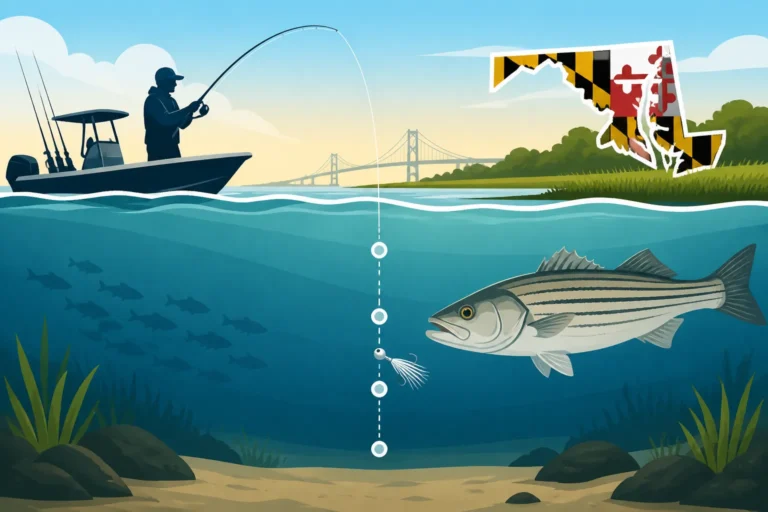
Drawing parallels from Jigging Techniques for Maryland's Chesapeake Bay Striped Bass, the quick, erratic movements of a jig can be mimicked with a fly rod, especially when using weighted flies like Clousers. The idea is to make your fly appear alive and vulnerable.
Targeting White Perch Spawning Runs
One of the most exciting times to fly fish for white perch in Maryland is during their annual spring spawning runs. Typically occurring from late March through May, when water temperatures reach the upper 40s to low 60s Fahrenheit, these runs see massive schools of perch move from deeper bay waters into shallow freshwater and brackish creeks and rivers.
- Upstream Migration: Perch will push miles upstream into very shallow water to spawn. This makes them incredibly accessible from shore, wading, or a small kayak or canoe. Look for them in areas with slower current, submerged vegetation, or gravel bottoms.
- Sight Fishing Opportunities: In clear, shallow water, you can often see schools of white perch, sometimes numbering in the hundreds, making for incredible sight fishing opportunities. This is where a floating line and small, simple flies really shine.
- Concentrated Fish: The sheer concentration of fish during these runs means you can often have non-stop action, with multiple hook-ups possible in a single session. This is an ideal time for beginners to hone their casting and presentation skills. White Perch Spawning Runs in Maryland Rivers are truly a spectacle, and knowing which rivers to target, like the Choptank or Patuxent, can lead to epic days. For more detailed information, consider checking out our guide on Fishing for Spring-Run White Perch in Maryland.
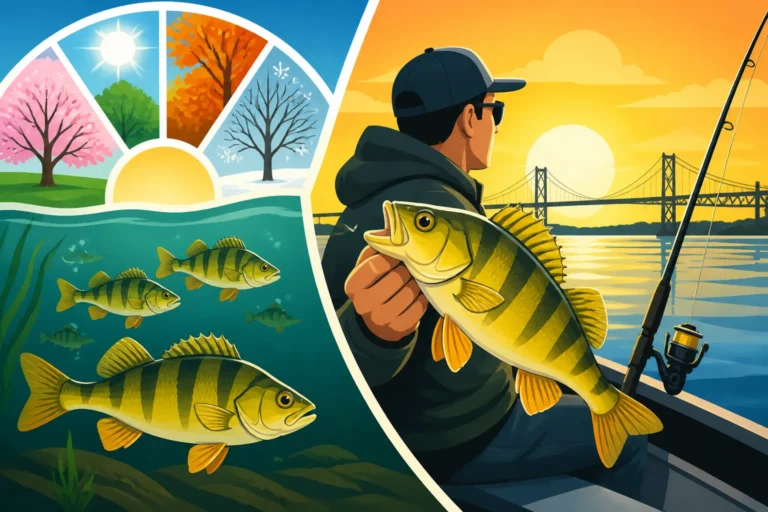
Seasonal Strategies for Maryland White Perch Fly Fishing
White perch are adaptable, but their behavior and location change with the seasons. Understanding these patterns will greatly increase your success rate with a fly rod.
Spring Frenzy and Shallow Water Action
Spring is arguably the prime time for white perch fly fishing, particularly during the aforementioned spawning runs. As the waters warm, perch move into shallow creeks, rivers, and even tidal guts.
- Pre-Spawn Aggression: Before the actual spawning begins, perch are feeding heavily to build up energy. They can be found cruising shallow flats, marsh edges, and creek mouths, eager to ambush anything that moves. Small Clousers, small streamers, and even tiny poppers can work wonders in these areas.
- The Spawn: During the peak of the spawn, perch are incredibly concentrated. They might not be feeding as aggressively as pre-spawn, but their sheer numbers mean that if you can get a fly in front of them, you're likely to get a bite. Dead drifting small flies, like a worm or small nymph, can be effective. This is also a fantastic time for wading anglers to access areas often missed by boats. The excitement of seeing a school of fish and casting a fly into their midst is unparalleled. Knowing Best Month to Catch White Perch in Maryland will often point you towards the spring.
Summer Structure and Deeper Holds
Once the spring spawning frenzy subsides and water temperatures continue to climb, white perch will shift their habits.
- Seeking Cooler Water: In the heat of summer, white perch move to deeper, cooler water. You'll find them congregating around significant structure like deep channel edges, artificial reefs, bridge pilings, and oyster beds. They might also suspend over deeper areas if baitfish are present.
- Sinking Lines are Key: This is where your intermediate or full sinking lines really come into play. You need to get your fly down to them. Weighted Clousers, larger Deceivers, and even some heavier bottom-bouncing patterns can be effective. The retrieve might need to be slower, as the fish are less active than in spring.
- Low Light Opportunities: During hot summer days, fishing at dawn, dusk, or even at night can be incredibly productive. Perch will often move into shallower areas to feed under the cover of darkness. This can be a great time for poppers or noisy topwater flies near lit docks or bridges.
Fall Feast and Aggressive Feeding
As autumn arrives and water temperatures begin to cool, white perch enter another period of aggressive feeding to prepare for winter.
- Massive Schools: Fall often sees white perch forming massive schools, pushing baitfish into tight balls. This can lead to incredible "blitz" events where fish are busting the surface everywhere. Keep an eye on working birds, as they're often a dead giveaway for these feeding frenzies.
- Variety of Locations: You'll find them in a variety of places, from shallower flats where they're chasing bait to deeper channel edges. Focus on areas with good current and structure. Oyster reefs are particularly productive in the fall.
- Power and Presentation: While they're aggressive, a good presentation still matters. Cast your baitfish imitations into the schools or along the edges of structure and retrieve with quick, erratic strips. This time of year, they're not afraid to chase a fly down. For more on this productive season, our article on Fall White Perch Fishing in Maryland's Chesapeake Bay has even more detail.
Advanced Tips and Conservation for White Perch Anglers
Beyond the basic techniques, there are always ways to refine your approach and ensure you're fishing responsibly. These advanced tips can elevate your white perch fly fishing game.
Fly Tying for Customized Success
One of the most rewarding aspects of fly fishing is the ability to tie your own flies. For white perch, this opens up a world of customization.
- Match Local Bait: While general patterns work, tying flies that specifically imitate the local baitfish in Maryland waters (like bay anchovies, silversides, or juvenile Atlantic menhaden) can significantly increase your success. You can adjust the size, profile, and color to perfectly mimic what the perch are feeding on.
- Experiment with Materials: Experiment with different materials like craft fur, synthetic fibers, flashabou, and various hackles to create unique actions and profiles in the water. Sometimes a subtle change in flash or movement is all it takes to trigger a bite.
- Budget-Friendly: Tying your own flies can also be a cost-effective way to keep your fly box stocked, especially if you lose a lot of flies to snags or aggressive fish. Many excellent fly tying starter kits and individual materials are readily available on Amazon, making it easy to dive into this rewarding hobby. Plus, the satisfaction of catching a fish on a fly you tied yourself is unbeatable!
Kayak and Wading Access for Remote Spots
While many public piers offer great white perch fishing, kayaks and wading offer access to less-pressured waters, often resulting in more productive and peaceful fishing experiences.
- Kayak Advantages: A kayak or stand-up paddleboard allows you to stealthily approach schools of fish in shallow water without spooking them. You can navigate tight creeks and marsh guts where larger boats can't go. This gives you an edge in finding undisturbed fish. Remember to prioritize safety, especially on open bay waters, and review Kayak Fishing Techniques for Maryland Waters for essential advice.
- Wading for the Win: Wading is particularly effective during the spring spawning runs when perch move into very shallow rivers and creeks. Always exercise caution when wading. Check water depth, current strength, and bottom composition before stepping in. A good pair of studded wading boots can provide essential grip. Some of the smaller Eastern Shore tributaries offer fantastic wading opportunities for perch.
- Reach Undisturbed Zones: By utilizing these methods, you can often reach areas where perch are less accustomed to seeing anglers, leading to more aggressive takes and better fishing overall. Always be mindful of private property when accessing waters from shore.
Practicing Catch and Release and Respecting Limits
White perch are generally a robust species, but responsible angling practices ensure their populations remain healthy for future generations.
- Know Your Limits: Always be aware of Maryland Daily Bag Limits by Species for white perch. While they are abundant, overharvesting can still impact local populations. Maryland DNR provides up-to-date regulations, so always check before you head out.
- Handle with Care: If you plan to release fish, handle them as little as possible. Use a dehooking tool or forceps to quickly remove the hook. If possible, keep the fish in the water while doing so. Avoid touching their gills or eyes.
- Barbless Hooks: Consider crimping down the barbs on your flies. Barbless hooks make for easier and quicker releases, minimizing harm to the fish without significantly increasing the chance of losing a fish during the fight, especially with the aggressive way perch hit a fly.
- Only Take What You Need: While white perch are delicious, only keep what you plan to eat. Releasing healthy fish ensures a sustainable fishery for everyone.
Disclaimer
Always consult the latest Maryland Department of Natural Resources (DNR) regulations before fishing. Fishing conditions and regulations can change, and it is the angler's responsibility to stay informed.