Fishing Spots in Western Maryland’s Mountains
If you've ever dreamt of casting a line amidst stunning mountain vistas, with cool, clear waters holding everything from feisty trout to hard-fighting smallmouth bass, then Western Maryland's mountains are calling your name. However, with so many incredible natural resources, figuring out where to cast your line can feel a bit overwhelming, especially if you're not familiar with the diverse fishing opportunities here. This comprehensive guide will walk you through the top fishing spots in Western Maryland, detailing what makes each one special, what you can expect to catch, and how to best approach these pristine waters for an unforgettable angling experience.
Deep Creek Lake: Maryland's Mountain Fishing Jewel
Deep Creek Lake, nestled in Garrett County, is truly the crown jewel of Western Maryland's fishing scene. This massive, 3,900-acre man-made lake offers an incredible array of fishing experiences, from chasing big game fish in open water to quietly targeting panfish in secluded coves. Its sheer size and depth mean there's always something new to explore, but it can also be a little intimidating for first-timers.
Targeting Walleye and Northern Pike
Deep Creek Lake is renowned for its healthy populations of walleye and northern pike, two species that aren't commonly found in other parts of Maryland. Walleye, with their distinctive glassy eyes, are sought after for their delicious fillets and challenging fight. They tend to prefer deeper, cooler water, especially during the warmer months. Anglers often find success by trolling crankbaits or jigging spoons near drop-offs and humps, particularly at dawn or dusk when these fish are most active. Locals often suggest focusing on the lake's deeper basins, near the dam or around the State Park areas. If you're hoping to land a trophy walleye, understanding the lake's contours and structure is key.
Northern pike are another top predator here, offering an aggressive strike and a thrilling battle. These toothy critters lurk in areas with submerged vegetation, waiting to ambush unsuspecting prey. Large spoons, spinnerbaits, and even topwater lures can be effective, especially in spring and fall. Look for them in shallower bays and around weed beds, where they can hide. While not as widespread as walleye, landing a pike at Deep Creek is a memorable experience, and they certainly add an exciting dimension to the lake's diverse fishery.
Smallmouth Bass and Panfish Haven
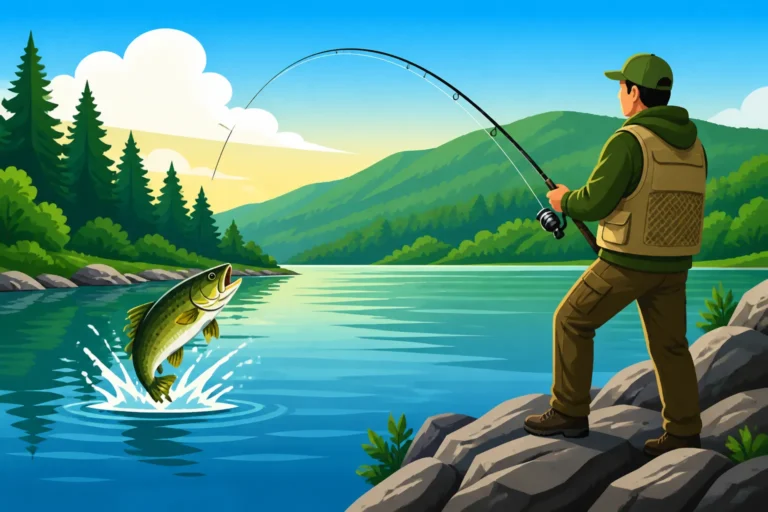
Beyond the big predators, Deep Creek Lake offers fantastic action for smallmouth bass and various panfish. The lake's rocky shores, submerged timber, and deep points provide ideal habitat for smallmouth. These bronze beauties are known for their hard fights and aerial acrobatics, making them a favorite among many anglers. You can catch them using a variety of techniques, from casting tube jigs and soft plastics to crankbaits and topwater lures, especially when fishing near structure like boat docks, rock piles, or submerged logs. Early mornings and late evenings are often the most productive times to target these fish. For detailed advice on this, check out our guide on Fishing Deep Creek Lake for Smallmouth Bass.
For a more relaxed day on the water, targeting panfish like yellow perch, bluegill, and crappie can be incredibly rewarding, especially if you're fishing with family or introducing kids to the sport. These species are abundant and can be caught using simple methods like bobber fishing with worms, minnows, or small jigs. The shallower coves and docks, particularly those with weed beds or brush piles, are prime locations for panfish. Early spring often brings excellent yellow perch action, while crappie can be found schooling around structure throughout the year.
Western Maryland's Pristine Rivers and Streams
The mountainous terrain of Western Maryland is crisscrossed with cold, clear rivers and streams, offering a completely different angling experience from the expansive Deep Creek Lake. These waters are often characterized by swift currents, rocky bottoms, and lush riparian zones, making them ideal for wading and fly fishing. If you're looking for solitude and the challenge of reading the water, these streams are unparalleled.
Trout Fishing in the Savage and Youghiogheny Rivers
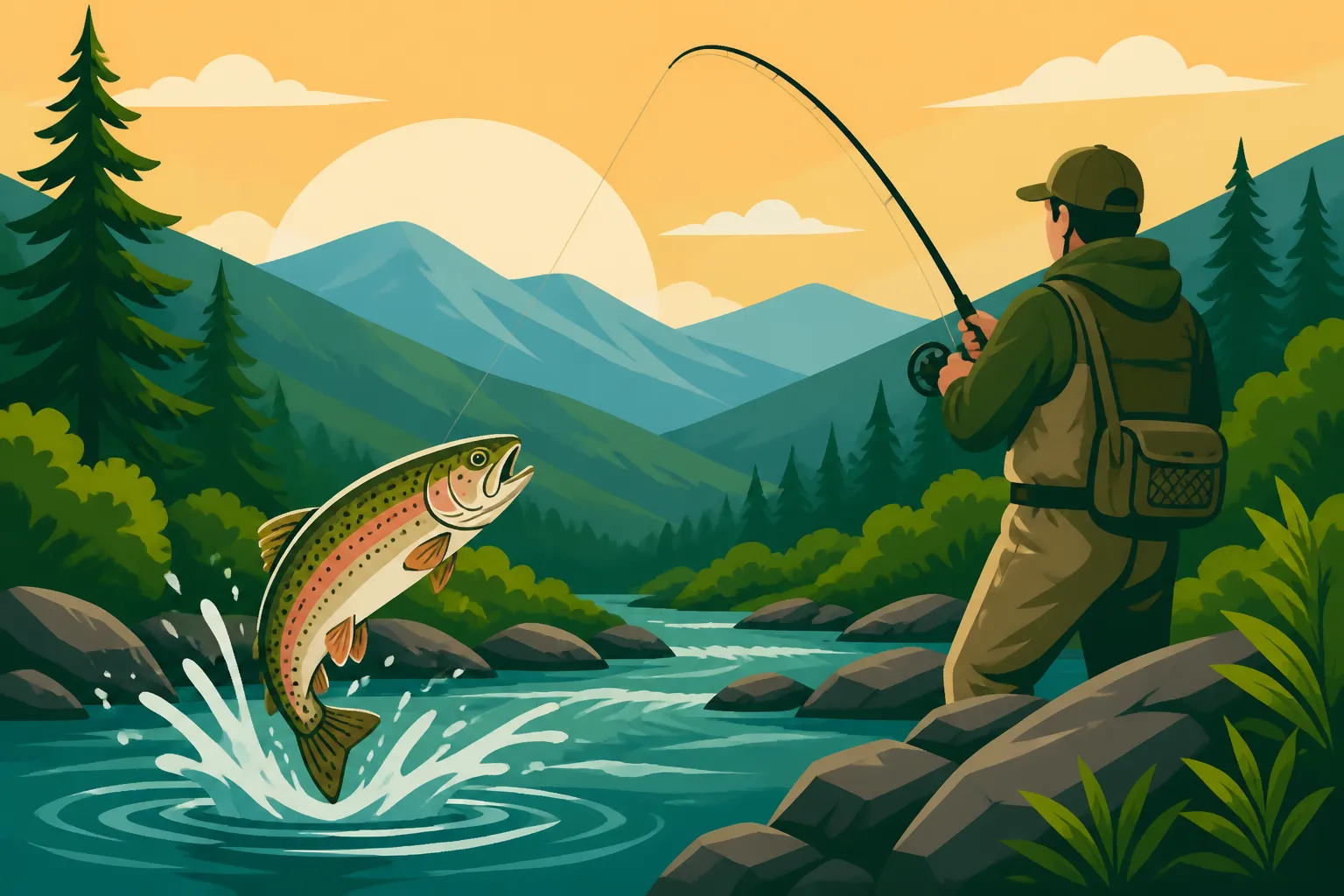
When it comes to trout fishing, the Savage River and the Youghiogheny River are legendary in Maryland. The Savage River, particularly its "trophy trout stream" section, is a wild and scenic gem, known for its challenging currents and the opportunity to catch wild brown trout and brook trout, alongside some robust holdover rainbow trout. This is primarily a catch-and-release, fly-fishing-only area, emphasizing conservation and the thrill of the pursuit. The water here remains cold year-round, making it a perfect habitat for these sensitive fish. Anglers often use nymphs, dry flies, and streamers, matching the hatch or imitating local aquatic insects. Understanding the intricate entomology of the river can make all the difference, and a knowledgeable local guide can be invaluable. You can learn more about specific techniques in our Fly Fishing in Maryland guide.
The Youghiogheny River (or "Yough" as locals call it) offers a more varied experience. While parts of it are excellent for wild trout, particularly in its upper reaches, it's also famous for its smallmouth bass. The river's character changes as it flows downstream, moving from a narrow, coldwater trout stream to a wider, warmer smallmouth fishery. Anglers can wade or float sections of the Yough, targeting trout with similar fly-fishing techniques as the Savage, or casting spinning gear for smallmouth using jigs, crankbaits, and soft plastics. The blend of species and diverse water types makes the Yough a favorite among those who enjoy exploring different river sections. If you're keen to explore this river, our post on Fishing the Youghiogheny River has more information.
North Branch Potomac and Other Trout Waters
Beyond these two prominent rivers, Western Maryland boasts numerous other streams and creeks that offer fantastic trout fishing, especially during the stocking seasons. The North Branch of the Potomac River, particularly sections near Luke and Barnum, is regularly stocked with rainbow and brown trout, providing excellent put-and-take opportunities. These sections are more accessible and can be fished with both spinning gear and flies, making them popular for anglers of all skill levels. Bait like PowerBait, worms, and corn are often highly effective right after a stocking event. The Maryland Department of Natural Resources (DNR) maintains an active stocking program, ensuring a good supply of fish for anglers. Keeping track of the Maryland Trout Season, Month by Month is crucial for planning your trips.
Smaller streams like Bear Creek, Evitts Creek, and Beaver Creek are also key components of Maryland's trout program, offering both stocked and, in some cases, wild trout opportunities. Many of these streams are managed as "Delayed Harvest" or "Catch and Release" areas for portions of the year, meaning specific regulations apply regarding when you can keep fish or what tackle you can use. Always consult the current Maryland DNR fishing guide for specific rules, as these can change annually. Regardless of the specific stream, the beauty of fishing in these mountain waters is the immersion in nature, surrounded by dense forests and the soothing sound of rushing water. Don't forget, if you plan to fish for trout, you'll need a Maryland Trout Stamp Requirements in addition to your regular fishing license.
Smaller Lakes and Reservoirs: Accessible Mountain Fishing
While Deep Creek Lake and the wild rivers get a lot of attention, Western Maryland also has several smaller lakes and reservoirs that offer excellent and often more accessible fishing opportunities. These spots are fantastic for a quick trip, a family outing, or for targeting specific species in a more controlled environment. They often feature good shore access, boat ramps for smaller vessels, and can be less crowded than the region's main attractions.
Lake Habeeb at Rocky Gap State Park
Lake Habeeb, located within Rocky Gap State Park near Cumberland, is a picturesque 243-acre lake that provides a fantastic fishing experience for a variety of species. This mountain lake is stocked with rainbow trout multiple times a year, creating excellent fishing, especially in the cooler months and spring. Anglers can target trout from the shoreline, fishing piers, or from small boats, using everything from traditional bait like worms and PowerBait to small spinners and flies. The clear waters and scenic backdrop make it a very pleasant place to spend a day.
In addition to trout, Lake Habeeb holds healthy populations of largemouth bass, smallmouth bass, bluegill, and channel catfish. The lake's varied structure, including submerged timber, rocky points, and weed lines, provides ample habitat for these species. Bass anglers can find success casting soft plastics, crankbaits, or topwater lures around structure, while panfish are readily caught with small jigs or live bait. The fishing piers and designated shore fishing areas make it particularly inviting for those without a boat, and it's a great spot for beginners and families looking for consistent action. For more details on this specific location, check out our guide on Fishing Rocky Gap State Park's Lake Habeeb.
Cunningham Falls Lake and Little Seneca Lake
Cunningham Falls Lake, a 43-acre impoundment in Cunningham Falls State Park, is another excellent option for accessible mountain fishing. This lake is primarily known for its bass and panfish fishing, though it occasionally sees trout stockings. Largemouth bass are abundant, and the lake's woody cover and lily pad fields provide ideal ambush points. Spinnerbaits, plastic worms, and topwater frogs can be very effective here. Crappie and bluegill are also plentiful, offering steady action with small jigs or live bait fished near structure. The lake is restricted to electric motors or car-top boats, preserving its peaceful atmosphere, making it perfect for kayak or canoe anglers.
Further south, though still considered part of the broader Western Maryland region, Little Seneca Lake in Black Hill Regional Park offers diverse fishing on its 505 acres. This lake is a known hotspot for largemouth bass, with a reputation for producing some truly big fish. It's also home to tiger muskie, a hybrid cross between a muskellunge and a northern pike, offering a unique challenge for specialized anglers. Panfish, catfish, and crappie round out the fishery. Both shore fishing and boating are popular, with several boat ramps and fishing piers available. Regardless of which of these lakes you choose, it's always a good idea to check the specific Maryland Fishing Size and Catch Limits by Species before you head out.
Planning Your Western Maryland Fishing Adventure
A successful fishing trip to Western Maryland's mountains requires a bit of planning, especially given the diverse environments and regulations. From understanding license requirements to deciding whether to hire a guide, a little preparation goes a long way.
Essential Gear and Local Knowledge
The type of gear you'll need will vary significantly depending on where and what you plan to fish. For the larger lakes like Deep Creek, a boat with a sonar unit can be incredibly beneficial for locating fish and understanding bottom structure. If you're targeting pike or walleye, heavier rods and lines are a must. For stream trout fishing, lighter rods, often fly rods, and wading gear are essential. Always pack layers, as mountain weather can change rapidly, and waterproof outerwear is a wise choice. Proper footwear is critical for navigating rocky stream bottoms or muddy shorelines.
Local knowledge is invaluable, especially when venturing into unfamiliar waters. Many tackle shops in towns like Oakland, Grantsville, and Cumberland are great resources for up-to-date fishing reports, bait suggestions, and local tips. They can tell you what's biting, what flies are working, or which areas have been recently stocked. Don't be shy about striking up conversations with other anglers you meet on the water; most are happy to share insights. For those looking for an even deeper dive into local conditions, consider looking for guided trips. You can often find experienced local guides through platforms like FishingBooker, which lists a variety of services for different Western Maryland locations and target species. They can provide not only the expertise but also all the necessary gear, making your trip seamless.
Licenses, Regulations, and Conservation
Before you even think about wetting a line, ensure you have the appropriate Maryland fishing license. For most Western Maryland spots, you'll need a Nontidal Fishing License, and if you're targeting trout, a separate Maryland Trout Stamp Cost for Residents is usually required. Licenses can be purchased online through the Maryland DNR website, at many tackle shops, or at designated retail agents. It's important to understand the difference between a Maryland Nontidal vs Tidal Fishing License, Explained, as Western Maryland is exclusively nontidal.
Beyond the general license, be acutely aware of specific regulations for each body of water. Size limits, creel limits (how many fish you can keep), and tackle restrictions (e.g., barbless hooks, artificial lures only) can vary significantly from one stream section to another, or even by season. For instance, the Maryland Striped Bass Season and Rockfish Rules obviously won't apply here, but there are specific rules for other species. Always check the latest Maryland DNR Fishing and Boating Guide, available online or at license agents. Conservation is paramount in these fragile mountain ecosystems. Practice catch and release responsibly, handle fish gently, and always pack out everything you pack in. Your efforts help preserve these incredible fishing spots for future generations. When you're ready to book your adventure, consider exploring options on FishingBooker for guides who are well-versed in these critical regulations and can ensure a responsible fishing trip.
Table: Western Maryland Mountain Fishing Spots at a Glance
To help you visualize the different opportunities, here's a quick comparison of some of the top spots:
| Fishing Spot | Primary Fish Species Targeted | Best Fishing Type | Access & Amenities | Key Features |
|---|---|---|---|---|
| Deep Creek Lake | Walleye, Northern Pike, Smallmouth Bass, Panfish | Boat, Shore | Multiple boat ramps, marinas, state parks, rental options | Maryland's largest freshwater lake, diverse fishery, year-round potential (incl. ice fishing) |
| Savage River | Wild Brown Trout, Brook Trout, Rainbow Trout | Wading, Fly Fishing | Limited parking, remote access, walk-in only sections | Trophy Trout Stream, strictly catch-and-release fly fishing in designated areas |
| Youghiogheny River | Smallmouth Bass, Trout | Wading, Floating (Kayak/Canoe) | Designated access points, some boat ramps for smaller craft | Scenic, varied river character, both warmwater and coldwater sections |
| Lake Habeeb | Rainbow Trout, Largemouth Bass, Panfish, Catfish | Shore, Small Boat | Rocky Gap State Park, fishing piers, boat ramp (electric motors only) | Family-friendly, regularly stocked trout, beautiful mountain setting |
| North Branch Potomac | Rainbow Trout, Brown Trout | Wading, Shore | Multiple public access points, easy to moderate access | Regularly stocked, good put-and-take opportunities, scenic river |
This table provides a snapshot, but each location offers a deep and rewarding experience for those willing to explore. You might even find a hidden gem by talking to locals or looking up guides on FishingBooker who specialize in less-known areas. Whether you're chasing the thrill of a big pike or the delicate dance of fly-fishing for wild trout, Western Maryland's mountains are a truly special place to connect with nature and enjoy the sport of fishing.
Disclaimer
Please be aware that fishing regulations in Maryland can change periodically due to conservation efforts and environmental factors. Always consult the latest Maryland Department of Natural Resources (DNR) fishing guide or website before planning your trip to ensure you are compliant with all current licensing requirements, size limits, creel limits, and special area restrictions. Fishing conditions can also vary with weather and season.