Best Fishing Spots for Beginners in Maryland
Starting your fishing journey in Maryland can feel a bit overwhelming, with so many incredible waterways, from the vast Chesapeake Bay to serene mountain lakes. It's easy to wonder where a new angler should even begin without getting tangled in complex regulations or heading to a spot where the fish are just too elusive. This guide is designed to cut through that confusion, pointing you directly to the best, most approachable fishing spots across Maryland that promise a high chance of success and a genuinely enjoyable experience for beginners.
Why Maryland is Such a Fantastic Place for New Anglers
Maryland truly is an angler's paradise, offering a diverse array of fishing experiences that are perfect for those just starting out. Unlike some states where prime spots require specialized gear or deep knowledge, Maryland has made significant efforts to create accessible, productive fisheries that welcome everyone.
Abundance of Diverse Fish Species
One of Maryland's biggest draws for beginners is the sheer variety of fish you can target, many of which are quite cooperative. In freshwater lakes and ponds, you'll find plenty of bluegill and various sunfish, which are eager biters, making them ideal for building confidence. These feisty panfish are usually abundant and don't require fancy techniques or bait. Move closer to the tidal rivers and the Chesapeake Bay, and you'll encounter prolific white perch, another species known for its willingness to bite and provide consistent action. Even in the mix are species like channel catfish, which are plentiful and can be caught using simple bottom-fishing rigs. This variety means that no matter where you are in the state, there's usually a fish ready to bite your hook.
Varied Waterways and Accessibility
Maryland boasts an incredible range of fishing environments, from placid lakes and ponds to bustling tidal rivers and ocean beaches. Many of these locations are equipped with excellent public access points, including piers, shorelines, and parks with dedicated fishing areas. You don't always need a boat or specialized wading gear to get started. Often, a simple walk down a pier or a stroll along a quiet pond bank is all it takes to find a productive fishing spot. These accessible locations reduce the barriers to entry, allowing beginners to focus on the joy of fishing rather than navigating difficult terrain or needing expensive equipment. The Maryland Department of Natural Resources (DNR) does a fantastic job of maintaining these public areas, often providing amenities like parking, restrooms, and even cleaning stations, which greatly enhance the beginner's experience.
Top Picks for Shore and Pier Fishing
When you're just starting, there's nothing better than fishing from a pier or the shore. It eliminates the need for a boat, keeps you on solid ground, and often puts you right where the fish are. Maryland has some incredible spots that are tailor-made for this kind of easy-access fishing.
Accessible State Parks and Public Piers
Maryland’s state parks and public piers are absolute gems for new anglers. These spots often feature well-maintained facilities and are usually teeming with common, easy-to-catch species.
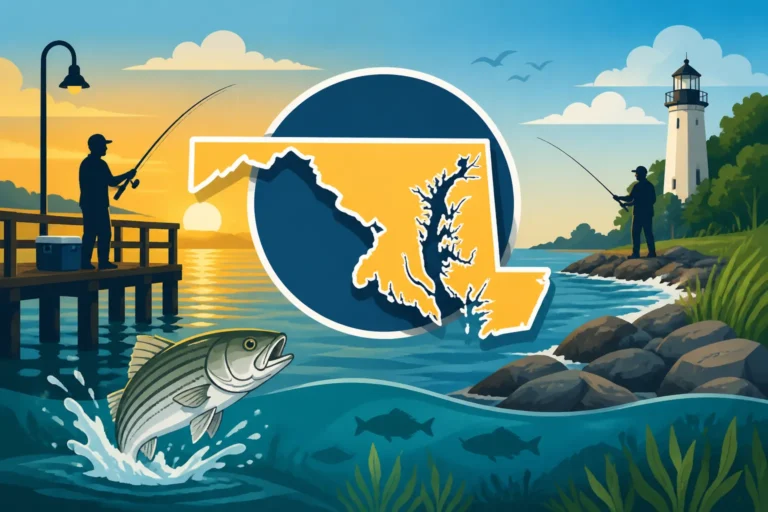
- Sandy Point State Park (Annapolis): Located right on the Chesapeake Bay, Sandy Point is a fantastic spot. You can fish directly from the beach or from the dedicated fishing pier. In the spring and fall, white perch and yellow perch are abundant, and you might even hook into a striped bass. In the summer, spot and croaker are common. The park offers amenities like restrooms and picnic areas, making it a perfect family outing. The views of the Bay Bridge are just a bonus!
- Point Lookout State Park (Scotland): Down at the very tip of Southern Maryland, Point Lookout offers both Bay-side and Potomac River fishing opportunities. The long pier is a popular spot, and you can catch a wide variety of fish depending on the season, including white perch, spot, croaker, and even some small bluefish. It's a bit of a drive for many, but the scenery and the fishing make it worth it. Remember, when fishing from these state park piers, there can sometimes be specific rules, and it’s always wise to check if you need a specific license or if the pier covers it. For general guidance, it's worth checking out if Do You Need a License to Fish From a Maryland Pier? before you head out.
- Ocean City Piers: If you're heading to the coast, Ocean City offers multiple public piers where you can fish without needing a boat. The Ocean City Fishing Pier, for example, is famous for a variety of species like flounder, bluefish, croaker, and even small sharks. Many of these piers have bait and tackle shops right on them, which is incredibly convenient if you're just starting and don't have all your gear. They often have staff who can give you pointers too. For more specific info, you might want to look at Best Piers for Fishing in Ocean City Maryland.
These locations are fantastic because they reduce the logistical challenges that often deter beginners. You can park close, walk a short distance, and be fishing in minutes. The sheer volume of fish means you're less likely to go home empty-handed, which is a huge confidence booster for anyone new to the sport. Plus, being around other anglers means you can learn by observation and even strike up conversations for tips and tricks.
Family-Friendly Reservoirs and Lakes
Beyond the tidal waters, Maryland has several beautiful reservoirs and lakes that are perfect for shore fishing, especially if you're bringing kids along. These freshwater spots are often calmer and offer different species to target.
- Loch Raven Reservoir (Baltimore County): While primarily a drinking water source, Loch Raven has designated fishing areas accessible from the shore and offers boat rentals (electric motors only) for those ready to try a small craft. You can catch largemouth bass, crappie, bluegill, and various other panfish. The shoreline access is generally good, and the serene environment makes for a relaxing day. It's a great place to practice casting and feel the tug of a fish. For more detailed information, checking out Fishing Loch Raven Reservoir could be very helpful.
- Piney Run Park (Carroll County): This park features a beautiful 300-acre lake known for its excellent panfish population (crappie, bluegill, yellow perch) and healthy largemouth bass. There are plenty of accessible shoreline areas, and the park also offers boat rentals. It's a peaceful spot, perfect for a quiet day of fishing, and the fish are usually quite cooperative, making it a rewarding experience for beginners. The park also has other amenities, like playgrounds, so it's a true family destination.
These lakes and reservoirs provide a controlled, calm environment compared to the sometimes unpredictable Bay. They are excellent places to learn basic casting, baiting, and fish-handling techniques without the added challenges of strong currents or tides. The panfish species found here, like the bluegill and sunfish, are particularly active and often school in large numbers, increasing your chances of a catch.
Stocked Ponds and Put-and-Take Trout Streams
For consistent action and a high likelihood of catching fish, Maryland's stocked ponds and "put-and-take" trout streams are hard to beat. The DNR actively manages these areas to ensure a robust population of fish, making them ideal for beginners and families.
The Joy of Catching Stocked Trout
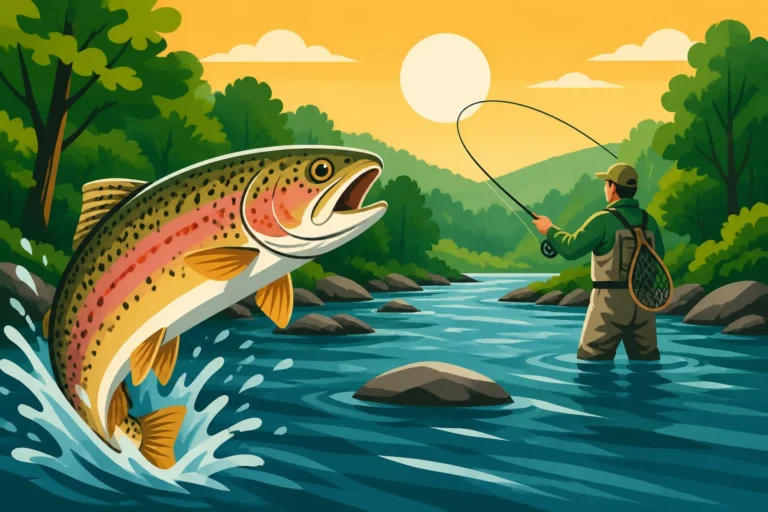
Imagine casting your line into a pristine mountain stream and almost immediately getting a bite – that's the experience many beginners have in Maryland's put-and-take trout waters. The state stocks these areas with thousands of rainbow, brown, and golden rainbow trout multiple times a year, specifically to provide abundant fishing opportunities.
- Jones Falls (Baltimore County): This urban stream, particularly in its upper stretches, is a popular put-and-take trout fishery. It's easily accessible from various points and offers a serene escape right outside the city. Trout here are often eager to bite, especially right after a stocking.
- Patapsco Valley State Park (various locations): Several sections of the Patapsco River and its tributaries within the park are heavily stocked. Places like the Avalon Area or the Daniels area are easily accessible and great for trout. The combination of beautiful scenery and readily available fish makes it a perfect beginner spot.
- North Branch Potomac River: Further west, sections of the North Branch Potomac River are also heavily stocked. While some parts can be more challenging, there are many accessible stretches where beginners can find success.
What makes these spots so good for beginners is the sheer density of fish. You don't need advanced angling techniques; a simple bait rig with corn, PowerBait, or worms will often do the trick. It’s all about getting a bite, feeling the fight, and reeling in your first few fish. For more on what these waters entail, understanding Maryland Put-and-Take Trout Waters, What That Means is key. Also, knowing Best Bait for Put-and-Take Trout in Maryland will significantly boost your chances.
Learning the Ropes in Managed Waters
These managed fisheries are more than just places to catch fish; they are excellent outdoor classrooms. The relaxed atmosphere allows beginners to focus on fundamental skills without the pressure of trying to find elusive fish.
You can experiment with different baits and simple rigs, like a bobber and a hook or a basic bottom rig. The consistent action helps you learn how to identify a bite, set the hook, and properly reel in a fish. It also provides an opportunity to practice catch and release, if you choose, ensuring the fish are handled carefully. The Maryland DNR provides schedules for trout stockings, so you can plan your trip for optimal success. While trout fishing can sometimes be seen as an advanced pursuit, these put-and-take areas democratize it, making it accessible and fun for everyone. To truly maximize your chances, familiarize yourself with Maryland Trout Season, Month by Month so you know when to hit the streams after a fresh stocking.
Tidal Creeks and Rivers for Easy Catches
Moving into the realm of Maryland's famous Chesapeake Bay ecosystem, but without needing to venture far offshore, are the myriad tidal creeks and smaller rivers. These are fantastic environments for beginners because they offer sheltered waters and a reliable supply of easy-to-catch species.
Targeting White Perch and Panfish
White perch are truly Maryland's unsung heroes for beginner anglers. They are incredibly abundant throughout the Bay and its tributaries, can be caught from shore or small boats, and are known for their aggressive bites and delicious taste.
- The Patuxent River Tributaries: Smaller creeks feeding into the Patuxent River, especially in the middle and lower sections, are prime white perch territory. Places like Battle Creek or Town Creek offer easy shore access in some areas and are perfect for a quiet afternoon. You can catch them using simple bottom rigs with bloodworms or grass shrimp.
- Eastern Shore Creeks: The Eastern Shore is riddled with countless tidal creeks that flow into its major rivers like the Choptank, Chester, and Nanticoke. Many small, public boat ramps or roadside pull-offs provide access. These areas are not only rich in white perch but also host yellow perch in the spring and various panfish. Fishing near docks, fallen trees, or oyster shell bottoms can be very productive.
These tidal creeks provide a gentler introduction to saltwater-influenced fishing. The currents are usually milder than the main Bay, and the fish tend to concentrate in predictable areas, such as around structure or in deeper holes. This predictability simplifies the learning process for beginners. For a deeper dive into one of Maryland’s most accessible species, read about White Perch in Maryland's Chesapeake Bay. You'll find that these areas are also home to a variety of other easy-to-catch species. To learn more about them, check out Maryland Panfish: Crappie, Perch and Sunfish.
Exploring Smaller Waterways
The charm of these smaller waterways is that they feel less intimidating than vast expanses of water. They allow new anglers to focus on the immediate fishing experience without the added complexities of navigating large boats or dealing with heavy offshore swells.
You can often find good fishing right off a small bridge, a publicly accessible bulkheaded area, or even from a kayak or canoe if you're ready for that step. The species here are generally smaller than those in the open Bay, which means lighter tackle is appropriate, making for a more sensitive and enjoyable fight for beginners. Bait options are also straightforward; garden worms, bloodworms, or small pieces of cut fish work wonders. It’s a great way to experience the rich fisheries of the Chesapeake Bay without needing to become a seasoned sailor first.
Comparing Maryland's Beginner-Friendly Fishing Spots
To help you decide where to cast your line first, here's a quick comparison of some of the best spots for new anglers in Maryland:
| Fishing Spot | Location | Primary Fish Species for Beginners | Ease of Access (Shore/Pier) | Best Time of Year | Key Features for Beginners |
|---|---|---|---|---|---|
| Sandy Point State Park | Annapolis (Chesapeake Bay) | White Perch, Spot, Croaker, Striped Bass | Very Easy (Pier, Beach) | Spring, Summer, Fall | High success rate, amenities, scenic views, bait shop nearby. |
| Loch Raven Reservoir | Baltimore County (Freshwater) | Largemouth Bass, Crappie, Bluegill | Easy (Designated Shoreline) | Spring, Summer, Fall | Calm waters, good for learning casting, boat rentals available. |
| Patapsco Valley State Park | Central Maryland (Trout Stream) | Stocked Rainbow, Brown, Golden Trout | Easy (Roadside access) | Spring, Fall | High catch potential after stockings, beautiful natural setting. |
| Patuxent River Tributaries | Southern Maryland (Tidal Creek) | White Perch, Panfish, Catfish | Moderate (Various Shorelines) | Spring, Summer, Fall | Sheltered waters, consistent perch action, good for small boats. |
| Ocean City Fishing Pier | Ocean City (Ocean) | Flounder, Bluefish, Croaker | Very Easy (Long Pier) | Summer, Fall | Bait & tackle on-site, experienced staff, diverse species. |
Essential Tips for Maryland Beginner Anglers
Beyond just knowing where to go, there are a few fundamental steps and considerations that will make your initial fishing trips in Maryland much smoother and more enjoyable.
Getting Your Maryland Fishing License
This is probably the most crucial step! Unless you're fishing on a designated Maryland free fishing day or from a licensed charter boat, you will need a valid Maryland fishing license if you're 16 years or older. This might seem like a hassle, but it's incredibly easy to obtain.
You can purchase your license online through the Maryland Department of Natural Resources (DNR) Compass portal, which is super convenient. You can also get one in person at most tackle shops or authorized retail agents throughout the state. It's important to understand the different types of licenses available, such as Resident vs. Nonresident, and Nontidal vs. Tidal, depending on where you plan to fish. Often, a Consolidated Sport Fishing License will cover most of your bases for both fresh and saltwater species. For a comprehensive breakdown, I highly recommend checking out the Maryland Fishing License Guide for 2026 or specifically How to Buy a Maryland Fishing License. Also, if you're wondering about the young ones, be sure to look into Maryland Fishing License Age Requirements as kids often have exemptions. Getting your license sorted upfront ensures you're fishing legally and supports the conservation efforts that keep Maryland's fisheries thriving.
Simple Gear and Bait Recommendations
You absolutely do not need expensive, specialized gear to start fishing in Maryland. Keep it simple!
- Rod and Reel Combo: A medium-light spinning rod and reel combo, about 6 to 7 feet long, is incredibly versatile for most beginner spots. It's easy to cast and handle a variety of fish sizes. Load it with 6-10 lb monofilament line. Brands like Ugly Stik or Penn offer durable and affordable starter combos.
- Basic Tackle: A small tackle box with a few essentials:
- Hooks: Size 6 or 8 baitholder hooks for bait fishing, maybe some small jig heads (1/8 to 1/4 oz).
- Sinkers: Split-shot sinkers and some small egg sinkers or pyramid sinkers (1/4 to 1 oz) for bottom fishing.
- Bobbers: Small clip-on bobbers are great for suspension fishing in calm waters.
- Swivels: Small barrel swivels (size 10-12) to prevent line twist.
- Pliers/Forceps: Essential for removing hooks safely.
- Bait: Live bait is often the most effective and easiest for beginners.
- Worms: Garden worms or nightcrawlers work for almost everything freshwater.
- Bloodworms/Grass Shrimp: Gold standards for white perch and other tidal species.
- Cut Bait: Small pieces of clam, squid, or fish (like fresh pieces of spot or alewife) can be effective for bottom feeders and larger perch.
- PowerBait/Corn: Excellent for stocked trout.
Always check with a local tackle shop near your chosen fishing spot. They'll know exactly what the fish are biting on and what gear works best for that specific area.
Consider a Guided Trip
While this guide focuses on DIY spots, if you want an accelerated learning experience or to maximize your chances of success on a specific type of fish, consider hiring a local fishing guide. Many guides specialize in family-friendly or beginner trips, taking all the guesswork out of gear, bait, and finding the fish. They provide the boat, tackle, and expertise, and you often don't even need your own license if you're on a licensed charter. Services like FishingBooker can help you find reputable local captains who cater to beginners and know the best spots for a successful day on the water, whether it's for white perch in a quiet creek or even targeting invasive blue catfish. A good guide can teach you more in a few hours than you might learn in weeks on your own, setting a strong foundation for future solo trips. To get an idea of what to expect, take a look at Maryland Chesapeake Bay Fishing Charters, What to Expect.
When to Go Fishing in Maryland for Beginners
Timing can make a huge difference in fishing success, especially for beginners. Knowing the best seasons and even taking advantage of special opportunities can greatly enhance your experience.
Best Seasons for Consistent Action
Maryland offers year-round fishing, but certain seasons are definitely more forgiving and productive for beginners.
- Spring (April-May): This is a fantastic time for freshwater and tidal fishing. Trout stockings are in full swing, offering easy catches in put-and-take streams. White perch make their spawning runs into tidal creeks, providing incredible action. Bass become more active in lakes and ponds. The weather is generally pleasant, making for comfortable outings.
- Summer (June-August): While the heat can sometimes make fishing tougher, summer is prime time for panfish (bluegill, crappie, yellow perch) in freshwater lakes and ponds. Spot, croaker, and smaller bluefish are abundant in the Chesapeake Bay and its tributaries, especially from piers and shorelines. Early mornings and late evenings are often the most productive during the hotter months.
- Fall (September-November): Another excellent season! Trout are stocked again, and the white perch action often picks up as they school before winter. Striped bass become more aggressive in the Bay, and while they can be challenging, you might hook a smaller one from shore or a pier. The cooler temperatures and vibrant foliage make for a beautiful fishing backdrop.
Understanding the general patterns can significantly increase your chances of a rewarding trip. You can also refer to Best Time of Year to Fish in Maryland to help plan your outings with even more precision.
Utilizing Free Fishing Days
Maryland offers specific "Free Fishing Days" each year where residents and non-residents can fish in the state's waters without needing a fishing license. These days are an absolute gift for beginners! They remove the initial hurdle of purchasing a license, allowing you to try out the sport with minimal commitment.
These days are usually scheduled in June and July, often coinciding with National Fishing and Boating Week, but always check the Maryland DNR website for specific dates each year. This is the perfect opportunity to visit one of the accessible spots mentioned in this guide, try out some basic gear, and see if fishing is for you, all without the worry of having a license. Many local parks and community organizations also host special events on these days, sometimes offering loaner rods, bait, and basic instruction. It's a fantastic way to dip your toes into the Maryland fishing scene. Make sure you know when these special days are by checking Maryland's Free Fishing Days for current information.
Disclaimer
Fishing regulations in Maryland can change, and it's always the angler's responsibility to stay informed. Before heading out, please consult the latest Maryland Department of Natural Resources (DNR) fishing regulations for current licensing requirements, seasons, size limits, and creel limits for the specific species and waters you plan to fish. This guide provides general information for beginners and is not a substitute for official regulations.