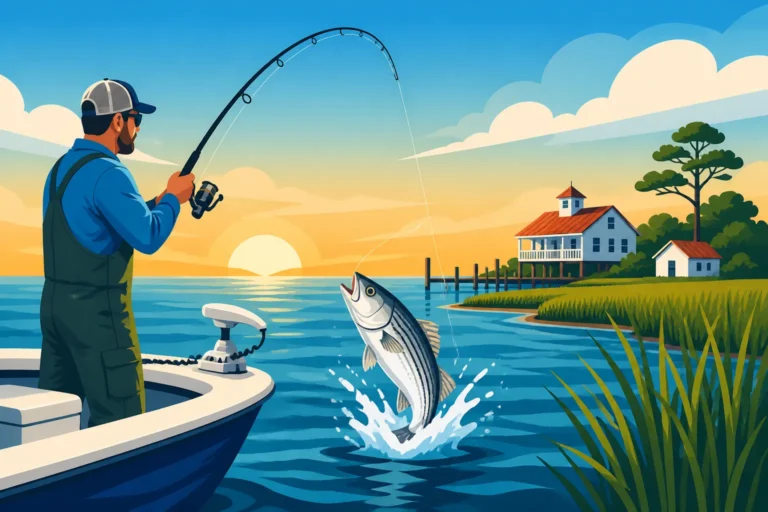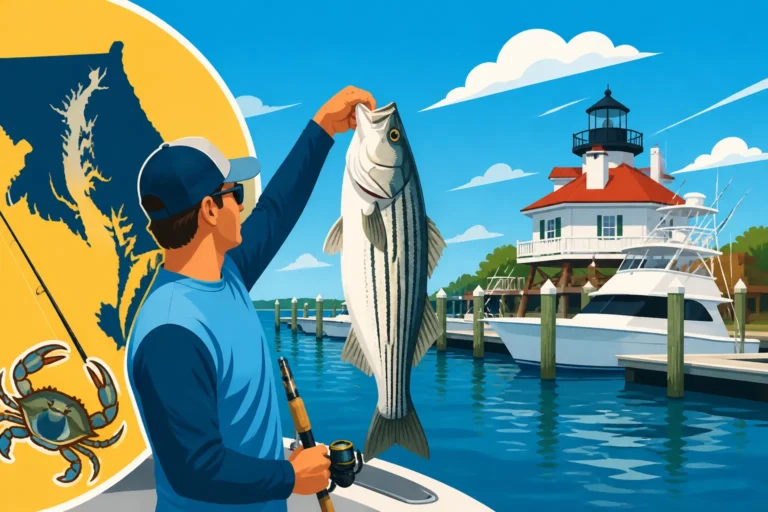
Fishing the Thorofare Near Ocean City
There’s nothing quite like the salty air and endless possibilities of fishing around Ocean City, Maryland. But let's be honest, sometimes the vastness of the ocean or the crowded surf can feel a little overwhelming, or maybe you're just looking for a more sheltered, equally productive spot. That's where the Thorofare comes in, a real gem hidden just behind the bustling boardwalk. This guide will take you deep into fishing the Thorofare, covering everything from what makes it unique to the best techniques and regulations, helping you unlock its secrets for an unforgettable angling experience.
What Exactly is the Thorofare and Why Fish There?
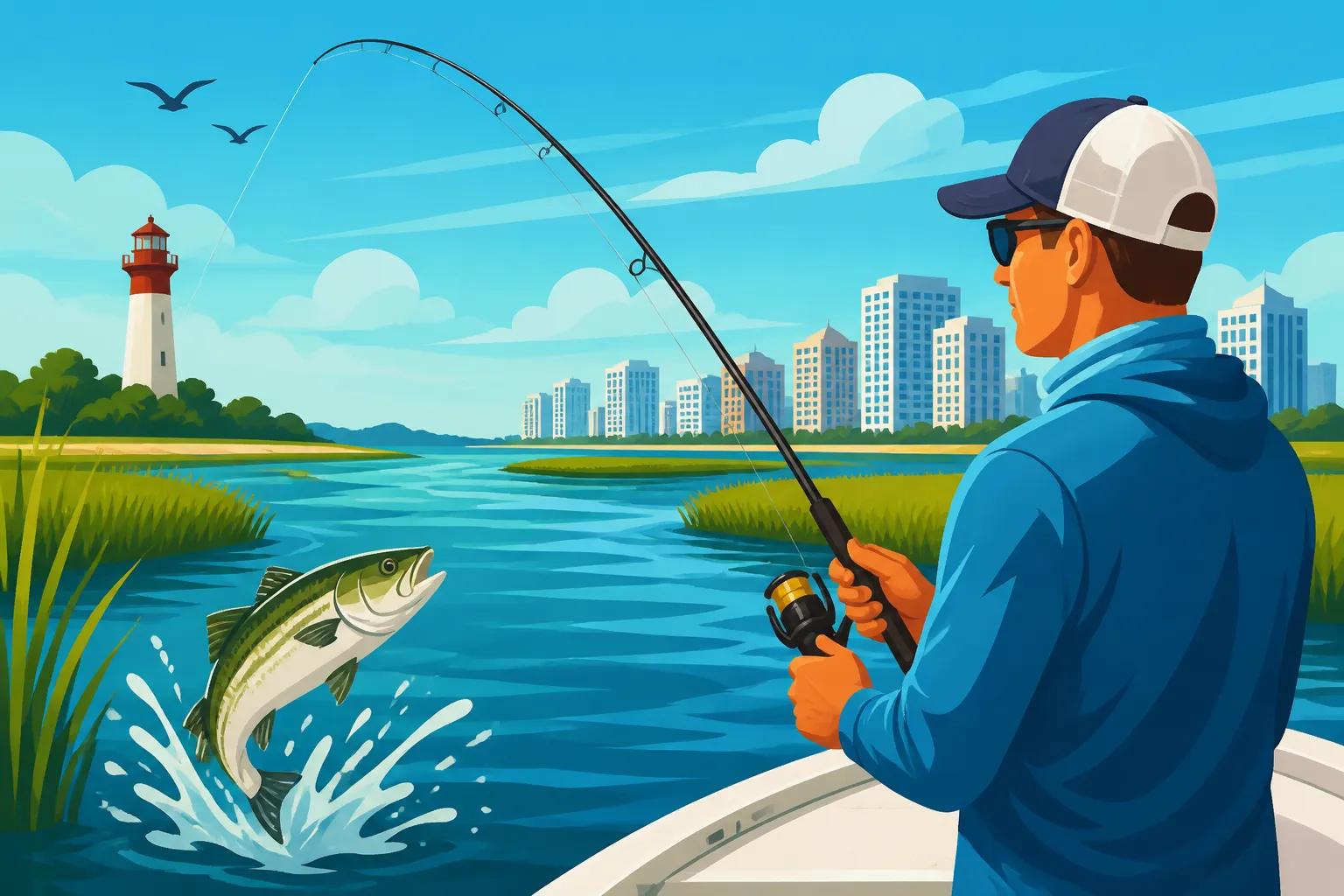
If you're new to the area or just starting to explore beyond the main channels, the term "Thorofare" might sound a bit mysterious. But for local anglers, it's a household name, referring to a series of interconnected waterways that snake through the marshes and islands just west of Ocean City. It's a prime example of Maryland's diverse coastal ecosystem, offering a stark contrast to the open Atlantic.
Understanding the Unique Geography and Ecosystem
The Thorofare isn't a single body of water but rather a network of shallow channels, flats, and pockets that ebb and flow with the tide. It's nestled behind the barrier islands, creating a somewhat sheltered environment that's less affected by the rough ocean conditions. Picture winding sandy bottoms, grass beds swaying in the current, and oyster reefs providing complex habitat. This intricate labyrinth is part of Ocean City's larger back bay system, which includes areas like the Isle of Wight Bay and Assawoman Bay. The constant tidal flushing brings in nutrients and baitfish, making it an incredibly rich feeding ground for a variety of desirable game species. The shallower, warmer waters also make it a nursery for many species, ensuring a healthy population. Unlike the deep, open ocean, the Thorofare's characteristics allow for different fishing approaches and often more consistent action, especially when the ocean is too rough.
Key Fish Species You'll Encounter
The sheltered, nutrient-rich environment of the Thorofare supports a fantastic array of fish, making it a diverse playground for anglers. While some species are seasonal visitors, others call these waters home year-round. You'll primarily be targeting species that thrive in brackish waters and relatively shallow depths.
Flounder: Without a doubt, the Thorofare is synonymous with flounder fishing. These flatfish love to ambush bait from the sandy bottoms and along channel edges. They're often found hugging structure, like oyster beds or drop-offs, patiently waiting for an unsuspecting meal to swim by. Their camouflaged bodies make them masters of disguise, but their aggressive bite when food is presented correctly is unmistakable. Many anglers specifically head to the back bays for their chance at a delicious dinner of flounder, which tend to be plentiful here, especially during warmer months. If you're keen on finding the best spots, you might want to explore our guide on Where to Catch Flounder Near Ocean City.
Bluefish: While perhaps not as abundant as in the open ocean, smaller bluefish, often called "snapper blues," frequently dart through the Thorofare channels, especially during the warmer parts of the year. These aggressive predators are a blast to catch on light tackle and will hit almost anything shiny or moving quickly. They often provide fast action and can be a thrilling surprise when you're targeting other species. Be mindful of their sharp teeth – a pair of pliers is a must for unhooking!
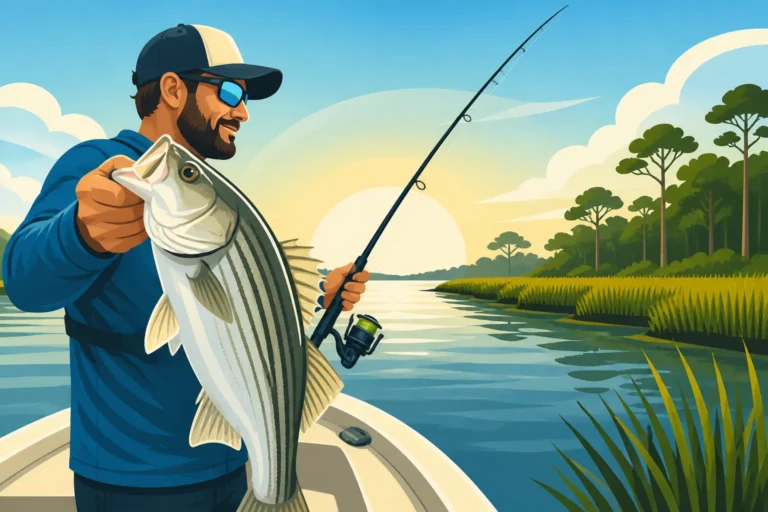
Striped Bass (Rockfish): Though not the "trophy" rockfish you might find in the Chesapeake Bay, juvenile striped bass are common residents in the Thorofare, using it as a protected feeding and growing ground. These smaller stripers offer fantastic light tackle action and are great for honing your skills. They tend to lurk around structure, like docks, bridge pilings, or deeper channel bends. You might catch a legal keeper, but often it's more about the sport of catching and releasing these feisty fish. For more on the bigger picture, check out our insights on Striped Bass: Maryland's State Fish.
White Perch: These ubiquitous panfish are always a reliable catch in the Thorofare. They travel in schools and are known for their feisty fight on ultralight gear. White perch are excellent table fare and can provide continuous action, especially when other species are shy. They're not picky eaters and will readily take small baits or artificial lures. You can often find them near oyster beds, docks, or creek mouths.
Other Potential Catches: Depending on the season and specific conditions, you might also hook into speckled trout (though less common in the Thorofare proper, they are around the general back bay system), black drum, or even the occasional red drum, particularly in the fall. Smaller baitfish like spot and croaker are also abundant and often become bait themselves for the larger predators. Understanding the array of species available significantly enhances your chances of success and enjoyment when fishing these unique waters.
Getting Your Lines in the Water: Access and Best Times in the Thorofare
So, you're ready to explore the Thorofare! One of its biggest appeals is the variety of access options available, catering to everything from seasoned boaters to casual shore anglers. Knowing when and where to go can make all the difference in your success.
Public Access Points for Shore Anglers and Kayakers
While much of the Thorofare's shoreline is private, there are still excellent public access points that allow you to get your lines in the water. These spots are popular for a reason, offering good opportunities for various species.
Ocean City Fishing Pier: While not directly in the Thorofare, the Ocean City Fishing Pier offers prime access to the Inlet, which is the gateway to the Thorofare and the entire back bay system. You can often catch flounder, bluefish, and even juvenile rockfish from here, especially on outgoing tides. It's a great option for those without a boat, and you don't even need a Maryland fishing license when fishing from the pier itself, as it operates under a blanket commercial license. If you're exploring other options, our guide to the Best Piers for Fishing in Ocean City Maryland has more great ideas.
Northside Park: Located further north in Ocean City, Northside Park offers fantastic public access to the back bays. While not directly on the Thorofare itself, it connects to similar back bay environments where you can launch kayaks, canoes, or even small johnboats. The park features a lagoon and pier, making it a great spot for families and shore anglers targeting white perch, small flounder, and occasional stripers. It's a safe and convenient spot, especially for kayak fishing, allowing you to paddle into the shallower parts of the Thorofare system.
Boat Ramps and Marina Access: For those with their own boat or renting one, numerous public and private boat ramps in Ocean City provide direct access to the back bays and, consequently, the Thorofare. The 125th Street Public Boat Ramp is a popular choice, offering easy access to the northern bays which funnel into the Thorofare channels. Additionally, many local marinas, such as those that can be found via FishingBooker, offer transient slips or launch facilities, giving you direct passage into the intricate waterways. From a boat, you can navigate the channels more effectively, explore remote grass flats, and target those deeper pockets where larger flounder often lurk.
Best Tides and Seasons for Thorofare Fishing
Understanding the rhythms of the tide and the seasons is paramount to consistent success in the Thorofare. These shallow, tidal waters are heavily influenced by both.
Tidal Influence: The Thorofare is a tidal fishery, meaning the movement of water in and out of the channels plays a critical role in fish activity. Generally, the outgoing tide is considered the most productive. As the water recedes from the shallower flats and marshes, it pulls baitfish, crabs, and shrimp out into the main channels, where predatory fish like flounder and striped bass lie in wait to ambush them. The moving water also concentrates bait, making it easier for predators to feed. Fishing the last two hours of the outgoing tide and the first hour or so of the incoming tide is often your best bet. However, during the incoming tide, especially the first few hours, fish might move into the shallower areas to feed on newly flooded grounds. It's all about finding those "choke points" where bait is forced through narrower passages, or where currents create eddies and slack water. Our general advice on How Tides Affect Fishing in Maryland's Chesapeake Bay applies here, too, albeit on a smaller, more intimate scale.
Seasonal Hot Spots: The Thorofare truly comes alive during the spring and fall.
- Spring (April-May): As water temperatures rise, fish become more active. Flounder begin to move into the back bays from deeper offshore waters, and white perch runs are in full swing. Juvenile striped bass also become more prevalent. This is a fantastic time for light tackle action and a great opportunity to catch a variety of species.
- Summer (June-August): Fishing remains strong, though midday heat can slow things down. Early mornings and late evenings are often the most productive. Flounder fishing is at its peak, and you'll find snapper bluefish and small stripers cruising the channels. Look for areas with good current and slightly deeper water during the hottest parts of the day. Remember, Maryland has a Maryland Striped Bass Season and Rockfish Rules you'll need to follow, especially if you're targeting keepers.
- Fall (September-November): Many consider fall the absolute prime time for Thorofare fishing. As water temperatures begin to drop, many species become extremely active, feeding heavily in preparation for winter. Flounder fishing can be incredible, with some of the largest "doormats" caught during this period. Striped bass activity picks up significantly, and bluefish can be aggressive. This is when the back bays truly shine, offering consistent action right up until the cold sets in.
- Winter (December-March): Fishing slows considerably in the Thorofare due to cold water temperatures. While some hardy anglers might find tautog or a few lingering white perch in deeper holes, it's generally not the most productive season for this area. Most species move to deeper, more stable waters offshore or into the main channels of the larger bay system.
Mastering the Catch: Gear, Baits, and Techniques for Thorofare Success
Getting your gear dialed in and understanding the right techniques for the Thorofare's specific environment will greatly increase your chances of success. It's not about heavy-duty offshore tackle here; finesse and sensitivity often win the day.
Recommended Rods, Reels, and Line
For the types of fish and the typically shallower waters of the Thorofare, you don't need heavy-duty ocean tackle. In fact, lighter setups often provide a more enjoyable and effective fishing experience.
- Rods: A medium-light to medium power spinning rod, typically 6'6" to 7'6" in length, is ideal. Look for a rod with a fast or extra-fast action, which means the tip bends easily but the backbone is stiff. This combination provides the sensitivity needed to detect subtle bites from flounder and perch, while still having enough power to handle a feisty bluefish or a decent-sized striper. A good quality graphite rod will offer excellent sensitivity without being overly heavy.
- Reels: Pair your rod with a reliable spinning reel in the 2500 to 3000 size range. This size provides a good balance of line capacity, smooth drag, and comfortable retrieve for fighting fish in these waters. Ensure your reel has a smooth drag system; even smaller fish can put up a surprisingly strong fight, and a jerky drag can lead to lost fish.
- Line: Braided line is highly recommended for Thorofare fishing. Its lack of stretch provides superior sensitivity, allowing you to feel even the slightest tap, and its thin diameter for its strength means you can cast further. A 10-15 lb test braided line is perfect. To maintain stealth and provide some abrasion resistance, always use a fluorocarbon leader. A 15-25 lb test fluorocarbon leader, 2 to 4 feet long, tied to your braid with an FG knot or a double uni-knot, will be almost invisible to fish and protect your main line from oyster shells and fish teeth.
Top Baits and Lures for Each Species
The Thorofare fish aren't usually overly picky, but certain baits and lures consistently outperform others, especially when targeting specific species.
-
For Flounder:
- Live Bait: Small live minnows (like peanut bunker or silversides) and live spot are hands-down the best for flounder. The erratic movement of live bait is irresistible to them. You can often catch your own spot in the back bays or buy minnows at local bait shops.
- Cut Bait: Strips of squid or fresh bunker (menhaden) are highly effective. Cut the bait into thin, tapered strips about 3-4 inches long, ensuring they flutter naturally in the current.
- Artificial Lures: Gulp! Alive! artificial baits, especially the shrimp or swimming mullet patterns in chartreuse, white, or natural colors, are incredibly popular and effective. Rig them on a jig head or a high-low rig. Bucktail jigs (1/2 to 1 oz) tipped with a strip of Gulp! or natural bait also work wonders, especially when bounced along the bottom. For a deeper dive, check out Best Bait for Flounder in Ocean City.
-
For Striped Bass (Rockfish) and Bluefish:
- Soft Plastics: Paddle tail swimbaits (3-5 inches) in pearl white, chartreuse, or natural colors rigged on a jig head (1/4 to 3/4 oz) are deadly. Cast them out and retrieve with a steady retrieve or a series of jigs.
- Topwater Lures: Small poppers or walk-the-dog baits can be incredibly exciting, especially at dawn or dusk when fish are actively feeding on the surface.
- Spoons: Casting spoons that mimic baitfish are excellent for bluefish and often pick up stripers too.
- Live Bait: Live minnows or peanut bunker, free-lined or under a bobber, can be very effective, especially for stripers lurking around structure.
-
For White Perch:
- Small Jigs: Tiny jig heads (1/16 to 1/8 oz) tipped with a small soft plastic grub, curly tail, or piece of Gulp! are fantastic.
- Bloodworms/Grass Shrimp: These natural baits are irresistible to white perch, fished on a small hook (size 6-8) on a bottom rig or under a bobber.
- Small Spinnerbaits: Rooster tails or similar inline spinners can also be very effective for aggressive perch.
Tactical Approaches: Drifting, Anchoring, and Sight Fishing
The diverse structure of the Thorofare demands a versatile approach. Adapting your technique to the conditions and target species will yield the best results.
-
Drifting: This is arguably the most popular and effective technique for flounder in the Thorofare. From a boat or kayak, you allow the tide to carry you slowly along a channel edge, over a grass flat, or near an oyster reef, dragging your bait or lure along the bottom. This covers a lot of ground and presents your offering naturally.
- Boat Drifting: Position your boat slightly upcurrent from where you want to fish. Deploy a small drift sock or sea anchor to slow your drift, allowing your bait to stay near the bottom without constantly snagging. Use a standard flounder rig: a three-way swivel with a sinker dropper (1/2 to 1 oz, depending on current) and an 18-24 inch leader to a hook (size 1/0 to 3/0, depending on bait size).
- Kayak Drifting: Kayakers can achieve a similar effect, often using a small anchor or drift chute to control their speed and direction. Drifting with a jig and soft plastic is highly effective for flounder and other bottom dwellers. Our guide on Kayak Fishing Techniques for Maryland Waters can provide more general tips applicable here.
-
Anchoring: When you've located a productive spot—perhaps a deep hole, a strong current rip, or a concentrated oyster bed—anchoring allows you to thoroughly work that area.
- Targeting Structure: Anchor upcurrent from your desired spot and cast your baits or jigs into the feeding zone. Let them settle to the bottom and work them slowly, just enough to entice a bite. This is particularly effective for targeting striped bass around bridge pilings or docks, or for working a specific flounder hole.
- Chumming (Limited): While less common than in the open Bay, light chumming with small pieces of clam or crushed mussels can sometimes attract white perch or even a stray flounder in very specific, calm areas. However, be mindful of strong currents that will quickly disperse chum.
-
Sight Fishing: In the clear, shallow waters of the Thorofare, especially during calm conditions, sight fishing can be a thrilling experience. This is most effective from a kayak or stand-up paddleboard, or by wading the flats.
- Spotting Predators: Look for subtle signs: dark shapes moving over light sand, nervous baitfish scattering, or the tell-tale "puff" of sand as a flounder relocates. This is also a fantastic way to spot schools of white perch or cruising stripers.
- Targeted Casting: Once you spot a fish, make a precise cast well ahead of it, allowing your lure or bait to settle naturally before it reaches the fish's strike zone. This requires stealth and accurate casting but can be incredibly rewarding. Polarized sunglasses are essential for cutting glare and seeing into the water.
Targeting Specific Species in the Thorofare
While we've covered the general approaches, let's dive a bit deeper into how to specifically target some of the Thorofare's most sought-after residents. Specializing your approach can significantly boost your catch rates.
Flounder: The Back Bay Favorite
Flounder are the kings and queens of the Thorofare, especially during the warmer months. Their camouflage and ambush tactics make them a fun challenge, and their delicious fillets make them a prime target.
Understanding Flounder Behavior: Flounder are opportunistic predators that lie camouflaged on the bottom, often partially buried in sand or mud, waiting for baitfish, shrimp, or crabs to swim by. They prefer areas where there's a good current to bring food to them but also some structure or depth changes where they can hide. Look for channel edges, the mouths of smaller creeks, around oyster beds, and sandy patches adjacent to grass flats. They are often found in areas that transition from shallow to slightly deeper water, allowing them to retreat if necessary.
Rigging for Flounder: A classic tandem rig is incredibly effective. This involves two hooks spaced about 12-18 inches apart, often with a small float or bead above each hook to keep the bait suspended slightly off the bottom and add visual attraction. At the very bottom, you'll have a sinker (pyramid or bank sinker, 1/2 to 2 oz depending on current). This rig allows you to present two different baits or two pieces of the same bait at slightly different heights. Alternatively, a simple jig head (1/2 to 1 oz) with a Gulp! bait is also a proven winner, allowing for a more active presentation. Drifting with these rigs, bouncing them subtly along the bottom, is often the most productive method.
Presentation is Key: When drifting, ensure your bait or lure is making contact with the bottom regularly. Flounder rarely rise high in the water column to feed. If using a jig, give it a gentle lift and let it fall, mimicking a distressed baitfish or a foraging crab. If you feel a tap or an unusual weight, don't set the hook immediately. Flounder often "mouth" the bait first. Give them a few seconds to fully commit and turn the bait in their mouth before making a firm, upward sweep with your rod. This patience is crucial for solid hookups. Remember to stay up-to-date on the Maryland Flounder Size Limit.
Striped Bass and Bluefish: Aggressive Channel Hunters
While the back bays don't typically produce the massive "cow" rockfish of the Chesapeake, they offer consistent action with juvenile stripers and feisty bluefish, especially during spring and fall migrations.
Locating Predators: These fish are more actively nomadic than flounder. They'll cruise the main channels, especially during strong tidal flows, ambushing baitfish. Look for areas with current breaks, such as around points, bridge pilings, or submerged structure where baitfish might congregate or become disoriented. Schools of bait on your sonar, or even visual signs of birds diving, are huge indicators that stripers or bluefish might be feeding.
Lure Selection and Retrieve: For both species, artificial lures are often the most exciting way to fish.
- Paddle Tail Swimbaits: Cast these soft plastics (3-5 inches) on appropriate jig heads into current seams or along channel edges. A steady retrieve, occasionally punctuated by a twitch or pause, can be irresistible. White, chartreuse, and natural baitfish patterns are go-tos.
- Topwater Lures: During low light conditions (dawn, dusk, or overcast days) when these fish are pushing bait to the surface, a popper or a "walk-the-dog" style lure can create explosive strikes. Cast them near turbulent water or where you see baitfish skipping.
- Spoons: Metal casting spoons, retrieved quickly, are particularly effective for bluefish, which are attracted to flash and fast movement.
Live-Lining or Chunking: If artificials aren't producing, or if you suspect larger fish are present, live-lining a small spot or peanut bunker can be deadly for stripers. For bluefish, a chunk of fresh bunker (menhaden) fished on the bottom or under a float can also be very effective. Since the Thorofare is shallower, a simpler rig with a small egg sinker above a swivel, then a short leader to a strong circle hook, often suffices. When live-lining, let the bait swim naturally and be ready for a solid take.
White Perch: Abundant and Fun Panfish
White perch are the unsung heroes of the Thorofare, providing reliable action and delicious meals, perfect for anglers of all skill levels, including beginners.
Finding White Perch Schools: White perch are schooling fish, so where you find one, you'll likely find many. They prefer areas with some structure and slightly deeper water but will move into shallower areas to feed. Look for them around oyster reefs, docks, bridge pilings, and creek mouths where the current brings food. They are often found suspended just off the bottom or hugging structure.
Simple and Effective Rigs: You don't need complicated setups for white perch.
- Bottom Rig: A simple two-hook bottom rig (often called a high-low rig), using size 6-8 bait holder hooks, is highly effective. Bait with small pieces of bloodworm, grass shrimp, or even small chunks of Fishbites. A 1/4 to 1/2 oz sinker is usually enough to hold bottom.
- Small Jigs: For a more active approach, small (1/16 to 1/8 oz) jig heads tipped with tiny soft plastics (grubs, twister tails) or a small piece of bloodworm can be deadly. Cast them out and retrieve slowly, with subtle twitches.
- Bobber Rig: If perch are suspended or feeding in very shallow water, a small float or bobber rig can be great. Suspend a small jig or baited hook a few feet under the bobber and let the current carry it.
White perch can be caught almost year-round in the Thorofare, though their activity peaks in spring and fall. They are incredibly eager biters and provide consistent action, making them a fantastic target when you just want to bend a rod.
Navigating the Rules and Responsible Angling in Ocean City's Thorofare
Fishing in such a dynamic and popular area means understanding and respecting the rules set forth by the Maryland Department of Natural Resources (DNR). Responsible angling ensures healthy fish populations and enjoyable experiences for everyone.
Maryland DNR Regulations Specific to the Area
It's crucial to be aware of the specific rules that apply to fishing in Maryland, which sometimes have nuances for tidal waters like the Thorofare. Ignorance of the law is never an excuse, and penalties can be steep.
Fishing Licenses: First and foremost, unless you're fishing from a licensed pier or during a designated free fishing day, you'll need a valid Maryland fishing license. For most Thorofare fishing, a Maryland Bay and Coastal Sport Fishing License is required. This covers the tidal waters, including Ocean City's back bays. If you also plan to venture into freshwater ponds or rivers further inland, you might need a separate nontidal license, or a consolidated license that covers both. Children under 16 generally do not need a license. For detailed information, consult our comprehensive Maryland Fishing License Guide for 2026.
Size and Creel Limits: Every fish species has specific size and catch limits, which can change year to year based on stock assessments and conservation efforts. These regulations apply directly to the Thorofare.
- Striped Bass (Rockfish): Maryland's striped bass regulations are notoriously complex and can change frequently. Always check the current year's rules for specific slot limits, season dates, and daily creel limits. There are often different rules for the Chesapeake Bay and coastal waters, so be sure to know which applies to the Thorofare (tidal coastal rules).
- Flounder: Flounder also have minimum size limits and daily creel limits designed to protect their populations.
- Bluefish, White Perch, etc.: While often more generous, other species also have regulations.
It's your responsibility to know the current regulations for every species you target. The Maryland DNR website is the official source, or you can pick up a printed fishing guide from most tackle shops. For a general overview, read our guide on Maryland Fishing Size and Catch Limits by Species.
Gear Restrictions: While less common in the Thorofare than in some trout streams, there can be certain gear restrictions, such as hook type (e.g., circle hooks might be required for certain bait fisheries to reduce gut-hooking) or the number of rods you can fish simultaneously. Always verify current rules to avoid issues.
Practicing Responsible Angling
Beyond just following the rules, being a responsible angler is about ensuring the longevity of the fishery and preserving the natural beauty of the Thorofare for future generations.
Catch and Release Best Practices: Even if you plan to keep legal fish for dinner, many catches will be undersized or species you don't intend to keep.
- Minimize Handling: Handle fish as little as possible. Keep them in the water if you can.
- Wet Hands: Always wet your hands before touching a fish to protect its protective slime coat.
- Proper De-hooking: Use pliers or a de-hooking tool to quickly remove hooks. If a fish is deeply gut-hooked, cut the line as close to the hook as possible rather than trying to rip it out.
- Revive the Fish: For exhausted fish, especially larger ones, hold them gently upright in the water, facing into the current, until they swim off under their own power.
Leave No Trace: The Thorofare's natural beauty is part of its charm. Pack out everything you pack in, including all trash, broken lines, and discarded bait containers. Polystyrene (styrofoam) bait cups, for example, are easily blown away and become persistent pollutants in the ecosystem. Dispose of fishing line properly, as it can be a serious hazard to wildlife. Many tackle shops have recycling bins for monofilament line.
Respect Other Anglers and Wildlife: The Thorofare can be a popular spot, especially on weekends. Give other anglers plenty of space, avoid loud noises, and be courteous on the water or shore. Be mindful of nesting birds, marsh habitat, and other wildlife that call the Thorofare home. Remember that we are guests in their environment. Using resources like FishingBooker to find a local charter ensures you're with an experienced captain who will also adhere to these principles and guide you responsibly.
By understanding the unique characteristics of the Thorofare, mastering the right techniques, and always practicing responsible angling, you're set for many rewarding days on the water.
| Species | Preferred Bait/Lure (Primary) | Secondary Bait/Lure | Ideal Fishing Season | Best Tide (General) | Notes |
|---|---|---|---|---|---|
| Flounder | Live Minnows / Gulp! Shrimp | Cut Squid / Bunker | Spring, Summer, Fall | Outgoing / Slack | Drift bottom, bounce jigs, focus on channel edges |
| Striped Bass | Paddle Tail Swimbait / Live Bait | Topwater Lures | Spring, Fall | Moving | Target structure, current breaks, low light |
| Bluefish | Metal Spoons / Paddle Tail Swimbait | Cut Bait / Poppers | Summer, Fall | Moving | Fast retrieve, aggressive strikes |
| White Perch | Bloodworms / Small Jig w/ Grubs | Grass Shrimp | Spring, Summer, Fall | Any moving | Bottom rigs, small jigs, fish in schools |
Disclaimer
Please note that fishing regulations, seasons, and limits are subject to change by the Maryland Department of Natural Resources (DNR). Always consult the latest official Maryland DNR fishing guide or website before heading out on the water to ensure you are compliant with all current laws and regulations. This guide is for informational purposes only and should not be considered legal advice.