Fishing the Miles River Near St. Michaels
The idea of slipping away to the tranquil waters of Maryland's Eastern Shore, rod in hand, is a dream for many anglers. Yet, when faced with a vast and intricate estuary system like the Chesapeake Bay and its tributaries, it's easy to feel lost about where to cast your line for the best results. If you've been eyeing the Miles River near St. Michaels, wondering how to unlock its angling secrets, this guide is your comprehensive roadmap to understanding its unique charm, targeting its diverse fish populations, and planning a truly memorable fishing expedition.
The Allure of the Miles River for Eastern Shore Anglers
The Miles River, a picturesque tidal tributary of the Chesapeake Bay, is more than just a waterway; it's an ecosystem rich with history, natural beauty, and, most importantly, thriving fish populations. Nestled alongside the charming town of St. Michaels, it offers a serene backdrop for both casual and serious anglers. This river is renowned for its relatively calm waters, intricate shoreline, and diverse habitats, making it a fantastic destination for a variety of fishing experiences.
A Tidewater Treasure's Unique Character
What truly sets the Miles River apart is its quintessential Eastern Shore character. Unlike the vast, open expanse of the main Bay, the Miles offers a more intimate setting with its winding creeks, sheltered coves, and varying depths. The river is a brackish environment, meaning it's a mix of fresh and saltwater, which contributes to the incredible diversity of fish species found here. From the main channel that might drop to 20 feet or more, to the shallow, muddy creeks no deeper than a few feet, there's a niche for nearly every type of fish and every angling style.
The bottom structure is incredibly varied, featuring everything from oyster shells and soft mud to sandy flats and submerged aquatic vegetation (SAV) beds. These grass beds, especially in the shallower coves and creek mouths, are crucial nurseries and feeding grounds, providing cover for juvenile fish and baitfish, which in turn attract larger predators. Docks, piers, and bulkheads lining the shore also create excellent ambush points for species like striped bass and white perch, offering vertical structure that holds bait and provides shade. The gentle tidal flow here, while not as dramatic as in some other Bay rivers, still plays a significant role in fish activity, often concentrating bait and stimulating feeding behaviors around specific structures or current breaks.
Seasonal Opportunities and Migratory Patterns
Fishing the Miles River is a year-round affair, though the species you'll encounter and the techniques you'll use will change dramatically with the seasons. Spring brings a burst of activity, as water temperatures rise and many species begin their spawning migrations or emerge from their winter haunts. This is often when you'll find strong runs of white perch moving into the shallower creeks, and migratory striped bass beginning to stage in the deeper channels before heading up to their spawning grounds.
As summer settles in, the Miles River becomes a bustling fishery for resident populations. White perch remain abundant, often schooling around structure. You'll also find a good population of aggressive blue catfish, which are becoming increasingly prevalent in these waters, alongside occasional flounder on the deeper flats. The warmer months are also ideal for targeting snakeheads in the very upper reaches and tributary creeks, where they thrive in the dense vegetation. Fall sees another surge of activity as water temperatures begin to cool. Many species, including striped bass, become more active, feeding aggressively in preparation for winter. This is a prime time for the "fall run" when larger rockfish move through the Bay and its tributaries, offering some of the year's most exciting fishing. Even in winter, dedicated anglers can find success, often targeting yellow perch or white perch in deeper holes, or braving the cold for a chance at a winter striped bass in catch-and-release zones. The ebb and flow of these seasonal movements make the Miles River a dynamic and ever-changing fishery.
Prime Species and Techniques for Miles River Success
The Miles River is a fantastic place to target a variety of fish, each offering a unique challenge and reward. Knowing what to expect and how to approach each species can significantly improve your chances of success.
Chasing Maryland's State Fish: Striped Bass (Rockfish)
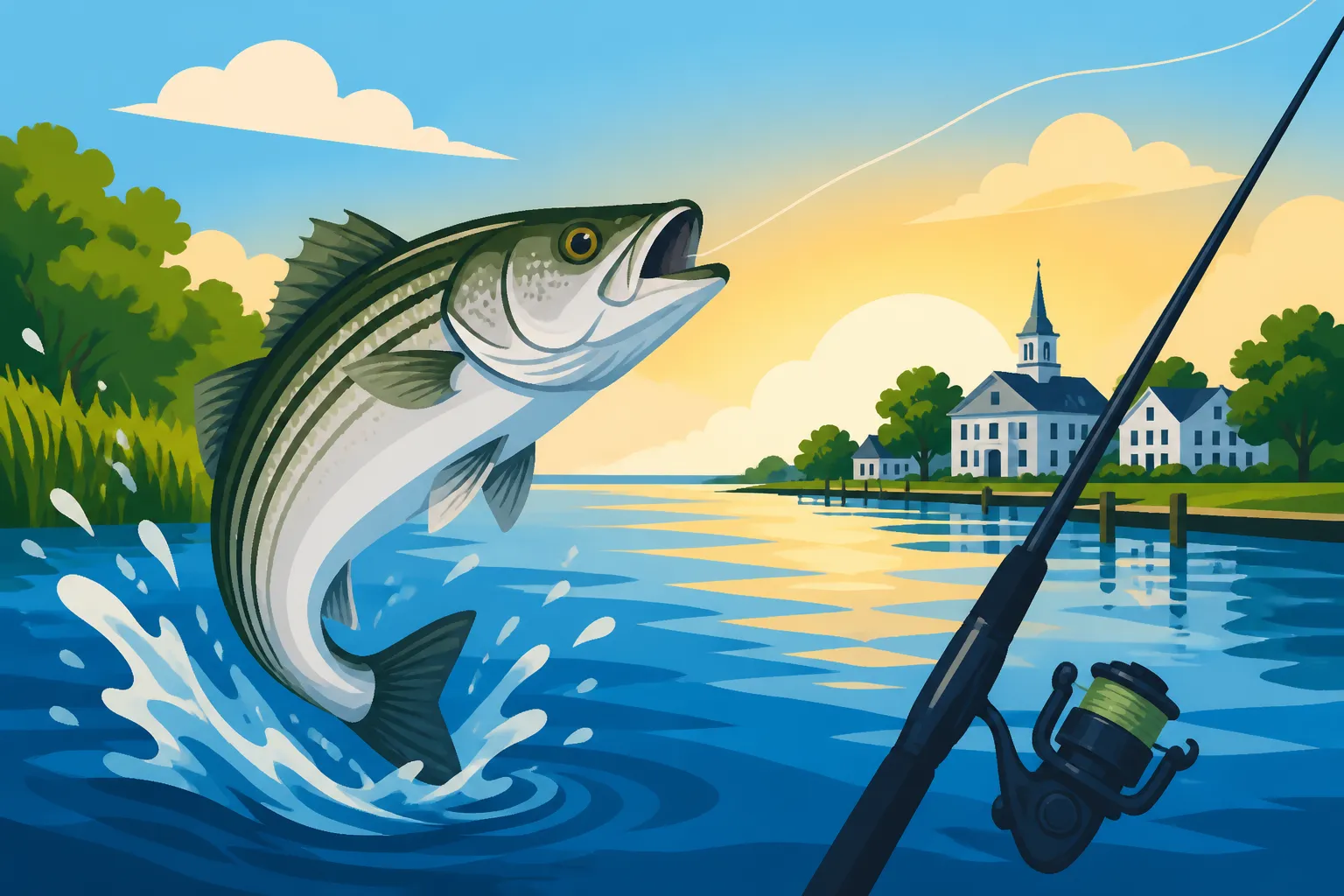
Without a doubt, the striped bass, affectionately known as rockfish in Maryland, is the most sought-after game fish in the Miles River and the wider Chesapeake Bay. While the main spawning grounds are further upriver in larger tributaries like the Choptank or Susquehanna, the Miles River holds both resident populations and serves as a vital transit and feeding area for migratory fish. During the spring and fall migrations, larger trophy fish can certainly be found. For the most up-to-date regulations on Maryland Striped Bass Season and Rockfish Rules, always check the Maryland DNR website.
- Spring and Fall: These are prime times for targeting striped bass. In spring, as waters warm, you'll find them cruising channel edges, points, and around underwater structure. Trolling with bucktails, umbrella rigs, or larger swimbaits can be highly effective in the main channel. Jigging with soft plastics or metal jigs is also popular, especially around bridge pilings, prominent points, or submerged humps where baitfish gather. During the fall run, casting topwater lures or suspending jerkbaits at dawn and dusk can produce exhilarating strikes near points and shallow flats. Live-lining spot or eels is also a proven technique for larger fish, especially around deeper channel edges or prominent structure.
- Summer: While the larger migratory fish often move to cooler, deeper waters of the main Bay or ocean during summer, resident striped bass remain in the Miles River. These are typically smaller "schoolie" stripers, but they offer consistent action. Target them early morning or late evening around docks, shaded areas, and grass beds using light tackle. Small swimbaits, poppers, or even a simple piece of peeler crab or bloodworm on a bottom rig can entice a bite.
Abundant Panfish: White Perch and Yellow Perch
If you're looking for consistent action and excellent table fare, white perch are your best bet in the Miles River. They are incredibly abundant and can be caught almost year-round. Yellow perch also make an appearance, particularly in the cooler months and further upriver.
- White Perch: These feisty fighters are a staple of Eastern Shore fishing. In spring, they undertake massive White Perch Spawning Runs in Maryland Rivers, pushing far up into the shallow creeks off the Miles, like San Domingo Creek or Leeds Creek. This is when they are easiest to catch in large numbers using small spinnerbaits, plastic grubs on light jigs, or bottom rigs baited with grass shrimp, bloodworms, or small pieces of peeler crab. During summer, they school up around oyster beds, channel edges, and docks in the main river. A simple bottom rig with a few pieces of bloodworm or grass shrimp is deadly. Even in winter, they can be caught by locating deeper holes and dropping small jigs or metal spoons.
- Yellow Perch: While not as universally distributed as white perch, yellow perch are found in the Miles River, especially in the spring. They tend to prefer slightly less saline waters and can be found in the upper reaches of the river and its freshwater tributaries. Look for them in shallow, vegetated areas during their spring spawn. Small minnows, jigs tipped with grub tails, or even simple earthworms are effective.
Battling Bottom Dwellers: Catfish and Flounder
The Miles River also offers opportunities for anglers who enjoy fishing the bottom, with two distinct species providing different challenges.
- Blue Catfish: These invasive giants have made a significant presence in many Chesapeake Bay tributaries, including the Miles River. Maryland Blue Catfish Possession Rules encourage anglers to harvest as many as possible due to their detrimental impact on native species. They grow to impressive sizes and put up a formidable fight. Target them in deeper channels, holes, and around submerged structures. They are not picky eaters; cut bait (like pieces of gizzard shad, menhaden, or even chicken liver) is highly effective. You can fish for them on a simple bottom rig with a heavy sinker to hold against the current. They are a fantastic species for consistent action and make for excellent table fare.
- Flounder: While not as prevalent as in the coastal bays, flounder can be found in the Miles River, especially during the warmer months. Look for them lying in ambush on sandy or muddy bottoms, particularly near channel edges, oyster reefs, or other structure that creates current breaks. Drifting with a flounder rig baited with live minnows, strip baits (like squid or cut spot), or Gulp! swimming mullet can be very productive. They are masters of camouflage, so a slow presentation that keeps your bait near the bottom is key.
| Species | Best Season | Preferred Habitat | Recommended Baits/Lures | Notes |
|---|---|---|---|---|
| Striped Bass | Spring, Fall | Channel edges, points, docks, humps | Bucktails, swimbaits, live spot/eels, topwater | Maryland's state fish, exciting fight. |
| White Perch | Year-round | Docks, oyster beds, grass beds, creek mouths | Bloodworms, grass shrimp, small jigs, spinners | Abundant, great for families, excellent eating. |
| Blue Catfish | Year-round | Deeper channels, holes, submerged structures | Cut bait (shad, menhaden), chicken liver | Invasive, strong fighters, no limit. |
| Yellow Perch | Spring | Upper river, shallow vegetated areas, creek mouths | Minnows, worms, small jigs | Excellent eating, spring runs. |
| Flounder | Summer, Early Fall | Sandy/muddy bottoms, channel edges, oyster reefs | Live minnows, squid strips, Gulp! swimming mullet | Requires patience, good table fare. |
| Snakehead | Summer, Early Fall | Shallow, heavily vegetated creeks (upper river) | Frogs, topwater lures, weedless soft plastics | Invasive, kill on sight, thrilling topwater action. |
Navigating the Miles River: Access Points and Hotspots
Getting onto or near the Miles River is relatively straightforward, whether you prefer the comfort of a larger boat, the stealth of a kayak, or the simplicity of shore fishing. Understanding the available access points and known hotspots will maximize your time on the water.
Public Boat Ramps and Marinas
For anglers with boats, the Miles River offers several convenient access points. The town of St. Michaels itself has a strong maritime tradition, and several marinas cater to recreational boaters, though public ramps are often your most cost-effective option.
- San Domingo Creek Public Landing: Located on San Domingo Creek, a significant tributary of the Miles River just outside St. Michaels, this is a very popular public boat ramp. It provides easy access to the main Miles River and its productive creeks. It's generally well-maintained and has ample parking, though it can get busy on peak weekends. This ramp is suitable for everything from small john boats to larger center consoles. From here, you can easily access the numerous points, coves, and channel edges that hold fish.
- St. Michaels Harbor: While primarily home to marinas like the St. Michaels Marina and Higgins Yacht Yard, you can often find transient slips or launch smaller craft from less formal spots if you plan ahead. However, for sheer convenience and public access, San Domingo Creek is usually the go-to.
- Easton Point Park: A bit further up the Tred Avon River, which is another nearby tributary to the Choptank Bay, Easton Point Park also offers good access for boats and kayaks. While not directly on the Miles, it's a good alternative if you're exploring the broader Eastern Shore rivers.
When choosing a boat ramp, consider the tides, as some shallower ramps can be tricky at very low tide, especially for larger vessels. Always ensure your boat is properly registered, and if you're looking for a guided experience, services like FishingBooker can connect you with experienced local captains who know the Miles River intimately. Many of these charters depart directly from St. Michaels or nearby ports. For insights on what to expect, check out articles like Maryland Chesapeake Bay Fishing Charters, What to Expect or What to Bring on a Maryland Fishing Charter.
Shoreline and Pier Fishing Prospects
While boat access provides the most flexibility, shore-bound anglers can also find success on the Miles River, particularly around the town of St. Michaels.
- St. Michaels Waterfront: The public areas along the waterfront in St. Michaels, including parks and promenades, offer opportunities for casting. While not prime fishing spots in terms of structure, you can often pick up white perch or smaller striped bass, especially around docks or where smaller creeks enter the main river. These spots are great for casual fishing with family or if you're just looking to wet a line during a visit to the town. Remember, if you plan to fish from a pier or shoreline, you'll still need a Maryland Fishing License Guide for 2026 unless it's designated as a license-free fishing zone or one of Maryland's Free Fishing Days.
- Public Piers: While there isn't a dedicated, large public fishing pier directly on the Miles River like you might find in Ocean City, smaller community piers or privately owned docks that allow public access can sometimes be found. Always look for signage or ask permission if you're unsure. These can be excellent for white perch and blue catfish. For general information on pier fishing, you might find Do You Need a License to Fish From a Maryland Pier? helpful.
Kayak and Small Boat Exploration
For many, exploring the Miles River by kayak or small boat is the ultimate way to experience its beauty and access its hidden gems. This method allows you to get into the shallower creeks and coves that larger boats cannot reach, often yielding impressive results for species like white perch, snakeheads, and even resident striped bass.
- San Domingo Creek and Its Tributaries: This creek system, easily accessible from the public landing, is a kayak angler's paradise. Its winding nature, abundant grass beds, and countless docks provide endless opportunities. You can paddle silently into the shallower reaches, casting topwater lures for snakeheads or small jigs for perch in undisturbed waters.
- Leeds Creek: Another significant tributary of the Miles, Leeds Creek offers similar advantages for paddlecraft. Its upper reaches become quite narrow and shallow, providing an intimate fishing experience away from boat traffic. Look for fallen trees, submerged logs, and dense vegetation as prime holding areas for fish. For more tips on this style of fishing, exploring Best Kayak Fishing Spots on the Eastern Shore could be beneficial.
- Lower Miles River Coves: The main stem of the Miles River also has numerous smaller coves and points that are ideal for kayak fishing. These areas often feature a mix of sand, mud, and grass, providing diverse habitats. Being able to quietly approach these spots without spooking fish is a huge advantage.
When using a kayak or small boat, always prioritize safety. Wear your personal flotation device, carry a whistle, and be aware of changing weather conditions and boat traffic, especially in the wider sections of the river.
Essential Tips for a Rewarding Miles River Fishing Trip
Fishing successfully on the Miles River, like any tidal fishery, often comes down to understanding the local nuances and being prepared. A little local knowledge can go a long way.
Understanding Tides and Their Impact
In a tidal river system like the Miles, the movement of water—the incoming and outgoing tides—has a profound impact on fish behavior. This isn't just about water depth; it's about current, bait movement, and feeding windows.
- Moving Water is Key: Generally, moving water is better for fishing than slack tide. As the tide comes in or goes out, it creates currents that dislodge bait, concentrate food sources, and stimulate fish activity. Many species, especially striped bass and white perch, will position themselves to ambush bait being carried by the current.
- Specific Tide Phases:
- Incoming Tide: Often good for pushing baitfish into shallower areas and creeks, activating fish in those zones. Fish might move onto flats or shallower points to feed.
- Outgoing Tide: As water recedes, it can draw baitfish out of creeks and off the flats, concentrating them in deeper channels or around points and mouths of tributaries. This can create excellent ambush opportunities for predatory fish.
- Timing Your Trip: It's often beneficial to fish the two hours leading up to and the two hours following a tide change (high or low tide). This four-hour window usually offers the most active feeding. Keep an eye on local tide charts for St. Michaels or nearby areas. Understanding How Tides Affect Fishing in Maryland's Chesapeake Bay can truly elevate your fishing game here.
Essential Gear and Bait
You don't need highly specialized gear for the Miles River, but having the right tackle for the target species will make a difference.
- Rods and Reels: A medium-light to medium action spinning rod (6'6" to 7'6") paired with a 2500-4000 series spinning reel spooled with 10-20 lb braided line is versatile enough for most species you'll encounter. For heavier striped bass or blue catfish, you might consider stepping up to a medium-heavy rod with a 4000-5000 reel.
- Terminal Tackle:
- Bottom Rigs: Essential for white perch and catfish. Use a simple two-hook bottom rig with a 1-2 oz pyramid or bank sinker, depending on the current.
- Jig Heads: Various sizes (1/4 oz to 1 oz) paired with soft plastic grub tails or paddle tails (chartreuse, white, pink are popular colors) are excellent for jigging striped bass and white perch.
- Lures: Small spinnerbaits (1/8-1/4 oz) for white perch, larger swimbaits (3-6 inches) for striped bass, and weedless frogs or soft plastics for snakeheads are highly effective.
- Baits:
- Live Bait: Bloodworms and grass shrimp are phenomenal for white perch. Live minnows are great for yellow perch and flounder. Live spot can be deadly for large striped bass.
- Cut Bait: Freshly cut pieces of menhaden, shad, or even store-bought chicken liver are irresistible to blue catfish.
- Artificials: As mentioned, soft plastics, spinnerbaits, and topwater lures are very effective. Always carry a variety to match the conditions and fish mood.
Fishing Smart and Responsibly
Being a responsible angler is crucial for preserving the Miles River's fantastic fishery for years to come.
- Licenses and Regulations: Before casting a line, ensure you have the appropriate Maryland fishing license. Whether you need a Nontidal, Tidal, or Consolidated license depends on where you're fishing and what you're targeting. For a comprehensive overview, consult the Maryland Fishing License Guide for 2026. Always be aware of and adhere to the current Maryland Fishing Size and Catch Limits by Species, which can change frequently. Pay particular attention to current Maryland Striped Bass Season and Rockfish Rules and slot limits.
- Conservation: Practice catch and release for species you don't intend to keep, especially for larger breeding fish. Handle fish gently, minimize their time out of water, and use barbless hooks when possible to reduce harm.
- Invasive Species: For invasive species like blue catfish and snakeheads, Maryland actively encourages anglers to harvest them and not release them back into the water. This helps protect native populations. Be familiar with Maryland Blue Catfish Possession Rules and Maryland Snakehead Fishing Rules.
- Leave No Trace: Pack out everything you pack in. Keep the beautiful shores and waters of the Miles River clean for everyone to enjoy.
Leveraging Local Expertise
Sometimes, the best way to ensure a successful trip, especially if you're new to the area, is to tap into local knowledge.
- Local Bait and Tackle Shops: The folks behind the counter at local bait and tackle shops near St. Michaels or Easton are invaluable resources. They can provide real-time information on what's biting, where, and with what bait. They'll also have the right local baits and gear in stock.
- Fishing Charters: Booking a trip with a local fishing charter captain is an excellent way to learn the nuances of the Miles River. Captains who operate out of St. Michaels or nearby ports spend countless hours on these waters and can put you directly on the fish while teaching you effective techniques. Platforms like FishingBooker can help you find reputable guides for your trip. They can handle all the details, from licenses (often covered by their charter license) to bait and tackle, making it an ideal option for beginners or those seeking to maximize their time. For example, a captain might target "Best Charters Near Baltimore for a Day Trip" or "Charter Options on the Choptank River" depending on their home port, but many are very familiar with the Miles.
- Online Forums and Groups: Joining local Maryland fishing forums or social media groups can also provide a wealth of information from fellow anglers. Just remember to be respectful and contribute to the community.
By combining these practical tips with an appreciation for the Miles River's unique environment, you're well on your way to a fantastic fishing adventure near St. Michaels.
Disclaimer
The information provided in this guide is for general informational purposes only and is subject to change. Fishing regulations, seasons, and licensing requirements in Maryland are updated periodically by the Maryland Department of Natural Resources (DNR). It is the responsibility of every angler to consult the most current official Maryland DNR fishing regulations before engaging in any fishing activities. We recommend checking the Maryland DNR website or contacting them directly for the latest rules and guidelines.