Fishing the Sassafras River
Trying to find that perfect fishing spot that isn't overrun, yet still offers fantastic action, can feel like searching for a needle in a haystack. Many anglers overlook the true gems tucked away in Maryland's diverse waterways, and the Sassafras River is absolutely one of them. This comprehensive guide will pull back the curtain on fishing the Sassafras, giving you all the insider knowledge on what to target, where to go, and the best ways to tackle its unique waters for a truly rewarding experience.
Understanding the Sassafras River's Unique Fishing Environment
The Sassafras River, a beautiful tributary of the upper Chesapeake Bay on Maryland's Eastern Shore, offers a fascinating blend of freshwater and tidal characteristics that make it a truly dynamic place to fish. It's not just another river; it's a vibrant ecosystem with distinct features that dictate where fish live and how they behave. Anglers often get frustrated trying to apply generic fishing knowledge to specific rivers, but the Sassafras demands a nuanced approach.
Tidal Influences and Water Characteristics
Unlike purely freshwater lakes or nontidal rivers, the Sassafras River is heavily influenced by the Chesapeake Bay's tides. This means water levels, currents, and even salinity can fluctuate throughout the day, often impacting fish feeding patterns and locations. The upper reaches of the river, closer to the headwaters, behave more like typical freshwater, while the lower sections, particularly near the mouth where it meets the Bay, are distinctly brackish and influenced by the ebb and flow of the tide. Understanding this transition is crucial. For instance, fish that prefer higher salinity might be found closer to the mouth, while those that thrive in fresher water will hug the upstream sections. The constant movement of water also concentrates baitfish and, consequently, predator fish, in specific areas during different tidal phases. Learning How Tides Affect Fishing in Maryland's Chesapeake Bay is a game-changer here.
The river's water clarity can also vary, especially after heavy rains, which can stir up sediment in the shallower areas. Generally, the Sassafras has decent clarity, but anglers should always observe conditions on the day. The deeper channels tend to hold clearer water, while the numerous coves and creeks might be stained. Temperature is another critical factor; the shallow coves warm up faster in spring, kickstarting fish activity, and cool down quicker in fall. Knowing these water characteristics helps immensely in selecting the right baits and techniques, as certain colors or presentations will perform better in varying conditions.
Key Habitat Features and Structure
The Sassafras River is a textbook example of diverse aquatic habitat. It's not just an open stretch of water; it's a labyrinth of submerged structures, lush vegetation, and intricate bottom contours. From its shallower, woody upper reaches to its wide, deeper lower sections, you'll find everything from fallen trees and dock pilings to expansive grass beds and deep channel edges. This variety is precisely why so many species call it home, and why it's such a beloved spot for those who know its secrets.
One of the most defining features of the Sassafras is its numerous coves and creeks. These smaller waterways, like Turner Creek, Lloyd Creek, and Back Creek, act as nurseries and feeding grounds. They often feature extensive spatterdock, lily pads, and submerged aquatic vegetation (SAV), which provide cover for baitfish and ambush points for predatory species. Targeting the edges of these grass lines or pitching baits into pockets within the pads can be incredibly productive. The main river channel also boasts significant drop-offs and ledges, particularly closer to the Bay, which are crucial staging areas for fish moving with the tides or seeking deeper, cooler water. Mapping tools and a good fishfinder can really help identify these subtle yet critical structural elements.
Targeting Popular Fish Species in the Sassafras
The Sassafras River is a true multi-species haven, offering fantastic opportunities for both freshwater and brackish-water anglers. You're not stuck targeting just one thing here, which is great for keeping things interesting, especially if one bite slows down. Knowing what to expect and where to find certain species is key to making the most of your trip.
Largemouth and Smallmouth Bass Opportunities
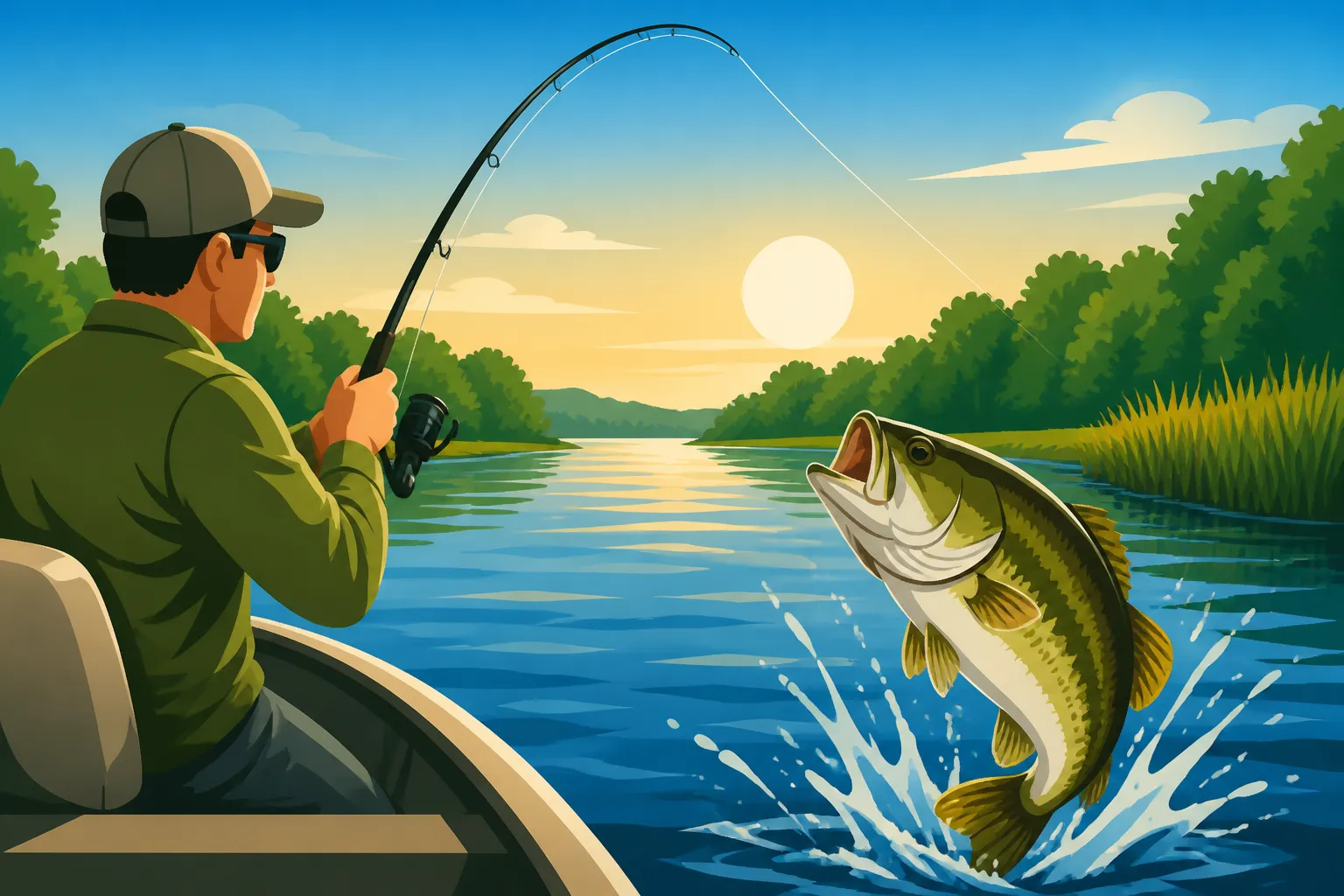
Bass fishing in the Sassafras is nothing short of excellent, with both largemouth and smallmouth thriving in different parts of the river. The largemouth bass are the more dominant species, especially in the shallower, vegetation-rich coves and creeks of the middle and upper river. They love to ambush prey from thick cover, whether it's submerged logs, dock pilings, or dense lily pads. Anglers will find plenty of success flipping jigs, Texas-rigged worms, or casting topwater frogs and buzzbaits around these areas, especially during low light conditions. The warmer months are fantastic for these power techniques. If you're passionate about Maryland Largemouth Bass Fishing, the Sassafras should definitely be on your radar.
Smallmouth bass, while less prevalent than largemouths, can be found in the slightly rockier, more current-driven sections of the upper Sassafras, particularly where there's a good mix of gravel and small boulders. They might also venture into the main river channel. For smallmouths, think about using small crankbaits, spinnerbaits, or Ned rigs fished along transitional areas where cover meets open water. The spring and fall offer the most consistent bass action overall, as the fish are actively feeding before and after their spawning cycles. Knowing the Best Month to Catch Largemouth Bass in Maryland can definitely help plan your trip for peak performance.
Perch and Other Panfish Prospects
If you're looking for consistent action and some delicious table fare, the Sassafras River is a fantastic spot for various panfish, particularly white perch and yellow perch. White perch are abundant throughout the tidal sections of the river, especially in spring during their spawning runs and then again in the fall as they school up. They can be found around docks, oyster beds, and channel edges. Simple bottom rigs with bloodworms, grass shrimp, or small pieces of cut bait are incredibly effective for white perch. Light tackle and jigs tipped with soft plastics also work wonders. For a deeper dive into these tasty fish, check out our guide on White Perch in Maryland's Chesapeake Bay.
Yellow perch, while preferring slightly fresher water than their white perch cousins, can also be found in the middle to upper reaches of the Sassafras, especially in early spring when they make their spawning runs up the creeks and tributaries. Small minnows, jigs, or tiny spinners are perfect for enticing these colorful panfish. Beyond perch, you'll also encounter bluegill, crappie, and sunfish in the river's quieter, shallower pockets and lily pad fields. These offer excellent light tackle fun, particularly for families or those looking for a relaxing day of catching.
Catfish and Invasive Species Encounters
The Sassafras River, like many Chesapeake Bay tributaries, is home to a robust population of catfish, primarily channel catfish and the increasingly common invasive blue catfish. Blue catfish, in particular, have exploded in numbers across Maryland waterways. They grow to impressive sizes and are known for their voracious appetites, making them a popular target for anglers looking for a strong fight. You can find them in the deeper holes and channels throughout the river, often preferring the lower, more brackish sections. They’re not picky eaters and will readily take cut bait like fresh bunker, chicken liver, or even hot dogs. You can learn more about this species in our Maryland Blue Catfish, an Invasive Giant article.
Beyond catfish, the Sassafras is also unfortunately home to another invasive species: the northern snakehead. These aggressive predators have established themselves in the dense vegetation of the river's shallow coves and creeks, much like largemouth bass. They are a blast to catch on topwater lures like frogs or buzzbaits, and every angler is encouraged to harvest them to help control their population. They are also excellent eating! If you're looking to target these unique fish, our guide on Northern Snakehead in Maryland Waters offers some great tips. Anglers should always be aware of the rules surrounding invasive species; it's often illegal to transport them alive.
| Species | Preferred Habitat | Best Baits/Lures | Peak Season |
|---|---|---|---|
| Largemouth Bass | Woody cover, lily pads, grass beds | Jigs, plastic worms, topwater frogs | Spring, Summer, Fall |
| White Perch | Docks, channel edges, oyster beds | Bloodworms, grass shrimp, small jigs | Spring, Fall, Summer |
| Yellow Perch | Upper creeks, vegetation, structure | Minnows, tiny spinners, small jigs | Early Spring, Fall |
| Blue Catfish | Deep channels, holes, lower river | Cut bait (bunker, chicken liver), live bait | Year-round, best in warmer months |
| Northern Snakehead | Dense vegetation, shallow coves | Topwater frogs, chatterbaits, swimbaits | Spring, Summer, Fall |
Prime Fishing Spots and Access Points on the Sassafras
One of the biggest challenges for new anglers exploring a river like the Sassafras is simply figuring out where to start. It's a vast waterway with many twists and turns, and without local knowledge, you can spend more time searching than fishing. Thankfully, the Sassafras offers numerous public access points and well-known fishing areas that can kickstart your adventure.
Public Boat Ramps and Marinas
For those with a boat, the Sassafras River is incredibly accommodating, boasting several excellent public boat ramps and marinas that provide easy access to the water. These are your gateways to exploring the river's vast fishing grounds, from its narrow upper reaches to its wide, Bay-influenced lower sections.
- Georgetown Yacht Basin (Georgetown, MD): Located in the charming town of Georgetown, this area offers access to the middle and lower Sassafras. The basin itself and the surrounding waters are excellent for white perch and bass. You'll find good facilities here, including fuel and bait shops. It's a bustling hub, so expect some boat traffic, especially on weekends.
- Fredericktown (Cecil County): Further upriver, near the Route 213 bridge, Fredericktown offers another solid boat ramp option. This area is fantastic for largemouth bass, especially in the numerous coves and creeks just upstream and downstream. It's also a good starting point if you want to target yellow perch in the spring or explore the upper, less tidal sections.
- Sassafras River State Park (Earleville, MD): While not a traditional marina, the State Park offers a small boat launch, particularly good for kayaks, canoes, and smaller boats. This puts you directly into some beautiful, more natural sections of the river, perfect for quiet bass and panfish action away from the main channel's traffic.
When launching from these spots, remember to observe local speed limits, particularly in marked no-wake zones, and be courteous to other boaters and property owners. If you're looking for an experienced local guide who knows the Sassafras like the back of their hand, platforms like FishingBooker can connect you with captains operating out of places like Georgetown or Fredericktown. They can often provide invaluable, up-to-the-minute reports and take you directly to the hot spots.
Shoreline and Pier Fishing Access
Not everyone has a boat, and that's perfectly fine! The Sassafras River still offers some worthwhile opportunities for shore-bound anglers, though they require a bit more scouting. Public parks and small, informal access points can yield surprisingly good results, especially for panfish and smaller bass.
- Sassafras River State Park: As mentioned, the state park isn't just for launching boats; it has some limited shoreline access for fishing. Anglers can walk the banks in designated areas to cast for bass and panfish. It's often a quieter experience, ideal for a peaceful day of fishing.
- Public Docks and Bridges: In towns like Georgetown and Fredericktown, there might be small public docks or areas near bridges where anglers can cast a line. These spots are usually good for white perch, especially with a simple bottom rig and bait. Always check for "no fishing" signs and be respectful of private property. Fishing from bridges often requires caution due to traffic and can be restricted in some areas.
- Overlooks and Picnic Areas: Sometimes, state or county parks along the river that aren't specifically fishing spots can still offer a few good casting opportunities from the shore, particularly if there's a small pier or a clear bank. These are great for catching sunfish and bluegill, offering easy fun for kids. Always check park regulations before you go.
For shore fishing, focus on areas with visible structure – fallen trees, dock pilings, or sudden drop-offs near the bank. These are natural congregating points for fish. A portable chair and a small tackle bag are all you really need for a successful outing from the shore.
Navigating the River's Tributaries and Creeks
The true magic of the Sassafras River often lies within its numerous tributaries and creeks. These smaller waterways, like Turner Creek, Lloyd Creek, Back Creek, and Cabin John Creek, are havens for fish, particularly largemouth bass and various panfish. They offer calmer waters, more abundant vegetation, and often less boat traffic than the main river. These are also key areas for the spring spawning runs of white and yellow perch.
When exploring these creeks, pay close attention to:
- Creek Mouths: The transition zones where the creeks meet the main river are prime ambush points, especially during tidal changes. Fish will stage here to intercept bait moving in and out with the current.
- Vegetation Lines: The edges of lily pads, spatterdock, and submerged grass beds are bass magnets. Pitching jigs, Texas rigs, or weightless worms into the pockets within these mats can be incredibly productive.
- Shallow Flats: Many creeks have extensive shallow flats that warm up quickly in spring, attracting spawning fish. Later in the year, these flats can hold baitfish, drawing in predators.
- Woody Cover: Fallen trees, stumps, and beaver lodges within the creeks provide excellent cover for bass and other species.
Navigating these smaller creeks often requires a shallower draft boat, a kayak, or a canoe. Kayak fishing is exceptionally popular and effective in these areas, allowing silent access to otherwise hard-to-reach spots. If you're new to the area, consulting a local chart or asking for advice at a bait shop can point you towards the most productive creeks. The Sassafras is considered one of the best Fishing Maryland's Eastern Shore Rivers for this type of diverse action.
Effective Techniques and Baits for Sassafras River Fishing
Having a general idea of where to fish and what's biting is a great start, but understanding the specific techniques and baits that consistently produce results in the Sassafras River is what truly elevates an angler's success. This river's unique blend of habitats and species means a versatile approach often yields the best returns.
Lure and Bait Recommendations by Species
Matching your bait to the target species and the river conditions is paramount. The Sassafras offers a wide array of options, from live bait to artificial lures, each with its time and place.
For largemouth bass, especially in the vegetation-choked coves, you can't go wrong with weedless presentations.
- Topwater Frogs and Buzzbaits: When the water is warm, particularly at dawn and dusk, throwing a frog over lily pads or a buzzbait along grass lines can trigger explosive strikes. Brands like Spro and Booyah make excellent weedless frogs.
- Jigs and Soft Plastics: Flipping a black and blue jig with a craw trailer into heavy cover, or pitching a Texas-rigged worm (Zoom Trick Worm, Senko-style bait) into boat docks and brush piles, is a go-to method.
- Spinnerbaits and Chatterbaits: For covering water along grass edges or over submerged structure, spinnerbaits (especially with willow leaf blades in clearer water) and vibrating jigs (ChatterBait) are incredibly effective.
For white and yellow perch, simplicity often reigns supreme.
- Bloodworms and Grass Shrimp: These are classic perch baits. Fished on a simple bottom rig with a small hook (size 4 or 6) and a 1/2 to 1-ounce sinker, they are irresistible to perch.
- Small Jigs: Tiny 1/16 to 1/8 ounce jigs tipped with a small plastic curl-tail grub or a piece of Gulp! Alive! are deadly when jigged near structure or drifted with the current.
- Minnows: Live minnows, particularly for yellow perch in the spring, can be fished under a bobber or on a small jig head.
For blue catfish, you need something scent-heavy and durable.
- Cut Bait: Freshly cut pieces of bunker (menhaden), carp, or even chicken breast soaked in garlic are highly effective. Fish these on a sturdy circle hook (3/0 to 6/0) with a heavy sinker on the bottom, often in deeper channels. Our guide on Best Bait for Blue Catfish in Maryland Rivers offers more in-depth advice.
- Chicken Livers: While messier, chicken livers are a classic catfish bait that works well, especially for smaller to medium-sized cats.
For northern snakehead, aggressive lures are the ticket.
- Topwater Frogs: Mimicking their natural prey, frogs are a favorite. Cast them into dense vegetation and work them slowly across the surface.
- Chatterbaits and Swimbaits: When snakehead aren't hitting topwater, a chatterbait or a weedless swimbait fished just below the surface can be very effective, especially around submerged cover. See our Techniques for Catching Snakehead in Maryland for more strategies.
Seasonal Strategies and Best Times to Fish
The Sassafras River truly transforms with the seasons, and understanding these changes is vital for consistent success. What works in spring won't necessarily be effective in the heat of summer or the chill of winter.
Spring (March-May): This is arguably the most exciting time on the Sassafras.
- Perch Runs: Early spring sees the famous yellow and white perch runs up the creeks and tributaries. Focus on the upper, narrower sections with minnows and small jigs.
- Bass Spawn: As water temperatures rise into the 60s, largemouth bass move shallow to spawn. Target them with jigs, soft plastics, and spinnerbaits around docks, lily pad edges, and woody cover in the coves.
- Catfish: Catfish become more active as the water warms, found in deeper holes in the main river.
Summer (June-August): The river comes alive, but fish behavior shifts.
- Early Mornings/Late Evenings: Bass and snakehead will be most active during low-light hours, hitting topwater lures. During the day, they retreat to deeper, cooler cover.
- Mid-Day Strategy: Focus on deep docks, shady areas, and main channel drop-offs for bass and catfish. White perch will be schooling in the lower river, often caught bottom fishing.
- August Rockfish Closure: While striped bass (rockfish) are present, be mindful of the Maryland Striped Bass Season and Rockfish Rules, as August often brings closures in the Bay and its tributaries. Focus on other species during this time.
Fall (September-November): The "fall feed" is a prime time for many species.
- Bass and Snakehead: Both species become incredibly active, fattening up for winter. They will hit a wide range of lures, from crankbaits to jigs, as they chase baitfish. Focus on grass beds and channel edges.
- White Perch: Large schools of white perch gather in the lower river and main channels, offering fast action. Bottom fishing with bait or jigging with metal lures can be highly productive.
- Catfish: Still very active, found in deeper areas, aggressively feeding on cut bait.
Winter (December-February): While slower, winter fishing can still yield results for dedicated anglers.
- Deep Water: Fish move to the deepest, most stable water they can find, often in the main river channel.
- Slower Presentations: Use slow-moving baits, like vertical jigs or slow-fished soft plastics for bass, and cut bait for catfish.
- White Perch: Can often be found schooled up in deep holes, accessible via jigging.
Regardless of the season, always pay attention to the tidal charts for the Sassafras River. Moving water stimulates feeding activity, so fishing around the peak of the incoming or outgoing tide can significantly increase your chances of success.
Disclaimer
Please remember that fishing regulations in Maryland, including those for the Sassafras River, can change. Always consult the latest Maryland Department of Natural Resources (DNR) fishing guide or website before heading out to ensure you are aware of current licensing requirements, catch limits, and size restrictions for all species. This information is for general guidance only and should not replace official regulations.