Fishing the South River in Anne Arundel County
Finding a fantastic fishing spot that's both productive and accessible can feel like a treasure hunt, especially when you're navigating the busy waters around Annapolis and Anne Arundel County. It's easy to get overwhelmed by the vastness of the Chesapeake Bay or feel intimidated by complex regulations. This guide is designed to cut through the confusion and unveil the hidden gems of the South River, offering practical, in-depth advice on how to successfully fish this beautiful and diverse waterway, from its tidal creeks to its open stretches.
The South River: Anne Arundel County's Fishing Gem
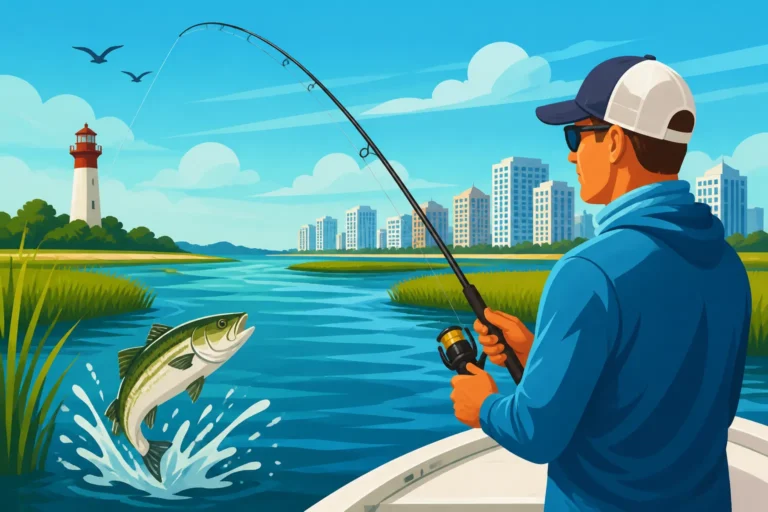
The South River, snaking its way through Anne Arundel County before emptying into the Chesapeake Bay, is often overshadowed by its larger neighbor, the Bay itself. However, for local anglers and those visiting the Annapolis area, this tidal river offers a remarkably rich and diverse fishing experience. It's a sanctuary where freshwater and saltwater species coexist, providing opportunities for everything from chasing hard-fighting striped bass to leisurely catching panfish. The river's unique blend of habitats, from shallow grassy flats to deeper channels and intricate creek systems, makes it a dynamic environment for anglers of all skill levels.
A Rich and Diverse Fishery Ecosystem
What truly sets the South River apart is its incredible biodiversity. Being a tidal tributary of the Chesapeake Bay, it's a prime location for anadromous species like white perch and striped bass, which migrate upriver to spawn. Beyond these popular targets, the river also supports a healthy population of resident fish, including largemouth bass, various panfish like bluegill and crappie, and increasingly, invasive species such as blue catfish and northern snakehead. This means you can arrive at the South River with a specific target in mind, or simply enjoy the thrill of whatever decides to bite.
Imagine a warm spring day: you might be casting small jigs into a creek mouth and reeling in feisty white perch one after another. Just a few miles downriver, someone else could be soaking cut bait on the bottom, hoping for a Maryland Blue Catfish, an Invasive Giant that can grow to impressive sizes. This river truly has something for everyone, regardless of their preferred fishing style or target species. The dynamic environment, influenced by the push and pull of the tides, constantly reshapes the fishing opportunities.
Accessible Waterways for Every Angler
One of the most appealing aspects of the South River is its accessibility. Unlike some remote fishing destinations, the South River is surrounded by a network of public parks, boat ramps, and even some shoreline access points, making it easy for both boaters and land-based anglers to get out on the water. Whether you have a fancy center console, a quiet kayak, or just a folding chair and a tackle box, you can find a suitable spot to cast a line. This convenience is a huge draw for families, beginners, and seasoned anglers alike, who appreciate being able to enjoy quality fishing without a long commute.
For those with boats, multiple public and private ramps are scattered along the river, providing quick access to prime fishing grounds. Kayak anglers will find plenty of calm coves and shallow areas perfect for paddling and sight fishing. And if you're like me, sometimes all you want is to find a peaceful spot on the bank to enjoy the day, which the South River generously offers at several locations. Services like FishingBooker can even connect you with local guides who run charters directly out of South River marinas, offering specialized trips for newcomers or those looking to explore specific techniques.
Prime Fishing Locations on the South River
Knowing where to fish is often half the battle, and the South River doesn't disappoint with its array of productive spots. From bustling public parks to quiet, secluded creeks, there's a setting for every angler's preference. The key is understanding what makes each location tick and what species you're likely to encounter there.
Public Piers and Shoreline Access Points
Anne Arundel County provides several excellent public access points along the South River, perfect for anglers without a boat or those who simply prefer solid ground. These locations are often maintained, family-friendly, and can offer surprisingly good fishing, especially during peak seasons.
- Quiet Waters Park (Annapolis): While primarily known for its walking trails and scenic beauty, Quiet Waters Park offers some shoreline access and is an excellent launching point for kayaks and canoes. The tidal waters here hold white perch, yellow perch, and occasionally striped bass, particularly in the spring and fall. The park's well-maintained facilities make it a comfortable place for a family outing. Anglers here often have success with bottom rigs tipped with bloodworms or small jigs for perch.
- Beverly-Triton Beach Park (Edgewater): This county park offers direct access to the South River with a small sandy beach and pier. It's a fantastic spot for bottom fishing for white perch, spot, and croaker during warmer months. The pier extends into the river, allowing access to slightly deeper water and current. It's also a good place to try for blue catfish, especially with cut bait. This area is particularly pleasant for an evening fishing session as the sun sets over the river.
- Mayo Beach Park (Mayo): Situated closer to the mouth of the South River where it meets the Chesapeake Bay, Mayo Beach Park provides shoreline fishing opportunities that can yield a wider variety of species, including larger striped bass and flounder. Access here is seasonal and often requires reservations, so always check the Anne Arundel County Recreation and Parks website before you go. Its proximity to the Bay makes it a prime spot for those looking for more tidal influence.
Exploring Tributaries and Creek Mouths
The South River isn't just one main channel; it's a network of smaller creeks and coves that offer incredible fishing, especially for species that prefer calmer, shallower waters. These tributaries are often overlooked by larger boats, making them perfect for kayak, canoe, or even wade fishing in some areas.
- Church Creek: Located on the southern side of the South River, Church Creek is a prime example of a productive tributary. Its waters are a haven for white perch, especially during their spring spawning runs, as detailed in our guide on White Perch Spawning Runs in Maryland Rivers. Largemouth bass also lurk in the calmer, grassier sections, particularly near fallen trees and docks. Small spinnerbaits, plastic worms, and jigs work well here.
- Crab Creek and Gingerville Creek: These creeks, feeding into the South River, offer similar opportunities to Church Creek. Look for structure like docks, submerged timber, and sharp bends in the creek channels. They are excellent for white perch, yellow perch, and are increasingly seeing blue catfish and snakehead activity in their upper, less brackish reaches. Early mornings or late evenings are often the most productive times in these quieter waters.
- Back Creek (Annapolis): While technically a separate arm feeding into the Severn River, Back Creek shares many characteristics with South River tributaries and is worth mentioning for its accessibility and consistent fishing. It's heavily trafficked by recreational boats, but its numerous docks and marinas provide excellent habitat for striped bass (often smaller "schoolies"), white perch, and even largemouth bass.
Targeting Structure in the Main Channel
For anglers with boats or those casting from the main bridges, the deeper waters and prominent structures of the South River's main channel hold different, often larger, fish. Understanding these underwater features is crucial for success.
- Bridge Pilings (Riva Road, Route 2): The pilings of bridges crossing the South River, particularly the Riva Road Bridge and the Route 2 Bridge, create excellent ambush points for striped bass and large white perch. The current around these structures brings baitfish, making them natural feeding grounds. Jigging with soft plastics or metal jigs around these pilings during moving tides can be incredibly effective. Be mindful of boat traffic and navigation channels.
- Channel Edges and Drop-offs: Like many tidal rivers, the South River has distinct channels with sharp drop-offs. These depth changes provide cover and cooler water for fish, especially during warmer months. Trolling or drifting baits along these edges can yield good results for striped bass, blue catfish, and even flounder closer to the Bay. Fish finders are invaluable for identifying these subtle yet critical underwater features.
- Marinas and Docks: While often private, the edges of marinas and the shadows cast by docks provide excellent cover for many fish species. Casting soft plastics or small crankbaits parallel to dock lines or into shadowed areas can tempt largemouth bass, pickerel, and even smaller striped bass. Always be respectful of private property and cast only in public waters.
Strategies for Success on the South River
Fishing the South River is a dynamic experience, largely dictated by the seasons and the ever-present tides. Understanding these elements and pairing them with the right techniques and baits will significantly improve your chances of a successful outing.
Seasonal Fishing Outlook
The South River's fishing opportunities ebb and flow with the changing seasons, offering different species and experiences throughout the year. Knowing what to target when can make all the difference.
- Spring (March – May): This is arguably the most exciting time on the South River. The waters come alive with the anadromous runs. The White Perch Spawning Runs in Maryland Rivers are in full swing, with anglers catching dozens of these feisty panfish in the creeks and upper river. Small jigs, spinners, and bottom rigs with bloodworms or grass shrimp are highly effective. Striped bass (rockfish) also begin to move into the river to stage for spawning or feed aggressively before their migration. This is a fantastic time for targeting larger fish, though specific regulations for Maryland Striped Bass Season and Rockfish Rules must be followed, especially during the spring trophy season.
- Summer (June – August): As the water warms, the fishing changes. Striped bass often retreat to cooler, deeper waters or move out into the main Bay, but the South River still holds plenty of action. Blue catfish become a primary target, especially in the middle to upper reaches, as they are active in warm water and readily take cut bait. Largemouth bass fishing is strong around docks, lily pads, and shaded areas, especially in the mornings and evenings. Panfish like bluegill and crappie are also plentiful. Keep an eye out for northern snakehead in the shallower, vegetated areas of the creeks.
- Fall (September – November): The fall run mirrors the spring in terms of excitement, as both white perch and striped bass become highly active again. As water temperatures drop, fish feed aggressively to prepare for winter. Trolling or jigging for striped bass becomes very productive, especially around channel edges and structure. The Best Time of Year to Fish in Maryland often highlights this season for its consistent action across species. Yellow perch also make a strong showing in the cooler waters of the upper river and creeks.
- Winter (December – February): Fishing slows down considerably, but determined anglers can still find success. Deep holes and channels will hold inactive striped bass, white perch, and blue catfish. Live-lining spot or eels can entice a strike from a large rockfish, while bottom fishing with cut bait in deep spots can yield impressive blue catfish. Ice fishing is not generally practiced on the South River due to its tidal nature and varying ice conditions.
Baits and Lures That Get Bites
Choosing the right bait or lure is essential for success. The South River's diverse ecosystem means a variety of options will work, depending on your target and the conditions.
-
Live Baits: For most species, live bait is incredibly effective.
- Bloodworms and Grass Shrimp: These are irresistible to white perch and smaller striped bass, especially when fished on a simple bottom rig or small jig. Most local bait shops carry them, and they are a go-to for many South River regulars.
- Cut Bait (Alewife, Gizzard Shad, Blueback Herring): For blue catfish, fresh cut bait is king. Many anglers use pieces of baitfish, chicken livers, or even chunks of invasive species like snakehead (if you catch one) to target these bottom-dwellers. The Maryland Blue Catfish, an Invasive Giant, are voracious eaters.
- Live Minnows/Shiners: Great for crappie, yellow perch, and sometimes largemouth bass. Fished under a bobber or on a small jighead.
- Live Spot/Eel: For larger striped bass, especially during the trophy seasons, live-lining spot or eels can be deadly. Many anglers book charters through services like FishingBooker specifically for these trophy-hunting trips.
-
Artificial Lures: Modern lures are highly effective and can be a more active way to fish.
- Jigs (Soft Plastics and Metal): Soft plastic swimbaits (e.g., Z-Man, Bass Kandy Delights) rigged on jigheads are excellent for striped bass and white perch. Metal jigs (e.g., Stingsilvers, Kastmasters) work well when jigged vertically in deeper water or around bridge pilings.
- Spinnerbaits and Crankbaits: These are fantastic for largemouth bass in the tributaries, especially around weeds and submerged timber. Choose colors that mimic local baitfish or crawfish.
- Topwater Lures: During warmer months, topwater frogs or poppers can be exhilarating for largemouth bass and northern snakehead, especially in shallow, vegetated areas of the creeks.
- Spoons: Casting spoons or small trolling spoons can entice both striped bass and aggressive white perch, mimicking flashy baitfish.
Understanding Tidal Influence
Fishing a tidal river like the South River means that the movement of water—the tides—plays a critical role in fish behavior. Ignoring the tide is like trying to drive with your eyes closed! Our guide on How Tides Affect Fishing in Maryland's Chesapeake Bay goes into much more detail, but here's the quick rundown for the South River.
- Moving Water is Key: Fish are generally more active and feed more aggressively during moving tides (incoming or outgoing). The current dislodges bait, concentrates schools of baitfish, and creates ambush points for predators. Slack tide (high or low) tends to be slower, as fish often disperse.
- Optimal Times: Often, the two hours leading up to and the two hours immediately following a high or low tide are the most productive. This is when the water movement is strongest. Pay attention to tide charts for Annapolis or the specific section of the South River you plan to fish.
- Positioning Matters: During an outgoing tide, fish will often position themselves on the downstream side of structure (docks, pilings, channel edges) to ambush bait being swept out. During an incoming tide, they'll be on the upstream side. Adjust your boat position or casting angle accordingly.
Responsible Angling and Local Know-How
Being a successful angler on the South River isn't just about catching fish; it's about respecting the ecosystem, understanding local rules, and contributing to the conservation of this valuable resource.
Essential Regulations to Know
Maryland has specific regulations designed to protect its fisheries and ensure sustainable angling for future generations. Failing to adhere to these rules can result in fines and penalties.
- Maryland Fishing License: Before you even cast a line, ensure you have the appropriate Maryland fishing license. For the South River, which is a tidal tributary, you'll generally need a Chesapeake Bay Sport Fishing License. You can find comprehensive details in our Maryland Fishing License Guide for 2026 and the Maryland Chesapeake Bay Sport Fishing License Explained articles. Even if you're on a guided trip, it's always good to confirm license requirements with your captain (though often charter passengers are covered by the captain's license).
- Size and Catch Limits: Every species has specific rules regarding minimum size and daily creel limits. These are subject to change, so always consult the Maryland Department of Natural Resources (DNR) website for the most current information. Our Maryland Fishing Size and Catch Limits by Species guide offers a general overview. Pay particular attention to Maryland Striped Bass Season and Rockfish Rules as these are frequently updated.
- Invasive Species Rules: For species like the Maryland Blue Catfish, an Invasive Giant and northern snakehead, there are often no possession limits, and anglers are strongly encouraged to harvest them to help reduce their impact on native species. In fact, for snakehead, it's illegal to release them alive back into the water. Our Maryland Invasive Fish Rules: Blue Catfish and Snakehead provides all the crucial details.
Conservation and Best Practices
As anglers, we are stewards of the environment. Practicing responsible angling ensures that the South River remains a healthy and productive fishery for years to come.
- Catch and Release: When you're not planning to keep a fish, practice proper catch and release techniques. Minimize handling time, use de-hooking tools, and revive fish gently before release. This is especially important for sensitive species like striped bass.
- Leave No Trace: Always pack out everything you pack in, and perhaps even a little more. Discarded fishing line, bait containers, and other trash not only detract from the beauty of the river but can also harm wildlife.
- Report Violations: If you witness any poaching or egregious violations of fishing regulations, report them to the Maryland Natural Resources Police. Protecting the fishery is a community effort.
South River Fishing: Key Species and Techniques Summary
To help you quickly reference the most common species and effective methods on the South River, here's a handy table:
| Target Species | Best Season(s) | Preferred Baits/Lures | Key Locations/Techniques |
|---|---|---|---|
| White Perch | Spring, Fall, Summer | Bloodworms, Grass Shrimp, Small Jigs, Spinners | Tributary creeks, docks, channel edges, public piers; bottom fishing |
| Striped Bass | Spring, Fall | Live Spot/Eel, Soft Plastic Jigs, Trolling Lures | Bridge pilings, channel edges, creek mouths; jigging, live-lining |
| Blue Catfish | Year-round (Summer Peak) | Cut Bait (Shad, Herring, Chicken Liver) | Deeper holes, channel edges, lower sections of tributaries; bottom fishing |
| Largemouth Bass | Spring, Summer, Fall | Plastic Worms, Spinnerbaits, Crankbaits, Topwater | Shallow vegetated areas, docks, fallen trees in tributaries |
| Northern Snakehead | Spring, Summer, Fall | Topwater Frogs, Weedless Jigs, Swimbaits | Shallow, dense vegetation in tributaries; sight fishing |
| Yellow Perch | Spring, Fall | Live Minnows, Small Jigs, Bloodworms | Upper river, quieter creeks, transition zones; jigging, bobber fishing |
The South River in Anne Arundel County truly offers a diverse and rewarding fishing experience. With a little planning, an understanding of the tides, and respect for the environment, you're sure to have many memorable days on its beautiful waters.
Disclaimer
Fishing conditions and regulations in Maryland can change frequently. Always consult the official Maryland Department of Natural Resources (DNR) website or their physical guidebooks for the most current rules, limits, and advisories before heading out to fish. The information provided in this guide is for general informational purposes only and should not be considered a substitute for official regulations.