Millard Tydings Memorial Park Fishing Access
It's incredibly frustrating when you're geared up for a day of fishing, only to arrive at your chosen spot and find it either too crowded, difficult to access, or simply not living up to its promises. Many Maryland anglers, myself included, have felt that disappointment. If you’re looking for a reliable, easy-to-reach fishing destination in the upper Chesapeake Bay region that consistently offers excellent opportunities, Millard Tydings Memorial Park in Havre de Grace is a spot you absolutely need to know about. This comprehensive guide will walk you through everything you need to make your next fishing trip there a true success.
Why Millard Tydings Memorial Park is a Prime Fishing Spot
Millard Tydings Memorial Park is far more than just a scenic waterfront park; it’s a legitimate angling hotspot perfectly situated where the Susquehanna River meets the vast expanse of the Chesapeake Bay. It’s a common misconception that the best fishing always requires a boat or access to private waters, but this park proudly defies that notion. It provides a fantastic, welcoming environment for families, paired with some seriously productive waters that make it a favorite among both seasoned local anglers and those new to the area. Here, you get to experience the rich diversity of both river and bay fish populations right at your fingertips, without the need for a vessel or an exclusive invitation.
Location and Accessibility for Anglers
One of the biggest advantages Millard Tydings Memorial Park boasts is its exceptional accessibility. Located right in Havre de Grace, Maryland, at the very confluence of the mighty Susquehanna River and the upper Chesapeake Bay, it’s remarkably easy to locate and reach. A quick exit off I-95, followed by a straightforward drive into Havre de Grace, will land you in the park’s parking lot, often just a stone’s throw from the water's edge. Even on bustling weekends, you’ll typically find ample parking, which is a huge relief when you’re hauling rods, tackle boxes, and coolers. There are no arduous treks or confusing pathways here; you can practically roll your fishing cart straight to your chosen fishing spot.
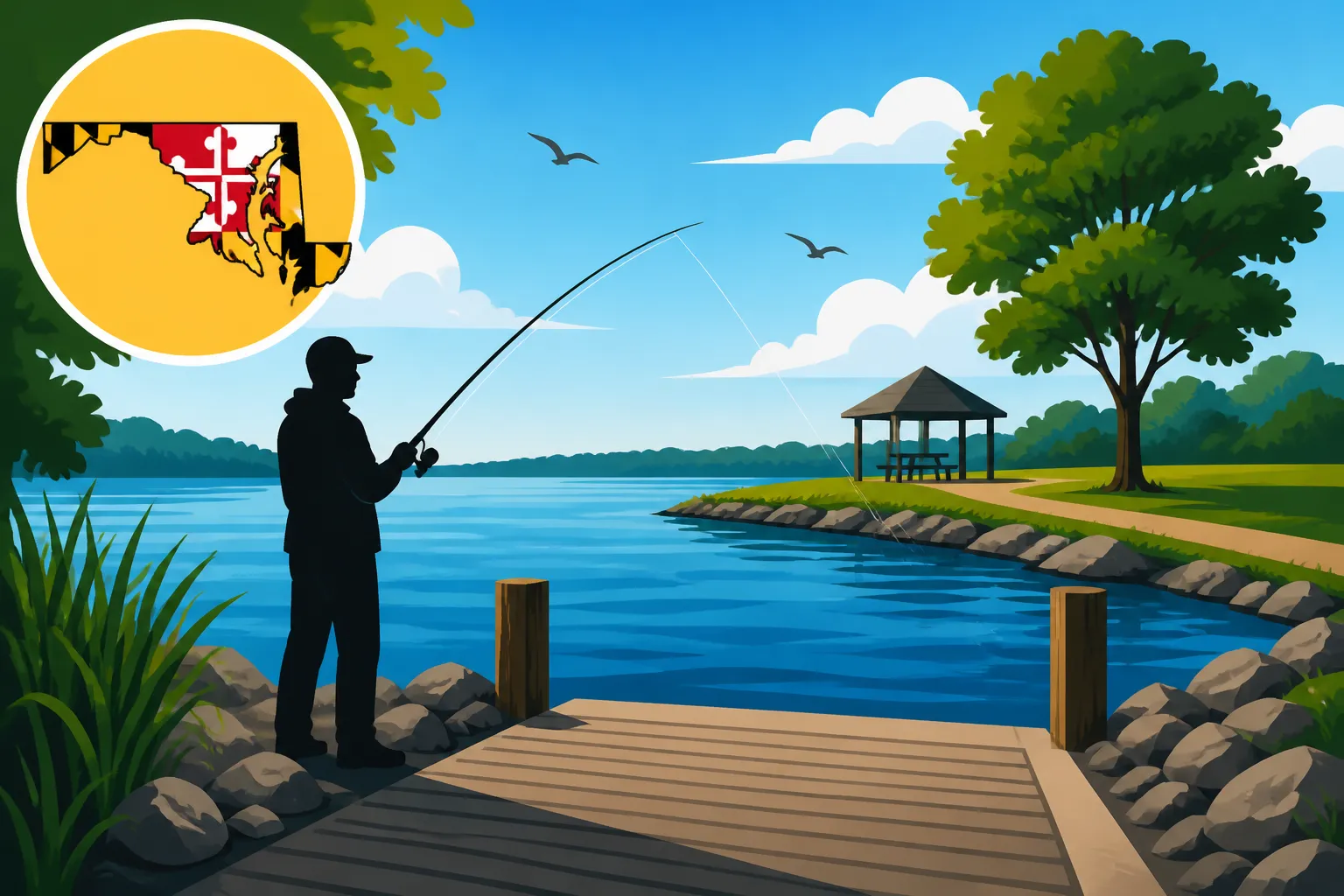
The park is well-equipped with a robust public fishing pier that extends into the water, providing generous space for numerous anglers to comfortably spread out. This pier is made of sturdy concrete, ensuring it’s stable and safe for anglers of all ages, including children and those who might be less steady on their feet. Its railings offer a secure place to lean and rest your rod while you wait for a bite. For those who prefer to cast from solid ground, there are also accessible bulkheads and grassy areas along the shoreline where you can set up a chair and enjoy the scenery. This flexibility in fishing locations means you can tailor your experience to your preference, making the park a genuinely hassle-free destination.
What Makes This Park Unique for Fishing
What truly sets Millard Tydings Memorial Park apart as a premier fishing location is its incredibly strategic position at the mouth of the Susquehanna River. This specific area acts as a natural corridor for migrating fish, particularly during critical seasons. Think of it as a superhighway where various fish species gather before moving further upstream into the river or dispersing into the expansive Chesapeake Bay. This unique geographical feature guarantees dynamic and often highly productive fishing opportunities. The mixing of fresh water from the Susquehanna with the brackish waters of the upper Bay creates a distinctive ecosystem that attracts and sustains a wide array of fish species that thrive in both environments.
A relatively deep channel runs quite close to the pier, giving anglers a fantastic chance to target deeper-water species without needing to make incredibly long casts. You also benefit from the constant outflow of baitfish from the river, which naturally draws in larger predatory fish. Furthermore, the park is an integral part of the vibrant Havre de Grace waterfront, meaning there are often active currents and tidal flows that carry food and fish directly into your casting range. This isn't a stagnant pond; it's a living, breathing, and ever-changing fishery that keeps every trip exciting and unpredictable. This strategic location offers a consistently better chance to hook into some impressive fish compared to more isolated or less dynamic fishing spots. It’s also conveniently close to the renowned Fishing the Susquehanna Flats in Maryland, offering similar action at the head of the Bay without needing a boat. For those interested in exploring further upstream, places like Fishing Below the Conowingo Dam also offer unique river fishing challenges.
Species You Can Expect to Catch and When
One of the most gratifying aspects of fishing at Millard Tydings Memorial Park is the sheer variety of fish species you can encounter. Because of its location at the crucial transitional zone where the Susquehanna River flows into the Chesapeake Bay, your angling experiences aren't limited to just one type of fish. Depending on the time of year and current conditions, you could be battling anything from aggressive striped bass to schooling white perch, or even some of Maryland's prominent invasive species. This rich diversity is precisely what draws anglers back repeatedly, always with the thrill of not knowing what exciting catch their next cast might bring.
Targeting Popular Chesapeake Bay Species
For a significant number of anglers, the undisputed star of the show at Millard Tydings Memorial Park is the magnificent Striped Bass: Maryland's State Fish. These powerful and highly sought-after fish, often affectionately known as "rockfish" by local enthusiasts, frequently inhabit this area, especially during their spring and fall migratory periods. You'll often find them ambushing baitfish around the pier pilings, along various drop-offs, and wherever schools of baitfish are present. Common tactics involve casting bucktail jigs, soft plastic swimbaits, or even live-lining small baitfish like spot or menhaden when they are available. The spring and fall runs are particularly thrilling times to target these fish from the park, as they actively move into and out of the Susquehanna River.
Beyond the beloved rockfish, you'll also discover exceptional opportunities for catching White Perch in Maryland's Chesapeake Bay. These smaller, yet remarkably feisty, fish are abundant and provide consistent action, making them an ideal target for family outings or simply when you're eager to feel a steady tug on your line. White perch tend to gather in large schools, so once you pinpoint their location, you can often enjoy a productive stretch of continuous catches. Additionally, various catfish species, including channel catfish and the increasingly widespread Maryland Blue Catfish, an Invasive Giant, are frequently present, particularly in the deeper, more freshwater-influenced sections of the river. While blue catfish are an invasive species, they offer excellent sport, grow to impressive sizes, and are quite delicious, with Maryland actively encouraging anglers to harvest them.
Seasonal Opportunities at the Park
Fishing at Millard Tydings Memorial Park truly transforms with each passing season, offering distinct and exciting experiences throughout the year.
- Spring (March-May): This period is arguably one of the most exhilarating for anglers. As water temperatures begin to climb, migratory species initiate their movements. You'll witness robust runs of white perch making their way upstream to spawn, providing fast and furious action on small jigs tipped with bloodworms or grass shrimp. This is also when the larger, trophy-sized striped bass start to arrive, heading towards their spawning grounds. Anglers at the park can intercept these migratory striped bass, often using cut bait like menhaden or live spot, especially during the early spring trophy season. It's always essential to consult the current Maryland Striped Bass Season and Rockfish Rules as these regulations can be updated annually.
- Summer (June-August): While many of the very largest striped bass typically move to deeper, cooler waters during the peak summer heat, smaller "schoolie" striped bass can still be caught, particularly during the cooler morning and evening hours or on overcast days. White perch fishing remains consistently strong, and you'll frequently encounter croaker, spot, and various panfish, offering steady bottom fishing action. This is also an excellent time to target catfish, which become very active in the warmer water. Keep an eye out for Northern Snakehead in Maryland Waters in the shallower, vegetated areas near the park; while not a primary target directly from the pier, they are certainly present in the broader vicinity.
- Fall (September-November): Similar to the spring, autumn represents another prime fishing season, particularly for striped bass as they commence their southbound migration through the Bay. The famous "fall run" can be absolutely spectacular, with fish actively feeding in preparation for winter. White perch continue to offer superb action, and the cooler, more comfortable weather makes for a more pleasant overall fishing experience. The excellent fishing often persists well into late fall.
- Winter (December-February): While fishing generally slows down during the colder months, dedicated anglers can still find success, especially with yellow perch and some lingering striped bass, particularly during milder weather windows. Bottom fishing for catfish can also yield surprising results. It’s a quieter time at the park, offering a peaceful solitude, and patience can certainly be rewarded with some quality catches. Always consult the Maryland's 2026 Striped Bass Season Dates for specific winter catch and release periods and other relevant regulations.
| Species | Best Season | Preferred Baits/Lures | Typical Size Range (Inches) | Best Conditions |
|---|---|---|---|---|
| Striped Bass | Spring/Fall | Soft Plastics, Bucktails, Live Spot, Cut Bait | 15-30+ | Moving Tides, Dawn/Dusk |
| White Perch | Spring/Summer/Fall | Bloodworms, Grass Shrimp, Small Jigs, Spinnerbaits | 6-12 | Any Tide, Day/Night |
| Blue Catfish | Summer/Fall | Cut Bait (Perch, Alewife), Chicken Liver | 15-40+ | Low Light, After Rain |
| Channel Catfish | Summer/Fall | Worms, Chicken Liver, Stink Baits | 12-25 | Low Light, After Rain |
| Spot/Croaker | Summer | Bloodworms, Small Pieces of Shrimp | 8-12 | High Tide, Sunny |
Essential Gear and Techniques for Fishing Millard Tydings
When you head out to Millard Tydings Memorial Park, you absolutely don't need a boatload of highly specialized gear to have a successful day. However, having the right basic tackle and being familiar with a few key techniques can dramatically enhance your chances of a great catch. Many anglers feel overwhelmed by the sheer volume of fishing equipment available on the market, but for pier and shore fishing at this particular location, simplicity, adaptability, and reliability are your most trusted allies. Resist the urge to bring every single lure you own; instead, focus on proven setups and practical items that work well in these accessible waters.
Recommended Rods, Reels, and Line
For the vast majority of fishing you'll be doing at Millard Tydings, a versatile medium-action spinning rod outfit will prove to be your indispensable workhorse. This type of setup offers the ideal balance, providing enough sensitivity to cast lighter baits for white perch while possessing sufficient backbone to effectively handle a powerful, unexpected striped bass. A rod length between 7 feet and 7 feet 6 inches is typically perfect, offering excellent casting distance from the pier or shoreline without becoming unwieldy. Pair this rod with a dependable spinning reel in the 3000 to 4000 series size. Reputable brands like Penn, Shimano, or Daiwa offer superb options that are designed to withstand the corrosive effects of brackish water without breaking your budget.
When selecting your fishing line, a high-quality monofilament or braided line will serve you well. For monofilament, a 10-15 pound test line is a versatile choice, striking a good balance between strength and ease of casting. If you prefer braided line, which offers superior sensitivity for detecting subtle bites and exceptional strength for its diameter, opt for a 15-20 pound test. When using braid, it’s always a smart practice to tie on a fluorocarbon leader of similar strength (15-25 lb test). This leader makes your presentation much less visible to wary fish and provides crucial abrasion resistance, especially when fishing around pier pilings or any submerged structures. Keeping both a lighter setup for perch and a slightly heavier one for targeting striped bass or catfish is a smart strategy, allowing you to quickly adapt as fishing conditions or your target species change throughout the day. Remember, the primary goal is often to achieve a decent casting distance and then effectively feel those subtle, often finicky, bites.
Best Baits and Lures to Use
The wonderful thing about fishing at Millard Tydings is that both natural baits and artificial lures can be incredibly effective, depending on precisely what species you’re hoping to catch. For a general approach that covers multiple species, it's wise to bring a selection of both.
- Natural Baits: For abundant white perch and various panfish, live bloodworms and fresh grass shrimp are absolutely lethal baits. Thread these onto small hooks (size 4 or 6) as part of a simple bottom rig or a classic high-low rig, and you're almost guaranteed to get some action. Cut bait, such as fresh pieces of menhaden, alewife, or even clam snouts, works wonders for enticing catfish and can also be very effective at drawing in striped bass. If your primary target is blue catfish, consider using chunks of oily fish like white perch or even chicken liver, as these strong scents are very attractive to them. Just be sure to always check Maryland Blue Catfish Possession Rules as they are an invasive species with specific guidelines.
- Artificial Lures: When specifically targeting striped bass, especially the smaller "schoolie" sizes, soft plastic swimbaits rigged on appropriately weighted jig heads are exceptionally effective. Classic colors like chartreuse, white, and pearl consistently produce results in these waters. Bucktail jigs (ranging from 1/2 oz to 1 oz), often tipped with a soft plastic curly tail grub or a strip of Gulp! bait, are also fantastic for jigging around underwater structure or for casting and retrieving. For aggressive white perch, small spinnerbaits or even tiny crankbaits can entice strong strikes. The key to success with artificial lures is to actively vary your retrieve speed and the depth at which you're working the lure until you discover what the fish are actively responding to. Don't be afraid to experiment with different lure sizes and color patterns; what proved effective yesterday might not be the ticket today.
A good starting strategy is to begin with a bottom rig baited with bloodworms to quickly assess what species are actively biting. Then, if you observe signs of larger predatory fish or decide to specifically target striped bass, you can switch over to casting artificial lures. Always remember to bring a cooler with ice to keep your bait fresh and to properly preserve any fish you decide to keep for dinner.
Navigating Regulations and Park Amenities
Fishing in Maryland, much like in any other state, comes with its own set of rules, regulations, and often, unspoken etiquette. While Millard Tydings Memorial Park offers phenomenal public access and fishing opportunities, understanding these guidelines and knowing what amenities are available can save you a great deal of hassle and ensure that your outing is smooth, enjoyable, and compliant. Remember, ignorance of fishing laws is never an acceptable excuse, so taking a few moments to familiarize yourself with the specifics will undoubtedly pay off in the long run.
Understanding Maryland Fishing Licenses and Rules
First and foremost, it's critically important to know that virtually everyone aged 16 and older needs a valid Maryland fishing license to legally fish at Millard Tydings Memorial Park. Given the park's location right where the Susquehanna River meets the Chesapeake Bay, you will primarily be fishing in tidal waters. This means you will almost certainly need a Maryland Chesapeake Bay Sport Fishing License Explained, or at a minimum, register for the free Maryland Saltwater Angler Registration if you are exclusively targeting certain saltwater species and not actively pursuing striped bass or using specific types of gear. While the distinction between a Maryland Nontidal vs Tidal Fishing License, Explained is crucial for other parts of the state, for fishing directly at the park, consider yourself to be in tidal territory.
It is absolutely imperative to be keenly aware of the current daily bag limits and specific size restrictions for each species you might encounter. These regulations are subject to change from year to year, and sometimes even mid-season, as the Maryland Department of Natural Resources (DNR) actively manages fish populations. For instance, the Maryland Striped Bass Season and Rockfish Rules are frequently updated, and there is often a very specific slot limit for striped bass that must be adhered to. Similarly, white perch have a daily creel limit, whereas invasive species like Maryland Blue Catfish often have no possession limits at all, specifically to encourage anglers to remove them from the ecosystem. You can always find the most up-to-date and official regulations on the Maryland DNR website or by picking up their annual fishing guide. Keep in mind that violating these rules can result in significant Maryland Fishing License Penalties for Violations, so always take the time to double-check before you cast your line. Don't hesitate to ask for clarification from a knowledgeable local tackle shop owner or even experienced fellow anglers on the pier if you have any uncertainties. This proactive approach ensures a trouble-free and responsible fishing trip.
Park Facilities and Nearby Resources
Millard Tydings Memorial Park has been thoughtfully designed with visitors in mind, offering much more than just excellent fishing access. You’ll find clean, well-maintained public restrooms, convenient picnic tables, and often expansive green spaces where families can comfortably relax and enjoy the waterfront while some members are fishing. These amenities make the park a very comfortable spot for extended outings or for bringing along non-fishing companions. It truly is a place where you can easily spend an entire day without feeling the need to pack up and leave for basic necessities.
Beyond the immediate facilities within the park, its prime location in Havre de Grace means you’re never far from essential angling resources. There are several well-stocked bait and tackle shops within a short drive, which are perfect for picking up fresh bait, replenishing your tackle box, or grabbing that lure you suddenly realize you need. These shops are not just places to buy gear; they are invaluable sources of local knowledge, offering up-to-the-minute advice on what's biting, which techniques are currently most effective, and any recent changes in fish behavior or regulations. For those who might want to extend their fishing adventures beyond the pier, platforms like FishingBooker can be a useful resource for finding reviews for local charters and guides operating from nearby marinas. Additionally, if you're considering launching a boat to explore the broader upper Bay or deeper sections of the Susquehanna River, there are public boat ramps conveniently located nearby, providing easy access to more extensive waters. This excellent combination of convenient on-site amenities and easily accessible proximate services makes Millard Tydings Memorial Park an exceptionally convenient and angler-friendly destination for everyone.
Disclaimer
Please remember that fishing regulations, including seasons, size limits, and creel limits, can change. Always consult the latest official Maryland Department of Natural Resources (DNR) regulations before heading out to fish. This guide is for informational purposes only and does not constitute legal advice.