Best Time to Fish the Susquehanna Flats for Striped Bass
There's nothing quite like the anticipation of a bend in your rod, especially when you're on the legendary Susquehanna Flats, knowing that a powerful Maryland striped bass might be on the other end. But let's be real, showing up at the wrong time can lead to a lot of casting with no catching, leaving you frustrated and wondering what you missed. This comprehensive guide will pull back the curtain on the very best times to fish the Susquehanna Flats for striped bass, helping you align your trip with their prime activity windows and giving you the best shot at a memorable day on the water.
Understanding the Striped Bass Annual Cycle on the Susquehanna Flats
The Susquehanna Flats, located at the very top of the Chesapeake Bay, are a unique and incredibly fertile ecosystem, acting as a critical spawning ground and feeding area for striped bass (also known as rockfish in Maryland). Understanding their annual movements is the first step to timing your fishing trips effectively. These fish are migratory, and their presence on the Flats is largely dictated by water temperature and their biological drive to spawn and feed.
The Spring Migration and Spawning Season
Spring is arguably the most famous time to target striped bass on the Susquehanna Flats. As water temperatures begin to rise from the chilly winter lows, typically starting in late March and extending through May, vast numbers of striped bass migrate from the deeper, warmer waters of the Chesapeake Bay into the shallower, freshwater-influenced areas like the Susquehanna River and its Flats. This movement is driven by their instinct to spawn.
Initially, during the pre-spawn phase, the fish are hungry and aggressive, looking to pack on calories before the rigors of spawning. This can offer some incredible fishing opportunities. As the water warms further, generally into the mid-50s to low 60s Fahrenheit, the actual spawning activity commences. Once they've spawned, many of the larger "trophy" class fish will begin their journey back down the bay or out to the ocean, while some resident fish and smaller individuals may linger. It's crucial to be aware of the specific Maryland Spawning River Closures for Striped Bass and harvest regulations during this time, as they are often very strict to protect the breeding stock.
Summer Challenges and Opportunities
Once the hot summer months set in, typically from June through August, fishing the Susquehanna Flats for striped bass becomes significantly more challenging. The shallow waters of the Flats heat up quickly, often exceeding the preferred temperature range for striped bass, which tend to seek cooler, deeper water or areas with more oxygen. High water temperatures also put a lot of stress on striped bass, making catch-and-release fishing particularly risky for the fish's survival.
During this period, Maryland often implements Maryland Striped Bass Season and Rockfish Rules that can include closures or strict slot limits, sometimes even a complete closure of targeting striped bass in certain areas of the Chesapeake Bay, including the Flats. If you do fish during the summer, it's generally best to focus on early mornings or late evenings when water temperatures are slightly cooler, and be prepared to quickly release any fish you catch, even if they are legal. However, many anglers turn their attention to other species like blue catfish or snakeheads, which thrive in these warmer conditions.
The Vibrant Fall Run
Just as exciting as the spring run, the fall migration brings another surge of striped bass activity back to the Susquehanna Flats. As the air cools and water temperatures begin to drop, typically from September through November, striped bass move back into the Flats to gorge themselves on baitfish in preparation for their winter migration. This "fall run" is characterized by aggressive feeding behavior, as the fish are trying to build up energy reserves.
This period can offer fantastic opportunities for both quantity and quality of fish, with a mix of sizes moving through. The regulations in fall are generally more liberal than in spring, but always verify the current Maryland Fishing Size and Catch Limits by Species before heading out. Anglers often find success using a variety of techniques as the fish aggressively chase bait schools. The fall colors reflecting on the water, combined with active fish, make this a truly picturesque and rewarding time to be on the Flats.
Targeting the Prime Seasons for Trophy Rockfish
While striped bass can be found on the Susquehanna Flats at various points throughout the year, if you're specifically chasing those truly impressive, large trophy rockfish, you need to hone in on particular windows. It's about being there when the big girls (and boys) are most active and accessible.
Spring: The Trophy Hunt
The absolute best time to catch a truly large, trophy-sized striped bass on the Susquehanna Flats is typically during the spring migration. This window usually opens in late March and can last through April, depending on the year's water temperatures and the specific regulations. During this time, the mature, large female striped bass are making their way up the Susquehanna River to spawn. These are the fish that have survived multiple seasons and have grown to impressive sizes.
What makes this period special is the sheer volume of large fish passing through the area. They are often less focused on feeding as they get closer to spawning, but they can still be enticed. The pre-spawn phase is particularly hot, as these fish are still actively feeding. However, once spawning begins, they might become more sluggish. This is also when the "trophy season" might open, allowing for the harvest of one large fish, but always double-check the current rules for the specific season and area.
Fishing the Susquehanna Flats in Maryland during the spring trophy season requires patience and the right approach. Many anglers will troll large profile baits or lures designed to mimic baitfish, or perhaps use live bait if regulations permit. Because of the popularity, the Flats can get crowded, so planning your trip, perhaps even booking a guide through platforms like FishingBooker, can be a huge advantage. These experienced captains know the subtle nuances of the Flats and can get you on fish quickly.
Fall: Aggressive Feeders and Schooling Action
While spring might be the traditional "trophy" season for sheer size, the fall run provides incredible action with aggressive, hard-fighting striped bass of various sizes, including plenty of solid keepers. From September through November, as the water cools, the striped bass are in full-on feeding mode. They are building up fat reserves for the winter, and this leads to some truly exciting fishing.
During the fall, you'll often encounter large schools of striped bass herding baitfish, sometimes creating massive surface blitzes that are a sight to behold. These fish are more likely to strike a wider variety of lures and baits, making it a very angler-friendly season. While individual fish might not always reach the gargantuan sizes seen in the spring trophy run, you'll find plenty of fish in the 20-30 inch range, with occasional larger ones mixed in. This is an excellent time for light tackle jigging, casting topwater lures, or even fly fishing if you're so inclined.
The fall run can extend well into November, and sometimes even December if the weather stays mild. It's often less crowded than the spring trophy season, offering a more relaxed fishing experience. Local guides, easily found on sites like FishingBooker, are invaluable during this time, as they track the bait movements and know where the fish are holding. Don't underestimate the fall for a chance at a true Susquehanna Flats showstopper!
Here’s a quick comparison of the prime seasons for striped bass on the Susquehanna Flats:
| Feature | Spring (Late March – May) | Fall (September – November) |
|---|---|---|
| Primary Goal | Trophy-sized spawning fish | Aggressive feeding fish, good numbers |
| Fish Size Tendency | Larger, mature females more prevalent | Mix of sizes, many solid keepers, some larger fish |
| Regulations | Often stricter, spawning river closures, trophy slot limits | Generally more liberal, but always check current DNR |
| Fishing Pressure | Can be very high, especially during trophy season | Moderate to high, depending on the bite |
| Water Temperature | Rising from 40s to 60s°F (pre-spawn to spawn) | Falling from 70s to 50s°F (aggressive feeding) |
| Key Techniques | Trolling large baits, live-lining (if legal), heavy jigging | Jigging, casting topwater/swimbaits, trolling, live-lining |
| Target Behavior | Migratory, pre-spawn feeding, spawning | Aggressive feeding, schooling, bait chasing |
| Considerations | Weather can be unpredictable, cold fronts, high winds | Stable weather, beautiful scenery, longer periods of activity |
Daily Considerations: Tides, Weather, and Time of Day
Beyond the general seasons, maximizing your success on the Susquehanna Flats for striped bass also depends heavily on understanding the daily rhythms of the Bay. Tides, specific weather patterns, and even the time of day can make a significant difference in whether you catch fish or just enjoy a boat ride.
The Impact of Tides on Striped Bass Activity
While the Susquehanna Flats are at the very northern tip of the Chesapeake Bay, and thus further from the ocean's direct influence, tides still play a crucial role, albeit a slightly delayed and dampened one compared to the lower Bay. The flow of water, even subtle, can trigger feeding activity by concentrating baitfish or making them more vulnerable.
Generally, moving water is better than slack water for striped bass. Both incoming and outgoing tides can be productive. An outgoing tide, especially after heavy rains, can wash nutrients and baitfish out of the Susquehanna River and its tributaries into the Flats, creating a feeding frenzy. An incoming tide can bring cooler, saltier water further up into the Flats, which can also activate fish, especially if they've been sitting in warmer, stagnant areas.
It's not just about high or low tide, but often about the transition periods – an hour or two before and after the peak of high or low tide, when the water is moving most rapidly. This is when baitfish are most disoriented, and striped bass are often most opportunistic. You'll want to check a localized tide chart for Havre de Grace or the upper Bay area, as it can differ from ocean tides by several hours. Many experienced anglers meticulously plan their trips to coincide with these prime tidal windows, often using apps or websites that provide hyper-local tide predictions for specific areas like the mouth of the Susquehanna.
How Weather Patterns Influence the Bite
Weather on the Chesapeake Bay can be fickle, and it certainly affects fishing on the Flats. Understanding how different weather conditions impact striped bass can help you decide when to hit the water.
- Fronts: Passing cold fronts can often shut down a bite temporarily. The sudden drop in barometric pressure can make fish lethargic and less willing to feed. Fishing a day or two before a strong cold front moves in, or a day or two after it has settled, can often be more productive than fishing right during the change.
- Wind: Wind can be a double-edged sword. A light breeze can create a chop on the water, breaking up the surface and making it harder for baitfish to see predators, which can be good for fishing. It can also help create current and oxygenate the water. However, strong winds can make boat control difficult, stir up sediment making the water murky, and generally make for an unpleasant and unproductive day on the water. A good rule of thumb is to look for lighter winds, ideally less than 15 knots, for comfortable and effective fishing.
- Cloud Cover: Overcast days can often be fantastic for striped bass fishing. Low light conditions can extend the "golden hours" of dawn and dusk, and make fish feel more comfortable feeding throughout the day, especially in shallower waters like the Flats. Bright, sunny days can drive fish to deeper, shadier spots or make them less aggressive.
Optimal Times of Day for Success
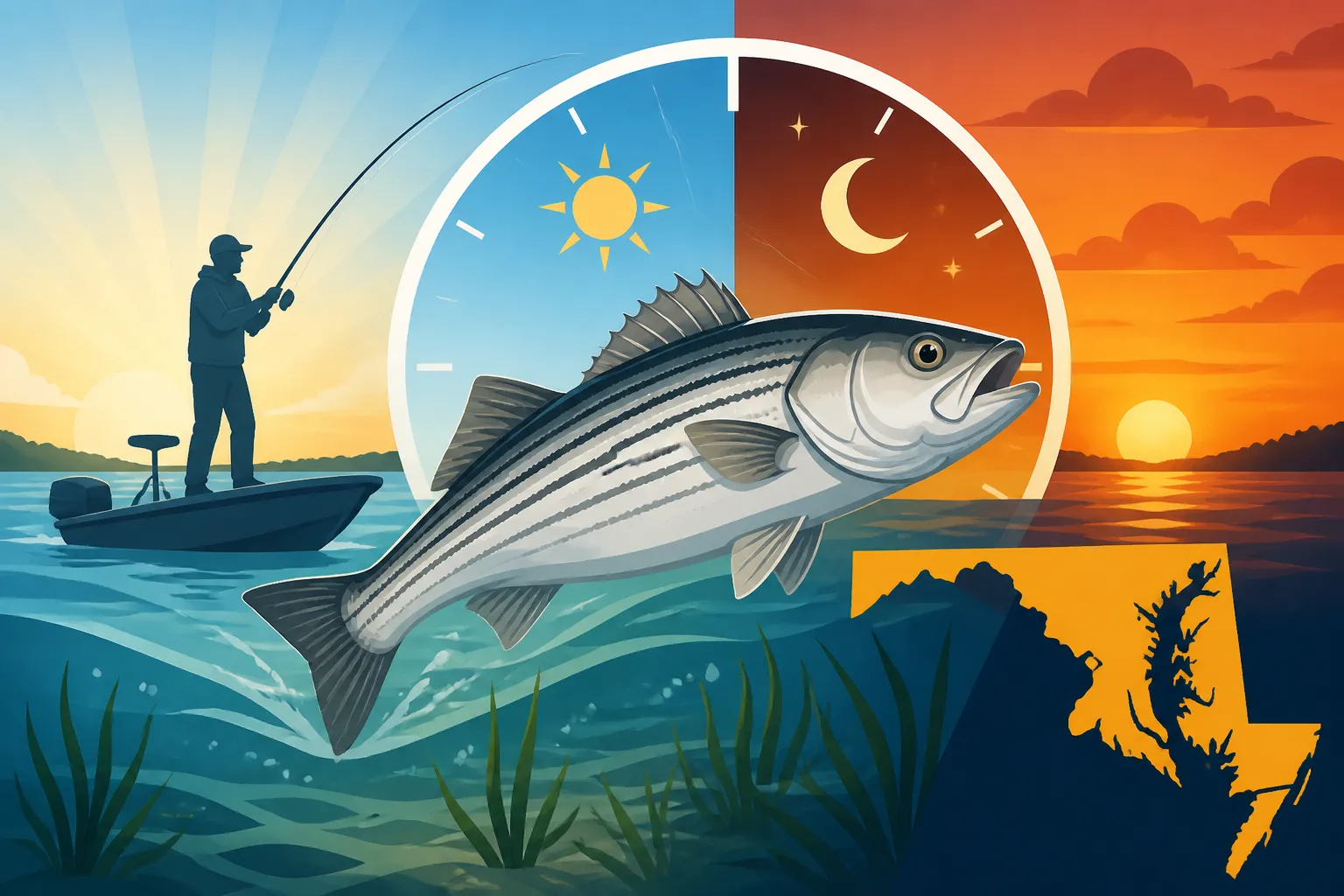
Just like many predatory fish, striped bass on the Susquehanna Flats tend to be most active during specific times of the day, particularly during the low-light periods.
- Dawn and Dusk: These are classic prime times for striped bass. As the sun rises or sets, the light conditions are ideal for predatory fish to ambush baitfish. The change in light often signals an increase in activity. Many of the most memorable fishing trips on the Flats happen during these windows, whether you're casting topwater lures or jigging.
- Night Fishing: While not as commonly discussed for the Flats specifically, night fishing can be incredibly productive, especially during warmer months when fish might be more active after the sun goes down and water temperatures drop. Striped bass have excellent low-light vision, and they will actively hunt at night, particularly around lights or structures that attract bait.
- Mid-day: During the spring and fall runs, especially on overcast days or days with a good chop on the water, mid-day fishing can still be very productive. However, on bright, sunny summer days, mid-day is often the least productive unless you're targeting specific deep structures, which are less prevalent on the shallow Flats.
When planning your trip, consider checking fishing reports from local bait shops, online forums, or even guides found on FishingBooker. These sources often provide real-time updates on what’s biting and when, giving you an edge. Knowing How Often Maryland Updates Its Fishing Regulations is also key, as seasonal and daily rules can shift.
Essential Gear and Techniques for Success
Having the right gear and knowing the effective techniques can drastically improve your chances of success when fishing for striped bass on the Susquehanna Flats, regardless of the season. The Flats demand a versatile approach due to their varied conditions and the aggressive nature of the fish.
Rods, Reels, and Line Selection
For fishing the Susquehanna Flats, you'll generally want a medium to medium-heavy spinning or baitcasting setup.
- Rods: A 6'6" to 7'6" rod with a fast action is ideal. This length provides good casting distance while still having enough backbone to fight a strong striped bass in relatively shallow water. A fast action tip allows for sensitive detection of subtle bites and quick hook sets.
- Reels: Choose a reel that balances well with your rod. A 3000 to 5000 series spinning reel or a similar sized baitcasting reel will handle most striped bass you'll encounter on the Flats. Ensure it has a smooth drag system, as these fish can make powerful runs.
- Line: Braided line is the go-to for many anglers on the Flats due to its sensitivity, strength, and thin diameter, which aids in casting. A 20-30 lb test braided line is a good all-around choice. You should always tie on a fluorocarbon leader (20-40 lb test) of about 2-4 feet. Fluorocarbon is nearly invisible in water and more abrasion-resistant, which is crucial around oyster beds or rocky areas.
Lures and Baits That Get the Bite
The Susquehanna Flats striped bass are often focused on baitfish, so your lure and bait choices should reflect that.
- Jigs: Soft plastic swimbaits rigged on jig heads (1/2 oz to 1.5 oz, depending on depth and current) are incredibly effective, especially during the spring and fall runs. Paddle tails, shad bodies, and grub tails in colors like chartreuse, white, pearl, and "silver flash" are perennial favorites. Jigging around channel edges and drop-offs can be highly productive.
- Topwater Lures: During low light conditions (dawn/dusk) or on overcast days, especially in fall, topwater lures like poppers and walk-the-dog baits can produce explosive strikes. The excitement of seeing a striped bass blow up on a topwater lure is unmatched.
- Crankbaits and Lipless Crankbaits: These can be effective for covering water and targeting fish at various depths. Choose lures that mimic the local baitfish, such as alewives or menhaden.
- Spoons: Casting spoons, particularly silver or gold, can be great for imitating wounded baitfish and can be cast a long distance to cover wide areas of the Flats.
- Live Bait: If regulations permit and you have access, live bait such as eels, spot, or even bunker can be incredibly effective, especially for larger fish. Always check current regulations regarding the use of live bait, as they can change seasonally or by location.
- Cut Bait: For a more relaxed approach, or when the fish are less aggressive, cut bait (like pieces of fresh alewife or menhaden) fished on the bottom can also work. This is particularly popular when Fishing Below the Conowingo Dam, where current is stronger and fish often hold deeper.
Essential Techniques for Different Conditions
- Casting and Retrieving: This is the most common technique on the Flats. Fan cast to cover a wide area, varying your retrieve speed and adding pauses or twitches to entice strikes. Pay attention to any current seams or changes in bottom structure.
- Jigging: Vertical jigging can be effective when you locate schools of fish on your fish finder, especially along channel edges or humps. Drop your jig to the desired depth and work it with sharp upward snaps followed by a controlled fall.
- Trolling: During the spring trophy season, trolling large plugs, bucktails, or umbrella rigs is a popular method to cover large areas and present lures to suspended fish. Speed and depth control are critical here.
- Chumming: While not as prevalent on the shallow Flats as in deeper Bay waters, chumming (if allowed) can attract fish to your boat, especially when anchored. However, strong currents on the Flats can make this less effective.
Before you go, it's always smart to check the local bait shops or online fishing reports for the Best Time of Year to Fish in Maryland and the Flats specifically, as conditions and effective techniques can vary. And remember, platforms like FishingBooker can connect you with experienced Susquehanna Flats guides who live and breathe these waters and can provide invaluable local knowledge on what's working best right now.
Accessing the Susquehanna Flats and Respecting the Environment
Fishing the Susquehanna Flats is an incredible experience, but it also comes with the responsibility of respecting its unique ecosystem and adhering to regulations. Knowing how to access the area and understanding its sensitivities will ensure you have a great trip and help preserve this precious fishery for future generations.
Public Access Points and Boat Launches
The Susquehanna Flats are primarily a boat-accessible fishery, although there are some limited shore fishing opportunities, particularly below the Conowingo Dam.
- Havre de Grace: This charming town sits right at the mouth of the Susquehanna River and offers several excellent public boat ramps. Popular choices include the Millard Tydings Memorial Park and the city dock launches. These provide direct access to the Flats and the lower Susquehanna River. Many charters, often booked through services like FishingBooker, also depart from this area.
- Perryville: Just across the river from Havre de Grace, Perryville also has public boat ramps that offer good access.
- North East: Further up the North East River, this town also has access points that can get you to the upper reaches of the Flats, though it's a bit of a run to the main fishing grounds.
- Shore Fishing Below the Conowingo Dam: For those without a boat, fishing from the shore or fishing piers below the Conowingo Dam is an option. While not directly on the Flats, this area is highly influenced by the Susquehanna River and can hold striped bass, especially during migratory periods. Be aware of the dam's generation schedule, as water levels can rise rapidly. Our guide on Fishing Below the Conowingo Dam offers more insights.
When using public ramps, be mindful of etiquette, especially during busy seasons. Arrive early, have your boat ready, and be efficient to keep the flow moving for everyone.
Navigating the Flats Safely
The Susquehanna Flats are, as the name suggests, shallow. This can pose navigation challenges, especially for those unfamiliar with the area.
- Chartplotters are Essential: A good GPS chartplotter with up-to-date mapping is crucial. Pay close attention to channel markers, depth contours, and any no-wake zones. The main channels are deep enough for most boats, but straying off them can quickly put you in water too shallow to operate.
- Beware of Submerged Hazards: The Flats can have submerged oyster beds, rocks, and old stumps, particularly in areas like the "Rock Piles." Exercise caution, especially when running at higher speeds.
- Observe No-Wake Zones: Respect all posted no-wake zones, particularly around marinas and residential areas. These are in place for safety and to minimize shoreline erosion.
- Monitor Weather: Conditions on the open Flats can change quickly. Keep an eye on the weather forecast and be prepared for sudden winds or thunderstorms. High winds can make the shallow waters very choppy and uncomfortable.
Practicing Responsible Angling and Conservation
The health of the striped bass fishery on the Susquehanna Flats, and indeed throughout Maryland, depends on responsible angling.
- Know the Regulations: Always, always check the current Maryland Department of Natural Resources (DNR) regulations before you head out. Rules for striped bass, especially regarding size, creel limits, and seasonal closures, can change frequently. The Maryland Fishing License Guide for 2026 is a great resource.
- Handle Fish with Care: If you're practicing catch and release, especially for large fish or during warmer months, minimize handling time. Use wet hands, a net designed for fish (rubberized is best), and quickly release the fish back into the water. Avoid dragging fish onto dry surfaces. Using barbless hooks can also aid in quick releases.
- Proper Disposal of Waste: Pack out everything you pack in. Dispose of all trash, including fishing line, hooks, and bait containers, properly. Monofilament line can be particularly harmful to wildlife.
- Report Violations: If you witness any fishing violations, such as poaching or disregard for regulations, report them to the Maryland Natural Resources Police. Their enforcement efforts are vital to protecting the fishery.
- Support Conservation: Consider supporting organizations dedicated to the conservation of the Chesapeake Bay and its fisheries. Every little bit helps ensure that the Susquehanna Flats remain a fantastic fishing destination for years to come.
By understanding the seasonal patterns, daily influences, and the critical importance of responsible angling, you're not just improving your chances of catching a trophy striped bass; you're becoming a better steward of Maryland's invaluable natural resources. Remember, the journey is just as important as the catch, and the Susquehanna Flats offer an incredible backdrop for both.
Disclaimer
Please remember that fishing regulations, seasons, and local conditions in Maryland can change frequently. Always consult the official Maryland Department of Natural Resources (DNR) website or the current Maryland Fishing and Boating Guide before planning your trip to ensure you have the most up-to-date information on licenses, catch limits, and any specific area closures. This guide is for informational purposes only and should not replace official sources.