Fine for Transporting a Live Snakehead in Maryland
There’s nothing quite like the thrill of a day out on the water, reeling in a prized catch. But in Maryland, that excitement can quickly turn to anxiety, especially if you hook into a northern snakehead. These aggressive invaders pose a serious threat to our native fish populations, and the rules around handling them are crystal clear and strictly enforced. This guide will walk you through the very real consequences of transporting a live snakehead in Maryland, helping you understand the regulations and avoid significant fines and legal trouble.
The Grave Consequences of Transporting a Live Snakehead in Maryland
Catching a snakehead can be a moment of triumph, especially given their reputation for being formidable fighters. However, the Maryland Department of Natural Resources (DNR) views these fish as a serious ecological threat, and their regulations reflect that concern. If you’re caught transporting a live snakehead, you’re not just looking at a slap on the wrist; you’re facing substantial penalties designed to deter any action that could contribute to their spread. This isn't just a suggestion; it's a critical legal mandate.
Understanding the Fine and Legal Penalties
Let's cut right to it: transporting a live snakehead in Maryland is a misdemeanor offense, and the fines can be pretty steep. The initial fine can range up to $2,500, but that's often just the beginning. Depending on the specifics of the situation, such as whether it's a repeat offense, or if there's evidence of malicious intent to release them elsewhere, additional penalties can include imprisonment for up to one year. This isn't just about a ticket; it's about potentially having a criminal record and significant financial burden. The state takes the invasion of these species incredibly seriously, recognizing the long-term damage they can inflict on our precious waterways and native fisheries.
The DNR's enforcement officers are out on the water and along the banks, and they know what to look for. If you're seen with a live snakehead in a cooler, a bucket, or any other container that suggests you're moving it while it's still alive, you're going to have a very difficult time explaining yourself. The regulations are in place to protect the ecosystem, and ignorance of the law is rarely an acceptable defense when the stakes are this high. Remember, the goal is not to punish anglers but to protect the environment, and sometimes, that means severe penalties for actions that could undo conservation efforts. For more on the wider legal framework, you might find details in articles like Maryland Fishing License Penalties for Violations helpful, as similar principles apply to various infractions.
The Rationale Behind the Strict Regulations
You might wonder why such harsh penalties are in place for just moving a fish. The answer lies in the devastating impact northern snakeheads have on ecosystems. Originating from parts of Asia and Africa, these fish are voracious predators that can thrive in a wide variety of freshwater environments, often outcompeting and preying upon native species like bass, perch, and sunfish. They reproduce rapidly and have no natural predators in Maryland waters, allowing their populations to explode. Their ability to survive out of water for short periods and even "walk" across land for brief distances only adds to the concern, making containing them incredibly difficult.
The "kill on sight" mandate and the prohibition against live transport are direct responses to these biological realities. Every live snakehead transported carries the risk of being introduced into a new body of water, potentially establishing a new, destructive population. Imagine a scenario where a well-meaning angler catches a snakehead, decides to take it home to show the kids, but the fish escapes from a leaky bucket in their truck bed near another stream. That single act, however innocent in intent, could lead to a whole new infestation. That's why the rules are so stringent – they aim to prevent even accidental introductions. It's a tough but necessary stance to safeguard Maryland's aquatic biodiversity. You can delve deeper into the species' impact by reading up on Maryland Invasive Fish Rules: Blue Catfish and Snakehead.
Understanding Maryland's Snakehead Regulations
Maryland's approach to the northern snakehead is unequivocally clear: they are an invasive species, and anglers are legally required to prevent their spread. This means not only that you can't release a live snakehead back into the water, but you also cannot move it from one location to another while it's still alive. These rules are designed to empower anglers to be part of the solution rather than inadvertently contributing to the problem.
The "Kill on Sight" and No Live Transport Mandate
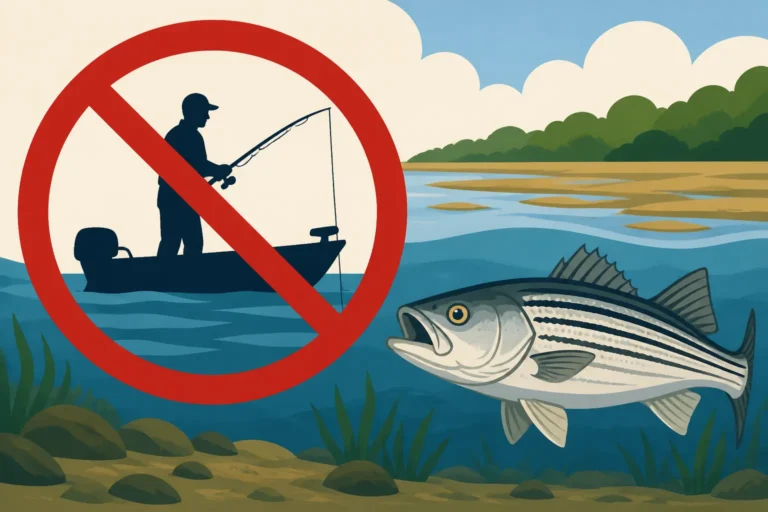
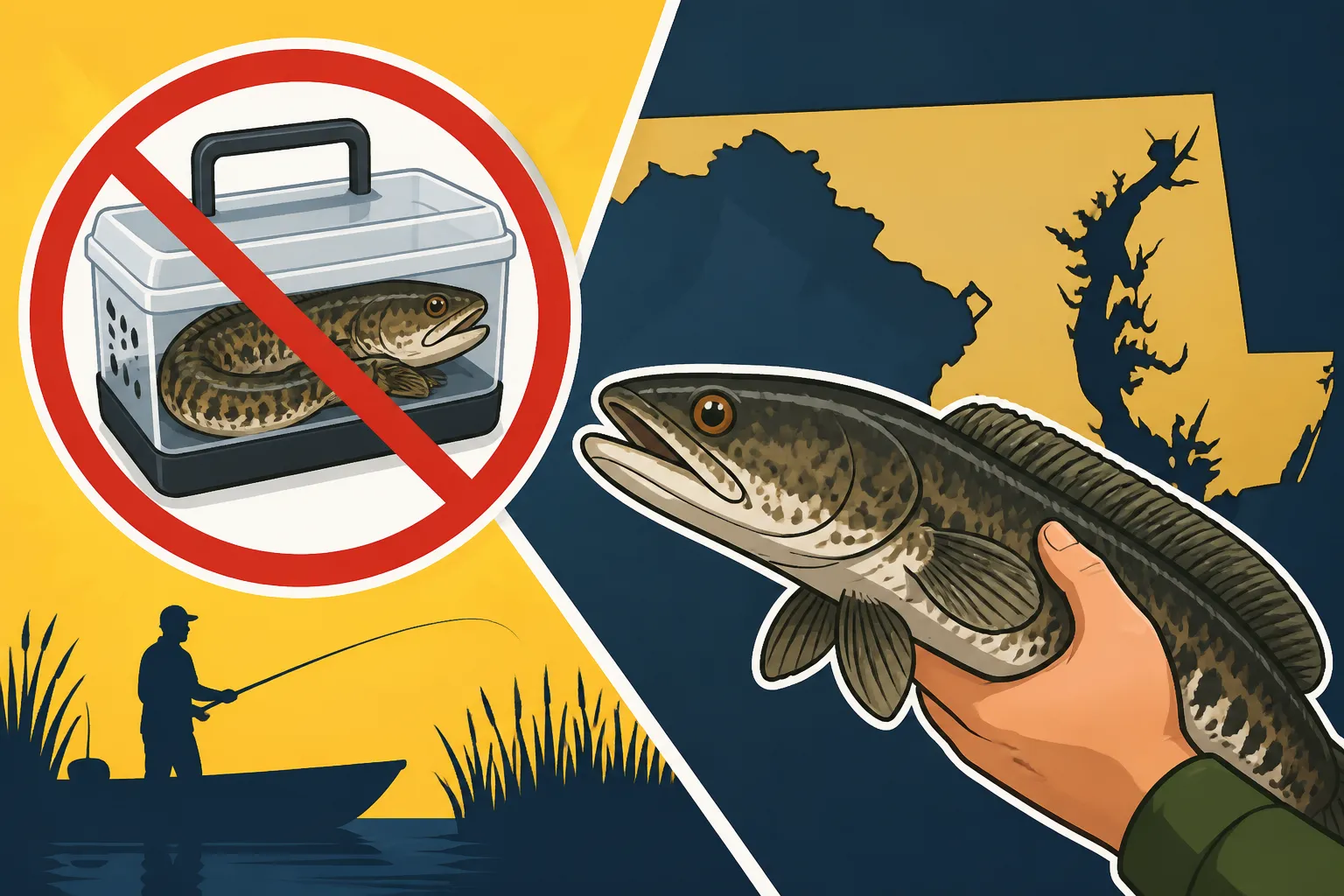
The primary directive for anglers in Maryland when it comes to northern snakeheads is to "kill on sight." This isn't a suggestion; it's a legal requirement. If you catch a snakehead, you are obligated to dispatch it immediately and humanely. This prevents the fish from escaping back into the water or surviving long enough to be transported alive. The second part of the mandate, and the one that often trips up unwary anglers, is the "no live transport" rule. This means that once you've caught a snakehead, it must be dead before it leaves the immediate vicinity of where it was caught. You cannot put it in a live well, a cooler with water, or any other container with the intention of keeping it alive.
Think about it this way: if a DNR officer approaches you at the boat ramp or on the shore and sees a live snakehead in your possession, even if you intend to kill it moments later, you've already violated the "no live transport" rule. The fish must be dispatched before being moved from the catch site to your vehicle or home. This distinction is crucial and often misunderstood. Many anglers are used to keeping their catch alive in a livewell for freshness or to measure later, but with snakeheads, this practice is strictly forbidden. For a full rundown on these critical rules, check out our guide on Maryland Snakehead Fishing Rules.
Defining "Transporting" and Its Implications
The term "transporting" might seem straightforward, but in the context of snakehead regulations, it's broader than many people realize. It doesn't just mean driving it across county lines. It encompasses any movement of a live fish away from the immediate area of capture. This could include:
- Moving it from your fishing spot to your vehicle: Even if your car is just a few feet away, if the fish is alive during that transfer, it's considered illegal transport.
- Placing it in a livewell on your boat: This is a common practice for other species, but for snakeheads, it's a direct violation.
- Carrying it in a bucket of water down a trail: Again, if it's alive and you're moving it, it's transport.
The key is that the fish must be unequivocally dead before any movement beyond the immediate point of capture. This rule is particularly important because snakeheads are incredibly resilient. Can Snakehead Really Move on Land? They can survive for hours out of water, especially in damp conditions, making the risk of accidental escape and introduction into new waters very real if they are transported alive.
Consider a scenario: you catch a snakehead, put it in a bucket of water on your kayak, paddle to the launch, and then plan to kill it before putting it in your car. Even that short journey on the kayak with a live fish in a bucket constitutes illegal transport. The intent of the law is to mitigate any potential for dispersal, no matter how small. For more on preventing their spread, see Is It Illegal to Release a Snakehead in Maryland?.
What to Do If You Catch a Northern Snakehead
So, you've hooked into one of Maryland's most notorious invasive species. Now what? The immediate actions you take are critical, not just for compliance with the law, but for contributing to the health of Maryland's waterways. It's about being prepared and knowing your role in controlling this unwelcome predator.
Immediate Identification and Dispatch
The first step is confident identification. Northern snakeheads have a distinctive long, snake-like body, a flattened head, and large, dark blotches along their sides. They also have a long dorsal fin that runs almost the entire length of their back. Once you're certain you have a snakehead, the legal requirement is to dispatch it immediately and humanely. This means killing it on the spot where it was caught. Do not hesitate, and do not attempt to revive it or place it in a livewell.
There are several effective ways to dispatch a snakehead:
- Striking the head: A sharp blow to the head with a club or similar tool is quick and effective.
- Severing the spinal cord: A sharp knife inserted behind the head to cut the spinal cord is also humane.
- Gutting: Removing the entrails on the spot ensures the fish is dead and also prepares it for transport.
The key is to ensure the fish is undoubtedly deceased before moving it. This proactive approach is exactly what the Maryland DNR encourages. This immediate action helps prevent any chance of the fish escaping or being accidentally released back into a new body of water. For further guidance on identifying and handling, refer to What to Do If You Catch a Snakehead in Maryland.
Legal Transporting of a Dead Snakehead
Once the snakehead is properly dispatched, you are then permitted to transport it. In fact, keeping and consuming snakeheads is highly encouraged! They are considered excellent table fare by many anglers. When transporting a dead snakehead, it's best practice to keep it cool, just like any other game fish you plan to eat. A sturdy cooler with ice is ideal. This not only maintains the quality of the meat but also clearly demonstrates to any enforcement officer that the fish is dead and being transported legally. Many anglers find durable, insulated coolers (often available on Amazon) essential for this purpose, keeping their catch fresh and complying with regulations.
Here's a quick rundown of legal vs. illegal actions:
| Action | Legality in Maryland (for Northern Snakehead) | Rationale |
|---|---|---|
| Catch & Release (alive) | Illegal | Prevents spread of invasive species. |
| Transporting alive in a livewell/bucket | Illegal | High risk of escape and new infestations. |
| Killing immediately at catch site | Required/Legal | Prevents spread, humane dispatch. |
| Transporting dead on ice | Legal & Encouraged | Safe for consumption, prevents spread. |
| Bringing home alive to "show" | Illegal | Risk of escape during transit. |
| Filleting on site and keeping fillets only | Legal & Encouraged | Reduces bulk for transport, ensures fish is dead. |
Anglers often utilize reliable tools, like a sharp fillet knife (many quality options can be found on Amazon), to process their catch quickly and efficiently on the water, ensuring they are transporting only dead fish. The goal is to make sure there's zero chance for that fish to find its way into another body of water. The more proactive you are in dispatching and properly storing your catch, the better you contribute to Maryland's conservation efforts. Plus, they really are quite tasty! If you're wondering how large these fish can get, explore How Big Do Snakehead Get in Maryland?.
Broader Impact and Enforcement of Snakehead Regulations
The regulations surrounding northern snakeheads in Maryland aren't just about individual anglers; they're part of a much larger, ongoing effort to protect the Chesapeake Bay watershed and its diverse ecosystems. The consequences of unchecked invasive species are far-reaching, and the DNR's enforcement efforts are a vital component of this critical conservation battle.
Ecological Devastation Caused by Snakeheads
Northern snakeheads are apex predators in many of the waterways they've colonized, especially within the Potomac River and its tributaries, and increasingly in the upper Chesapeake Bay regions. They consume a wide variety of prey, including native fish, crustaceans, and even amphibians. This intense predation can severely impact the food web, reducing populations of native species that are crucial for the ecological balance. Their ability to spawn multiple times a year means their numbers can increase dramatically, putting immense pressure on already struggling native fish populations like bass and sunfish. This ecological devastation is why the Maryland DNR has invested so much into public awareness and strict enforcement.
Consider the impacts on areas like the Blackwater National Wildlife Refuge on the Eastern Shore, a prime habitat for many native species. If snakeheads were to fully establish and spread unchecked in such sensitive areas, the ripple effect on local wildlife, including endangered birds that rely on native fish for food, could be catastrophic. Every time an angler responsibly dispatches a snakehead, they are directly contributing to safeguarding these delicate ecosystems. This fight against invasive species is a community effort, and every angler plays a part. The broader initiative behind these rules is highlighted in our discussion, Why Maryland Wants Anglers to Kill Invasive Fish.
How Maryland DNR Enforces These Rules
The Maryland DNR is highly active in enforcing snakehead regulations. Their Natural Resources Police (NRP) officers patrol fishing areas, boat ramps, and access points. They are trained to identify snakeheads and are vigilant about ensuring anglers comply with the "kill on sight" and "no live transport" rules. These officers aren't just looking for major commercial violations; they're paying attention to recreational anglers too, understanding that every individual action can contribute to or detract from conservation goals.
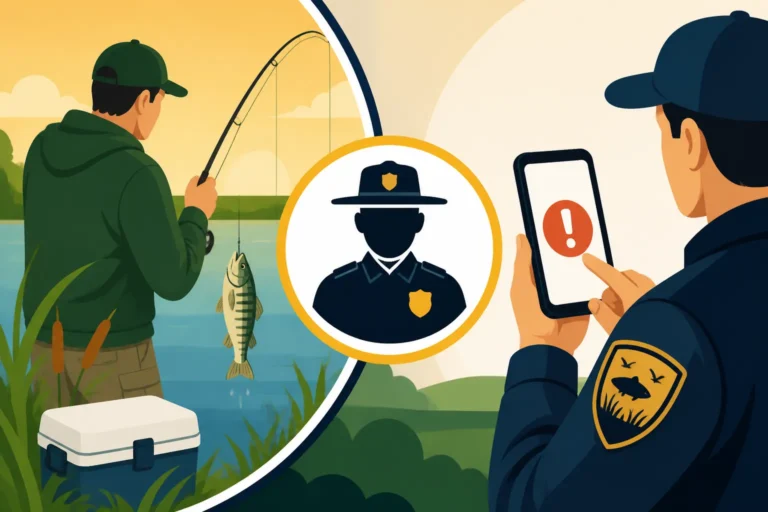
Enforcement often includes routine checks of coolers, livewells, and stringers at popular fishing locations. Officers also respond to tips from concerned citizens. If you see someone potentially violating these rules, the DNR encourages reporting it through their Maryland Fisheries Complaint and Poaching Hotline. It's a critical tool in helping them monitor and control the spread of these fish. Anglers might also see information campaigns at bait shops or boat launches, reminding them of the regulations and the importance of compliance. Transporting your dead snakeheads in a clearly marked, high-quality cooler (like those from Yeti or Igloo, frequently bought on Amazon) not only keeps your catch fresh but also serves as a clear indication to NRP officers that you're following the rules.
The commitment from the state to control the snakehead population is unwavering, and anglers are expected to do their part. By understanding and adhering to these regulations, you're not just avoiding a fine; you're becoming an active participant in protecting Maryland's incredible natural resources for future generations.
Disclaimer
The information provided in this guide is for general informational purposes only and does not constitute legal advice. Fishing regulations in Maryland can change, and it is the angler's responsibility to consult the latest official Maryland Department of Natural Resources (DNR) rules and regulations before fishing. Always refer to the most current Maryland fishing guide or the DNR website for definitive information.