Can You Add a Trout Stamp After Buying a Maryland Fishing License?
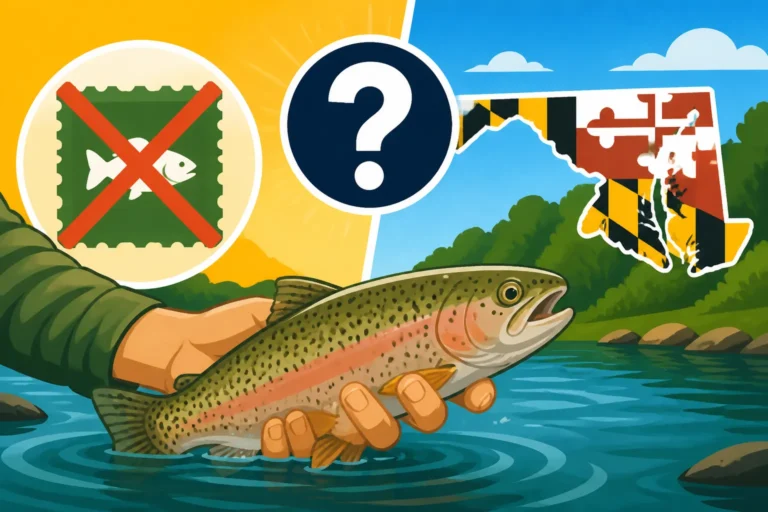
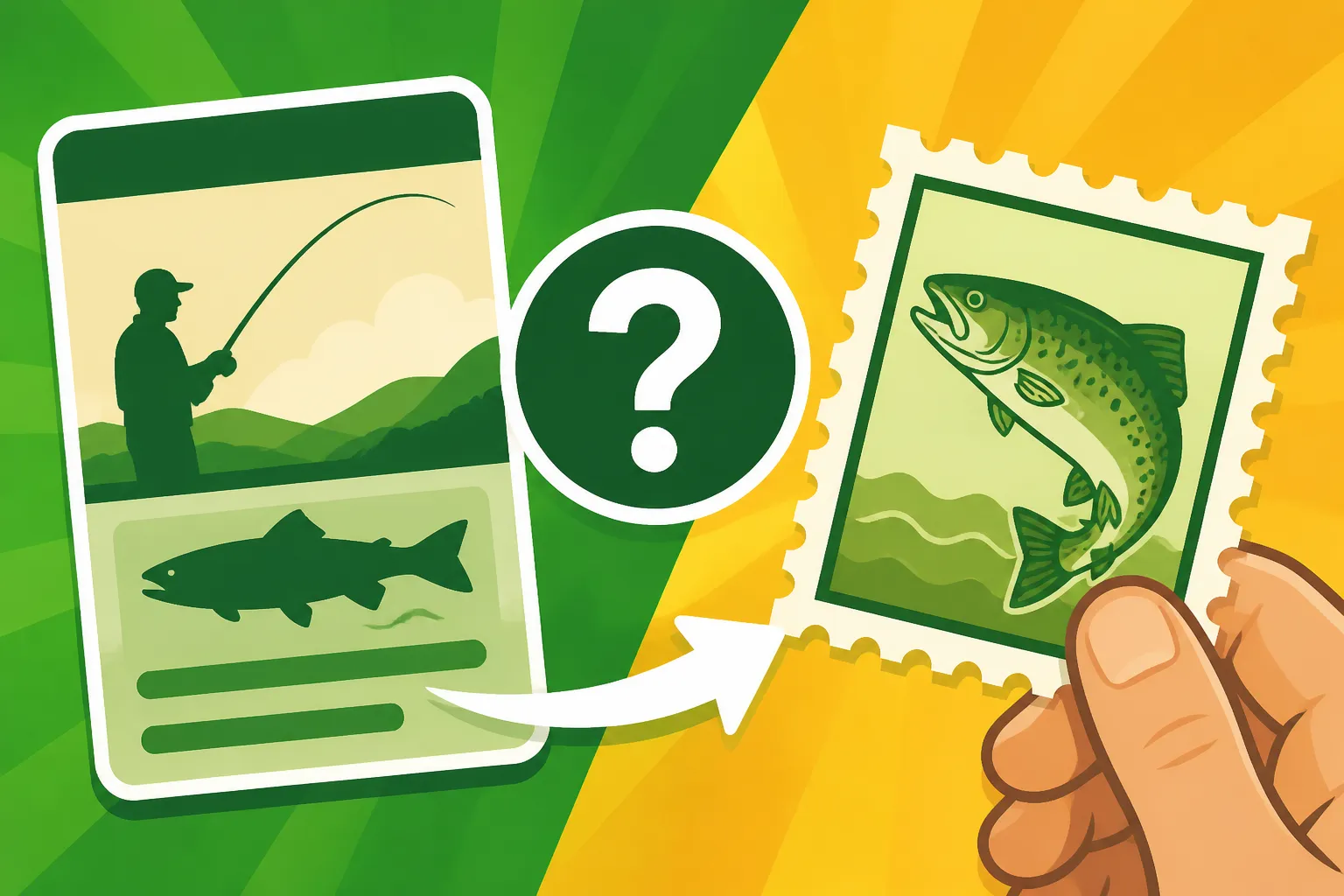
It’s a common scenario: you’ve already bought your Maryland fishing license, maybe you were focused on the Chesapeake Bay or local ponds, and then the urge strikes – you want to hit one of those beautiful trout streams. You might be left scratching your head, wondering if you need a whole new license or if there’s a way to simply add the necessary endorsement. This guide is here to clear up that confusion, explaining precisely how you can add a Maryland Trout Stamp to an existing fishing license, making sure you're properly equipped for your next angling adventure.
Understanding Maryland's Fishing License and Trout Stamp System
Navigating the world of fishing licenses and stamps can feel a bit like deciphering an ancient scroll, especially for newcomers or those returning to the sport after a long break. Maryland's system is designed to be comprehensive, ensuring that funds from licenses and stamps go directly back into conservation and fisheries management, but it does require a little understanding.
The Basics of a Maryland Fishing License
First things first, nearly everyone over the age of 16 needs a fishing license to cast a line in Maryland's waters. The state offers a few core options, primarily divided into tidal and nontidal fishing. A nontidal fishing license covers freshwater bodies like lakes, rivers, and streams upstream from tidal influence. Think of places like Deep Creek Lake, Loch Raven Reservoir, or the upper Potomac River. On the other hand, a Chesapeake Bay & Coastal Sport Fishing License, often called a tidal license, is for saltwater fishing in the Bay, its tributaries, and the Atlantic Ocean. Many anglers opt for a Consolidated Sport Fishing License, which typically covers both tidal and nontidal waters, simplifying things immensely. Regardless of which base license you choose, it’s your foundational permit to fish. Understanding the difference between a Maryland Nontidal vs Tidal Fishing License, Explained is crucial for picking the right initial permit.
What Is a Maryland Trout Stamp and Why You Need It
Now, let's talk about the trout stamp. Unlike your general fishing license, a Maryland Trout Stamp isn't a standalone permit; it's an add-on endorsement to your base fishing license. You specifically need this stamp if you plan to fish in "put-and-take trout waters" or "special trout management areas" across the state, which includes designated catch-and-release and delayed harvest streams. These are the waters where the Maryland Department of Natural Resources (DNR) actively stocks trout – usually Rainbow, Brown, and Golden Rainbow Trout – to enhance fishing opportunities. If you're targeting these stocked trout, even if you intend to practice catch-and-release, the trout stamp is a non-negotiable requirement. It helps fund these stocking programs and habitat improvements, directly contributing to the fantastic trout fishing experiences Maryland offers. If you're curious about all the ins and outs, our guide on Maryland Trout Stamp Requirements covers everything in detail.
The Initial Purchase: Can You Buy Them Separately
When you initially go to buy a Maryland fishing license, whether online or in person, you'll typically be presented with the option to purchase a trout stamp right then and there. It's usually a small additional fee tacked onto your base license. Many experienced anglers just get it upfront, knowing they'll likely encounter trout waters at some point. However, life happens. Maybe you weren't planning on trout fishing, or you were buying the license as a gift and didn't realize the recipient was a trout enthusiast. The good news is, Maryland’s system is flexible enough to accommodate these situations, so you don't need to fret if you missed it the first time around.
The Process of Adding a Trout Stamp Later
The primary question on everyone's mind is, "Can I really add it later?" The answer is a resounding yes! The Maryland DNR has made it quite convenient for anglers to secure the necessary endorsements even after their initial license purchase. It’s not a complicated process, and you have a few options depending on your preference and location.
Online Through Maryland DNR's COMPASS System
For most people, adding a trout stamp online is the quickest and easiest method. The Maryland Department of Natural Resources (DNR) utilizes its online COMPASS licensing system for all hunting and fishing licenses and permits. If you purchased your original license online, you already have an account. If you bought it in person, you'll simply need to create an account or link your existing customer ID.
Here’s a step-by-step breakdown:
- Access the COMPASS System: Go to the official Maryland DNR COMPASS online licensing portal. You can usually find a direct link on the DNR website by searching for "Maryland fishing license."
- Log In: Use your existing username and password. If you don't have one, you can usually create a new account using your personal information, which will then link to any licenses you've previously purchased using your driver's license or state ID.
- Navigate to Your Profile: Once logged in, look for an option like "My Account," "Purchase Licenses," or "Add Endorsements." The exact wording might vary slightly, but it will be intuitive.
- Select Trout Stamp: You should see a list of available licenses and stamps. Find the "Trout Stamp" or "Freshwater Trout Stamp" option. It will usually specify whether it's for residents or non-residents, though the system should automatically determine that based on your profile.
- Add to Cart and Checkout: Select the trout stamp and add it to your shopping cart. You’ll then proceed to a secure checkout process where you can pay the required fee using a credit or debit card.
- Print or Save Your New License: After a successful transaction, you’ll typically receive a confirmation email. More importantly, you'll be able to print an updated version of your fishing license that now includes the trout stamp endorsement. You might also be able to save a digital copy to your phone, which is perfectly acceptable as proof of license in Maryland. This digital convenience means you can often complete the entire process in minutes, right before heading to your favorite trout stream.
In Person at a Local Retailer
Sometimes, you're out and about, maybe even close to a trout stream, and realize you forgot your stamp. Or perhaps you just prefer doing things face-to-face. Many bait and tackle shops, sporting goods stores, and even some department stores across Maryland are licensed agents for the DNR and can sell fishing licenses and stamps.
The process is straightforward:
- Find a Licensed Agent: Look for signs indicating "Maryland DNR Licenses Sold Here" or simply ask at your local tackle shop. A quick online search for "Maryland fishing license agents near me" will also yield results. Even major retailers like Walmart often have kiosks or customer service desks that handle these transactions.
- Provide Identification: You'll need to bring a valid form of identification, typically your Maryland driver's license or state ID. If you're a non-resident, your home state ID will suffice. The retailer will need this to look up your existing fishing license.
- Request a Trout Stamp: Inform the clerk that you already have a Maryland fishing license and wish to add a trout stamp to it. They will access the COMPASS system, find your existing license, and process the add-on.
- Pay the Fee: You'll pay the trout stamp fee, usually with cash or card, right there at the counter.
- Receive Your Updated License: The agent will print out a new, updated copy of your Maryland fishing license, which will clearly show the trout stamp endorsement. Make sure to keep this printed copy with you when you go fishing. This method is especially helpful if you’re already browsing for new lures or bait for your upcoming trout trip. You might even find some highly-rated trout fishing essentials on Amazon to be shipped to your door after your purchase.
Phone Purchase and What to Expect
While less common for add-ons, you can also contact the Maryland DNR directly by phone during business hours to inquire about adding a trout stamp. This might be a good option if you're having trouble with the online system or can't get to a retailer.
- Call Maryland DNR: Find the customer service number for the Maryland DNR’s Licensing and Registration Service on their official website.
- Explain Your Need: Clearly state that you already possess a Maryland fishing license and want to purchase and add a trout stamp endorsement.
- Provide Information: You'll need to provide your personal identification details (name, address, date of birth, driver's license number) so they can locate your existing license in the system.
- Payment: Be ready with a credit or debit card for payment over the phone.
- Confirmation and Proof: The DNR representative will process the transaction. You'll typically receive a confirmation number. While they may not mail a physical updated license, your record in the COMPASS system will be updated immediately. It’s always a good idea to then log into your online COMPASS account after the call to print or save the updated license for your records, ensuring you have tangible proof with you on the water.
Important Considerations Before Adding Your Trout Stamp
Before you rush off to buy that trout stamp, it's wise to consider a few key details. Knowing these can save you time, money, and potential headaches on the water.
Costs and Fees Associated with a Trout Stamp
The cost of a Maryland Trout Stamp is relatively modest, especially when compared to the quality of fishing it grants access to. As of my last check, a resident trout stamp generally costs around $5.00, while a non-resident trout stamp is typically $10.00. These fees are usually consistent whether you buy it initially with your license or add it later. There are no additional processing fees for adding a stamp online or in person beyond the stamp's cost itself, though some third-party retailers might have a small convenience fee, so it's always good to ask. This small investment directly supports the stocking programs that make Maryland a fantastic destination for trout anglers. Our detailed post on Maryland Trout Stamp Cost for Residents and Nonresidents has the most current pricing.
Activation and Validity
One common concern is how quickly the trout stamp becomes active. The good news is that once you've successfully purchased the trout stamp, either online, in person, or over the phone, it is immediately active and valid. There's no waiting period. This means you can buy it in the morning and be fishing a designated trout stream by the afternoon.
The validity of your trout stamp is tied to your base fishing license. If you have an annual fishing license, your trout stamp will be valid for the same period, usually expiring on December 31st of the year it was purchased, regardless of when you added it. So, if you buy your annual license in January and add the trout stamp in July, both will expire at the end of December. This is an important detail to remember for renewals.
When a Trout Stamp Is NOT Required
While the trout stamp is crucial for designated areas, it's not universally required for all trout fishing. Understanding these exceptions can save you an unnecessary purchase:
- Under 16 Years Old: Anglers under the age of 16 are exempt from needing a fishing license and, consequently, a trout stamp in Maryland. This is a fantastic incentive for young anglers to get out and enjoy the sport. Our guide on Maryland Fishing License Age Requirements covers this in more detail.
- Private Ponds: If you are fishing in a completely private pond that is entirely self-contained and does not have any direct connection to public waterways (i.e., not a tributary, stream, or reservoir fed by public waters), you typically do not need a state fishing license or a trout stamp. Always confirm the specifics of private waters with the landowner.
- Free Fishing Days: Maryland hosts several "free fishing days" throughout the year, usually in June and July. On these specific days, residents and non-residents can fish in nontidal waters without a fishing license. Importantly, this exemption also extends to the trout stamp requirement. These days are a perfect opportunity to try trout fishing without the initial investment. You can learn more about What Free Fishing Days Are Available in Maryland This Year.
- Accidental Catch: If you are fishing in waters not designated as "trout waters" and you accidentally catch a trout, you generally don't need a trout stamp, but you must immediately release the fish if you don't have the stamp. The stamp is for targeting trout in designated areas.
Common Pitfalls and How to Avoid Them
Even with a straightforward process, a few common mistakes can trip up anglers.
- Forgetting Proof: The most critical pitfall is forgetting to carry proof of your trout stamp (and base license) with you while fishing. A paper copy, a digital image on your phone, or having it updated on a digital app like Fish & Hunt Maryland are all acceptable. Enforcement officers regularly check for licenses and stamps, and not having proof can lead to fines. Our post on Maryland Fishing License Penalties for Violations highlights the importance of compliance.
- Fishing in Non-Designated Areas: While less a pitfall of the stamp itself, mistakenly thinking all freshwater areas require a stamp can happen. Remember, it's specifically for designated trout waters. Don't overthink it; if it's a stocked trout stream or a special trout management area, you need the stamp.
- Expired License/Stamp: Your trout stamp is only valid as long as your base fishing license is valid. If your annual license expires on December 31st, so does your trout stamp. Always check the expiration date on your license.
Planning Your Maryland Trout Fishing Adventure
With your trout stamp in hand, you’re now ready to explore some of Maryland’s fantastic trout fishing opportunities. Having the right endorsement is just the first step; knowing where and how to fish for trout will make your experience truly rewarding.
Best Seasons and Locations for Trout Fishing
Maryland’s trout fishing scene really lights up with the spring and fall stocking programs. The DNR actively stocks many streams and lakes, particularly in central and western Maryland, to provide ample opportunities for anglers.
- Spring Stocking: This is prime time, typically from late February through May. Streams often receive multiple stockings. Western Maryland streams like the Savage River and the North Branch of the Potomac are popular, as are central Maryland's Gunpowder River and the Patapsco River tributaries. You can find detailed seasonal information in our Maryland Trout Season, Month by Month guide.
- Fall Stocking: Many areas also get a boost in the fall, usually from September through November, as water temperatures cool. This can offer excellent fishing with fewer crowds.
- Delayed Harvest Waters: These unique sections of rivers, like parts of the Gunpowder, offer catch-and-release fishing with artificial lures and flies only during specific seasons (e.g., October 1st to June 15th), with harvest allowed during other times. They provide a more challenging and rewarding experience for dedicated trout anglers. Fly fishing in Maryland has become particularly popular in these areas.
Gear and Bait Recommendations
Having the right gear will significantly enhance your trout fishing success. While trout can be caught on various setups, here’s a basic overview. Many anglers get their gear ready for the season, checking for deals on trusted online marketplaces like Amazon, especially for new lines or specific lures.
| Gear Category | Recommendation | Notes |
|---|---|---|
| Rod & Reel | Lightweight spinning combo (5-7 ft, ultralight-light) | Ideal for casting light lures and baits; balances sensitivity with fighting power for smaller trout. |
| Line | 4-6 lb test monofilament or fluorocarbon | Low visibility and good knot strength are crucial. Fluorocarbon is nearly invisible underwater. |
| Baits | PowerBait, Berkley Gulp! Trout Dough, Worms, Corn | Popular for put-and-take streams. Experiment with colors and scents. |
| Lures | Small spinners (e.g., Mepps, Rooster Tail), Spoons, Mini Jigs | Effective for active trout. Flash and vibration attract strikes. Vary retrieve speed. |
| Flies | Dry flies, Nymphs, Streamers (for fly fishing) | Specific to fly fishing, matching the local insect hatch is key. Check out our guide on Fly Fishing in Maryland for more. |
| Accessories | Small tackle box, forceps/pliers, net, stringer/cooler | Forceps help with hook removal; a net minimizes stress on fish; a stringer or cooler is for keeping legal catch. |
| Apparel | Waders (chest or hip), waterproof jacket, polarized sunglasses | Waders allow you to access more water; jacket for unpredictable weather; sunglasses reduce glare and help spot fish/structure. |
Always remember to check the specific regulations for the waterbody you plan to fish, as some streams have special restrictions on bait, lures, or even the type of hooks you can use (e.g., barbless hooks only). Local bait shops or the Maryland DNR fishing guide are excellent resources for current information.
Disclaimer
Please note that fishing regulations, costs, and availability of licenses and stamps are subject to change by the Maryland Department of Natural Resources. Always check the official Maryland DNR website or their COMPASS system for the most current information before heading out on your fishing trip. This guide is for informational purposes only and should not be considered legal advice.