Maryland Daily Bag Limits by Species
There's nothing quite as deflating as a successful day on the water turning into a stressful one because you're unsure if your catch is legal. Many Maryland anglers, myself included, have felt that pang of anxiety, wondering if the beautiful fish at the end of the line fits within the ever-changing daily bag and size limits. It's a confusing landscape, and keeping up can feel like a full-time job. This comprehensive guide is here to untangle the complexities of Maryland's daily bag limits by species, ensuring you can enjoy your time fishing with confidence and clarity.
Understanding Maryland's Fishing Regulations Landscape
Navigating Maryland's fishing regulations can sometimes feel like trying to solve a complicated puzzle, especially when it comes to daily bag limits. It's not just about what you can catch, but how many and what size you can keep, and these rules often shift with the seasons or even mid-year. This section will help demystify why these rules exist, where to find the most current information, and acknowledge that feeling of constantly needing to double-check.
Why Bag Limits Exist
At its core, daily bag limits are about sustainability and ensuring that future generations can enjoy the incredible fishing Maryland offers. Think about it: if everyone kept every fish they caught, especially popular species like striped bass or trout, the populations would dwindle rapidly. The Maryland Department of Natural Resources (DNR) sets these limits based on scientific data, population assessments, and input from various stakeholders, including commercial and recreational anglers. These limits help prevent overfishing, protect spawning stock, and allow fish populations to remain healthy and resilient. It’s a balancing act designed to provide a fair distribution of the resource among all anglers while safeguarding the long-term health of our aquatic ecosystems.
Beyond just population numbers, bag limits also play a crucial role in maintaining the ecological balance within a given fishery. For example, some species might be abundant, but their prey might be struggling, or vice versa. Regulating harvest helps to manage these delicate food webs. Furthermore, these limits often encourage selective harvesting, promoting the release of larger, more reproductively important fish, or conversely, encouraging the removal of invasive species that threaten native populations. It’s a system designed to protect, preserve, and provide, though it can certainly be frustrating to keep track of!
Where to Find Official Information
In the age of misinformation, knowing exactly where to get reliable, up-to-date fishing regulations is paramount. The absolute best source is always the official Maryland Department of Natural Resources (DNR) website. They publish the most current regulations, often providing detailed guides, alerts, and FAQs. I've personally relied on their online resources for years, and it's the first place I send anyone who asks about a specific rule. You can also download the Maryland Guide to Fishing and Boating each year, which is a fantastic resource to keep on your phone or printed out in your tackle box. Many tackle shops and bait stores also have printed copies available, and the staff there are often very knowledgeable about local rules.
Beyond the main website, the Maryland DNR often issues press releases or social media updates for emergency closures or sudden regulation changes, especially for popular species like striped bass. Subscribing to their email newsletters is a smart move if you want to stay ahead of the curve. There are also several reputable fishing apps, some free and some paid, that compile state regulations, but always cross-reference with the official DNR site if there's any doubt. Remember, it's your responsibility as an angler to know the rules, and ignorance is rarely an acceptable excuse when a Natural Resources Police officer pulls up to your boat.
The Dynamic Nature of Regulations
One of the biggest frustrations for Maryland anglers is how frequently regulations, especially bag and size limits, seem to change. It's not uncommon for rules to be updated annually, seasonally, or sometimes even mid-season in response to scientific findings, population trends, or interstate agreements. For instance, the rockfish (striped bass) regulations have seen several adjustments over the years due to concerns about their population health, leading to complex slot limits and specific seasonal closures that vary between the Chesapeake Bay and the Atlantic Ocean. These changes, while sometimes inconvenient, are implemented to protect vulnerable species and ensure sustainable fishing opportunities for the long haul.
It's this dynamic nature that makes staying informed so crucial. What was legal last year, or even last month, might not be today. Factors like water temperature, spawning success, disease outbreaks, and coastal migratory patterns can all influence the decisions made by fisheries managers. This is particularly true for highly migratory species or those with shared populations across multiple states, like flounder or striped bass. Constant monitoring and adaptive management mean that while the rules might seem like a moving target, they are ultimately aimed at preserving the health of our fisheries against a backdrop of environmental changes and increasing fishing pressure.
Key Freshwater Species Daily Bag Limits
Maryland offers some fantastic freshwater fishing opportunities, from the mountain streams of Western Maryland to the reservoirs around Baltimore and the vast nontidal stretches of rivers. While the rules can be a bit simpler than their saltwater counterparts, there are still specific daily bag and size limits you need to be aware of for various species.
Trout: Different Rules for Different Waters
Trout fishing in Maryland is a beloved pastime, especially during the spring and fall stocking seasons. However, the bag limits for trout aren't uniform; they vary significantly depending on the type of water you're fishing. In "put-and-take" trout streams, which are heavily stocked for immediate angler enjoyment, the daily creel limit is typically 5 trout per person, with no minimum size. These are often easy-to-access areas popular with families and new anglers.
However, once you venture into "delayed harvest" trout streams, the rules become more restrictive. These sections are catch-and-release only for a significant portion of the year (usually from October 1 to June 15), often with artificial lures and barbless hooks required. After June 15, they often revert to a 5-trout limit, but always check the specific stream regulations, as they can vary. Then there are "catch-and-release" or "fly-fishing only" areas, which, as the name suggests, have a zero-possession limit year-round. Finally, wild trout streams, often found in the pristine headwaters of Western Maryland, also typically have a very conservative or catch-and-release only limit to protect their fragile, naturally reproducing populations. Before you head out, make sure you know the specific rules for your chosen trout stream; a quick check of the Maryland Trout Stamp Requirements and the DNR guide will save you a headache.
Largemouth and Smallmouth Bass
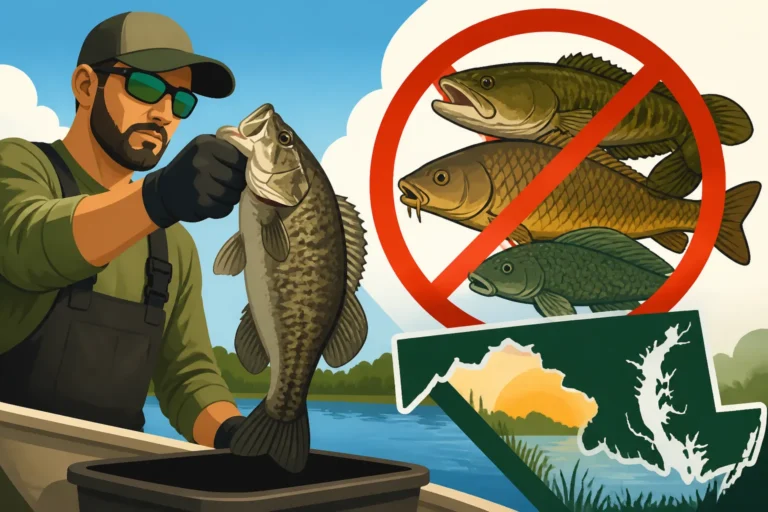
Bass fishing, whether it's the hard-fighting largemouth in a lily pad-choked pond or the feisty smallmouth in a rocky river, is incredibly popular across Maryland. For largemouth and smallmouth bass, the general daily creel limit is typically 5 fish in total, with a minimum size of 12 inches. This means you can keep a combination of 5 largemouth and smallmouth bass, as long as each fish is at least 12 inches long. This standard applies to most of the state's public lakes, ponds, and nontidal rivers.
However, there are exceptions. Some specific impoundments or river sections might have different slot limits or higher minimum sizes designed to manage the bass population uniquely for that body of water. For example, some trophy bass management areas might impose stricter size limits or even catch-and-release rules for larger fish to encourage the growth of truly massive bass. Always double-check the signs at your local fishing spot or consult the DNR’s detailed regional regulations. Many dedicated bass anglers practice catch-and-release religiously, especially for larger breeding fish, even when they could legally keep them, recognizing the importance of those bigger fish to the overall health of the population. This practice is a great way to ensure the future of excellent bass fishing.
Panfish: Crappie, Perch, and Sunfish
When it comes to panfish – crappie, bluegill, pumpkinseed, and even yellow perch in nontidal waters – Maryland tends to be a bit more generous with its daily bag limits, reflecting their abundance and reproductive rates. For crappie, both black and white, the typical daily creel limit is 15 fish, with a minimum size of 9 inches. This allows for a good harvest for dinner without impacting the overall population.
For sunfish species like bluegill and pumpkinseed, there is often no daily creel limit and no minimum size. This makes them perfect targets for young anglers or those just looking to catch a lot of fish for fun, and it means you can often fill a cooler with panfish for a delicious fish fry. Yellow perch, while often associated with tidal estuaries, are also found in many nontidal lakes and rivers. In nontidal waters, the daily creel limit for yellow perch is typically 10 fish with no minimum size. While these limits are generally quite liberal, it’s always a good idea to confirm the rules for specific lakes or ponds you might be visiting, as local regulations can sometimes introduce minor variations.
Catfish Species
Maryland's freshwater systems are home to several species of catfish, and their regulations reflect their varying statuses within the ecosystem. For native channel catfish and white catfish, the daily creel limit is typically 10 fish, with no minimum size. These fish are delicious, abundant, and provide excellent fishing opportunities, particularly in rivers and larger impoundments.
However, the game changes dramatically when it comes to the invasive blue catfish and flathead catfish. Maryland DNR actively encourages anglers to harvest these species without limit to help control their rapidly expanding populations, especially the blue catfish. For blue catfish, there is no daily creel limit and no size limit in all Maryland waters. In fact, anglers are encouraged to keep every blue catfish they catch. This is due to their voracious appetite and negative impact on native species. Similarly, flathead catfish also generally have no daily creel limit. If you're targeting these invasive species, you can keep as many as you want, and you'd be doing the ecosystem a favor. Just remember to check the Maryland Blue Catfish Possession Rules and ensure you're correctly identifying them, as native species do have limits.
Northern Snakehead
The Northern Snakehead is perhaps one of the most talked-about and controversial fish in Maryland waters. As an aggressive invasive species, their presence poses a significant threat to native fish populations. Because of this, Maryland has some very clear and strict rules regarding snakeheads: there is no daily creel limit, and you are required to kill any snakehead you catch. It is illegal to release a live snakehead back into the water.
This regulation reflects the DNR's aggressive stance on managing this invasive species. Anglers are encouraged to target them, harvest them, and report their catches. They are actually quite delicious, offering a firm, white, flaky meat. You might see anglers using specialized tackle, often heavy-duty topwater gear found on Amazon, to effectively target these powerful fish in shallow, vegetated areas. If you're heading out to areas known for snakeheads, like the Potomac River or its tributaries, make sure you're prepared to humanely dispatch any you catch. Always verify the most current Maryland Snakehead Fishing Rules before your trip.
Essential Saltwater and Estuarine Species Bag Limits
The vast and diverse saltwater and estuarine waters of Maryland, particularly the Chesapeake Bay and the Atlantic Ocean, are teeming with popular gamefish. However, these fisheries are often subject to more complex and frequently changing regulations due to migratory patterns, interstate management, and population health concerns.
Striped Bass Rockfish
Ah, the striped bass, or rockfish as we affectionately call them here in Maryland – our state fish and arguably the most popular target for anglers. The regulations for striped bass are notoriously complex and can change annually, so paying close attention is crucial. Generally, there are specific seasons with different rules for the Chesapeake Bay (including its tidal tributaries) and the Atlantic Ocean. For the Chesapeake Bay, recent years have seen a complex "slot limit" in effect, meaning you can only keep fish within a specific size range, for example, 19 to 24 inches, with a daily limit of one fish per angler. This slot is designed to protect both juvenile fish and the larger, reproductively valuable breeding stock.
The Atlantic Ocean and its coastal bays often have different seasons and slot limits. For instance, the ocean might have a separate slot or a higher minimum size during certain times of the year, usually with a daily limit of one fish. It’s absolutely essential to consult the most current Maryland Striped Bass Season and Rockfish Rules and pay close attention to the specific dates and zones. The DNR updates these rules diligently, and misunderstanding them can lead to significant fines. Remember, what counts as legal in May might be illegal in July, and what's allowed in the Chesapeake Bay often differs from the ocean. This complexity is why many anglers frequently refer to the Maryland Rockfish Slot Limit Explained resources.
Flounder
Flounder fishing, particularly in the coastal bays and nearshore ocean waters around Ocean City, is another favorite. These delicious flatfish are typically caught by bottom fishing with bait or by jigging. Their bag and size limits are often subject to changes due to regional stock assessments and management plans that involve multiple states along the Atlantic coast.
In recent years, the typical daily creel limit for flounder has been four fish per person, with a minimum size of 17 inches. However, these numbers can fluctuate, and sometimes even mid-season adjustments are made. For example, some years might see a reduced bag limit or an increased minimum size if stock assessments indicate a need for greater conservation. Always check the current Maryland Flounder Size Limit regulations before you head out, especially if you're fishing near the borders with Virginia or Delaware, as their rules might differ slightly. Having a reliable measuring device on board or easily accessible in your tackle box is a must when targeting flounder to ensure every fish you keep is well within the legal limits.
White Perch Tidal Waters
While we touched on white perch in freshwater sections, they are arguably even more iconic in Maryland's tidal estuaries, especially the Chesapeake Bay and its tributaries. These feisty, schooling fish provide fantastic light tackle action and make for excellent table fare. Thankfully, the regulations for white perch in tidal waters are generally quite liberal, reflecting their robust population numbers.
The daily creel limit for white perch in tidal Maryland waters is typically 25 fish per person, with no minimum size limit. This generous limit allows anglers to fill a cooler for a delicious family meal without worrying about individual fish measurements. They are found throughout the Bay system, from the brackish upper reaches to the saltier lower Bay, and provide consistent action for anglers of all skill levels. Despite the generous limit, practicing responsible angling, such as keeping only what you'll eat and releasing the rest, is always encouraged. You can find more specific details on the Maryland White Perch Daily Limit to ensure you're always fishing within the rules.
Black Sea Bass and Tautog
For anglers venturing out into the deeper waters of the Atlantic Ocean or targeting structure within the Chesapeake Bay, black sea bass and tautog are highly prized catches. Both species have specific seasons and regulations that are often influenced by federal and regional fisheries management councils.
For black sea bass, which are typically found on wrecks, reefs, and rocky bottom structures off the coast of Ocean City, the daily creel limit usually fluctuates between 10 and 15 fish, with a minimum size of 12.5 inches. The season can also be broken into multiple segments, with closures during peak spawning times. Tautog, known for their strong bite and challenging nature, are primarily caught around rocky outcroppings, bridge pilings (like the Chesapeake Bay Bridge), and artificial reefs. Their daily limit is typically 4 fish, with a minimum size of 16 inches, and their season is also usually segmented, with specific open and closed periods. Both species require careful attention to the most current regulations as they are subject to frequent adjustments.
Bluefish, Spot, and Croaker
These three species represent some of the most accessible and often abundant catches in Maryland's tidal waters, particularly during the warmer months. Bluefish are known for their aggressive strikes and sharp teeth, while spot and croaker are mainstays of bottom fishing, providing consistent action for anglers of all ages.
For bluefish, the daily creel limit can vary depending on the size of the fish. Often, there's a more generous limit (e.g., 10 fish) for smaller "snapper" bluefish (under 16 inches) and a more restrictive limit (e.g., 3 fish) for larger "chopper" bluefish (over 16 inches), with a general aggregate limit. Always verify the current Maryland Bluefish Daily Limit as these rules can change based on overall stock health. For spot and croaker, Maryland generally has very liberal or no daily bag limits and no minimum size limits, reflecting their high abundance. This makes them fantastic targets for casual fishing trips, providing plenty of action and a good meal. While there isn't typically a hard limit, you can always check the Is There a Limit on Spot and Croaker in Maryland? resource for the latest information, especially if you plan a substantial harvest.
Special Considerations and Best Practices
Understanding the numbers is one thing, but truly mastering Maryland's fishing regulations involves appreciating the nuances and adopting best practices. It's about more than just avoiding a fine; it's about being a responsible steward of our natural resources.
Size Limits Versus Bag Limits
It's common for new anglers, and even experienced ones, to sometimes conflate size limits and bag limits, but they are distinct and equally important. A daily bag limit refers to the maximum number of fish of a particular species an individual angler can legally keep in a 24-hour period. For example, if the striped bass limit is one fish per day, you can only keep one, regardless of how many you catch.
A size limit, on the other hand, specifies the minimum or maximum length a fish must be to be legally kept. This is often expressed as a "minimum size" (e.g., trout must be 12 inches) or a "slot limit" (e.g., striped bass must be between 19 and 24 inches). Both rules must be adhered to simultaneously. You might catch many fish that meet the size limit, but you can only keep up to your bag limit. Conversely, you might catch plenty of fish, but if they don't meet the size requirement, they must be immediately released, even if you haven't reached your bag limit. Always carry a reliable measuring tape or bump board on your fishing trips. You can find durable, easy-to-read options on Amazon that make measuring your catch quick and accurate.
Catch and Release Practices
Even if you're eager to take home your legal limit, practicing good catch and release is vital for the health of Maryland's fisheries. This is especially true for fish that are undersized, outside a legal slot, or when you've already met your bag limit. When releasing fish, minimize handling time, keep the fish in the water as much as possible, and handle them gently. Avoid touching their gills or eyes, and use wet hands to protect their slime coat.
For species like striped bass, which can be particularly sensitive to stress, using circle hooks can significantly increase their survival rates by typically hooking them in the jaw rather than the gut. If a fish is deeply hooked, cutting the line as close to the hook as possible is often better than trying to remove the hook, which can cause more internal damage. Understanding Maryland Catch and Release Rules During Closed Seasons is also crucial, as some periods mandate catch-and-release only for specific species or in certain areas. Responsible catch and release ensures that those fish live to fight another day and contribute to a healthy, sustainable fishery.
Possession Limits Explained
Beyond the daily bag limit, Maryland also has "possession limits" which refer to the total number of fish an individual can have in their possession at any given time. For most species, the possession limit is simply the daily bag limit. However, there are times and situations where this can become a bit more nuanced. For example, if you're on a multi-day fishing trip or if you've caught fish on one day and are fishing again the next, you need to be mindful of how many fish you've already retained.
The general rule of thumb is that you cannot possess more than one day's bag limit of fish, unless those fish are "processed," meaning they are filleted and properly stored (e.g., frozen), making them identifiable as having been caught on a previous day. However, even with processed fish, some rules still apply regarding identification. For instance, when filleting, it's often required to leave a patch of skin on the fillet so that the species can be identified by an enforcement officer. Always check the specific regulations in the Maryland's DNR Fishing and Boating Guide, Explained regarding possession limits and how to properly process your catch, especially if you're planning an extended trip or fishing multiple days in a row.
Gear and Method Restrictions
While this guide focuses on bag limits, it's important to remember that how you catch fish also falls under regulation, and these rules can sometimes indirectly affect what you can keep. For example, certain areas might be restricted to artificial lures only, or fly fishing only, particularly in some trout management waters. These methods often lead to healthier releases but can also influence your overall catch rate.
Maryland also regulates the number of fishing rods or lines an individual can use simultaneously. For most recreational fishing, this is typically two rods per angler, but always verify, especially if you're fishing from a boat or pier. Using illegal gear, like gill nets or certain types of traps without proper licensing, can result in severe penalties and the forfeiture of your catch, regardless of bag limits. Similarly, snagging (deliberately hooking a fish somewhere other than its mouth) is illegal for most game fish in Maryland. These method restrictions are in place to promote fair chase, reduce accidental mortality, and ensure sustainable fishing practices across all of Maryland’s diverse waters.
| Species | Typical Daily Bag Limit (Tidal/Freshwater) | Typical Minimum Size Limit (Tidal/Freshwater) | Special Notes |
|---|---|---|---|
| Striped Bass (Rockfish) | 1 fish | 19-24 inches (slot limit) | Highly variable by season & zone (Bay vs. Ocean). Check DNR for updates. |
| Blue Catfish | NO LIMIT | NO LIMIT | Invasive species, harvest encouraged. |
| Northern Snakehead | NO LIMIT | NO LIMIT | Invasive species, mandatory kill. |
| Largemouth Bass | 5 fish (aggregate with Smallmouth) | 12 inches | Some specific impoundments may have different rules. |
| Smallmouth Bass | 5 fish (aggregate with Largemouth) | 12 inches | Some specific river sections may have different rules. |
| White Perch (Tidal) | 25 fish | No minimum | Abundant, great for light tackle. |
| White Perch (Nontidal) | 10 fish | No minimum | |
| Yellow Perch (Nontidal) | 10 fish | No minimum | |
| Crappie | 15 fish | 9 inches | |
| Sunfish (Bluegill, Pumpkinseed) | NO LIMIT | No minimum | Great for kids and casual anglers. |
| Channel Catfish | 10 fish | No minimum | |
| Flounder | 4 fish | 17 inches | Subject to change, check coastal regulations. |
| Black Sea Bass | 10-15 fish | 12.5 inches | Seasonally variable, check offshore rules. |
| Tautog | 4 fish | 16 inches | Seasonally variable, often structure-oriented. |
| Bluefish | 3-10 fish (size dependent) | Varies (e.g., 16" for large fish) | Check specific rules for "snapper" vs. "chopper." |
| Spot & Croaker | NO LIMIT (generally) | No minimum (generally) | Highly abundant, ideal for bait or table fare. |
| Trout (Put-and-Take) | 5 fish | No minimum | Delayed Harvest/Catch & Release areas have different rules. |
Note: This table provides typical limits. Regulations change frequently. Always consult the Maryland DNR for the most current rules before fishing.
Navigating Regulation Changes and Staying Informed
Given the dynamic nature of fishing regulations in Maryland, staying consistently informed is just as important as knowing the rules themselves. It's a responsibility that falls on every angler, but thankfully, there are excellent resources available to help you keep up with the latest changes.
Maryland DNR Resources
As mentioned earlier, the Maryland Department of Natural Resources (DNR) is your ultimate, authoritative source for all fishing regulations. Their website (DNR.Maryland.gov) is meticulously updated and should be your first point of reference. They don't just list the rules; they often provide explanations for why certain changes were made, offering valuable context for conservation efforts. You can usually find a dedicated fishing and boating section that details regulations by species, by water body, and by season.
Beyond the website, the annual Maryland Guide to Fishing and Boating is an indispensable tool. It's available online as a PDF and often in print at bait shops, tackle stores, and DNR service centers. This comprehensive guide covers everything from licensing requirements to specific size and creel limits for practically every species you might encounter. Make a habit of reviewing it at the beginning of each year, and keep an eye out for updates throughout the season. Being familiar with the layout of Maryland's DNR Fishing and Boating Guide, Explained will save you a lot of time and potential confusion.
Staying Up-to-Date
In today's fast-paced world, receiving real-time updates on regulation changes can make all the difference between a successful, legal trip and a disappointing, illegal one. The Maryland DNR offers several ways to stay connected. Signing up for their email newsletters is highly recommended; they often send out alerts about emergency closures, season openings, and rule adjustments as they happen. This is particularly crucial for species like striped bass, where limits and seasons can be adjusted with relatively short notice.
Following the Maryland DNR on their official social media channels (Facebook, Twitter, etc.) can also be a good way to catch quick announcements and engage with other anglers about current conditions and rules. Additionally, many reputable local bait and tackle shops are excellent sources of up-to-the-minute information, as they deal with anglers daily and are often the first to hear about changes. Some popular fishing apps also integrate state regulations, though it's always wise to verify critical details directly with the DNR website, as third-party apps might not update as quickly. Making it a routine to check these sources before each trip will ensure you're always fishing within the current legal framework.
The Role of Responsible Angling
Ultimately, understanding and adhering to daily bag limits and other regulations isn't just about avoiding penalties; it's a fundamental aspect of responsible angling and conservation. Every angler has a role to play in protecting Maryland's precious aquatic resources. By following the rules, you contribute directly to the health and sustainability of fish populations, ensuring that there will be abundant fishing opportunities for generations to come. It’s about more than just your personal catch; it's about the collective impact of the entire angling community.
Responsible angling also extends to respecting other users of the waterways, minimizing your environmental impact (e.g., picking up trash, disposing of fishing line properly), and educating others when you have the chance. When you consistently model good behavior, like carefully releasing undersized fish or knowing your limits, you set a positive example for fellow anglers, especially newer ones. Fishing is a privilege, not a right, and by embracing the spirit of conservation alongside the thrill of the catch, we help preserve the beauty and bounty of Maryland's waters for everyone.
Disclaimer
Please remember that fishing regulations, including daily bag and size limits, are subject to frequent change by the Maryland Department of Natural Resources (DNR). While this guide provides a comprehensive overview based on generally applicable rules, it is your responsibility as an angler to always consult the most current official Maryland DNR publications and website before heading out to fish. This guide is for informational purposes only and should not be considered legal advice.