Maryland Flounder Size Limit
Trying to keep up with Maryland's fishing regulations can feel like chasing a moving target, especially when it comes to popular species like flounder. One minute you think you've got it figured out, the next, the rules have shifted, leaving you wondering if your prized catch is even legal. This guide is here to untangle the complexities of Maryland's flounder size limits and related regulations, ensuring you stay compliant and maximize your enjoyment on the water.
Understanding Current Flounder Size and Creel Limits
Fishing for flounder, often called fluke, is a cherished pastime in Maryland, particularly in our coastal bays and along the Atlantic. But the joy of a good hook-up can quickly turn to frustration if you’re not up-to-date on the latest regulations. These rules are put in place for a good reason – to help ensure healthy fish populations for years to come – but they can certainly be tricky to navigate.
The Exact Minimum Size for Flounder
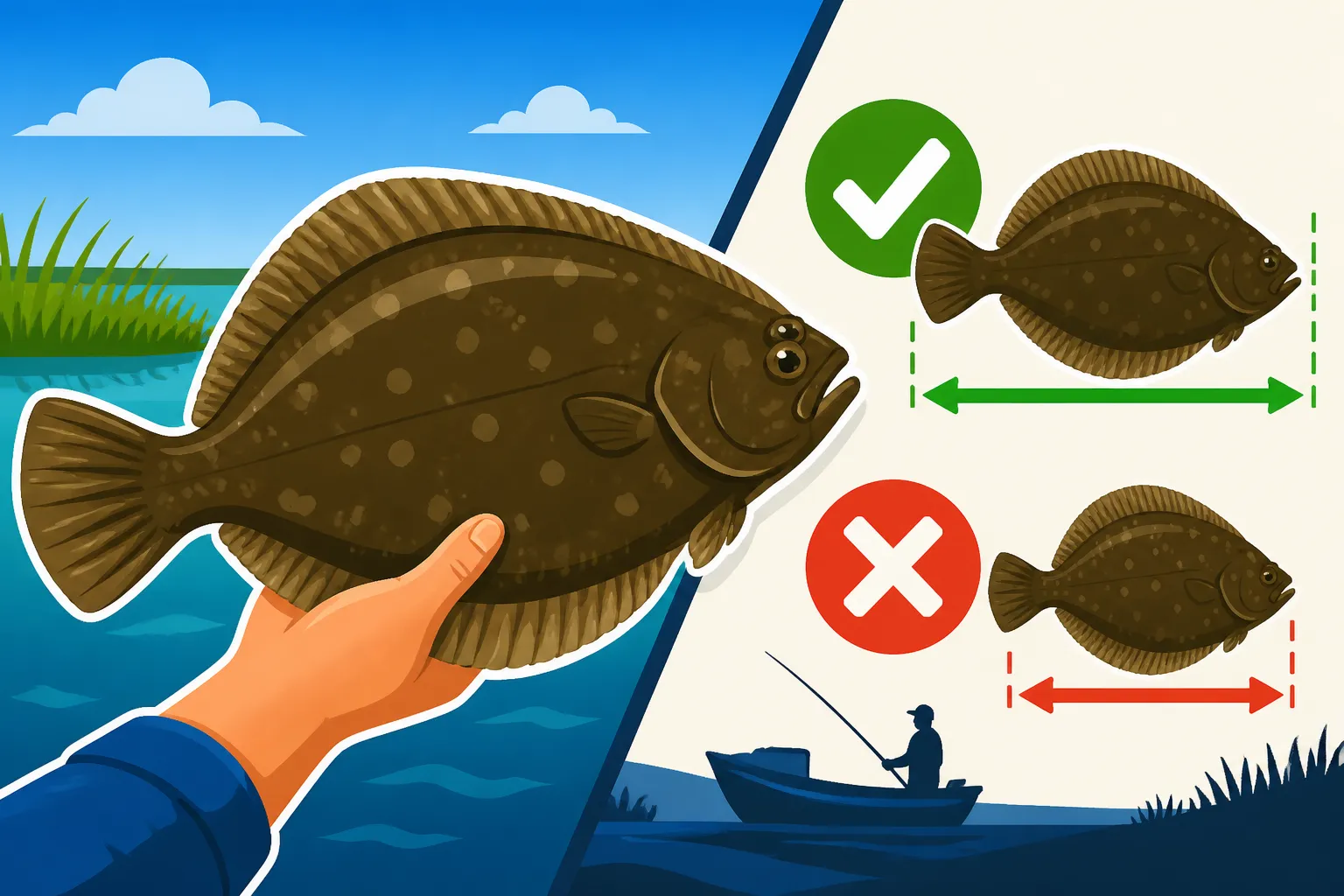
As of the current regulations, anglers targeting flounder in Maryland's Atlantic coastal waters, which include the coastal bays and their tributaries like the Isle of Wight Bay and Sinepuxent Bay, must adhere to a strict minimum size limit. This rule typically dictates that any flounder you keep must be at least 17 inches long. This isn't just a suggestion; it's a hard-and-fast rule designed to allow flounder to reach maturity and contribute to spawning before they're harvested. Many times, you'll hear about changes to these sizes, and it's almost always a response to scientific data about the health of the flounder stock. For instance, if surveys show a dip in younger fish or spawning success, regulators might increase the minimum size to protect those critical breeders.
It's a common scenario: you reel in a beautiful flounder, and your heart races, but then you pull out your ruler. It measures 16.5 inches. In that moment, it’s tough, but you absolutely have to release that fish. Not only is it the law, but it's also the responsible thing to do for the future of the fishery. Always carry a reliable measuring device, and if there's any doubt, it's better to let it go. You can find a good, rigid fish ruler, often with species-specific markings, on platforms like Amazon that makes on-the-spot measurement a breeze. For a deeper dive into specific regulations for all species, you might want to check out our comprehensive guide on Maryland Fishing Size and Catch Limits by Species.
Daily Creel Limits for Flounder
Beyond the minimum size, there's also a limit on how many flounder you can keep per day, known as the daily creel limit. Currently, anglers in Maryland's coastal waters are permitted to keep up to four flounder per person, per day. This limit is another vital tool in managing fish populations, ensuring that even on a fantastic fishing day, no single angler can take an excessive number of fish. Imagine a scenario where you're having an incredible day, perhaps drifting baits in the Thorofare near Ocean City, and you've already kept four legal-sized flounder. While it might be tempting to keep that fifth one that bites, the law is clear: four is the maximum. Exceeding this limit, just like keeping an undersized fish, can lead to significant penalties. These limits are subject to change, so consulting the official Maryland's DNR Fishing and Boating Guide, Explained annually is a smart move.
This creel limit applies to each individual angler, meaning if you're fishing with a partner, each of you can keep up to four, provided you both possess the necessary Maryland Fishing License Guide for 2026. However, the rules get a little nuanced when it comes to charter boats, where sometimes the boat itself has a total limit or the captain's license covers passengers. For the average recreational angler, though, four per person is the rule of thumb.
Seasonal Considerations for Flounder Fishing
While flounder can often be found in Maryland's coastal bays for a good portion of the year, there are usually specific open seasons when harvest is permitted. Currently, flounder fishing in Maryland's coastal waters typically follows a season that runs from May 15th through September 30th. This designated season is carefully planned to coincide with periods when flounder are abundant and actively feeding in accessible areas, while also protecting them during critical biological phases, such as parts of their migration or spawning cycles.
Fishing outside of this season, even if you’re catching and releasing, requires diligence to ensure you're not accidentally harvesting fish when it's closed. Most anglers understand that respecting these seasonal closures is crucial. For instance, you wouldn't expect to go out in January and keep a flounder, even if you miraculously hooked one, because the season would be closed. These periods are often when flounder are either too scarce in our waters or are undergoing important biological processes that need protection. Always double-check the current Maryland Flounder Regulations for 2026 before planning your trip, as these dates can shift based on coastal stock assessments and interstate management plans.
Why Flounder Regulations Change So Often
It’s completely understandable to feel frustrated when flounder regulations seem to change every other year. You finally memorize the size and creel limits, only to find they’ve been adjusted again. This constant evolution isn't arbitrary; it’s a complex dance between science, conservation, and cooperation across multiple states.
Interstate Management and Scientific Data
Flounder, specifically summer flounder (Paralichthys dentatus) which is what we primarily target in Maryland, are a migratory species. They don't just stay put within Maryland's imaginary lines; they travel up and down the Atlantic coast, spending parts of their lives in waters off other states like Virginia, Delaware, New Jersey, and New York. Because of this shared resource, managing flounder populations requires a concerted effort from all these states, guided by federal agencies like the Atlantic States Marine Fisheries Commission (ASMFC) and the Mid-Atlantic Fishery Management Council (MAFMC).
These councils collect and analyze extensive scientific data, including stock assessments that estimate the total number of fish, their age structure, and spawning success. They look at commercial landings, recreational catches, and environmental factors. When the data indicates that the overall stock is declining or not rebuilding as projected, stricter measures are often recommended across all participating states. This means that even if Maryland's specific flounder population looked okay, if the overall East Coast stock is struggling, Maryland might still have to implement more restrictive regulations to contribute to the bigger picture recovery effort. It’s a classic case of shared responsibility, and sometimes that means swallowing a bitter pill for the greater good of the fishery. This is also why you often see the question: Do Maryland, Virginia and Delaware Share the Same Flounder Limit?. The answer is, they often try to align as much as possible, though local management can sometimes create slight variations.
Impact of Fishing Pressure and Environmental Factors
Beyond interstate mandates, local fishing pressure and environmental factors also play a significant role in how Maryland's flounder regulations are set. Think about the sheer number of anglers who descend upon the coastal bays and Ocean City jetties during peak season. With so many lines in the water, even a small increase in individual catch rates can quickly add up to a substantial impact on the fish population. When recreational or commercial harvests exceed sustainable levels, regulators step in to reduce the pressure.
Environmental factors are another huge piece of the puzzle. Things like water temperature, salinity, habitat quality (like healthy seagrass beds), and the availability of prey species (like minnows and silversides) all influence flounder health and abundance. For example, a particularly cold winter could impact overwintering flounder, or a severe red tide event could affect their food sources. Climate change is also introducing new variables, with warming waters potentially altering migration patterns and spawning success. Regulators are constantly monitoring these complex interactions, trying to fine-tune rules to adapt. It's not just about what anglers are catching; it's about the entire ecosystem supporting the flounder, and finding that balance is why the regulations seem to be in constant flux.
Where to Find Flounder in Maryland Waters
Finding flounder isn't always about luck; it's often about understanding their habits and preferred habitats. These flatfish are masters of camouflage, burying themselves in the bottom substrate, waiting to ambush unsuspecting prey. Knowing where to look can dramatically increase your chances of finding legal-sized fish.
Ocean City Back Bays and Coastal Waters
When most anglers think of flounder fishing in Maryland, their minds immediately go to Ocean City and its extensive network of back bays. These shallow, estuarine waters – including the Isle of Wight Bay, Sinepuxent Bay, and Assawoman Bay – are prime flounder territory, particularly during the warmer months. Here, flounder love to hang out in areas with structure and current. Think about the edges of channels, the drop-offs near inlets, and around bridge pilings. They'll often lie camouflaged on sandy or muddy bottoms adjacent to oyster beds, docks, or even submerged debris.
The Ocean City Inlet, with its powerful currents and rocky jetties, is another hotspot. Flounder will stage here, especially during outgoing tides, to ambush baitfish being swept out of the bays. Fishing the inlet from shore or a boat requires heavier tackle due to the current, but the rewards can be substantial, often yielding larger fish. For those who enjoy casting from shore, Fishing Ocean City's Inlet and Jetties offers some fantastic advice on how to approach these productive spots. Additionally, the nearshore ocean waters outside the inlet, particularly around wrecks, reefs, and artificial structures, also hold flounder, though this usually requires a boat.
Chesapeake Bay Flounder Hotspots
While the coastal bays are the classic flounder grounds, you might be surprised to learn that flounder are also found, albeit in lesser numbers, within the Chesapeake Bay itself. These are typically the same summer flounder species that migrate. You'll find them primarily in the lower Chesapeake Bay, especially near the mouth of the Potomac River, around Tangier Sound, and in areas closer to the Atlantic Ocean. They prefer saltier waters and sandy or muddy bottoms, much like their coastal cousins.
Good spots within the Bay often include deeper channels, oyster beds, and areas around submerged wrecks or artificial reefs. Unlike the back bays where drifting is common, Bay anglers often target flounder by slow-trolling or bottom-fishing with bait in these specific locations. While you won't typically see the sheer numbers of flounder caught in the Chesapeake Bay compared to Ocean City's back bays, persistent anglers can certainly find success, sometimes even landing a surprise doormat. It’s a good reminder that the Bay is incredibly diverse, offering a range of fishing opportunities, and it's always worth exploring. Our comprehensive Flounder Fishing in Maryland guide elaborates on these locations and more.
Gear and Techniques for Catching Legal Flounder
Catching legal-sized flounder consistently requires the right gear and an understanding of effective techniques. It's not just about dropping a line in the water; it's about presenting your bait or lure in a way that entices these often finicky bottom dwellers.
Essential Tackle and Bait
When it comes to tackle, a medium-light to medium action spinning rod, typically 6 to 7 feet long, paired with a reliable spinning reel spooled with 10-20 lb braided line is a solid choice. Braided line is excellent because it offers superior sensitivity, allowing you to feel even the most subtle bites when your rig is on the bottom. A fluorocarbon leader (15-25 lb test) is often tied to the braid for its abrasion resistance and invisibility underwater.
As for rigs, the classic "flounder rig" is a go-to. This usually consists of a three-way swivel, a sinker (typically 1-3 oz depending on current) tied to a dropper line, and a snelled hook (size 1/0 to 3/0) tied to a leader line, often adorned with a small spinner blade, bead, or bucktail for added attraction. Some anglers prefer a simple high-low rig with two hooks. For bait, the undisputed champions are live or fresh cut bait. Live minnows (like shiners or peanut bunker), strips of squid, or pieces of fresh cut spot, croaker, or bluefish are incredibly effective. Many successful anglers swear by a combination, like a minnow tipped with a squid strip, offering both scent and visual appeal. When looking for quality bait and tackle, a local shop is always best, but for common items or to stock up, searching for fishing line or hooks on Amazon can also be convenient. For detailed bait recommendations, consult Best Bait for Flounder in Ocean City.
Drifting Versus Anchoring for Flounder
The two primary methods for flounder fishing are drifting and anchoring, and knowing when to use each can make a significant difference in your success.
Drifting is arguably the most popular and often most effective technique, especially in the back bays of Ocean City. It involves letting your boat (or kayak) move slowly with the current or wind, dragging your baited rigs across the bottom. The key here is to keep your bait in contact with the bottom without snagging too frequently. This means using just enough weight to maintain bottom contact, allowing your rig to bounce and skip along. Drifting allows you to cover a lot of ground, presenting your bait to numerous fish as you slowly move through their feeding zones. It's particularly effective when flounder are spread out or you're trying to locate schools of fish. Focus your drifts along channel edges, over sandy flats, and around submerged structures where flounder might be hiding. The subtle movement of your bait mimicking a wounded minnow is often irresistible. For comprehensive techniques, read Techniques for Catching Flounder in Maryland's Back Bays.
Anchoring can be effective in specific situations, especially when you've located a dense school of flounder or are fishing a very precise piece of structure, like a wreck, reef, or bridge piling. Once anchored, you'll cast your baits out and let them sit on the bottom, or slowly retrieve them to give them some action. Sometimes, a subtle jigging motion can coax a bite. Anchoring can also be useful in areas with very strong currents where drifting would be too fast, or when fishing in tight quarters where maneuvering a drifting boat is difficult. The advantage here is that you can thoroughly work a specific productive area. However, the downside is that if the fish aren't in that exact spot, you won't find them until you move. Often, anglers will start by drifting to find fish, and if they hit a hot spot, they might drop anchor to really work the area over.
Common Mistakes and How to Avoid Them
Even seasoned anglers can make mistakes, and when it comes to flounder fishing, a small error can mean the difference between a successful outing and going home empty-handed. Knowing these pitfalls and how to steer clear of them is crucial.
Misidentifying Fish and Measuring Incorrectly
One of the most common and potentially costly mistakes is misidentifying your catch or failing to measure it correctly. While flounder are generally distinctive, especially the summer flounder we primarily target, occasionally other flatfish species might be encountered, particularly by less experienced anglers. Even more common is the slight error in measuring. The minimum size limit of 17 inches is precise, and enforcement officers are not usually lenient with fish that are even a fraction of an inch short.
To avoid this, always carry a rigid, clearly marked measuring device. Soft tape measures can stretch or be difficult to hold straight against a flopping fish. Lay the fish flat on its side, with its mouth closed and against a solid stop. The measurement should be taken from the tip of the jaw to the tip of the tail, with the tail squeezed together to get the maximum length. Do not measure over the curve of the fish's body. If you're using a cooler, consider one with an integrated ruler on the lid, or even apply a permanent vinyl ruler sticker, which you can find on Amazon. It removes any guesswork. It’s also wise to handle fish gently, especially if you anticipate releasing them. Wet your hands before touching them to protect their slime coat, and get your measurement quickly and accurately. Remember, an improperly measured fish that's undersized could result in a fine. For rules that apply to younger anglers, it's good to be aware of Maryland Fishing License Age Requirements for when they need to start learning these rules themselves.
Ignoring Updated Regulations
Maryland's fishing regulations are not static; they evolve. This is a crucial point that many anglers, especially those who only fish occasionally, overlook. Relying on last year's knowledge can lead to unintentional violations. As discussed earlier, due to interstate management efforts and dynamic stock assessments, size limits, creel limits, and even seasons can change from one year to the next, or sometimes even mid-season if an emergency closure or adjustment is deemed necessary.
The Maryland Department of Natural Resources (DNR) works hard to disseminate this information through their website, fishing guides, and news releases. However, it's ultimately the angler's responsibility to stay informed. Before every fishing trip, especially at the start of a new season, take a few minutes to check the latest regulations. The Maryland DNR website is the authoritative source for this information. Don't just skim it; read the details for each species you plan to target. Sign up for email alerts from the DNR if available, or make it a habit to pick up a new copy of the Maryland's DNR Fishing and Boating Guide, Explained each year. Ignorance of the law is not a valid excuse, and enforcement officers will issue citations for violations, regardless of whether you knew the rule or not. This vigilance is key to a stress-free and legal fishing experience, and applies to Maryland Daily Bag Limits by Species across the board.
Preparing Your Legal Flounder for the Table
So, you've done everything right: you've identified your fish correctly, measured it precisely, and stayed within your daily creel limit. Now you have some beautiful, legal flounder destined for the dinner table. Preparing them properly ensures the best flavor and experience.
Cleaning and Filleting Flounder
Flounder are delicious, but their unique flat shape can make filleting a bit different than round fish. Don't be intimidated; with a sharp fillet knife and a little practice, it's quite straightforward.
First, lay your flounder flat on a sturdy surface, dark side up. Make an incision from behind the head down to the tail, right along the backbone. Next, make another cut across the fish, just behind the head, connecting your first cut to the dorsal fin. Now, starting from the cross-cut, work your knife along the backbone, parallel to the rib cage, moving towards the tail. Use long, smooth strokes, keeping the knife blade flat against the bones to maximize your yield. You'll essentially be peeling off a beautiful, boneless fillet. Once you've removed the first fillet, flip the fish over and repeat the process on the other side. This will yield two fillets from the top side.
For larger flounder, you can also get two smaller fillets from the bottom (white) side, though these are often thinner. The process is similar, starting with a cut down the lateral line and then working your knife flat against the bones. Once filleted, rinse the fillets in cold water to remove any blood or scales, pat them dry, and they're ready for cooking. The goal is to get clean, boneless, skinless fillets that are perfect for a variety of culinary applications.
Simple and Delicious Flounder Recipes
Flounder's delicate, white, flaky meat is incredibly versatile and shines with simple preparations. You don't need to overpower it with heavy sauces or spices.
Pan-Seared Flounder: This is a classic for a reason. Pat your fillets dry, season lightly with salt, pepper, and a sprinkle of Old Bay (it is Maryland, after all!). Heat a non-stick pan over medium-high heat with a tablespoon of olive oil or butter. Once shimmering, place the fillets in the pan, cooking for 2-4 minutes per side, depending on thickness, until golden brown and flaky. A squeeze of fresh lemon juice at the end is perfection. This method highlights the natural sweetness and texture of the fish.
Baked Flounder with Herbs: For an even lighter touch, baking is fantastic. Preheat your oven to 400°F (200°C). Place fillets on a lightly oiled baking sheet. Drizzle with a little olive oil, sprinkle with salt, pepper, chopped fresh parsley or dill, and a few thin slices of lemon. Bake for 10-15 minutes, or until the fish is opaque and flakes easily with a fork. This is a great, hands-off method that results in moist, flavorful fish.
Flounder Piccata: For something a bit more vibrant, try flounder piccata. After pan-searing your fillets, remove them from the pan. In the same pan, add a splash of white wine, some chicken broth, lemon juice, capers, and a knob of butter. Simmer until slightly thickened, then pour this bright, tangy sauce over your cooked flounder.
Regardless of your chosen recipe, flounder is best enjoyed fresh. It’s a true reward for a successful day on Maryland’s waters.
| Species | Minimum Size Limit (Coastal Waters) | Daily Creel Limit (Coastal Waters) | Open Season (Coastal Waters) |
|---|---|---|---|
| Summer Flounder | 17 inches | 4 fish per person | May 15th – September 30th |
Note: Regulations are subject to change. Always consult the official Maryland DNR website for the most current information before fishing.
Disclaimer
Please note that fishing regulations are subject to change by the Maryland Department of Natural Resources (DNR). While we strive to provide accurate and up-to-date information, it is the angler's responsibility to verify all current rules, seasons, sizes, and creel limits directly with the Maryland DNR before engaging in any fishing activity. This guide is for informational purposes only and should not be considered a substitute for official legal notices or regulations.