Best Maryland Charters for Catching Trophy Rockfish
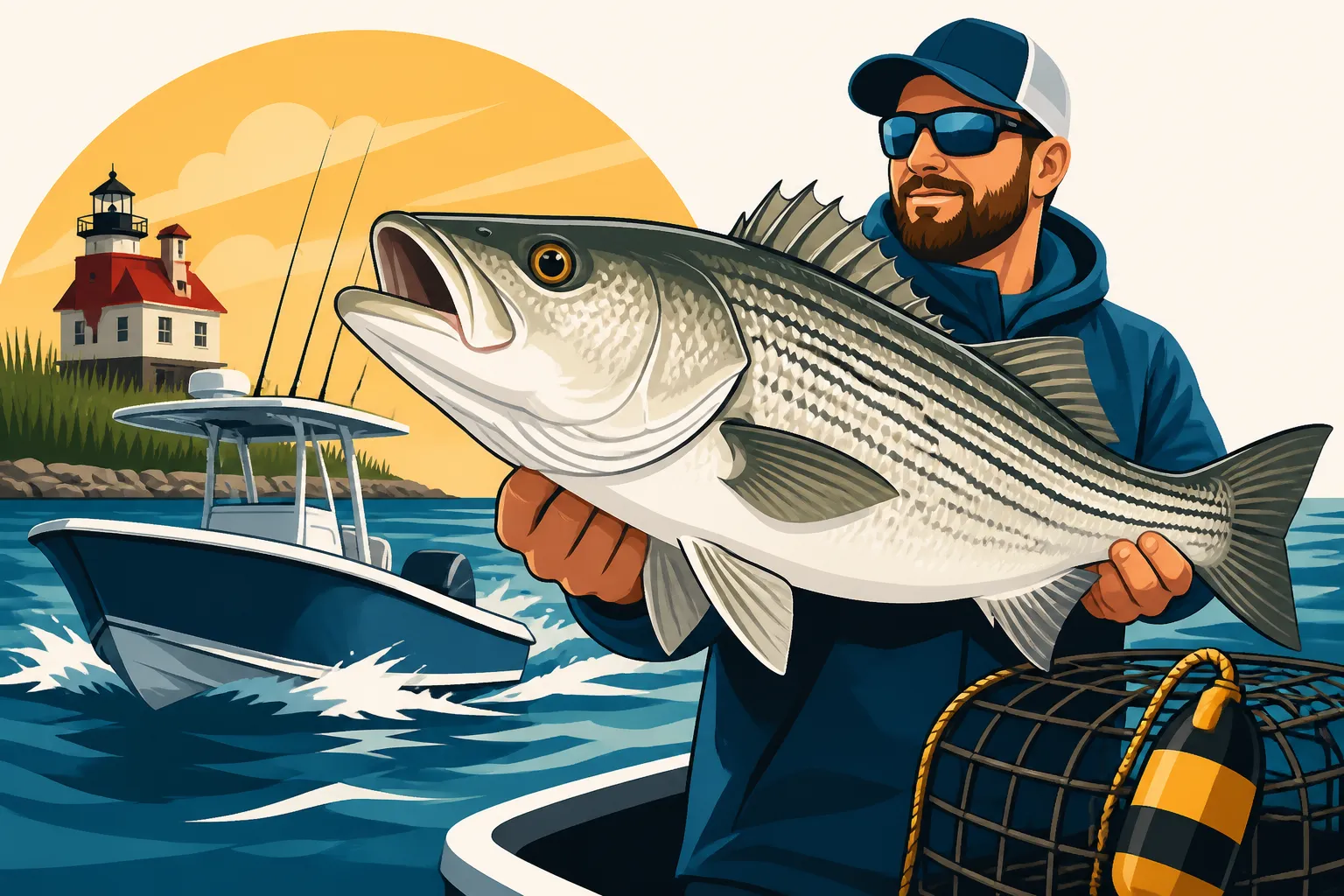
Ah, the thrill of the chase for a trophy rockfish in Maryland! It's a dream many of us anglers share – reeling in that massive striped bass that makes your arms ache and your heart pound. But let's be real, finding a charter that truly specializes in putting you on those big fish isn't always easy. This guide is all about helping you cut through the noise and connect with the best Maryland charters known for their prowess in catching those magnificent, brag-worthy striped bass.
Understanding Trophy Rockfish Opportunities in Maryland
Maryland's Chesapeake Bay is legendary for its striped bass, affectionately known as "rockfish" to locals. But catching a true "trophy" fish – one that measures significantly larger than the average keeper – requires a combination of timing, location, and the right expertise. It's not just about getting a bite; it's about getting the right bite.
When to Target Trophy Rockfish
If you're dead set on a trophy rockfish, your fishing calendar needs to revolve around specific seasons. Maryland really shines for big striped bass during two primary windows: the spring trophy season and the fall migration.
The spring trophy season, typically running from mid-April through mid-May, is arguably the most famous time for big fish. This is when the largest migratory striped bass push into the upper Chesapeake Bay and its tributaries to spawn. These fish are often massive, carrying the weight of their eggs, and can be caught trolling large baits or lures. It's a high-stakes, high-reward period, and charters book up fast. The weather can be a bit unpredictable, but the potential for a fish of a lifetime is very real. You'll want to review Best Time of Year to Fish in Maryland for a broader overview, but for trophy rockfish, spring is prime.
Then there's the fall migration, which generally runs from October through December, sometimes even into January if the weather holds. As water temperatures drop, striped bass start to actively feed, building up their energy reserves for winter. They school up and often blitz on baitfish, creating incredible topwater action and opportunities for trolling or jigging. While the fish might not be quite as "fat" as their spring spawning counterparts, they are incredibly strong and aggressive, and you can often find them in huge numbers. If you're wondering Best Month to Catch Striped Bass in Maryland, both April/May and October/November are top contenders for trophy hunters.
Where Trophy Rockfish Roam
Trophy rockfish aren't just swimming anywhere; they follow specific migration routes and hold in certain areas. During the spring trophy season, the upper Chesapeake Bay and its major tributaries like the Susquehanna Flats, the Potomac River, and the Choptank River become critical highways for these spawning fish. Charters will often focus on the main channel edges, particularly where deeper water meets shallower flats, or near prominent structures like the Chesapeake Bay Bridge. Fishing these specific areas requires a captain who knows the subtle contours of the bottom and understands how these fish move.
As the season progresses and into the fall, big rockfish will be found throughout the main stem of the Fishing Maryland's Chesapeake Bay, A Complete Guide. They'll relate to structure, baitfish schools, and current breaks. Think about the pilings of the Fishing the Bay Bridge Pilings for Striped Bass, deep-water ledges, and channels. During the fall run, you might find them anywhere from the mouth of the Potomac to the mid-Bay region, chasing schools of bait like menhaden. A good captain is constantly watching for bird activity, marking bait on their sonar, and following the reports of where the big fish are moving.
The Elusive Nature of "Trophy"
What exactly constitutes a "trophy" rockfish in Maryland? While it can be a subjective term, for many anglers, it means a fish that exceeds the average legal size by a significant margin. In Maryland, catch and size limits for striped bass can vary by season and location. For example, during the spring trophy season, there's often a specific slot limit or minimum size designed to target these larger fish.
Generally, any striped bass pushing 40 inches or more is considered a trophy by most anglers, and a fish over 50 pounds is a true monster. The fight from a fish of this size is unforgettable, testing both your tackle and your stamina. You can learn more about specific regulations in our guide to Maryland Striped Bass Size Limit Explained. While the current state record for striped bass is truly enormous, every angler has their own personal "trophy" mark, and a good charter will help you achieve that goal. Just imagine landing a fish that rivals the What Is Maryland's State Record Rockfish? – that's the kind of ambition a trophy rockfish charter caters to!
What Makes a Charter "Best" for Trophy Rockfish?
Not all fishing charters are created equal, especially when you're specifically targeting trophy-sized striped bass. It takes a particular kind of operation to consistently put clients on these giants. Here’s what sets the best apart.
Experienced Captains and Crew
The most crucial element of a successful trophy rockfish charter is the captain and their crew. These aren't just people who drive a boat; they are seasoned professionals with an intimate knowledge of the Chesapeake Bay, its currents, tides, and the behavior of striped bass throughout the year.
- Local Knowledge is King: A top-tier captain has spent decades on these waters. They know the subtle humps, ledges, and channel edges where big fish stage. They understand how different wind and tide conditions affect fishing in specific spots. This local, nuanced knowledge is something you simply can't get from a map or an app. They can read the water, spot subtle signs of baitfish, and anticipate where the big fish will be, often before anyone else.
- Adaptability: The Bay can be fickle. What worked yesterday might not work today. The best captains are incredibly adaptable. If the fish aren't biting where they expected, they don't give up; they quickly move to a new area, change tactics, or switch baits. They have a repertoire of Maryland Striped Bass Fishing Techniques at their disposal and know when to deploy each one.
- A Dedication to Big Fish: A charter specializing in trophy rockfish often has a captain who lives and breathes the pursuit of large striped bass. Their boat is set up for it, their gear is designed for it, and their mindset is focused on it. They aren't just looking for keepers; they're looking for the keeper. When you're Choosing a Licensed Captain in Maryland, look for those with a proven track record specifically for large fish.
Specialized Gear and Techniques
Landing a trophy rockfish requires more than just standard tackle; it demands heavy-duty gear and specialized techniques that can handle the immense power of these fish.
- Heavy Tackle: Forget your light spinning rod. Trophy rockfish charters typically employ sturdy conventional rods and reels spooled with heavy braided line, capable of absorbing powerful runs and lifting heavy fish. The rods are designed for trolling large umbrella rigs, Mojos, or even live bait, and for the punishing fight that ensues.
- Advanced Electronics: The best boats are equipped with state-of-the-art sonar, GPS, and radar. These tools allow captains to precisely locate schools of baitfish, mark individual large fish on structure, navigate through fog, and stay on top of the productive fishing grounds. Fishfinders that can distinguish individual fish from bait balls are crucial for targeting those lone giants.
- Proven Techniques: For trophy rockfish, common techniques include trolling large lures or baits, often involving multiple rods spread across the stern. Live-lining large baitfish like spot or bunker is incredibly effective for enticing big stripers. When chumming, it involves attracting fish to the boat with a steady stream of bait, requiring specific rigging and bait presentation. You'll often see charters employing Chumming and Chunking for Maryland's Chesapeake Bay Striped Bass or meticulously slow-trolling heavy lines to get down to deep-holding fish.
Reputable Charter Operations
Beyond the captain and gear, the overall reputation and professionalism of the charter operation matter. You want to ensure you're booking with a reliable, safe, and customer-focused business.
- Safety First: A reputable charter will always prioritize safety. This includes having all necessary safety equipment on board, a Coast Guard licensed captain, and a clear understanding of weather conditions. They won't take unnecessary risks.
- Transparent Communication: The best charters are upfront about what to expect: pricing, what's included, catch limits, and any potential challenges. They communicate clearly before, during, and after your trip.
- Positive Reviews and Word-of-Mouth: One of the best ways to find a great trophy rockfish charter is through personal recommendations and online reviews. Websites like FishingBooker are excellent resources for Reading Reviews Before Booking a Maryland Charter and comparing different operations. Look for consistent praise regarding the captain's expertise, the crew's helpfulness, and, of course, the success rate with big fish. A charter with a long history of satisfied customers often indicates a top-tier experience.
Key Regions and Their Trophy Rockfish Charters
Maryland's Chesapeake Bay is vast, and different regions offer unique advantages for targeting trophy rockfish, especially depending on the season. Understanding these regional strengths can help you narrow down your charter choice.
Upper Bay Charters (e.g., Annapolis, Kent Island)
The Upper Chesapeake Bay, particularly the areas around Annapolis, Kent Island, and the Bay Bridge, are legendary during the spring trophy season. This region is a major pathway for migratory striped bass heading to their spawning grounds in the Susquehanna Flats and other tributaries.
- Spring Trophy Mecca: Charters operating out of ports like Annapolis, Deale, and Kent Island are perfectly positioned for the spring run. They have quick access to the main channels, the Bay Bridge pilings, and the mouths of spawning rivers, where massive stripers congregate. You'll find many specialized charters here that live for this short, intense season. Booking an Annapolis Striped Bass Charters during this time can be competitive, so planning ahead is key.
- Year-Round Opportunities (Post-Spawn): While spring is peak trophy time, the Upper Bay can still produce big fish later in the year, especially during the fall migration. Fish will stage around the Bay Bridge, deep channels, and prominent structure, offering trolling and jigging opportunities.
- Access: These areas are generally easy to access from major population centers, making them convenient for day trips. Many excellent Charter Boats Departing From Kent Island are available.
Mid-Bay Charters (e.g., Deale, Solomons Island)
The Mid-Bay region offers a diverse fishery and is often productive for large rockfish throughout much of the year, particularly during the fall migration and even into the winter catch-and-release season. Towns like Deale, Solomons Island, and Chesapeake Beach are hubs for charter activity.
- Consistent Action: Mid-Bay charters have access to numerous rivers, oyster reefs, and deep-water channels. This variety means they can adapt to different conditions and pursue fish across a wider range of habitats. The deep channels of the Patuxent River near Solomons Island, for example, can hold big fish. Look into Deale Maryland Charter Fishing Options for a good variety of boats.
- Fall Run Hotspot: The fall run often sees large schools of baitfish moving through the Mid-Bay, attracting hungry trophy rockfish. Charters here are adept at finding these bait schools and the stripers feeding on them, often resulting in exciting topwater action or heavy trolling.
- More Diverse Offerings: While trophy rockfish is the goal, Mid-Bay charters often have the flexibility to target other species if conditions for stripers are tough, or if you want to combine your trip with other fishing. Solomons Island Charter Fishing Fleet frequently targets a mix of species, offering a broader experience.
Lower Bay Charters (e.g., Point Lookout)
The Lower Chesapeake Bay, particularly around Point Lookout, represents the southern gateway for migratory striped bass entering and exiting the Bay. This region can be fantastic for large, ocean-run fish, especially during the peak of the fall migration.
- Open Water Access: Charters departing from areas like Point Lookout have immediate access to the wider, deeper waters of the lower Bay, where larger schools of migratory fish travel. This is prime territory for intercepting fish that are pushing out towards the ocean or entering the Bay in the fall. You'll find good options among Charter Boats Departing From Point Lookout.
- Oceanic Influence: The fish here often have a more "oceanic" feel to them – strong, sleek, and often aggressive. While the upper Bay focuses on spawning fish, the lower Bay is about feeding fish on the move.
- Longer Runs: Accessing prime trophy grounds in the Lower Bay might sometimes involve longer boat rides compared to the more confined Upper Bay, but the rewards can be substantial.
Preparing for Your Trophy Rockfish Charter
Booking a trophy rockfish charter is an investment, both in time and money. To make the most of your experience and increase your chances of landing that dream fish, a little preparation goes a long way.
What to Discuss Before You Book
Communication with your chosen charter captain is crucial. Don't be shy about asking questions to ensure everyone is on the same page.
- Target Species and Size: Clearly state that your primary goal is to target trophy-sized rockfish. Ask about the captain's recent success with larger fish and what strategies they typically employ for them. Understand that while a captain can put you in the best position, catching a true trophy is never guaranteed.
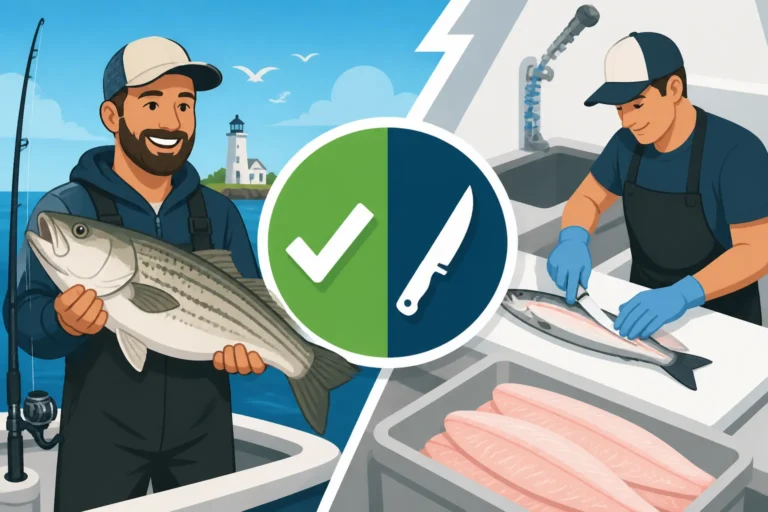
- Catch and Release vs. Keeping Fish: Maryland has specific regulations, and during trophy seasons, there are often specific slot limits. Discuss whether the trip is primarily catch-and-release for larger fish (which many trophy hunters prefer for conservation) or if the aim is to keep legal-sized fish. Ensure you understand Can You Keep the Fish You Catch on a Maryland Charter? and the How Many Fish Can You Keep on a Maryland Charter? rules.
- Trip Duration and Cost: Confirm the length of the trip (half-day, full-day) and the total cost. Ask if gratuity for the mate is included or expected, and what methods of payment are accepted.
- Inclusions: Clarify what the charter provides (rods, reels, tackle, bait, licenses) and what you are expected to bring.
Essential Gear and Supplies to Bring
Even though charters provide the heavy-duty fishing gear, there are several personal items you should bring to ensure a comfortable and productive day on the water.
- Appropriate Clothing: Dress in layers! Maryland weather can change quickly. Even on a warm day, it can be cool on the water, especially at dawn or dusk. Bring rain gear, just in case.
- Sun Protection: Sunscreen, a wide-brimmed hat, and polarized sunglasses are non-negotiable. The sun's reflection off the water can be intense.
- Food and Drink: Pack plenty of water and snacks. A full-day trip can be exhausting, and you'll want to stay hydrated and energized.
- Cooler: Bring a cooler with ice to transport your fillets home if you plan on keeping fish. Don't rely on the boat's cooler for your personal catch unless you've confirmed with the captain.
- Camera: You'll definitely want to capture that trophy moment!
- Seasickness Medication: If you're prone to seasickness, take preventative medication before you board the boat. Don't wait until you start feeling ill.
- For a comprehensive list, check out our guide on What to Bring on a Maryland Fishing Charter.
Booking Your Trip: Tips and Resources
Finding and securing the best trophy rockfish charter requires a bit of strategy, especially if you're aiming for those prime spring dates.
- Book Early: The most reputable and successful charters, especially those known for big fish, book up months in advance for the spring trophy season and popular fall weekends. As soon as you have your dates, start calling. How Far in Advance to Book a Maryland Fishing Charter can't be stressed enough for trophy trips.
- Utilize Online Platforms: Websites like FishingBooker are invaluable tools. They allow you to browse numerous Maryland charters, filter by target species (striped bass), view boat amenities, compare prices, read angler reviews, and even book directly. This is a great way to find highly-rated captains specializing in trophy rockfish.
- Ask for Specifics: When talking to a charter, don't just ask if they catch rockfish; ask about their success rate with fish over a certain size (e.g., 40 inches). Inquire about their preferred methods for trophy fishing and if they provide guidance on proper catch-and-release techniques for large fish.
- Be Flexible: If your schedule allows, being flexible with your dates might open up more opportunities with top charters, especially if you can book a weekday instead of a weekend.
Comparing Maryland Charter Types for Trophy Rockfish
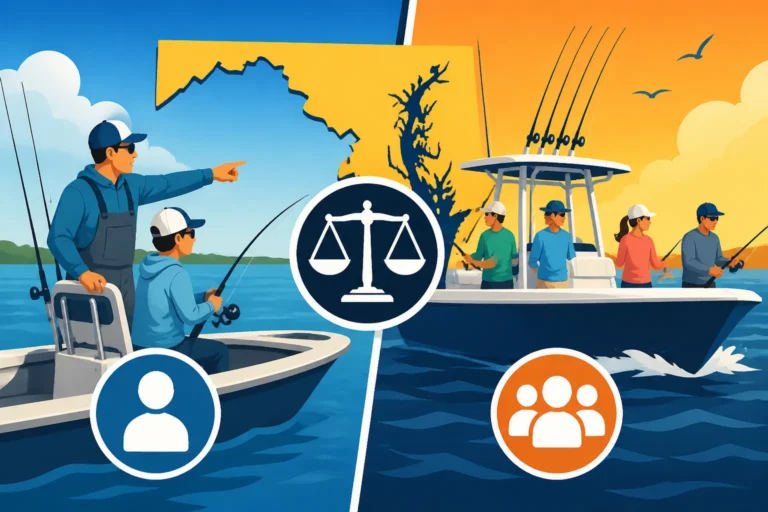
When seeking that trophy rockfish, you'll encounter a few different types of charter operations. Knowing the differences can help you choose the best fit for your fishing style and expectations.
| Charter Type | Description | Pros for Trophy Rockfish | Cons for Trophy Rockfish |
|---|---|---|---|
| Dedicated Trophy Charter | Often a smaller, private boat with a highly experienced captain focusing exclusively on large striped bass. May use specialized gear and techniques not common elsewhere. | – Highly specialized knowledge of big fish habits and locations. – Premium gear designed for heavy fish. – Often more flexible in pursuit of big fish. – Personalized attention. |
– Can be more expensive per person. – Fewer available dates due to high demand. – May prioritize C&R for large fish. |
| Standard Private Charter | A private boat hired for your group, targeting various species, including striped bass. | – Good balance of cost and personalization. – Can tailor the trip to your group's preferences. – Still offers good potential for trophy fish with a skilled captain. |
– Captain's focus might not be exclusively on trophies. – Gear might be more general-purpose. |
| Headboat / Party Boat | Larger vessels that take individual anglers or small groups, sharing the deck with other passengers. | – Most economical option. – Good for solo anglers or small budgets. – Can sometimes hook big fish in a crowded setting. |
– Less personalized attention from crew. – Captain must cater to all anglers, not just trophy seekers. – Limited mobility or specialized techniques. |
For a true trophy rockfish pursuit, a dedicated trophy charter or a highly-rated standard private charter with a proven track record for big fish will likely offer the best chances. These operations are set up to dedicate their time, knowledge, and equipment to that singular goal. While a headboat might catch a big one occasionally, it's not their primary focus or specialty. Always remember to check reviews on platforms like FishingBooker, specifically looking for mentions of large striped bass catches and the captain's expertise in targeting them.
Disclaimer
This article is for general informational purposes only and does not constitute professional advice. Laws, prices and regulations vary by location and change over time. Consult a qualified professional for guidance on your specific situation.