Crabbing and Fishing Combo Charters in Maryland
It’s a classic Maryland dilemma: you’re out on the Chesapeake Bay, the sun is shining, and you're torn between dropping a line for some rockfish or setting out trotlines for those delicious blue crabs. For too long, anglers and crabbers have had to choose. But what if you didn't have to? This comprehensive guide will walk you through everything you need to know about crabbing and fishing combo charters in Maryland, helping you plan a memorable dual-purpose trip on the water that satisfies both desires.
What Exactly is a Crabbing and Fishing Combo Charter?
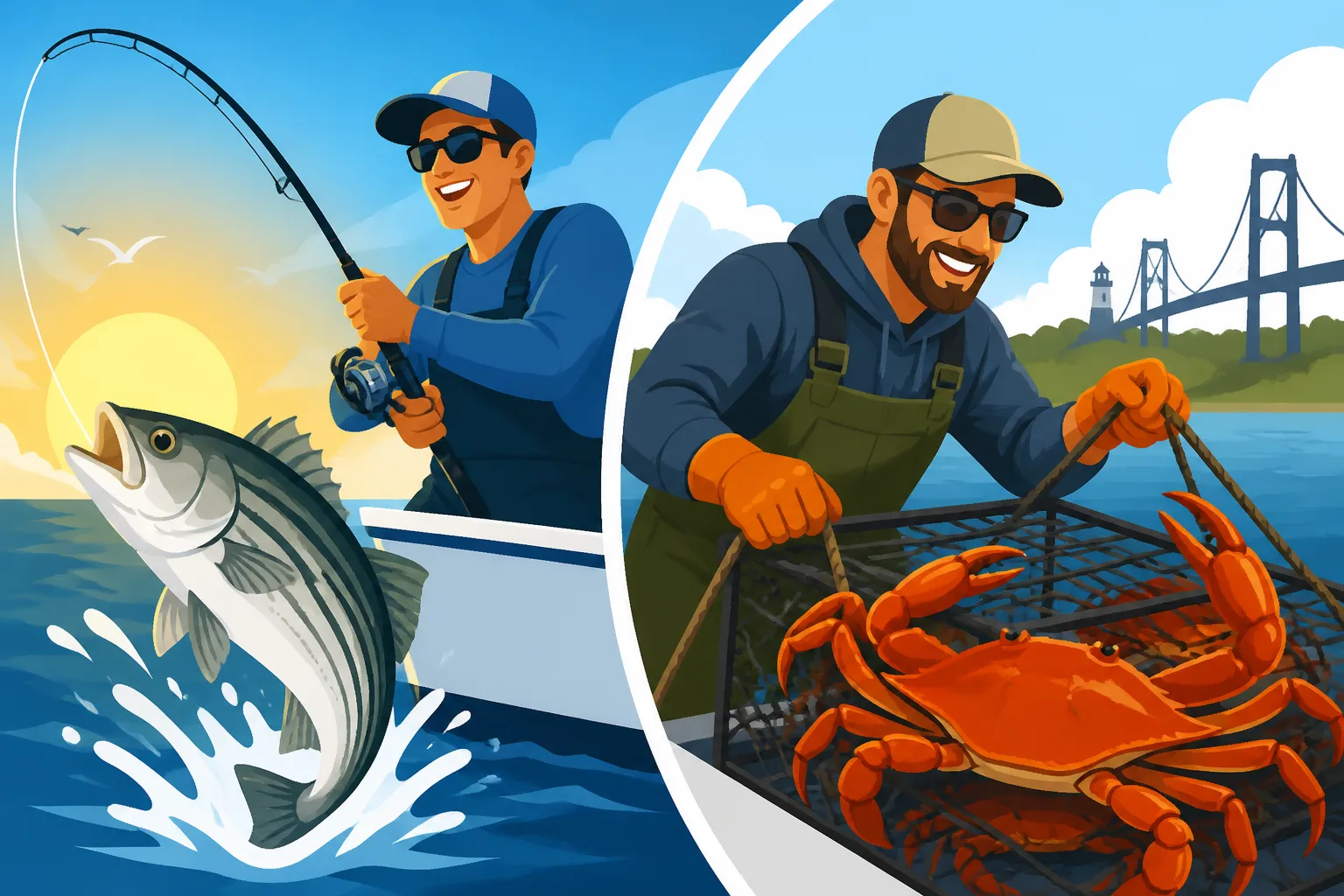
A crabbing and fishing combo charter is precisely what it sounds like: a guided boat trip that allows you and your party to participate in both recreational fishing and crabbing during the same outing. Instead of booking one day for fishing and another for crabbing, these specialized charters offer a fantastic opportunity to experience two of Maryland's most cherished aquatic traditions in a single, action-packed adventure. It’s perfect for those who want to maximize their time on the water and enjoy a diverse harvest.
The Appeal of a Dual Experience
The allure of a combo charter is undeniable, especially for families or groups with varied interests. Imagine starting your day by pulling up crab pots, the excitement building as you see the vibrant blue claws clinging to the lines. Then, with a cooler full of fresh crabs, you switch gears, grab a rod, and head to a prime fishing spot, hoping to hook into a feisty striped bass or a tasty flounder. This dual experience offers constant engagement and a dynamic day that keeps everyone entertained.
For many, it's about making the most of a day on the Bay. Maybe you're visiting from out of state and only have a limited amount of time, or perhaps you just want to introduce your kids to the full spectrum of Chesapeake Bay bounty. A combo trip provides a taste of everything, ensuring that even if one activity is slow, the other might just pick up the slack. It truly embodies the spirit of a complete Maryland waterfront experience, from the thrill of the catch to the bounty for the dinner table.
How They Differ from Dedicated Trips
While a dedicated fishing charter focuses solely on angling and a crabbing-only trip is all about the crustaceans, combo charters integrate both. This means the captain and crew are equipped and experienced in managing both operations efficiently within the same timeframe. You won't just be dropping a few random crab pots; rather, you'll engage in proper crabbing techniques, often involving trotlines or a series of collapsible traps, before transitioning to fishing spots where various species are likely to bite.
The key difference often lies in the allocation of time and resources. A dedicated fishing trip might travel further or spend more time targeting specific fish with specialized tackle. Similarly, an exclusive crabbing trip could spend the entire day working a trotline repeatedly. Combo charters strike a balance, typically dedicating a portion of the trip to crabbing and another to fishing. This might mean fewer fishing locations or shorter crabbing runs than dedicated trips, but it ensures you get a solid taste of both. The captain usually plans the itinerary to optimize for both activities, considering tides, time of day, and recent reports to give you the best chance at a mixed bag.
Planning Your Combo Charter: Key Considerations
Embarking on a crabbing and fishing combo charter requires a bit of thoughtful planning to ensure a smooth and successful trip. From timing your outing to selecting the right species and ensuring everyone in your party is ready, these considerations will set the stage for a fantastic day on the water.
Best Time of Year for Crabs and Fish
Timing is absolutely crucial when you’re aiming for both crabs and fish in Maryland. Blue crabs are typically most abundant and active from late spring through early fall, with peak season often being the warmer summer months into September. For fish, particularly popular species like striped bass (rockfish), the spring and fall runs are prime times, though summer offers opportunities for various other species like white perch, spot, and croaker.
The sweet spot for a combo charter often lands in the summer (June, July, August) or early fall (September). During these months, blue crabs are usually plentiful and good-sized, and many popular fish species are actively feeding in the Bay. If you’re targeting specific fish like trophy striped bass, you might lean towards the spring Booking a Charter for the Spring Trophy Season or fall. However, if a general mixed bag of fish and a solid crab feast is your goal, the warmer months usually offer the best overlap. Always check current regulations and seasonal patterns for both crabs and fish, as they can fluctuate year to year. You might also find it helpful to look into Best Time of Year to Fish in Maryland to get a broader overview.
Ideal Group Size and Participant Age
Combo charters are incredibly versatile, but the ideal group size and age range can greatly influence the experience. For families with young children, a combo trip can be perfect because the crabbing activity is very hands-on and engaging, offering a break from potentially slower fishing periods. However, very young children might need more supervision, especially when dealing with crab pots and fish hooks.
Most charters can accommodate groups of four to six, which is a comfortable number for balancing both activities without overcrowding the deck. If you have a larger group, you might need to book a larger boat or consider a party boat option, though combo offerings are more common on private charters. Think about the dynamics of your group: are they seasoned anglers who can handle themselves, or are they novices who will need more guidance from the captain and mate? This will help you choose a charter that provides the right level of attention and hands-on participation. Remember, even though it's a charter, knowing Maryland Fishing License Age Requirements is still a good idea for planning.
Choosing Your Target Species (Beyond Crabs)
While crabbing is a given on these trips, you'll want to discuss your fishing preferences with the charter captain beforehand. The Chesapeake Bay and its tributaries offer a rich variety of fish, and different seasons bring different opportunities. Common targets include striped bass (rockfish), white perch, spot, croaker, and flounder. Some charters might even venture out for bluefish or the increasingly popular invasive blue catfish.
Your choice of target fish might influence the fishing grounds the captain chooses and the tackle provided. For instance, if you want to focus on bottom-dwelling fish like spot and croaker, the captain will likely anchor in shallower, oyster-shell-laden areas. If you're hoping for striped bass, you might spend time trolling or jigging deeper channels or structure. Having a conversation about your fishing goals with your captain when you book will help them tailor the trip to your expectations, ensuring you get the most out of both halves of your combo adventure. Many charter captains are incredibly knowledgeable about Maryland's Most Popular Saltwater Gamefish and can advise on the best opportunities for your chosen date.
What to Expect Onboard a Combo Charter
Stepping aboard a combo charter boat is an exciting moment! You'll find a vessel equipped for both crabbing and fishing, ready to help you pursue Maryland's aquatic bounty. Understanding the typical flow of activities and the gear involved can help you feel more prepared and make the most of your day.
Crabbing Gear and Techniques
On a crabbing and fishing combo charter, the crabbing portion of your trip will usually involve either trotlines or collapsible crab traps. Trotlines are long lines set on the bottom of the Bay, strung with bait (often chicken necks or razor clams) at regular intervals. The boat then slowly motors along the line, and as it passes, crabs clinging to the bait are scooped up with nets. It’s a very active and engaging method, often done first thing in the morning when crabs are most active.
Alternatively, some charters might use collapsible crab traps (also known as crab pots or "traps"). These are weighted, baited traps that are lowered to the bottom and marked with floats. After a period, the traps are pulled up, revealing any crabs that have entered. Both methods are effective, and the captain will choose what works best for the area and conditions. You'll typically be involved in the process, whether it's scooping crabs off a trotline or helping to pull up traps – it's a fantastic hands-on experience, especially for kids! Make sure you understand Maryland Recreational Crab Pot Limit Per License and catch regulations that the captain will adhere to.
Fishing Setups and Methods
Once the crabbing portion is complete, or perhaps after an initial run of the trotline, the charter will transition to fishing. The fishing gear provided will generally be appropriate for the common Bay species like striped bass, white perch, and bottom fish. You can expect sturdy rods and reels, rigged with appropriate tackle such, as bait for bottom fishing, jigs for deeper water, or perhaps even trolling setups if targeting larger striped bass in season.
The captain will typically take you to known fishing spots – oyster reefs, channel edges, or submerged structure where fish are likely to congregate. Techniques might include bottom fishing with bait like bloodworms or squid for spot and croaker, light tackle jigging for white perch, or casting artificial lures for striped bass. The crew will be there to assist with baiting hooks, casting, and untangling lines, making it easy for both experienced and novice anglers to participate. It's a great opportunity to learn Maryland Striped Bass Fishing Techniques or other methods from seasoned pros.
Managing Your Catch: From Pot to Cooler
After a successful day of crabbing and fishing, the charter crew will handle the important task of managing your catch. For crabs, this typically means measuring them to ensure they meet the legal size requirements and then carefully placing the keepers into a cooler with ice. Undersized crabs or females (if prohibited) are immediately returned to the water. This is where the crew's expertise shines, as they'll quickly distinguish keepers from those that need to go back.
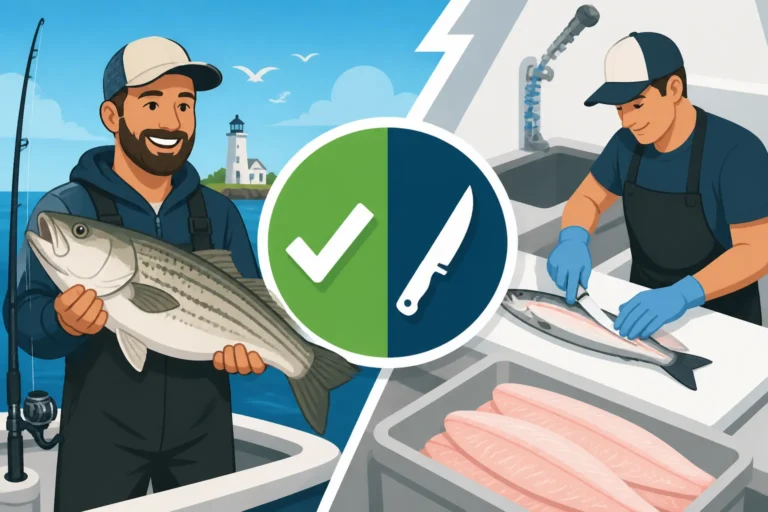
For fish, the process is similar. Any fish caught will be measured against Maryland Fishing Size and Catch Limits by Species, and if they meet the legal size and fall within the bag limit, they'll be dispatched humanely and put on ice. Many charters offer cleaning and filleting services at the end of the trip, often for a small additional fee or as part of the gratuity. This is a huge convenience, as you’ll go home with ready-to-cook fillets and cleaned crabs, taking the mess and effort out of your hands. Always confirm if Is Fish Cleaning Included in the Charter Price? when booking.
Finding and Booking Your Maryland Combo Charter
Finding the right combo charter can feel a bit overwhelming with all the options out there. But with a clear strategy, you can easily secure a fantastic trip that meets your expectations.
Researching Reputable Captains and Boats
The key to a successful charter is choosing a reputable captain and a well-maintained boat. Start your search by looking at popular fishing ports along the Chesapeake Bay, such as Annapolis, Deale, Solomons Island, and Kent Island. These areas are home to numerous charter operations specializing in Bay fishing and crabbing. Online reviews, local fishing forums, and word-of-mouth recommendations are invaluable resources. Look for captains who have a strong track record, positive feedback about their professionalism, knowledge of the local waters, and a friendly demeanor.
When researching, pay attention to photos of the boat and descriptions of its amenities. Is it comfortable for your group size? Does it have a head (restroom) onboard? Is it equipped with modern electronics for navigation and fish finding? Don't hesitate to call potential captains and chat with them. This conversation will give you a good feel for their personality and whether they're a good fit for your group. Platforms like FishingBooker are excellent resources for comparing different charters, reading reviews, and directly messaging captains to ask specific questions about their combo trip offerings. Remember, the Maryland Charter Boat License Coverage for Passengers means you're generally covered, but a good captain will always prioritize safety.
Understanding Pricing and Inclusions
Charter pricing can vary significantly based on the boat size, trip duration (half-day vs. full-day), time of year, and what's included. Combo charters typically fall in a similar price range to full-day fishing charters, as they require more specialized gear and crew effort. When you inquire about pricing, make sure to ask for a detailed breakdown of what's included.
Typical inclusions often cover the boat, captain, mate, all necessary fishing rods, tackle, bait, and crabbing gear. Some charters might also include bottled water or soft drinks. However, there are often exclusions, such as gratuities for the crew, fish cleaning services, and any food or alcoholic beverages you wish to bring. Don't be shy about asking about these details upfront to avoid any surprises. You can get a general idea of costs by checking out resources like Maryland Chesapeake Bay Charter Prices for a Group of Six or Maryland Charter Boat Costs Explained. When using platforms like FishingBooker, the listings are usually very clear about what's included in the base price.
Maximizing Your Booking Experience
Once you've narrowed down your choices, it's time to book! Booking in advance, especially during peak season (summer and fall), is highly recommended, as popular charters fill up quickly. Many charters require a deposit to secure your date. When booking, clearly communicate that you are looking for a crabbing and fishing combo charter and discuss your group's experience level, expectations for catch, and any specific target species you have in mind.
Take advantage of online booking platforms like FishingBooker. They often allow you to see captain availability, compare prices, read comprehensive reviews, and book directly. This streamlined process makes it much easier to find and secure the perfect trip. Don't forget to inquire about the charter's cancellation policy, especially regarding weather. It’s always good to know what happens if the weather doesn’t cooperate. A good captain will prioritize safety and discuss options if conditions become unfavorable.
| Aspect | Typically Included | Often Extra/Bring Your Own |
|---|---|---|
| Boat & Crew | Captain, Mate, Licensed Vessel | N/A |
| Crabbing Gear | Trotlines, Nets, Crab Pots, Bait | N/A |
| Fishing Gear | Rods, Reels, Basic Tackle, Bait | Specialty Lures, Personal Rods, Specific Live Bait |
| Licenses | Charter Boat's Blanket License | Individual Licenses (unless specified) |
| Safety Equipment | Life Jackets, First Aid, Navigation | Personal Comfort Items |
| Fish Handling | Measuring, Icing Catch | Filleting, Cleaning (often for gratuity) |
| Food & Drink | Sometimes Water/Soft Drinks | All Meals, Snacks, Alcoholic Beverages |
| Gratuity | N/A | Customary (15-20% for crew) |
Maximizing Your Experience and Enjoying the Harvest
A successful combo charter doesn't end when the boat docks. The memories, the camaraderie, and especially the fresh seafood are all part of the reward. Here’s how to make sure you get the most out of your trip from start to finish.
Preparing for Your Trip (What to Bring)
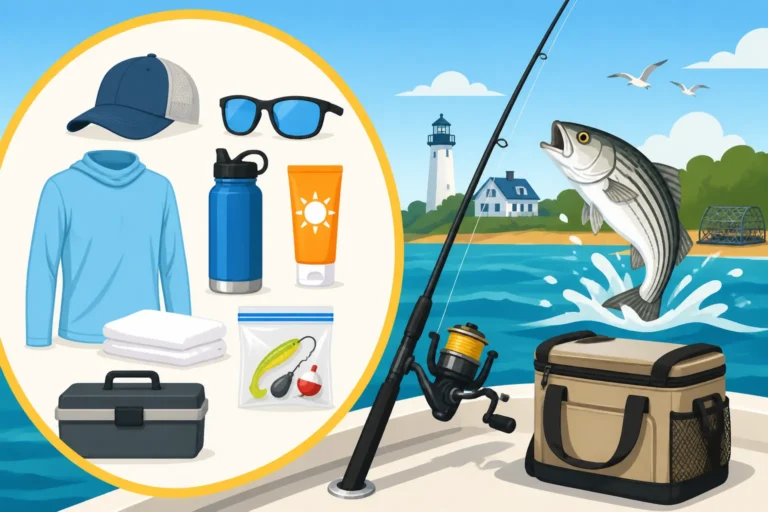
Being prepared can make a huge difference in your comfort and enjoyment. Even though the charter provides most of the essential gear, there are several personal items you should bring. Layered clothing is always a good idea on the Bay, as mornings can be chilly even in summer, and offshore breezes can pick up. Sun protection is critical: hats, sunglasses, and plenty of sunscreen are a must. Waterproof foul-weather gear is also wise, just in case of an unexpected shower or sea spray.
Don't forget food and drinks! While some charters offer basic beverages, bringing your own snacks, lunch, and plenty of hydration is always recommended. A small cooler for your personal items is usually fine. Motion sickness medication should be taken before you board if you're prone to seasickness. And, of course, a camera to capture those unforgettable moments! For more detailed advice, check out What to Bring on a Maryland Fishing Charter.
Cleaning and Cooking Your Crabs and Fish
One of the biggest advantages of a combo charter is the incredible fresh seafood you get to take home. Most charters will either clean your fish for you (often for a tip) or direct you to a fish cleaning station at the dock. You’ll typically take your crabs home in a bushel basket or cooler, ready to be steamed.
Steaming blue crabs is a quintessential Maryland experience. You'll need a large pot, some crab seasoning (like Old Bay!), and a bit of beer or vinegar in the steaming liquid. For your freshly filleted fish, the possibilities are endless: grilling, baking, frying, or even preparing ceviche. The taste of seafood caught just hours before is truly unparalleled, making the entire effort of the charter trip worthwhile. Don't be afraid to experiment with your favorite recipes or ask the charter crew for their suggestions on preparing your bounty.
Creating Lasting Memories on the Water
Beyond the catch, a crabbing and fishing combo charter is about the experience itself. It's the laughter with friends or family as you pull up a pot full of crabs, the shared excitement when a rod bends with a big fish, and the simple joy of being out on the beautiful Chesapeake Bay. These trips create stories that will be retold for years to come.
Encourage everyone in your group to participate, even if they're beginners. The crew is there to help and teach, making it an educational and fun outing for all ages. Take lots of photos and videos. Disconnect from daily life and immerse yourself in the natural beauty and the thrill of the hunt. Whether it’s your first time or your tenth, a combo charter is designed to deliver a rich, authentic Maryland aquatic adventure that leaves you with both a cooler full of delicious food and a heart full of cherished memories.
Common Misconceptions and FAQs
Even with all the excitement and preparation, some common questions and misconceptions often pop up regarding combo charters. Let's clear those up so you can go into your trip with confidence.
Do You Need a Fishing License for a Charter?
This is one of the most frequently asked questions, and it’s a good one! The general rule of thumb for Maryland charter boats is that passengers typically do not need to purchase their own individual fishing license. Licensed charter captains operate under a blanket license that covers everyone on board for recreational fishing and crabbing. This is a huge convenience, as it simplifies the process and saves you the hassle and cost of obtaining separate licenses for each member of your party.
However, it's always a good idea to confirm this detail directly with your chosen charter captain when you book, just for peace of mind. While the vast majority of legitimate, licensed Maryland fishing and crabbing charters operate this way, it never hurts to double-check. The captain is responsible for ensuring all onboard activities comply with state regulations, including licensing. So relax, let the captain handle the paperwork, and focus on catching! For more information, you can always consult Do You Need Your Own License on a Maryland Charter?.
How Much Crabs and Fish Can You Keep?
Another critical question revolves around the catch limits for both crabs and fish. While the goal is to catch as much as possible, Maryland has strict regulations on size limits, possession limits (the number of individual crabs or fish you can keep), and sometimes even seasons. These rules are in place to protect the populations of various species and ensure sustainable fishing and crabbing for the future.
Your charter captain is an expert on these regulations and will ensure that all crabs and fish kept adhere to the current Maryland DNR guidelines. For instance, blue crabs have a minimum size limit (measured point-to-point across the shell), and females carrying eggs must always be released. Fish species like striped bass have specific slot limits or minimum sizes and daily creel limits per angler. The captain and mate will handle all measuring and counting, making sure your take-home bounty is entirely legal. You can learn more about general regulations by looking at Maryland Fishing Size and Catch Limits by Species or specific crab rules. When booking on platforms like FishingBooker, captains often mention what species are in season and the typical limits.
Disclaimer
This article is for general informational purposes only and does not constitute professional advice. Laws, prices and regulations vary by location and change over time. Consult a qualified professional for guidance on your specific situation.