Night Charter Fishing on Maryland’s Chesapeake Bay
Many anglers in Maryland find themselves battling crowded boat ramps, scorching midday sun, and often, the elusive nature of certain fish species during daylight hours. But what if you could experience the serene beauty of the Chesapeake Bay under a blanket of stars, with fewer boats, cooler temperatures, and perhaps, a better shot at some impressive catches? This comprehensive guide will illuminate the unique world of night charter fishing on Maryland's Chesapeake Bay, helping you understand what to expect, how to prepare, and how to make the most of this truly magical angling adventure.
The Allure of Night Charter Fishing on the Chesapeake Bay
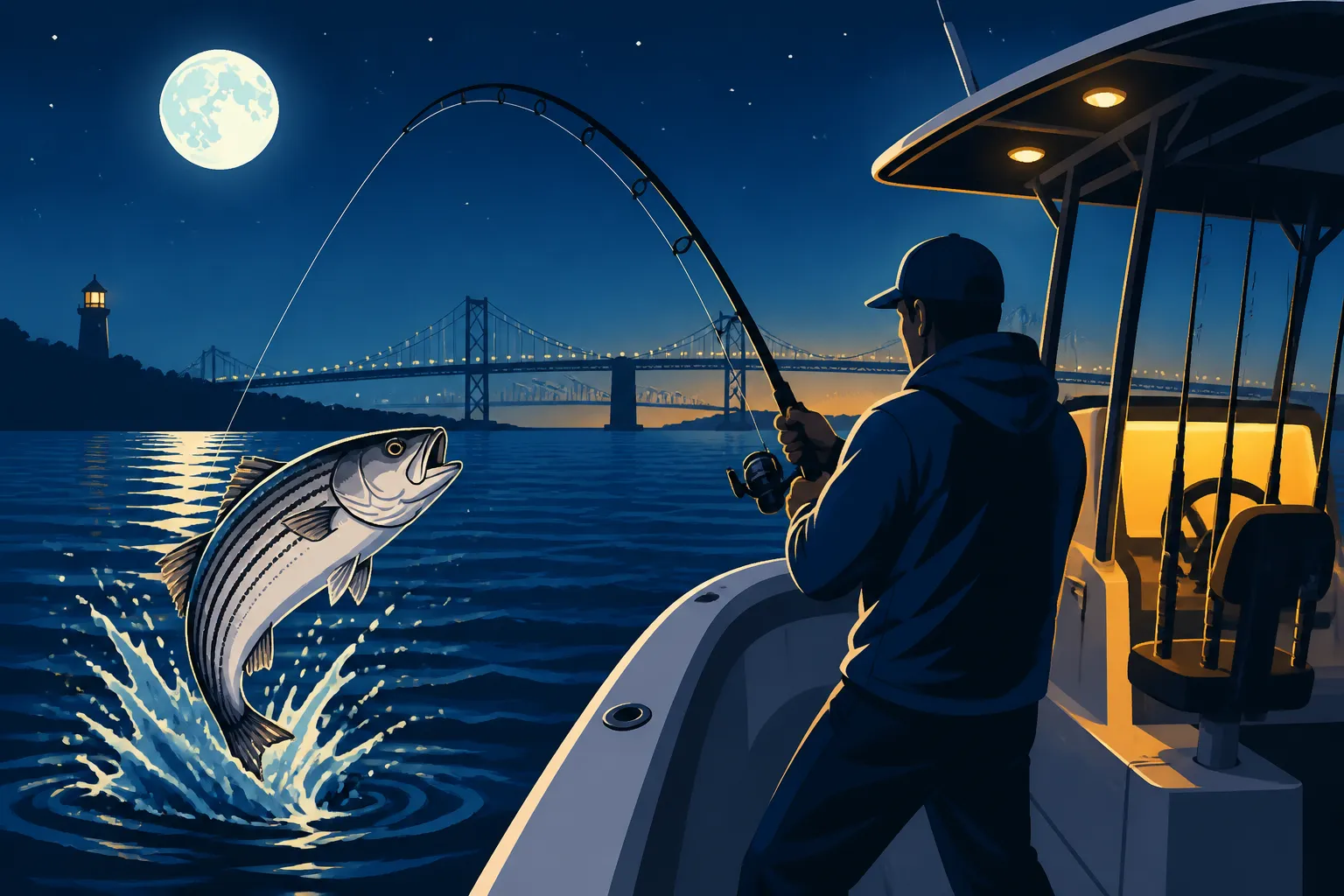
There’s something undeniably special about being out on the Chesapeake Bay when the sun dips below the horizon. The hustle and bustle of daytime traffic fades, replaced by the gentle lapping of waves against the hull and the distant twinkle of shore lights. For many, night fishing isn't just a different time to fish; it’s an entirely different experience, offering a unique blend of peace, challenge, and opportunity.
Escaping the Daytime Crowds and Heat
One of the most immediate benefits of opting for a night charter is the dramatic reduction in crowds. During peak season, Maryland’s waters, especially popular fishing spots near Annapolis, Kent Island, or the Bay Bridge, can feel like aquatic highways during the day. Recreational boaters, personal watercraft, and other anglers can create a busy, sometimes chaotic environment. At night, much of this traffic disappears, leaving you and your crew with more space to maneuver, less wake to contend with, and a generally more tranquil setting.
Beyond the crowds, the summer heat in Maryland can be relentless. Spending hours under the blazing sun, even with sunscreen, can be exhausting and even dangerous. Night charters offer a welcome reprieve, with cooler air temperatures making for a much more comfortable experience, especially when dealing with bait, rigging lines, and fighting fish. Imagine a gentle breeze as you cast, rather than sweating through your shirt – it's a game-changer for summer fishing.
A Different World Under the Stars
Fishing at night fundamentally alters your perception of the Bay. Without the visual distractions of the sun and distant shores, your other senses heighten. You become acutely aware of the sounds around you: the splashing of a breaking fish, the rustle of bait in the bucket, the subtle creaks of the boat. The artificial light from the boat, often a combination of floodlights and specialized green or white underwater lights, creates an eerie, almost surreal glow that attracts baitfish, which in turn attracts predators. This concentrated light becomes your window into the underwater world, drawing life directly to your fishing grounds.
For those who appreciate stargazing, a night charter on the Bay offers unparalleled views. Far from city lights, the Milky Way can reveal itself in stunning clarity, adding another layer of wonder to your fishing trip. It’s a chance to connect with nature on a deeper level, far from the distractions of daily life, and truly immerse yourself in the moment.
Unique Opportunities for Specific Species
While many fish are active during the day, some species become more emboldened and active under the cover of darkness. The low light conditions can make certain predatory fish less wary and more willing to strike. For example, some of the biggest striped bass, known locally as rockfish, are often caught at night. They move into shallower waters or hunt around structures like bridge pilings and channel edges where they might be too shy to venture in broad daylight. Best Time of Day to Catch Striped Bass in the Bay delves into this in more detail. It's not uncommon for night anglers to report catching larger specimens than their daytime counterparts, making it an exciting prospect for trophy hunters.
Moreover, different feeding patterns emerge. Bottom feeders like catfish or eels, which are often nocturnal, become prime targets. The change in light affects the entire food chain, shifting the advantage to certain species and demanding different techniques from anglers. This shift provides a fresh challenge and the potential for a truly memorable catch.
Top Target Species for Chesapeake Bay Night Charters
When you head out on a Maryland night fishing charter, you're tapping into a different ecosystem. While many species are present around the clock, some truly shine (or rather, lurk) after dark, making them prime targets for a successful nocturnal outing.
Maryland Striped Bass After Dark
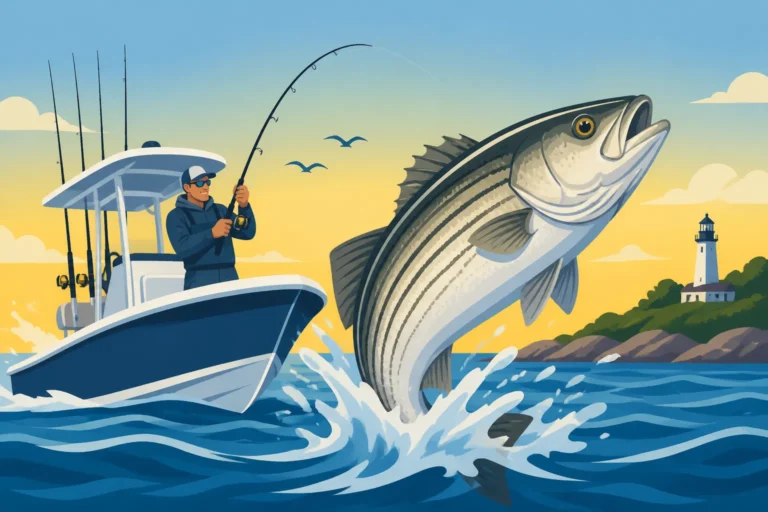
Without a doubt, striped bass are the crown jewel of Maryland night fishing. They are notoriously light-shy, especially the larger, more experienced fish. As dusk settles and into the deep night, these powerful predators feel more secure moving from deeper, cooler waters into shallower feeding grounds or congregating around submerged structures and channel edges. Maryland Striped Bass Fishing Techniques often highlight how effective night fishing can be.
Anglers targeting striped bass at night often employ methods like live-lining baitfish such as spot or eels, or jigging large soft plastics and bucktails vertically under the boat’s lights or near structure. Chumming can also be highly effective, creating a scent trail that draws in hungry rockfish. The fight of a big striped bass in the dark is an exhilarating experience, relying more on feel and sound than sight, making it a true test of an angler's skill. Many local captains specializing in night trips will position their boats near known striped bass haunts, like the Chesapeake Bay Bridge pilings or specific oyster reefs.
Catfish and Perch: Unexpected Nighttime Catches
While striped bass might be the main attraction, the Chesapeake Bay and its tributaries hold other species that are very active at night, providing excellent action and often, a delicious dinner.
Blue catfish are an invasive species in Maryland, and they are incredibly abundant, especially in the tidal rivers flowing into the Bay, such as the Potomac and Patuxent. These opportunistic feeders are often more active at night, using their keen sense of smell to locate food. Best Bait for Blue Catfish in Maryland Rivers discusses optimal choices. Night charters often capitalize on this, anchoring in prime catfishing spots and using cut bait like fresh bunker, white perch, or even chicken liver. There's no size or creel limit on blue catfish, so you can keep as many as you can catch, making for a truly bountiful trip.
White perch, a smaller but feisty cousin of the striped bass, are also excellent night targets. They school up in large numbers and are often attracted to boat lights, making them easy to locate. They'll readily hit small jigs, bloodworms, or bits of shrimp fished on simple bottom rigs. While not as big as striped bass, white perch offer consistent action, are superb table fare, and provide great fun for all ages.
The Elusive Eel and Other Bottom Dwellers
For the adventurous angler, night fishing can also bring encounters with species not typically targeted during the day. Eels, for instance, are highly nocturnal. While not everyone's cup of tea to handle, they are excellent bait for trophy striped bass. Some anglers specifically target them at night using bottom rigs with cut bait.
Other bottom dwellers, such as various species of crabs (though a Maryland Crabbing and Fishing Combination License is usually needed for dedicated crabbing), or even less common species like black drum in certain areas, might make an appearance. The mysterious nature of the deep, dark water often means you never quite know what you’ll reel in next, adding an element of surprise and excitement to every drop. The captain's knowledge of the Bay's hidden contours and underwater structure becomes invaluable here, as they can put you directly over where these nocturnal creatures hide.
What to Expect on a Maryland Night Fishing Charter
Embarking on a night fishing charter on the Chesapeake Bay is a different experience than a daytime trip, and knowing what to expect can help you prepare and enjoy it even more. From the timing to the equipment, and especially safety, the nocturnal environment brings its own considerations.
Typical Trip Duration and Schedule
Unlike some offshore trips that can last 10-12 hours, most Chesapeake Bay night charters are typically shorter, often ranging from 4 to 6 hours. The exact start time will vary depending on the time of year and when sunset occurs, but generally, trips will begin around dusk, allowing you to settle in as the light fades. This gives you a taste of both twilight and full darkness fishing.
For example, a charter might depart around 6:00 PM or 7:00 PM in the summer, returning by midnight or 1:00 AM. This duration is usually enough time to get to prime fishing spots, set up, and experience consistent action without becoming overly fatigued. Shorter trips are often appealing for families or those new to fishing, offering a concentrated dose of excitement. Longer trips, while less common for general night fishing, might be available for specialized trophy hunting or if targeting specific tides.
Essential Gear and Boat Amenities for Night Fishing
While your charter captain will provide the primary fishing gear (rods, reels, tackle, bait), there are some specifics you can expect and things you should bring for a night trip.
Most reputable night fishing charters will be equipped with specialized lighting. This includes powerful deck lights for visibility and safety, and often, underwater lights (typically green or white) that attract plankton, which then attract baitfish, creating a "food chain" right below the boat. These lights are essential for the experience, making it easier to see what you’re doing and enhancing the fishing itself.
Boats will also have all necessary navigation lights and safety equipment, including life jackets, flares, and first-aid kits, which are even more critical in the dark. As a passenger, you're generally covered by the Maryland Charter Boat License Coverage for Passengers, so you won't need your own fishing license when fishing from a licensed charter.
What you should bring:
- Layers of Clothing: Even on a warm summer evening, it can get chilly on the water after dark, especially if there's a breeze. A light jacket or sweatshirt is usually a good idea.
- Soft-Soled Shoes: For traction and comfort on deck.
- Headlamp or Small Flashlight: While the boat will have lights, a personal light can be invaluable for tying knots, rigging bait, or navigating your personal gear without bothering other anglers with a bright beam.
- Cooler with Drinks and Snacks: Stay hydrated and fueled.
- Small Cooler for Your Catch: If you plan on keeping fish, bring a separate cooler with ice to transport your fresh catch home. Do Maryland Charters Clean and Fillet Your Catch? is a good question to ask when booking.
- Motion Sickness Medication: If you're prone to seasickness, take preventive measures before the trip.
- Bug Spray: Mosquitos can be a nuisance in certain parts of the Bay, especially closer to shore.
Safety Considerations and Navigation in the Dark
Safety is paramount on any fishing trip, but it takes on added importance at night. Charter captains are highly experienced in nighttime navigation and adhere to strict Coast Guard regulations. Their vessels are equipped with radar, GPS, and powerful navigation lights to ensure a safe passage.
Anglers should always listen carefully to the captain's instructions. Movement on deck should be deliberate and cautious. Avoid running or sudden movements. Familiarize yourself with the location of safety equipment like life jackets. While it's rare to encounter significant hazards on a well-run charter, being aware and prepared is always best. The captain will generally have a pre-trip briefing that covers safety protocols, and it’s always a good idea to pay close attention. The quiet of the night often enhances communication, making it easier for the captain to guide the experience.
Navigating Maryland Regulations for Night Angling
Maryland’s fishing regulations are designed to protect fish populations and ensure sustainable angling for everyone. While many rules apply generally to both day and night fishing, understanding the nuances for species commonly targeted at night, and how charter operations fit in, is crucial.
General Maryland Fishing License Requirements
One of the first things people ask when planning a fishing trip is about licenses. For most recreational anglers in Maryland, a valid Maryland Fishing License Guide for 2026 is required for fishing in tidal and non-tidal waters. This includes a separate Maryland Chesapeake Bay Sport Fishing License Explained for tidal waters, or a Maryland Nontidal vs Tidal Fishing License, Explained if you plan to fish freshwater.
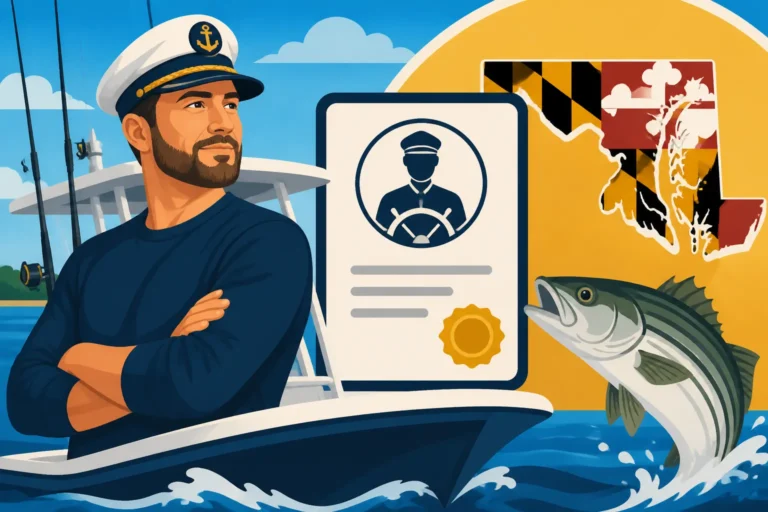
However, there's a fantastic perk when you book a licensed fishing charter: you typically do not need your own individual fishing license. The boat itself, and more specifically, the captain, holds a valid charter boat license that covers all passengers on board. This is a huge convenience, especially for out-of-state visitors or those who only fish occasionally. This exemption applies to all legal fishing activities conducted from that licensed vessel, day or night. Always confirm this with your charter captain when booking, but it's a standard practice across the Bay.
Species-Specific Nighttime Rules and Limits
While the act of fishing at night doesn't inherently change the regulations, the species you're targeting certainly does. Maryland has specific size, creel (daily possession), and season limits for almost every species. These rules apply 24/7, whether you're fishing under the midday sun or the moon.
For example, if you're targeting striped bass at night, you must adhere to the current Maryland Striped Bass Season and Rockfish Rules and Maryland Fishing Size and Catch Limits by Species. This includes specific slot limits (e.g., keeping fish within a certain size range) and daily bag limits per angler. Violating these rules, even accidentally in the dark, can lead to Maryland Fishing License Penalties for Violations.
For invasive species like blue catfish and snakehead, which are often active at night, the rules are different. Maryland actively encourages their removal, so there are typically no size or creel limits on these species. Maryland Blue Catfish Possession Rules and Maryland Snakehead Fishing Rules reflect this. However, it's crucial to correctly identify your catch, especially between native species and invasive ones, to avoid breaking any rules.
Understanding Charter Boat License Coverage
As mentioned, a licensed charter boat provides blanket coverage for its passengers. This means that as long as you're fishing from the charter boat, you don't need to worry about purchasing your own state fishing license, trout stamps, or other endorsements. This convenience is a significant factor for many people choosing to go with a guide or charter.
However, this coverage is specific to fishing from the vessel. If you decide to go ashore and fish from a pier or the bank before or after your charter, you would then need to ensure you have the appropriate personal fishing license. The charter captain is responsible for knowing and adhering to all current regulations, including seasons, size limits, and bag limits, and will guide you to ensure your catch is legal. This makes the experience largely worry-free from a regulatory standpoint, allowing you to focus on the fishing itself.
Choosing and Booking Your Chesapeake Bay Night Charter
Picking the right night fishing charter can make all the difference between a good trip and a truly unforgettable one. With numerous captains operating on the Bay, it pays to do a little research and ask the right questions.
Finding Reputable Captains and Boats
The best way to find a reputable night charter is often through word-of-mouth recommendations, online reviews, or by consulting booking platforms that specialize in fishing trips. Websites like FishingBooker are a great resource, allowing you to search for charters in specific Maryland regions like Annapolis, Deale, or Solomons Island, and filter for night trips. They often feature customer reviews and detailed descriptions of what each captain offers, which can give you a good sense of their expertise and professionalism.
Look for captains who specifically advertise night fishing trips and have experience with nocturnal techniques. A captain who primarily runs daytime trips might not be as adept at navigating in the dark, utilizing specialized lighting, or understanding the unique nighttime feeding patterns of target species. Their boat should be well-maintained, equipped with modern electronics for navigation, and have adequate lighting for safety and fishing. Don't hesitate to ask about the captain's experience, especially with night charters, and their knowledge of the particular species you're hoping to catch.
Key Questions to Ask Before Booking
Once you've narrowed down a few potential charters, it's time to get specific. Don't be shy about asking questions; a good captain will be happy to provide the information you need.
Here’s a table of essential questions to consider:
| Question | Why It's Important |
|---|---|
| Does the trip specifically focus on night fishing? | Ensures the captain has expertise and equipment (e.g., lights) for nocturnal angling. |
| What species do you typically target at night? | Confirm they go after what you're interested in (e.g., striped bass, catfish, etc.). |
| What is the duration of the trip and departure/return times? | Helps plan your schedule and manage expectations for time on the water. |
| What is included in the price? | Clarifies if bait, tackle, and fish cleaning are covered, or if there are extra fees. |
| What should I bring? | Prepares you with appropriate clothing, food, drinks, and personal items. |
| Are licenses covered by the charter? | Reassures you that you won't need to purchase a separate Maryland fishing license. |
| What is your policy on weather cancellations? | Understand how rebooking or refunds are handled if the weather makes conditions unsafe. |
| Is gratuity included or expected? | Helps you budget for tipping the captain and mate appropriately. |
| How many passengers does the boat accommodate? | Ensures the boat size is suitable for your group and confirms space availability. |
Asking these questions upfront will help manage your expectations and ensure a smooth, enjoyable experience. Good communication is key to a successful charter.
Cost Expectations and What's Included
The cost of a Maryland night fishing charter can vary widely based on several factors: the boat's size, the captain's experience, the trip duration, and what's included. Generally, you can expect to pay a group rate for the boat, not per person. While specific prices change, a 4-6 hour night charter on the Chesapeake Bay might fall within a certain range, similar to How Much Does a Half-Day Fishing Charter Cost in Maryland?.
Most charters will include all necessary fishing gear, bait, and tackle. They'll also handle the necessary licensing for you. Some captains might offer to clean and fillet your catch as part of the service, while others may charge a small additional fee, or expect you to do it yourself at the dock. Be sure to confirm this when booking.
Factors that might influence cost:
- Trip Length: Longer trips generally cost more.
- Boat Size and Amenities: Larger, more luxurious boats with more amenities might be more expensive.
- Fuel Costs: While not usually broken out, fuel is a significant operational cost.
- Peak Season vs. Off-Season: Prices can fluctuate with demand. The prime striped bass season might see higher rates.
Remember, a charter isn't just about renting a boat; it's about paying for the captain's expertise, local knowledge, safety equipment, and the entire experience. It's often worth paying a little more for a reputable captain who prioritizes safety and a good fishing experience. You can compare options and prices using platforms like FishingBooker to find a charter that fits your budget and preferences.
Tips for a Successful and Enjoyable Night Fishing Experience
Night fishing on the Chesapeake Bay offers a unique blend of tranquility and excitement. To make sure your trip is not just productive but also safe and comfortable, a little preparation goes a long way.
Preparing for the Elements and Staying Comfortable
Being prepared for the conditions is vital for any fishing trip, but especially at night when temperatures can drop unexpectedly.
- Dress in Layers: This is arguably the most important tip. Even if it's a warm summer day, the temperature can drop significantly on the water after sunset. A base layer, a fleece or sweater, and a waterproof/windproof outer shell will allow you to adapt to changing conditions. You can always shed layers if you get too warm.
- Wear Appropriate Footwear: Non-slip, closed-toe shoes are a must. The deck can get wet and slippery, and you want to protect your feet from errant hooks or falling weights.
- Bring a Hat and Gloves: A warm hat can make a huge difference in retaining body heat, and light gloves can protect your hands from line burns, fish fins, and cold.
- Stay Hydrated and Fed: Even in cooler temperatures, it’s easy to get dehydrated. Bring plenty of water and some snacks to keep your energy levels up.
- Consider a Portable Chair (if allowed): While charter boats have seating, a small, comfortable folding chair might be appreciated if you plan on spending a lot of time anchored or if you prefer specific positioning. Always check with your captain first.
Mastering Night Fishing Techniques
Fishing at night requires a slight shift in technique and mindset compared to daytime angling.
- Focus on Sound and Feel: With reduced visibility, your other senses become your primary tools. Pay close attention to subtle tugs on the line, the sound of splashing fish, and the feeling of your bait or lure interacting with the bottom.
- Utilize Boat Lights: The boat's lights are your greatest asset. Fish will often congregate in the light's glow, feeding on the baitfish attracted there. Cast to the edges of this light or into the darkness just beyond, where larger predators might be lurking before darting into the light to strike.
- Slower, Deliberate Movements: Whether casting, retrieving, or moving about the boat, slow and deliberate actions are generally more effective and safer at night. Fish are often less spooky in the dark, but sudden movements can still send them scattering.
- Know Your Bait and Lures: For striped bass, live spot or eels are incredibly effective. Cut bait works wonders for catfish. For artificials, dark silhouetted lures or those with glow-in-the-dark properties can be advantageous. Your captain will likely have preferred baits and techniques for the specific conditions and target species. How to Chum for Striped Bass in the Chesapeake Bay is a technique often used effectively at night to draw fish to the boat.
- Be Patient: Sometimes, night fishing requires patience as you wait for the bite to turn on, especially during tide changes or moon phases.
Capturing Memories Responsibly
You'll definitely want to remember your night on the Bay, and capturing those moments can be a highlight of the trip.
- Bring a Camera with a Good Flash (or Phone): While boat lights provide some illumination, a strong flash will be key to getting clear photos of your catch. Consider a waterproof case for your phone or camera to protect it from splashes.
- Handle Fish with Care: If you're practicing catch and release, especially for trophy striped bass, minimize the time the fish is out of the water. Have your camera ready, snap a quick photo, and release it gently. The captain or mate will assist with handling large fish safely.
- Respect Other Anglers: While the Bay is less crowded at night, be mindful of your casting space and keep your personal belongings tidy. A good night fishing experience is a shared one.
- Leave No Trace: Ensure all trash, fishing line, and other debris are properly stowed and brought back to shore. Help keep the Chesapeake Bay beautiful for future generations of anglers.
Night charter fishing on the Chesapeake Bay is truly an experience unto itself – a chance to see and fish the water in a whole new light (or lack thereof!). With the right preparation and a good captain, you're set for an adventure that combines the thrill of the catch with the magic of a starry Maryland night.
Disclaimer
This article is for general informational purposes only and does not constitute professional advice. Laws, prices and regulations vary by location and change over time. Consult a qualified professional for guidance on your specific situation.