Deep Creek Lake Guide Services for Walleye in Maryland
If you've ever dreamt of battling a trophy walleye but feel overwhelmed by the vast, deep waters of Deep Creek Lake, you're not alone. This majestic Western Maryland reservoir is a true gem, but its sheer size and complex structure can make finding its elusive walleye populations a real challenge for even seasoned anglers. This guide is designed to help you navigate the process of finding and utilizing Deep Creek Lake guide services specifically tailored for chasing those toothy, golden-eyed beauties, ensuring your fishing trip is both productive and memorable.
Why Hire a Walleye Fishing Guide on Deep Creek Lake?
Let's face it, Deep Creek Lake is a big body of water, and walleye aren't exactly jumping into the boat. For many, the idea of spending a hard-earned day off just blindly casting and hoping isn't quite appealing. That's where a knowledgeable guide truly shines, transforming a potentially frustrating outing into a focused, educational, and often highly successful adventure. It’s not just about catching fish; it’s about understanding the lake, the species, and the techniques that truly work here.
Local Expertise and Seasonal Patterns
A good walleye guide on Deep Creek Lake lives and breathes this water. They've spent countless hours, through every season and weather condition imaginable, learning the lake's secrets. They know where the walleye tend to hold during the best time of year for walleye at Deep Creek Lake, whether it's the shallow rocky points in spring, the deep humps and ledges in summer, or the transitions where baitfish congregate in fall. This isn't just general knowledge; it's pinpoint accuracy developed over years. They understand the nuances of water temperature, oxygen levels, and forage availability that dictate walleye movements in specific coves or along particular submerged structures.
Imagine heading out on a crisp autumn morning. Without a guide, you might spend hours trolling aimlessly or casting into unproductive water. With a guide, you'd likely be directed straight to a known walleye holding area, perhaps a deep breakline where the fish are staging before moving to shallower feeding grounds, or a specific timber pile that consistently produces. Their ability to interpret real-time conditions – like subtle changes in wind or current – and instantly adapt their strategy is invaluable, saving you precious fishing time and significantly increasing your chances of success. They know the subtle clues that tell them the fish are there, even when your electronics might not be screaming "fish on!"
Maximizing Your Chances and Learning Techniques
One of the biggest benefits of a guided trip isn't just about catching fish that day, but about learning how to catch them every day. Guides are natural teachers, and they’re often thrilled to share their knowledge. They’ll show you the specific jigging cadence that triggers a bite, the ideal trolling speed for a particular lure, or how to "read" your sonar for walleye-specific signatures. You might learn how to properly present a live bait rig over a rocky bottom without constantly snagging, or the subtle art of drifting with the wind to cover prime habitat effectively.
Think about the specialized Techniques for Catching Walleye at Deep Creek Lake. Are you familiar with blade baiting the contours, snap jigging spoons, or understanding the nuances of bottom bouncing? A guide will not only demonstrate these techniques but also explain why they work in certain situations. They can provide instant feedback on your retrieve, helping you fine-tune your presentation until it’s perfect. This hands-on education is far more effective than reading articles or watching videos because it's personalized to your skill level and the actual conditions of your trip. Many anglers come back from a guided trip with not just a cooler of fish, but a whole new set of skills and confidence that they can apply to their own fishing adventures.
Access to Specialized Gear and Prime Spots
Let's be honest, getting into walleye fishing with the right gear can be an investment. Specialized rods, reels, lines, and a tackle box full of walleye-specific lures add up quickly. When you book a guide, all that heavy lifting is done for you. They provide top-of-the-line equipment that's perfectly suited for the techniques they're employing, ensuring you have the best chance to land a fish once it bites. This means you don't have to worry about whether your rod is sensitive enough to detect those subtle walleye takes or if your line can handle a strong fight.
Beyond the gear, guides also have intimate knowledge of the lake's hidden gems and productive areas. They often have access to private ramps, or they've mapped out coordinates of humps, drop-offs, and rock piles that aren't widely known or easily visible on standard charts. These "secret spots" can be absolute goldmines, especially during pressured times. Imagine being taken to a remote cove that requires specific boat handling to access, where the walleye haven't seen a lure in days. A guide's boat is equipped with advanced electronics – high-definition side-imaging and down-imaging sonar – that allow them to precisely locate fish and structure that would be invisible to the naked eye, giving you a distinct advantage in finding where the walleye are holding.
Understanding Deep Creek Lake Walleye Behavior
To truly appreciate what a guide brings to the table, it helps to understand a bit about the walleye themselves, especially in a unique fishery like Deep Creek Lake. They're not like bass that might hit anything that moves, nor are they as sedentary as some panfish. Walleye are predators with specific habits, and Deep Creek Lake's environment shapes those behaviors in fascinating ways.
Seasonal Movements and Preferred Habitats
Walleye in Deep Creek Lake undergo distinct seasonal movements driven by spawning, feeding, and temperature preferences. In the early spring, as ice recedes and water temperatures begin to climb, walleye often migrate towards shallower, rocky areas to spawn. This might include specific points, reefs, or even creek mouths where they can lay their eggs. During this period, they can be more accessible to anglers, but also more sensitive to pressure. A guide knows precisely which areas are active during the pre-spawn and spawn, and perhaps more importantly, which areas to avoid to ensure sustainable fishing practices.
As the lake warms into summer, walleye generally retreat to deeper, cooler waters where oxygen levels are stable and baitfish are abundant. You'll often find them congregating along How Deep Is Deep Creek Lake? contours, submerged humps, deep drop-offs, and around structure like fallen timber or brush piles. They become more nocturnal in their feeding habits, especially during bright sunny days. Come fall, as water temperatures drop again, walleye become more active, feeding aggressively to build up fat reserves for winter. They might move into shallower water during low-light conditions, chasing schools of perch or shiners. Even in winter, dedicated ice anglers can find them, often targeting structure under the ice. Knowing these patterns is the guide’s bread and butter, ensuring they're always putting you in the right place at the right time.
Ideal Conditions and Feeding Times
Walleye are notoriously light-sensitive, which often dictates their activity periods. Overcast days, early mornings, late evenings, and even night fishing can be prime times for catching them. In Deep Creek Lake, this often means your guide will suggest specific departure times to capitalize on these low-light conditions, especially during the brighter summer months. Cloudy days can extend these feeding windows, making them excellent days to be on the water. On sunny days, walleye tend to hug the bottom or hold tight to structure, requiring more precise presentations.
Weather patterns also play a significant role. A stable, high-pressure system might make walleye a bit more lethargic, requiring slower presentations or different lure choices. Conversely, a dropping barometer before a front can often trigger an aggressive bite. Water clarity is another crucial factor; walleye are often found in water with a slight stain or turbidity, which helps them ambush prey without being easily seen. A skilled guide pays close attention to these environmental cues, often checking water temperatures, clarity, and recent weather trends before and during your trip to fine-tune their approach. They know that even a slight breeze can create a current that positions baitfish, and therefore walleye, in a predictable pattern.
Common Walleye Baits and Lures
Walleye are primarily piscivores, meaning they prefer to eat other fish, but they aren't overly picky about what's on the menu if it looks natural and presents an easy meal. Your guide will typically have a variety of baits and lures on hand, selected for the specific conditions and time of year. For live bait, shiners, minnows, or even small perch are often effective, especially fished on a slip-bobber or a bottom-bouncing rig. These natural presentations can be deadly when walleye are finicky.
When it comes to artificial lures, the options are vast. Jigging spoons, blade baits, soft plastic swimbaits on jig heads, and crankbaits are all popular choices for Deep Creek Lake walleye. The key is often matching the hatch – using lures that mimic the size and color of the local forage base, like yellow perch or alewives. Color choice can also be critical, with natural patterns often working best in clear water and brighter, more aggressive colors being effective in stained water or low light. For instance, chartreuse, orange, or firetiger patterns can be irresistible in certain situations. Best Lures for Pike at Deep Creek Lake may overlap slightly, but walleye typically prefer smaller, more refined presentations. Your guide will have a diverse tackle box and the knowledge to switch up presentations until they find what the fish are hitting that day.
What to Look For in a Deep Creek Lake Walleye Guide
Choosing the right guide isn't just about finding someone with a boat. It's about finding a professional who can deliver a safe, enjoyable, and productive experience. Since walleye fishing has its own specific demands, focusing on a guide with experience in this particular pursuit on Deep Creek Lake is paramount.
Licensing, Insurance, and Safety Protocols
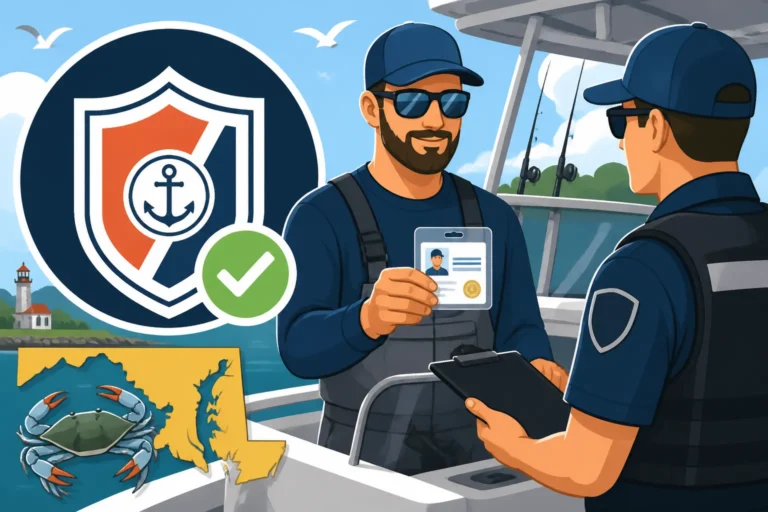
First and foremost, any legitimate fishing guide operating on Deep Creek Lake must be properly licensed and insured. In Maryland, this typically involves a U.S. Coast Guard Captain's license (for operating a vessel for hire) and appropriate commercial liability insurance. Don't hesitate to ask about these credentials. A reputable guide will be proud to show them. These aren't just bureaucratic hurdles; they are critical safeguards for your safety and peace of mind. Without proper licensing, a guide might not have undergone the necessary training in navigation, safety, and first aid.
Beyond licenses, inquire about their safety protocols. Do they have all the required safety equipment on board, such as life jackets for all passengers, a first aid kit, a fire extinguisher, and marine radio? What is their plan in case of sudden inclement weather, which can develop quickly on a large lake like Deep Creek? A professional guide will have a clear safety briefing before departure, explaining emergency procedures and ensuring everyone knows where safety gear is located. They should also operate a well-maintained, reliable boat suitable for the lake's conditions. Remember, you're putting your trust in them, so make sure they prioritize safety above all else.
Experience and Specialization in Walleye Fishing
While many guides on Deep Creek Lake are excellent generalists, targeting everything from bass to pike, a guide who specializes in walleye will offer a distinct advantage. Walleye have unique habits, and a specialist will have a deeper understanding of their movements, preferred habitats, and effective techniques specific to this species. This isn't to say a generalist can't catch walleye, but a specialist has dedicated their time and effort to mastering the art of walleye angling in that particular body of water.
Ask prospective guides about their experience targeting walleye on Deep Creek Lake specifically. How long have they been guiding for walleye? What are their most successful techniques for different seasons? Do they focus on trolling, jigging, or live bait? A good indicator of specialization is their equipment – a dedicated walleye guide will often have specialized rods, reels, and a broad array of walleye-specific lures and electronics tailored for finding these elusive fish. They'll know the subtle nuances that separate a good walleye day from a slow one.
Reputation, Reviews, and Communication Style
In today's interconnected world, reputation is everything. Before booking, take the time to research potential guides. Look for online reviews on platforms like FishingBooker, Google, or their own website. Pay attention to what past clients say about their professionalism, patience, fishing knowledge, and overall demeanor. A guide might be a phenomenal angler, but if they're impatient or poor communicators, your experience might suffer. You want someone who is not only skilled but also enjoyable to spend time with on the water, especially if you're a beginner or bringing family.
Consider how the guide communicates before you even book. Do they respond promptly to inquiries? Are they clear about what's included and what you need to bring? A guide with excellent communication skills will set clear expectations, answer all your questions thoroughly, and ensure you feel comfortable and informed every step of the way. If you're comparing services, you might find platforms like FishingBooker particularly helpful for reading verified reviews and seeing photos from actual trips, helping you gauge a guide's consistent performance and personality.
Planning Your Guided Walleye Trip: Logistics and Expectations
Once you've identified a potential guide, it's time to iron out the details. Clear communication about logistics, pricing, and expectations before your trip can prevent misunderstandings and ensure a smooth, enjoyable experience. Don't be shy about asking questions – a good guide will appreciate your thoroughness.
Trip Duration and Pricing Structures
Guide services typically offer a range of trip durations, usually half-day (4-5 hours) and full-day (8 hours) options. Some might even offer twilight or night fishing trips, which can be exceptionally productive for walleye, especially in summer. The pricing will vary based on the duration, the number of anglers, and potentially the season. Make sure you understand exactly what the quoted price covers. Does it include bait, tackle, and fuel? Are snacks and drinks provided, or should you bring your own?
| Trip Type | Duration (Approx.) | Typical Inclusions | Notes |
|---|---|---|---|
| Half-Day Trip | 4-5 hours | Rods, reels, bait, tackle, fuel | Good for beginners or shorter windows |
| Full-Day Trip | 8 hours | Rods, reels, bait, tackle, fuel | Most comprehensive, covers more water |
| Twilight/Night | 3-4 hours | Specialized gear, bait | Excellent for summer walleye, unique experience |
It's also important to clarify the maximum number of people their boat can comfortably accommodate. If you're planning a trip with a larger group, you might need to book multiple guides or consider a party boat, though party boats rarely specialize in walleye on Deep Creek Lake. Always confirm the final price, including any taxes or fees, before you commit. While Deep Creek Lake guide services for walleye can feel like an investment, the value in terms of knowledge and potential success is often well worth it.
What to Bring and What's Provided
While your guide will provide the essential fishing gear, there are a few things you should definitely bring to ensure your comfort and safety. Here’s a quick checklist:
- Appropriate Clothing: Dress in layers! Deep Creek Lake weather can change quickly. Even on a warm day, mornings can be chilly, and being on the water can feel colder. Bring rain gear, even if the forecast looks clear.
- Sun Protection: Sunscreen, a wide-brimmed hat, and polarized sunglasses are non-negotiable. The sun's reflection off the water can be intense.
- Food and Drinks: While some guides offer basic refreshments, it's always a good idea to bring your own snacks and drinks, especially for a full-day trip. A small cooler is often welcome.
- Fishing License: This is crucial! Make sure you have a valid Maryland Nontidal vs Tidal Fishing License, Explained for Deep Creek Lake. You can often purchase these online from the Maryland Department of Natural Resources website or at local tackle shops. Your guide's license does not cover you.
- Cooler for Your Catch: If you plan on keeping fish, bring a cooler with ice to transport your fillets home. Most guides will clean and bag your catch for you.
- Camera: To capture those memorable moments!
- Cash for Gratuity: Tipping your guide is customary and greatly appreciated, usually 15-20% of the trip cost if you're satisfied with the service.
Your guide will likely provide rods, reels, tackle, and all necessary safety equipment. They may also have a first aid kit on board. It's always best to ask for a specific list from your guide when booking.
Booking Process and Cancellation Policies
Booking a guide, especially during peak fishing seasons, requires some foresight. Deep Creek Lake is a popular destination, and the best guides book up quickly. It's wise to book your trip several weeks or even months in advance, particularly for weekend dates or specific times like the spring or fall walleye runs. Many anglers find it convenient to browse and compare Deep Creek Lake guide services on platforms such as FishingBooker, where they can filter by species specialty like walleye and see real-time availability.
When booking, you'll typically be required to pay a deposit. Understand the cancellation policy thoroughly. What happens if you need to cancel? What happens if the guide needs to cancel due to unsafe weather conditions? Reputable guides will have a clear policy for weather cancellations, often offering to reschedule or provide a full refund. Be sure to get all these details in writing or confirmed via email. Having these expectations clarified upfront saves a lot of headaches later on.
Alternative Ways to Find Your Walleye Adventure
While guides offer an unparalleled experience, there are other avenues for collecting information or even pursuing walleye on your own on Deep Creek Lake. Sometimes, it's about piecing together local knowledge and getting out there yourself.
Local Marinas and Tackle Shops
These are goldmines of information! The staff at local Deep Creek Lake marinas and bait and tackle shops are often avid anglers themselves and interact with guides and local fishermen daily. They know what's biting, where, and on what. Shops like Bill's Outdoor Center or Deep Creek Lake State Park's concession can provide invaluable real-time insights. Don't be afraid to strike up a conversation. They can often recommend specific lures, tell you about recent success stories, or even point you towards guides they respect.
These shops are also the place to pick up essential gear, from specific walleye jigs to local bait. They might also have public fishing reports posted or be able to direct you to good shore fishing spots if you're looking for Can You Fish From Shore at Deep Creek Lake?. While they won't offer the comprehensive experience of a guided trip, they are an excellent resource for gathering current conditions and finding the pulse of the lake's fishing scene. This grassroots network can be surprisingly effective for casual anglers looking for a bit of guidance without a full charter.
Online Resources and Fishing Forums
The internet is teeming with information, and Deep Creek Lake fishing is no exception. Online forums, social media groups dedicated to Maryland fishing, and websites like the Maryland Department of Natural Resources (DNR) can be fantastic resources. You can find discussions about walleye patterns, specific techniques, and even recommendations for guides. These platforms often provide a space for anglers to share photos of their catches, discuss gear, and trade tips.
When using online forums, remember to take advice with a grain of salt, as not all information is equally reliable. However, consistent reports from multiple anglers or tips from highly respected members of the community can be very valuable. Searching for past discussions about Fishing Deep Creek Lake for Walleye can also yield a treasure trove of historical data on seasonal trends and successful methods. Websites like FishingBooker, as mentioned earlier, also serve as a comprehensive directory for guides, complete with customer reviews and direct booking options, which streamlines the search process immensely.
Exploring Deep Creek Lake Independently
If you have your own boat and a spirit of adventure, exploring Deep Creek Lake for walleye on your own can be incredibly rewarding. It will require more research, patience, and reliance on your own skills and electronics, but the satisfaction of cracking the walleye code yourself is immense. Start by studying lake maps to identify promising structures like submerged humps, deep points, and channel edges. Pay attention to contour lines and sudden depth changes.
Using good quality fish-finding electronics is absolutely essential for independent walleye fishing on Deep Creek Lake. Learning to interpret your sonar for baitfish schools and bottom-hugging walleye marks will be key. Experiment with different Techniques for Catching Walleye at Deep Creek Lake and be prepared to move around until you find active fish. Many public access points and Best Boat Ramps at Deep Creek Lake are available for launching your vessel. It's a steep learning curve, but one that many dedicated anglers embrace. Just remember to prioritize safety, especially given the lake's size and potential for choppy conditions.
Making the Most of Your Walleye Fishing Experience
Whether you choose to go with a guide or venture out on your own, every fishing trip is an opportunity to learn, grow, and appreciate the natural beauty of Deep Creek Lake. Maximizing your experience goes beyond just catching fish; it's about soaking in the entire journey.
Learning from Your Guide
If you've opted for a guided trip, consider it an intensive learning session. Don't just sit back and reel in fish; actively engage with your guide. Ask questions! Why did they choose this spot? What do they look for on their electronics? How do they present that specific lure? What makes Best Time of Day for Walleye at Deep Creek Lake so effective? A good guide loves to share their knowledge, and the more questions you ask, the more you'll gain from the experience.
Pay attention to details: the way they hold their rod, the speed of their retrieve, how they tie a knot, or how they navigate the lake. These small observations can be transformative for your own fishing skills. Many guides will be happy to let you try different techniques or experiment with different baits under their supervision. Think of your guide as a mentor, and seize the opportunity to absorb as much practical wisdom as possible. The lessons learned on a single trip can elevate your fishing game for years to come.
Practicing Catch and Release and Ethical Angling
Maryland's walleye populations, while generally healthy in Deep Creek Lake, are a valuable resource that requires careful management. Practicing catch and release, especially for larger breeding-size fish or if you've already met your creel limit, helps ensure a sustainable fishery for future generations. Your guide will demonstrate proper fish handling techniques to minimize stress on the fish. This includes using appropriate nets, handling fish gently with wet hands, and releasing them quickly.
Adhering to all Maryland fishing regulations, including size and creel limits for walleye, is not just a legal requirement but an ethical responsibility. A professional guide will always ensure that you are fishing within these rules. Beyond regulations, consider the broader ethics of angling: leave no trace, respect other anglers, and be mindful of the lake's ecosystem. Many guides are passionate conservationists and will appreciate your commitment to responsible fishing practices. Understanding How Big Do Walleye Get at Deep Creek Lake? and knowing the regulations helps you make informed decisions about keeping or releasing your catch.
Capturing Memories and Planning Future Trips
Fishing trips are about creating memories. Bring a camera to capture the beautiful scenery, the excitement of a bite, and of course, your prized walleye. Your guide will often be happy to take photos for you, ensuring everyone in your party gets in on the action. These photos serve as cherished reminders of your adventure and can inspire future trips.
After your trip, take some time to reflect on what you learned and what you enjoyed most. Did you discover a new favorite technique? Are you eager to explore more of Deep Creek Lake? Use the insights gained to plan your next outing. Perhaps you want to target Fishing Deep Creek Lake for Smallmouth Bass next, or explore other areas of the lake. A good guided trip often sparks a deeper passion for fishing and the outdoors. Don't forget to thank your guide and, if you had a great experience, consider booking with them again or recommending them to friends. Building a relationship with a trusted guide can lead to many more unforgettable days on the water.
Disclaimer
This article is for general informational purposes only and does not constitute professional advice. Laws, prices and regulations vary by location and change over time. Consult a qualified professional for guidance on your specific situation.