How Big Do Flounder Get in Maryland Waters?
It's a common dilemma, isn't it? You've spent hours out on the water, battling the elements and the tides, only to reel in a flounder that looks like it barely qualifies as bait. You start to wonder, "Do flounder ever get big in Maryland waters, or am I just perpetually unlucky?" We've all been there, feeling the frustration of a short fish or seeing pictures of monster catches online and thinking it's an impossible feat. This guide is here to shed some light on exactly how big flounder typically get in our beloved Maryland waters, what influences their size, and how you might just improve your chances of landing a keeper – or even a true trophy.
How Big Do Flounder Get in Maryland Waters?
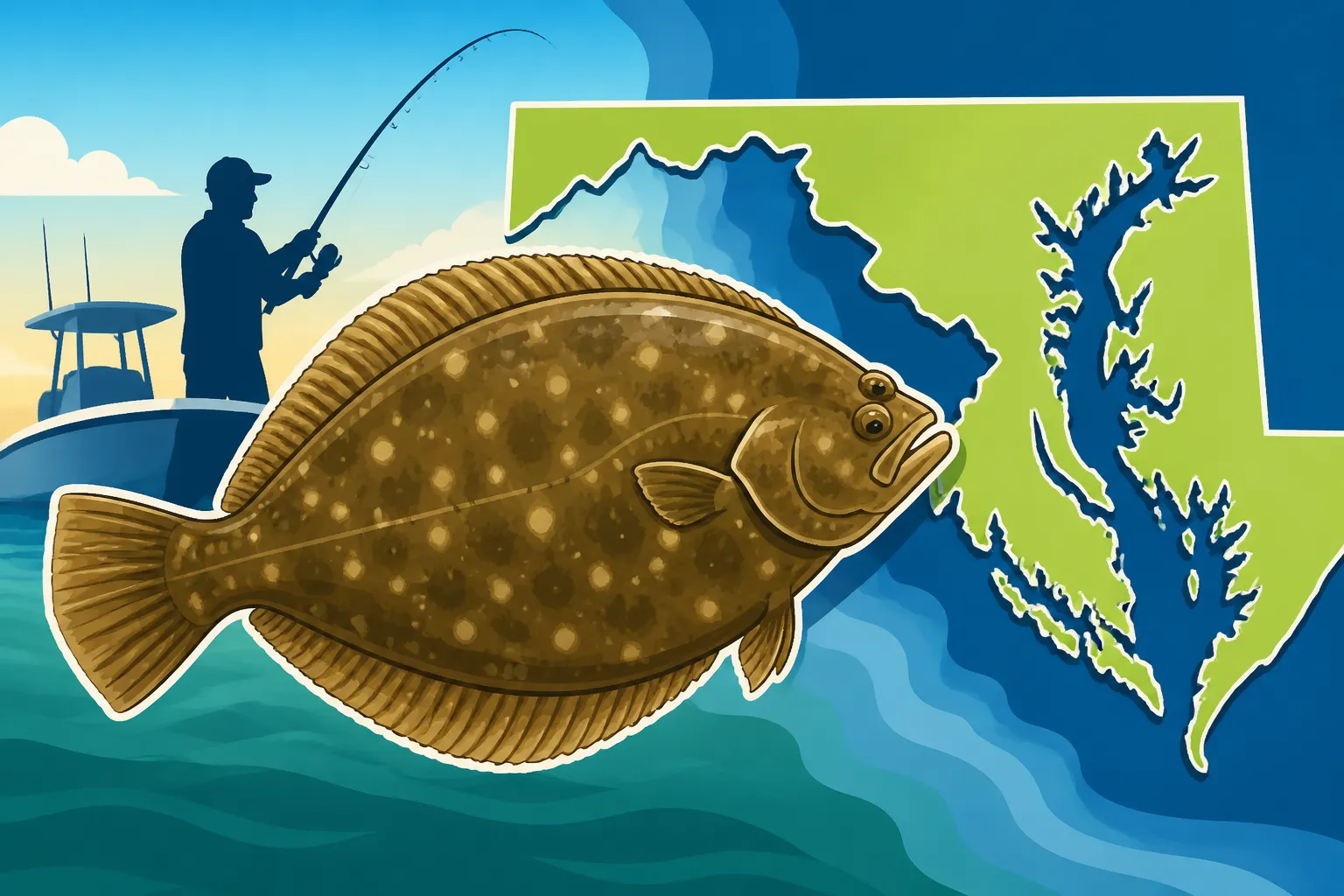
When we talk about flounder in Maryland, most anglers are focused on the Summer Flounder, often affectionately called "fluke." These are the tasty, flat-bodied fish that provide such a thrilling fight and a delicious meal. The size of flounder you encounter in Maryland can vary quite a bit, from smaller "throwbacks" to impressive, dinner-plate-sized specimens. It really depends on where you're fishing, when you're fishing, and a dash of luck.
Average Flounder Size for Maryland Anglers
For the typical recreational angler hitting the back bays of Ocean City or drifting the channels of the lower Chesapeake, a "keeper" flounder usually falls into a specific size range. You might find that a typical keeper flounder in Maryland measures anywhere from, say, 18 to 22 inches. These are the fish that make a decent fillet, enough for a nice meal for the family, but probably won't be breaking any state records.
It's important to remember that many, many flounder caught in our waters are actually smaller than the legal minimum size. This can be frustrating, especially when you're hooking fish after fish, only to have to gently release them back into the water. But those smaller fish are crucial for the health of the fishery, ensuring there are plenty of bigger ones for future seasons. They're growing up, doing their part, and will eventually be the keepers everyone dreams of. Sometimes, a successful day isn't just about the fish you keep, but the countless smaller ones you release to fight another day.
Record-Breaking Flounder and Trophy Catches
While 18-22 inches is common, flounder in Maryland can absolutely grow much, much larger. We're talking about true doormats that make your reel sing and your arms ache. The Maryland state record for a Summer Flounder, for instance, is a testament to just how big these fish can get. While I can't give you the exact current numbers, these record fish are typically well over 10 pounds and stretch beyond 25 inches, sometimes even pushing past the 30-inch mark!
These aren't everyday catches, mind you. Landing a flounder of that caliber usually means targeting specific deepwater structures, wrecks, or inlets with significant current, and often using specialized techniques and heavier tackle. It takes patience, skill, and often a lot of time on the water. But knowing they're out there keeps us all coming back, doesn't it? That dream of hooking into a truly monstrous flounder is a powerful motivator for many of us.
Factors Affecting Flounder Growth in Maryland
Several environmental and biological factors play a huge role in how large flounder grow in Maryland's diverse waters. Understanding these can give you an edge in finding bigger fish.
One of the most significant factors is food availability. Flounder are ambush predators, and they thrive where baitfish like silversides, spearing, and juvenile spot and croaker are plentiful. Areas rich in these forage species, such as thriving grass beds, oyster reefs, or channel edges, will naturally support larger, healthier flounder populations. Think about it: if you have an endless buffet, you're going to grow bigger, right?
Water temperature and salinity also play a part. Flounder are migratory, moving into the shallower, warmer bay and coastal waters during spring and summer to feed, and then retreating to deeper, more stable ocean waters as temperatures drop. The ideal temperature range keeps them active and feeding, promoting growth. Maryland's diverse estuarine and coastal environments offer a wide range of these conditions, contributing to a healthy growth cycle.
Finally, age and genetics are undeniable factors. Older fish have had more time to grow, and just like in any species, some individuals are simply genetically predisposed to grow larger and faster than others. These older, larger fish are often the ones found in deeper, more stable environments where they can avoid predation and find ample food sources. You can find some excellent information on what they eat.
Maryland's Flounder Regulations and Their Impact on Size
It's impossible to talk about flounder size without diving into the regulations that govern our fishing. These rules aren't just there to make our lives complicated; they're vital for ensuring the long-term health and sustainability of the flounder population, which ultimately benefits us anglers.
Maryland's Minimum Size for Keeping Flounder
Maryland, like other states along the East Coast, implements a minimum size limit for flounder. This is a crucial conservation measure. The primary goal is to allow flounder to reach sexual maturity and spawn at least once, contributing to the next generation, before they can be harvested. This helps maintain a stable population. While I can't give you the exact current measurement (always check the latest Maryland DNR guide before you go!), it's generally in the range that allows for this critical reproductive cycle. This means a lot of the smaller flounder you catch, which might be perfectly legal in another state, need to go back in the water here. You can look up the specifics in Maryland Flounder Size Limit After the June Rule Change.
These regulations are subject to change based on scientific assessments of the flounder stock, so it's paramount to always consult the Maryland Department of Natural Resources (DNR) for the most up-to-date rules before your trip. Getting caught with an undersized fish can lead to fines and other penalties, which no one wants after a relaxing day of fishing. Trust me, it's worth the quick check.
How Regulations Influence the Fish You See
The minimum size limit directly influences the average size of the flounder that anglers actually keep. If the minimum size is, say, 18 inches, you're naturally going to be releasing every flounder smaller than that. This means the fish you take home will, by definition, be at least that size, and often larger. So, while you might be catching a lot of 15-inch flounder, your actual harvest will be composed of more substantial fish.
This also means that patience is a virtue when flounder fishing in Maryland. You might have to cull through several smaller fish before you hit that legal mark. But when you do, that keeper feels all the more rewarding. It's a system designed to protect the resource while still allowing anglers to enjoy their sport and bring home some delicious table fare.
Where and When to Find Larger Flounder in Maryland
So, you're dreaming of that "doormat" flounder, the kind that makes for an epic fish fry and bragging rights. Knowing where and when to focus your efforts dramatically increases your odds of finding these larger specimens. It's not just about luck; it's about understanding their habits.
Prime Maryland Flounder Habitats for Bigger Fish
Larger flounder tend to gravitate towards specific types of habitat. They are ambush predators that prefer to lie in wait, partially buried in the sand or mud, and pounce on unsuspecting baitfish. This means they often congregate around structure and areas with good current that deliver food directly to them.
- Ocean City Inlet and Back Bays: This is arguably the most famous flounder hotspot in Maryland. The Ocean City Inlet itself, with its deep channels, jetties, and strong currents, is a prime location. The surrounding back bays, like Assawoman Bay and Isle of Wight Bay, also offer extensive channel edges, bridges, and scattered structure that attract bigger flounder. Where to Catch Flounder Near Ocean City can give you even more specific spots. Many anglers have success drifting the channels or fishing docks with plenty of current.
- Nearshore Ocean Wrecks and Artificial Reefs: Once you get beyond the inlet and into the ocean, wrecks and artificial reefs become magnets for larger flounder. These structures provide complex habitats, attracting baitfish and offering perfect ambush points for big fluke. These areas are often accessed by specialized charter boats, but dedicated private boaters can also hit them.
- Lower Chesapeake Bay Channels: While not as famous for flounder as Ocean City, the lower Chesapeake Bay, particularly around the mouth of the Bay and areas like Point Lookout, can hold substantial flounder. Look for deep channels, oyster beds, and pronounced drop-offs where current flows consistently. You might find them in Fishing Maryland's Chesapeake Bay, A Complete Guide.
When choosing your spot, consider the presence of baitfish and structure. A good depth finder can be invaluable for identifying these prime locations. And don't forget that a quality pair of polarized sunglasses, available on platforms like Amazon, can help you spot subtle changes in bottom contour in shallower water.
Best Times of Year for Trophy Flounder
Timing is everything when it comes to trophy flounder. While you can catch flounder throughout the warmer months, certain periods tend to produce larger fish.
- Late Spring to Early Summer: As water temperatures rise into the ideal range (typically 55-70°F), flounder become very active feeders after their winter dormancy. They move into shallower bay and coastal areas, often ravenous. This is a fantastic time for both numbers of fish and the chance at a larger one.
- Fall Run (Late Summer to Early Fall): This is often considered prime time for truly big flounder. As temperatures begin to drop and flounder start their migration back to deeper ocean waters, they go on a feeding frenzy to bulk up for the winter. This "fall run" can see some of the biggest fish of the year moving through the inlets and nearshore areas. Anglers using live bait or larger artificials often have great success during this period.
Remember, flounder fishing is often about patience and persistence. Even on the best days, you'll still encounter plenty of smaller fish. But by focusing your efforts on prime habitats during peak seasons, you significantly increase your chances of hooking into that Maryland "doormat." If you're looking for more general timing tips, Best Time of Year to Fish in Maryland might be helpful.
Essential Tips for Flounder Identification and Measurement
You've hooked into a nice fish, and it feels heavy! Before you even think about putting it in the cooler, you need to be absolutely sure it's a keeper. This involves correct identification and, critically, accurate measurement. Making a mistake here can ruin your day, so let's get it right.
How to Accurately Measure Your Catch
Measuring a flounder correctly is straightforward, but it's easy to get wrong if you're not careful. The goal is to get an accurate length from the tip of its snout to the tip of its tail.
Here's the method:
- Lay the fish flat: Place the flounder on a flat surface, such as a measuring board, cooler lid, or the deck of your boat. It needs to be as straight as possible, not curved or bent.
- Close the mouth: Gently close the fish's mouth so the tip of its snout is against the end of your measuring device or board.
- Squeeze the tail: With the mouth closed and against the starting point, gently squeeze the tail fin together (pincers-style) to achieve its maximum length. Read the measurement at the very tip of the tail.
- Confirm the measurement: Double-check your reading. It's often helpful to have a designated measuring device, perhaps a ruler permanently mounted to your cooler or a specialized fish measuring board. Having one readily available can save a lot of guesswork and ensure you're compliant. You can easily find reliable measuring tapes or boards on Amazon for your tackle box.
You wouldn't believe how many times I've seen folks try to measure a wiggling fish in their hands. It's almost always going to lead to a short measurement! Always respect the fish and the regulations, and when in doubt, it's best to release it.
Differentiating Flounder Species
While there are several types of flatfish in Maryland waters, when anglers talk about "flounder" for sport and table fare, they almost always mean Summer Flounder (also known as fluke). These are the ones with the distinct brown coloring, often with several dark, circular spots (called "ocelli") across their body, and their eyes are on the left side of their head when viewed from above (with the mouth facing left).
Other flatfish you might encounter include Winter Flounder (darker, smaller mouth, right-eyed, typically found in colder waters) or various species of sole. However, these generally aren't the primary target for size and often have different regulations or are simply less common catches for recreational anglers. Focusing on the Summer Flounder's distinct characteristics will help you ensure you're identifying your catch correctly and applying the right size limits. Always refer to the Maryland DNR's Maryland Fishing Size and Catch Limits by Species for specific identification details and current regulations.
Here's a quick comparison of the typical characteristics between an average keeper and a truly trophy flounder in Maryland:
| Characteristic | Typical Keeper Flounder | Trophy Flounder |
|---|---|---|
| Length (approx.) | 18-22 inches | 24+ inches |
| Weight (approx.) | 2-4 pounds | 6+ pounds |
| Catch Location | Bay channels, nearshore reefs, inlets | Deeper wrecks, ocean structure, specific inlets |
| Likelihood | Common | Rare, prized catch |
| Effort | Consistent fishing | Targeted techniques, patience, specialized gear |
| Bait/Lure Size | Standard bucktails, Gulp!, strip baits | Larger baits, bigger bucktails, whole live baits |
Remember, every keeper flounder is a victory, and every released short is an investment in the future. Happy fishing! You might find more great tips in Bottom Rig Setup for Maryland Flounder Fishing or learn some key techniques in Drifting vs Anchoring for Flounder in Maryland. If you're looking for gear, check out your local tackle shop or browse options on Amazon for anything from measuring boards to specialized flounder rigs.
Disclaimer
This article is for general informational purposes only and does not constitute professional advice. Laws, prices and regulations vary by location and change over time. Consult a qualified professional for guidance on your specific situation.