How to Buy a Maryland Fishing License
Trying to figure out how to navigate the world of Maryland fishing licenses can feel like trying to untangle a particularly stubborn fishing knot, especially when you just want to get out on the water. Between tidal, nontidal, resident, nonresident, and all the special stamps, it’s easy to feel overwhelmed. This comprehensive guide will walk you through every step of purchasing your Maryland fishing license, ensuring you understand exactly what you need, how to get it, and how to stay compliant with state regulations, so you can focus on the catch, not the paperwork.
Understanding Maryland's Fishing License Landscape
Before you even think about casting a line in Maryland, you need to understand the fundamental requirement: a fishing license. It's not just a bureaucratic hoop to jump through; it's a critical component of how the state manages its precious aquatic resources, ensuring healthy fish populations for generations of anglers to come. Ignoring this step can lead to hefty fines and a ruined day on the water, which nobody wants.
Why a License is Essential for Anglers
At its core, a fishing license in Maryland, much like in any state, serves a vital purpose: funding conservation and management efforts. Every dollar spent on a license contributes directly to programs that monitor fish populations, restore habitats, enforce regulations, and educate the public. This means your license fee helps stock trout streams, protect vital spawning grounds for striped bass in the Chesapeake Bay, and ensure the overall ecological health of Maryland's diverse waterways, from the mountain streams of Western Maryland to the vast expanse of the Atlantic Ocean. Think of it as your direct contribution to keeping Maryland a fantastic place to fish. Without these funds, the Maryland Department of Natural Resources (DNR) would struggle to maintain the very fisheries we all enjoy, leading to potential declines in fish stocks and a less vibrant fishing scene. It's a small investment for a big return in environmental stewardship.
Differentiating Tidal and Nontidal Waters
Maryland's fishing regulations often hinge on a crucial distinction: whether you're fishing in tidal or nontidal waters. This isn't just a geographical quirk; it dictates which license you need and which set of rules you must follow. Tidal waters are generally those influenced by the tides of the Chesapeake Bay and the Atlantic Ocean, including the Bay itself, its tributaries, and coastal bays and ocean areas. This means if you're fishing the Susquehanna River below the Conowingo Dam, or any of the major rivers feeding the Bay like the Patapsco, Magothy, Severn, Patuxent, Choptank, or Nanticoke, you're in tidal waters. These areas are usually home to species like striped bass (rockfish), white perch, bluefish, and various bottom fish.
Nontidal waters, on the other hand, are freshwater bodies not subject to tidal influence. These include upland rivers and streams, impoundments like Deep Creek Lake, Loch Raven Reservoir, and Liberty Reservoir, and many smaller ponds and lakes throughout the state. Here, you'll typically find species such as largemouth and smallmouth bass, trout, crappie, bluegill, and various catfish. It's really important to know where you're casting your line because the license requirements are different. You can find a detailed breakdown in our guide on the Maryland Nontidal vs Tidal Fishing License, Explained. While some licenses cover both, many are specific, and having the wrong one can land you in hot water.
Who Needs a License and Who is Exempt?
Generally speaking, if you are 16 years of age or older and intend to fish in Maryland's waters, you need a license. This applies to both residents and nonresidents, whether you're fishing from shore, a pier, or a boat. However, as with most rules, there are some important exceptions that can save you time and money.
One of the most common exemptions applies to children. If you're under 16 years old, you do not need a fishing license in Maryland. This is fantastic news for families looking to introduce their youngsters to the joys of angling without the added expense or hassle of permits. We have a dedicated resource that clarifies this further in Do Kids Need a Fishing License in Maryland?. Additionally, certain designated "Free Fishing Days" throughout the year allow anyone, regardless of age or residency, to fish without a license. These days are a perfect opportunity to try fishing or bring a friend who's been on the fence.
Furthermore, if you are fishing on a licensed charter boat, your individual fishing license is often covered by the boat's master license. This means when you book a trip with a reputable charter, you typically don't need to worry about purchasing your own state fishing license for that specific outing. However, it's always a good idea to confirm this with your charter captain before embarking. Another exemption is for those fishing on private ponds that are entirely contained on private land and do not have any ingress or egress to public waters. If you're fishing in a friend's farm pond, for example, you likely won't need a license. Always double-check with the landowner and ensure the pond truly fits the "private pond" definition.
Types of Maryland Fishing Licenses Available
Maryland offers a variety of fishing licenses designed to cater to different anglers, whether you’re a lifelong resident, a casual visitor, or someone with specific fishing interests. Navigating these options is key to ensuring you get the most appropriate and cost-effective license for your needs.
Resident vs. Nonresident Options
One of the first and most significant distinctions in Maryland fishing licenses is whether you are a resident or a nonresident of the state. Maryland residents, defined by specific criteria such as holding a Maryland driver's license or having lived in the state for at least six months, generally benefit from lower license fees. This is a common practice across states, designed to offer a benefit to taxpayers and permanent inhabitants. For a resident, you'll find options like the Maryland Resident Annual Fishing License or the Resident Chesapeake Bay Sport Fishing License. The price difference can be substantial, making it crucial to correctly identify your residency status.
Nonresidents, including those visiting for a vacation or even just a weekend trip, will pay a higher fee. However, Maryland makes it convenient for visitors by offering various short-term nonresident options that are ideal for brief stays. These might include a 3-day or 7-day nonresident license, which can be significantly cheaper than an annual nonresident license if you only plan to fish for a limited period. Understanding the nuances between these can save you a good chunk of change. You can dive deeper into these specifics in our guide on Resident vs Nonresident Fishing Licenses in Maryland.
Annual, 7-Day, and 3-Day Licenses for Flexibility
Maryland understands that not everyone fishes year-round. That's why they provide flexible license durations to suit different fishing habits.
- Annual Licenses: These are the most common choice for regular anglers, providing coverage for a full calendar year. For residents, the Maryland Resident Annual Fishing License Cost is typically the most economical option if you plan to fish more than a few times a year. Nonresidents also have an annual option, though it's pricier. An annual license often provides the most comprehensive coverage, frequently allowing you to fish in both tidal and nontidal waters with the appropriate endorsements.
- 7-Day Licenses: Perfect for a week-long vacation or a dedicated fishing trip, the 7-day license offers a cost-effective solution for nonresidents who will be in Maryland for an extended period but not for the full year. This option balances duration with affordability. Maryland also offers a 7-Day Bay & Coastal Sport Fishing license that specifically caters to those targeting saltwater species in the Chesapeake Bay or along the coast.
- 3-Day Licenses: For short visits or weekend excursions, a 3-day license is ideal. This is a popular choice for nonresidents looking to experience Maryland's fishing without committing to a longer-term license. For instance, the Maryland Nonresident 3-Day Fishing License Cost can be a great value if you're just popping over for a long weekend to hit some prime fishing spots.
These varying durations provide excellent flexibility, allowing anglers to choose the permit that best matches their planned time on the water, rather than forcing them into a year-long commitment they might not use.
Specialized Endorsements Like the Trout Stamp
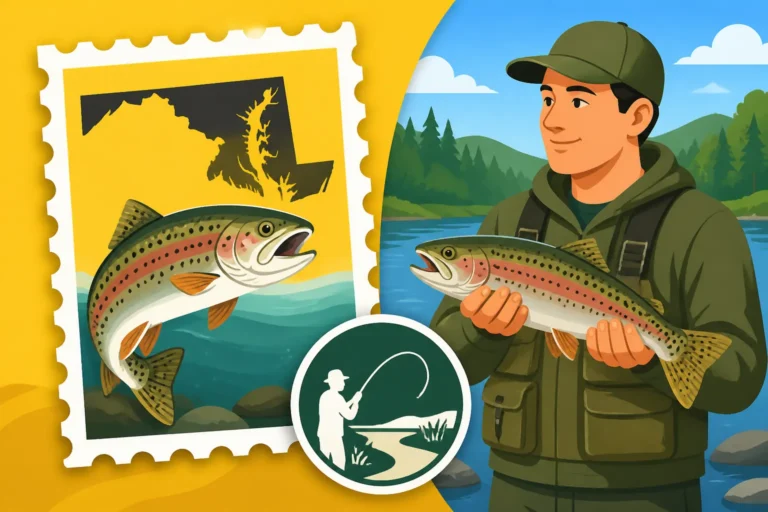
Beyond the basic fishing license, Maryland requires additional endorsements for certain types of fishing, particularly for trout. A "Trout Stamp" is a supplemental permit that must be purchased in addition to your regular tidal or nontidal fishing license if you plan to fish for or possess trout in Maryland's designated put-and-take or special regulation trout waters. This stamp helps fund the state's trout stocking programs, ensuring that these cold-water fisheries remain vibrant.
It's crucial to remember that the Trout Stamp is not a standalone license; it always accompanies your primary fishing license. So, if you're heading to a renowned trout stream like the Gunpowder Falls or the Savage River, make sure you have both your appropriate nontidal license and your trout stamp. Our comprehensive guide on Maryland Trout Stamp Requirements goes into detail about when and where this stamp is necessary. Other special endorsements might pop up from time to time, such as a Two-Rod Endorsement if you wish to fish with more than one rod in nontidal waters (beyond certain exemptions). Always check the latest Maryland DNR regulations or the official DNR Fishing & Boating Guide before heading out.
Your Options for Purchasing a Maryland Fishing License
Gone are the days when you had to drive to a specific location during business hours just to get your fishing license. Maryland has streamlined the process, offering several convenient ways to purchase your permit, catering to different preferences and situations. Whether you're a digital native or prefer a more traditional approach, there's an option for you.
Buying Online Through the Maryland DNR Website
Without a doubt, the easiest and fastest way to purchase a Maryland fishing license is online through the official Maryland Department of Natural Resources (DNR) website. Their integrated licensing system, known as COMPASS (Centralized Online Licensing and Permit System), allows you to buy your license 24/7 from the comfort of your home, or even right from your phone while you’re out and about. This digital platform handles all types of licenses and endorsements, from annual resident permits to temporary nonresident options and special stamps like the trout stamp.
The online system guides you step-by-step through the process, verifying your residency, allowing you to select the appropriate license type, and processing payment securely. You’ll receive an immediate confirmation, and in most cases, a printable version of your license (or a digital copy you can display on your smartphone) right after purchase. This instant access is a huge advantage, especially if you suddenly decide to go fishing on a weekend or holiday when physical stores might be closed. It eliminates the need for paper applications and offers real-time updates on your licensing status. This is certainly the most recommended method for its convenience and speed.
Visiting a Local Retailer or Licensing Agent
For those who prefer a more traditional, in-person transaction or need immediate assistance, Maryland has a vast network of authorized license agents throughout the state. These agents are typically bait and tackle shops, sporting goods stores (like some larger Amazon-affiliated outdoor retailers or local independent shops), and even some convenience stores. They are equipped to process various fishing and hunting licenses directly, providing you with a physical printout of your license on the spot.
When you visit a local retailer, a knowledgeable staff member can often help you navigate the different license types and ensure you purchase exactly what you need, including any required endorsements. This can be particularly helpful if you have specific questions about local regulations or need advice on what type of license is best for the specific waters you plan to fish. Just be sure to bring a valid form of identification, such as your driver's license, and be prepared to provide your Social Security Number, which is often required for identification purposes in accordance with federal law. This method provides the tangible proof of your license right away and can be a good way to get local fishing tips at the same time! You can use the DNR website to locate a nearby license agent, which is invaluable if you're traveling and need to quickly find a spot to get legal before hitting the water.
Phone Purchases and Mail-In Applications
While less common and generally slower than online or in-person methods, Maryland does offer alternative ways to purchase a license. You can typically purchase a license over the phone by calling the Maryland DNR service center during business hours. This option can be useful if you're having trouble with the online system or prefer to speak with a representative directly, though you might experience hold times during peak seasons. They can guide you through the options and process your payment. However, keep in mind that receiving your physical license may take a few days, so this isn't the best choice if you need to fish immediately.
Mail-in applications are also an option, usually available by downloading a form from the DNR website, filling it out, and sending it in with a check or money order. This is by far the slowest method and is generally only recommended if you're planning well in advance or have no other means of purchasing a license. For most anglers, the convenience and speed of online or in-person purchases make these far more practical choices. Always check the official DNR website for the most up-to-date information on all purchasing methods and contact details.
Step-by-Step Guide to Purchasing Your License Online
Buying your Maryland fishing license online is truly the most efficient route. It's designed to be straightforward, but walking through the process can eliminate any lingering confusion and ensure you get exactly what you need without a hitch.
Navigating the Maryland DNR COMPASS System
The heart of Maryland's online licensing is the COMPASS system. To begin, you'll want to head directly to the official Maryland Department of Natural Resources (DNR) website. Look for a prominent link or section dedicated to "Licenses and Permits" or "Fishing Licenses." Once there, you'll likely be directed to the COMPASS portal.
Your first interaction with COMPASS will typically involve logging in or creating an account. If you've purchased a license in Maryland before, you likely have an existing customer profile. You'll be prompted to enter your existing customer number (often found on a previous license) or use identifying information like your date of birth and last name. If you're a first-time buyer, you'll need to create a new profile. This usually involves providing your personal details, including your full name, address, phone number, and Social Security Number. Don't be alarmed by the SSN request; it's a standard federal requirement for all state licensing systems to ensure accurate record-keeping and identify individuals for child support enforcement purposes. The system is secure and designed to protect your personal information. Once logged in or registered, you’ll be on your personal dashboard, ready to select your license.
Required Information and Payment Methods
Once you're logged into the COMPASS system, the process becomes quite intuitive. The system will guide you through selecting the type of license you need. This is where your earlier understanding of resident vs. nonresident, tidal vs. nontidal, and annual vs. short-term licenses comes into play. You'll simply click on the options that apply to you. For example, if you're a Maryland resident planning to fish the Chesapeake Bay for the year, you'd select "Resident Chesapeake Bay Sport Fishing License." If you also plan to hit the trout streams, you'd then add a "Trout Stamp" as an endorsement. Take your time during this selection phase to ensure you pick the correct licenses and any necessary add-ons.
After selecting your licenses and endorsements, you'll be taken to a summary page where you can review your choices and the total cost. This is your chance to double-check everything before proceeding to payment. For payment, the Maryland DNR COMPASS system accepts major credit and debit cards, typically Visa, MasterCard, Discover, and American Express. You'll enter your card details just like any other online purchase. The system is encrypted to ensure your financial information is secure. After successful payment, you’ll receive an order confirmation and, importantly, a temporary license that you can print immediately or save to your phone. This temporary license is valid for a short period (usually 30 days) until your official license card (if applicable) arrives in the mail, or for the duration of a short-term license. For most annual licenses, you might receive a durable plastic card later, but the printed or digital copy is your proof of compliance for immediate use.
Printing and Carrying Your Digital License
Once your payment is successfully processed through the COMPASS system, you’ll usually be presented with a confirmation page that includes a link to download or print your license. It’s absolutely vital that you take this step. For most Maryland fishing licenses, a physical paper copy or a digital copy displayed on your smartphone is considered valid proof of licensure. You don't necessarily need a fancy plastic card, especially for short-term licenses.
Here's what you should do:
- Print a Copy: Even if you plan to keep a digital version, it's a very good idea to print at least one copy of your license and keep it somewhere safe, like in your tackle box or wallet. Digital devices can run out of battery, get wet, or simply malfunction when you're out on the water. A printed backup can save you from potential headaches if a Natural Resources Police officer requests to see your license.
- Save to Your Phone: Most smartphones can easily store a PDF or screenshot of your license. Create a dedicated folder or save it to your "Favorites" or "Wallet" for quick access. This is incredibly convenient for spontaneous fishing trips or when you don't want to carry extra paper.
- Ensure Readability: Whether printed or digital, make sure all the information on your license—your name, license type, effective dates, and customer number—is clearly legible. Blurred or incomplete licenses might still cause issues.
Remember, carrying proof of your valid fishing license is a requirement while fishing in Maryland. Not having it on your person when requested by an officer could result in a citation, even if you did purchase it. So, get it printed, save it to your phone, and make sure it’s with you every time you head out!
Common Questions and Potential Pitfalls When Buying a License
Even with the best intentions, questions and hiccups can arise when dealing with fishing licenses. Knowing how to anticipate and address these common scenarios can save you a lot of frustration and ensure your time on the water is smooth sailing.
What if Your License Expires Mid-Trip?
This is a common angler anxiety, and for good reason. Imagine you're on a multi-day fishing trip, maybe camping by Deep Creek Lake for a long weekend, and you realize your 7-day nontidal license is set to expire on day three. Or perhaps your annual license, which expires on December 31st each year (we'll cover this more in How Long a Maryland Fishing License Lasts), runs out on the third day of your New Year's fishing adventure. Fishing with an expired license, even for a few hours, is the same as fishing without one, and it can lead to fines.
The best proactive measure is to always check your license's expiration date before any trip. The good news is that Maryland's online COMPASS system allows for easy renewal or purchase of a new license on the fly. You can often renew an annual license several weeks or even months before its expiration date. If you're mid-trip and realize it's about to expire, you can usually pull out your smartphone, log into COMPASS, and purchase a new short-term license or renew your annual one right there. As long as you receive the digital confirmation and have it accessible, you're covered. This digital flexibility has truly revolutionized how anglers can manage their permits, preventing unexpected legality issues.
Adding Endorsements Post-Purchase
Sometimes, your fishing plans change. You might buy a general tidal license for the Bay, then a week later, decide you want to try your hand at trout fishing in a designated stream. Or perhaps you initially didn't think you'd need the two-rod endorsement but now want to maximize your chances in a specific nontidal reservoir.
Fortunately, Maryland's licensing system is designed to accommodate these changes. You can almost always add endorsements, such as a Trout Stamp, to an existing license after your initial purchase. You simply log back into your COMPASS account, navigate to the "Buy Licenses and Permits" section, and select the endorsement you wish to add. The system will recognize your existing primary license and allow you to purchase the additional stamp or permit. The cost will be the standard fee for that endorsement, and once purchased, it will be immediately active and tied to your existing customer profile. This means you don't have to buy a whole new primary license just to add an endorsement. It’s a very user-friendly feature that offers anglers flexibility in their pursuits throughout the year.
Dealing with Lost or Damaged Licenses
It happens to the best of us: licenses get misplaced, soaked in a sudden downpour, or simply wear out from being in a wallet or tackle box. If your physical fishing license becomes lost, stolen, or damaged beyond recognition, don't panic. Getting a replacement is usually a straightforward process.
Your valid license information is always stored electronically within the Maryland DNR COMPASS system under your customer profile. This is one of the biggest benefits of a digitized system. To get a replacement, you can:
- Print a Duplicate Online: The quickest method is to log back into your COMPASS account. There's usually an option to "Reprint License" or "View My Licenses." From there, you can easily access your current valid licenses and print a fresh copy. This is usually free of charge.
- Visit a License Agent: If you prefer, you can visit any authorized Maryland license agent. Provide them with your identification and customer number, and they can typically look up your record and print you a duplicate license. There might be a small processing fee for this service, usually just a dollar or two.
- Contact DNR: If you're having trouble with the online system or finding a local agent, you can always contact the Maryland DNR directly by phone during business hours. They can assist you in getting a duplicate or provide guidance.
Remember, even if you've lost your physical copy, as long as your license is still valid in the COMPASS system, you technically have a license. However, you need to be able to present proof of it if requested by a Natural Resources Police officer. Having a digital copy saved on your phone can serve as immediate proof while you await a physical reprint.
Understanding License Costs and Validity Periods
Understanding the financial investment and how long your license remains valid is crucial for smart planning. Maryland's licensing structure is pretty transparent once you know what to look for, but it pays to pay attention to the details.
A Detailed Look at Resident License Fees
For Maryland residents, the state offers several primary license options, each with a different price point depending on the scope of fishing you plan to do. The most popular choice is often the Resident Consolidated Sport Fishing License. This is usually the best value for anglers who plan to fish both tidal and nontidal waters throughout the year. It covers all the bases (except for the trout stamp and a few other specific endorsements) and simplifies your licensing needs into one purchase. The exact cost can vary slightly year to year, so always check the official DNR website, but expect it to be in the range of $40-$50. This consolidated license is an excellent choice for anglers who fish for striped bass in the Bay, then switch to bass or crappie in freshwater lakes.
If you know you'll only be fishing nontidal waters (freshwater lakes and rivers not influenced by tides), there's a Resident Nontidal Fishing License. This is a more affordable option, typically costing around $20-$30. Conversely, if your focus is strictly on the Chesapeake Bay and its tidal tributaries or the coastal ocean, the Resident Chesapeake Bay Sport Fishing License (sometimes referred to as the Tidal Bay License) is your go-to, with a cost similar to the nontidal license. These individual options are great if you have very specific fishing preferences and don't want to pay for coverage you won't use. Many residents opt for the consolidated license simply for the peace of mind that they're covered no matter where they wet a line. For specific breakdowns, our guide on the Maryland Resident Annual Fishing License Cost provides current figures.
Nonresident License Costs and Short-Term Options
Nonresident anglers will find that Maryland's license fees are higher than those for residents, which is standard practice across most states. However, Maryland offers a good range of short-term options to make it more accessible for visitors.
- Nonresident Annual Fishing License: This provides year-round coverage for nonresidents. It is significantly more expensive than the resident annual license, often in the range of $60-$80 or more. This is best for nonresidents who spend a considerable amount of time fishing in Maryland throughout the year.
- Nonresident 7-Day Fishing License: Ideal for a week-long fishing vacation, this license usually costs around $30-$40. It offers great flexibility and coverage for a concentrated fishing trip.
- Nonresident 3-Day Fishing License: For quick weekend trips, the 3-day option is the most budget-friendly short-term license, typically priced around $10-$20. Our article on the Maryland Nonresident 3-Day Fishing License Cost can give you the current figures. This is a popular choice for anglers visiting from neighboring states like Pennsylvania, Delaware, or Virginia who just want to spend a couple of days on Maryland's waters.
It's important for nonresidents to consider their fishing plans carefully. If you're coming for just a day or two, a short-term license is clearly more economical than an annual one. However, if you plan multiple trips throughout the year, the annual nonresident license might actually save you money in the long run. Don't forget, if you plan to fish for trout, a nonresident trout stamp will also be required on top of your primary license.
When Do Maryland Fishing Licenses Expire?
This is a critically important detail that sometimes catches anglers off guard. In Maryland, most annual fishing licenses operate on a calendar year basis, expiring on December 31st of the year for which they were issued. This means if you buy an annual license in July, it will still expire on December 31st of that same year, not one year from your purchase date. This is a key difference from some other states where licenses are valid for 12 months from the date of purchase.
Here's a quick overview:
- Annual Licenses (Resident & Nonresident): Expire December 31st of the calendar year issued.
- 7-Day Licenses: Valid for seven consecutive days starting from the date of purchase or a specified start date.
- 3-Day Licenses: Valid for three consecutive days starting from the date of purchase or a specified start date.
- Trout Stamps: Usually expire on December 31st, aligning with the annual license they accompany.
Knowing these expiration dates is crucial for avoiding unintentional violations. It’s a good habit to check the expiration date on your license each time you plan a trip, especially as the end of the year approaches. The Maryland DNR typically begins selling licenses for the upcoming year in mid-December, allowing anglers to purchase their new license for the next calendar year well in advance. Our post on How Long a Maryland Fishing License Lasts offers more specifics on this. Always double-check your license itself or the official DNR website for the precise validity period of your specific permit.
| License Type | Residency | Water Type | Duration | Approximate Cost (2024-2025) | Notes |
|---|---|---|---|---|---|
| Consolidated Sport Fishing | Resident | Tidal & Nontidal | Annual | $40 – $50 | Most comprehensive, best value for year-round anglers. |
| Nontidal Fishing | Resident | Nontidal | Annual | $20 – $30 | For freshwater fishing only. |
| Chesapeake Bay Sport Fishing | Resident | Tidal | Annual | $20 – $30 | For Bay and coastal waters only. |
| Annual Fishing | Nonresident | Tidal & Nontidal | Annual | $60 – $80 | Year-round coverage for out-of-state visitors. |
| 7-Day Bay & Coastal Sport | Nonresident | Tidal | 7 Consecutive Days | $30 – $40 | Great for a week-long saltwater trip. |
| 3-Day Nontidal | Nonresident | Nontidal | 3 Consecutive Days | $10 – $20 | Economical for short freshwater visits. |
| Trout Stamp | Both | Nontidal | Annual (with primary license) | $5 – $10 | Required for fishing/possessing trout in designated waters. |
| Two-Rod Endorsement | Both | Nontidal | Annual (with primary license) | $5 | Allows use of two rods in nontidal waters (with exceptions). |
Note: Costs are approximate and subject to change. Always verify current prices on the official Maryland DNR website.
Special Considerations for Specific Anglers
Maryland's fishing license system isn't a one-size-fits-all approach. The state recognizes that different demographics have different needs and aims to make fishing accessible and affordable for a wide range of individuals. This includes special provisions for seniors, youth, and those participating in charter trips.
Senior Anglers and Consolidated Licenses
Maryland values its senior citizens and offers a special license designed with them in mind. If you are a Maryland resident and 65 years of age or older, you are eligible for the Senior Consolidated Sport Fishing License. This is a truly fantastic deal, usually priced at a deeply discounted rate, often around $5 for the entire year. It provides the same comprehensive coverage as the regular Resident Consolidated Sport Fishing License, meaning it allows you to fish in both tidal and nontidal waters across the state without needing separate licenses.
To qualify for this senior license, you'll need to provide proof of age and Maryland residency. When purchasing online through COMPASS, the system will typically verify your age based on your birth date in your profile. If buying in person, simply bring a valid ID. This license is a wonderful way for seniors to continue enjoying Maryland's diverse fisheries without a significant financial burden. It’s a small token of appreciation for their years of contributing to the community. You can find more specific details on this option in our guide, Maryland Senior Consolidated Sport Fishing License.
Youth Exemptions and Free Fishing Days
As mentioned earlier, Maryland makes it incredibly easy for young anglers to get started. Children under the age of 16 are generally exempt from needing a fishing license in Maryland. This means parents, grandparents, or guardians can take their kids out fishing without worrying about purchasing an additional permit for them. This policy is a conscious effort by the state to foster an interest in fishing and outdoor activities among the younger generation, promoting future stewards of Maryland's natural resources.
Beyond the age exemption, Maryland also offers specific Free Fishing Days each year. These designated days, often falling on a Saturday in June and another in July, allow anyone, resident or nonresident, of any age, to fish in Maryland's waters without needing a license. These are fantastic opportunities to introduce friends, family, or even yourself to fishing without the upfront cost of a license. It's a risk-free way to try out the sport and experience the joy of a tug on the line. While you don't need a license on these days, all other fishing regulations, such as size and creel limits, still apply. Always check the official DNR calendar for the exact dates of the upcoming Free Fishing Days.
Charter Boat Passengers and Unique Scenarios
One common question among those new to fishing in Maryland, or visitors planning a trip, revolves around charter boats. Do you need your own license if you're fishing on a charter? For the vast majority of licensed Maryland charter boats, the answer is no, you do not. The charter boat itself holds a master license that covers all passengers on board. This is a huge convenience, as it means you can simply book your trip, show up, and enjoy the fishing without any personal licensing paperwork. This applies whether you're chasing striped bass in the Chesapeake Bay or heading offshore from Ocean City for tuna.
However, there are a few unique scenarios to keep in mind:
- Head Boats/Party Boats: Similar to charters, large head boats (also known as party boats) that take multiple individuals out for a fee typically have a blanket license covering all anglers. Again, it's always wise to confirm this with the specific boat operator when booking.
- Commercial Vessels: If you happen to be on a commercial crabbing or fishing vessel, your licensing requirements will be different and fall under commercial regulations, which are far more complex. This usually isn't an issue for recreational anglers.
- Fishing from Shore or Private Boat after a Charter: If you go on a charter one day and then decide to fish from a public pier or your own private boat the next, you will need your own personal fishing license for that independent activity. The charter's license only covers you while you are physically on their vessel during the booked trip.
- Potomac River: Fishing in the Potomac River can sometimes have different licensing requirements depending on which part of the river you are in (tidal vs. nontidal) and specific agreements with neighboring jurisdictions like Virginia or the Potomac River Fisheries Commission (PRFC). Always check the specific regulations for the stretch of the Potomac you plan to fish, as it can be more complex than other Maryland waters.
When in doubt, the best course of action is always to check the current Maryland DNR Fishing & Boating Guide or directly contact the DNR with your specific questions.
Ensuring Compliance: Fines and Regulations
Getting your license is the first step, but understanding what it means to be a responsible angler in Maryland goes beyond just having the right piece of paper. You need to be aware of the rules that govern how, when, and where you fish. Non-compliance can lead to unpleasant surprises, including fines and potential legal issues.
Consequences of Fishing Without a Valid License
Fishing without a valid Maryland fishing license when one is required is a clear violation of state law. Natural Resources Police (NRP) officers regularly patrol Maryland's waterways, piers, and access points, and they have the authority to check for proper licenses. If you are caught fishing without a license, the consequences can be more than just a slap on the wrist.
Typically, the penalty for fishing without a license in Maryland is a monetary fine. These fines can vary but often start at around $100 or more, plus court costs. The exact amount can depend on the specific circumstances, such as whether it's a first offense, if you also committed other violations (like exceeding catch limits or fishing out of season), or if you deliberately tried to evade an officer. In more severe or repeated cases, a violation could even lead to your fishing privileges being suspended for a period of time. This means you wouldn't be able to legally purchase a license or fish in Maryland for a specified duration, which would be a huge bummer for any avid angler.
It's simply not worth the risk. The cost of a fishing license is a small fraction of what a fine would be, not to mention the stress and inconvenience of dealing with a citation. Always ensure your license is current, appropriate for the waters you're fishing, and physically on your person or digitally accessible when you're out angling. Our article on Maryland Fishing License Penalties for Violations dives deeper into the specific legal ramifications.
Understanding Maryland's Two-Pole Endorsement
While most anglers typically fish with one rod and reel, sometimes you might want to increase your chances, particularly in nontidal waters. Maryland has specific rules about using multiple fishing rods. In most tidal waters, you can generally use multiple rods without an additional endorsement. However, in nontidal waters, if you wish to use more than one fishing rod and reel (up to a maximum of two), you must purchase a Two-Pole Endorsement in addition to your regular nontidal or consolidated fishing license.
This endorsement is typically very inexpensive, often just a few dollars, but it is a crucial detail for freshwater anglers who prefer to deploy more than one line. There are some exceptions, such as if you are under 16 (who don't need a license anyway) or if you are fishing for specific species under specific circumstances (always check the DNR guide). If you're planning a day of still-fishing for catfish or panfish in a reservoir, having that second line out can definitely boost your success. Just make sure you've got the endorsement if you're over 16 and in nontidal waters, otherwise, you could face a citation for exceeding the one-rod limit. It's a simple add-on that provides extra flexibility for your freshwater adventures.
Staying Updated with Maryland's Fishing Regulations
Purchasing your license is just the entry ticket; staying informed about Maryland's ever-evolving fishing regulations is the ongoing responsibility of every angler. Regulations for species like striped bass (rockfish), flounder, and even invasive species like blue catfish and snakehead can change seasonally or even mid-year, often due to scientific assessments of fish populations or environmental factors.
Here's how to stay updated:
- Maryland DNR Website: The official Maryland Department of Natural Resources website is your absolute best source. They post all current regulations, emergency closures, and proposed rule changes.
- DNR Fishing & Boating Guide: Each year, the DNR publishes a comprehensive Maryland's DNR Fishing and Boating Guide, Explained that outlines all fishing seasons, size limits, creel limits, and special regulations for all species and water bodies. You can usually pick up a physical copy at license agents or download a PDF version from the DNR website. It's often updated annually, so make sure you have the most current version.
- DNR Alerts and Newsletters: Consider signing up for DNR email alerts or following their social media channels. They often send out timely notifications about regulation changes, fishing forecasts, and important news.
- Local Bait and Tackle Shops: These local businesses are often on the front lines of regulation changes and can provide valuable, real-time local knowledge. Don't be afraid to ask questions.
Forgetting to check regulations can lead to serious issues, such as keeping an undersized fish, possessing a fish out of season, or exceeding daily bag limits. For instance, Maryland Striped Bass Season and Rockfish Rules are frequently adjusted, so staying current is critical if you target this iconic species. Ignorance of the law is not a valid defense, so make it a habit to glance at the current rules before each trip. Being a responsible angler means not just buying a license but also respecting the rules that protect the fish and their habitats for everyone.
Disclaimer
Please remember that fishing regulations, license requirements, and costs are subject to change by the Maryland Department of Natural Resources (DNR). While every effort has been made to provide accurate and up-to-date information in this guide, it is your responsibility as an angler to always verify the most current regulations directly with the Maryland DNR before engaging in any fishing activities. This guide is for informational purposes only and should not be considered legal advice.