How Fast Are Blue Catfish Spreading in Maryland?
One of the biggest concerns for anglers and conservationists alike in Maryland right now is the astonishing rate at which blue catfish are taking over our waterways. It feels like one day they were a rarity, and the next, every cast into certain rivers pulls up another one of these voracious eaters. This guide is here to shed light on just how quickly these invasive fish are spreading across our state, what that means for our native species, and what steps are being taken to understand and manage this rapid expansion.
Understanding the Blue Catfish Invasion
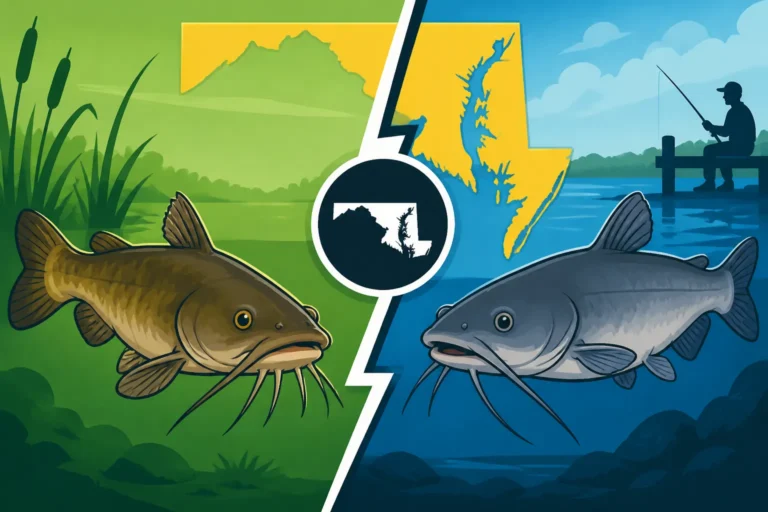
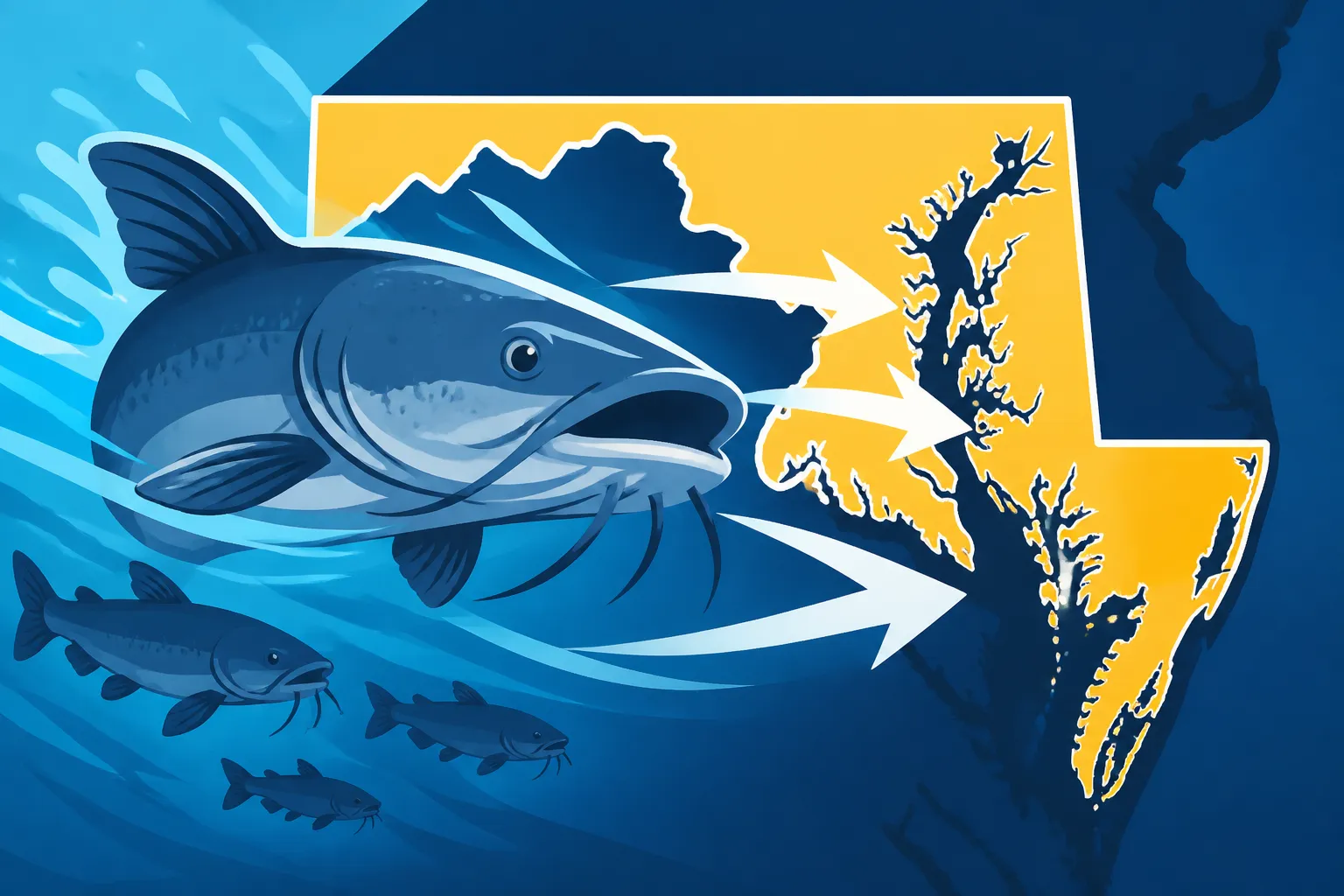
It's no secret that blue catfish are thriving in Maryland, particularly in our tidal rivers and the Chesapeake Bay. What started as introductions decades ago in Virginia rivers has turned into a widespread phenomenon across the entire Bay watershed. These fish aren't just surviving; they're exploding in numbers, outcompeting native species for food and habitat. Anglers who frequent the Potomac River or the Choptank River will tell you they've seen the change firsthand, going from catching a variety of species to consistently hooking blue catfish, sometimes dozens in a single outing. It's a stark visual reminder of their incredibly successful colonization.
The sheer volume of blue catfish in some areas is hard to comprehend if you haven't witnessed it. Imagine casting a line and within minutes, you're reeling in a two-foot-long blue catfish, then another, and another. This isn't an exaggeration; it's a common experience for many fishing these waters. The proliferation of these fish is a serious ecological challenge, impacting the delicate balance of our aquatic ecosystems. Maryland Blue Catfish, an Invasive Giant explains more about why these fish are such a problem.
The Rapid Spread: A Tale of Adaptation and Opportunity
So, how exactly are blue catfish spreading so quickly throughout Maryland's diverse waters? It's a combination of several factors that make them incredibly effective colonizers. Firstly, they are remarkably adaptable. They can tolerate a wide range of salinity levels, which means they're not confined to just freshwater rivers. They thrive in the brackish waters of the Chesapeake Bay, allowing them to expand their range far beyond their initial introduction points. This adaptability is a key reason why they are now found everywhere from the Upper Chesapeake Bay down to the mouth of the Potomac.
Secondly, blue catfish are incredibly prolific breeders. They mature quickly, lay a large number of eggs, and have few natural predators in the Chesapeake Bay ecosystem as adults. This combination leads to a very high survival rate for their young, fueling exponential population growth. When you couple this with their opportunistic feeding habits – they'll eat pretty much anything, from baitfish to crabs to even smaller fish – you have a perfect storm for rapid expansion. They truly are generalist predators, and that gives them a significant advantage over many native species that have more specialized diets.
Finally, human activity, both intentional and unintentional, has played a role. While the initial introductions were in other states, the interconnectivity of the Bay system means fish easily migrate. There have also been instances of illegal stocking in new waters, either by individuals unaware of the consequences or those intentionally trying to establish new fishing opportunities. This further accelerates their spread into areas they might not have reached as quickly on their own. The ease with which they reproduce and colonize new habitats has created a situation where their numbers seem to double every few years in some of the most affected rivers.
Monitoring and Managing the Blue Catfish Population Boom
Maryland's Department of Natural Resources (DNR) and other scientific organizations are actively monitoring the spread of blue catfish. This isn't just about counting fish; it's about understanding their movements, their diet, and their impact on native species. Researchers use a variety of methods, from electrofishing surveys in rivers to tracking commercial and recreational catches, to get a clearer picture of where blue catfish are most concentrated and how quickly new areas are being colonized. It's a constant effort to keep up with these fast-spreading invaders.
One of the primary strategies for managing blue catfish is to encourage their harvest. Unlike native species, there are generally no size or creel limits on blue catfish in Maryland. The goal is to remove as many as possible to reduce their pressure on the ecosystem. This makes them an exciting target for anglers, and you'll find many Maryland Blue Catfish Limit, or Lack of One resources describing the absence of restrictions. There are even efforts to create commercial markets for blue catfish, turning a problem into an economic opportunity, which could incentivize greater removal. However, the scale of the invasion means that management is an ongoing, uphill battle, requiring sustained effort from all stakeholders.
The table below illustrates some of the key factors contributing to the rapid spread of blue catfish and their impacts:
| Factor Contributing to Spread | Impact on Native Species/Ecosystem | Management Strategy |
|---|---|---|
| High Reproductive Rate | Outcompetes for spawning habitat, overwhelming numbers of offspring. | Encourage harvest, develop commercial fisheries. |
| Broad Environmental Tolerance | Colonizes freshwater, brackish, and slightly saline waters; wide range expansion. | Public awareness, discourage live transport. |
| Opportunistic Predator | Consumes native fish, crabs, and shellfish; depletes food sources. | Promote specific angling techniques for blue catfish. |
| Fast Growth Rate | Quickly reaches sizes where few natural predators exist; large biomass. | Emphasize consumption and culinary uses. |
| Lack of Natural Predators | Unchecked population growth in most waters. | N/A (focus on human intervention). |
What Anglers Can Do to Help
As anglers, we have a significant role to play in the fight against blue catfish. The most impactful thing you can do is to catch them and, crucially, to harvest them. The Maryland DNR strongly encourages anglers to keep all the blue catfish they catch. Don't release them back into the water! This is one of the few instances where taking your catch home for dinner directly contributes to environmental conservation. They are, by the way, quite delicious, offering firm, white, flaky meat perfect for frying, grilling, or baking. You can find plenty of recipes online, and picking up a good cookbook from Amazon can give you even more ideas for preparing your catch.
Beyond just keeping what you catch, educate yourself and others. Understand Maryland Invasive Fish Rules: Blue Catfish and Snakehead so you can share accurate information with fellow anglers. If you're buying bait, ensure you're not inadvertently spreading them. Never use live blue catfish as bait in waters where they aren't established, and certainly never transport a live one from one body of water to another. These seemingly small actions can have massive consequences for our native fish populations. You might even find specialized gear on Amazon designed for catching catfish, which can make your efforts more efficient and enjoyable.
Participating in fishing tournaments or events specifically targeting blue catfish can also be a fun and effective way to help. Many organizations now host such events to incentivize anglers to remove these invasive fish. It's a chance to spend a day on the water, maybe win some prizes, and contribute to a healthier Chesapeake Bay. From the Upper Bay to the tidal rivers, the blue catfish are present, and every fish removed makes a difference. Consider purchasing a durable fish scale from Amazon to weigh your impressive catches!
Remember that reporting any unusual sightings, especially of live blue catfish in isolated or non-tidal waters, can also be helpful. The DNR needs eyes and ears on the water. By actively participating in their removal and staying informed, anglers can be powerful allies in managing the rapid spread of these invasive giants and protecting Maryland's precious aquatic resources. So next time you're out on the Potomac River in Maryland or another local hotspot, be ready to contribute to the cause. Even if you're just out for a weekend trip, Maryland Fishing License for Out-of-State Visitors Staying a Week options make it easy to participate. Don't forget to grab some heavy-duty line and hooks, perhaps a bulk pack from Amazon, as these fish can put up a serious fight!
Disclaimer
This article is for general informational purposes only and does not constitute professional advice. Laws, prices and regulations vary by location and change over time. Consult a qualified professional for guidance on your specific situation.