What Do Blue Catfish Eat in the Potomac River?
If you've spent any time fishing the Potomac River, you've probably heard the buzz, or perhaps felt the unmistakable tug, of a blue catfish. These formidable fish have absolutely exploded in number, and understanding what they eat is key to not only catching them but also appreciating the profound impact they're having on Maryland's precious aquatic ecosystems. It's a question many anglers ponder: what exactly are these powerful bottom dwellers munching on in the Potomac, and how does their diet affect everything else? This guide will dive deep into the blue catfish's diet, exploring their opportunistic feeding habits, the implications for native species, and how you, as an angler, can use this knowledge to your advantage.
The Opportunistic Appetite of Potomac Blue Catfish
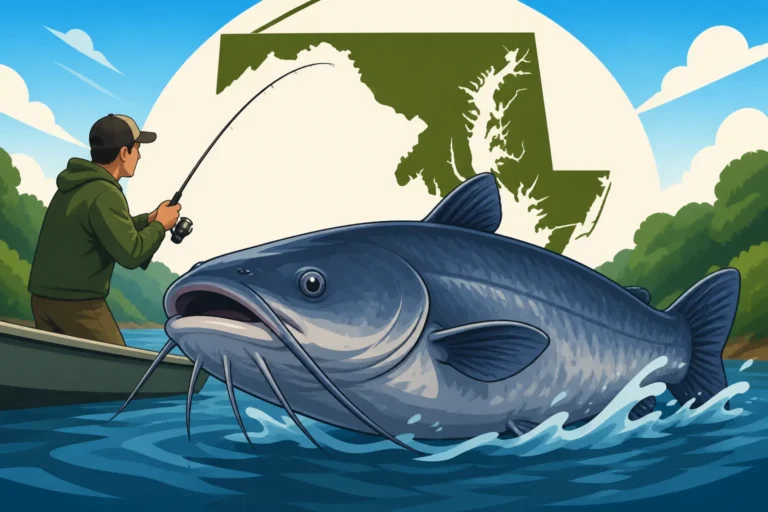
Blue catfish are, without a doubt, one of the most adaptable and voracious predators in the Potomac River, and their success is largely due to their incredibly opportunistic diet. They're not picky eaters, which is a big part of why they've managed to thrive and spread so rapidly since their introduction. They'll eat almost anything that fits in their mouth and provides nutritional value, which is a bit of a grim reality for other species in the river.
A True Bottom Feeder's Menu
While they can certainly chase down prey, blue catfish spend a significant amount of time foraging along the river bottom. This means their diet is heavily influenced by the availability of benthic (bottom-dwelling) organisms. Think about it: a big catfish moving slowly along the mud or gravel, whiskers twitching, vacuuming up anything edible. They're like underwater scavengers and predators rolled into one. Their natural curiosity and powerful sense of smell make them incredibly efficient at finding food in murky waters where other predators might struggle.
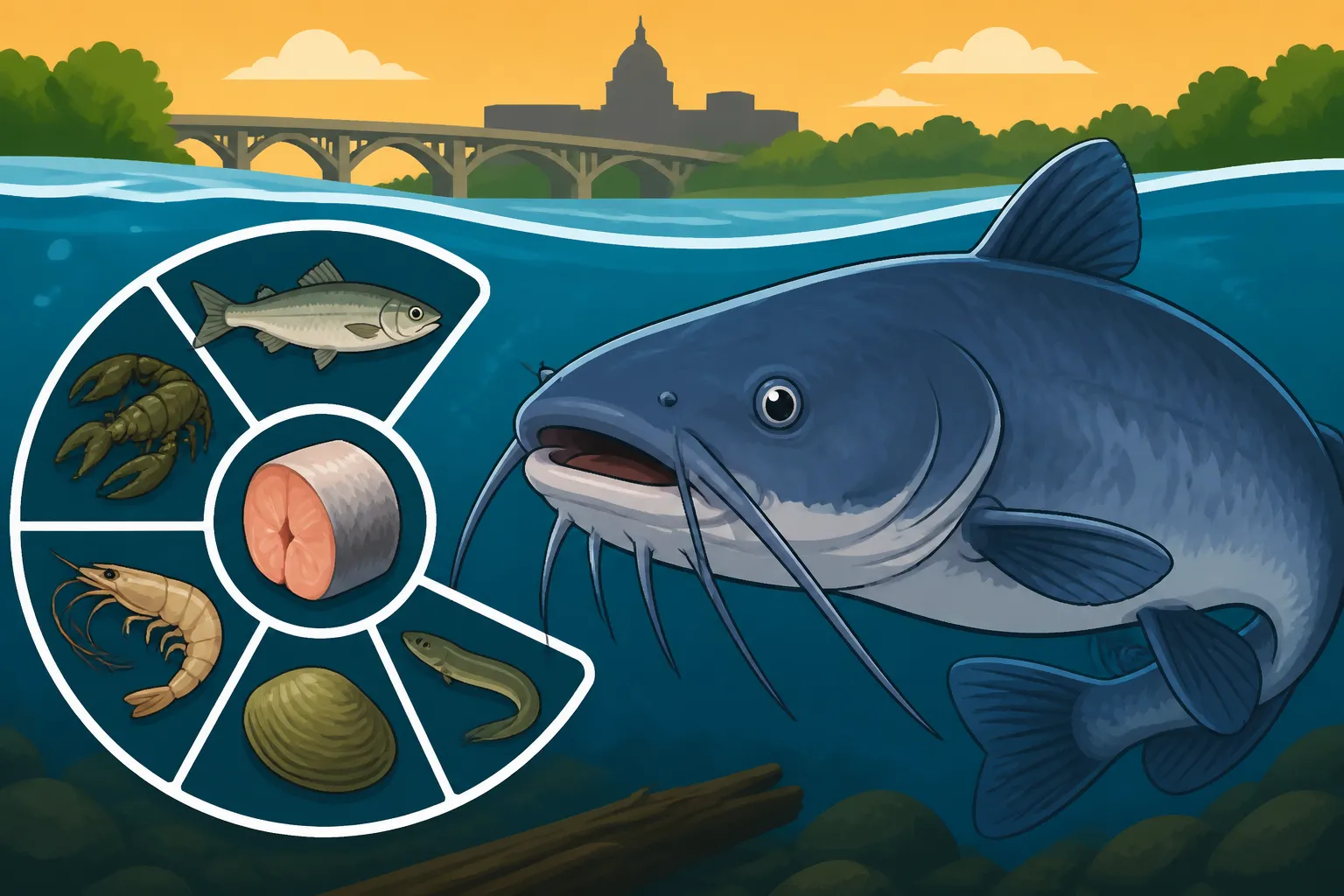
They regularly consume a wide array of invertebrates, including various types of worms, insect larvae, and crayfish. These aren't flashy meals, but they are abundant, especially in the rich sediment of the Potomac. Imagine a soft, muddy flat near an old dock or a creek mouth after a rainstorm; that's prime real estate for these creatures, and therefore, prime hunting grounds for a blue catfish. They don't need crystal clear water or fast-moving currents to find these meals; their sensory systems are perfectly adapted for it.
When Opportunity Knocks: Scavenging and Predation
What truly sets blue catfish apart, and is a major concern for conservationists, is their readiness to eat almost anything else. This isn't just about small invertebrates; it extends to carrion (dead animals) and, more significantly, other fish. If there's a dead shad or a leftover crab on the bottom, a blue catfish isn't going to pass it up. This scavenging habit makes them incredibly resilient, especially in an environment like the Potomac where there can be a lot of natural mortality among fish populations, and even human-introduced refuse.
Beyond scavenging, blue catfish are formidable predators. They actively hunt and consume a vast range of smaller fish species. This includes juvenile native fish, which are particularly vulnerable. They're not just waiting for an easy meal; they'll stalk and ambush. Their large mouths allow them to swallow surprisingly big prey whole. This dual nature – scavenger and active predator – means they rarely go hungry, which directly contributes to How Big Do Blue Catfish Get in Maryland Rivers?.
Blue Catfish Diet: A Threat to Native Species
The sheer volume of blue catfish in the Potomac and their varied diet create a significant ecological challenge. It's not just that they're eating something; it's what they're eating and how much of it, especially when it comes to the populations of native fish and shellfish that are already facing environmental pressures. This invasive species is dramatically altering the food web, and it's a critical reason Why Maryland Wants Anglers to Kill Invasive Fish.
Targeting Smaller Fish and Invertebrates
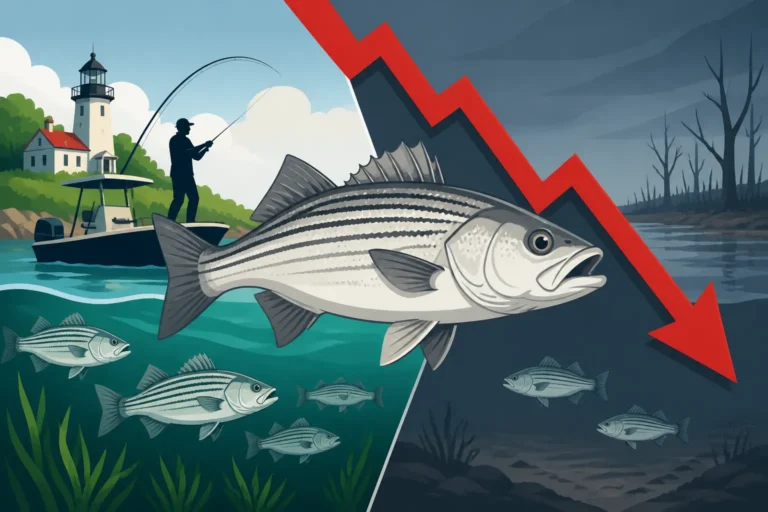
The menu for blue catfish in the Potomac includes a disturbing number of native species. Juvenile striped bass, white perch, yellow perch, shad, river herring, and even young blue crabs are all on the table for a hungry blue cat. Imagine a scenario where a school of small perch is hiding in a grass bed, feeling relatively safe. A large blue catfish, with its keen sense of smell, can slowly cruise through that same area, flushing out or directly targeting those smaller fish. They don't rely on sight alone, which gives them an edge in the often turbid waters of the Potomac.
Furthermore, they compete directly with native predators for food sources. A largemouth bass or a native channel catfish might be trying to find a meal of crayfish or juvenile panfish, only to find that the blue catfish has already swept through the area. This competition adds another layer of stress to native populations, making it harder for them to grow and reproduce effectively. It's a domino effect that starts with what's on the blue cat's plate and ripples through the entire river system.
The Impact on Maryland's Ecosystem
The implications of the blue catfish's diet extend far beyond just a few less fish. Their widespread presence and voracious appetites are creating a significant imbalance in the Potomac River's delicate ecosystem. How Blue Catfish Threaten Native Species in Maryland's Chesapeake Bay is not just a theoretical concern; it's an observed reality. When you have a top predator that outcompetes and preys on so many other species, it inevitably leads to a decline in those native populations.
Consider the once-thriving populations of migratory fish like American shad and river herring, which are vital components of the Chesapeake Bay food web. Their juveniles, making their way downriver to the Bay, become easy targets for blue catfish. This predation makes it increasingly difficult for these species to recover, impacting the health of the entire Bay ecosystem. It's a stark reminder of the challenges posed by Maryland Blue Catfish, an Invasive Giant and why management efforts, including encouraging angler harvest, are so crucial.
Using Their Diet to Your Advantage as an Angler
Understanding what blue catfish eat is perhaps the most critical piece of information an angler can have when targeting them in the Potomac. It’s not just academic knowledge; it’s the blueprint for successful fishing. If you know what they naturally prefer, you can effectively present baits that they simply can't resist. This insight transforms your approach from guessing to strategic targeting, increasing your chances of a great day out on the water.
Best Baits Mirroring Natural Food Sources
Given their opportunistic and varied diet, the best baits for blue catfish are often those that mimic their natural food sources. Fresh cut bait is usually king. Think about it: a blue catfish is used to scavenging dead or dying fish. A chunk of fresh oily fish like shad, herring, or even bluegill, cut into strips or cubes, is incredibly appealing. The scent trail it releases in the water is exactly what a blue catfish is programmed to follow. Many anglers swear by a fresh chunk of white perch, for example, as it's a species the blue cats are actively preying on in the river.
Beyond cut fish, other protein-rich baits work wonders. Chicken liver, for instance, is a classic catfish bait because it’s bloody, smelly, and soft – all characteristics that attract a blue cat's keen senses. Worms, particularly large nightcrawlers, can also be effective, especially for smaller blue catfish, as they mimic the invertebrates the fish naturally forage for. You might even find success with prepared baits that are designed to replicate strong-smelling, decaying matter. The key is to use something that stands out in the water and makes it easy for them to find. For a good selection of specialized catfish gear and baits, you might want to check out options available on Amazon.
Here’s a quick overview of effective baits:
| Bait Type | Why It Works | Best Use |
|---|---|---|
| Fresh Cut Bait | Mimics dying/dead fish, strong scent trail | Preferred for larger blue catfish, all seasons |
| Chicken Liver | Strong smell, soft texture, good blood trail | Highly attractive, can be messy |
| Nightcrawlers | Mimics natural invertebrates, universally appealing | Effective for all sizes, especially smaller cats |
| Shrimp (Fresh) | Pungent smell, natural food source in some areas | Good alternative, particularly in brackish water |
| Prepared Baits | Formulated for strong scent, easy to use | Convenient, but sometimes less effective than fresh |
For more specific recommendations, take a look at Best Bait for Blue Catfish in Maryland Rivers.
Locating Blue Catfish Based on Their Forage
Knowing what blue catfish eat isn't just about bait selection; it also helps you understand where to find them. Blue catfish will congregate in areas where their food sources are abundant. If they're feeding on smaller fish, they'll often be found near structure where these fish hide, such as submerged timber, rock piles, or channel edges. They'll also patrol deeper holes and channels, especially during the day, where fish might seek refuge or baitfish schools pass through.
During spring, when many native species are spawning, blue catfish will move into shallower areas and creek mouths to gorge on eggs and juvenile fish. If you know that white perch are running up a certain tributary, chances are good that blue catfish aren't far behind, capitalizing on the easy meal. Later in the year, they might stack up on ledges or drop-offs where baitfish schools are concentrated. Keep an eye on your sonar for bait balls, and you can bet a big blue cat is lurking nearby, ready to ambush. Understanding these patterns is fundamental to How to Catch Blue Catfish in the Potomac River and pinpointing Best Spots to Catch Blue Catfish on the Potomac. Having a reliable fish finder, perhaps one you scouted on Amazon, can be a game-changer for identifying these hotspots.
What This Means for Maryland's Waters
The rapid expansion and dietary habits of blue catfish in the Potomac River present both a challenge and an opportunity. It's a clear illustration of the complex relationship between invasive species and native ecosystems. For Maryland's waters, it signifies a long-term shift that requires ongoing management and active participation from the angling community.
Management and Angler Responsibility
Maryland's Department of Natural Resources (DNR) has a clear stance on blue catfish: they are an invasive species, and anglers are strongly encouraged to harvest them. There's no size limit and no creel limit on blue catfish in most Maryland waters, including the Potomac. This means that if you catch one, you're doing the ecosystem a favor by removing it from the population. This is a critical component of controlling their spread and mitigating their impact on native species. Anglers are literally on the front lines of this conservation effort. You can find more details on this in Maryland Blue Catfish Limit, or Lack of One.
Beyond just harvesting, responsible handling is also key. Blue catfish are tough fish, and while they can be delicious, it's important to understand the rules around Maryland Rules on Transporting Live Blue Catfish. The goal is to prevent their introduction into new waterways where they could establish new populations. Education and awareness within the angling community are paramount to protecting Maryland's aquatic biodiversity. Many anglers share their tips and tricks for processing their catch after a successful day, which can often include finding useful tools, like fillet knives and coolers, on Amazon.
The Future of Fishing the Potomac
The future of fishing the Potomac River will undoubtedly continue to involve the blue catfish. Their prevalence means they will remain a significant target species for many anglers, offering robust fights and often excellent table fare. As we learn more about their movements and dietary preferences, fishing techniques will continue to evolve, making anglers even more effective at targeting them. This provides a unique opportunity for recreational anglers to contribute directly to conservation efforts simply by enjoying their sport.
However, the presence of blue catfish also means that anglers interested in native species need to be aware of the challenges. While the Potomac still offers incredible opportunities for striped bass, perch, and bass, the dynamics are changing. Understanding the blue catfish's diet and behavior allows us to adapt our strategies, whether that means actively targeting blue cats to help native populations, or adjusting our approach to fishing for other species in areas where blue catfish are dominant. It’s about being informed, being adaptable, and being responsible stewards of Maryland's valuable natural resources.
Disclaimer
This article is for general informational purposes only and does not constitute professional advice. Laws, prices and regulations vary by location and change over time. Consult a qualified professional for guidance on your specific situation.