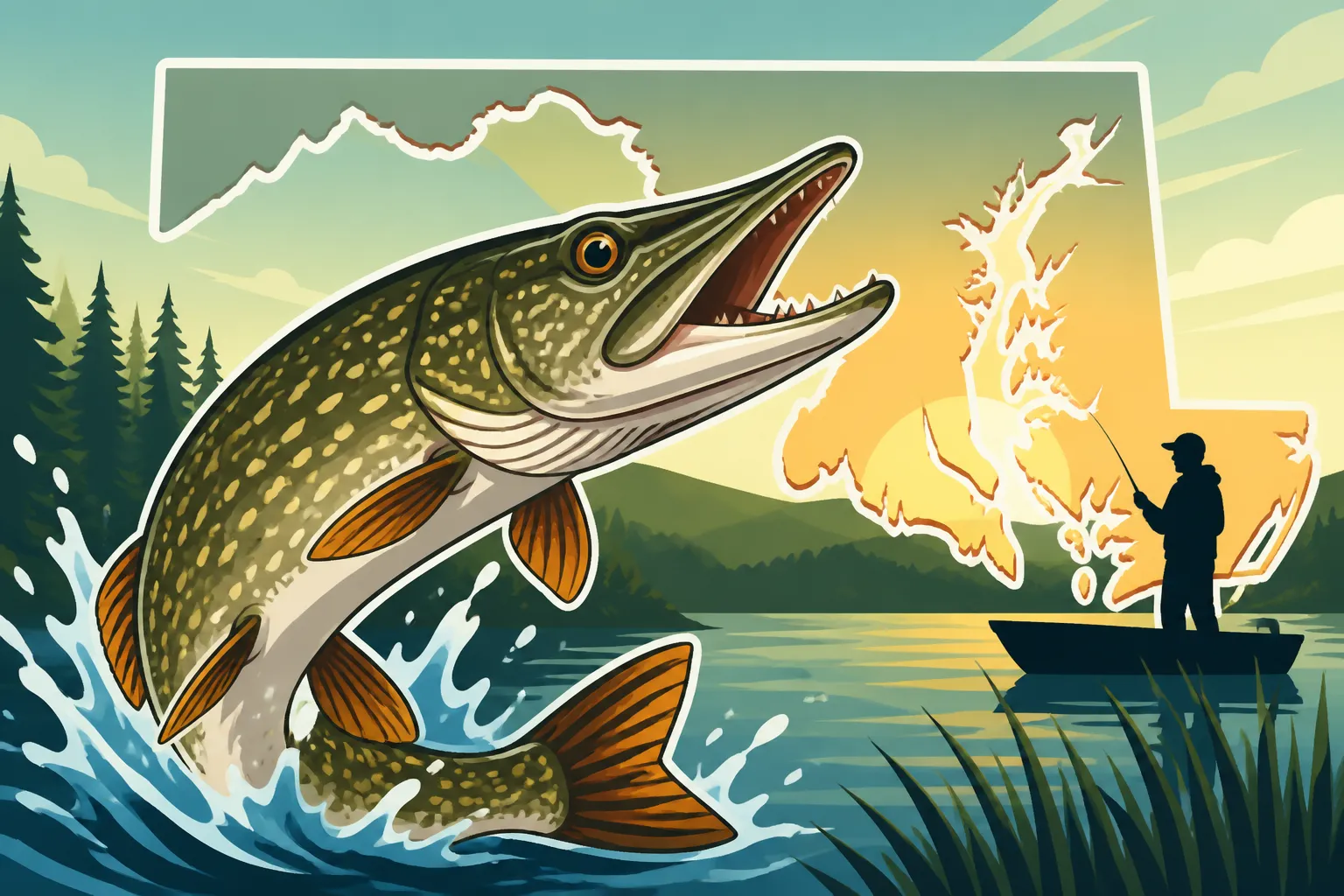
Northern Pike in Maryland’s Western Waters
Finding elusive Northern Pike in Maryland's western waters can feel like searching for a needle in a haystack for many anglers, especially if you're more accustomed to the Bay's striped bass or the smaller bass in our reservoirs. This guide aims to pull back the curtain on these powerful, toothy predators, offering you a comprehensive look at where to find them, how to approach them, and what gear you'll need to successfully target Northern Pike in the beautiful, rugged landscapes of Western Maryland.
Understanding Northern Pike: The Fish Itself
Northern Pike are a fascinating species, often more associated with the colder, vast lakes of the upper Midwest and Canada than the Mid-Atlantic. But they do exist in Maryland, primarily in the western reaches, offering a unique and exciting challenge for anglers looking for something different. These fish are aggressive, opportunistic predators with a distinctive look and a fight that can truly test your tackle and your resolve.
Identifying Northern Pike in Maryland
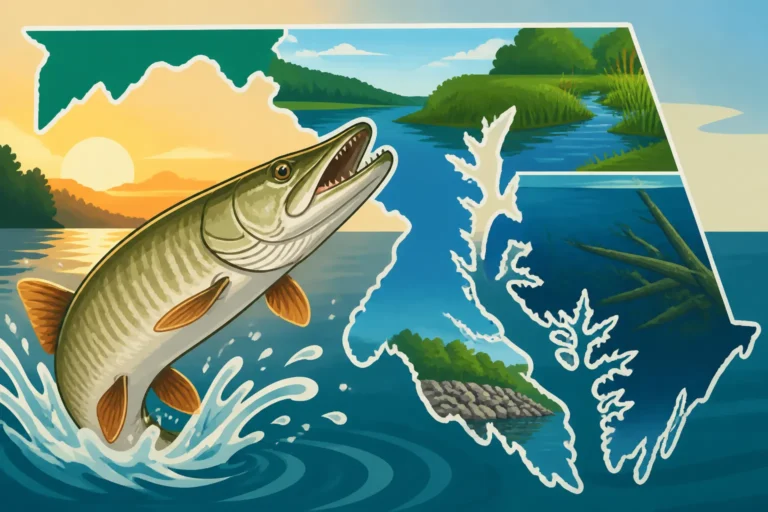
When you hook into something that feels like a freight train, you'll want to be sure it's a pike! Northern Pike are unmistakable once you know what to look for. They have a long, cylindrical body, a duckbill-shaped snout, and a mouth full of razor-sharp teeth. Their coloration is typically dark green to olive green on the back, fading to lighter shades on the sides with distinctive bean-shaped, light spots arranged in horizontal rows. Their fins, especially the caudal (tail) fin, are often reddish or mottled with dark spots, adding to their striking appearance. How Big Do Northern Pike Get in Maryland? covers more about their potential size, but trust me, even a smaller one feels mighty.
One common mix-up can be with Chain Pickerel, which also have long bodies and sharp teeth. However, Chain Pickerel generally have a dark, chain-like pattern on a lighter background, whereas pike have light spots on a darker background. Plus, pike tend to grow significantly larger than pickerel, especially in prime habitats. Pay attention to the scales on the gill cover and cheek: pike have scales only on the upper half of their gill cover and full scales on their cheeks, while pickerel have full scales on both.
Pike Habitat and Behavior in Maryland
Northern Pike are ambush predators, and their body shape is perfectly designed for it. They love to lurk in thick weed beds, submerged timber, or along sharp drop-offs, waiting to dart out and ambush unsuspecting prey. In Maryland's western waters, this means seeking them out in areas with plenty of cover, often in cooler, well-oxygenated sections of larger lakes or slower-moving river stretches. They prefer clear to moderately turbid water, where their camouflage can be most effective.
Their diet is varied and includes smaller fish like yellow perch, sunfish, and even juvenile walleye, but they won't hesitate to strike at frogs, ducks, or even small mammals if the opportunity arises. This aggressive, opportunistic nature is what makes them such an exciting target for anglers. Understanding their preference for cover and their feeding habits is key to pinpointing their locations and presenting the right bait or lure. They are often most active during cooler parts of the day or year, though they can be caught year-round, even through the ice in winter.
Where to Find Northern Pike in Maryland's Western Waters
While Northern Pike aren't as widespread as bass or panfish in Maryland, there are specific spots in the western part of the state where they thrive and offer fantastic fishing opportunities. These waters provide the cooler temperatures and ample cover that pike need to grow large and healthy.
Deep Creek Lake: Maryland's Pike Stronghold
Without a doubt, Deep Creek Lake in Garrett County is the premier destination for Northern Pike fishing in Maryland. This large, freshwater lake offers everything a pike could want: extensive weed beds, deep cool water, and a healthy forage base. Anglers have reported catching some truly impressive specimens here, making it a bucket-list destination for anyone serious about pike.
When targeting pike in Deep Creek Lake, focus your efforts on the extensive milfoil beds and other aquatic vegetation that line the coves and shallower flats, especially those adjacent to deeper water. Pike will often position themselves at the edges of these weed lines, ready to ambush anything that swims by. Early mornings and late evenings are prime times, as the pike become more active in low light conditions. You might also find them around submerged timber or artificial structures like docks, particularly during the cooler months. Deep Creek Lake Fishing Guide provides a broader overview of fishing this fantastic lake.
Other Potential Western Maryland Pike Waters
While Deep Creek Lake is the star, there are other less-known or less-frequently-fished spots in Western Maryland where pike might turn up. These typically include other large impoundments or slower sections of rivers that connect to areas where pike have been established. It's always a good idea to check with local bait shops or the Maryland Department of Natural Resources for the most current information on pike presence in specific waterways.
Rivers such as the Upper Potomac or reservoirs that feed into it sometimes report incidental catches of pike, especially in areas with slow-moving water and plenty of cover. However, these occurrences are often less consistent than in Deep Creek Lake. Always research specific regulations for any body of water you plan to fish, as rules can vary. The thrill of exploring a new piece of water and finding a hidden gem is part of the adventure, and who knows, you might just stumble upon your own secret pike spot! If you're wondering Where Do Northern Pike Live in Maryland?, beyond Deep Creek, these other western waters are your best bet for a surprise encounter.
Best Techniques for Catching Northern Pike
Catching a Northern Pike is an exhilarating experience, thanks to their aggressive strikes and powerful fights. To maximize your chances, you'll want to employ specific techniques that cater to their predatory nature.
Lure Fishing for Active Pike
Pike are suckers for a well-presented lure. Their aggressive nature means they often strike with ferocity, making lure fishing incredibly exciting. When choosing lures, think about motion, flash, and vibration. Large spoons, like those from Johnson Silver Minnow or Daredevle, are classic pike getters, fluttering enticingly on the retrieve. Spinners, especially larger inline models with bright blades, create a lot of flash and vibration that can call pike in from a distance.
Crankbaits and jerkbaits, particularly those that mimic common baitfish like perch or shad, are also highly effective. Choose models that dive to the depth where you expect pike to be lurking, often near weed lines or drop-offs. For topwater action, especially during warmer months or in low-light conditions, large walking baits or poppers can elicit explosive strikes. Remember, pike often hold close to cover, so casting accurately to the edges of weed beds, lily pads, or submerged timber is crucial. Vary your retrieve speed and incorporate pauses to make your lure appear injured and irresistible. Best Lures for Pike at Deep Creek Lake offers more specific recommendations.
Live and Dead Bait Rigs for Less Active Pike
While lures are fantastic for active pike, sometimes the fish are less willing to chase. This is where live or dead bait can really shine, especially in cooler water or when pike are holding tight to cover. Large shiners, suckers, or even substantial chunks of cut bait (like the belly of a perch or a large minnow) are excellent choices.
For live bait, a simple float rig with the bait suspended just above weed tops or structure can be incredibly effective. Make sure your hook is strong and sharp, and consider using a quick-strike rig to minimize deep hooking. For dead bait, particularly in colder water, a bottom rig or a slightly weighted float rig can work wonders. Pike are scavengers too, and a stationary, easy meal can be very appealing. When using bait, it's critical to use a strong leader, as those sharp teeth will make short work of monofilament or fluorocarbon main lines. Speaking of leaders, many anglers find great options for pre-tied leaders on Amazon, or you can buy the components to tie your own.
Gear Up for Pike Fishing
Successfully landing a Northern Pike requires specialized tackle that can withstand their powerful runs and razor-sharp teeth. Don't go into pike country with ultralight gear unless you enjoy losing fish and tackle.
Rods, Reels, and Line
For pike, you'll want a medium-heavy to heavy-action rod, typically 6 to 8 feet long. This rod power provides the backbone needed to cast larger lures and to absorb the shock of a pike's initial strike and subsequent head shakes. A fast action tip is beneficial for quick hook sets. Spinning rods are popular for their versatility, but baitcasting setups offer more power and control for heavier baits.
Pair your rod with a sturdy reel, whether it's a size 3000-5000 spinning reel or a robust baitcasting reel. The reel needs a strong drag system and enough line capacity to handle a long run. For line, braided line in the 30-50 lb test range is a top choice. Its low stretch offers excellent sensitivity and hook-setting power, and its strength is invaluable when battling a big fish near heavy cover. If you prefer mono or fluorocarbon, step up to at least 15-20 lb test, but be aware of the stretch. You can find quality braided lines from brands like PowerPro or Berkley on Amazon, offering good value and performance.
Leaders and Essential Tools
This is arguably the most critical component of pike fishing: a strong leader. Northern Pike have hundreds of needle-sharp teeth that can sever standard fishing line in an instant. A steel leader or a heavy fluorocarbon leader (60-100 lb test) is absolutely essential. Steel leaders offer the most protection, while heavy fluorocarbon leaders can be less visible, which can be an advantage in clear water. Regardless of your choice, ensure the leader is at least 12-18 inches long to prevent the pike's teeth from reaching your main line.
Beyond leaders, a few essential tools will make your pike fishing safer and more enjoyable:
- Long-nosed pliers or jaw spreaders: These are non-negotiable for safely removing hooks from a pike's mouth, protecting both you and the fish.
- Wire cutters: Useful if a hook is too deeply embedded or you need to cut a snelled hook from a leader for safe release.
- Landing net or Boga Grip-style lip gripper: A large, rubberized landing net is ideal for safely scooping a pike, especially if you plan to release it. A lip gripper can also be useful for controlling a fish at boatside, but always be mindful of the pike's thrashing. You can usually find a good selection of these safety tools on Amazon.
Regulations and Conservation for Northern Pike
Responsible angling means understanding and adhering to local regulations. For Northern Pike in Maryland, specific rules are in place to manage the population and ensure sustainable fishing opportunities. Always consult the current Maryland Fishing Size and Catch Limits by Species and the Maryland Department of Natural Resources (DNR) guide before heading out.
Maryland's Pike Regulations
While regulations can change, typically Northern Pike in Maryland have specific size and creel limits. For instance, there might be a minimum size limit, meaning any pike caught under that length must be immediately released. There will also be a daily creel limit, dictating how many pike you can legally keep in a single day. These regulations are designed to protect the pike population, particularly the larger breeding fish, and ensure that enough fish remain to reproduce and maintain a healthy fishery.
It's not just about what you keep; it's also about how you fish. In some areas, or for certain species, there might be specific gear restrictions. Always double-check for any special provisions for Deep Creek Lake or other Western Maryland waters you plan to fish. Remember, ignorance of the law is not an excuse, and violations can lead to significant fines. A valid Maryland Fishing License Guide for 2026 is also a must for all anglers.
Practicing Catch and Release with Pike
Many pike anglers, especially those targeting trophy-sized fish, practice catch and release. Pike are resilient fish, but proper handling is crucial for their survival after release. Here are some tips:
- Minimize fight time: Use appropriate tackle to bring the fish in as quickly as possible without overstressing it.
- Handle with care: Keep the fish in the water as much as possible. If you must remove it, support its entire body horizontally. Avoid holding it vertically by the jaw or gill plates.
- Quick hook removal: Use your long-nosed pliers or jaw spreaders to remove the hook swiftly. If the fish is deeply hooked, consider cutting the line as close to the hook as possible rather than tearing at its gills or gut.
- Revive properly: Hold the fish gently in the water, facing into the current, until it regains its strength and can swim away on its own.
By following these practices, you help ensure that these magnificent predators can continue to thrive in Maryland's western waters, offering excitement for future generations of anglers.
Pike Fishing by Season in Western Maryland
The changing seasons bring different challenges and opportunities for targeting Northern Pike in Western Maryland. Understanding how pike behavior shifts with water temperature and weather patterns can significantly improve your success.
Spring and Fall: Prime Pike Seasons
Many anglers consider spring and fall the prime seasons for Northern Pike in Maryland. In spring, as ice melts and water temperatures begin to rise, pike become very active, feeding heavily after a long winter. They often move into shallower areas to spawn, and after spawning, they're hungry and aggressive, making them excellent targets. Look for them in areas where water warms first, like shallow coves with dark bottoms.
Fall is another fantastic time, perhaps even better for larger fish. As water temperatures cool down, pike go on a feeding frenzy, bulking up for winter. They'll often be found near deeper weed lines, ambush points, or drop-offs, actively pursuing baitfish. The cooler temperatures also mean pike are often more aggressive and put up a stronger fight. Using larger lures that mimic declining baitfish can be particularly effective during this period.
Summer and Winter Pike Challenges
Summer pike fishing can be more challenging but still rewarding. As water temperatures rise, pike often retreat to deeper, cooler water, or seek refuge in the densest weed beds where oxygen levels are higher. This means you might need to adjust your techniques, perhaps fishing deeper with spoons or jigs, or targeting shaded areas during the low-light hours of dawn and dusk. Early morning topwater bites can be explosive if you find them in shallower feeding areas before the sun gets too high.
Winter offers a unique opportunity for Ice Fishing at Deep Creek Lake, Maryland. Once safe ice forms, pike can be targeted through the ice using tip-ups with live or dead bait, or by jigging with large spoons or specialized ice fishing lures. Pike remain active under the ice, and the clear, cold water can make for some incredible battles. Always prioritize safety when ice fishing, checking ice thickness regularly and being aware of changing conditions.
Planning Your Western Maryland Pike Adventure
Embarking on a Northern Pike fishing trip to Western Maryland requires a bit of planning, but the rewards are well worth it. From understanding the specific nuances of the fishery to ensuring you have the right gear, preparation is key.
Essential Information and Resources
Before you head out, gather as much current information as possible. The Maryland Department of Natural Resources (DNR) website is an invaluable resource for current regulations, stocking reports, and access points. Local bait and tackle shops around Deep Creek Lake are also goldmines of information, offering real-time insights into what's biting, where, and on what. Don't be shy about asking for advice; local knowledge is often the best knowledge.
Consider reviewing maps of the target lake or river. Detailed contour maps can help you identify key structures like drop-offs, humps, and deep channels where pike might be holding. Navionics or similar apps can be incredibly useful on the water for pinpointing these areas. Having a good understanding of the topography before you even cast a line can significantly increase your chances of success.
Consider a Local Guide
If you're new to pike fishing, or new to Deep Creek Lake, consider hiring a local fishing guide. A guide can provide invaluable expertise, putting you on fish quickly and teaching you the nuances of pike behavior and effective techniques in that specific body of water. They'll also know the most up-to-date regulations and best practices for ethical angling.
Many excellent guides operate in the Deep Creek Lake area who specialize in species like walleye, bass, and pike. They have the gear, the boat, and the experience to make your trip a memorable one. While an investment, a guided trip can save you hours of trial and error and provide a steep learning curve. Deep Creek Lake Guide Services for Walleye in Maryland often also know a thing or two about chasing pike, so don't hesitate to ask!
| Pike Fishing Season | Typical Behavior & Location | Recommended Techniques |
|---|---|---|
| Spring | Active, pre-spawn & post-spawn, often shallower | Large spoons, crankbaits, jerkbaits, live bait under floats |
| Summer | Deeper, in dense weed beds, more nocturnal | Deep-diving crankbaits, jigs, slow-trolled bait, early morning topwater |
| Fall | Highly active, feeding heavily, ambushing | Large swimbaits, jerkbaits, spoons, large live/dead bait |
| Winter | Less active but still feeding under ice | Tip-ups with large live/dead bait, vertical jigging with heavy spoons |
Disclaimer
This article is for general informational purposes only and does not constitute professional advice. Laws, prices and regulations vary by location and change over time. Consult a qualified professional for guidance on your specific situation.