Best Time for Upper Bay Yellow Perch Fishing
Figuring out the absolute best time to target yellow perch in Maryland's Upper Chesapeake Bay can feel like trying to solve a puzzle, especially with all the variables like weather, water temperature, and tides. It's frustrating to head out with high hopes only to find the fish are nowhere to be found. This guide is here to untangle that mystery, giving you the insider knowledge to pinpoint those golden windows of opportunity for successful yellow perch fishing in the Upper Bay.
Understanding Yellow Perch Behavior in the Upper Bay
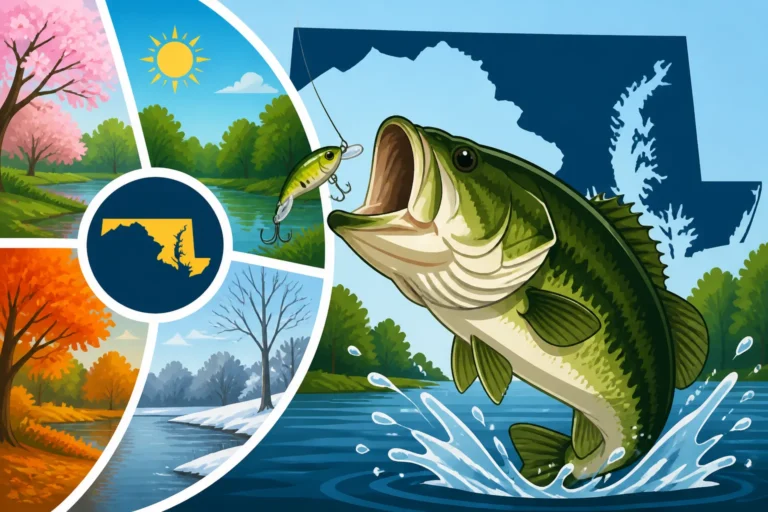
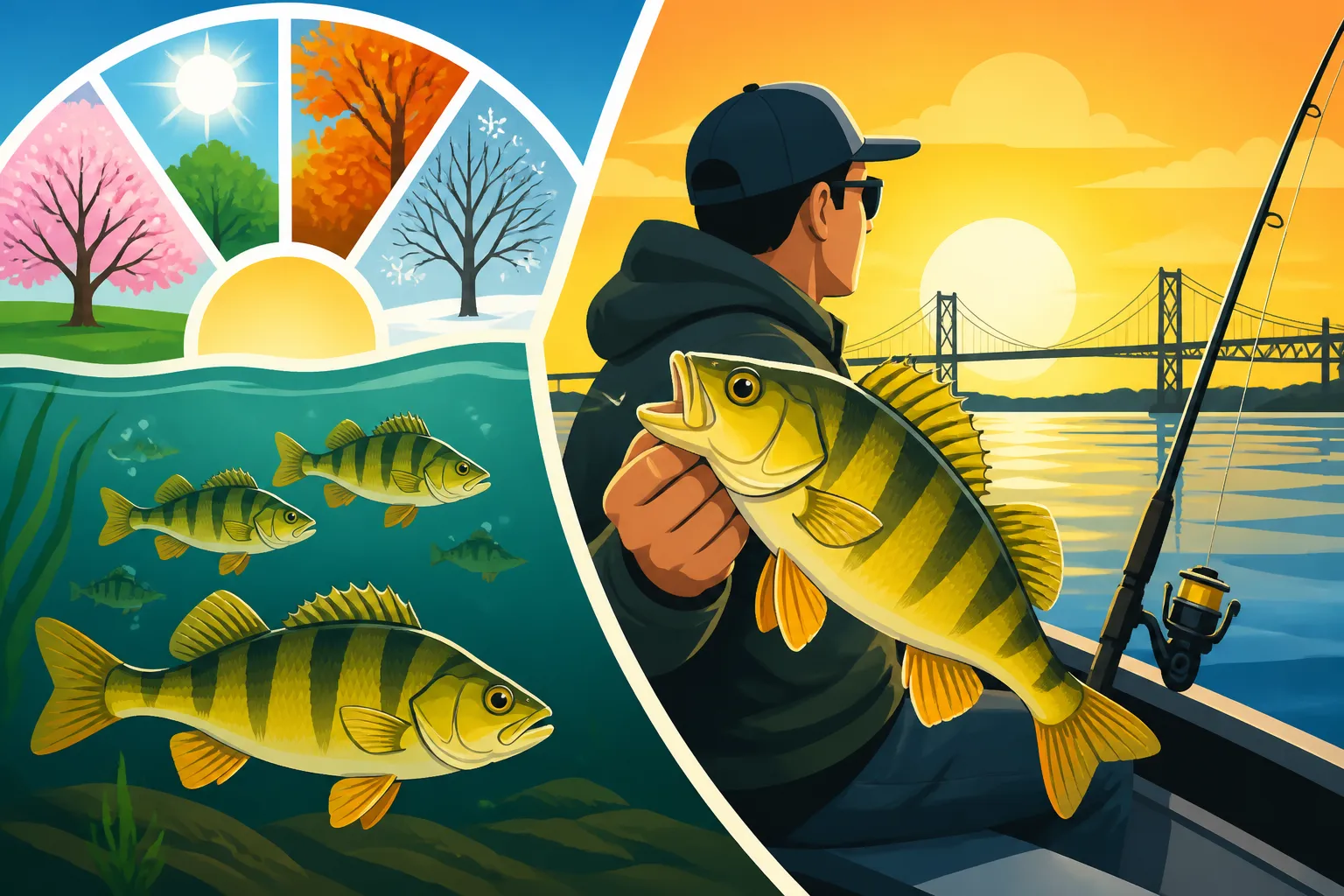
Yellow perch are a true treasure of the Upper Chesapeake Bay, offering fantastic light-tackle action and delicious table fare. But they aren't always in the same places, doing the same things. Their behavior is largely dictated by the seasons, especially around their spawning cycle. Knowing their annual rhythms is the first step to consistently finding them.
The Annual Spawn: Nature's Schedule
When we talk about the "best" time for yellow perch, more often than not, we're really talking about their annual spawning run. This is when they move out of the deeper main Bay channels and into the shallower, freshwater tributaries to reproduce. The timing of this migration is heavily influenced by water temperature, making it a bit of a moving target each year, but generally, you're looking at late winter into early spring.
As the days start to lengthen and the ice retreats, usually from late February through March and sometimes into early April, the water in the smaller rivers and creeks like the Bush, Gunpowder, Magothy, and Sassafras begins to warm. When the water temperature consistently hits that sweet spot, typically between 45 and 50 degrees Fahrenheit, it's like a signal going off for the perch. They'll stage in deeper pockets just outside the spawning grounds, feeding aggressively to build up energy for the big event. Then, when conditions are just right, they make their move en masse. This is when the fishing can be truly incredible, with large schools of yellow perch concentrated in easily accessible areas. You'll often find them clinging to submerged structure, like fallen trees or rocky bottoms, waiting for the perfect moment. Many anglers specifically target these runs, and if you want to know more about this specific phenomenon, check out our guide on Yellow Perch Runs in Maryland's Upper Chesapeake Bay.
Seasonal Movements Beyond Spawning
While the spring spawn gets a lot of the glory, yellow perch are available in the Upper Bay year-round, you just have to adjust your tactics and locations. After the spawn, they begin to disperse and settle into their warm-weather patterns, then shift again as temperatures drop in the fall and winter.
During the warmer summer months, typically from late May through August, yellow perch retreat from the very shallowest waters. They'll seek refuge in cooler, deeper areas of the Bay and its larger tributaries. Think about locations with a good amount of depth, structure like oyster beds, channel edges, or even deeper piers that extend into the main channel. They're still feeding, but they're not as concentrated as during the spawn. You might find them schooling up in specific areas where baitfish are plentiful, often suspended over structure or along drop-offs. The bite can be more subtle, and you might have to work a bit harder to find them, often requiring more patience and a good fish finder.
As autumn approaches, from September through November, the water temperatures begin to drop again, and the yellow perch start to become more active. This is another fantastic time to target them, though perhaps less celebrated than the spring spawn. They'll start to school up again, feeding heavily to prepare for winter. You'll find them moving into slightly shallower water than in summer, often along channel edges and ledges in the main stem of the Upper Bay and the mouths of tributaries. They're still opportunistic feeders, so a variety of baits and lures can be effective as they pack on the calories.
In winter, once the water gets truly cold, yellow perch become less active but are still catchable. If you're hardy enough to brave the elements, you might find them in deeper holes and channels. In areas where the ice is safe, such as sheltered coves or parts of the Susquehanna Flats, ice fishing for yellow perch can be a thrilling experience. They'll be sluggish, but if you drop a bait right in front of them, they're often willing to take it. Understanding their movements throughout the year is key, because while the spring is prime, it's certainly not the only time to find these tasty fish. If you're wondering how they compare to another local favorite, our article on White Perch vs Yellow Perch in Maryland, What's the Difference offers a good overview.
Key Environmental Factors Influencing Perch Activity
Yellow perch are sensitive to their environment. Beyond the general seasonal shifts, specific conditions on any given day can make or break your fishing trip. Paying attention to these factors will significantly improve your chances of success.
Water Temperature: The Ultimate Decider
I cannot stress this enough: water temperature is paramount when fishing for yellow perch. It's the primary trigger for their spawning migration and dictates their metabolic rate and feeding activity throughout the year. As mentioned, the 45-50 degree Fahrenheit range is critical for the spring spawn. If it's too cold, they'll hold back in deeper water, waiting for things to warm up. If there's a sudden cold snap after they've started to move, it can shut down the bite almost completely.
Outside of the spawn, warmer water in the summer generally means perch will be seeking cooler, deeper refuges. Conversely, as the water cools in the fall, they'll become more active and start moving into shallower areas again to feed. Carrying a reliable water thermometer, like one you might find on Amazon, is one of the best investments an Upper Bay perch angler can make. It takes the guesswork out of determining if the conditions are right. Don't just rely on air temperature; the water holds heat differently. Even a few degrees can make a huge difference in fish activity, especially in those crucial pre-spawn weeks.
Tides and Currents: Bay Dynamics
The Chesapeake Bay is a tidal estuary, and understanding the ebb and flow of its waters is crucial for finding feeding fish. Yellow perch, like many other species, use tidal currents to their advantage. Moving water helps to dislodge baitfish, shrimp, and other invertebrates from the bottom, carrying food right to the perch. This means that periods of strong current – typically during the peak of an incoming or outgoing tide – are often the most productive.
During the spring spawning run, an incoming tide can push warmer, slightly saltier water further up into the creeks, which can sometimes slow the bite if the perch prefer cooler, fresher conditions. However, a strong outgoing tide might flush bait out of the creeks, concentrating it at the mouths where perch are staging. In the main Bay during summer and fall, targeting structure like channel edges, oyster reefs, or bridge pilings during peak current can be incredibly effective, as perch will often position themselves to ambush bait being swept past. Conversely, slack tide periods (the brief pause between incoming and outgoing) often see a slowdown in feeding activity, though sometimes a subtle presentation can still entice a bite. Each tributary and area of the Bay can have slightly different tidal patterns, so observing local conditions or consulting a tide chart for your specific fishing location is a smart move. Our comprehensive guide on How Tides Affect Fishing in Maryland's Chesapeake Bay delves deeper into this topic.
Weather Patterns: From Sunny Days to Cold Fronts
Beyond temperature and tides, the general weather conditions can also play a significant role. Bright, sunny days with clear skies can sometimes push yellow perch deeper or make them more wary, especially in shallower water. Overcast days, or even light rain, often provide excellent fishing conditions as the diffused light makes the fish feel more secure and encourages them to feed more actively.
Watch out for sudden changes in weather, like a strong cold front moving through. While the actual water temperature might not drop immediately, the atmospheric pressure change can make fish sluggish and less willing to bite for a day or two. Conversely, a prolonged period of stable weather, even if it's cold, often leads to more consistent fishing. Wind can also be a factor, creating chop that breaks up the surface and can make fish less wary, but too much wind can make boat control and casting difficult. In the spring, a few consecutive warm, sunny days after a cold spell can rapidly warm up those shallow creeks and get the perch moving. For a general overview of seasonal opportunities, you might want to read our article on the Best Time of Year to Fish in Maryland.
Best Times & Techniques for Each Prime Window
So, armed with the knowledge of perch behavior and environmental factors, let's break down the prime windows and how to make the most of them.
Spring Frenzy: Pre-Spawn and Spawn
This is it, the time that most Upper Bay anglers eagerly await. The spring yellow perch run is legendary for a reason. As mentioned, this typically kicks off in late February and can run strong through March, sometimes into early April, depending entirely on water temperatures. The prime locations are the upper reaches of freshwater tributaries leading into the Upper Bay, such as the Bush River, Magothy River, Sassafras River, Chester River, and the various creeks feeding into the Susquehanna Flats area. These are the "highways" the perch use to reach their spawning grounds. If you're wondering Where Do Yellow Perch Spawn in the Upper Bay, these tributary mouths and shallow, vegetated areas are key.
During the pre-spawn phase, you'll find yellow perch staging in slightly deeper holes at the mouths of these creeks. They're feeding aggressively to bulk up, so almost any small bait or lure presented enticingly will get a strike. Once the water hits that magic 45-50 degree mark, they'll push far up into the shallowest sections, sometimes so far upstream that you're fishing in tiny trickles of water. Here, they're focused on spawning, but they'll still bite.
For bait, live grass shrimp are absolute dynamite and often outperform everything else. Bloodworms are another excellent choice. If using artificials, small jigs (1/16 to 1/8 ounce) tipped with a tiny plastic grub (like a Mister Twister or Gulp! minnow imitation) in chartreuse, white, or pumpkinseed colors are incredibly effective. Small spinners or tiny spoons can also work well, especially for actively feeding fish. The technique is often simple: cast upstream and retrieve slowly, bouncing your bait along the bottom. You can also fish baits under a bobber in slower-moving pools. A light action rod with 4-6 lb test line is perfect for feeling those subtle bites.
Fall Feast: Aggressive Feeding
While the spring spawn is about reproduction, the fall period, generally from September through November, is all about eating. Yellow perch are schooling up again, migrating back towards the main Bay from their summer haunts, and fattening up for the lean winter months. This can be an incredibly productive time, especially if you enjoy fishing with a bit less competition than the spring spawn.
You'll typically find these fall schools along channel edges, humps, and drop-offs in the larger tributaries and the main stem of the Upper Bay itself. Good spots might include the main channel of the Patapsco River, the deeper sections of the Magothy, or the edges of the shipping channels around the mouth of the Susquehanna. They'll often be in 10-25 feet of water, though they can push shallower on overcast days or during peak feeding times.
For bait, live minnows (small fatheads or shiners) are king. Present them on a simple bottom rig or a small jig head. Worms, particularly nightcrawlers cut into pieces, can also be effective. On the artificial side, blade baits (like a Silver Buddy or Cicada), small metal jigs, and larger soft plastic swimbaits on jig heads are excellent for imitating baitfish. These lures allow you to cover water and target actively schooling fish. Jigging them vertically over structure or casting them out and retrieving with a lift-and-drop motion can be very productive. Look for bird activity, as diving birds often indicate schools of baitfish, and where there's bait, there are usually perch. If you're geared up with a good selection of jigs and blades, perhaps from Amazon, you'll be well-prepared.
Winter Opportunities: Ice Fishing and Deep Water
For the truly dedicated angler, winter (December through February) offers another chance to catch yellow perch. While ice fishing is dependent on safe ice conditions, it can be a unique and rewarding experience in parts of the Upper Bay. The Susquehanna Flats, in particular, can offer good ice fishing opportunities for yellow perch when the ice is thick enough. However, always prioritize safety and check local ice reports. Never venture onto ice alone, and always have appropriate safety gear.
When ice fishing, you'll want to focus on holes, depressions, and structure in shallower coves or protected areas. Tiny ice jigs tipped with a wax worm, minnow head, or a small piece of shrimp are excellent. A sensitive ice rod is crucial for detecting those light winter bites.
Even without ice, yellow perch can be found in the deepest sections of the Upper Bay and its tributaries during winter. They'll often congregate in large schools in the deepest channels, seeking stable temperatures. Fishing vertical jigs, blade baits, or live minnows on a bottom rig directly below the boat in these deep holes is the way to go. You'll need a good fish finder to locate these schools, as they can be tightly packed but very localized. It's a game of patience, but when you find them, you can have a banner day.
Here's a quick reference table to help you plan your yellow perch excursions in the Upper Chesapeake Bay:
| Season | General Timing | Prime Locations | Preferred Water Temp | Top Baits/Lures | Key Techniques | Notes |
|---|---|---|---|---|---|---|
| Spring | Late Feb – Early April | Upper reaches of freshwater tributaries | 45-50°F | Grass shrimp, bloodworms, small jigs, spinners | Slow retrieve, bouncing bottom, light tackle | THE spawning run, highly concentrated fish |
| Summer | Late May – August | Deeper channels, oyster beds, structure | 65-80°F | Live minnows, worms, small jigs | Locate schools on sonar, vertical jigging, bottom rigs | Fish are dispersed, seek cooler water |
| Fall | Sept – Nov | Channel edges, humps, tributary mouths | 50-65°F | Live minnows, worms, blade baits, jigs | Vertical jigging, casting/retrieving, targeting schools | Aggressive feeding, preparing for winter |
| Winter | Dec – Feb | Deep holes, main channels, ice fishing coves | Below 45°F | Tiny ice jigs, minnow heads, live minnows | Vertical jigging, sensitive rods, ice fishing | Slower bite, often tightly schooled, ice safety critical |
Remember that fishing licenses are required for most anglers. If you're confused about the different types, our Maryland Nontidal vs Tidal Fishing License, Explained article can clarify things. For general regulations, especially concerning specific species like yellow perch, it's always a good idea to check out the full Maryland Fishing License Guide for 2026. Having a valid license and understanding the rules is just as important as knowing when and where to fish.
No matter the season, a successful yellow perch trip to the Upper Bay comes down to preparation and adaptability. By understanding their seasonal patterns, watching those critical water temperatures, paying attention to the tides, and having the right gear, you'll dramatically increase your chances of finding and catching these fantastic fish. Tight lines!
Disclaimer
This article is for general informational purposes only and does not constitute professional advice. Laws, prices and regulations vary by location and change over time. Consult a qualified professional for guidance on your specific situation.