Fishing Triadelphia Reservoir
Oh, the Triadelphia Reservoir! It's one of those spots in central Maryland that calls to anglers with its quiet beauty and reputation for some truly fantastic fishing, especially if you're chasing after chunky largemouth bass or schools of crappie. But let's be real, navigating the specific rules and regulations of a drinking water reservoir can feel a bit like trying to solve a puzzle before you even cast a line. This guide is here to untangle all that, giving you the insider scoop on how to make the most of your fishing trip to Triadelphia, from the best spots and times to fish, to understanding those all-important permits.
Discovering Triadelphia Reservoir: A Freshwater Gem
Triadelphia Reservoir, along with its sister reservoir, Rocky Gorge (or Brighton Dam/T. Howard Duckett Reservoir), serves as a vital drinking water supply for a significant portion of Montgomery and Prince George's counties, managed by the Washington Suburban Sanitary Commission (WSSC). Because of its role in providing potable water, fishing here comes with a unique set of guidelines that differ from your average lake or river. It's not just about having a Maryland Fishing License Guide for 2026; you need to understand the WSSC's specific permit system too. But don't let that deter you; the rewards are absolutely worth it. The reservoir offers a stunning backdrop of rolling hills and mature forests, making for a peaceful day on the water, far removed from the hustle and bustle of city life.
Reservoir Specifics and Angler Requirements
Triadelphia is a substantial body of water, covering about 800 acres with nearly 30 miles of shoreline. Its depth can reach over 100 feet in certain areas, providing diverse habitats for a variety of fish species. The regulations set forth by WSSC are primarily aimed at protecting the water quality, but they also dictate how and where anglers can access the reservoir. For instance, only electric motors are allowed on boats, and gas motors must be trimmed up out of the water. This emphasis on quiet, low-impact recreation really helps maintain the serene environment.
To fish here, you'll need two things: a valid Maryland fishing license (a Maryland Nontidal vs Tidal Fishing License, Explained will clarify which one you need, but for Triadelphia, it's nontidal) and a WSSC watershed use permit. This permit is crucial and often catches newcomers off guard. You can typically purchase these permits online through the WSSC website or at designated vendors. It’s important to remember that these permits are issued annually and are separate from your state fishing license. Knowing this upfront saves you the frustration of showing up ready to fish, only to find you're missing a key piece of paper. You can also learn more about Maryland's DNR Fishing and Boating Guide, Explained for a broader understanding of state regulations.
The Prize: Key Fish Species in Triadelphia
Triadelphia Reservoir boasts a healthy population of popular freshwater game fish. If you're wondering what you might reel in, here are the main contenders:
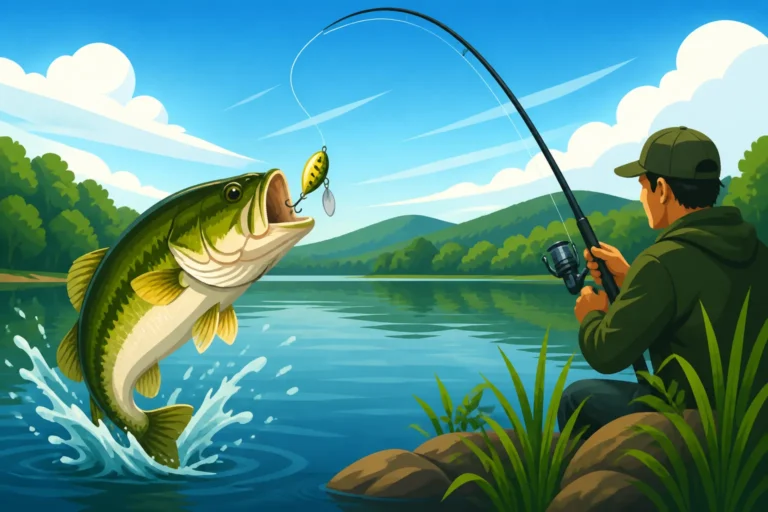
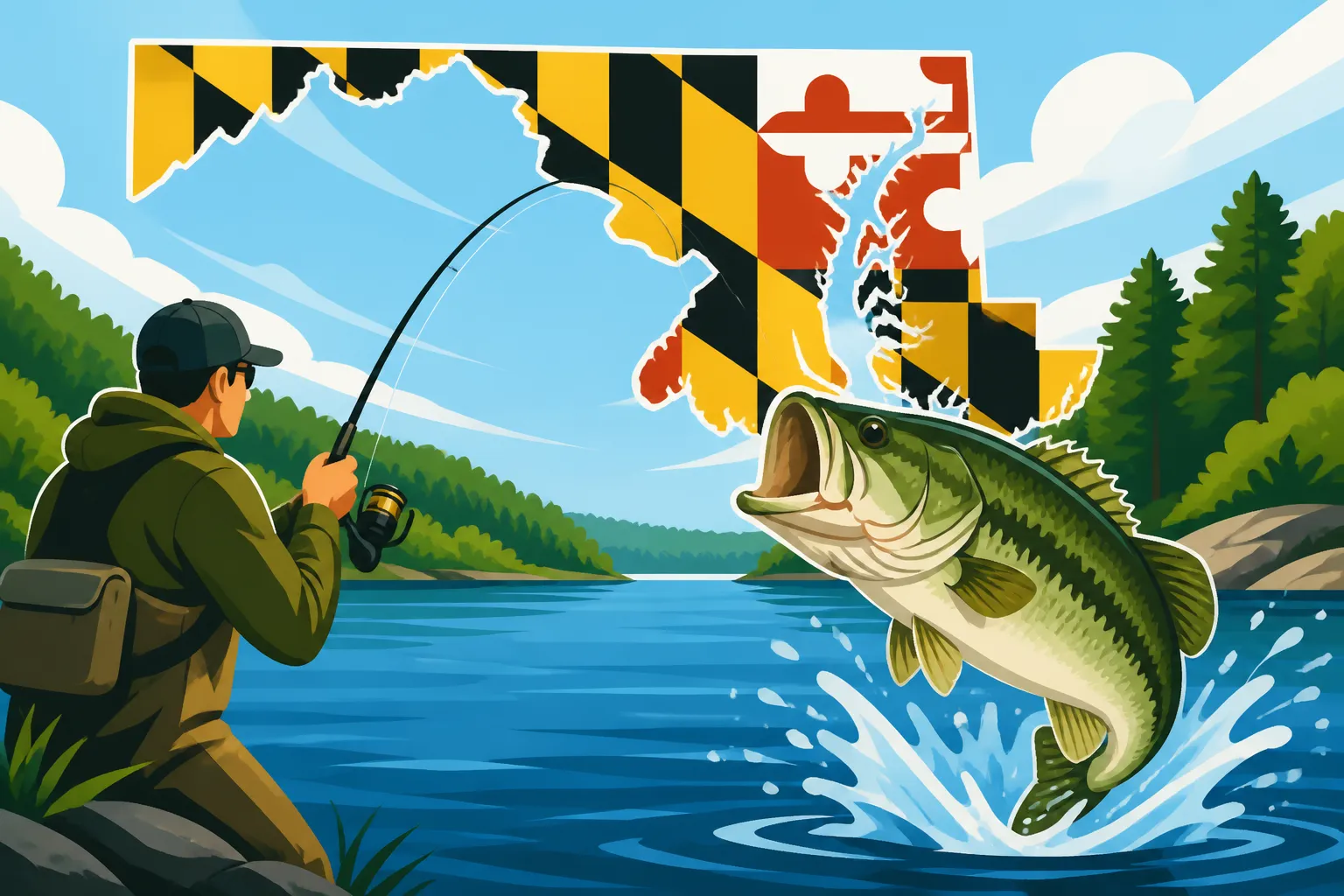
- Largemouth Bass: These are the kings of Triadelphia. The reservoir is known for producing some impressive largemouths, with fish often reaching respectable sizes. They love the various submerged structures, coves, and points.
- Smallmouth Bass: While less dominant than largemouths, smallmouth bass can be found, particularly in areas with rockier bottoms or deeper, cooler waters.
- Black Crappie: Triadelphia is an excellent crappie fishery, especially in spring and fall. Anglers often find large schools, making for fast and exciting action.
- Panfish: Bluegill, sunfish, and yellow perch are abundant, providing great fun for anglers of all ages and skill levels, and they're fantastic table fare.
- Catfish: Channel catfish are also present, offering a different kind of angling challenge, especially for those who enjoy bottom fishing.
- Walleye: Though not as common as in some other Maryland lakes, Triadelphia does have a walleye population. Catching one is often considered a trophy here, requiring specialized techniques and a bit of luck.
Understanding the Maryland Fishing Size and Catch Limits by Species for each of these will be crucial, as regulations can change. Always check the most current guide before heading out.
Timing Your Trip: When and Where to Find Success
Fishing Triadelphia isn't just about showing up; it's about understanding the seasonal movements of the fish and knowing which areas to target. Like any body of water, fish behavior changes dramatically with the seasons, water temperature, and forage availability.
Seasonal Strategies for Triadelphia Anglers
- Spring (March – May): This is arguably one of the best times to fish Triadelphia. As water temperatures rise, fish become incredibly active.
- Crappie: In early spring, crappie move into shallower coves and creek arms to spawn. Look for them around submerged brush, fallen trees, and docks in water 3-10 feet deep. Small jigs, minnows, and spinnerbaits are incredibly effective.
- Largemouth Bass: Bass also move shallow for their pre-spawn and spawning phases. Target points, coves with emerging vegetation, and areas with warming water. Largemouth Bass Fishing in Maryland is at its peak with crankbaits, spinnerbaits, and soft plastics worked slowly along the bottom or through cover.
- Summer (June – August): The heat of summer pushes many fish deeper, seeking cooler, oxygenated water.
- Largemouth Bass: Early morning and late evening topwater action can be fantastic around shady banks and submerged structures. During the day, focus on fishing deeper ledges, humps, and drop-offs with Carolina rigs, deep-diving crankbaits, or shaky head jigs.
- Crappie & Panfish: These species will often school up over deeper structure or along channel edges. Vertical jigging with minnows or small spoons can be very productive.
- Fall (September – November): As temperatures cool, fish enter a feeding frenzy to bulk up for winter, making fall another prime fishing season.
- Largemouth Bass: Bass become very aggressive, chasing baitfish in shallower waters, especially on cloudy days. Crankbaits, jerkbaits, and swimbaits mimicking shad can be killer.
- Crappie: Similar to spring, crappie will move back into shallower coves and channel swings, often schooling tightly. Look for them around structure using jigs and minnows.
- Winter (December – February): While less popular due to cold temperatures, winter fishing can still yield results, particularly for species like yellow perch and even some deeper-holding bass. Focus on the warmest parts of the day and target deep water structures. Note: As a WSSC reservoir, ice fishing is generally prohibited on Triadelphia due to safety concerns and its role as a drinking water source. Always verify current regulations.
You can find more general insights into patterns in Best Time of Year to Fish in Maryland.
Key Fishing Locations and Access Points
Triadelphia Reservoir offers several official access points, which are crucial for any angler planning a visit. The main points are usually around the Brighton Dam and Greenbridge Recreation Area, providing both boat and shore access.
- Brighton Dam Area: This is a popular spot with parking and often a WSSC permit station nearby. It offers good access for shore anglers, particularly below the dam structure itself (which is often restricted, so check signage). The areas near the boat launch at Brighton provide access to deeper water and points that hold bass and crappie.
- Greenbridge Recreation Area: Another key access point, often preferred by those launching smaller boats or kayaks. This area provides access to different sections of the reservoir, including various coves and creek channels that can be extremely productive, especially during spawning seasons.
When looking for fishing spots, consider these types of features:
- Coves and Creek Arms: Especially vital during spring and fall, these shallow, protected areas warm up faster and attract spawning crappie and bass. Look for submerged timber and weed lines.
- Points and Humps: These structures extend into deeper water and act as ambush points for bass year-round. They also serve as transition zones where fish move from shallow to deep water.
- Channel Edges and Drop-offs: In summer and winter, fish will often hold along these deeper contours. Using your electronics to find these submerged features is key.
- Fallen Trees and Brush Piles: Any kind of submerged cover will attract fish. These are prime targets for jigging for crappie or pitching soft plastics for bass.
For an idea of how similar reservoirs are managed and fished, you might look into Fishing Loch Raven Reservoir, which also has specific regulations.
Mastering Techniques and Essential Gear for Triadelphia
Having the right gear and knowing how to use it makes all the difference when fishing a diverse water body like Triadelphia. The variety of species means you'll want a versatile tackle box.
Top Baits and Lures
- For Largemouth Bass:
- Soft Plastics: Senkos, trick worms, and creature baits rigged Texas or Carolina style are incredibly effective for pitching into cover or working along ledges. Popular colors include green pumpkin, black, and junebug.
- Crankbaits: Medium to deep-diving crankbaits in shad or crawfish patterns can be very productive when targeting bass holding on points, humps, or channel edges.
- Spinnerbaits & Chatterbaits: Great for covering water, especially in spring and fall, around submerged grass or timber. White, chartreuse, and perch colors are usually good starting points.
- Topwater Lures: Poppers, walk-the-dog baits, and frog lures can provide explosive strikes during low light conditions or over matted vegetation in summer.
- For Crappie:
- Small Jigs: Tiny 1/32 to 1/16 ounce jigs tipped with small plastic bodies (tube jigs, curly tails) in white, chartreuse, or black.
- Live Minnows: Fished under a bobber or on a small jig head, minnows are often irresistible to crappie.
- For Panfish (Bluegill, Sunfish, Yellow Perch):
- Worms: Live nightcrawlers or red wigglers fished under a bobber are classic and highly effective.
- Tiny Jigs/Spinners: Small inline spinners or tiny feather jigs can also entice these smaller, but feisty, fish.
- For Walleye:
- Jigs with Grubs/Minnows: Tipped with live minnows or soft plastic grubs, these can be worked slowly along the bottom in deeper areas.
- Trolling Crankbaits: Deep-diving crankbaits can be trolled along contour lines where walleye might be feeding.
Recommended Gear and Boat Rules
For most of your Triadelphia fishing, a medium-light to medium action spinning rod and reel combo spooled with 6-10 lb test monofilament or braided line will serve you well. For heavier bass cover, a medium-heavy baitcasting setup might be more appropriate. Always have a variety of hooks, sinkers, and bobbers on hand.
Regarding boats, remember the WSSC's strict electric motor only rule. This means no gas engines are permitted to be run, and if you have one on your boat, it must be completely trimmed out of the water. Many anglers opt for kayaks, canoes, or small jon boats with powerful electric trolling motors, which are perfectly suited for navigating Triadelphia's waters. It's a fantastic place for Kayak Fishing Techniques for Maryland Waters due to the lack of roaring gas engines.
Planning Your Adventure: Permits, Preparation, and Conservation
A successful and enjoyable trip to Triadelphia Reservoir hinges on good planning and a respect for the unique environment.
Securing Your Permits and Licenses
As mentioned earlier, getting your WSSC watershed use permit is non-negotiable. You can usually purchase them directly from the WSSC website. It's a quick process, and having it sorted before you leave home means less hassle at the access points. While on their website, you'll also be able to review the most up-to-date rules for boating and fishing on the reservoir. Don't forget your state fishing license either! Whether it's a Maryland Resident Nontidal Fishing License Cost or a nonresident option, ensure it's valid. You can explore options like How to Buy a Maryland Fishing License Online or find out Where to Buy a Maryland Fishing License in Person. And if you're bringing the family, remember to check Maryland Fishing License Age Requirements to know who needs a license.
FishingBooker is a great resource if you're looking to connect with a guide for Triadelphia or other Maryland waters. While Triadelphia is primarily self-guided, sometimes having an experienced local show you the ropes can drastically improve your success. Many seasoned anglers and even some guides list their services on platforms like FishingBooker, offering insights and opportunities to explore various fishing spots in Maryland. Even if you're not booking a trip, browsing FishingBooker can give you an idea of popular species and techniques in the region.
The Importance of Conservation and Responsible Angling
Because Triadelphia is a drinking water source, maintaining its pristine condition is paramount. Always practice leave-no-trace principles: pack out everything you pack in, and perhaps even a little more. Dispose of fishing line responsibly, as it can be deadly to wildlife.
Catch and release is also a highly recommended practice, especially for larger bass, to help sustain the trophy potential of the reservoir. Handle fish gently, minimize their time out of water, and use appropriate tools like de-hookers. For any invasive species you might encounter, like perhaps a rogue Maryland Blue Catfish Possession Rules or Maryland Snakehead Fishing Rules (though not primary targets here, it's always good to be aware), know the regulations for their handling and disposition. Platforms like FishingBooker emphasize responsible fishing practices and conservation, aligning with the ethos of protecting these valuable natural resources.
| Species | Best Seasons | Primary Baits/Lures | Notes |
|---|---|---|---|
| Largemouth Bass | Spring, Fall, Early Summer | Soft Plastics, Crankbaits, Spinnerbaits, Topwater | Target coves, points, submerged structures. Early morning/late evening in summer. |
| Smallmouth Bass | Spring, Fall | Jerkbaits, Tubes, Jigs, Small Crankbaits | Look for rocky areas, deeper structure. Less common but present. |
| Black Crappie | Spring, Fall | Small Jigs (1/32-1/16 oz), Live Minnows | Focus on submerged brush, fallen trees, docks in coves. Schools can be plentiful. |
| Bluegill/Sunfish | All Year (active warmer months) | Worms, Tiny Jigs, Inline Spinners | Great for family fishing. Abundant in shallower, weedy areas. |
| Channel Catfish | Summer, Fall | Cut Bait, Live Worms, Stink Baits | Bottom fishing in deeper holes and channel bends. More active at night. |
| Walleye | Spring, Fall | Jigs with Grubs/Minnows, Trolled Crankbaits | Less common but prized. Target deeper contours and structure. |
Fishing Triadelphia Reservoir offers a unique and rewarding experience for anglers willing to respect its special status as a drinking water source. With a little preparation and the right approach, you can enjoy some truly exceptional freshwater fishing amidst a beautiful natural setting. Whether you’re casting for a lunker largemouth or filling a stringer with crappie, the memories you make here will be well worth the effort. Consider looking up local guides on FishingBooker for additional tips or a guided trip on your first visit, as their local knowledge can be invaluable.
Disclaimer
Please note that fishing regulations, including license requirements, WSSC permits, size, and creel limits, can change. Always consult the latest Maryland Department of Natural Resources (DNR) guidelines and the Washington Suburban Sanitary Commission (WSSC) rules before heading out on your fishing trip to Triadelphia Reservoir. This guide provides general information and should not be considered a substitute for official regulations.