How Thick Does Ice Get at Deep Creek Lake?
The allure of Deep Creek Lake in winter is undeniable, especially for those of us who yearn for the unique thrill of ice fishing. But let's be honest, that crisp air and serene, snow-covered landscape come with a very real concern: is the ice actually safe to walk on? The fear of venturing out onto a seemingly solid surface only to find a treacherous, thin patch is a universal worry for any ice angler. This guide is here to tackle that concern head-on, giving you the practical, on-the-ground information you need to understand ice thickness at Deep Creek Lake and make informed decisions about your safety.
Understanding Deep Creek Lake's Ice Dynamics
Deep Creek Lake, nestled in Garrett County, Maryland, is a fantastic winter destination, but its ice conditions are a complex interplay of environmental factors. It's not as simple as checking the air temperature and assuming the whole lake is frozen solid. A true understanding of how ice forms and maintains its integrity can literally be a lifesaver.
Factors Influencing Ice Formation
The most obvious factor, of course, is sustained cold temperatures. We're talking days, even weeks, of below-freezing weather to really build up a good, thick sheet of ice. However, it's not just the air temperature above the ice. The temperature of the water before it freezes also plays a significant role. If the lake has been relatively warm leading up to a cold snap, it will take longer for that deep water to cool sufficiently and for stable ice to form across its vast surface. It’s a process that demands patience and consistent cold.
Beyond the mercury, things like snow cover can either help or hinder ice formation. A fresh blanket of snow, while beautiful, can actually insulate the ice below, slowing down further thickening. Think of it like a cozy blanket keeping the cold out. Heavy snow can also weigh down thinner ice, potentially forcing water up through cracks and creating slushy, unstable layers. On the flip side, clear, windless nights allow the ice to grow fastest, radiating heat directly to the cold air. Wind, especially during early freezing, can break up fragile ice sheets, delaying stable formation.
Areas of Variable Thickness
Even when Deep Creek Lake is largely frozen, you should never assume uniform thickness. Certain areas of the lake are notorious for having thinner or less stable ice, and recognizing these spots is crucial. Outflow areas, like near the dam, or inlets where streams and creeks feed into the lake, often have stronger currents that prevent ice from forming thickly, if at all. These moving waters act like an invisible enemy, constantly eroding the underside of the ice.
Then there are submerged structures, like old creek beds, rock piles, or even artificial reefs that can influence localized water currents and heat transfer, leading to unpredictable ice conditions. Furthermore, any area with natural springs bubbling up from the lakebed will always be a danger zone. These springs introduce warmer water, creating pockets of dangerously thin ice, even when surrounding areas appear solid. It's why local knowledge and extreme caution are always paramount; you can't see these underwater dynamics from the surface.
Maryland DNR Guidelines and Safety Recommendations
When it comes to ice fishing on Deep Creek Lake, or any frozen waterbody in Maryland, the Maryland Department of Natural Resources (DNR) is the authority on safety. They provide essential guidelines that aren't just suggestions; they are the bedrock of responsible ice angling. Ignoring these can lead to serious consequences, and trust me, no fish is worth risking your life over.
Official Minimum Ice Thickness Standards
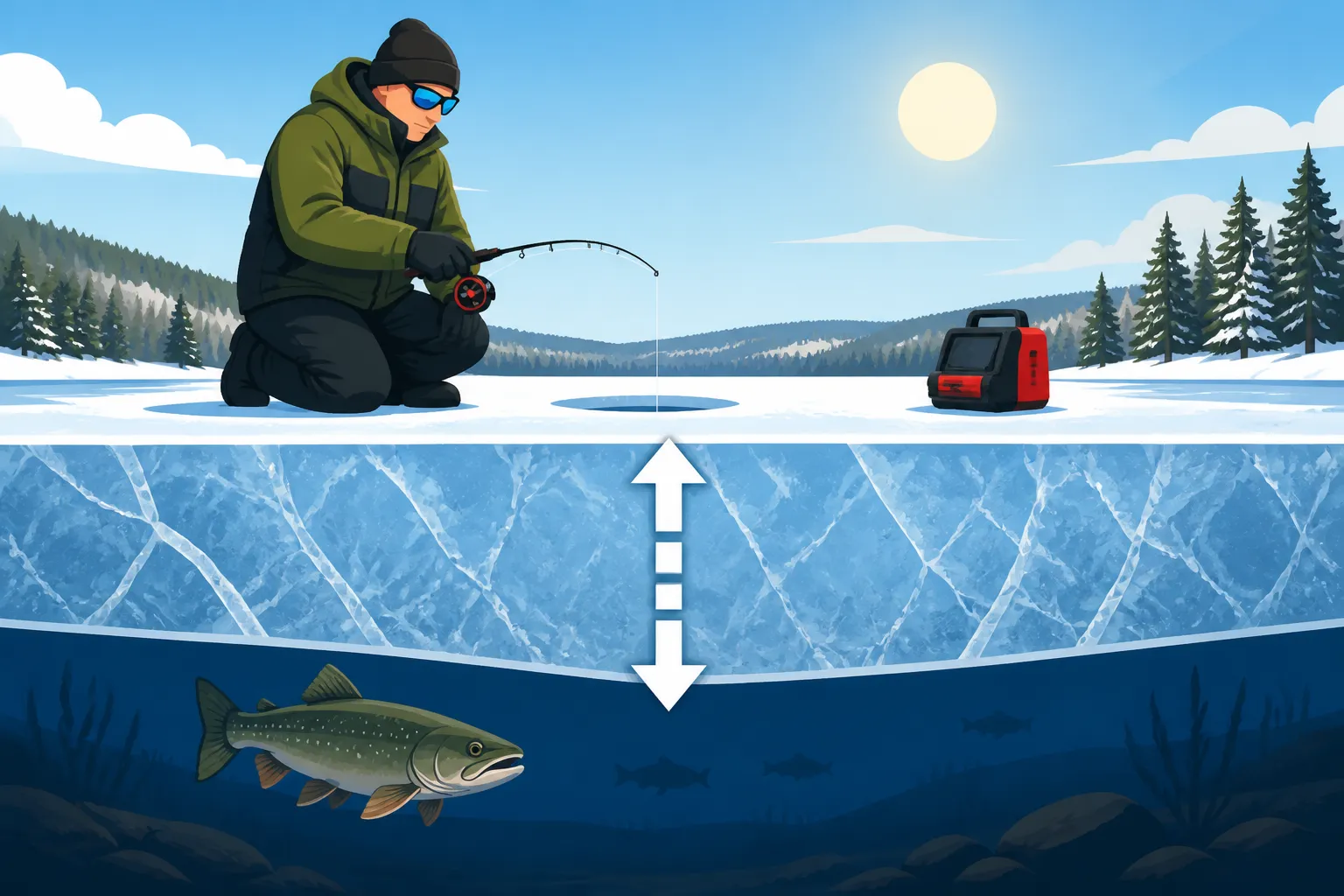
The DNR, like most state agencies, has clear recommendations for minimum ice thickness needed for various activities. These aren't arbitrary numbers; they're based on extensive research and countless unfortunate incidents. Generally, for a single person to walk out onto the ice for fishing, a minimum of 4 inches of clear, solid ice is recommended. "Clear, solid ice" is the key phrase here. Cloudy, milky, or slushy ice is far weaker. For groups of people, or if you're bringing an ice shanty or other gear, that minimum jumps to 5-7 inches. For snowmobiles or ATVs, you're looking at 8-12 inches.
It's vital to understand that these are minimums, and nature can be unpredictable. What looks safe can quickly change due to sudden temperature shifts, wind, or even heavy snow. The DNR consistently emphasizes that no ice is 100% safe, and constant vigilance and checking conditions are your best defense. You can often find updated reports or warnings on the Maryland DNR website, and it's always wise to check before you head out, especially for a large body of water like Deep Creek Lake.
| Ice Thickness (Clear, Solid Ice) | Recommended Activity |
|---|---|
| Less than 4 inches | STAY OFF! |
| 4 inches | Ice fishing (single person) |
| 5 – 7 inches | Small groups, snowmobile or ATV (light, cautious use) |
| 8 – 12 inches | Snowmobile or ATV (regular use), small car (very rare) |
| 12 – 15 inches | Medium truck (extremely rare) |
Note: These are general guidelines. Always verify local conditions and follow official Maryland DNR recommendations. Ice thickness can vary greatly within a single body of water.
Essential Safety Gear and Practices
Going out on the ice without proper safety gear is like driving without a seatbelt – it's just plain reckless. Beyond knowing the ice thickness, having the right tools and knowing how to use them is non-negotiable. First and foremost, a set of ice picks is mandatory. These are small, spiked handles worn around your neck, allowing you to pull yourself out of the water if you fall through. You can find sturdy, reliable ice picks on Amazon for a small investment. A spud bar or ice chisel is another critical piece of equipment; it allows you to test the ice ahead of you with each step. If it goes through with one strike, you're in trouble.
Other crucial items include a flotation suit or vest, which not only keeps you warm but also provides buoyancy in case of a fall. Rope, a whistle, a fully charged cell phone in a waterproof bag, and a buddy system are equally important. Never, ever go ice fishing alone, especially on a large lake like Deep Creek. Always tell someone your exact plans, including where you're going and when you expect to return. The Maryland DNR also provides comprehensive guides for Ice Fishing Safety on Deep Creek Lake, which detail these practices further. It's a small amount of preparation that can make all the difference.
Measuring Ice Thickness Safely
So, you've decided to venture out, and the conditions look promising. But how do you really know how thick the ice is? Eyeballing it from shore simply isn't an option. Accurate measurement is your absolute best defense against a dangerous situation, and thankfully, it's not a complicated process with the right tools.
Tools for Accurate Measurement
The primary tool for measuring ice thickness is an ice auger, either manual or powered. This allows you to drill a hole through the ice to directly measure its depth. A manual auger is perfectly sufficient for most recreational ice anglers and doesn't require fuel or batteries. You can find a good quality manual auger on Amazon that will serve you for many seasons. Alongside your auger, a tape measure or a marked stick is essential for checking the actual thickness once the hole is drilled.
Another indispensable tool is the aforementioned spud bar or ice chisel. This long, heavy steel bar with a sharp chisel point is used to literally test the ice as you walk. Before taking a step, you strike the ice forcefully in front of you. If the spud bar breaks through the ice in one or two strikes, the ice is too thin. If it takes several strikes or doesn't break through at all, it's generally considered safer. This constant probing allows you to identify weak spots before you commit your full weight.
Step-by-Step Ice Testing Process
Testing the ice should be a methodical, continuous process, not a one-time check at the shoreline. Here's a basic procedure:
- Start at the Shore: Begin testing the ice thickness right from the edge of the water. Don't assume the ice near the bank is safe just because it's close to land.
- Use Your Spud Bar: Before each step, or at least every few steps, aggressively strike the ice in front of you with your spud bar. Listen for the sound it makes – a clear "thud" indicates solid ice, while a hollow or cracking sound is a warning.
- Drill Initial Holes: Every 10-15 feet as you venture further, use your auger to drill a full hole through the ice. This isn't just for fishing; it's your actual measurement point.
- Measure and Inspect: Once a hole is drilled, use your tape measure or marked stick to gauge the exact ice thickness. Visually inspect the ice around the hole. Is it clear and hard, or cloudy, slushy, or layered with air pockets? Clear, blue ice is the strongest.
- Monitor Conditions: Continue this process as you move across the lake. Ice thickness can change drastically even within a short distance. Pay extra attention near potential hazard areas like pressure ridges, dark spots, or areas with flowing water. If you're exploring Best Places to Fish in Maryland during the winter, remember that different lakes and even different parts of the same lake will have unique ice characteristics.
Remember, the goal is to be hyper-vigilant. If you ever feel uneasy or encounter questionable ice, it's always best to turn back. There's no shame in prioritizing safety.
What to Do if Ice Conditions Are Uncertain
Despite all your precautions, there might be times when you find yourself uncertain about the ice. Maybe you've encountered unexpected changes, or perhaps you're planning a trip and the forecasts are ambiguous. It’s in these moments that good judgment and a conservative approach are most vital.
Recognizing Warning Signs
The ice itself will often give you clues if it's not safe. Beyond simply measuring thickness, learning to "read" the ice is a skill developed over time, but there are clear warning signs even beginners can identify. Listen for sounds; loud cracks, groans, or moans from the ice are often natural as it expands and contracts, but sudden, sharp cracking underfoot is a definite red flag. Visual cues are just as important. Darker spots on the ice often indicate thinner areas or open water underneath, while areas covered in slush might hide dangerously weak ice.
Pressure ridges, which are areas where ice sheets have buckled due to expansion and contraction, can create both thick and thin ice adjacent to each other. These can be particularly hazardous. Avoid areas around docks, bridge pilings, or large rocks, as these structures absorb heat and can weaken surrounding ice. Even a slight current near a river inlet or an underwater spring can make a significant difference to ice integrity, so be wary of areas with any noticeable water movement. For more on navigating such hazards, consider researching Kayak Fishing Safety Tips for Maryland's Chesapeake Bay – while for a different environment, the principles of watching for currents and obstructions are similar.
Prioritizing Safety Over the Catch
This is perhaps the most important advice any experienced angler can offer: your safety, and the safety of anyone with you, always outweighs the desire to catch a fish. If you have any doubt whatsoever about the ice conditions, the answer should always be to stay off the ice or retreat to safer ground. It’s far better to come home empty-handed than to become a statistic. Local bait and tackle shops, fellow anglers, and the Maryland DNR website are excellent resources for current ice conditions and local advisories. Checking these reports before you even leave your house can save you a wasted trip, or worse, a dangerous one.
If you arrive at Deep Creek Lake and the ice looks questionable, or if you encounter unsettling conditions while out, simply don't go on. There will always be another day to fish, and winter fishing can often be enjoyed even from shore access points if the ice isn't cooperating. Remember, a Maryland Fishing License Guide for 2026 details all the regulations you need to follow, and staying safe is part of responsible angling. Make sure you're always checking for official updates, and if you're ever in doubt, just wait it out.
Disclaimer
The information provided in this guide is for general informational purposes only and does not constitute professional advice. Ice conditions are highly variable and can change rapidly. Always exercise extreme caution, assess real-time conditions, and prioritize your safety above all else when venturing onto ice. The author and publisher are not responsible for any accidents or injuries that may occur. Always consult official Maryland Department of Natural Resources guidelines and local reports before ice fishing.