Fishing Topwater Lures for Maryland Snakehead
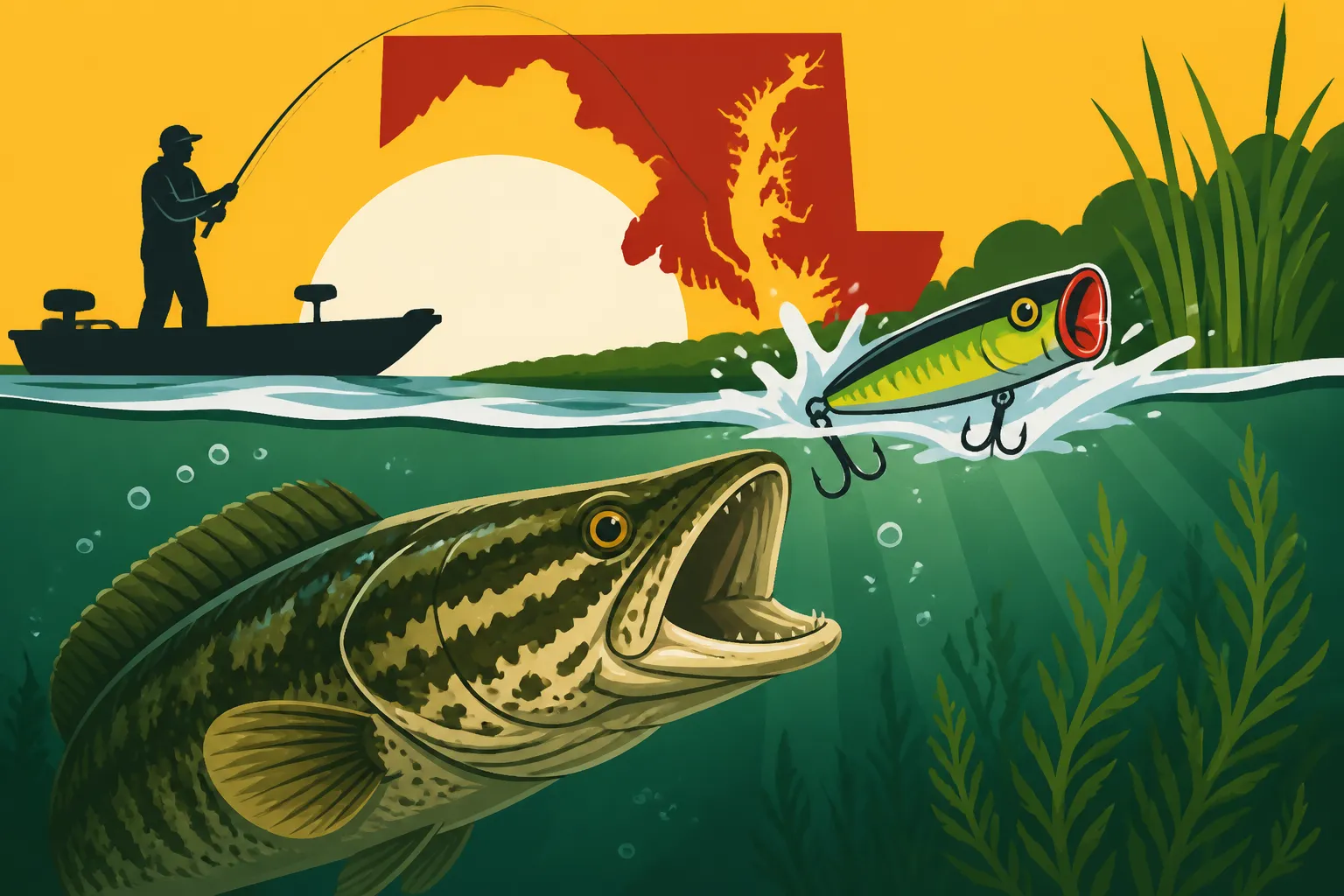
There's nothing quite like the heart-stopping explosion of a Northern Snakehead blowing up on a topwater lure, is there? That moment when the water erupts and your bait disappears in a violent splash is what many anglers live for. But let's be honest, it can also be incredibly frustrating when they slap at it, miss, or just refuse to commit. If you've felt that mix of adrenaline and agony, you're in the right place, because this guide is all about helping you master the art of fishing topwater lures for Maryland snakehead, turning those frustrating misses into triumphant catches.
The Irresistible Allure of Topwater for Maryland Snakehead
For many anglers, the appeal of topwater fishing for snakeheads isn't just about catching fish; it's about the pure, unadulterated spectacle of the strike. These fish are aggressive, ambush predators, and nothing gets their attention quite like a disturbance on the surface. Understanding why topwater works so well is the first step to consistently hooking up.
Why Topwater Triggers Aggression
Snakeheads are incredibly territorial and possess a predatory instinct that makes them react violently to anything invading their space, especially if it looks like an easy meal. When a topwater lure skitters, pops, or walks across the surface, it mimics struggling prey – a frog, a mouse, or an injured baitfish. This triggers their primal hunting response. They don't just eat it; they attack it.
The sound and commotion are key. In the dense, often murky vegetation where snakeheads love to hide, visual cues can be limited. A loud pop or gurgle, or the rhythmic thwack-thwack of a frog lure hitting a lily pad, sends vibrations through the water, alerting them to a potential meal above. It's an invitation they rarely refuse, even if they're not actively feeding, purely out of instinct and aggression. This is especially true during warmer months when they are most active.
Snakehead Habitat and Topwater Effectiveness
Northern Snakeheads thrive in shallow, heavily vegetated waters—think lily pads, hydrilla mats, and dense emergent grasses. These environments are often too choked for subsurface lures, making topwater baits not just effective, but often the only practical option. A weedless topwater frog, for example, can be worked directly over thick cover where a spinnerbait or jig would instantly snag.
The benefit here is twofold: you can access areas otherwise unfishable, and you can present your lure directly into the snakehead's lair. Imagine a snakehead nestled deep in a mat of hydrilla. A frog lure landing on top, then "hopping" across, is a direct challenge to its territory. The visual of the bait on the surface, silhouetted against the sky, combined with the commotion, creates an irresistible target. It’s fishing right in their living room, which drastically increases your chances of a strike. If you're wondering about other effective approaches, check out our broader guide on Techniques for Catching Snakehead in Maryland.
Choosing the Right Topwater Lures for Snakehead
The market is flooded with topwater lures, but not all are created equal when it comes to enticing a Maryland snakehead. Focusing on specific types that excel in the snakehead's preferred habitat and trigger their aggressive strikes will significantly improve your success rate.
Soft-Bodied Frogs and Toads
Without a doubt, soft-bodied frog lures are the reigning champions for snakehead fishing, especially when you're fishing in the kind of thick stuff where these invasives love to hide. Their weedless design, usually featuring a double hook tucked tight against the body, allows them to glide over lily pads, hydrilla, and duckweed without snagging. This is crucial because snakeheads are almost always found buried deep in dense cover.
When selecting frog lures, look for those with soft, compressible bodies that ensure good hook penetration when a snakehead clamps down. Brands like Spro, Livetarget, and Strike King offer excellent options that are widely popular among snakehead anglers. Color can sometimes matter, with natural greens, browns, and black often being good starting points. However, sometimes a brighter color, like white or yellow, can be effective in darker waters or on overcast days, providing a stronger silhouette. The key is their ability to be fished directly in the "salad" where other baits would fail. Many anglers swear by the action of these baits, often stocking up on various sizes and colors, which are conveniently available on Amazon.
Poppers and Chuggers
While frogs excel in dense cover, poppers and chuggers shine in slightly more open water, along weed edges, or in sparse cover. These lures are designed to displace water, creating a "pop" or "chug" sound that mimics a struggling baitfish or a frog jumping into the water. The aggressive noise and splash are incredibly effective at drawing snakeheads out of cover or from a short distance.
Look for poppers with a cupped face that creates a significant splash and gurgle. Retrieve them with a "pop-pause" retrieve, letting the ripples dissipate before giving another sharp twitch. This stop-and-go action often provokes a strike during the pause. Chuggers, with a slightly different mouth design, create more of a "spit" and gurgle, which can be fantastic in choppy conditions or when you want a little more subtle disturbance. While not as weedless as a frog, they are still quite versatile. They're excellent for targeting fish along creek banks, open pockets in weed beds, or around submerged timber.
Walking Baits and Prop Baits
Walking baits, often called "walk-the-dog" lures, offer a different kind of topwater action. These lures are designed to glide side-to-side across the surface with a rhythmic, enticing motion. This "walking" action imitates a wounded baitfish struggling on the surface, and it can be incredibly effective for snakeheads patrolling slightly more open water or when they are actively hunting in less dense cover.
Prop baits feature small propellers at the front, back, or both ends, which create a buzzing, gurgling sound and a subtle splash as they're retrieved. This commotion can be a powerful draw, especially on calm days when the sound travels far. They can be retrieved steadily or with a stop-and-go cadence, allowing you to vary the presentation to see what the snakeheads prefer. Both walking baits and prop baits offer a more nuanced presentation than the aggressive pop of a chugger, making them excellent choices for pressured fish or when snakeheads are being a bit more finicky. Experiment with retrieve speeds and pauses; sometimes a slow, deliberate walk or a short burst of propeller action is all it takes.
Here's a quick comparison of these topwater lure types:
| Lure Type | Best Use Case | Retrieve Style | Pros | Cons |
|---|---|---|---|---|
| Soft-Bodied Frogs | Dense lily pads, hydrilla mats, heavy vegetation | Walk-the-dog, short hops, steady retrieve over cover | Highly weedless, excellent in thick cover, natural frog imitation | Can be harder to get good hooksets, limited open water action |
| Poppers / Chuggers | Open pockets, weed edges, sparse cover, choppy water | Pop-pause, chug-pause, aggressive splashes and gurgles | Strong noise/splash draws fish from distance, versatile for varied cover | Not truly weedless, can snag in thick vegetation |
| Walking Baits | Open water, sparse cover, clear weed lines | Side-to-side "walk-the-dog" action, steady glides | Enticing wounded baitfish imitation, great for covering water | Prone to snagging in heavy cover, requires angler skill for action |
| Prop Baits | Open water, calm conditions, subtle disturbance | Steady retrieve, stop-and-go, creates buzzing and splash | Unique sound/vibration, good for calm days, draws curious fish | Not weedless, may tangle in weeds or with each other |
Essential Gear for Topwater Snakehead Fishing
Fishing topwater for snakeheads isn't just about the lure; it's about having the right setup to handle their explosive strikes and powerful fights in challenging environments. Your rod, reel, line, and leader all play crucial roles in your success.
Rods: Power and Length for the Fight
When it comes to rods for snakehead fishing, think power and backbone. These fish are incredibly strong and live in thick cover, meaning you need a rod that can yank them out of weeds and withstand their head shakes. A heavy or extra-heavy power baitcasting rod, typically 7 to 8 feet long, is ideal.
The length gives you leverage for long casts and helps steer the fish away from snags, while the heavy power provides the necessary muscle. A fast or extra-fast action tip is beneficial, as it allows for precise casting of topwater lures and quick hooksets, which are critical when a snakehead strikes. You'll often be launching larger, heavier frog lures into tight pockets, so a rod designed for this kind of work is paramount. Many dedicated snakehead anglers often gravitate towards specific lines from brands like St. Croix or Lew's that can stand up to the abuse.
Reels: Low Gear Ratios and High Durability
A baitcasting reel is almost a necessity for topwater snakehead fishing. Look for a reel with a lower gear ratio, something in the 6.1:1 to 7.1:1 range. While higher ratios are great for quickly retrieving line, a slightly lower ratio provides more torque, which is essential for muscling a stubborn snakehead out of heavy cover. The retrieve speed is still ample for working topwater lures effectively.
Durability is key. These reels will be subjected to powerful runs, sudden stops, and the general abuse that comes with fishing in harsh, abrasive environments. Make sure your reel has a strong drag system that can be locked down tight when needed. Smoothness in the retrieve is also important for consistent lure action and less fatigue over a long day of casting. Options from Shimano and Daiwa are often trusted choices, and you can usually find competitive prices and a wide selection of models suitable for this kind of abuse on Amazon.
Line and Leaders: Strength and Abrasion Resistance
This is arguably one of the most critical components of your snakehead setup. You absolutely need strength and abrasion resistance. Braided line, with its superior strength-to-diameter ratio and lack of stretch, is the only way to go. Forget monofilament or fluorocarbon as your main line; they simply won't cut it in the thick stuff.
- Braided Line: Opt for 40 to 65-pound test braided line. This might seem like overkill, but it's not. The higher breaking strength prevents break-offs when a big snakehead buries itself in hydrilla or wraps around a sunken log. The zero stretch of braid also allows for powerful, instantaneous hooksets, which is vital given the snakehead's bony mouth. It also helps you feel those subtle strikes, or more often, the explosion as your bait disappears.
- Leader Material: While some anglers fish straight braid, using a leader can offer a slight advantage. A short section (12-18 inches) of 50 to 80-pound test fluorocarbon leader or a heavy monofilament leader can provide a bit of shock absorption and improve abrasion resistance against the snakehead's sharp teeth and rough cover. However, snakeheads aren't particularly line-shy, so the primary purpose of the leader is protection. Heavy mono is often preferred by some because it's a little more pliable and easier to knot than fluorocarbon of similar test. Just ensure your knots are strong; a Palomar knot or improved clinch knot are reliable choices for connecting braid to leader.
Mastering Topwater Techniques for Snakehead
Getting a snakehead to strike a topwater lure is exciting, but consistently hooking and landing them requires finesse and power. There's an art to the cast, the retrieve, and especially the hookset that can make all the difference.
Precision Casting into the Strike Zone
Snakeheads are ambush predators, often holding tight to cover. This means your cast needs to be accurate. You're not just casting near the cover; you're trying to land your lure on it or within inches of it. Think of it as an extreme game of darts.
- Targeting Pockets and Edges: Look for open pockets within lily pad fields, narrow lanes between hydrilla mats, or the very edge of a dense weed line. These are prime ambush points. A soft-bodied frog can even be cast directly onto a lily pad or mat of vegetation and then "walked" off the edge into the water. This mimics a frog hopping into the water, triggering an immediate reaction strike.
- Pitching and Flipping: In extremely tight quarters, pitching and flipping techniques are invaluable. These controlled casting methods allow you to deliver your lure silently and accurately into small openings where a traditional overhead cast would spook the fish or get hung up. It takes practice, but the ability to silently drop a frog lure into a tiny hole in the weeds is a game-changer for snakehead anglers.
- Multiple Casts: Don't be afraid to make multiple casts to the same promising spot. Sometimes a snakehead needs a few passes to commit. Vary your angle slightly, or let the lure sit a bit longer before starting your retrieve. Patience is a virtue here. If you're interested in where snakeheads feed in shallow water, check out our guide on Where Snakehead Feed in Shallow Maryland Water.
Varying Your Retrieve for Maximum Appeal
Once your lure hits the water, the retrieve dictates its attractiveness. There's no single "best" retrieve; snakeheads can be fickle, so experimentation is key.
- Frogs: For soft-bodied frogs, a walk-the-dog retrieve is often deadly. Use subtle twitches of the rod tip, keeping just enough slack in the line to allow the frog to glide from side to side. Vary the speed and pause length. Sometimes a fast, erratic retrieve triggers a chase, while other times, long pauses and short twitches are what's needed. When fishing over mats, short "hops" that mimic a frog jumping are effective. Let the frog sit motionless for a few seconds after it lands; this often draws curious snakeheads in.
- Poppers/Chuggers: The classic "pop-pause" is the standard. A sharp downward twitch of the rod tip creates a loud pop or chug, followed by a pause. The strike often comes during this pause as the ripples dissipate. Experiment with the aggressiveness of the pop and the duration of the pause. On calmer days, a softer pop might be better, while in choppy water, you might need to make more commotion.
- Walking Baits/Prop Baits: For walking baits, maintain a consistent side-to-side action. For prop baits, a steady retrieve creates a consistent buzz and splash. Incorporate short stops and starts, or speed bursts, to mimic struggling prey. The key is to make your lure look alive and vulnerable.
The Critical Hookset: Patience is a Virtue
This is where many anglers get frustrated when fishing for snakeheads with topwater lures. Their explosive strikes often lead to premature hooksets, resulting in misses. The crucial advice here is: wait, wait, wait!
When a snakehead strikes a topwater lure, especially a frog, they often create a massive commotion and engulf the lure. However, their mouths are bony, and they don't always get the hooks immediately. If you set the hook on the sound or sight of the splash, you'll likely pull the lure away from the fish. Instead, resist the urge to react instantly.
- Count to One (or Two): After the initial explosion, wait until you feel the weight of the fish on your line, or until you see the line start to move away. Some experienced anglers recommend a mental count of "one Mississippi, two Mississippi" before setting the hook. This allows the fish to fully turn with the lure in its mouth.
- Powerful Hookset: Once you feel that weight, deliver a powerful, sweeping hookset. Use your heavy rod to drive the hooks home. Don't be afraid to lean into it. A strong braided line and a stout rod are your best friends here. Many snakeheads are lost right at the boat or at the bank because of a weak hookset, so ensure you give it your all.
Best Times and Places for Topwater Snakehead Fishing in Maryland
Understanding when and where to target snakeheads with topwater lures in Maryland is just as important as having the right gear and techniques. The time of year, water conditions, and specific locations all play a significant role.
Seasonal Prime Times for Topwater
Snakeheads are most active and receptive to topwater lures during the warmer months, roughly from late spring through early fall.
- Spring (Late April – June): As water temperatures rise into the 60s Fahrenheit, snakeheads become very active after their winter sluggishness. They move into shallower waters to feed and eventually spawn. This is a fantastic time for topwater, especially as they begin to aggressively defend spawning beds. Areas with emergent vegetation like spatterdock or lily pads are prime targets.
- Summer (July – August): This is arguably the peak topwater season. High temperatures make snakeheads seek the shade and cover of dense vegetation, making weedless frogs an absolute necessity. Early mornings and late evenings, or even overcast days, offer the best topwater action as the fish become more comfortable moving around. The sun beating down in midday can push them deeper into cover, making them harder to entice. Even though it's peak season for snakeheads, remember that the Maryland Striped Bass Season and Rockfish Rules might be different.
- Fall (September – October): As temperatures begin to cool, snakeheads will continue to strike topwater lures, especially on warmer days. They'll be feeding heavily to put on weight for winter. Look for them to move slightly deeper into channels or deeper weed edges as the surface water cools. The bite can remain strong until water temperatures drop consistently into the low 60s or 50s.
If you're interested in the daily patterns, we have a detailed article on the Best Time of Day to Catch Snakehead in Maryland.
Ideal Water Conditions and Weather
Topwater fishing for snakeheads thrives under specific environmental conditions that make them feel safe and encourage them to look up for prey.
- Calm Water: While a slight ripple can add natural movement to your lure, very calm, overcast conditions are often ideal. The lack of direct sunlight allows snakeheads to be more comfortable moving and feeding in shallow water. It also makes your lure's silhouette more prominent against the sky and its disturbance on the surface more noticeable.
- Overcast Skies: Cloudy days reduce light penetration, making snakeheads less wary in shallow, open areas and more willing to leave cover for a meal.
- Warm Water: As mentioned, warm water temperatures are key to their activity level. They are warm-water fish, and their metabolism speeds up as the mercury rises, making them more aggressive.
- Post-Rain: Sometimes, a light rain or the day after a rain can be excellent. The rain can wash insects and other small creatures into the water, creating a feeding opportunity, and the reduced light can make fish more active. However, heavy rains can muddy the water, which might make topwater less effective.
Prime Maryland Snakehead Hotspots
Maryland boasts several excellent locations for targeting Northern Snakeheads, particularly with topwater lures. The key is to find shallow, tidal waters with extensive submerged and emergent vegetation.
- Potomac River Tributaries: The Potomac River and its tidal tributaries, such as the Mattawoman Creek, Piscataway Creek, and Occoquan River (on the Virginia side, but similar habitat), are snakehead havens. These areas feature vast expanses of hydrilla, lily pads, and spatterdock – perfect topwater territory. The tidal fluctuations here can be important; often, the outgoing tide can concentrate fish along specific edges.
- Blackwater National Wildlife Refuge (Nanticoke River): Located on Maryland's Eastern Shore, Blackwater is renowned for its snakehead populations. The intricate network of shallow creeks, ponds, and marshy areas, choked with vegetation, makes it a topwater paradise. Kayak or small boat access is ideal here to navigate the shallow, vegetated waters. Be mindful of regulations for the refuge itself.
- Gunpowder and Susquehanna Rivers (Tidal Sections): The tidal sections of these rivers, especially areas with backwater coves and shallow, vegetated flats, can hold good numbers of snakeheads. These areas often receive less pressure than the Potomac, offering a great alternative.
- Marshy Eastern Shore Creeks: Many lesser-known creeks and ditches along the Eastern Shore, particularly in Dorchester and Wicomico counties, offer fantastic opportunities for those willing to explore. These remote areas often hold undisturbed populations of large snakeheads.
Remember, when fishing for this invasive species, it's crucial to understand the Maryland Invasive Fish Rules: Blue Catfish and Snakehead. And importantly, if you catch a snakehead, you're expected to dispatch it. Learn more about What to Do If You Catch a Snakehead in Maryland to ensure you comply with DNR guidelines.
Dealing with Misses and Follow-ups
One of the most thrilling, yet frustrating, aspects of topwater snakehead fishing is the occasional miss. You'll get an explosive strike, your heart will race, and then… nothing. It happens. But knowing how to react can often turn a missed strike into a successful hookup.
Why Snakeheads Miss the Lure
Snakeheads miss for a variety of reasons, and it's rarely your fault. Their strikes are incredibly aggressive and often involve a burst of speed and a wide-open mouth.
- Over-Agressiveness: Sometimes they're just too enthusiastic! They might hit the lure with their head or tail rather than fully engulfing it. It's pure adrenaline on their part.
- Lure Position: If the lure is presented in a way that makes it difficult for them to get a good angle, they might slap at it. This is more common with lures that are sitting very still or moving very slowly.
- Bony Mouth: As mentioned, snakeheads have incredibly bony mouths, especially the roof. Even if they get the lure in their mouth, setting the hook can be challenging.
- Weed Interference: In dense cover, sometimes the snakehead itself gets tangled in weeds mid-strike, causing it to misjudge or lose grip on the lure.
- Short Strikes: Smaller snakeheads, or sometimes even larger ones that aren't fully committed, might "short strike" the lure, just nipping at it rather than inhaling it.
It's easy to get down on yourself, but understanding these factors helps you adjust your strategy rather than simply getting frustrated.
Strategies for Enticing a Second Strike
A missed strike is not necessarily a lost fish. Snakeheads are often territorial and aggressive enough to try again if the lure still appears to be a threat or an easy meal.
- Leave it There!: This is perhaps the most important rule. When a snakehead blows up on your topwater and misses, do not reel in immediately! Let the lure sit completely still. Often, the snakehead is still in the immediate vicinity, looking for the "injured" prey it just attacked. A motionless lure mimics a stunned or injured creature, an even easier target. Give it 5-10 seconds, then give it a very subtle twitch.
- Vary the Retrieve: If the first approach doesn't work, try a different retrieve. If you were working it fast, try slowing it down significantly with longer pauses. If you were pausing a lot, try speeding it up with an erratic "fleeing" action. This change in pace can re-engage their predatory instincts.
- Change Lures (Quickly!): If a snakehead keeps missing a frog, but you know it's there, consider quickly tying on a different topwater lure, like a walking bait or prop bait, or even a different color frog. Sometimes a subtle change is all it takes.
- Fish Follow-ups: It's common for snakeheads to follow a lure for a short distance before striking or turning away. If you see a fish following but not committing, try speeding up your retrieve or making an erratic twitch to trigger a reaction strike. Never stop retrieving until the lure is out of the water; a strike can come at any second.
Ethical Considerations and Regulations
While exhilarating, fishing for invasive species like the Northern Snakehead comes with specific responsibilities. Maryland has clear guidelines that anglers must follow to help manage these populations.
The "Kill on Sight" Mandate and Its Implications
Maryland's Department of Natural Resources (DNR) has a "kill on sight" mandate for Northern Snakeheads. This means that if you catch one, you are legally required to kill it. You cannot release it back into the water, even if you intend to move it to a different location. The goal is to prevent their spread and mitigate their impact on native ecosystems.
- Understanding the Impact: Northern Snakeheads are apex predators that compete with native species for food and habitat. Their rapid reproduction and ability to survive in various conditions pose a significant threat to Maryland's delicate aquatic environments, including the Chesapeake Bay and its tributaries. By removing them, anglers play a direct role in conservation efforts. For more on their impact, read about Why Snakehead Can't Be Released in Maryland.
- Methods of Dispatch: Anglers typically dispatch snakeheads using blunt force to the head (a fish club or sturdy stick) or by cutting the gills to bleed them out quickly. The goal is humane dispatch. It's a sobering but necessary part of snakehead fishing.
- Transporting Live Snakeheads: It is illegal to transport a live Northern Snakehead in Maryland. Once caught and dispatched, they can be kept for consumption. If you're caught transporting a live snakehead, you could face significant penalties, which are outlined in our article on the Fine for Transporting a Live Snakehead in Maryland.
Reporting Your Catch (Optional, but Encouraged)
While not legally required for every single catch, the Maryland DNR encourages anglers to report snakehead catches, especially large or unusual ones, or if they are found in new locations. This information helps fisheries biologists track their distribution and population trends, which is vital for managing the species.
- DNR Website/App: The Maryland DNR website and its mobile app often have sections for reporting invasive species. This is a quick and easy way to contribute valuable data.
- Location Information: When reporting, provide as much detail as possible about the location, date, size of the fish, and any unique observations. This data assists in targeted management efforts.
By adhering to these regulations and ethical considerations, you're not just enjoying a thrilling day of fishing; you're also actively participating in the ecological health of Maryland's waterways. It's a unique opportunity to combine your passion for angling with responsible environmental stewardship.
Disclaimer
The information provided in this guide is for general informational purposes only and is not intended as legal advice or an exhaustive list of all regulations. Fishing regulations, licensing requirements, and catch limits for various species in Maryland can change frequently. It is the angler's responsibility to consult the most current Maryland Department of Natural Resources (DNR) fishing guide or website before engaging in any fishing activity. Always prioritize safety and adhere to all local, state, and federal laws.