Best Farm Pond Fishing Access in Maryland
Finding excellent fishing spots in Maryland can feel like a constant quest, especially when you're dreaming of those quiet, serene places away from the crowds. Many anglers yearn for the peace and potential trophy catches that secluded farm ponds offer, but figuring out how to access these private gems often feels like an impossible puzzle. This guide is here to demystify the process, walking you through practical steps to discover and respectfully enjoy some of Maryland's best farm pond fishing opportunities.
Understanding Farm Pond Fishing in Maryland
There's something truly magical about fishing a private pond. It’s a different world from the hustle and bustle of public lakes or the vastness of the Chesapeake Bay. But let’s be real, finding these spots and getting permission is often the biggest hurdle.
The Allure of Secluded Ponds
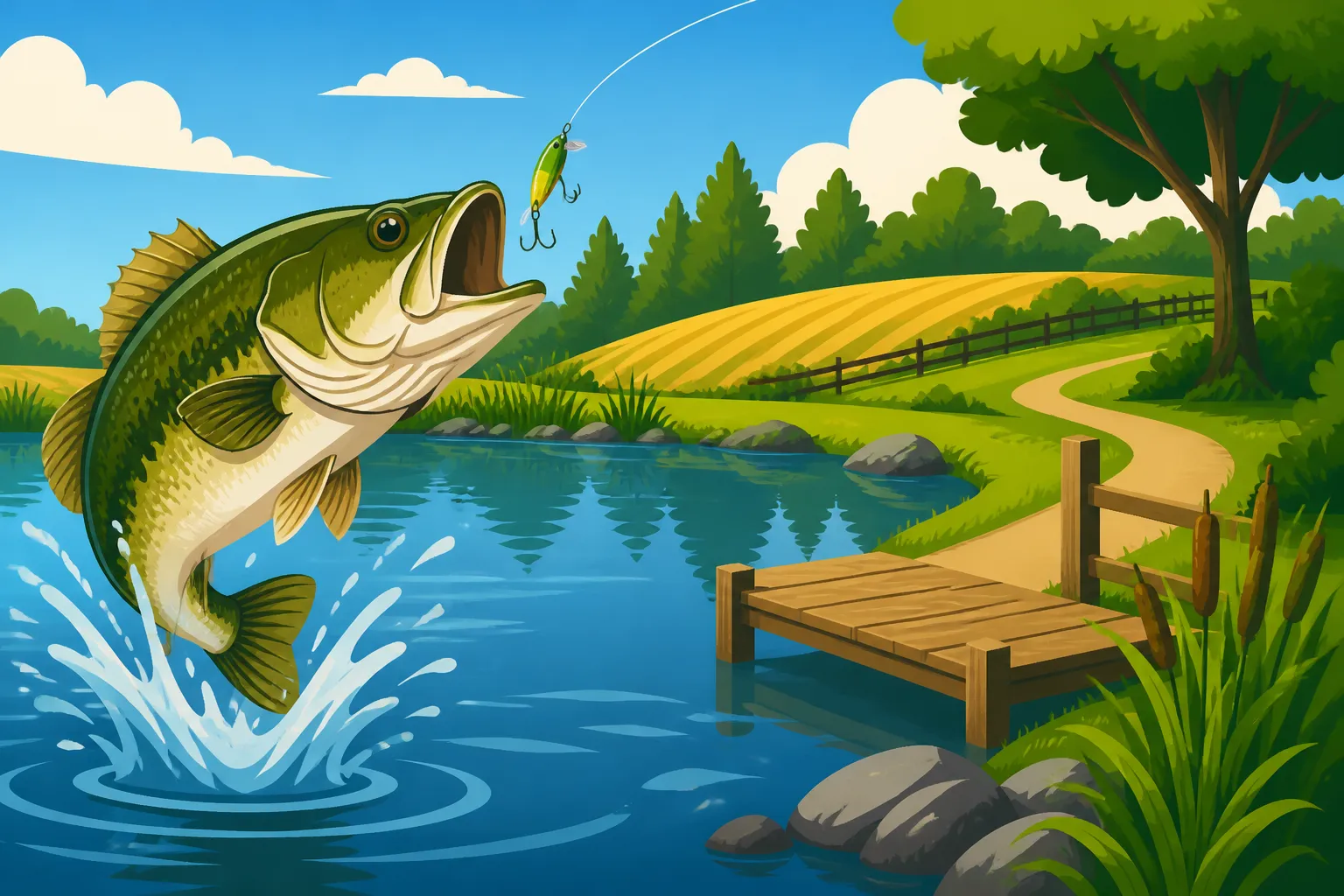
For many of us, the appeal of a farm pond is undeniable. Imagine casting your line into calm, clear water, surrounded by nothing but the sounds of nature. You won't be jockeying for position with other boats, nor will you see endless lines of anglers along the shore. It's just you, the water, and the fish. This solitude is a huge draw, offering a chance to truly unwind and connect with the outdoors.
Beyond the peace and quiet, farm ponds often hold some surprisingly impressive fish. Because they typically experience less fishing pressure, the fish within them can grow larger and be less wary. It’s not uncommon for a well-managed farm pond to produce trophy largemouth bass, chunky crappie, or sizable bluegill. These ponds are often self-sustaining ecosystems, and if managed responsibly, they can provide incredible angling experiences that are hard to replicate on more heavily fished public waters. The thrill of discovering a hidden gem, a pond brimming with healthy, eager fish, is a core part of the farm pond fishing experience.
Common Misconceptions and Legal Realities
Now, let's talk brass tacks about those private ponds. The biggest misconception is that if a pond looks abandoned or out of the way, it’s fair game. That's simply not true. Maryland, like every other state, has strict private property laws. Fishing in someone's pond without explicit permission is trespassing, plain and simple. Not only is it illegal, but it's also a surefire way to ruin any chances of future access and give all anglers a bad name. The penalties for fishing without a license or trespassing can be pretty significant, so it's always best to err on the side of caution and respect property boundaries. You can learn more about this in our guide on Maryland Fishing License Penalties for Violations.
Another common misunderstanding is around licensing. Even on a private pond, if you are of age, you generally still need a valid Maryland Fishing License Guide for 2026, unless you are fishing on your own private property. The type of license will depend on whether the pond is considered tidal or nontidal water, though most farm ponds fall into the nontidal category. For clarity, check out our article on Maryland Nontidal vs Tidal Fishing License, Explained. Always assume you need a license and obtain permission from the landowner before casting a line. This not only protects you legally but also fosters goodwill and trust with property owners, which is crucial for gaining future access.
How to Gain Access to Private Farm Ponds
So, how do you actually get your foot in the door (or rather, your line in the water)? It's less about secret maps and more about good old-fashioned communication and community spirit.
The Art of Asking Permission
This is where the rubber meets the road. Approaching a landowner can feel intimidating, but a respectful and well-prepared request goes a long way. Here’s a basic script and some tips:
- Be Prepared: Know who you're speaking to. If you see someone working on the property, politely introduce yourself. Have a clean, presentable appearance.
- Be Polite and Respectful: Start with a warm greeting. "Hello, my name is [Your Name], and I was admiring your property. I'm an avid angler, and I noticed you have a beautiful pond. I was wondering if you ever allow respectful anglers to fish there?"
- Offer Assurance: Emphasize your commitment to conservation. "I always practice catch and release, clean up any trash, and would treat your property with the utmost respect, as if it were my own." If you plan to keep fish, mention you'd only take what's legal and reasonable.
- Be Flexible: They might say no, and that's okay. Thank them for their time and move on. If they say yes, clarify rules: "Are there any specific areas you'd prefer I avoid? Any particular times that are better or worse? Should I call ahead each time?"
- Offer Something in Return: This isn't always necessary, but it can help. Maybe offer to help with a small chore, like cleaning up around the pond's edge, or bring them a small token of appreciation, like a local pie or a gift card. It shows you value their generosity.
- Leave Your Contact Info: If they agree, offer to leave your name and phone number so they can reach you if needed. This builds trust.
Building rapport is key. Sometimes a "no" today can become a "yes" six months later after you've shown you're a good, trustworthy person. Consistency and respect are more valuable than any fishing technique.
Leveraging Local Connections
Never underestimate the power of word-of-mouth in rural Maryland communities. Local tackle shops are absolute goldmines of information. The folks working there often know the landowners, the local fishing scene, and might even be able to put in a good word for you. Spend some time browsing, strike up conversations, and politely ask if they know of any private ponds where access might be granted. Be mindful not to ask for secret spots directly, but rather for advice on how to approach landowners.
Joining local fishing clubs or community groups can also open doors. These groups often have members who own land with ponds or know people who do. It's a fantastic way to meet like-minded individuals, learn about the local environment, and potentially get introduced to opportunities you wouldn't find otherwise. The key here is to genuinely participate and contribute to the community, rather than just showing up to ask for fishing spots.
Online Resources and Platforms
While directly finding private farm pond access through large online platforms can be a bit hit or miss, they do offer some avenues, especially if you're looking for guided experiences or unique rentals. Websites like FishingBooker, for example, primarily connect anglers with charter captains and fishing guides for larger bodies of water, such as the Chesapeake Bay or offshore trips from Ocean City. However, some independent guides or landowners might list private pond access or guided trips on their platforms, especially if they operate a fishing lodge or a property specifically set up for angling.
It's less common to find a simple "fish my pond" listing, but it's worth searching for "private pond fishing guides Maryland" or "farm fishing Maryland" on these sites. You might uncover a guide who has exclusive access to several ponds and offers a full-service experience. This takes the guesswork out of asking permission and often comes with the added benefit of local expertise and equipment. While not a direct route to free access, these platforms can certainly facilitate unique, private water fishing adventures, and for a dedicated angler, it's a valuable option to explore when planning a trip.
Identifying Potential Farm Ponds and What to Expect
Once you've got your approach strategy, how do you even find these ponds to begin with? It’s time for some detective work, combined with practical knowledge of what to expect once you get there.
Scouting from Afar
This is where technology really shines. Satellite imagery services like Google Maps are your best friend for identifying potential farm ponds. Zoom in on rural areas, particularly those with a mix of agricultural land and wooded patches. Look for tell-tale circular or irregularly shaped bodies of water that aren't clearly marked as public lakes or reservoirs.
Here's how to make the most of it:
- Look for Clusters: Farmers often have multiple ponds on their property for irrigation, livestock, or aesthetics. If you spot one, scan the surrounding area for others.
- Identify Access Points: Look for clear paths, dirt roads, or driveways leading to the pond. This helps you figure out the most respectful way to approach the landowner's residence, which is usually adjacent to these access points.
- Note Surrounding Features: Is it surrounded by crops, pasture, or woods? This can give you clues about the pond's age, depth, and potential fish habitat. Older, more established ponds often have more developed ecosystems.
Once you’ve identified a few promising spots, make a list of the properties and their approximate locations. This preparation helps you when you go to ask for permission, as you can clearly describe which pond you're interested in.
Typical Fish Species and Tackle Considerations
Farm ponds in Maryland typically host a fantastic array of freshwater species, perfect for a relaxing day of fishing. You can almost always count on finding:
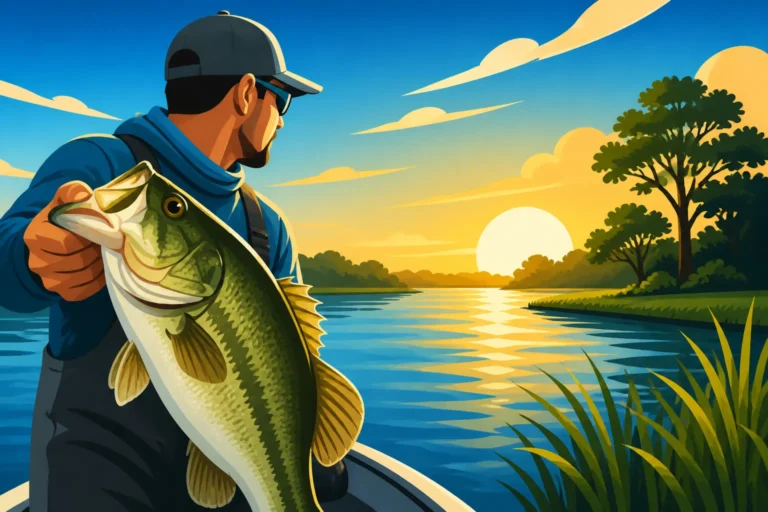
- Largemouth Bass: These are often the stars of the show, growing quite large due to ample food and less pressure. Ponds are prime habitat for them. If you're looking for tips on targeting these green giants, our guide on Largemouth Bass Fishing in Maryland is a great resource.
- Panfish: Think bluegill, crappie, and sometimes even yellow perch. These smaller, eager biters are perfect for kids or anyone looking for consistent action. Our article on Maryland Panfish: Crappie, Perch and Sunfish offers more details.
- Catfish: Channel catfish and bullheads are also very common, often growing to respectable sizes. In some ponds, especially those connected to larger river systems, you might even encounter the invasive Maryland Blue Catfish, an Invasive Giant.
For tackle, keep it simple and versatile:
- Rods: A medium-light to medium action spinning rod (6-7 feet) is perfect.
- Line: 6-10 lb monofilament or fluorocarbon.
- Baits: Worms (nightcrawlers, red wigglers) are universal. Small spinnerbaits, crankbaits, soft plastic worms, and jigs work wonders for bass and crappie. Poppers and small topwater lures can be incredibly exciting in shallow ponds.
- Hooks and Weights: A variety of small to medium hooks (size 6-1/0) and split shot or small bullet weights will cover most scenarios.
Table: Common Farm Pond Fish and Recommended Tackle
| Species | Typical Baits/Lures | Rod Action (Spinning) | Line Weight (Mono/Fluoro) |
|---|---|---|---|
| Largemouth Bass | Soft plastics, spinnerbaits, crankbaits, topwater, worms | Medium-Light to Medium | 8-12 lb |
| Bluegill/Sunfish | Worms, crickets, small jigs, tiny spinners | Ultra-Light to Light | 2-6 lb |
| Crappie | Small jigs, minnows, tiny crankbaits, worms | Light to Medium-Light | 4-8 lb |
| Channel Catfish | Cut bait, chicken liver, worms, stink baits | Medium to Medium-Heavy | 10-20 lb |
| Bullhead Catfish | Worms, corn, hot dogs | Medium | 8-15 lb |
Respecting the Land and Leaving No Trace
This cannot be stressed enough: your behavior on someone else's property dictates whether you, or any other angler, will ever be allowed back.
- Leave it Cleaner Than You Found It: Carry a trash bag and pick up all your litter, and if you see any stray trash, pick that up too. This includes fishing line, bait containers, and food wrappers.
- Stick to Agreed-Upon Areas: Don't wander onto other parts of the property unless specifically invited.
- Be Mindful of Noise: Keep voices low, and if you bring music, keep it quiet or use headphones. You're a guest in their peaceful environment.
- Park Responsibly: Ask where to park and ensure your vehicle isn't blocking gates or access ways.
- Secure Gates: If you open a gate, close it behind you. Livestock can be a serious concern for farmers.
- Practice Catch and Release or Selective Harvest: Be honest about your intentions. If you said you’d mostly release, stick to it. If you keep fish, know the local Maryland Fishing Size and Catch Limits by Species and adhere to them.
Always express your gratitude before leaving and consider a small thank-you note or gesture after your first visit. These simple acts of respect and courtesy are what turn a one-time permission into a lasting privilege.
Public Access Ponds and Alternatives in Maryland
Sometimes, despite your best efforts, private farm pond access just doesn't materialize, and that's perfectly okay. Maryland still offers a wealth of incredible fishing opportunities that provide a similar "pond-like" experience without the need for private permission. Many are even listed in the comprehensive Maryland's DNR Fishing and Boating Guide, Explained.
State Parks and Public Lakes with Pond-like Fishing
Maryland's state parks and public lands boast numerous smaller lakes and reservoirs that, while technically public, often offer a serene, intimate fishing experience reminiscent of a private pond. These spots are typically well-maintained, easily accessible, and stocked with a variety of popular game fish.
Consider these options:
- Greenbrier State Park Lake (Boonsboro): This 42-acre man-made lake offers excellent fishing for bass, bluegill, and catfish. It's a beautiful setting for a family outing.
- Cunningham Falls State Park (Thurmont): Lake Artemesia, within the park, is a popular spot for largemouth bass, sunfish, and even some stocked trout.
- Rocky Gap State Park (Flintstone): Lake Habeeb, at 243 acres, is larger than a typical farm pond, but its scenic mountain setting and diverse fishery (rainbow trout, bass, sunfish, channel catfish) offer a secluded feel.
- Small Lakes within State Forests: Places like Big Run State Park or Swallow Falls State Park in Western Maryland might have smaller impoundments or river access that feels very much like a secluded pond.
These locations provide fantastic opportunities, often with amenities like picnic areas, restrooms, and easy bank access, making them ideal for a day trip. You can explore more options in our broader guide on the Best Places to Fish in Maryland.
Managed Ponds for Youth and Community Fishing
The Maryland Department of Natural Resources (DNR) actively manages various ponds and small lakes specifically for community and youth fishing programs. These "community ponds" are often stocked regularly with species like trout, bass, and panfish, ensuring a high likelihood of success, especially for beginners or young anglers.
Examples include:
- Ponds in local county parks: Many counties across Maryland have small ponds within their park systems that are open to public fishing. Check your local county recreation and parks department website for specific locations and rules.
- DNR Put-and-Take Trout Waters: While not strictly ponds, many of these small lakes and streams are heavily stocked with trout during spring and fall, providing excellent, accessible fishing.
- Youth Fishing Rodeos: Keep an eye out for local events hosted by the DNR or local fishing clubs. These events often take place at designated ponds and provide a fantastic, encouraging environment for new anglers.
These managed ponds are a fantastic alternative when private access proves difficult. They offer consistent action, often have specific regulations designed to promote healthy fish populations, and provide an excellent gateway into the sport. Regardless of where you fish, remember that understanding Maryland Fishing License Age Requirements is crucial, as even youth might need specific permits or fall under certain exemptions. Ultimately, Maryland offers a rich tapestry of fishing experiences, whether you're granted access to a private farm pond or discover a hidden gem in a public park. The key is to be informed, respectful, and always ready for your next angling adventure!
Disclaimer
The information provided in this guide is for general informational purposes only and is not intended as legal advice. Fishing regulations, licensing requirements, and property laws in Maryland are subject to change. Always consult the most current Maryland Department of Natural Resources (DNR) regulations and obtain explicit permission from private landowners before fishing on their property. Engaging in fishing activities without proper authorization or license can result in penalties. Always prioritize safety and environmental responsibility.