Fishing the C&O Canal Near Washington
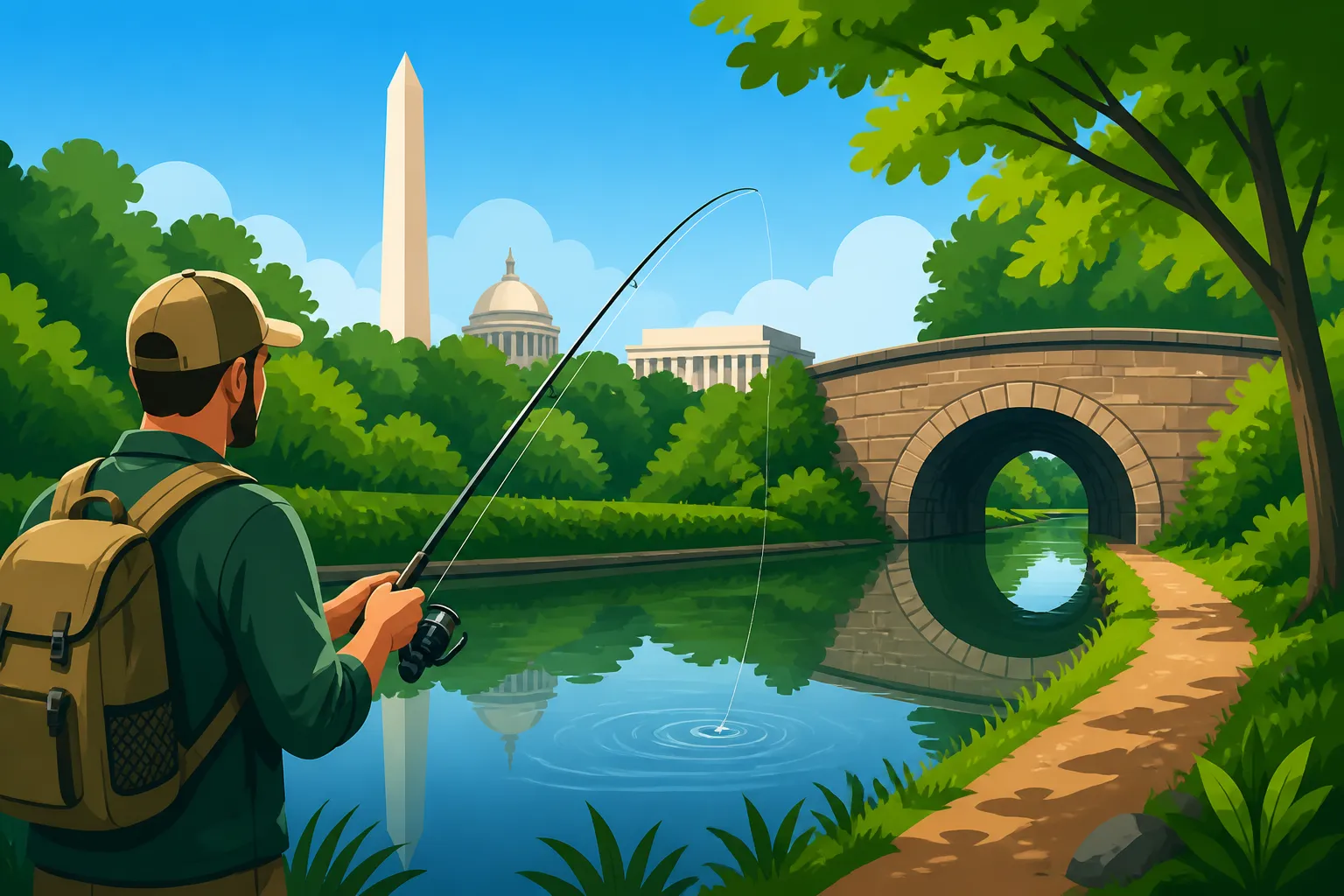
For many of us living in the bustling Washington D.C. metro area, the thought of finding a peaceful, productive fishing spot often conjures images of long drives and crowded beaches. However, a hidden gem runs right through our backyard, offering an accessible and unique angling experience: the Chesapeake & Ohio Canal. This guide will take you through everything you need to know to successfully fish the historic C&O Canal, focusing on the sections most easily accessible from the nation's capital.
Understanding the Unique Character of the C&O Canal Fishery
The C&O Canal isn't just a ditch adjacent to the mighty Potomac River; it's a living piece of American history that offers a surprisingly robust and tranquil fishing experience. For those of us enduring the daily grind in and around Washington D.C., discovering a serene stretch of water to cast a line without dedicating half a day to travel can feel like finding a secret oasis. The C&O Canal National Historical Park, stretching an incredible 184.5 miles from Georgetown in D.C. to Cumberland, Maryland, provides precisely that—a linear park brimming with natural beauty and historical significance. Originally constructed as a vital transportation route for coal, it now serves as a beloved recreational corridor, and its calm, often shallow waters are home to a diverse array of fish species.
The unique ecosystem of the canal, with its slow-moving or sometimes stagnant sections, distinct weed beds, and proximity to urban centers, sets it apart from other fisheries. While it might not be known for trophy-sized fish on par with some of Maryland's larger bodies of water, the canal consistently offers action, making it an excellent choice for anglers of all skill levels, from families with young children to seasoned pros looking for a quiet escape. Imagine stepping away from the monuments and traffic, and within minutes, you're listening to birdsong and the gentle plop of your lure hitting the water. It's a truly restorative experience that's often overlooked.
Canal Versus Potomac River Fishing
It’s absolutely crucial for any angler to understand that fishing the C&O Canal is a distinctly different endeavor from fishing the adjacent Potomac River, even though they run parallel for much of the canal's length. While the Potomac might beckon with its vastness and reputation for larger fish, the canal offers its own specific challenges and rewards. The canal itself is generally much shallower, often ranging from just a few feet to perhaps ten feet in its deeper pools, and its water movement is significantly slower, sometimes almost completely still in sections far from active locks or feeders. This creates a more contained and predictable environment.
The Potomac, in stark contrast, is a powerful, dynamic river characterized by strong currents, deeper channels, and often more turbulent water, especially in areas like Great Falls. These differing environments naturally lead to variations in fish populations and optimal fishing techniques. For example, while you might successfully target panfish and smaller Largemouth Bass amidst the canal's dense lily pads and submerged vegetation with light tackle, venturing onto the Potomac would typically require heavier gear, a better understanding of riverine currents, and often a boat to effectively reach productive areas. Many anglers even consult resources like the Maryland DNR Fishing and Boating Guide to fully grasp these distinctions. The canal's calm nature makes it an ideal spot for bank fishing or kayak fishing, whereas the Potomac often demands more robust equipment and knowledge of its varied features, such as deep rock structures or swift current breaks.
Target Species and What You Can Expect to Catch
The C&O Canal might not be famous for record-breaking catches, but what it lacks in sheer size, it more than makes up for in variety and consistent action. This makes it a fantastic destination for a relaxed day on the water, whether you're introducing someone new to fishing or just enjoying the tranquility yourself.
Abundant Panfish and Largemouth Bass Opportunities
For sheer numbers and consistent bites, the C&O Canal truly shines as a panfish haven. You'll find a thriving population of bluegill, crappie, and various other sunfish species here. These eager biters are perfect for anyone, particularly kids or beginners, looking to experience the thrill of a bending rod. Imagine a sunny afternoon where you can watch your bobber dance and dip almost continuously, bringing in one colorful bluegill after another – it’s a surefire way to create lasting memories and build confidence in new anglers.
Largemouth Bass are also extremely prevalent throughout the canal. They absolutely love the slow-moving, often weed-choked waters, finding perfect ambush points among the lily pads, submerged brush, and fallen trees that line the canal banks. While you might not always pull out a ten-pound lunker, the canal consistently produces bass in the 1-3 pound range, with occasional bigger surprises. These fish are active predators, and if you present your lure correctly, you're in for some exciting topwater blow-ups or powerful subsurface strikes. For more detailed insights into targeting this popular species, check out our guide on Largemouth Bass Fishing in Maryland.
Catfish and Other Bottom Dwellers
Beyond the sunfish and bass, the C&O Canal also harbors a healthy population of catfish, primarily Channel Catfish and various Bullhead species. These hardy fish thrive in the canal’s diverse environment and can put up a surprisingly strong fight on lighter tackle, adding another layer of excitement to your day. While they generally won't reach the colossal sizes found in larger rivers like the main Potomac, they are a consistent presence. You might also encounter large Common Carp, which are true freshwater powerhouses. If you hook into one of these, be prepared for a long, drawn-out battle that can really test your drag and your patience!
It's also worth noting that in certain deeper, weedier sections, Chain Pickerel might make an appearance. These toothy predators are known for their aggressive strikes and can be a thrilling surprise catch. When targeting these bottom dwellers, a simple bottom rig with cut bait, chicken liver, or even just worms can be incredibly effective. Anglers interested in more about the diverse catfish populations in the region might find our article on Maryland Blue Catfish, an Invasive Giant to be a useful read, even though the canal's primary catfish species differ from the blue cat.
Seasonal Visitors and Unique Catches
While the core species in the C&O Canal remain fairly consistent year-round, certain conditions or times of the year can present unique fishing opportunities. For instance, after periods of heavy rain or during times of higher water levels, some fish from the main Potomac River might temporarily venture into the canal, especially near culverts or areas where the two waterways connect. However, these movements are typically fleeting and less reliable than the canal's resident populations.
Perhaps the most unique and increasingly common catch in the C&O Canal is the Northern Snakehead. These highly invasive, air-breathing fish have established a strong foothold in Maryland waters, including the canal. They are aggressive predators and offer an exhilarating fight. Because they are an invasive species, Maryland regulations mandate that if you catch a snakehead, it must not be released and should be killed humanely. For serious anglers looking to target this unique species, focusing on topwater presentations like frogs or weedless soft plastics in dense cover can be incredibly effective. To learn more about this particular species and why anglers are encouraged to remove them, our guide on Northern Snakehead in Maryland Waters offers comprehensive information, and you can also delve into Techniques for Catching Snakehead in Maryland for practical tips.
Navigating the Canal: Access Points, Regulations, and Best Practices
One of the C&O Canal's greatest attributes, especially for those in the Washington D.C. metropolitan area, is its unparalleled accessibility. You don't need a massive boat or specialized gear to enjoy a day of fishing here. The convenience factor cannot be overstated, offering a quick escape from urban life.
Convenient Access from the D.C. Metro Area
The C&O Canal effectively begins in Georgetown, Washington D.C., and extends upstream, offering miles of easily reachable shoreline for bank anglers and numerous spots for launching non-motorized boats like kayaks or canoes. You'll find that the historical towpath, which runs the entire length of the canal, provides excellent walking and biking access to many prime fishing locations.
Here are some of the most popular and accessible points near Washington D.C.:
- Fletcher's Cove (D.C. Side): Although primarily known as a prominent access point for fishing the Potomac River, the adjacent canal sections near Fletcher's Cove are easily reachable. This area provides a great starting point for many, offering amenities and a vibrant atmosphere. You can learn more about fishing in this immediate area by looking at our article on Fishing the Potomac Near Fletcher's Cove.
- Great Falls Tavern Visitor Center (Potomac, MD): Just a short drive from D.C., this popular visitor center offers direct access to the canal above the spectacular Great Falls. It's a picturesque spot, perfect for a family outing, with fishing opportunities intertwined with hiking trails and stunning views.
- Carderock Recreation Area (Potomac, MD): This spot is another local favorite, featuring ample parking, picnic areas, and direct, easy access to the canal's waters. It's a fantastic place for a leisurely day of fishing.
- Swain's Lock (Potomac, MD): Swain's Lock provides a convenient boat ramp specifically for non-motorized vessels into the canal, making it ideal for kayak or canoe anglers. There’s usually plenty of parking available, too.
- Riley's Lock (Poolesville, MD): A bit further upstream but still very accessible from D.C., Riley's Lock offers additional fishing opportunities and even features primitive camping sites for those who want to extend their outdoor adventure.
These access points are generally well-maintained and offer a good blend of convenience and natural beauty. Remember that only non-motorized boats are permitted on the canal, preserving its peaceful character. Many of these spots are also considered some of the Best Piers and Shore Fishing Spots in Maryland due to their easy access and varied environments.
Here's a quick overview of some popular access points:
| Access Point | Location (Near Washington D.C.) | Primary Fish Species (Canal) | Notes & Amenities |
|---|---|---|---|
| Fletcher's Cove | Near Georgetown, D.C. | Panfish, Bass, Catfish | Close to urban center, Potomac River access, bike rentals, restrooms, parking |
| Great Falls Tavern | Potomac, MD | Panfish, Bass, Catfish | Visitor Center, scenic views, hiking trails, restrooms, parking |
| Carderock Recreation Area | Potomac, MD | Panfish, Bass, Catfish | Picnic areas, restrooms, ample parking, popular for families |
| Swain's Lock | Potomac, MD | Panfish, Bass | Non-motorized boat launch, restrooms, parking, good for kayaks/canoes |
| Riley's Lock | Poolesville, MD | Panfish, Bass, Catfish | Camping available, restrooms, parking, offers a more secluded feel further upstream |
Essential Regulations and Licensing
Before you even think about wetting a line in the C&O Canal, it's absolutely paramount to understand and adhere to Maryland's fishing regulations. Since the sections of the canal running through Maryland are considered Maryland waters, you will need a valid Maryland fishing license if you are 16 years of age or older. This is a non-negotiable requirement. For families planning a trip, it's worth noting that Do Kids Need a Fishing License in Maryland? can provide specific details for younger anglers.
The C&O Canal falls under nontidal fishing regulations. This distinction is vital because Maryland has separate licensing and rules for tidal (saltwater/brackish) and nontidal (freshwater) environments. Our guide on Maryland Nontidal vs Tidal Fishing License, Explained can help clarify this further. Always be aware of statewide and species-specific size and creel limits, which can be found in the Maryland Department of Natural Resources (DNR) current guide. These limits are in place to ensure sustainable fishing for everyone.
A critical point to remember, particularly in the C&O Canal, concerns the Northern Snakehead. As discussed earlier, this is an invasive species, and as such, there are no size or creel limits for them. However, the most important regulation is that if you catch a snakehead, you must not release it alive. It should be humanely killed and removed from the waterway. This is a key part of Maryland's efforts to control this invasive population. For a comprehensive overview of all fishing requirements, always consult the official Maryland Fishing License Guide for 2026 and be aware of Maryland Daily Bag Limits by Species.
Optimal Techniques and Gear for Canal Success
Fishing the C&O Canal doesn't require an arsenal of heavy-duty equipment. In fact, lighter tackle is often more appropriate and more enjoyable given the size of most of the fish you'll encounter. A medium-light to medium action spinning rod paired with 4-8 lb test line is typically more than sufficient for everything from panfish to larger bass and catfish.
-
Baits and Lures:
- For Panfish: Keep it simple! Live worms, crickets, small soft plastic grubs, or tiny spinners (like Rooster Tails or Mepps) under a bobber are deadly effective. Even bread balls can work wonders for bluegill and carp.
- For Largemouth Bass: Focus on weedless presentations. Texas-rigged plastic worms or creature baits, soft plastic frogs (especially when fishing over lily pads), spinnerbaits, and small crankbaits are excellent choices. Topwater lures like poppers or walking baits can also produce explosive strikes, particularly during low light conditions.
- For Catfish: A simple bottom rig with cut bait (like pieces of hot dog or fresh shad), chicken liver, or even nightcrawlers will usually do the trick.
- For Snakehead: Topwater frogs, weedless swimbaits, chatterbaits, and spinnerbaits are popular choices. Remember, presentation in heavy cover is key for these ambush predators.
-
Tips for Success:
- Target Structure: Fish love cover. Look for fallen trees, culverts, bridge pilings, dense weed beds, and even submerged shopping carts (it's an urban canal, after all!). These spots provide ambush points and shelter for fish.
- Time Your Trip: Early morning and late evening often provide the most productive fishing, especially during the warmer months. These low-light periods are when many fish are most active.
- Consider Fly Fishing: The canal offers unique opportunities for fly anglers, especially for panfish and smaller bass. Small poppers, streamers, or nymph patterns can be incredibly effective and add a different dimension to your canal experience.
- Explore: Don't just stick to the first spot you see. The C&O Canal towpath extends for miles, and walking a bit further from common parking areas can often lead to less pressured sections of the canal with more active fish.
If you find yourself enjoying the canal but yearning for a more guided experience on the nearby Potomac or the vast Chesapeake Bay, platforms like FishingBooker can be an invaluable resource. They connect anglers with experienced local captains and guides who can put you on specific species or introduce you to more complex fishing techniques, whether you’re looking for Maryland Chesapeake Bay fishing charters or an expert for a particular species.
Planning Your Trip: What to Bring and Local Insights
A successful and enjoyable fishing trip to the C&O Canal, much like any outdoor adventure, starts with proper preparation. Because many sections are best accessed on foot or by bike along the towpath, packing smart and light is key to a comfortable day.
Packing Smart for a Canal Adventure
Think about what you truly need and what might weigh you down. The goal is to be mobile and comfortable, especially if you plan to walk a few miles to find your perfect spot.
-
Essentials for Your Tackle Bag:
- Rod and Reel: A lightweight spinning combo (as discussed above) is versatile enough for most species you’ll encounter.
- Tackle: A small, well-organized tackle box with a variety of hooks (various sizes), sinkers, bobbers, and a selection of the baits and lures mentioned earlier. Don't forget extra line!
- Bait: Live worms or a small container of your preferred artificials.
- Pliers/Forceps: Essential for hook removal, especially from toothy fish like pickerel or snakehead.
- Small Net: Useful for landing larger bass or carp without stressing your line.
- Measuring Tape: To ensure any kept fish meet regulations.
- Camera: To capture those memorable catches and scenic views.
- Trash Bag: Always pack out everything you pack in, and perhaps even a little more. Let's keep this beautiful historical park clean.
-
Personal Comfort and Safety Items:
- Water and Snacks: Staying hydrated and energized is crucial, especially on warmer days.
- Sunscreen and Hat: Protection from the sun is a must, even on cloudy days.
- Insect Repellent: Absolutely vital, particularly during warmer months when mosquitoes and ticks can be prevalent, especially near stagnant water.
- Comfortable Walking Shoes: You'll likely be walking the towpath, so prioritize footwear that offers good support and comfort.
- Small Backpack: To carry all your gear comfortably. A fishing vest can also be a great option.
- First-Aid Kit: A small kit with essentials like band-aids, antiseptic wipes, and pain relievers.
- Fishing License: Your valid Maryland fishing license should always be with you.
- Cooler (Optional): A small, soft-sided cooler for drinks and to keep any legal catch fresh.
Finding the Best Spots and Local Insights
While widely recognized spots like Great Falls and Carderock are excellent starting points, a true C&O Canal adventurer knows the value of exploring. The sheer length of the C&O Canal towpath means there are countless stretches of water that receive less pressure and can offer fantastic fishing. Don't be afraid to walk a bit further from the main parking areas; often, the quietest spots yield the most rewarding experiences.
- Leveraging Local Knowledge: Engaging with the local fishing community can be incredibly beneficial. Joining Maryland fishing forums or Facebook groups provides an opportunity to tap into real-time insights from experienced anglers who are often willing to share general tips on what’s biting and where. These communities are also great for learning about seasonal patterns or any unusual catches.
- Consulting Park Resources: The National Park Service website for the C&O Canal National Historical Park is an invaluable resource. It offers maps, information on access points, current conditions, and any specific park regulations that might affect your fishing trip.
- Beyond the Canal: Once you've honed your skills on the C&O Canal and perhaps are looking to expand your horizons to other fisheries, platforms like FishingBooker can help you connect with professional guides for a wider range of Maryland fishing experiences. Whether it's pursuing trophy Striped Bass in the Chesapeake Bay or targeting Smallmouth Bass on the main Potomac River, a guided trip can provide an entirely new perspective. For more general guidance on where to cast your line across the state, consider reviewing our comprehensive list of the Best Places to Fish in Maryland.
The C&O Canal offers a unique blend of history, nature, and accessible fishing right on the doorstep of Washington D.C. With a little preparation and respect for the regulations and the environment, you're sure to have a memorable and rewarding angling experience.
Disclaimer
The information provided in this guide is for informational purposes only and should not be considered legal advice. Fishing regulations in Maryland are subject to change by the Maryland Department of Natural Resources (DNR). It is the angler's responsibility to consult the most current Maryland DNR fishing regulations before engaging in any fishing activity. Always prioritize safety and environmental stewardship while on the water.